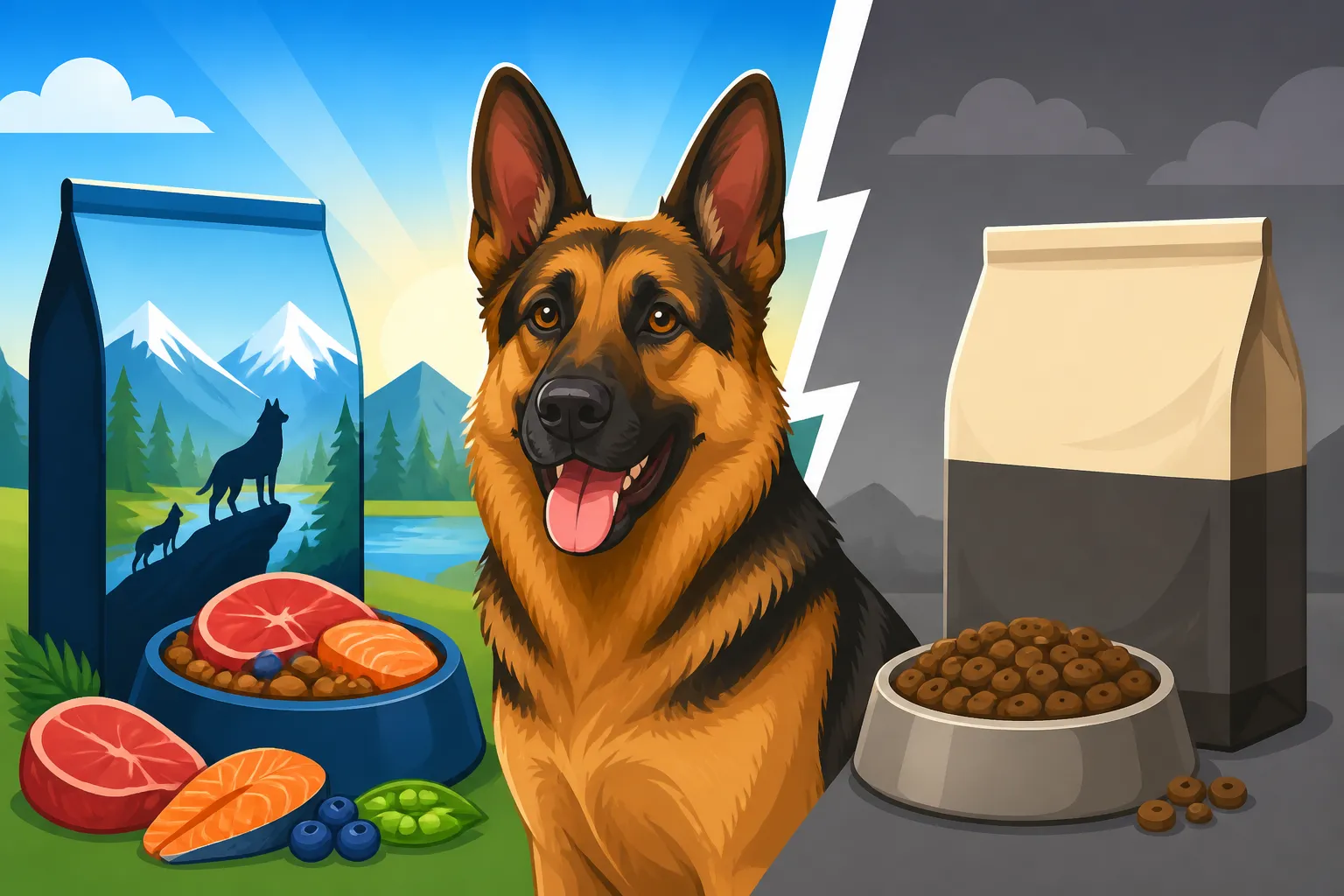
Taste of the Wild vs Store Brand for German Shepherds
Choosing the right food for your beloved German Shepherd can feel like navigating a maze. With aisles full of options, from well-known "premium" brands to seemingly budget-friendly store brands, many owners feel overwhelmed, worried they're making the wrong choice for their loyal companion's long-term health. This comprehensive guide will break down the crucial differences between popular options like Taste of the Wild and typical store brands, helping you understand what truly matters for your German Shepherd's nutrition and well-being.
Understanding the "Premium" Appeal of Taste of the Wild
When you walk down the dog food aisle, certain brands immediately catch your eye with their sleek packaging, evocative names, and claims of high-quality ingredients. Taste of the Wild is definitely one of these, often positioned as a premium choice for dog owners who want to feed their pets a diet closer to what their wild ancestors might have eaten. But what exactly does that mean for your German Shepherd?
What Sets Taste of the Wild Apart
Taste of the Wild differentiates itself by focusing on a "grain-free" and "ancestral diet" philosophy. This means their recipes typically feature novel proteins like roasted bison, smoked salmon, wild boar, and venison, often as the first ingredients. The idea is to provide protein sources that are less common in traditional dog foods, which might be beneficial for dogs with sensitivities to more common proteins like chicken or beef. Instead of grains like corn, wheat, or soy, they use complex carbohydrates like sweet potatoes, peas, and lentils. This approach aims to mimic a dog's natural diet in the wild, providing sustained energy and supporting muscle development.
Beyond the protein, Taste of the Wild formulations often include a blend of fruits and vegetables like blueberries, raspberries, and tomatoes, which are packed with antioxidants. These ingredients are designed to support a strong immune system and overall vitality. They also frequently incorporate prebiotics and probiotics to aid digestion, an especially important factor for a breed like the German Shepherd, which can sometimes have a sensitive stomach. When you're browsing for a new food for your GSD, whether on an online retailer like Chewy or at a specialty pet store, you'll notice these claims prominently displayed.
The Nutritional Benefits for German Shepherds
For German Shepherds, a breed known for its athleticism and intelligence, proper nutrition is paramount. Taste of the Wild's higher protein content, often derived from multiple animal sources, supports their strong muscular build and high energy levels. A well-nourished German Shepherd has the fuel needed for training, exercise, and maintaining their active lifestyle. The inclusion of omega fatty acids, typically from fish meals and flaxseed, contributes to a healthy skin and coat, a common concern for GSDs prone to shedding or skin sensitivities. For more detailed information on managing shedding, you might want to read our guide on German Shepherd Shedding: How to Manage It.
The "grain-free" aspect, while popular, does warrant a brief mention. While many dogs thrive on grain-free diets, there has been ongoing discussion and research by the FDA regarding a potential link between certain grain-free, legume-rich diets and dilated cardiomyopathy (DCM) in some dog breeds. It's a complex topic, and not fully understood, but it's always wise to discuss your German Shepherd's specific dietary needs and any concerns about grain-free foods with your veterinarian. Ultimately, a balanced diet is key, and if you're exploring options for your German Shepherd's long-term health, understanding the pros and cons of different food types is crucial.
Deciphering the "Store Brand" Landscape
On the other end of the spectrum, we have store brands. These are the budget-friendly options you find readily available at most supermarkets and big-box retailers. While they offer undeniable convenience and a lower price point, it's important for German Shepherd owners to look beyond the cost savings and understand what's inside these bags.
Common Characteristics of Store Brand Dog Food
Store brand dog foods, sometimes referred to as "value" or "generic" brands, are often formulated to be cost-effective. This typically means they rely on more economical ingredients. You'll frequently see corn, wheat, and soy high on the ingredient list, serving as primary carbohydrate sources and sometimes even protein fillers. While these grains aren't inherently bad for all dogs, some German Shepherds can have sensitivities or allergies to them, which might lead to digestive upset or skin issues. If you're seeing signs of discomfort, our article on German Shepherd Food Allergy Symptoms might offer further insights.
Another common characteristic is the use of generic protein sources. Instead of "roasted bison," you might see "meat and bone meal" or "poultry by-product meal." While these can still provide protein, the quality and digestibility can vary significantly. By-products can include organ meats, which are nutritious, but the term "by-product meal" can also encompass less desirable components. Artificial colors, flavors, and preservatives are also more common in store brands, often used to make the food more appealing to both dogs and their owners, or to extend shelf life. These additives are generally absent in premium brands like Taste of the Wild.
Potential Downsides and Considerations for German Shepherds
For a large, active breed like the German Shepherd, relying solely on a generic store brand food can sometimes present challenges. The lower protein content often found in these foods might not adequately support their muscle maintenance and repair, especially if they're highly active. If your German Shepherd isn't getting enough quality protein, it could impact their energy levels and overall physique.
Furthermore, the prevalence of fillers like corn and wheat can be problematic. These ingredients are less digestible for some dogs and can contribute to larger, more frequent stools. More importantly, they can be potential allergens for German Shepherds with sensitive digestive systems, leading to issues like diarrhea, vomiting, or chronic itching. If your German Shepherd is experiencing loose stool, understanding the German Shepherd Loose Stool: Common Causes can be helpful.
The lack of specific, high-quality fats (like omega-3s) in many store brands can also impact skin and coat health. A dull coat, excessive shedding (beyond normal blow-outs), or dry, flaky skin could be indicators that their diet isn't providing the necessary nutrients. Lastly, while the upfront cost is lower, the potential for increased vet visits due to dietary issues could negate any savings in the long run.
A Head-to-Head Comparison: Taste of the Wild vs. Store Brand
Let's lay it all out there. When you put Taste of the Wild next to a typical store brand, the differences become quite clear, especially when you're looking at the labels through the lens of a German Shepherd owner. This comparison isn't about shaming budget choices, but about empowering you with information to make the most informed decision for your dog's health.
Ingredient Quality and Source Transparency
This is arguably the biggest differentiator. Taste of the Wild prides itself on named, high-quality animal protein sources as the first ingredients, such as "smoked salmon" or "roasted venison." They also list specific complex carbohydrates and a range of fruits and vegetables. This transparency allows you to understand exactly what you're feeding your German Shepherd.
In contrast, store brands often start with less specific or less nutrient-dense ingredients. You might see "corn," "brewer's rice," or "meat and bone meal." While these are not necessarily harmful, their nutritional value and digestibility can be lower. The vague terminology makes it harder to assess the quality or origin of the ingredients, which can be a concern for owners managing allergies or sensitive stomachs. If you're looking for the absolute Best Dog Food for German Shepherds, ingredient quality is always a top factor.
Nutritional Adequacy for German Shepherds
German Shepherds are large, active dogs with specific nutritional requirements, particularly during their growth phase as puppies and as they age. A growing German Shepherd puppy needs a diet that supports healthy bone and joint development, which means appropriate calcium and phosphorus levels. Our guide on German Shepherd Puppy Feeding Schedule provides more details on this. Adult GSDs need sustained energy and muscle support.
Taste of the Wild typically offers higher protein and fat percentages, aligning well with the energy demands of an active German Shepherd. Their formulas often include beneficial additions like probiotics for gut health and antioxidants for immune support. Store brands, while meeting basic AAFCO (Association of American Feed Control Officials) requirements for "complete and balanced," often do so at the minimum acceptable levels. They might lack the robust profiles of essential amino acids, fatty acids, and specific micronutrients that can truly optimize a German Shepherd's health and vitality.
Cost vs. Value Proposition
The initial price tag is where store brands shine. They are significantly cheaper per pound than premium foods like Taste of the Wild. For many households, especially those feeding a large breed like a German Shepherd, this can be a crucial factor. However, it's important to consider the "value" beyond the immediate cost.
A German Shepherd on a lower-quality diet might eat more to feel full due to less nutrient density, meaning the bag might not last as long. They might also have more digestive issues, leading to higher vet bills, or require supplements to make up for nutritional gaps. For example, if your German Shepherd suffers from joint issues, a common concern for the breed, investing in a food that supports joint health or requires fewer supplements could be more cost-effective in the long run. Many owners find themselves purchasing joint supplements on platforms like Amazon anyway, so a food that integrates these benefits can offer true value.
Here's a quick comparison table to summarize the typical differences:
| Feature | Taste of the Wild (Typical) | Store Brand (Typical) |
|---|---|---|
| Primary Ingredients | Real animal protein (venison, salmon, bison, etc.) first | Corn, wheat, soy, generic meat meals, animal by-products |
| Grain Content | Grain-free (using sweet potatoes, peas, lentils) | Often high in corn, wheat, soy |
| Protein % | Higher (e.g., 28-32%) | Moderate (e.g., 18-24%) |
| Fat % | Often higher, includes named animal fats, omega-3s | Moderate, often generic animal fat |
| Additives | Natural preservatives, no artificial colors/flavors | May contain artificial colors, flavors, chemical preservatives |
| Digestibility Support | Often includes probiotics and prebiotics | Less common, basic formulation |
| Allergen Potential | Lower due to novel proteins/grain-free, but consider DCM | Higher due to common allergens (corn, wheat, soy, chicken) |
| Typical Cost | Higher premium price per pound | Lower budget price per pound |
| Overall Nutrient Density | High | Moderate to low |
Making the Best Decision for Your German Shepherd
Choosing between a premium brand like Taste of the Wild and a more budget-friendly store brand is a personal decision that involves balancing many factors, including your dog's individual needs, your budget, and your philosophy on pet nutrition. There's no single "best" answer for every German Shepherd, but there are definitely ways to ensure you're making an informed choice.
Factors to Consider Beyond the Label
The ingredient list is a great starting point, but it's not the only thing that matters. First and foremost, observe your German Shepherd. How is their energy level? Is their coat shiny and healthy? Are their stools firm and consistent? These are vital indicators of how well a food agrees with them. A dog thriving on a particular food, regardless of its branding, is a happy, healthy dog.
Consider your German Shepherd's age and activity level. A high-energy working line GSD will have different caloric and protein needs than a senior German Shepherd with arthritis. Our guide on German Shepherd Diet by Age and Weight provides a detailed look into these changing nutritional demands. If your dog is a senior, you'll want to pay extra attention to joint support and easily digestible ingredients.
Also, factor in any known sensitivities or health issues. If your German Shepherd has a sensitive stomach, a food with easily digestible ingredients and probiotics, like many premium brands offer, might be worth the extra investment. You can find specialized formulations or even explore fresh food options like Ollie if traditional kibble isn't working out, though these come at a different price point. It’s always a good idea to chat with your vet about your dog's specific needs, especially if you're considering a significant dietary change or have concerns about ingredients.
Supplementing and Monitoring for Optimal Health
If your budget necessitates a store brand dog food, that doesn't mean your German Shepherd can't still enjoy excellent health. You might simply need to be more proactive in supplementing and monitoring their well-being. Adding high-quality omega-3 supplements can improve skin and coat health. Glucosamine and chondroitin supplements can support joint health, which is crucial for a breed like the German Shepherd prone to conditions like hip and elbow dysplasia. Learning how to prevent issues like this is invaluable, and our article on How to Prevent Hip Dysplasia in German Shepherds is a great resource.
You can also boost the nutritional profile of store brand kibble by adding lean cooked meats (like chicken or beef, ensuring no bones or harmful seasonings), steamed vegetables, or a spoonful of plain yogurt (for probiotics). Just remember to do this in moderation and ensure these additions don't upset their stomach. Regular vet check-ups are also more important than ever to catch any potential nutritional deficiencies or health issues early. Your vet can provide tailored advice and help you navigate the complex world of pet nutrition, offering guidance on everything from German Shepherd Nutrition Essentials to managing specific health concerns like bloat through careful feeding practices, as outlined in our German Shepherd Bloat Prevention Feeding Tips article. Ultimately, the best food is the one that keeps your German Shepherd healthy, happy, and thriving, no matter the brand name or price tag.
Disclaimer
The information provided in this article is for general informational purposes only and does not constitute veterinary advice. Always consult with a qualified veterinarian for any health concerns or before making any changes to your German Shepherd's diet or healthcare routine.