How Much to Feed a 12-Week-Old German Shepherd
Bringing home a 12-week-old German Shepherd puppy is an exhilarating experience, but let's be honest, it also comes with a whirlwind of questions and a fair bit of anxiety, especially when it comes to feeding. You're probably staring at that bag of puppy food, or maybe even agonizing over which brand to choose, wondering if you're giving too much, too little, or the wrong kind of nutrition entirely. The good news is, you're not alone in feeling overwhelmed. This comprehensive guide is here to walk you through exactly how much to feed your energetic 12-week-old German Shepherd puppy, ensuring they get the best start in life.
Understanding Your 12-Week-Old German Shepherd's Nutritional Needs
At 12 weeks old, your German Shepherd puppy is a rapidly growing bundle of energy, and their nutritional requirements are incredibly specific. This isn't just about filling their belly; it's about building a strong foundation for a healthy, long life. Getting it right at this stage is absolutely crucial.
Why 12 Weeks is a Critical Growth Stage
Think of your 12-week-old German Shepherd puppy as a miniature construction project that's moving at warp speed. They're growing in height, length, and muscle mass, and their bones are developing at an astounding pace. This period, roughly from 8 weeks to around 4-6 months, is when their skeletal structure is forming. Proper nutrition during this time is paramount to supporting healthy bone and joint development, which is particularly vital for a large breed like the German Shepherd, known for potential predispositions to conditions like German Shepherd Hip Dysplasia Explained or elbow dysplasia later in life.
Their tiny bodies are working overtime, requiring a higher caloric intake per pound of body weight compared to adult dogs. They need a steady supply of energy to fuel their playful antics, explore their world, and simply grow. Without the right balance of nutrients, you could inadvertently contribute to developmental orthopedic issues or other health problems down the line. It's a lot of pressure, I know, but understanding why their nutrition is so important can make the task feel less daunting.
Essential Nutrients for German Shepherd Puppies
When you're looking at puppy food labels, it can feel like reading a chemistry textbook. But for a 12-week-old German Shepherd, certain nutrients are non-negotiable. First and foremost, they need high-quality protein, which is the building block for muscles, organs, and tissues. Look for real meat as the first ingredient – chicken, beef, lamb, or fish.
Next up are fats. These aren't just for energy; healthy fats, especially Omega-3 fatty acids like DHA, are vital for brain and vision development. Carbohydrates provide quick energy for those bursts of puppy zoomies. But perhaps the most critical balance for a large breed puppy is calcium and phosphorus. Too much calcium, or an incorrect ratio, can actually harm their developing bones, leading to conditions like osteochondrosis dissecans (OCD). This is why feeding a food specifically formulated for large breed puppies is so important, as these formulas are designed with controlled growth in mind. They also need a good blend of vitamins and minerals to support their immune system and overall cellular function. This complex interplay of nutrients is what helps your puppy thrive.
How Much to Feed and How Often
This is the million-dollar question for many new German Shepherd puppy parents, and it’s where the confusion often sets in. There isn't a single, universally perfect answer, but there are excellent guidelines to follow.
General Guidelines and Manufacturer Recommendations
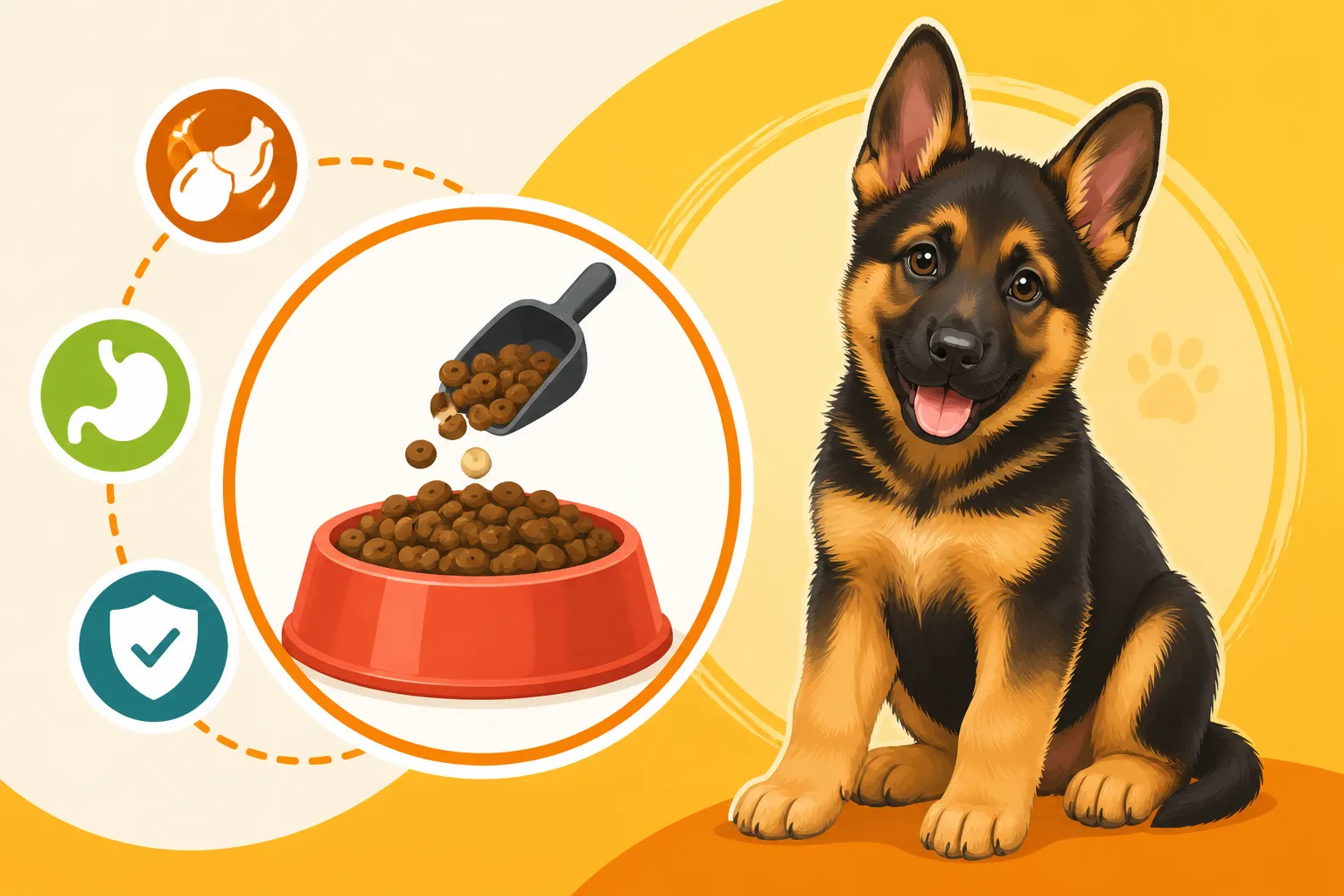
The most reliable starting point for determining how much to feed your 12-week-old German Shepherd puppy is the feeding guide on your chosen puppy food bag. Reputable brands spend a lot of time and research developing these guidelines, typically based on your puppy's current weight and projected adult weight. For instance, a food might recommend X cups per day for a puppy weighing Y pounds. These are usually divided into several smaller meals throughout the day.
However, these are just recommendations. Your puppy is an individual! Their metabolism, activity level, and growth rate can vary. A very active puppy exploring a large yard will likely burn more calories than a more sedate puppy living in an apartment, even if they're the same age and weight. This is where observation comes in. I’ve seen countless owners strictly adhere to the bag, only to find their puppy either a bit too lean or a bit too chubby. It's a starting point, not a rigid rule. Many good quality foods, such as those from Purina Pro Plan or Royal Canin, offer specific large breed puppy formulas with detailed feeding charts that serve as an excellent foundation. You can often find these at pet supply stores or online through retailers like Chewy or Amazon.
To give you a general idea, here’s a rough table, but always cross-reference with your specific food's recommendations and your vet's advice.
| Puppy Age | Current Weight (Approx.) | Daily Food Intake (Cups/Grams) | Meals Per Day |
|---|---|---|---|
| 12 Weeks | 20-30 lbs (9-13.6 kg) | 3-4 cups (360-480g) | 3-4 |
Note: This is a general guideline. Actual amounts vary greatly based on food brand, caloric density, and individual puppy needs. Always consult your specific dog food packaging and your veterinarian.
Factors Influencing Feeding Amounts
Beyond the general guidelines, several factors play a huge role in how much your individual 12-week-old German Shepherd puppy truly needs. The first is their activity level. A puppy who spends hours playing fetch and wrestling with littermates or other dogs will need more fuel than one who is more inclined to nap. This doesn't mean you should over-exercise a young puppy, especially given concerns about German Shepherd Growth Plates and Exercise, but it means adjusting their food intake to match their energy output.
Metabolism is another big one. Just like people, some puppies have faster metabolisms and can eat more without gaining excess weight. Others are more efficient and require less. You also need to consider the caloric density of the food itself. Some premium large breed puppy foods are packed with nutrients and calories, meaning you'll feed less volume than with a less dense formula. Always check the caloric content (kcal/cup or kcal/kg) on the label.
The best way to tell if you're feeding the right amount is to monitor your puppy's body condition. You should be able to feel their ribs easily, but not see them. They should have a noticeable waist when viewed from above, and their belly shouldn't be distended. If they look too thin or too chunky, it's time to adjust the food amount incrementally. Remember, small adjustments over a few days are better than drastic changes. Regular check-ups with your vet will also help you stay on track, and they can offer personalized advice on their ideal German Shepherd Weight and Obesity Risks.
Choosing the Right Food for Your Growing German Shepherd
Selecting the right food for your 12-week-old German Shepherd puppy is just as important as the quantity. The market is flooded with options, and it can be dizzying trying to figure out what's best.
The Importance of Large Breed Puppy Formulas
I cannot stress this enough: for German Shepherd puppies, large breed puppy formulas are essential. These aren't just a marketing gimmick. They are specifically designed to support the controlled, steady growth that is critical for giant and large breeds. The main difference lies in the calcium-to-phosphorus ratio and the overall calorie count.
Large breed puppy formulas typically have a slightly lower calcium content and a carefully balanced calcium-to-phosphorus ratio. This helps prevent rapid growth spurts that can put undue stress on developing joints and bones, reducing the risk of orthopedic problems. They also often have slightly lower fat and calorie content compared to standard puppy foods, again to promote that slower, more controlled growth without sacrificing essential nutrients. Brands like Eukanuba, Hill's Science Diet, and Royal Canin all offer excellent large breed puppy options that are widely recommended by veterinarians. Investing in a high-quality large breed puppy food now can save you significant heartache and vet bills related to German Shepherd Hip Dysplasia: Cost to Treat or other joint issues in the future.
Dry Kibble, Wet Food, or Raw Diet Considerations
When it comes to the type of food, you have a few options, each with its pros and cons for a 12-week-old German Shepherd.
Dry Kibble: This is the most common and often most convenient choice. High-quality dry kibble formulated for large breed puppies provides complete and balanced nutrition, is easy to store, and helps keep your puppy's teeth cleaner. It's also generally the most cost-effective option. Many owners soak kibble for very young puppies to make it easier to eat and digest, but by 12 weeks, most German Shepherds are perfectly capable of eating dry kibble without issues. When choosing kibble, look for transparency in ingredients and check for the AAFCO statement confirming it meets nutritional standards for growth.
Wet Food: Wet food can be very palatable and hydrating, which is a bonus for some picky eaters or puppies who don't drink enough water. However, it's typically more expensive, contains more water (meaning less dense nutrition by volume), and doesn't offer the same dental benefits as kibble. Some owners mix a small amount of wet food with kibble to entice their puppy or add extra moisture.
Raw Diet: The raw diet (BARF or PMR) has gained popularity, with proponents touting benefits like improved coats, better digestion, and higher energy. However, feeding a raw diet to a growing German Shepherd puppy, especially at 12 weeks, requires significant research and careful balancing to ensure they receive all the necessary nutrients, particularly the correct calcium-to-phosphorus ratio. An improperly balanced raw diet can lead to severe developmental issues, which could have long-term consequences for a breed prone to joint problems. If you're considering a raw diet, it is absolutely crucial to consult with a veterinary nutritionist to ensure it's balanced and safe. There are also pre-made raw options available from companies like Ollie that can simplify the process, but still require careful consideration and guidance. For many, starting with a high-quality commercial kibble and perhaps adding some fresh, cooked, vet-approved toppers is a safer and easier approach at this young age.
Establishing a Healthy Feeding Routine and Addressing Common Concerns
Consistency and observation are key components of a successful feeding strategy for your 12-week-old German Shepherd puppy. It’s not just about what and how much, but also how and when.
Setting Up a Feeding Schedule
At 12 weeks old, your German Shepherd puppy should be eating three to four meals per day. Spreading out their daily food intake helps manage their energy levels, keeps their blood sugar stable, aids digestion, and reduces the risk of gulping food too quickly. This consistent German Shepherd Puppy Feeding Schedule is vital.
Here's an example of a typical schedule:
- Morning (7:00 AM): First meal
- Midday (12:00 PM): Second meal
- Late Afternoon/Early Evening (5:00 PM): Third meal
- Before Bed (8:00 PM): Optional fourth small meal, depending on energy needs and specific food.
It's generally recommended to feed the last meal a few hours before bedtime to allow time for digestion and a final potty break before settling in for the night. Avoid free-feeding, where food is left out all day. This can make potty training harder, lead to overeating, and make it difficult to monitor your puppy's appetite, which is an important indicator of health. Stick to a routine, and your puppy will quickly learn when meal times are. This predictability also helps with German Shepherd Puppy Training Guide elements, as a puppy on a schedule is often a happier, more settled puppy.
Common Feeding Mistakes and How to Avoid Them
Even with the best intentions, new puppy owners can fall into a few common traps when it comes to feeding.
Overfeeding or Underfeeding: This is perhaps the most frequent mistake. Overfeeding can lead to obesity, which puts undue stress on developing joints and can contribute to orthopedic problems. Underfeeding can stunt growth and lead to nutritional deficiencies. Always monitor your puppy's body condition and adjust their food intake as they grow and their activity levels change. Don't be afraid to deviate slightly from the bag's recommendations if your vet or your observation suggests it's necessary.
Sudden Food Changes: German Shepherds, like many dogs, can have sensitive stomachs. A sudden switch from one food to another can lead to upset stomach, vomiting, or diarrhea. If you need to change your puppy's food, do it gradually over 7-10 days, mixing increasing amounts of the new food with decreasing amounts of the old. This gives their digestive system time to adjust. If your puppy experiences German Shepherd Loose Stool: Common Causes, a sudden food change is often a culprit.
Ignoring Health Signs Related to Food: Pay close attention to how your puppy reacts to their food. Are they eagerly eating? Is their stool firm and consistent? Any changes in appetite, persistent diarrhea, vomiting, or lethargy could be signs of a dietary issue or an underlying health problem. If you notice persistent issues, contact your vet immediately.
Bloat Concerns: While more common in adult German Shepherds, German Shepherd Bloat: Signs and Prevention is a serious concern for the breed at any age. While rare in 12-week-old puppies, it's good practice to understand prevention from a young age. Feeding multiple smaller meals rather than one large one, using a slow-feeder bowl if your puppy eats too quickly, and avoiding vigorous exercise immediately before or after meals are good habits to start early. Some suggest raised bowls can help, but current veterinary consensus is mixed, with some even suggesting they might increase risk for bloat. It's best to discuss this with your vet.
By being mindful of these common pitfalls and maintaining a consistent, high-quality feeding routine, you’ll be providing your 12-week-old German Shepherd puppy with the best possible nutritional foundation for a lifetime of health and happiness.
Disclaimer
This article is intended for informational purposes only and does not constitute veterinary advice. Always consult with a qualified veterinarian for any health concerns or before making any changes to your German Shepherd's diet or care routine. Individual nutritional needs can vary.