How to Brush a German Shepherd Coat
The majestic German Shepherd coat, while undeniably beautiful, presents a unique challenge for many owners: the endless battle against shedding. You love your dog, but sometimes it feels like you're living in a fur factory, with tumbleweeds of hair decorating every corner of your home, clothes, and even your morning coffee. The good news is, armed with the right knowledge and tools, managing your German Shepherd's coat doesn't have to be an overwhelming chore. This comprehensive guide will walk you through everything you need to know to keep your German Shepherd's coat healthy, minimize shedding, and strengthen your bond through regular grooming.
Understanding Your German Shepherd's Unique Coat
Before we dive into the nitty-gritty of brushing, it’s crucial to understand the intricate design of your German Shepherd's coat. It’s not just hair; it's a sophisticated protective system, evolved over generations to keep them comfortable in diverse climates and environments. Appreciating this will help you understand why certain brushing techniques and tools are so important.
The Double Coat Explained
German Shepherds are equipped with what’s known as a "double coat." This isn't just a fancy term; it describes a two-layered system that serves distinct purposes. Many dog breeds have double coats, but the German Shepherd's is particularly dense and functional, which explains a lot about their shedding patterns.
The outer layer, often called the "guard coat," consists of longer, coarser, and somewhat stiff hairs. These hairs are designed to repel water, dirt, and debris, acting like a natural raincoat and shield against environmental elements. They provide protection from sun, cold, and minor abrasions. Think of it as your German Shepherd’s armor. This layer gives your dog that distinctive, handsome profile and often holds the vibrant colors and patterns we admire. It's the first line of defense against the outside world.
Beneath this protective outer layer lies the "undercoat," a dense, soft, and fluffy layer of much shorter hairs. This is the insulation layer. In cold weather, it traps warm air close to the body, keeping your German Shepherd cozy. In warmer weather, it acts as a barrier against heat, preventing the sun's rays from directly hitting the skin and allowing for air circulation. The undercoat is constantly growing and dying, which leads us directly to the shedding challenge. It's this soft, downy hair that often makes up the bulk of the fur you find around your house.
Seasonal Shedding vs. Year-Round Hair Loss
Every German Shepherd owner quickly learns that shedding is a constant reality. However, there’s a big difference between the routine, year-round shedding and the more dramatic seasonal "blowouts" that German Shepherds experience. Understanding this distinction will help you set realistic expectations for your grooming efforts.
Throughout the year, your German Shepherd will shed a moderate amount of undercoat hair. This is a normal part of the hair growth cycle, where old, dead hairs are replaced by new ones. Regular weekly brushing, or even a couple of times a week, is usually sufficient to manage this everyday shedding. This consistent grooming helps remove loose hairs before they fall out onto your furniture and carpets, keeping the coat healthy and clean.
However, twice a year, typically in spring and fall, German Shepherds undergo a phenomenon known as "blowing their coat." This is when they shed their entire undercoat to prepare for the upcoming season. In spring, they shed the thick winter undercoat to make way for a lighter summer coat, and in fall, they shed the summer undercoat to grow a denser winter one. During these periods, the amount of hair coming off your dog can be truly astonishing. It can feel like an endless snowfall of fur, and if you’ve never experienced it before, it might even seem alarming. This intense shedding can last for several weeks.
During these "blow coat" seasons, your brushing routine will need to intensify significantly. Daily brushing, sometimes even twice a day, with specific deshedding tools, becomes essential. Neglecting to remove this dead undercoat can lead to matting, skin irritation, and can actually make your dog feel hotter or colder than they should, compromising the coat’s natural insulating properties. It's also worth noting that while heavy shedding is normal, if your German Shepherd experiences patchy hair loss, skin redness, excessive itching, or a dull, brittle coat outside of these normal shedding cycles, it could indicate an underlying health issue. In such cases, it's always best to consult your vet. You might find more information and guidance in our article on German Shepherd Skin Problems and Fixes.
Essential Brushing Tools for German Shepherds
Attempting to brush a German Shepherd with just any old brush is like trying to chop down a tree with a butter knife – it's ineffective and frustrating for everyone involved. The key to successful German Shepherd grooming lies in having the right tools for the job. Each type of brush serves a specific purpose, tackling different layers of their double coat or addressing particular coat challenges.
Deshedding Tools
When it comes to managing the sheer volume of hair your German Shepherd can produce, especially during their infamous "blow coat" seasons, deshedding tools are your best friend. These tools are specifically designed to reach deep into the undercoat and remove loose, dead hair without damaging the healthier topcoat.
The most common and effective deshedding tool is the undercoat rake. This tool typically has one or two rows of blunt, widely spaced metal teeth that are designed to penetrate the guard coat and gently pull out loose undercoat. Unlike regular brushes that just skim the surface, an undercoat rake gets right down to where the majority of the shedding occurs. When choosing an undercoat rake, look for one with rotating teeth or one specifically marketed for dense double coats, as these tend to glide through the fur more easily and minimize pulling. Brands like Safari and Andis offer excellent undercoat rakes that many German Shepherd owners swear by, and you can often find a wide selection available on Amazon or Chewy.
Another popular deshedding tool is the shedding blade, sometimes mistaken for a curry comb. These typically look like a serrated loop or a handle with a blade. While effective for some breeds, extreme caution should be used with German Shepherds. Some shedding blades can cut or damage the guard coat if used improperly or too aggressively. They are generally better for removing loose hair from the surface rather than deeply deshedding the undercoat. Always opt for an undercoat rake as your primary deshedding tool for a German Shepherd. The goal is to remove dead hair, not to cut healthy hair.
Slicker Brushes and Pin Brushes
While deshedding tools are champions for the undercoat, slicker brushes and pin brushes play crucial roles in maintaining the health and appearance of the entire coat, particularly the guard coat. These brushes are essential for everyday grooming and for finishing touches.
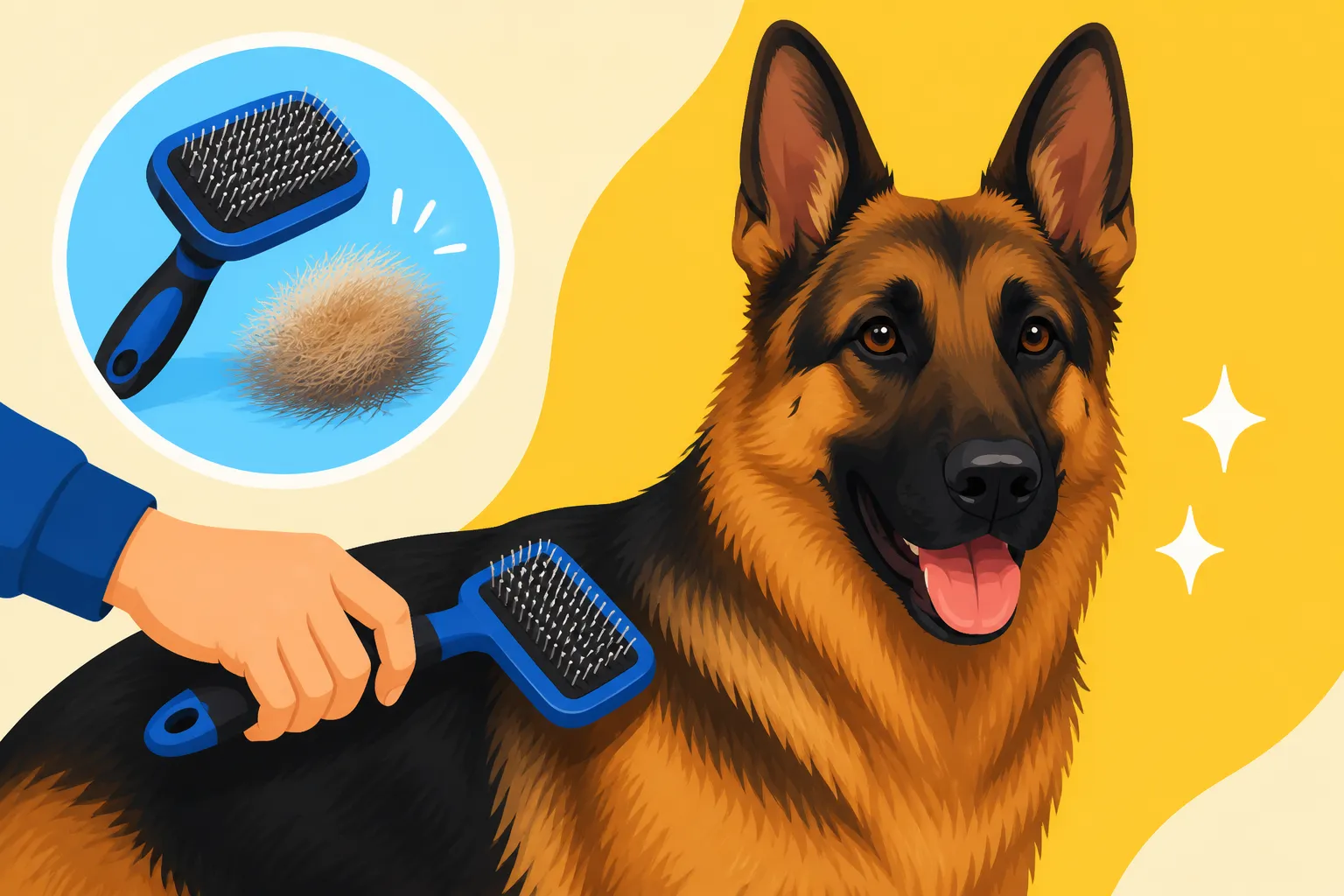
A slicker brush features a wide head covered in fine, short wires that are bent at an angle. These brushes are fantastic for removing surface tangles, loose hair from the topcoat, and for stimulating the skin. They're also excellent for fluffing up the coat and giving it a polished look after you've tackled the undercoat. Slicker brushes come in various sizes and bristle stiffness. For a German Shepherd, a large slicker brush with medium-stiff pins is usually ideal. Be gentle when using a slicker brush, especially around sensitive areas like the belly or behind the ears, as the wires can scratch the skin if too much pressure is applied. They work wonders on the feathery hair on their legs and tail.
Pin brushes, on the other hand, look more like human hairbrushes, with widely spaced metal pins, often tipped with plastic or rubber to protect the skin. These are excellent for longer-coated German Shepherds or those with more feathering. Pin brushes are great for general detangling, distributing natural oils throughout the coat, and for final smoothing. They can also be used for a quick daily brush to remove loose hairs and prevent mats from forming. They are gentler than slicker brushes and are a good choice for puppies or dogs who are still getting used to being groomed. Many groomers recommend a good quality pin brush for daily maintenance of the guard coat.
Grooming Gloves and Curry Brushes
Sometimes, the simplest tools are the most versatile, and grooming gloves and curry brushes fit this description perfectly. While they might not be the primary tools for a heavy deshedding session, they offer unique benefits for your German Shepherd's coat health and even for strengthening your bond.
Grooming gloves are exactly what they sound like: gloves, often made of rubber or silicone, with textured nubs on the palm and fingers. These are incredibly versatile. They're excellent for massaging your dog, which not only feels good for them but also stimulates blood circulation and distributes natural oils for a healthier, shinier coat. During a bath, grooming gloves can help work shampoo deep into the coat and lift loose hair, making the washing process more effective. They are particularly gentle, making them perfect for sensitive areas or for dogs who are nervous about traditional brushes. For quick, light grooming sessions to remove loose surface hair or for a bonding experience, a grooming glove is a fantastic choice.
Curry brushes, typically made of rubber or silicone with short, flexible nubs, are another excellent tool, especially for older dogs or those with sensitive skin. While they won't penetrate deep into the undercoat like an undercoat rake, they are superb at loosening dirt, debris, and dead hair from the topcoat. The flexible nubs provide a pleasant massage, making it a comfortable experience for your German Shepherd. They are also fantastic for working up a lather during bathing. Unlike some shedding blades, true rubber curry brushes are gentle on the skin and won't damage the coat. Many German Shepherd owners find them useful for weekly maintenance to keep the coat clean and shiny, and they are especially good at removing mud or loose dirt after outdoor adventures. For more specific advice on maintaining the coat's health, you might want to read our article on German Shepherd Coat and Skin Care.
Step-by-Step Guide to Brushing Your German Shepherd
Now that you're armed with the right tools, it's time to put them into action. Brushing your German Shepherd isn't just about removing hair; it's an opportunity to check their skin for abnormalities, monitor their overall health, and reinforce your bond. Consistency and patience are key, especially when establishing a routine.
Preparation and Setting Up Your Grooming Space
Before you even pick up a brush, creating the right environment is paramount. German Shepherds are intelligent and sensitive dogs, and a stressful grooming experience can make future sessions difficult. A little preparation goes a long way.
First, choose a quiet time when both you and your German Shepherd are relaxed. Avoid grooming right after a strenuous play session or when there are a lot of distractions in the house. A calm atmosphere helps your dog associate grooming with a positive, peaceful experience. Many owners find it helpful to choose a designated grooming spot, whether it's on a non-slip mat on the floor, a sturdy grooming table, or even just a comfortable corner in a well-lit room. The key is consistency, so your dog knows what to expect. Ensure the surface is stable and won't cause your dog to slip or feel unsteady.
Gather all your tools beforehand: your undercoat rake, slicker brush, pin brush, a detangling spray (if needed), treats, and perhaps a towel or old sheet to catch the falling fur. Having everything within arm's reach prevents you from having to stop mid-session, which can break your dog's concentration or patience. For particularly wiggly or nervous dogs, a chew toy or a lick mat smeared with peanut butter can be an invaluable distraction. Positive reinforcement is crucial here. Associate grooming with good things – tasty treats, gentle praise, and calm reassurance. If your German Shepherd is a puppy, starting early with short, positive sessions will set them up for a lifetime of stress-free grooming. You can learn more about managing puppy behaviors during grooming in our guide on German Shepherd Puppy Biting: What to Do.
The Brushing Technique
Once your space is ready and your dog is calm, it's time to begin the actual brushing. The technique you use, and the order of your tools, is vital for effectively removing loose hair without causing discomfort or damage to the coat.
Always start with your undercoat rake. This is your workhorse for a German Shepherd. Begin at your dog's neck and work your way down their back, sides, and eventually to their legs and tail. Brush in the direction of hair growth, using long, steady strokes. Don't press too hard; let the rake's teeth do the work. The goal is to gently pull out the loose, fluffy undercoat. You’ll be amazed at how much hair comes out, especially during a seasonal shed. Pay particular attention to areas where the undercoat tends to be densest, such as around the rump, hind legs, and behind the ears. These are also common areas for matting. Take your time, working in sections, and ensure you're getting deep into the undercoat. If you hit a snag, don't yank – gently work through it (more on tangles below).
After you've thoroughly worked through the undercoat with the rake, switch to your slicker brush. Use the slicker brush to remove any remaining loose hairs from the topcoat and to smooth out the guard hairs. This also helps to detangle any surface knots and give the coat a tidier appearance. Again, brush in the direction of hair growth, using gentle but firm strokes. The slicker brush is excellent for the feathery hair on the legs and tail, as it can help separate and define these longer strands.
Finally, finish with a pin brush or a grooming glove. The pin brush will help distribute natural oils throughout the coat, leaving it shiny and healthy. It's also a great way to check for any missed tangles or mats. A grooming glove is perfect for a final massage, picking up any stray hairs, and making the entire experience enjoyable for your dog. Remember to offer plenty of praise and treats throughout the process. The entire session should be seen as a positive interaction, not a chore. This sequential approach ensures that you address both the undercoat and the topcoat effectively, leading to a much cleaner and healthier coat. For a deeper dive into this process, check out our guide on How to Deshed a German Shepherd.
Dealing with Mats and Tangles
Despite your best efforts, German Shepherds, especially those with longer coats or during heavy shedding, can develop mats and tangles. These aren't just unsightly; they can be painful, pull on the skin, and even lead to skin infections if left untended. Dealing with them gently and effectively is crucial.
First and foremost, never try to brush out a severe mat with a regular slicker brush or undercoat rake without proper preparation. This will only cause pain and further tighten the mat. If you encounter a mat, stop and assess its severity. For minor tangles, a detangling spray designed for dogs can be a lifesaver. Spray a small amount directly onto the tangle, let it sit for a minute, then gently work it apart with your fingers, followed by the tip of a pin brush. Start from the outer edges of the tangle and work your way inward, gradually separating the hairs.
For more stubborn mats, you might need a specialized tool called a mat splitter or a mat comb. These tools have sharp, inwardly curved blades designed to cut through the mat without cutting the surrounding healthy fur. Always be extremely cautious when using these tools, ensuring you are cutting only the matted hair and not the skin underneath. Protect the skin by placing your fingers between the mat and your dog's body. If the mat is very close to the skin or covers a large area, it's often safer to visit a professional groomer or your veterinarian. Trying to tackle a large, tight mat yourself can cause significant pain and potentially injure your dog. Regular and consistent brushing, as outlined in our guide on How Often to Brush a German Shepherd, is the best preventative measure against mats forming in the first place.
Frequency and Best Practices for Optimal Coat Health
Establishing a consistent grooming routine is perhaps the most important "best practice" for German Shepherd owners. It not only keeps their coat healthy but also allows you to regularly inspect their skin for any issues and reinforce your bond. Understanding how often and what else contributes to coat health is vital.
How Often to Brush
The frequency of brushing your German Shepherd largely depends on the time of year and their individual shedding cycle. There isn't a one-size-fits-all answer, but here’s a general guideline to keep their double coat in prime condition.
During most of the year, outside of the heavy seasonal sheds, a good brushing session 2-3 times per week is usually sufficient. This regular maintenance helps to remove loose hairs before they become embedded in your furniture, prevents minor tangles, and distributes natural oils, which contribute to a healthy, shiny coat. These sessions don't need to be marathon grooming events; 15-20 minutes of dedicated brushing with your undercoat rake and slicker brush can make a significant difference. Consistent weekly grooming also helps keep your dog accustomed to the process, making it less of a struggle.
However, when your German Shepherd is "blowing their coat"—typically in the spring and fall—you'll need to step up your game considerably. During these periods, daily brushing is not only recommended but often necessary. Some owners even find brushing twice a day beneficial for short periods. This intense brushing helps to quickly remove the massive amounts of dead undercoat that are shedding out. Neglecting daily brushing during a blow coat can quickly lead to painful mats, especially in areas like behind the ears, armpits, and around the tail. It also prevents the shed hair from becoming a dense, stifling layer that can trap heat or moisture, leading to skin irritation. Think of it as a concentrated effort to get through a high-volume phase. For detailed strategies to manage the shedding throughout the year, you'll find our guide on How to Manage German Shepherd Shedding Year-Round incredibly helpful.
Beyond Brushing: Complementary Coat Care
While brushing is undeniably the cornerstone of German Shepherd coat care, it’s just one piece of the puzzle. A truly healthy, vibrant coat is a reflection of overall well-being, and several other factors contribute significantly.
Bathing plays a role, though German Shepherds don't typically require frequent baths. Over-bathing can strip their coat of essential natural oils, leading to dry skin and a dull coat. Generally, bathing every 2-3 months or when they are visibly dirty is sufficient. When you do bathe them, use a dog-specific shampoo designed for double coats, or one that addresses specific concerns like sensitive skin. Make sure to thoroughly rinse out all shampoo to prevent skin irritation. Following up with a good conditioner can help hydrate their skin and make their coat easier to brush. After bathing, a thorough drying is essential, especially of the undercoat, to prevent skin issues like hot spots. For specific product recommendations, consider exploring our post on Best Shampoo for a German Shepherd.
Nutrition is perhaps the most overlooked aspect of coat health. A high-quality diet provides the essential nutrients, vitamins, and fatty acids that are crucial for healthy skin and a shiny coat. Look for dog foods that list a high-quality animal protein as the first ingredient and contain omega-3 and omega-6 fatty acids. These healthy fats are vital for skin hydration and coat luster. Some owners also opt for supplements, such as fish oil (salmon oil is popular), flaxseed oil, or specific skin and coat supplements that contain biotin or zinc. These can further boost coat health, especially for dogs prone to dry skin or excessive shedding. Companies like Ollie offer fresh, human-grade dog food options that are formulated for optimal nutrition and can contribute significantly to coat health. You might find our article on Best Diet for a German Shepherd's Coat and Skin helpful for making informed decisions about your dog's food.
Recognizing When Professional Grooming is Needed
While much of German Shepherd grooming can be done at home, there are certainly times when calling in a professional is the smartest, safest, and most effective course of action. Recognizing these moments can save you and your dog a lot of stress.
One of the primary reasons to seek professional grooming is severe matting. If your German Shepherd develops extensive, tight mats that are close to the skin, especially in sensitive areas, attempting to remove them yourself can be painful and dangerous. Professional groomers have specialized tools, training, and experience to safely and humanely remove severe mats, often through careful shaving if necessary. Trying to cut out large mats at home can easily lead to accidental cuts on your dog's skin, which can become infected.
Another reason for professional intervention is if your dog develops persistent skin issues that you can't resolve with your regular home care. This could include chronic dryness, excessive itching, recurring hot spots, or unusual lumps and bumps. A professional groomer might spot these issues during their examination, and they can often recommend specific medicated shampoos or treatments. However, if skin problems are severe or persistent, a vet visit should always be your first step to rule out underlying medical conditions.
Finally, some owners simply prefer the convenience and expertise of a professional, especially for tasks like intricate nail trims or anal gland expression. If you're struggling to keep up with your German Shepherd's grooming needs, or if you simply want an occasional "reset" for their coat, a professional groomer can provide a comprehensive service that includes thorough bathing, drying, deshedding, and nail care. It's an investment in your dog's comfort and health. Our broader guide on How to Groom a German Shepherd provides even more context on the various aspects of canine grooming.
Common Brushing Mistakes to Avoid
Even with the best intentions, it's easy to fall into common pitfalls when grooming a German Shepherd. Avoiding these mistakes can save you frustration, prevent discomfort for your dog, and ensure their coat remains healthy and functional.
Using the Wrong Tools
This is arguably the most common and damaging mistake German Shepherd owners make. As we discussed, a German Shepherd's double coat requires specific tools. Using the wrong brush can be ineffective at best and harmful at worst.
Many people reach for a standard bristled brush or a comb not designed for undercoats. These tools simply glide over the topcoat, leaving the dense undercoat largely untouched. This means dead hair accumulates, leading to increased shedding, matting, and potential skin issues. The purpose of brushing a German Shepherd isn't just to smooth the topcoat; it's to extract that shed undercoat.
On the other end of the spectrum, using overly aggressive tools or those meant for other coat types can damage your German Shepherd's delicate undercoat or even their protective guard coat. For example, some very fine-toothed combs can snag and tear through the undercoat, causing pain and breakage. Similarly, while shedding blades can be useful for some short-haired breeds, for a German Shepherd, they can cut the guard hairs if used incorrectly, altering the coat's texture and compromising its natural protective qualities. Always stick to the recommended undercoat rakes and slicker brushes, and ensure they are of good quality. A cheap, poorly made tool can have sharp edges that irritate the skin. Investing in appropriate tools from reputable brands available on platforms like Chewy ensures you're equipped for success.
Brushing Too Infrequently or Too Aggressively
Finding the right balance in brushing frequency and technique is crucial. Both under-brushing and over-brushing, or using too much force, can have negative consequences for your German Shepherd's coat and comfort.
Brushing too infrequently is a direct pathway to matting. When the dead undercoat isn't regularly removed, it intertwines with live hairs, forming dense, painful mats. These mats trap moisture and dirt, preventing air circulation to the skin, which can lead to skin irritation, infections, and hot spots. It also makes your dog feel hotter in warm weather and colder in cold weather, as the matted fur compromises the insulating properties of their double coat. Moreover, a heavily matted dog often requires a professional shave-down, which can be stressful and change the appearance of their coat for months as it grows back. Consistent, regular brushing, especially during seasonal sheds, is the best defense against mats.
Conversely, brushing too aggressively or with too much force can injure your dog. The skin under a German Shepherd's thick coat is still delicate. Harsh brushing can cause brush burn, scratches, or general irritation, making your dog apprehensive about future grooming sessions. Using a deshedding tool like an undercoat rake with excessive pressure can pull on the hair painfully or even damage hair follicles. Always use a gentle, firm hand, allowing the tools to do the work, not brute force. If your dog shows signs of discomfort or pain, stop, check your technique, and ensure your tools are in good condition. Grooming should always be a positive, comfortable experience for your German Shepherd.
Ignoring Underlying Health Issues
Sometimes, what appears to be a grooming problem is actually a symptom of an underlying health issue. Focusing solely on brushing without observing your dog’s overall condition is a mistake. Your German Shepherd's coat and skin are often indicators of their internal health.
If you notice sudden, excessive shedding outside of their normal seasonal blowouts, patchy hair loss, dull or brittle fur, persistent dandruff, redness, bumps, scabs, or a strong, unusual odor from their skin, these are not just grooming challenges. They could be signs of allergies, parasites (like fleas or mites), fungal infections, bacterial skin infections, hormonal imbalances (like thyroid issues), or nutritional deficiencies. For instance, a very dry, flaky coat could be a sign of a poor diet or even hypothyroidism.
During brushing sessions, you have a unique opportunity to physically inspect your dog's skin and coat closely. Pay attention to any changes. If you identify any of these concerning symptoms, your first step should always be a visit to your veterinarian. A vet can diagnose the root cause and recommend appropriate medical treatment. No amount of brushing will fix a coat problem caused by an internal health issue. Regular vet check-ups and being observant during your grooming routine are crucial for catching these issues early. Our comprehensive German Shepherd Health Problems Guide provides further details on common health concerns that can manifest in coat and skin problems.
| Tool Type | Primary Use | Best For | Frequency | Caution |
|---|---|---|---|---|
| Undercoat Rake | Removing loose, dead undercoat | All German Shepherds, especially during seasonal shedding (blow coat) |
Daily during blowouts, 2-3 times/week otherwise. | Don't yank or use excessive force; can pull healthy hair. |
| Slicker Brush | Removing surface tangles, loose topcoat hair, smoothing | All German Shepherds, especially those with longer guard hairs or feathering. | Daily or a few times/week. | Be gentle; wires can scratch skin if too much pressure is applied. |
| Pin Brush | General detangling, distributing oils, light grooming | All German Shepherds, good for puppies or sensitive areas, longer coats. | Daily, for quick touch-ups or detangling. | Ensure pins are rounded to prevent scratching. |
| Grooming Glove | Massage, loose hair removal, bathing, bonding | All German Shepherds, particularly sensitive dogs or for a gentle daily pat-down. | Daily or as desired for bonding and light hair removal. | Minimal; primarily for surface hair and massage. |
| Curry Brush | Loosening dirt, debris, massage | All German Shepherds, great for short-coat sections or during baths to work in shampoo. | Weekly for cleanliness and massage. | Choose rubber/silicone; avoid metal blades that can cut coat. |
Disclaimer
The information provided in this guide is for general informational purposes only and does not constitute veterinary advice. Always consult with a qualified veterinarian for any health concerns or before making any changes to your German Shepherd's care routine.