German Shepherd Megaesophagus: Symptoms and Treatment
Watching your beloved German Shepherd struggle to eat, regurgitate their food, or cough incessantly can be incredibly distressing. It’s a terrifying sight that leaves many owners feeling helpless and confused, especially when it seems like your dog is trying their best but just can’t keep their food down. This comprehensive guide will help you understand German Shepherd megaesophagus, detailing its symptoms, exploring its causes, outlining effective diagnosis methods, and discussing the treatment and management strategies available to help your furry companion live a more comfortable life.
Understanding German Shepherd Megaesophagus
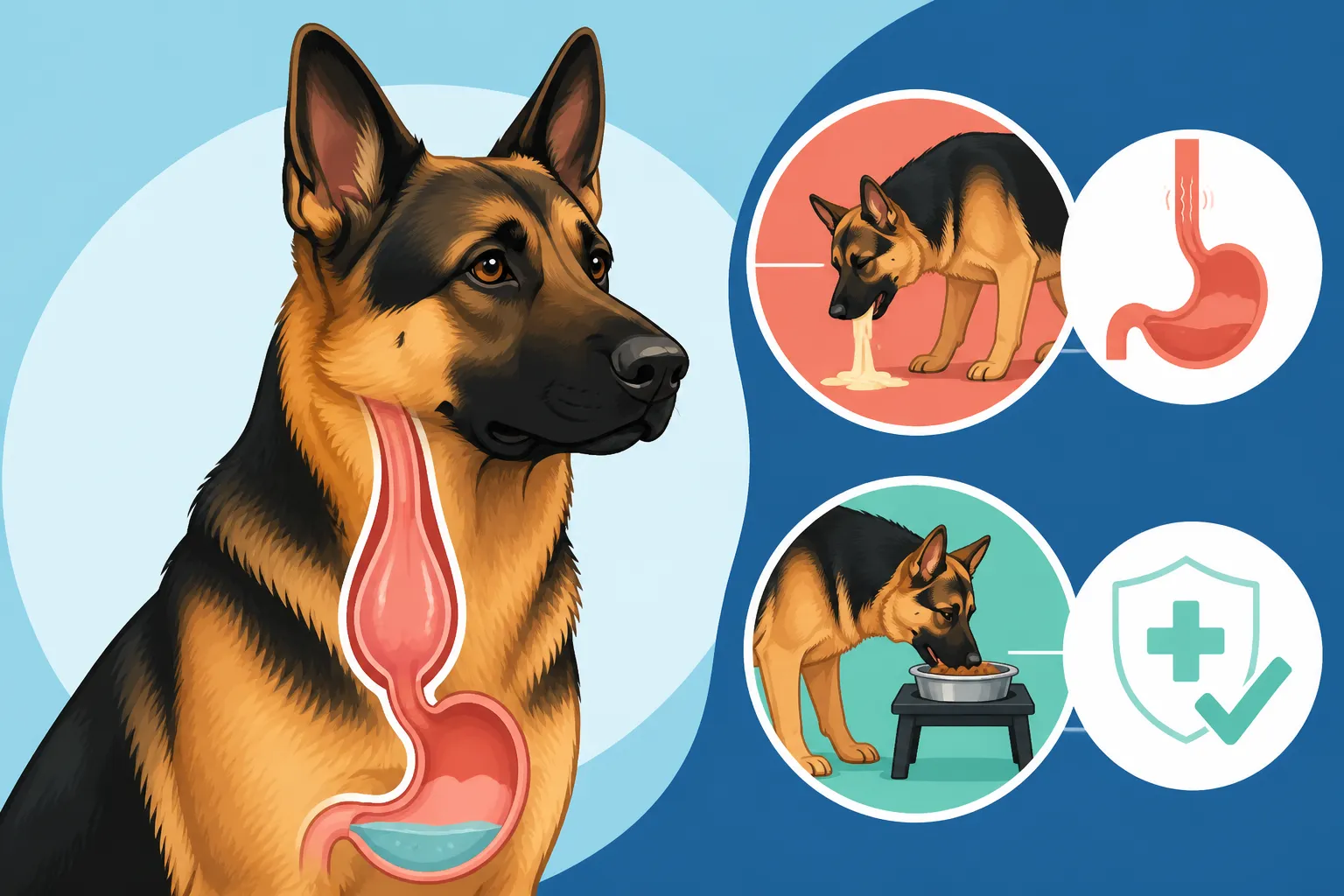
Megaesophagus is a challenging condition, particularly for German Shepherd owners, as the breed is sadly overrepresented in cases. Essentially, it means your dog's esophagus – the muscular tube that carries food from the mouth to the stomach – has lost its normal tone and ability to contract effectively. Instead of moving food downward with rhythmic waves (peristalsis), it becomes enlarged and flaccid, like a stretched-out balloon, allowing food and water to pool rather than pass into the stomach.
What Exactly Is Megaesophagus?
Imagine a perfectly functional conveyor belt that moves items from point A to point B. Now imagine that conveyor belt suddenly loses its power, sags, and the items just sit there, maybe even falling off before they reach their destination. That's a simplified way to visualize what happens with megaesophagus. The esophagus is meant to be a dynamic, active pathway, contracting to push food along. When it becomes dilated and weak, gravity is often the only force at play, and it's simply not enough, especially for a large breed like a German Shepherd. This pooling of food and liquid often leads to regurgitation, which is very different from vomiting, as we'll discuss later. It's a passive event, often without warning or effort.
The implications of this condition are profound. Without proper food reaching the stomach, dogs can suffer from malnutrition and weight loss, even if they appear to be eating large quantities. More critically, the stagnant food and liquid in the esophagus can easily be inhaled into the lungs, leading to a severe and life-threatening complication known as aspiration pneumonia. This is often the most significant concern for veterinarians and owners when managing a German Shepherd with megaesophagus.
Congenital vs. Acquired Forms
Megaesophagus isn't a single condition with a single cause; it manifests in two main forms: congenital and acquired. Understanding the distinction is crucial for both prognosis and treatment strategies.
Congenital megaesophagus is present from birth, or more accurately, from weaning. Puppies with this form often show symptoms as soon as they start eating solid food and drinking water independently. In German Shepherds, there's a recognized genetic predisposition to this condition, making it particularly heartbreaking for breeders and new puppy owners. The esophageal muscles simply don't develop properly, or the nerves controlling them are underdeveloped. This early onset can be especially challenging, as young puppies are more vulnerable to the secondary complications like aspiration pneumonia, and their rapid growth can complicate management.
Acquired megaesophagus, on the other hand, develops later in life. This form is often a symptom of another underlying disease that affects the nervous system, muscles, or endocrine glands, indirectly impacting esophageal function. It's a secondary condition, meaning something else is causing the esophagus to fail. This is why a thorough diagnostic workup is so critical when an adult German Shepherd suddenly develops symptoms – the goal isn't just to manage the megaesophagus, but to identify and treat the primary condition, if possible. For example, conditions like myasthenia gravis, hypothyroidism, Addison's disease, or even certain cancers can lead to acquired megaesophagus. In some cases, however, no underlying cause is found, and it's then termed idiopathic acquired megaesophagus.
Identifying the Key Symptoms
Recognizing the signs of megaesophagus early on can make a significant difference in managing the condition and preventing serious complications. It's not always obvious, especially because regurgitation can be mistaken for vomiting by an untrained eye.
Early Warning Signs to Watch For
One of the most telling early signs is regurgitation, not vomiting. Vomiting is an active process, often preceded by retching and heaving, where food is expelled from the stomach. Regurgitation, however, is passive. It happens without effort, often simply food "falling out" or appearing with a slight cough. The regurgitated material usually looks undigested and tubular, reflecting the shape of the esophagus, and often appears soon after eating or drinking. You might find piles of undigested kibble or watery saliva in unusual places around the house, or your German Shepherd might just drop food directly from their mouth.
Another crucial sign is difficulty swallowing (dysphagia). Your dog might repeatedly try to swallow, extend their neck while eating, or drop food from their mouth. They might also appear hesitant to eat or drink. Beyond that, a persistent coughing or gagging can be a red flag. This often happens when food or water is accidentally inhaled into the trachea during regurgitation or attempts to swallow, leading to irritation in the airways. You might notice a wet, "gurgly" sound after they eat or drink. Over time, because food isn't reaching the stomach efficiently, your German Shepherd might experience unexplained weight loss and a general loss of appetite, despite seemingly eating. This is a clear indicator that something is severely wrong with their digestion. Owners might also notice a particular bad breath, often a sour smell, due to fermenting food stuck in the esophagus.
Advanced and Complication-Related Symptoms
If megaesophagus goes unrecognized or unmanaged, the symptoms can escalate, leading to more severe health issues. The most dangerous complication is aspiration pneumonia. This occurs when regurgitated food or liquid is inhaled into the lungs, leading to a bacterial infection. Signs of aspiration pneumonia include a severe, deep, productive cough, rapid or labored breathing, fever, lethargy, and a general decline in health. This is an emergency situation and requires immediate veterinary attention. Timely identification and treatment of aspiration pneumonia are critical for your German Shepherd's survival.
Chronic malnutrition and weight loss can become severe, leading to a visibly emaciated dog, even if they are fed multiple times a day. You may also observe a general weakness and lack of energy, as their body isn't getting the necessary nutrients. In some cases, dogs with chronic regurgitation may develop esophagitis, an inflammation of the esophageal lining, which can cause pain and further worsen their ability to swallow. This can create a vicious cycle, as the pain makes eating even harder. If you notice your German Shepherd showing signs of distress or pain during or after eating, or if they are rapidly losing weight, it's essential to consult your veterinarian immediately. When considering the extensive care these situations demand, a robust pet insurance plan like one from Healthy Paws can be an absolute lifesaver, helping to cover unexpected vet bills.
Here's a quick overview of common symptoms:
| Symptom Category | Early Signs | Advanced/Complication Signs |
|---|---|---|
| Eating/Digestion | Regurgitation (passive, undigested food) | Severe weight loss, malnutrition |
| Difficulty swallowing, extended neck while eating | Aspiration pneumonia (cough, fever, lethargy) | |
| Dropping food, reluctance to eat | Esophagitis (painful swallowing) | |
| Respiratory | Occasional coughing or gagging after meals | Labored breathing, rapid breathing |
| Wet, gurgly sounds after eating/drinking | Bluish gums (cyanosis in severe cases) | |
| General Health | Unexplained mild weight loss, bad breath | Extreme lethargy, muscle wasting |
| Collapse, critical illness |
Unraveling the Causes of Megaesophagus in German Shepherds
Understanding why megaesophagus develops in German Shepherds is crucial for both prevention, where possible, and effective management. This breed carries a specific genetic burden and can also be affected by a range of acquired conditions.
Genetic Predisposition and Breed Specificity
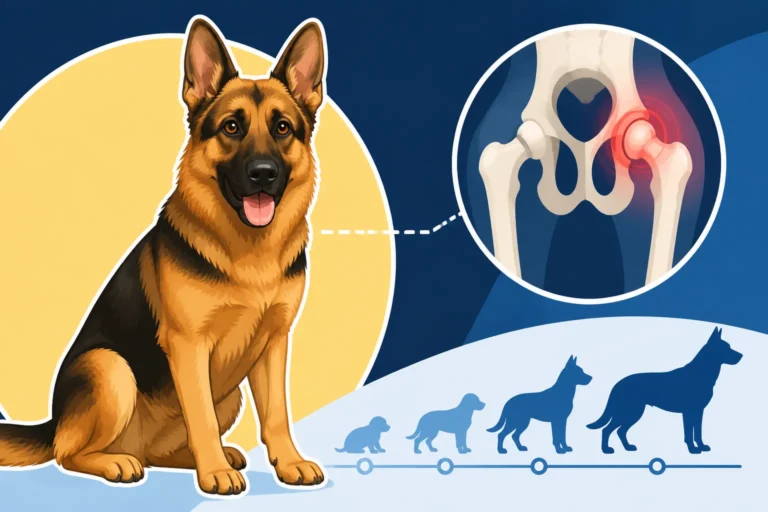
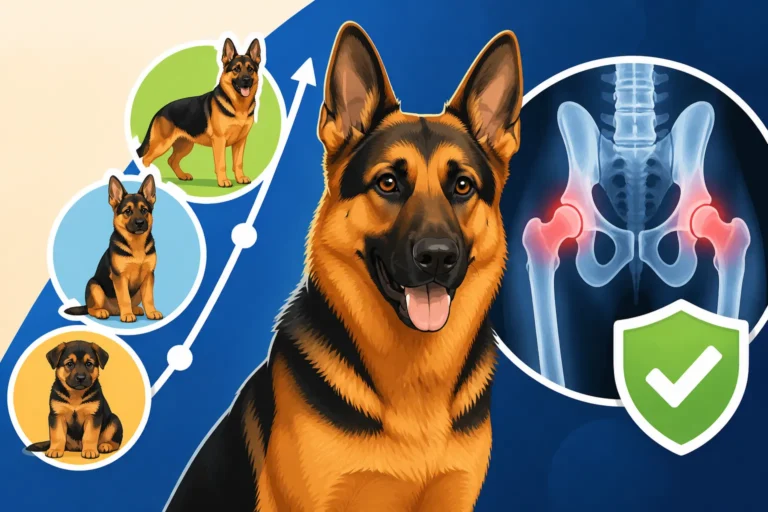
German Shepherds are unfortunately one of the breeds with a known genetic predisposition to congenital megaesophagus. While the exact genetic markers are still a subject of ongoing research, it's clear that certain lines carry a higher risk. This means that puppies from affected parents or grandparents might be more likely to develop the condition, typically manifesting as they transition from mother's milk to solid food. This genetic link highlights the critical importance of responsible breeding practices and pre-breeding health screenings for parents. Breeders should be transparent about the health history of their breeding lines, especially regarding conditions like megaesophagus, German Shepherd Hip Dysplasia Explained, and Degenerative Myelopathy in German Shepherds, which are common in the breed.
When you're looking for a German Shepherd puppy, asking about the health history of the parents and their littermates isn't just a good idea, it's essential. A reputable breeder will be proactive in screening their dogs and openly discuss potential health concerns that run in their lines. While there's no guaranteed way to prevent congenital megaesophagus, informed choices during puppy selection can help reduce the risk. Unfortunately, for those who already have a German Shepherd with congenital megaesophagus, the focus shifts to lifelong management and supportive care.
Underlying Conditions Leading to Acquired Megaesophagus
For adult German Shepherds, megaesophagus is most often an acquired condition, meaning it develops secondary to another disease. Identifying and treating this primary disease can sometimes resolve or significantly improve the megaesophagus. This is why a full diagnostic workup is so vital.
One of the most common causes of acquired megaesophagus is myasthenia gravis, an autoimmune disorder where the body attacks the receptors that allow nerve signals to transmit to muscles, leading to severe muscle weakness, including in the esophagus. Other endocrine disorders like hypothyroidism (underactive thyroid) or hypoadrenocorticism (Addison's disease) can also contribute to esophageal dysfunction. Neurological diseases that affect the nerves controlling the esophagus, certain types of cancers, or even severe esophagitis (inflammation of the esophagus) from chronic acid reflux can also lead to acquired megaesophagus. Sometimes, exposure to certain toxins or severe trauma to the neck or chest can also be implicated. In about a quarter to a third of acquired cases, despite extensive testing, no specific underlying cause is found; these cases are termed "idiopathic" and are managed symptomatically. This diagnostic challenge underscores why an experienced vet is crucial.
The Diagnostic Journey
When your German Shepherd exhibits symptoms of megaesophagus, a thorough diagnostic process is essential to confirm the condition and, importantly, to uncover any underlying causes, especially in acquired cases. This typically involves a combination of physical examination, imaging, and sometimes specialized tests.
Initial Veterinary Consultation and Physical Exam
Your journey typically begins with a visit to your veterinarian. They will start by taking a detailed history, asking you about the specific symptoms you've observed, when they started, how often they occur, and your dog's eating and drinking habits. It's helpful to be as precise as possible – distinguishing between regurgitation and vomiting, noting changes in appetite or weight, and describing any coughing or breathing difficulties. Don't hesitate to mention if you've noticed any other changes, however subtle, in your German Shepherd's behavior or energy levels, as these can provide clues to an underlying condition.
During the physical examination, your vet will assess your dog's overall body condition, listen to their heart and lungs, and palpate their abdomen. They'll be looking for signs of weight loss, dehydration, muscle weakness, or any abnormal lung sounds that could indicate aspiration pneumonia. They may also gently palpate the neck area to check the esophagus. Based on this initial assessment, if megaesophagus is suspected, your vet will recommend further diagnostic steps. Early intervention is key, so don't delay a visit if you suspect your dog is struggling, especially with a breed prone to various health concerns as detailed in our German Shepherd Health Problems Guide.
Advanced Imaging and Specialized Tests
To definitively diagnose megaesophagus, imaging of the esophagus is usually required. The most common and effective method is a radiograph (X-ray) of the chest. Plain X-rays might show a dilated, air-filled esophagus. Often, a barium swallow study is performed, where your German Shepherd is given barium (a safe, chalky liquid) to drink. Barium coats the inside of the esophagus and is opaque on X-rays, allowing the vet to clearly visualize the esophageal structure and watch how the barium moves (or doesn't move) through it. This provides undeniable proof of esophageal dilation and dysfunction.
Once megaesophagus is confirmed, the next crucial step, especially in acquired cases, is to investigate potential underlying causes. This often involves a panel of blood tests, including a complete blood count (CBC), biochemistry profile, and specific tests for conditions like myasthenia gravis (acetylcholine receptor antibody test), hypothyroidism (thyroid panel), and Addison's disease (ACTH stimulation test). Your vet might also recommend an endoscopy, where a tiny camera is inserted down the esophagus, to check for inflammation, strictures, foreign bodies, or tumors. In cases where aspiration pneumonia is suspected, chest X-rays will be critical, and sometimes a tracheal wash may be performed to identify the specific bacteria causing the infection, guiding antibiotic choices. These extensive tests can add up, making the support from a pet insurance provider like Healthy Paws invaluable in covering diagnostic costs.
Comprehensive Treatment Approaches
Treating megaesophagus in German Shepherds is largely about managing the symptoms and preventing complications, as there's no cure for the condition itself, especially the congenital form. The approach is multifaceted, focusing heavily on feeding modifications and, where appropriate, medical or surgical interventions for underlying causes or specific complications.
Managing the Condition Through Lifestyle and Feeding Modifications
The cornerstone of managing megaesophagus is adjusting how your German Shepherd eats and drinks. The primary goal is to use gravity to help move food into the stomach and minimize the risk of aspiration. This means elevated feeding. You'll need to feed your dog from a raised platform or, ideally, in a "Bailey chair." A Bailey chair is a custom-built high chair that keeps your dog in an upright, vertical position during and for 10-30 minutes after meals. This allows gravity to do the work the esophagus cannot.
Food consistency also plays a vital role. Some dogs do better with a slurry (wet kibble blended with water to a milkshake consistency), while others thrive on small, firm meatballs that they can easily swallow. It's often a process of trial and error to find what works best for your individual dog. Feeding small, frequent meals throughout the day, rather than one or two large ones, is also recommended to prevent overloading the esophagus. Water intake needs careful management too; some dogs do well with small sips, while others may need thickened liquids or even water from a syringe while in their upright position. Consistency is key, and every meal, every drink, must be carefully managed. For German Shepherds with sensitive stomachs, careful attention to diet is even more critical, as discussed in our guide on German Shepherd Sensitive Stomach Solutions.
Medical and Surgical Interventions
While lifestyle changes are paramount, medical and, occasionally, surgical interventions can also play a role, particularly when an underlying cause is identified or complications arise.
For acquired megaesophagus caused by specific conditions, treating the primary disease can sometimes lead to a significant improvement or even resolution of the megaesophagus. For instance, if myasthenia gravis is diagnosed, medications that improve neuromuscular transmission can dramatically help esophageal function. Similarly, treating hypothyroidism or Addison's disease with appropriate hormone replacement can restore esophageal motility. If aspiration pneumonia develops, your vet will prescribe antibiotics, often broad-spectrum, and supportive care like oxygen therapy if breathing is severely compromised. This might also involve nebulization or chest physiotherapy to help clear the lungs. These types of emergency treatments are exactly why having a safety net, like a plan from Healthy Paws, is so critical.
Surgery is rarely a direct treatment for the flaccid esophagus itself, as there's no way to repair the loss of tone. However, it can be necessary in specific circumstances, such as removing an esophageal foreign body (though this is more common in non-megaesophagus dogs) or correcting a vascular ring anomaly, which is a congenital malformation that constricts the esophagus. This is a rare cause of congenital megaesophagus that can be surgically corrected, allowing the esophagus to develop normally. In cases of severe, intractable aspiration pneumonia or malnutrition, a feeding tube might be temporarily or permanently considered to bypass the esophagus and deliver nutrition directly to the stomach, though this is usually a last resort for chronic, severe cases.
Living with a German Shepherd Diagnosed with Megaesophagus
A diagnosis of megaesophagus can feel overwhelming, but with dedication and consistency, many German Shepherds can live full and happy lives. It requires a significant commitment from owners to implement daily care routines and remain vigilant for potential complications.
Daily Care and Environmental Adjustments
Your German Shepherd's daily routine will revolve around their feeding protocol. The Bailey chair or an elevated feeder must become a normal part of their day. Consistency is absolutely paramount – every meal, every treat, and every drink must be given with your dog in an upright position. After feeding, they must remain upright for at least 10-30 minutes to ensure gravity has enough time to move the food into the stomach. This means no running, playing, or lying down immediately after eating.
Beyond feeding, ensure easy access to fresh water, perhaps offering it in small, supervised amounts. Keep your German Shepherd calm during feeding times to prevent gulping too much air or food too quickly. The environment should be kept clean, especially after regurgitation episodes, to minimize bacterial exposure. Regularly check your dog's weight and body condition, and communicate any changes to your vet. You'll likely need to adjust the frequency and type of feeding as your dog's condition changes or as they age. Learning how to manage their diet effectively is key to ensuring they get enough nutrition without exacerbating their condition, a topic we touch on in our general German Shepherd Feeding Guide.
Preventing Aspiration Pneumonia and Other Complications
Preventing aspiration pneumonia is the single most critical aspect of managing megaesophagus. As discussed, regurgitated contents inhaled into the lungs can quickly lead to severe infection. Beyond meticulous feeding techniques, here are additional strategies:
- Vigilance: Always watch for signs of coughing, gagging, difficulty breathing, lethargy, or fever. These are immediate indicators of potential aspiration pneumonia and warrant an emergency vet visit.
- Proactive Oral Hygiene: Dogs with megaesophagus can have food trapped in their mouth or throat. Regular brushing and rinsing might be recommended by your vet to reduce bacterial load.
- Sleeping Position: Encourage your German Shepherd to sleep with their head slightly elevated. This can help prevent any residual esophageal contents from refluxing into the pharynx and potentially being inhaled during sleep.
- Avoid Stress: Stress can sometimes worsen regurgitation in some dogs. Maintaining a calm and predictable routine can be beneficial.
- Medication: Some vets might prescribe prokinetics to improve gut motility (though their effectiveness on the esophagus itself is debated) or antacids to reduce the acidity of any regurgitated material, making it less damaging if inhaled. Always discuss any medications with your veterinarian.
It's a demanding commitment, but the bond you share with your German Shepherd makes every effort worthwhile. Regular check-ups with your vet will be crucial for monitoring their condition and addressing any new symptoms or complications promptly.
Prognosis and Long-Term Management
The prognosis for German Shepherds with megaesophagus varies significantly depending on whether the condition is congenital or acquired, if an underlying cause can be treated, and the owner's commitment to strict management protocols. It's a journey that requires patience, perseverance, and a strong partnership with your veterinary team.
Factors Influencing Outcome
For congenital megaesophagus, the prognosis can be guarded. Some puppies may "outgrow" mild forms of the condition as their esophageal function matures, but many will require lifelong management. The biggest risk factor remains aspiration pneumonia. Puppies who experience frequent or severe bouts of aspiration pneumonia have a poorer prognosis. Early and consistent intervention is crucial.
For acquired megaesophagus, the outcome largely hinges on the underlying cause. If the primary disease, such as myasthenia gravis or hypothyroidism, can be effectively treated, the megaesophagus may improve or even resolve completely. This offers the best prognosis. However, if the underlying cause cannot be found (idiopathic) or treated, then management becomes similar to the congenital form, focusing on symptomatic care to prevent aspiration. The age of onset, the severity of esophageal dilation, and the frequency of aspiration pneumonia also heavily influence the long-term outlook. German Shepherds that are able to maintain a healthy weight and avoid recurrent aspiration events generally have a better quality of life. For long-term health management, understanding how to generally How to Keep a German Shepherd Healthy is a great complementary resource.
The Role of Ongoing Veterinary Support
Living with a German Shepherd with megaesophagus means committing to ongoing veterinary care. Regular check-ups are vital to monitor their weight, lung health, and overall condition. Your vet will likely recommend periodic chest X-rays to check for early signs of aspiration pneumonia, even if your dog isn't showing obvious symptoms. They can also help you adjust feeding strategies as your dog's needs change or if their condition fluctuates.
Your vet will be your primary resource for managing medications, discussing new treatment modalities, and providing emotional support. They can also help connect you with specialists, such as veterinary internal medicine specialists or neurologists, if advanced diagnostics or treatment for an underlying condition are required. Beyond the medical aspect, it's also important to consider the financial implications of managing a chronic condition. Having a pet insurance plan in place, such as one from Healthy Paws, can significantly ease the burden of routine check-ups, medication costs, and emergency treatments for complications like aspiration pneumonia, allowing you to focus on your German Shepherd's care without added stress. Groups and online communities for owners of megaesophagus dogs can also be an invaluable source of practical tips and emotional support.
Disclaimer
The information provided in this guide is for informational purposes only and does not constitute veterinary medical advice. Always consult with a qualified veterinarian for any health concerns or before making any decisions related to your German Shepherd's medical care.