Best Age to Spay a Female German Shepherd
Deciding when to spay your female German Shepherd can feel like navigating a minefield of conflicting advice. Every vet, breeder, and well-meaning dog owner seems to have a different opinion, leaving you wondering if you're making the right choice for your beloved companion's long-term health. This comprehensive guide will cut through the noise, explaining the science, the risks, and the benefits of various spay timings specifically for German Shepherds, empowering you to make the most informed decision possible.
Understanding the Debate Around Spay Timing
For decades, the standard recommendation for spaying female dogs was around six months of age, often before their first heat cycle. This advice was largely driven by concerns about preventing unplanned pregnancies, reducing the risk of mammary tumors, and avoiding the mess of a heat cycle. However, in recent years, a wealth of new research has emerged, challenging this traditional approach, particularly for large and giant breeds like our German Shepherds. This has naturally led to a lot of confusion and even anxiety among responsible dog owners trying to do what's best.
Traditional Recommendations Versus New Research
The conventional wisdom of spaying at six months was pretty straightforward: get it done early, prevent all the "problems." This typically meant spaying before the female dog experienced her first estrus cycle. The primary medical benefit cited was the significant reduction in the risk of mammary cancer, which does indeed drop considerably if a dog is spayed before her first heat. It also, quite obviously, eliminates the risk of pyometra, a life-threatening uterine infection. Many vets still adhere to this long-standing guideline, and for some smaller breeds, it may still be the most straightforward path.
However, newer research, especially studies focusing on breed-specific outcomes, suggests that the hormones produced during a dog's growth phase and early heat cycles play a crucial role in the development of their musculoskeletal system and overall health. These hormones, including estrogen and progesterone, are essential for proper growth plate closure in bones, which impacts joint health, as well as the development of ligaments and muscle mass. For a breed prone to orthopedic issues like the German Shepherd, rushing to remove these hormones can have unforeseen consequences, prompting many experts to advocate for a later spay, or even, in some cases, a vasectomy/ovary-sparing spay.
Hormonal Influence on German Shepherd Development
Let's get a little deeper into why those hormones matter so much for a German Shepherd. These powerful chemical messengers aren't just for reproduction; they orchestrate a symphony of growth and development throughout a dog's body. Estrogen, in particular, plays a significant role in signaling the closure of the growth plates in long bones. If a female German Shepherd is spayed too early, before these growth plates have naturally closed, her long bones might continue to grow for a longer period. This can result in a taller dog with disproportionately long limbs, sometimes referred to as a "leggy" appearance.
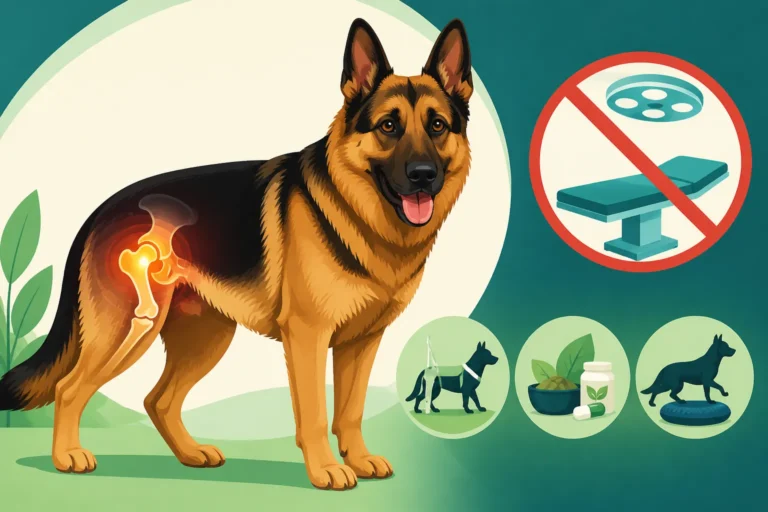
This seemingly minor change in bone length can have major implications for joint health. When the bones grow longer than genetically intended, it can alter the biomechanics of the joints, placing abnormal stress on the cartilage and ligaments. This increased stress can exacerbate the risk of conditions like German Shepherd Hip Dysplasia: Symptoms and Treatment and German Shepherd Elbow Dysplasia: Symptoms and Treatment, which are already prevalent in the breed. Imagine building a house with joists that are just a little too long for the frame – everything might fit, but the stress points are off, and it's more prone to issues down the line. That's essentially what can happen with premature removal of hormones in a growing German Shepherd.
The Unique Considerations for Female German Shepherds
German Shepherds are magnificent athletes, renowned for their strength, agility, and powerful physique. But this very build comes with specific health predispositions that make the spay timing debate particularly relevant. It's not just about preventing puppies; it's about optimizing their chances for a long, healthy, and active life, free from preventable orthopedic and other health challenges. Pet insurance providers like Healthy Paws often see claims related to these very issues, highlighting how common they are.
Growth Plate Closure and Orthopedic Health
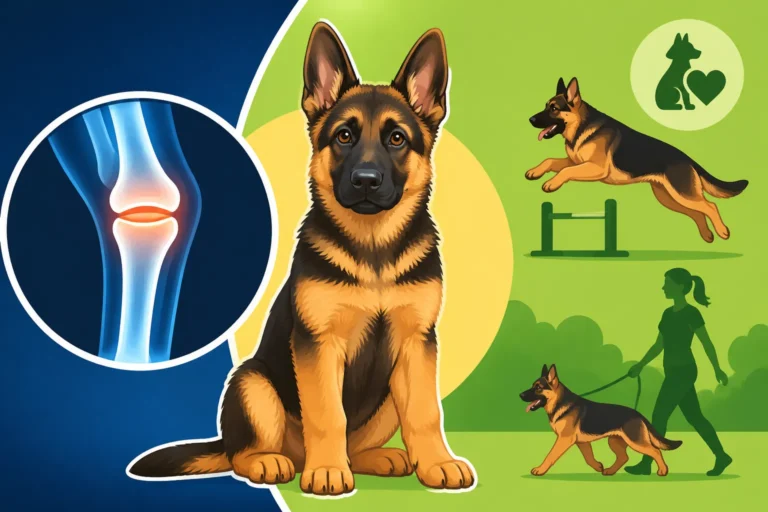
As mentioned, German Shepherds are genetically predisposed to orthopedic issues. Hip and elbow dysplasia are unfortunately common, and the timing of growth plate closure is a critical factor in mitigating these risks. Growth plates are areas of cartilage located near the ends of long bones in puppies and young dogs. They produce new bone tissue, allowing the bones to lengthen as the dog grows. Once a dog reaches skeletal maturity, these growth plates "close" and harden into solid bone.
For a German Shepherd, this process typically occurs later than in smaller breeds, often between 12 to 18 months of age, sometimes even up to 24 months for very large individuals. Spaying before these growth plates have fully closed can delay their closure, leading to those longer limb bones. This altered growth can then affect the conformation of the joints, potentially worsening joint laxity or incongruity that could otherwise have been managed or mitigated through proper nutrition and exercise. It's like allowing a complex machine to run without a critical component during its assembly – the final product might work, but it won't be as robust as it could have been. Therefore, many experts now suggest waiting until at least 18 months, or even after the second heat cycle, to allow for full skeletal maturation. This is a topic you'll definitely want to discuss thoroughly with your vet, referencing your specific dog's growth curve.
Cancer Risks and Hormonal Cancers
While delaying spaying can have orthopedic benefits, it's also true that earlier spaying offers significant protection against certain cancers. It’s a delicate balance, and understanding the specific risks is key.
Mammary cancer is the most common tumor in intact female dogs. Studies consistently show that spaying a female dog before her first heat cycle dramatically reduces her risk of developing mammary tumors – to almost zero. Spaying after one heat still provides substantial protection, though less than before the first. After two or more heat cycles, the protective effect against mammary cancer significantly diminishes. This is one of the strongest arguments for earlier spaying.
However, there are other cancer risks to consider. Some research suggests that later spaying or leaving a female intact can reduce the risk of other cancers, such as osteosarcoma (bone cancer) and hemangiosarcoma (a highly aggressive cancer of the blood vessel lining), both of which German Shepherds are disproportionately susceptible to. It’s important to note that these links are complex and not as definitively established as the link between early spay and mammary cancer prevention. Additionally, intact females are at risk of uterine and ovarian cancers, although these are far less common than mammary tumors and are completely eliminated by spaying.
The other major risk for intact females is pyometra, a serious and potentially fatal infection of the uterus. This condition commonly occurs a few weeks after a heat cycle and requires immediate veterinary intervention, often an emergency spay. Pyometra is a very real and common threat that owners of intact female German Shepherds must be acutely aware of. When considering spay timing, it's about weighing these very real, tangible benefits and risks, rather than just focusing on one aspect.
Weighing the Pros and Cons of Spaying at Different Ages
Making this decision for your female German Shepherd involves a thoughtful evaluation of benefits and drawbacks across different timelines. There's no single "right" answer that applies to every dog, but by understanding the implications of each approach, you can work with your veterinarian to tailor a plan for your unique situation. Remember, the goal is always to maximize your dog's health and wellbeing over her entire German Shepherd Lifespan: How Long They Live.
Early Spay Before First Heat
An "early spay" typically refers to the procedure performed between 6 to 12 months of age, specifically before a female German Shepherd experiences her first heat cycle.
Pros:
- Significantly Reduced Mammary Cancer Risk: This is the strongest argument for early spaying. The risk of developing mammary tumors drops drastically, almost to zero, if spayed before the first heat.
- Elimination of Pyometra Risk: Pyometra, a potentially fatal uterine infection, is entirely prevented. This is a very real concern for intact females.
- No Unplanned Pregnancies: Prevents accidental litters, which is crucial for population control and responsible ownership.
- No Heat Cycles: Avoids the mess, behavioral changes (like attracting intact males), and inconvenience of managing a dog in heat.
- Potentially Faster Recovery: Younger animals often bounce back quicker from surgery.
Cons:
- Increased Orthopedic Risks: This is the major concern for large breeds like German Shepherds. Early spaying can delay growth plate closure, potentially increasing the risk or severity of joint issues such as hip and elbow dysplasia, cranial cruciate ligament (CCL) tears, and patellar luxation. This can significantly impact a dog's mobility and quality of life, leading to higher veterinary costs down the line, even with pet insurance like Healthy Paws.
- Potential Behavioral Changes: Some studies suggest an increased risk of fear-based aggression or anxiety in dogs spayed early, though this is less definitively proven than orthopedic concerns and can be complex.
- Urinary Incontinence: A small percentage of female dogs, particularly larger breeds, may develop spay incontinence later in life, and some research indicates a slightly higher risk with early spaying.
- Altered Body Composition: Hormones play a role in muscle development. Early spaying can sometimes lead to a slightly leaner build or changes in muscle mass compared to intact dogs or those spayed later.
Late Spay After First Heat or More
A "late spay" generally means spaying after a female German Shepherd has gone through at least one or two heat cycles, typically around 18 months to 2 years of age or even older.
Pros:
- Reduced Orthopedic Risks: This is the primary benefit for German Shepherds. Allowing natural hormones to influence growth plate closure and musculoskeletal development reduces the risk of joint problems and potentially improves overall structural integrity. This aligns with advice on How to Prevent Hip Dysplasia in German Shepherds and How to Prevent Elbow Dysplasia in German Shepherds.
- Potentially More Mature Behavior: Some believe that allowing a dog to reach full hormonal maturity can contribute to a more confident and stable temperament, though this is highly individual.
- Lower Risk of Certain Cancers: Some studies suggest a potential reduction in the risk of certain non-hormone-related cancers like osteosarcoma (bone cancer) or hemangiosarcoma, though more research is ongoing to fully understand these links.
Cons:
- Increased Mammary Cancer Risk: The protective effect against mammary cancer decreases with each heat cycle. If spayed after the first heat, the risk is still low but higher than before the first. After two or more heats, the benefit significantly diminishes.
- Risk of Pyometra: Until spayed, your German Shepherd remains at risk of developing pyometra after each heat cycle, which requires emergency surgery and can be life-threatening.
- Management During Heat Cycles: Owners must meticulously manage an intact female during her heat cycles to prevent unwanted pregnancies. This involves strict supervision, changes to exercise routines, and dealing with potential bloody discharge.
- Behavioral Challenges During Heat: Intact males will be highly attracted to your female, and her own behavior can become more restless, vocal, or prone to escape attempts.
- Surgical Complexity: The surgery might be slightly more complex or have a slightly longer recovery in an older dog, especially if she has had multiple heat cycles, due to increased vascularity in the reproductive organs.
Finding the "Sweet Spot" for Your German Shepherd
Given these nuanced pros and cons, many veterinary professionals specializing in large breeds are now advocating for a "delayed spay" approach for German Shepherds. This often means waiting until your female has reached at least 18-24 months of age, or sometimes after her first or second heat cycle, to allow for optimal skeletal maturity.
The ideal timing truly is a conversation you need to have with your own veterinarian. They can assess your individual German Shepherd's growth, discuss your lifestyle, and help you weigh the specific risks and benefits. Considerations will include:
- Your dog's individual development: Is she still growing rapidly? Are her growth plates likely closed?
- Your ability to manage heat cycles: Can you reliably prevent unwanted pregnancies and manage the mess and behavioral changes?
- Your veterinarian's expertise: Your vet can provide tailored advice based on their experience with German Shepherds and the latest research.
- Your German Shepherd's genetic predisposition: If her lines have a strong history of orthopedic issues, waiting might be more beneficial. If mammary cancer is rampant in her female relatives, earlier spaying might be considered more strongly.
A commonly discussed "sweet spot" is often after the first heat, but before the second, typically around 18-24 months. This timeline potentially offers a balance: allowing some hormonal development for orthopedic health while still providing significant protection against mammary cancer and mitigating the pyometra risk for a shorter period.
Here's a quick comparison to help visualize the trade-offs:
| Factor | Spay Before First Heat (6-12 months) | Spay After First Heat (18-24 months) |
|---|---|---|
| Mammary Cancer Risk | Extremely Low (Near Zero) | Low (Still significantly reduced vs. intact) |
| Pyometra Risk | Eliminated | Present until spay (1 heat cycle) |
| Orthopedic Health (GSDs) | Potentially Increased Risk (delayed growth plate closure) | Potentially Lower Risk (improved growth plate closure) |
| Urinary Incontinence | Slightly Higher Risk (small percentage) | Slightly Lower Risk (small percentage) |
| Behavioral Impact | Some debate, potential for increased fear/anxiety | May contribute to more stable temperament |
| Heat Cycle Management | Not Required | Required for 1-2 cycles |
| Surgical Complexity | Generally simpler | Slightly more complex (increased vascularity) |
Practical Steps and What to Discuss with Your Vet
Once you've absorbed all this information, the next crucial step is to engage in an open and honest conversation with your veterinarian. They are your primary resource and can offer guidance specific to your individual German Shepherd. Don't be afraid to ask questions and express your concerns. After all, you're the one who lives with your dog day in and day out, and your perspective matters.
Preparing for the Conversation
Before your vet appointment, take some time to gather information and reflect on your situation. This will help you have a more productive discussion.
- Observe Your Dog's Growth: Keep notes on her general growth, energy levels, and any observations about her gait or comfort. Is she still growing rapidly, or does she seem to be settling into her adult size? This can inform discussions about When Do German Shepherds Stop Growing.
- Research Your Dog's Pedigree (if available): If you got your German Shepherd from a reputable breeder, ask about the prevalence of orthopedic issues or specific cancers in her bloodline. Good breeders often screen for conditions like hip and elbow dysplasia. Knowledge of her ancestors' German Shepherd Health Problems Guide can provide valuable context.
- Consider Your Lifestyle: Are you prepared to manage your German Shepherd during a heat cycle? This means no off-leash park visits, constant supervision in the yard, and potential use of "doggie diapers" for the mess. An average heat cycle lasts about 2-4 weeks, and female German Shepherds typically go into heat every 6-8 months. This commitment is significant, and if you can't guarantee strict management, the risks of accidental pregnancy might outweigh the benefits of delayed spaying for you.
- List Your Questions: Write down all your concerns about German Shepherd Genetic Health Testing, orthopedic health, cancer risks, and behavioral impacts. Don't leave the office with unanswered questions. Ask your vet about their specific recommendations for German Shepherds and why they advocate for a particular timing. Inquire about their experience with delayed spays and the outcomes they've observed.
- Discuss Pet Insurance: If you haven't already, consider pet insurance. Plans from providers like Healthy Paws can be incredibly helpful for covering unexpected veterinary costs, especially if your German Shepherd develops a health issue later in life. Understanding your policy and potential waiting periods is important, as some orthopedic conditions might be considered pre-existing if diagnosed before coverage starts.
Post-Operative Care and Recovery
Regardless of when you decide to spay your German Shepherd, proper post-operative care is paramount for a smooth recovery. Your vet will provide specific instructions, but here's a general overview of what to expect:
- Pain Management: Your dog will be sent home with pain medication, usually anti-inflammatories and possibly an opioid. Administer these exactly as prescribed to keep her comfortable. A comfortable dog is less likely to lick at her incision.
- Incision Care: Keep the incision clean and dry. Check it daily for any signs of redness, swelling, discharge, or separation. A small amount of bruising is normal, but anything concerning should prompt a call to your vet.
- E-Collar (Cone of Shame): Your German Shepherd will need to wear an Elizabethan collar (the infamous "cone of shame") or a soft recovery suit to prevent her from licking, chewing, or otherwise irritating the incision site. This is non-negotiable, as licking can introduce bacteria and lead to infection, or even cause the incision to open. Most dogs hate it, but it's crucial for healing.
- Restricted Activity: For 10-14 days post-surgery, strict rest is essential. This means no running, jumping, playing, or stairs. Leash walks for potty breaks are usually allowed, but they should be short and controlled. Excessive activity can stress the incision and lead to complications like swelling or even a hernia. This can be challenging with an energetic German Shepherd, so prepare for mental stimulation with puzzle toys and gentle training during this period.
- Follow-Up Appointment: Your vet will likely want to see your German Shepherd for a recheck appointment around 10-14 days after surgery to ensure proper healing and remove any sutures if necessary (many vets use dissolvable sutures these days).
By being prepared for the conversation and committed to thorough post-operative care, you can ensure that your female German Shepherd has the best possible outcome from her spay surgery, whenever you ultimately decide to have it done. Taking an active role in these decisions is part of being a responsible and loving German Shepherd owner.
Disclaimer
The information provided in this article is for general informational purposes only and does not constitute veterinary medical advice. Always consult with a qualified veterinarian for any health concerns or before making any decisions about your pet's medical care.