German Shepherd Panosteitis: Symptoms and Treatment
It's incredibly distressing when your vibrant German Shepherd puppy, full of boundless energy one moment, suddenly starts limping the next. You might rack your brain trying to figure out what happened, if they jumped off something or twisted an ankle, only for the lameness to mysteriously disappear and then pop up in a different leg a few days later. This perplexing "shifting lameness" is a classic hallmark of a condition called Panosteitis, often referred to as "growing pains," and it's a common, albeit painful, issue many German Shepherd owners face during their dog's rapid growth period. This comprehensive guide will help you understand Panosteitis, recognize its symptoms, navigate the diagnosis process, and learn how to provide the best care and comfort for your beloved pup.
Understanding Panosteitis in German Shepherds
For anyone watching their German Shepherd puppy grow, the term "growing pains" might conjure images of human teenagers with sore knees. However, for our canine companions, particularly large, fast-growing breeds like the German Shepherd, it's a very real and sometimes debilitating condition known as Panosteitis. It’s a temporary but often recurrent inflammation of the long bones, and understanding its nature is the first step in managing it effectively.
What Exactly is Panosteitis?
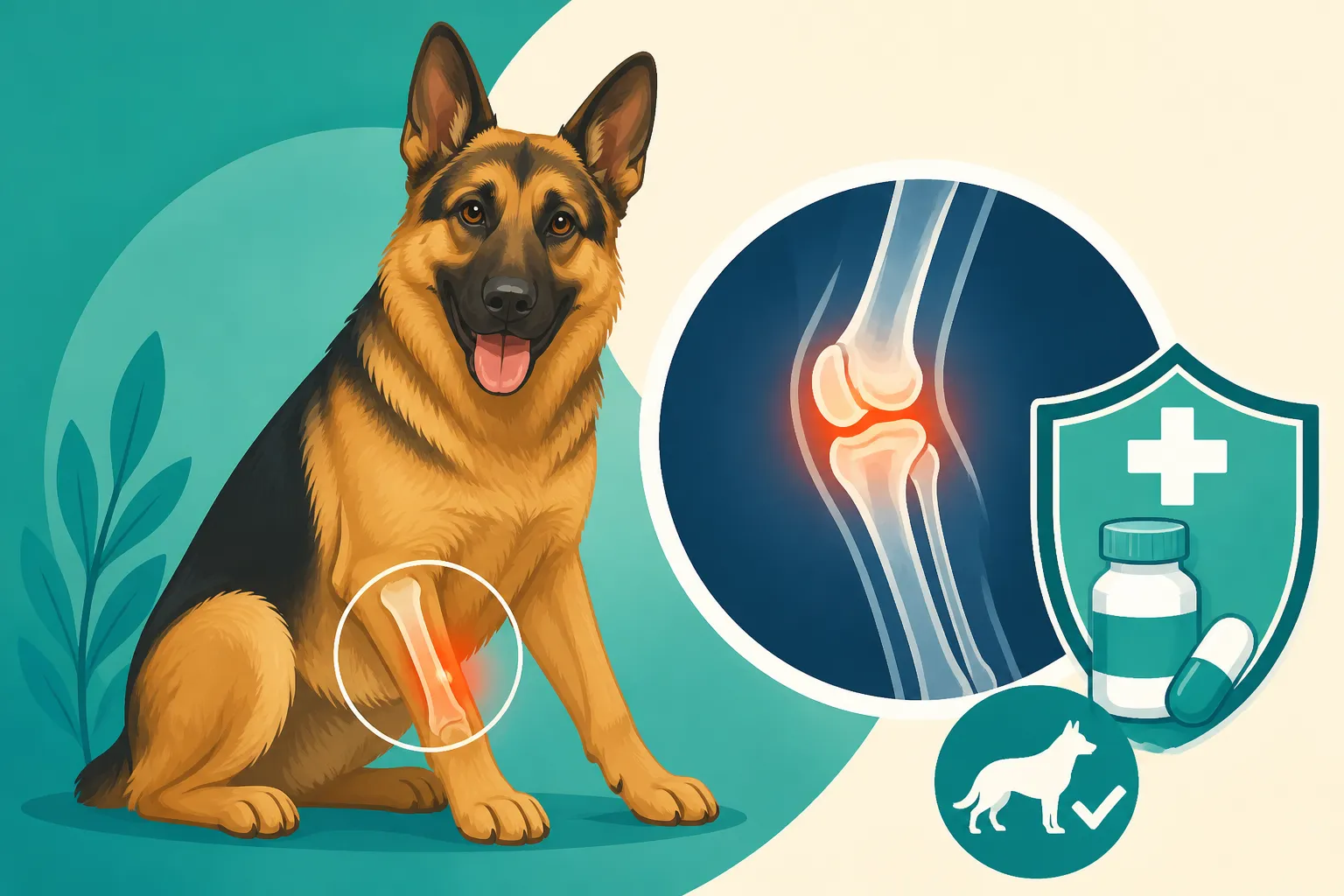
Panosteitis is a disease affecting the outer shaft of the long bones, specifically the bone marrow and the periosteum (the connective tissue covering the bones). Imagine the long bones in your German Shepherd's legs – the femur, tibia, humerus, radius, and ulna. Panosteitis causes inflammation within these bones, leading to discomfort and pain. It's not a permanent condition, thankfully, and is generally considered self-limiting, meaning it resolves on its own as the dog matures.
The painful episodes can come and go, lasting anywhere from a few days to several weeks at a time. It’s often described as migrating or shifting lameness because the pain can move from one leg to another, or even affect multiple legs simultaneously, making it incredibly difficult to pinpoint the exact source without veterinary intervention. This intermittent and migratory nature is one of the most frustrating aspects for owners, as it can feel like you're constantly chasing a moving target when trying to understand your dog's discomfort.
Why German Shepherds are Prone to "Growing Pains"
German Shepherds, with their impressive growth rate and genetic predispositions, are unfortunately one of the breeds most commonly affected by Panosteitis. This isn't just bad luck; there are some key factors at play that make them particularly susceptible. Their rapid growth from a tiny puppy to a large, powerful dog in a relatively short period puts immense strain on their developing skeletal system.
While the exact cause isn't fully understood, it's believed to be linked to this rapid growth, and possibly a genetic component, though specific genes haven't been identified. Some theories also suggest dietary factors, particularly an excess of protein, calories, or calcium in puppy food, might contribute by promoting overly fast growth. However, modern research emphasizes that it's more about the sheer speed of growth rather than a direct nutritional imbalance, though proper nutrition remains critical for overall joint and bone health.
The age range when Panosteitis typically strikes is during their most intense growth phases, usually between 5 to 18 months old, though it can occur as early as 2 months and sometimes up to 2 years. This means that if you have a German Shepherd puppy, keeping an eye out for these signs during this critical developmental period is incredibly important.
Recognizing the Signs: German Shepherd Panosteitis Symptoms
One of the most challenging aspects of Panosteitis is recognizing its symptoms, especially because they can mimic other serious orthopedic issues common in German Shepherds. However, there are distinct characteristics that can help you and your vet differentiate it. Paying close attention to how your puppy moves and behaves is crucial.
The Classic Limp and Shifting Lameness
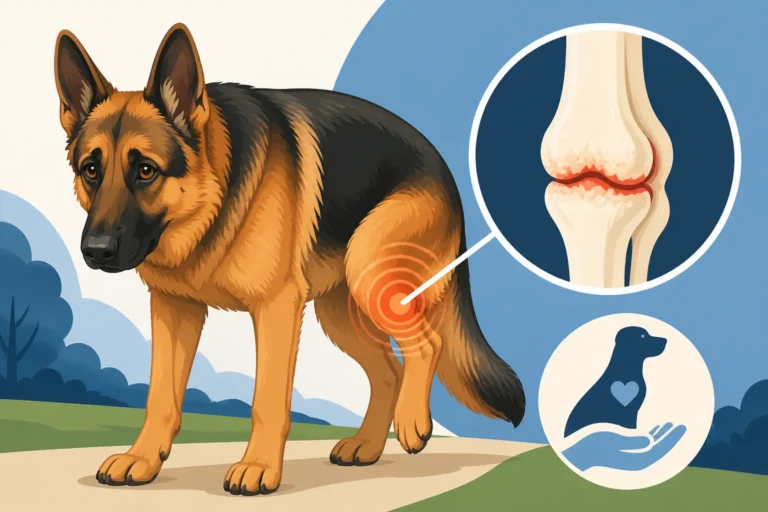
The absolute hallmark symptom of Panosteitis is a sudden, unexplained lameness or limping that can appear in one leg, then resolve, only to reappear in another leg a few days or weeks later. It's this "shifting" or "migratory" lameness that often leaves owners utterly bewildered. You might notice your German Shepherd puppy favoring a front leg one morning, then showing no signs of pain by evening, only to limp on a hind leg the following week.
The severity of the limp can vary widely, from a subtle stiffness that barely registers to a severe, non-weight-bearing lameness that truly alarms you. This intermittent nature can be incredibly frustrating because just when you think you've identified the problem and are ready to call the vet, your pup might be running around like nothing ever happened. Unlike persistent lameness seen in conditions like German Shepherd Hip Dysplasia: Symptoms and Treatment or German Shepherd Elbow Dysplasia: Symptoms and Treatment, Panosteitis pain comes and goes, making it unique.
The lameness can affect any of the long bones, meaning it can show up in the front legs (humerus, radius, ulna) or the back legs (femur, tibia). Sometimes, multiple bones can be affected simultaneously, leading to more generalized stiffness or an unwillingness to move. Keeping a detailed log of when and which leg your pup is limping on can be incredibly helpful for your veterinarian in making a diagnosis.
Pain on Palpation and Reluctance to Move
Beyond the visible limp, a key indicator of Panosteitis is the palpable pain your German Shepherd puppy will experience when their affected long bones are gently pressed or squeezed. If you try to examine their leg, they might yelp, pull away, or show clear signs of discomfort, even though there's no visible injury like a cut or swelling. This sensitivity is a direct result of the inflammation within the bone.
Due to this pain, your pup might become noticeably less active. Their usual boisterous play sessions could be cut short, or they might outright refuse to engage in activities they normally love, like chasing a ball or romping with other dogs. You might observe a general stiffness, a reluctance to jump onto the couch, or hesitation when navigating stairs. This reduced activity isn't just about discomfort; it’s their body’s natural way of trying to protect the inflamed bones.
In more severe episodes, or when multiple limbs are affected, your German Shepherd might appear generally lethargic and withdrawn. They might spend more time resting, or simply refuse to get up and move around. It's heartbreaking to see your usually energetic companion so subdued, and this change in demeanor, coupled with the limping, should always prompt a veterinary visit.
Other Subtle Indicators to Watch For
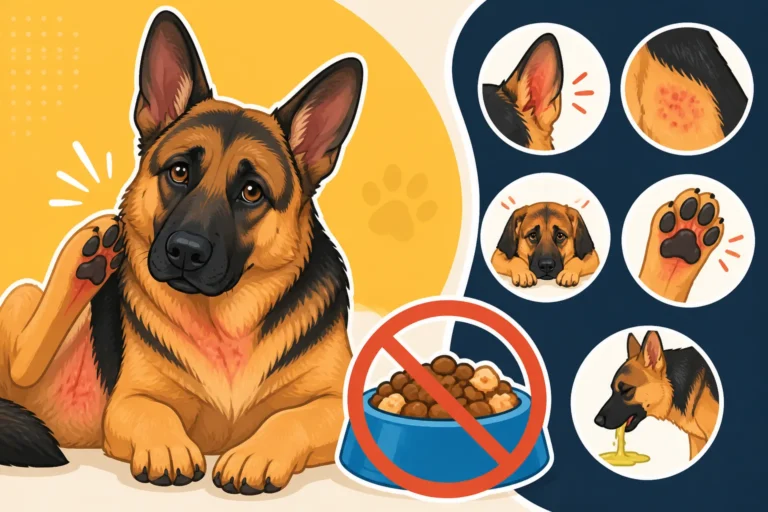
While lameness and pain on touch are the primary signs, Panosteitis can sometimes present with a few other, more subtle symptoms that are worth noting. Occasionally, puppies experiencing a flare-up might run a mild fever, indicating a systemic inflammatory response. This fever is typically low-grade and might only be detected during a veterinary examination.
A loss of appetite, though not a primary or common symptom, can sometimes accompany a particularly painful or prolonged episode. If your typically food-motivated German Shepherd suddenly turns their nose up at mealtime, especially when combined with limping, it could be another sign that something is amiss. In very rare and severe cases, a significant appetite reduction could lead to slight weight loss, but this is far less common than the lameness itself.
Beyond these, some pups might show a generalized malaise or just seem "off." They might not seem as bright-eyed or as engaged with their surroundings as usual. If the condition causes a dog to severely limit the use of a limb for an extended period, you might even notice some subtle muscle atrophy in that leg due to disuse. These subtle signs, while not diagnostic on their own, reinforce the importance of observing your German Shepherd puppy's overall well-being during their critical growth phases.
Diagnosing Panosteitis: What to Expect at the Vet
When your German Shepherd puppy exhibits limping or pain, especially with the shifting nature characteristic of Panosteitis, a trip to the veterinarian is absolutely essential. While Panosteitis is typically self-limiting, it's crucial to rule out other, more serious orthopedic conditions that require different treatment approaches. Your vet will follow a systematic process to arrive at an accurate diagnosis.
The Physical Examination and History Taking
Your veterinarian will begin by taking a thorough history of your German Shepherd puppy's symptoms. This is where your detailed observations become invaluable. Be prepared to discuss: when the lameness started, which legs have been affected, how long each episode lasts, if it shifts, what activities seem to aggravate it, and your pup's general demeanor and appetite. The age of your puppy is a critical piece of information, as Panosteitis primarily affects growing dogs.
During the physical examination, your vet will carefully palpate (feel) all of your puppy's long bones, applying gentle pressure. A definitive sign pointing towards Panosteitis is if your German Shepherd shows a clear pain response when a specific area of a long bone is touched. This localized pain, without any external signs of trauma or swelling (though sometimes very mild swelling can be present), is a strong indicator. They will also assess your pup's gait, range of motion in their joints, and check for any signs of swelling or heat in the joints themselves.
The physical exam helps the vet identify the areas of pain and narrow down potential causes, guiding the next steps in the diagnostic process. It's a critical first step in distinguishing Panosteitis from other conditions that might present with similar symptoms.
The Role of X-rays and Imaging
While the physical exam can strongly suggest Panosteitis, X-rays are typically required to confirm the diagnosis and, perhaps even more importantly, to rule out other orthopedic issues. Your veterinarian will usually recommend radiographs of the affected limbs, and often the opposing limbs as well, for comparison.
On X-rays, Panosteitis has a characteristic appearance. Vets look for increased density or "patchy white areas" within the bone marrow cavity of the long bones. These areas represent fibrosis and bone proliferation that occur during the inflammatory process. However, it's important to know that in the very early stages of a flare-up, X-rays might appear completely normal, even if your puppy is experiencing significant pain. If the lameness persists or recurs, your vet might recommend repeat X-rays after a few weeks to see if the changes have become more evident.
Understanding the X-ray findings is key to a definitive diagnosis. It helps to differentiate Panosteitis from conditions like osteochondrosis (OCD), a developmental orthopedic disease that affects joint cartilage, or even more severe issues like bone tumors, though the latter is rare in puppies of this age.
Ruling Out Other Conditions
One of the most crucial aspects of diagnosing Panosteitis is ruling out other potential causes of lameness in a growing German Shepherd. This is where your vet's expertise truly shines. Given the breed's genetic predispositions, several orthopedic conditions can manifest during puppyhood and adolescence, and some can have far more serious implications if left undiagnosed.
Conditions like German Shepherd Hip Dysplasia: Symptoms and Treatment and German Shepherd Elbow Dysplasia: Symptoms and Treatment are prevalent in the breed and can cause similar limping, though typically they don't involve the characteristic "shifting" lameness of Panosteitis. Other developmental orthopedic diseases, like osteochondrosis (OCD) in various joints, or even traumatic injuries like sprains or fractures, must be considered and excluded. Your vet will perform specific manipulations and use X-rays to carefully differentiate between these conditions.
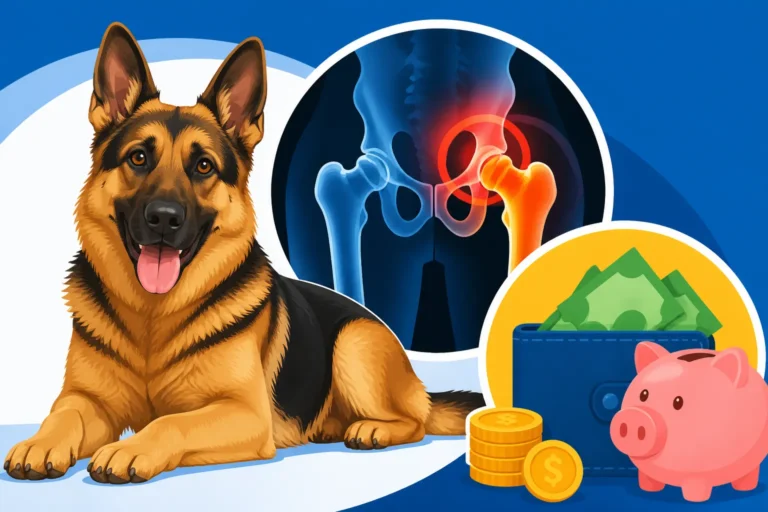
Even more rarely, though still important to consider, are things like certain infectious diseases that can cause lameness, or even, in very rare cases, bone cancers. A comprehensive diagnostic workup, including a thorough physical exam, a detailed history, and appropriate imaging, ensures that your German Shepherd puppy receives an accurate diagnosis, allowing for the correct and most effective treatment plan to be put into place. This process can sometimes involve several visits or even consultations with orthopedic specialists, and having pet insurance, such as a plan from Healthy Paws, can be incredibly helpful in managing the costs associated with extensive diagnostics.
Managing Panosteitis: Treatment Approaches and Pain Relief
The good news about Panosteitis is that it’s a self-limiting condition, meaning it eventually resolves on its own as your German Shepherd puppy matures. The primary goal of treatment, therefore, isn't to "cure" the disease but rather to manage the pain and discomfort effectively, ensuring your pup remains as comfortable as possible during their "growing pains."
The Goal of Supportive Care
Since Panosteitis will run its course, the treatment strategy revolves entirely around supportive care. This means focusing on pain control, reducing inflammation, and most importantly, ensuring your German Shepherd puppy gets adequate rest. There’s no magic pill or surgery to make Panosteitis disappear instantly; it’s a matter of patiently managing the symptoms until the inflammation in the bones subsides naturally, which typically happens by the time they are 18 to 24 months old.
The duration of individual episodes can vary greatly, from just a few days to several weeks. Some puppies experience only one or two episodes throughout their growth, while others might have multiple flare-ups that come and go over many months. During these periods, keeping your pup as comfortable and stress-free as possible is paramount. A calm environment, soft bedding, and consistent routines can go a long way in helping them cope with the discomfort.
Your role as an owner during this time is to be observant, communicate regularly with your veterinarian, and diligently follow their recommendations for pain management and activity restriction. It can be tough to see your energetic pup sidelined, but understanding that this is a temporary phase that requires patience and focused supportive care is key.
Pain Management Strategies
Relieving your German Shepherd's pain is the cornerstone of managing Panosteitis. Your veterinarian will almost certainly prescribe non-steroidal anti-inflammatory drugs (NSAIDs). Common examples include carprofen (often known by the brand name Rimadyl), meloxicam (Metacam), or firocoxib (Previcox). These medications are highly effective at reducing both pain and inflammation in the bones, significantly improving your pup's comfort level. It’s crucial to administer these exactly as prescribed and never give human pain relievers, as they can be toxic to dogs.
In cases of more severe pain, or if NSAIDs alone aren't sufficient, your vet might consider adding other pain relievers. Gabapentin, for instance, can be used to target nerve pain components and can work synergistically with NSAIDs. Tramadol is another option, although its effectiveness in dogs is sometimes debated and it's generally used with caution and under strict veterinary guidance. Always discuss any potential combinations or alternative pain medications with your vet.
Beyond medication, providing comfort at home can also help. Warm compresses applied gently to the affected areas might offer some temporary relief, similar to how they help muscle aches in humans. However, the most vital "treatment" alongside medication is rest. Absolutely no forced exercise, jumping, or strenuous play during a flare-up. This period of restricted activity is not just about comfort; it helps prevent further irritation to the inflamed bones. These recurring vet visits, diagnostic imaging, and medication costs can add up quickly, which is why many German Shepherd owners find that a good pet insurance plan from a provider like Healthy Paws can be a real lifesaver, helping them manage these unexpected expenses without compromising their dog's care.
Nutritional Considerations During Recovery
While nutrition isn't typically the cause of Panosteitis, it plays a vital role in supporting your German Shepherd puppy's overall skeletal health during their growth and recovery from painful episodes. The general consensus is to feed a high-quality, large-breed puppy food that is specifically formulated to promote slow, steady growth. Avoidance of diets that are too high in calories, protein, or especially calcium, is important, as these can inadvertently encourage growth that is too rapid for the bones and joints to properly develop.
Many premium brands, such as Purina Pro Plan Large Breed Puppy or Royal Canin German Shepherd Puppy formula, are specifically designed with appropriate calcium-to-phosphorus ratios and controlled calorie levels to support the healthy development of large breed puppies. It's not about restricting food, but rather ensuring the nutrients are balanced for optimal growth trajectory, not accelerated growth. You can learn more about specific recommendations in our guide to the Best Puppy Food for German Shepherds.
Maintaining an ideal body weight is also incredibly crucial. An overweight puppy puts additional stress on their developing bones and joints, potentially exacerbating Panosteitis symptoms or increasing the risk of other orthopedic issues. Follow the feeding guidelines provided by your vet or on the food packaging, and adjust as needed to keep your pup lean and healthy. Regular monitoring of your German Shepherd's weight and body condition will ensure they're on the right track nutritionally throughout their recovery and growth. For detailed advice on feeding, refer to our German Shepherd Puppy Feeding Schedule.
Living with Panosteitis: Recovery and Long-Term Outlook
Discovering your German Shepherd puppy has Panosteitis can be unsettling, but it's important to remember that it's a temporary condition with an excellent long-term prognosis. The key is understanding the healing process, managing flare-ups, and providing diligent care during their growth. Patience truly is a virtue when dealing with "growing pains."
What to Expect During the Healing Process
The recovery journey for Panosteitis is often characterized by its intermittent nature. You might see your German Shepherd puppy go through periods of intense lameness, followed by weeks or even months of appearing perfectly normal, only for another flare-up to occur. These episodes typically last anywhere from a few days to several weeks and can affect different limbs each time. This ebb and flow can be challenging for owners, as it’s hard to predict when the next painful episode will strike.
Most German Shepherds will completely outgrow Panosteitis by the time they reach 18 to 24 months of age, when their long bones have finished their primary growth. In some cases, it can resolve earlier, and in rare instances, it might persist slightly longer. During this time, the goal is simply to keep your pup comfortable and minimize inflammation. It's a condition that demands patience and consistent supportive care rather than a quick fix.
While it can be disheartening to see your active pup laid up, remember that this phase is temporary. The bone inflammation will eventually subside, and they will likely go on to live a full, active life without any lasting effects from Panosteitis. The key is to manage each flare-up effectively with your vet's guidance.
The Importance of Restricted Exercise
During an active Panosteitis flare-up, restricting your German Shepherd puppy's exercise is absolutely non-negotiable. This is often the hardest part for owners of high-energy breeds, but it’s critical for allowing the inflamed bones to heal and for minimizing your pup's pain. "Rest" means rest: no forced running, no long hikes, no vigorous play sessions with other dogs, and absolutely no jumping on or off furniture.
Your puppy should only be taken out for short, controlled leash walks for potty breaks. Even during these walks, keep them calm and prevent any sudden movements or sprints. The more they rest, the quicker the inflammation can resolve. While physical activity must be limited, mental stimulation is still incredibly important to prevent boredom, frustration, and destructive behaviors that can arise from a lack of outlet for their intelligent minds. Puzzle toys, gentle training sessions, or even just quiet cuddle time can provide mental engagement.
It's vital to listen to your puppy's cues. If they are limping or showing signs of discomfort, do not try to "push through" the pain with exercise. This can worsen the inflammation and prolong the recovery period. Our guide on How Much Exercise Is Too Much for a Puppy offers valuable insights into age-appropriate activity levels that are especially important during periods of bone development and healing.
When to Be Concerned About Relapses
While relapses are a normal part of the Panosteitis journey for many German Shepherds, there are times when you should definitely reach out to your veterinarian. If your puppy's pain seems unmanageable with the prescribed medication, if the lameness becomes significantly worse, or if it persists for an unusually long period without improvement, it's time for another vet check-up.
You should also be concerned if new symptoms appear, such as severe swelling, heat in the joints, or if your pup develops a high fever. While Panosteitis itself can cause mild fever, a significant temperature spike warrants immediate veterinary attention. Similarly, if your pup starts showing signs of extreme lethargy, loss of appetite over several days, or other generalized illness, don't hesitate to contact your vet. Our article on German Shepherd Limping: When to Worry provides further details on red flags that necessitate prompt veterinary care.
Sometimes, what appears to be a Panosteitis relapse might, in fact, be the onset of another orthopedic condition that was previously masked or developing alongside the "growing pains." This is why re-evaluations are so important. Your vet can reassess the situation, potentially repeat X-rays, and ensure that the diagnosis is still accurate and that the treatment plan remains appropriate.
Preventing and Minimizing Impact: Proactive Steps
While Panosteitis can't be entirely prevented in genetically predisposed German Shepherds, there are significant steps you can take as an owner to minimize its severity, frequency, and impact. Proactive care, particularly during the crucial puppy growth phase, plays a vital role in supporting healthy bone development.
Proper Nutrition for Growing Pups
One of the most impactful ways to support your German Shepherd puppy's skeletal health and potentially reduce the severity of Panosteitis is through proper nutrition. It's not about feeding less, but about feeding right. This means choosing a high-quality commercial dog food specifically formulated for large breed puppies. These diets are carefully balanced to provide the necessary nutrients for growth without accelerating it too quickly.
Avoid foods that are excessively high in calories, protein, or calcium. While these might sound beneficial, they can actually promote overly rapid growth in large breeds, which is a contributing factor to developmental orthopedic diseases like Panosteitis. Look for foods that have a controlled calcium-to-phosphorus ratio and moderate calorie density. Following the manufacturer's feeding guidelines for your puppy's expected adult weight is crucial, rather than just free-feeding or overfeeding. Our detailed guide on the German Shepherd Puppy Feeding Schedule provides excellent resources for this.
Consistency in diet is also important. Frequent changes can upset your puppy's digestive system, and a stressed body is less able to cope with inflammation. Brands like Purina Pro Plan Focus Large Breed Puppy or Royal Canin German Shepherd Puppy are examples of formulations that generally meet these criteria, designed to support the specific needs of growing large dogs. A healthy, balanced diet lays the foundation for strong bones and overall well-being.
Controlled Exercise for German Shepherd Puppies
The amount and type of exercise your German Shepherd puppy receives during their growth plates' development can have a profound impact on their bone and joint health. When it comes to preventing or minimizing Panosteitis, controlled exercise is paramount. This means avoiding strenuous, high-impact activities that can put excessive stress on their developing long bones.
Forcing a young German Shepherd puppy to go on long runs, engaging in repetitive jumping activities (like fetch over and over), or allowing them to participate in overly vigorous play with much older or larger dogs can be detrimental. These activities can exacerbate inflammation in the bones, potentially leading to more frequent or severe Panosteitis flare-ups. Instead, focus on short, supervised play sessions and gentle, age-appropriate walks. Let your puppy set the pace, and avoid pushing them past their natural energy limits. Our comprehensive article on German Shepherd Growth Plates and Exercise explains in detail why this gentle approach is so important for their developing skeletal system.
The goal is to provide enough activity to promote muscle development and burn off energy, but not so much that it stresses their growing bones. Free play in a safe, enclosed yard is often ideal, as it allows the puppy to self-regulate their activity level. Understanding How Much Exercise Is Too Much for a Puppy will help you strike that delicate balance to protect their developing body.
Regular Vet Check-ups
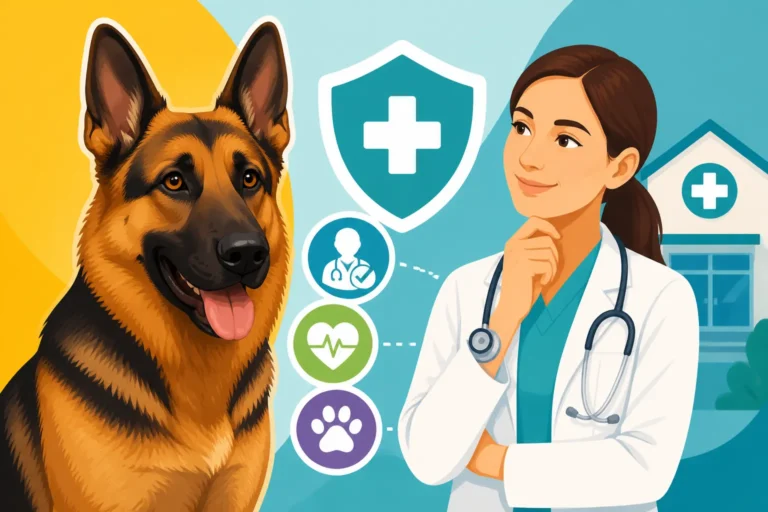
Establishing a strong partnership with your veterinarian from the moment you bring your German Shepherd puppy home is one of the best proactive steps you can take. Regular vet check-ups are not just for vaccinations; they are crucial for monitoring your puppy's growth and development, allowing for early detection of any orthopedic issues, including Panosteitis.
During these routine visits, your vet can assess your puppy's gait, palpate their limbs, and discuss any observations you've made about limping or changes in activity. Early detection means you can implement pain management and exercise restrictions sooner, potentially minimizing the duration and severity of the painful episodes. Your vet can also provide personalized advice on diet and exercise based on your individual puppy's growth rate and specific needs. These check-ups are also a great opportunity to discuss a long-term plan for How to Keep a German Shepherd Healthy throughout their life.
Having a relationship with a vet who knows your German Shepherd's history and growth trajectory is invaluable. They can offer guidance, reassurance, and intervene effectively if more serious conditions like German Shepherd Arthritis: Symptoms and Treatment begin to present. This proactive approach to health management is essential for any German Shepherd owner, and a good pet insurance plan from a provider like Healthy Paws can provide peace of mind that these routine and unexpected veterinary costs will be covered.
Comparing Lameness: Panosteitis vs. Other Common Conditions
| Feature | Panosteitis (Growing Pains) | Hip Dysplasia | Elbow Dysplasia |
|---|---|---|---|
| Age of Onset | Typically 5-18 months (can be 2-24 months) | Usually 5-12 months (can appear later) | Usually 4-12 months (can appear later) |
| Primary Symptom | Shifting/migratory lameness, often affects different long bones | Hindquarter lameness, "bunny hopping," difficulty rising | Forelimb lameness, stiffness, reluctance to bend elbow |
| Pain Location | Shaft of long bones (humerus, radius, femur, tibia) | Hip joint | Elbow joint |
| Severity | Varies, intermittent, can be severe during flare-ups | Varies, often progressive, worse after exercise | Varies, can be progressive, often worse after rest/exercise |
| Palpation | Pain on direct pressure to long bone shaft | Pain with hip extension/flexion | Pain with elbow manipulation |
| X-ray Findings | Increased density/patchy white areas in bone marrow | Shallow hip sockets, flattened femoral heads | Joint incongruity, fragmented coronoid process, ununited anconeal process |
| Prognosis | Excellent, self-limiting (resolves with maturity) | Managed, often requires lifelong care, potential surgery | Managed, often requires lifelong care, potential surgery |
| Treatment | Pain meds, rest, controlled exercise | Pain management, weight control, supplements, surgery | Pain management, weight control, supplements, surgery |
Disclaimer
The information provided in this article is for general informational purposes only and is not intended as a substitute for professional veterinary advice, diagnosis, or treatment. Always seek the advice of your qualified veterinarian with any questions you may have regarding a medical condition or treatment for your German Shepherd. Never disregard professional veterinary advice or delay in seeking it because of something you have read in this article.