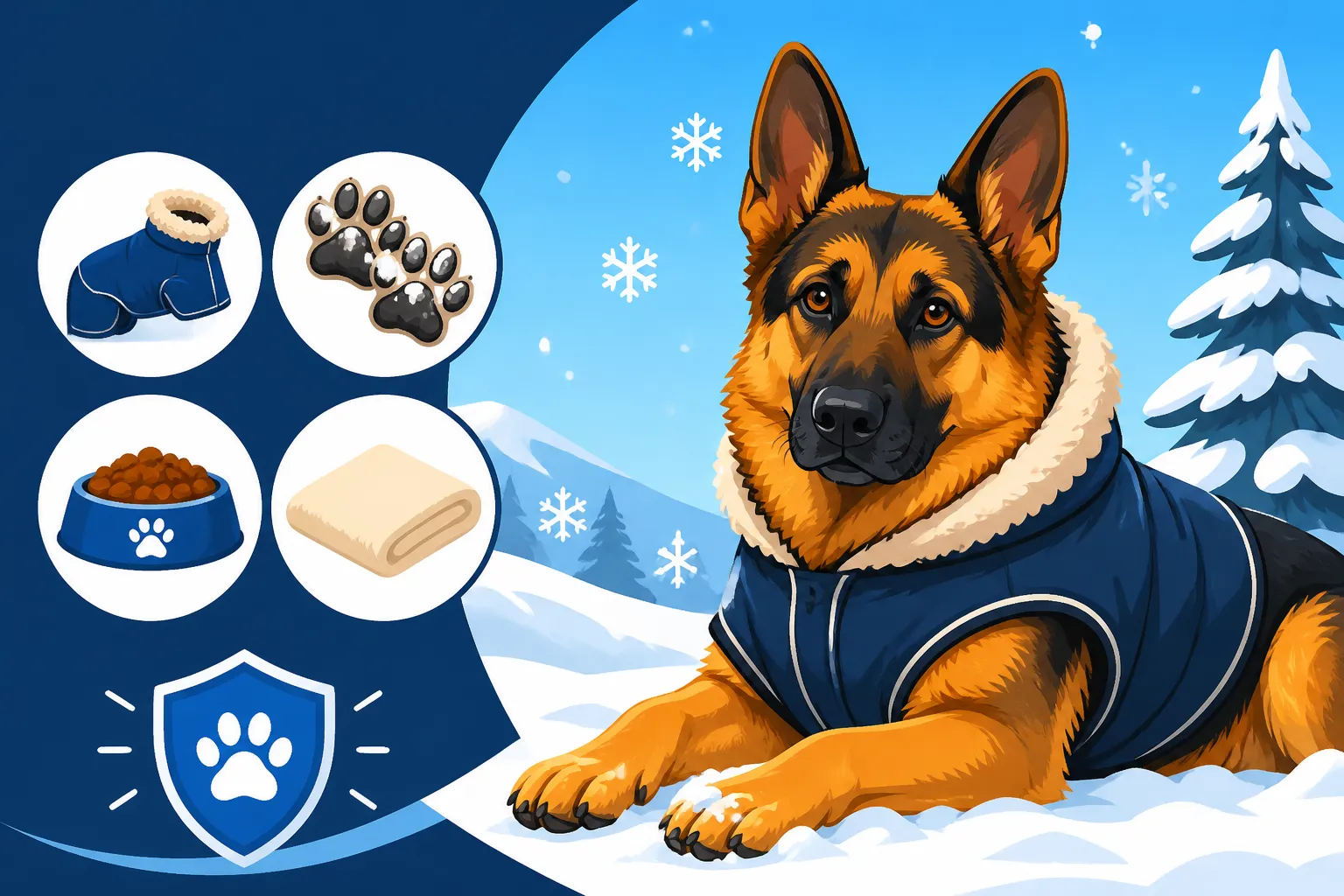
How to Care for a German Shepherd in Winter
Winter can bring a unique set of challenges for German Shepherd owners, making you wonder if your robust companion truly enjoys the frosty air or needs extra precautions against the cold. It's a valid concern; while these dogs are bred for resilience, winter weather demands careful attention to their nutrition, shelter, and overall well-being. This comprehensive guide will walk you through everything you need to know to ensure your German Shepherd not only survives but thrives during the colder months, keeping them safe, warm, and happy.
Understanding Your German Shepherd's Winter Resilience
Many German Shepherd owners believe their dogs are impervious to cold due to their thick coats, and while they are certainly more tolerant than many short-haired breeds, they aren't immune to winter's harsh realities. Their incredible double coat, featuring a dense undercoat for insulation and a coarser outer coat for protection against elements like snow and rain, is a marvel of nature. However, even with this natural armor, extreme cold, prolonged exposure, and specific health conditions can put them at risk.
The Double Coat Advantage and Its Limits
The German Shepherd's double coat is their primary defense against winter. The soft, fluffy undercoat acts like a thermal blanket, trapping warm air close to their body, while the longer, coarser guard hairs of the outer coat repel moisture and shield against wind and snow. This design makes them well-suited for colder climates, often seen happily romping in snowdrifts.
However, it's crucial to understand that even this incredible coat has its limits. Factors like age, health, and activity level can significantly impact how well your German Shepherd tolerates the cold. A young, healthy, active dog might withstand lower temperatures for longer periods than an older dog with joint issues or a puppy with an underdeveloped coat. Think about a brisk 20-minute walk versus an hour-long outdoor training session when temperatures dip below freezing—the latter could pose a risk, especially if there's wind chill. Just because they can tolerate it doesn't mean they should be pushed to their limits without proper care.
Factors Affecting Cold Tolerance
Several variables influence how well your German Shepherd handles the winter chill. Firstly, their age is a big one. Puppies and senior German Shepherds are generally more susceptible to cold. Puppies haven't fully developed their insulating undercoat, and seniors often have compromised circulatory systems, thinner skin, or conditions like arthritis that make cold weather particularly uncomfortable. Secondly, overall health plays a critical role. Dogs with underlying health conditions, such as heart disease, diabetes, or endocrine disorders, will struggle more in the cold. Their bodies may not regulate temperature as efficiently, making them vulnerable to hypothermia or frostbite.
Body condition also matters. A German Shepherd at a healthy weight will have better insulation than an underweight dog. However, being overweight can also reduce their tolerance for activity in cold weather. Activity level is another significant factor; a dog actively running and playing generates more body heat than one standing still. It's not just about the ambient temperature, but also how long they are exposed and how active they are during that time. Always monitor your dog for signs of discomfort, regardless of their perceived hardiness.
Essential Winter Care Practices for German Shepherds
Winter care for your German Shepherd goes beyond just letting them outside. It encompasses a holistic approach to their daily routine, ensuring their diet, exercise, grooming, and shelter are optimized for the season. Thinking ahead and adjusting these elements can make a world of difference in their comfort and health.
Adjusting Diet and Hydration
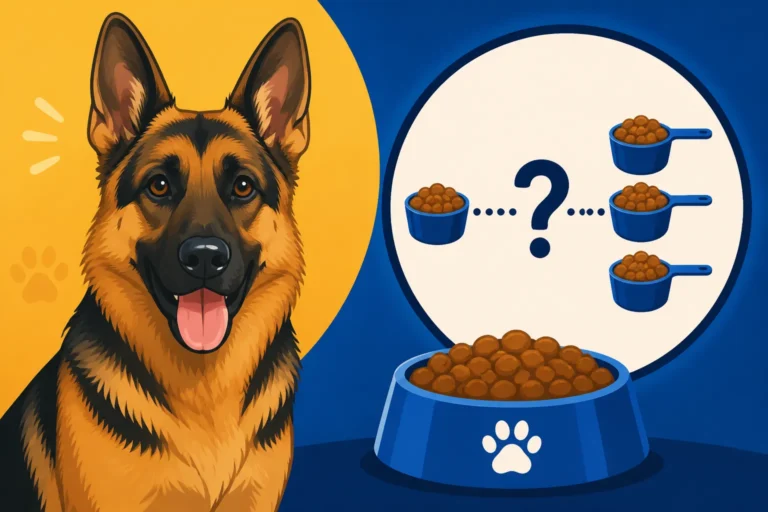
During colder months, some German Shepherds might naturally burn more calories to maintain their body temperature, especially if they spend significant time outdoors or are highly active. This doesn't mean you should indiscriminately increase their food intake, as obesity can lead to other health problems and actually hinder their cold tolerance. Instead, observe your dog's activity level and weight. If you notice them losing a bit of condition or if their activity demands it, you might consider a slight increase in their high-quality dog food.
It's also essential to ensure they have consistent access to fresh, unfrozen water. Dehydration can be just as much of a risk in winter as in summer. If your German Shepherd spends time outside, use heated water bowls to prevent the water from freezing solid. Even indoors, dry winter air can lead to increased fluid loss, so make sure their water bowl is always full. For dogs like German Shepherds, maintaining proper German Shepherd Feeding Guide and hydration is critical year-round, but winter adds extra layers of consideration. Many owners opt for quality foods found on platforms like Chewy or look into fresh food options like Ollie that can provide optimal nutrition during these demanding months.
Exercise in Cold Weather
German Shepherds are high-energy dogs, and maintaining their exercise routine is vital even when the temperature drops. However, you need to adapt their activities to prevent injury and overexposure. Instead of long, slow walks, consider shorter, more vigorous play sessions that keep their blood pumping and their bodies warm. Multiple shorter walks throughout the day can be better than one extended outing, especially in very low temperatures.
Be mindful of slippery conditions like ice and snow, which can lead to strains, sprains, or even more serious injuries, particularly in a breed prone to joint issues. Consider investing in some traction-enhancing booties if you're frequently walking on slick surfaces. Indoor play, puzzle toys, and training sessions can also provide much-needed mental and physical stimulation when outdoor conditions are too harsh. For more insights on how to balance their activity, check out our guide on German Shepherd Exercise Requirements.
Grooming for Winter Health
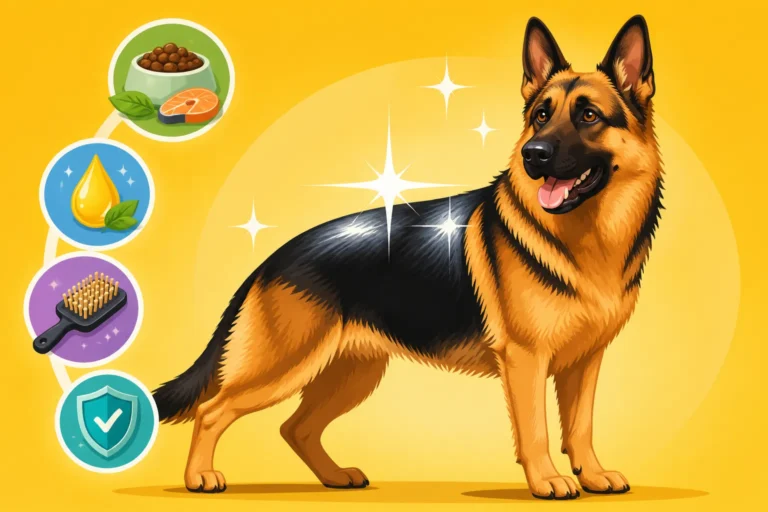
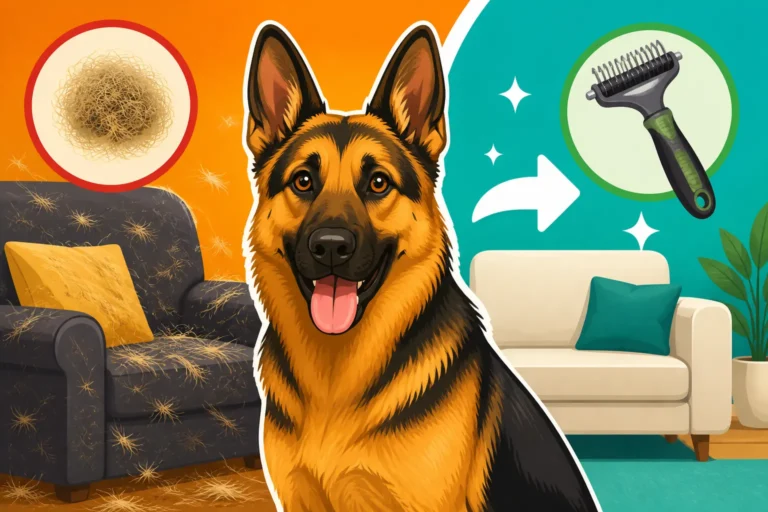
Proper grooming is always important for German Shepherds, but it takes on a special significance in winter. Their dense double coat can become matted if not brushed regularly, and mats can actually reduce the insulating properties of their fur, trapping moisture and causing skin irritation. Daily brushing helps distribute natural oils, removes loose fur, and prevents matting, ensuring their coat can do its job effectively.
Regularly check their paws for ice balls, cracks, or irritation from salt and de-icing chemicals. You might want to trim the hair between their paw pads to prevent ice and snow from accumulating there. While full baths aren't usually necessary as often in winter, if your dog gets particularly dirty, ensure they are completely dry before being allowed back outside. A damp coat, even under that thick fur, can quickly lead to chilling. Our article on How to Groom a German Shepherd provides more detailed year-round advice.
Shelter and Warmth Indoors and Outdoors
Whether your German Shepherd spends all their time indoors or has access to an outdoor space, their shelter needs extra attention in winter. Inside, ensure they have a warm, draft-free place to sleep. A raised dog bed can keep them off cold floors, and a thick blanket or a self-warming pet bed can provide additional comfort, especially for older dogs.
If your German Shepherd spends any significant time outdoors, they must have access to a well-insulated dog house that is elevated off the ground and has a flap door to keep out drafts. The dog house should be just large enough for them to stand up and turn around in, as a too-large house will be harder for their body heat to warm. Fill it with plenty of clean, dry straw or cedar shavings, which provide superior insulation compared to blankets that can get wet and freeze. Never leave your German Shepherd tethered outside without proper shelter, especially during extreme cold or storms.
Protecting Paws and Skin in Cold Weather
One of the most vulnerable areas for your German Shepherd in winter is their paws and exposed skin. The combination of cold temperatures, ice, snow, and de-icing chemicals can wreak havoc on their delicate paw pads and lead to discomfort or even serious injury.
Paw Protection and Care
Imagine walking barefoot through snow and salt. That's essentially what your German Shepherd is doing if their paws aren't protected. Rock salt and chemical de-icers commonly used on sidewalks and roads can cause painful burns, cracks, and irritation to paw pads. They can also be toxic if ingested when your dog licks their paws after a walk.
Dog booties are an excellent solution for paw protection. While some dogs take time to adjust to them, they provide a crucial barrier against harsh elements. Look for booties that are durable, waterproof, and offer good traction. If booties aren't an option, a paw balm or wax (like Musher's Secret or a similar product found on Amazon) can create a protective layer. Apply it before walks to shield against salt and ice, and after walks to moisturize and prevent cracking. Always wipe your dog's paws thoroughly with a damp cloth or rinse them with lukewarm water after every walk to remove any residual chemicals or salt. Regularly checking for cuts, cracks, or irritation is part of a good German Shepherd Coat and Skin Care routine.
Skin and Coat Moisture
The dry air of winter, both indoors from heating and outdoors from low humidity, can strip your German Shepherd's skin and coat of essential moisture. This can lead to dry, flaky skin, dull fur, and increased itching. While their double coat offers protection, the underlying skin is still susceptible.
To combat dry skin, ensure your dog is well-hydrated internally (as discussed in diet section) and consider adding an Omega-3 fatty acid supplement to their diet. These supplements can significantly improve skin hydration and coat health from the inside out. Be cautious with bathing; over-bathing can strip natural oils, so only bathe when truly necessary, and always use a moisturizing, dog-specific shampoo. If your German Shepherd is experiencing persistent dry skin or excessive scratching, it might be a sign of German Shepherd Skin Problems and Fixes that warrants a vet visit.
Recognizing and Preventing Winter Health Risks
Even with the best preventative measures, German Shepherds can still face certain health risks during the winter months. Being aware of these and knowing the signs can help you act quickly and keep your beloved companion safe.
Hypothermia and Frostbite
Hypothermia occurs when a dog's body temperature drops dangerously low, and frostbite is the freezing of body tissues. While German Shepherds are hardy, prolonged exposure to extreme cold, especially wet and windy conditions, can lead to both.
Signs of Hypothermia:
- Shivering (initially)
- Weakness, lethargy
- Stiffness
- Pale gums
- Stumbling or incoordination
- Low heart rate
- Collapse
Signs of Frostbite:
- Skin appears pale, gray, or blue
- Cold to the touch
- Pain upon touching the affected area
- Swelling, redness, blistering, or blackening of the skin as it thaws (this can take hours or even days to become apparent)
- Commonly affects ear tips, tail, and paw pads.
If you suspect hypothermia, immediately get your dog into a warm environment, wrap them in blankets, and contact your vet. For frostbite, gently warm the affected area with lukewarm (not hot) water, but do not rub or massage the area, as this can cause further damage. Seek veterinary care immediately for any suspected case of frostbite or severe hypothermia. Prevention is key: limit time outdoors in extreme cold, especially for vulnerable dogs.
Joint Pain and Arthritis Management
Many German Shepherds are predisposed to joint issues like hip and elbow dysplasia, and cold weather can exacerbate the pain and stiffness associated with these conditions or with general arthritis. Just like humans, a dog with arthritis might feel more achy and stiff when it's cold and damp.
To help manage this, ensure your dog has a warm, soft place to rest, preferably an orthopedic bed. Continue with regular, moderate exercise to keep their joints mobile, but avoid high-impact activities on hard or slippery surfaces. Joint supplements containing glucosamine, chondroitin, and MSM can be particularly beneficial. Many reputable brands offer these, often available at pet stores or through online retailers like Amazon or Chewy. Discuss with your vet if pain medication or physical therapy might be appropriate, especially for senior dogs. For more specific advice, our guides on German Shepherd Arthritis Management at Home and Best Joint Supplements for Senior German Shepherds offer extensive information. Keeping a German Shepherd healthy often means addressing their predisposed conditions proactively, and winter is a prime time to be extra vigilant.
Increased Risk of Illness
Winter can also bring an increased risk of common illnesses. Just like people, dogs can pick up respiratory infections more easily when their immune systems are stressed by cold or when in close quarters with other dogs at dog parks or boarding facilities. Ensure your German Shepherd's vaccinations are up to date.
Pay attention to any changes in appetite, energy levels, coughing, sneezing, or nasal discharge. While it might just be a common cold, it's always best to consult your veterinarian if you're concerned. Maintaining a strong immune system through a balanced diet, regular exercise, and minimal stress is the best defense against winter ailments. Our comprehensive German Shepherd Health Problems Guide details many conditions that can be more challenging during the colder months.
Final Thoughts on Winter Care
Caring for your German Shepherd in winter is all about vigilance, preparation, and understanding their individual needs. They might be tough, but they rely on us to keep them safe and comfortable when the elements turn harsh. By adjusting their diet, exercise, grooming, and providing adequate shelter, you can help them not only survive but truly enjoy the magic of winter. Keep a keen eye on their paws, watch for signs of discomfort or illness, and when in doubt, always consult your veterinarian. Enjoy those frosty walks and cozy evenings with your wonderful companion!
| Aspect of Care | Summer (Typical) | Winter (Adjustments Needed) |
|---|---|---|
| Diet | Consistent portions based on activity | Slight calorie increase for high activity/cold exposure |
| Hydration | Abundant water, especially outdoors | Abundant unfrozen water, monitor indoor dryness |
| Exercise | Longer, moderate walks; outdoor play | Shorter, more vigorous sessions; indoor options; mindful of ice |
| Grooming | Regular brushing, occasional baths | Daily brushing to prevent mats; paw care crucial; minimal bathing |
| Paw Protection | Basic cleaning | Booties or paw balm; rinse after every walk; trim paw hair |
| Shelter (Outdoors) | Shade, cool spot | Insulated, elevated dog house with bedding; draft-free |
| Shelter (Indoors) | Cool spots, air conditioning | Warm, draft-free sleeping area; elevated bed, blankets |
| Health Monitoring | Heatstroke, dehydration | Hypothermia, frostbite, joint pain, respiratory illness |
Disclaimer
The information provided in this article is for general informational purposes only and is not a substitute for professional veterinary advice. Always consult with a qualified veterinarian for any health concerns or before making any changes to your German Shepherd's diet, exercise, or care routine.