How Much to Feed a Puppy German Shepherd
It can feel overwhelming, right? Bringing home a fluffy German Shepherd puppy is pure joy, but then comes the endless stream of questions about their care, especially how much to feed them. You're trying your best to give them a great start, and getting their nutrition right is absolutely foundational for their health and development. This comprehensive guide is here to cut through the confusion and help you navigate the often-tricky world of feeding your growing German Shepherd puppy, ensuring they get exactly what they need to thrive.
Understanding Your German Shepherd Puppy's Nutritional Needs
Raising a German Shepherd puppy is a journey filled with rapid changes, especially when it comes to their physical development. Unlike smaller breeds, German Shepherds are considered a large breed, and their growth isn't just about getting bigger; it's about forming strong bones, healthy joints, and developing a robust system that will support them for years to come. This unique growth trajectory means their nutritional requirements are distinct and absolutely critical during their first year to 18 months of life.
The Rapid Growth Phase
From the moment you bring your little floof home, usually around 8 weeks, they are in a period of intense growth. Their bones are lengthening, their muscles are developing, and their organs are maturing at an astonishing rate. This isn't just about weight gain; it's about the proper development of their skeletal structure, which is particularly vital for a breed prone to joint issues like hip and elbow dysplasia. Fast growth caused by overfeeding can actually exacerbate these genetic predispositions by placing undue stress on developing joints. We want steady, healthy growth, not a sprint.
During this foundational period, their bodies demand a precise balance of nutrients to fuel this rapid development without pushing it too quickly. Think of it like building a house – you need strong materials and a solid foundation, not just a quick frame. This means specific calorie counts and nutrient ratios that support bone and muscle integrity. Monitoring their growth against a healthy German Shepherd puppy growth chart by month can be incredibly helpful in understanding if they're on track.
Essential Nutrients for Developing Pups
German Shepherd puppies require a diet that is specifically formulated for large breed puppies. This isn't just a marketing gimmick; it’s based on scientific understanding of their needs. The key components you'll find in high-quality large breed puppy food include appropriate levels of protein, fat, calcium, and phosphorus.
Protein is crucial for muscle development and overall growth, but too much can sometimes lead to issues. Look for high-quality animal proteins as the first ingredients. Fats provide concentrated energy for their active bodies and contribute to healthy skin and a shiny coat. However, the most critical balance is often found in calcium and phosphorus levels. An imbalance, particularly too much calcium, can interfere with skeletal development and increase the risk of orthopedic problems. The best puppy foods for German Shepherds will have these nutrients carefully calibrated for controlled, healthy growth. You might also want to understand How Much Protein Does a German Shepherd Need as they mature, but for puppies, the overall balance is key.
Beyond macronutrients, micronutrients like vitamins and minerals play an equally vital role. Antioxidants support their developing immune system, while essential fatty acids like DHA are important for brain and eye development. A complete and balanced large breed puppy formula should provide all these elements, taking the guesswork out of supplementation.
Decoding Puppy Food Labels and Portions
Walking down the dog food aisle or browsing online can be incredibly confusing. So many brands, so many claims! It's enough to make any new German Shepherd parent feel a bit lost. But understanding what those labels really mean and how to translate recommended feeding guidelines into actual meals for your specific puppy is a skill worth mastering. It's not just about picking a bag with a cute puppy on it; it's about making informed choices for your dog's long-term health.
Why Breed-Specific Formulas Matter
You'll often see brands like Royal Canin German Shepherd or Purina Pro Plan offering breed-specific formulas, and for good reason. While not strictly necessary if you find a high-quality large breed puppy food, these formulas are designed with the German Shepherd's particular predispositions and growth patterns in mind. They often aim for a slightly lower calorie density to encourage slower, more controlled growth, which can be beneficial in preventing joint problems.
These specialized foods also tend to focus on ingredients that support digestive health, as German Shepherds can sometimes have sensitive stomachs, and ingredients that promote strong joints, often including glucosamine and chondroitin, though these are more beneficial as they mature. The kibble size and shape can also be tailored to a German Shepherd's jaw, encouraging proper chewing and slowing down eating, which is a small but helpful step in bloat prevention feeding tips. Many excellent options are available from retailers like Chewy or Amazon, allowing you to compare ingredients and reviews.
Calculating Daily Intake: It's Not One-Size-Fits-All
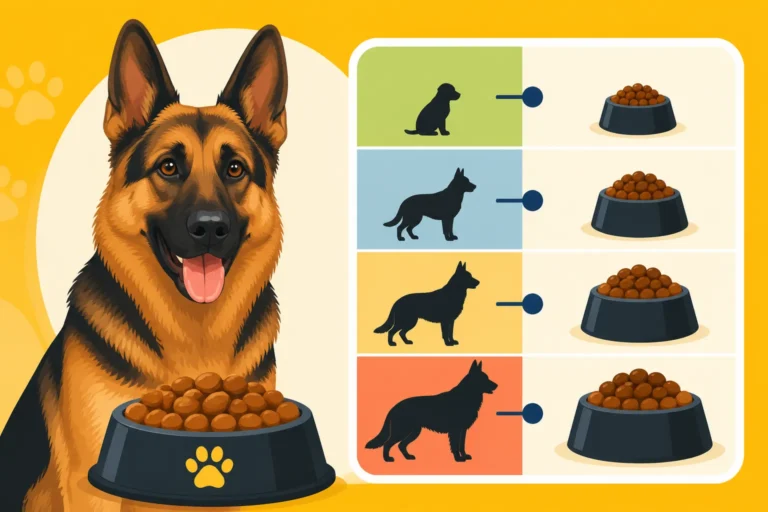
The feeding charts on the back of puppy food bags are a great starting point, but they are guidelines, not commandments etched in stone. Your puppy's individual needs will vary based on their age, current weight, activity level, and metabolism. A highly active puppy tearing around the yard all day will naturally burn more calories than a more sedate pup.
Most charts will give a range based on your puppy's current weight and anticipated adult weight. For example, a 3-month-old German Shepherd puppy might need 3-4 cups of food per day, but that can fluctuate. Always start with the lower end of the recommended range and adjust based on your puppy's body condition. You want to feel their ribs easily without seeing them, and they should have a discernible waist when viewed from above. If you're struggling to figure out how much to feed a German Shepherd puppy by weight, remember that regular vet check-ups are invaluable. Your veterinarian can assess your puppy's growth rate and body condition score and give you precise recommendations tailored to their individual needs.
Here's a generalized sample feeding chart, but remember to always consult your specific food's packaging and your vet:
| Puppy Age | Daily Meals | Approx. Daily Food (Cups) | Notes |
|---|---|---|---|
| 8-12 Weeks | 3-4 | 2.5 – 3.5 | High energy, rapid growth. Split into small, frequent meals. |
| 3-6 Months | 3 | 3.0 – 4.5 | Continued rapid growth. Monitor body condition closely. |
| 6-12 Months | 2-3 | 4.0 – 6.0 | Growth starts to slow but still significant. Adjust based on activity. |
| 12-18 Months | 2 | 3.5 – 5.5 | Approaching maturity. Transition to adult food may begin. |
Note: These are general guidelines. Always follow specific food packaging instructions and consult your veterinarian.
The Importance of Regular Weight Monitoring
Consistency in monitoring your German Shepherd puppy's weight is perhaps one of the most important habits you can develop. It’s not about obsessing over numbers, but about ensuring healthy, steady development and catching any potential issues early. Weighing your puppy weekly or bi-weekly during their rapid growth phase, and then monthly, gives you objective data to work with.
If your puppy is gaining weight too quickly, it could indicate overfeeding, which can stress their developing joints and increase the risk of orthopedic problems later on. Conversely, insufficient weight gain could mean they're not getting enough calories or that there's an underlying health issue. Many veterinary clinics are happy to let you pop in for a quick weight check on their scales, often for free. You can also monitor for signs like visible ribs or a tucked-up abdomen, which could indicate underfeeding, or a lack of a discernible waist and difficulty feeling ribs, which can be signs of overfeeding. Learning how to tell if a German Shepherd is overweight is a skill every owner should develop.
This regular monitoring helps you make informed adjustments to their daily food intake, ensuring their growth stays within healthy parameters. It's a proactive approach to their long-term health, and honestly, it’s one of the best ways to practice preventative care, especially for a breed with specific developmental concerns.
Establishing a Consistent Feeding Schedule
German Shepherd puppies thrive on routine. Just like crate training or potty training, a consistent feeding schedule provides comfort, predictability, and helps regulate their digestive system. Beyond that, a structured schedule allows you to monitor their eating habits, gauge their appetite, and helps in managing their potty breaks more effectively. It’s a cornerstone of responsible puppy ownership, setting the stage for good habits into adulthood.
How Many Meals Per Day for Different Ages
When your German Shepherd puppy is very young, typically from 8 weeks up to about 3 months, they have tiny stomachs and can't consume large amounts of food in one go. They also have incredibly fast metabolisms. Therefore, feeding them smaller, more frequent meals is ideal. Four meals a day, spaced throughout waking hours, is a good starting point. This prevents them from getting too hungry, which can lead to gulping food too quickly, and ensures a steady supply of energy for their boundless puppy exuberance.
As they grow older, typically between 3 and 6 months, you can gradually reduce the frequency to three meals a day. Their stomachs are larger, and their metabolism might start to slow just a touch, allowing them to handle a bit more food per sitting. By the time they hit 6 months up to around 12-18 months, most German Shepherd puppies can comfortably transition to two meals a day, much like an adult dog. This is also when many owners start to consider transitioning to adult food, usually based on their veterinarian's advice and specific food brand guidelines. This German Shepherd puppy feeding schedule helps manage their energy levels and ensures proper nutrient absorption.
When you're adjusting their meal times or frequency, do it gradually over a few days to avoid upsetting their routine or their tummy. For example, if moving from four to three meals, you might slightly increase the portion size of the remaining meals or shift the timing of one of the previous meals to merge with another.
Transitioning to Adult Food
The question of when to switch a German Shepherd to adult food is a common one, and the answer isn't a hard and fast rule like their first birthday. Because German Shepherds are large breeds, they mature slower than smaller dogs, and their growth plates often aren't fully closed until they are 18 to 24 months old. Rushing the transition to adult food too early can be detrimental if their bodies still require the specific nutrient balance of a large breed puppy formula.
Most veterinarians recommend keeping large breed puppies on their specialized puppy food until they are between 12 and 18 months old. Some even suggest up to 24 months, especially for very large males. The key is to look for signs of physical maturity: their rapid growth has slowed significantly, they are reaching their adult height, and their body condition is stable. When you do make the switch, it's crucial to do it gradually over 7 to 10 days. Start by mixing a small amount of the new adult food with their current puppy food, slowly increasing the proportion of adult food each day while decreasing the puppy food. This helps prevent gastrointestinal upset as their digestive system adjusts to the new formula. This is vital advice for How to Switch a German Shepherd to Adult Food.
Consider brands like Ollie, which offers fresh, customized meal plans. If you're interested in alternative diets, they also provide excellent guidelines for transitioning older puppies to their adult formulas, ensuring a smooth dietary shift. This gradual approach is essential for preventing tummy aches, diarrhea, or a sudden disinterest in their meals.
Common Feeding Mistakes and How to Avoid Them
Even with the best intentions, it's easy to fall into common feeding traps when raising a German Shepherd puppy. These mistakes, while often seemingly minor, can have significant impacts on their health and behavior, especially during their critical developmental stages. Being aware of these pitfalls can help you steer clear and ensure your pup maintains optimal health.
Overfeeding and Underfeeding Risks
One of the biggest mistakes, especially with eager-to-please German Shepherd puppies, is either overfeeding or underfeeding. Overfeeding is particularly dangerous for large breeds. While it might seem like a good thing to have a plump, growing puppy, excessive calories lead to rapid growth, which puts immense strain on their still-developing bones and joints. This can significantly increase their risk of developing or exacerbating conditions like hip and elbow dysplasia, which are already prevalent in the breed. A pudgy puppy is not a healthy puppy. Conversely, underfeeding can lead to nutritional deficiencies, stunted growth, and a lack of energy, impacting their immune system and overall vitality.
To avoid these risks, always adhere to the feeding guidelines on your specific large breed puppy food, adjusting them based on your vet’s recommendations and your puppy’s individual activity level and body condition. Regularly check their weight and body condition score. If you can’t easily feel their ribs, or if they lack a clear waistline, you're likely overfeeding. If their ribs are very prominent, they might be underfed. Consistency is key here. Remember, your vet is your best resource for determining the right caloric intake for your specific pup, and they can help you understand German Shepherd Weight and Obesity Risks.
The Dangers of Free-Feeding
Free-feeding, where food is left out all day for the puppy to graze on, might seem convenient, but it's generally not recommended for German Shepherd puppies. For starters, it makes it incredibly difficult to monitor their actual intake, which ties directly back to the risks of overfeeding or underfeeding. If you don't know exactly how much they're eating, you can't properly adjust their portions.
More critically for German Shepherds, free-feeding can contribute to poor eating habits, such as gulping food quickly when they do decide to eat, which is a known risk factor for bloat (Gastric Dilatation-Volvulus), a life-threatening condition. A structured mealtime also reinforces your role as the provider, strengthening your bond and helping with training. It provides opportunities to practice good manners around food. Having a designated meal schedule allows you to identify changes in appetite, which can be an early indicator of illness. By sticking to a strict feeding schedule, you can implement crucial German Shepherd Bloat Prevention Feeding Tips and ensure your puppy develops healthy eating habits.
Avoiding Tummy Troubles and Picky Eaters
German Shepherds can sometimes have sensitive stomachs, making them prone to digestive upsets if their diet is inconsistent or if they're fed inappropriate foods. Suddenly changing food types, giving too many treats or human food scraps, or simply using a low-quality food can lead to diarrhea, vomiting, or a general lack of appetite. This is where finding German Shepherd Sensitive Stomach Solutions becomes important.
To minimize tummy troubles, always introduce new foods gradually over 7-10 days, mixing increasing amounts of the new food with decreasing amounts of the old. Stick to high-quality, large breed puppy formulas that use digestible ingredients. Limit treats to no more than 10% of their daily caloric intake, and ensure they are healthy, dog-specific treats. Avoid feeding table scraps altogether, as many human foods are not suitable for dogs and can cause digestive issues or even be toxic.
Picky eating can sometimes stem from too many options or too much attention given to their refusal to eat. If your puppy is generally healthy but turns up their nose at their meal, try picking up the food after 15-20 minutes and offering it again at the next scheduled mealtime. A healthy, hungry puppy will eventually eat. Of course, always rule out any underlying health issues with your vet if pickiness persists or is accompanied by other symptoms.
Disclaimer
The information provided in this article is for general informational purposes only and is not intended as a substitute for professional veterinary advice, diagnosis, or treatment. Always seek the advice of your veterinarian or other qualified health provider with any questions you may have regarding a medical condition or the health and nutrition of your German Shepherd puppy. Never disregard professional veterinary advice or delay in seeking it because of something you have read in this article.