How Many Cups of Food for a German Shepherd
One of the biggest head-scratchers for any German Shepherd owner is figuring out exactly how much food to put in the bowl. You stare at the bag's recommendations, then at your active, growing pup, and wonder, "Is this really enough?" It's a common frustration, especially with a breed known for its high energy and specific nutritional needs. This comprehensive guide is designed to cut through the confusion, helping you understand the complex factors that determine the ideal amount of food for your unique German Shepherd, ensuring they thrive and maintain a healthy weight.
Factors Influencing Feeding Amounts for Your German Shepherd
It’s easy to think a cup is a cup, but when it comes to feeding your German Shepherd, it's far more nuanced than simply scooping out a generic amount. Several crucial factors play a significant role in determining how much food your furry friend actually needs to stay healthy and happy. Ignoring these can lead to underfeeding, leaving your dog without adequate energy, or overfeeding, which can contribute to serious health problems like obesity and joint strain.
Age and Growth Stage
A German Shepherd puppy isn't just a miniature version of an adult; their nutritional demands are entirely different. Puppies are like tiny, furry furnaces, burning through calories at an incredible rate as their bodies develop rapidly. They need more frequent meals and a higher caloric density to support bone, muscle, and organ growth. Overfeeding a puppy can lead to dangerously rapid growth, putting undue stress on their developing joints, which is particularly critical for a breed prone to orthopedic issues like German Shepherd Hip Dysplasia Explained and elbow dysplasia.
Conversely, a senior German Shepherd often has a slower metabolism and may become less active, meaning their caloric needs decrease. Continuing to feed an older dog the same amount as a younger, more active adult can quickly lead to unwanted weight gain. Their bodies also benefit from different nutrient profiles, focusing on joint health and easier digestion. Understanding these life stage differences is paramount, and it's why you often see specific formulas for "puppy," "adult," and "senior" dogs on brands like Purina Pro Plan or Royal Canin.
Activity Level and Energy Output
Imagine the difference between a human athlete and someone with a desk job; their energy requirements are vastly different. The same principle applies directly to your German Shepherd. A working line German Shepherd training for IGP, an agility champion, or a farm dog who spends hours herding livestock will require significantly more calories than a beloved family pet who enjoys daily walks around the neighborhood and plenty of couch time. Their muscles are working harder, their bodies are burning more fuel, and they need that fuel replenished.
Even within the "pet" category, there's a spectrum. A German Shepherd who gets vigorous runs and extended play sessions daily will naturally need more sustenance than one whose exercise is primarily confined to a few short potty breaks and a leisurely stroll. It’s about matching the energy in with the energy out. If your dog is lethargic and losing weight despite adequate food, they might need more. If they're gaining weight and seem sluggish, a reduction might be in order, alongside a review of their exercise routine.
Individual Metabolism and Health
Just like people, every German Shepherd has a unique metabolic rate. Some dogs can eat what seems like a horse's portion and stay lean, while others seem to pack on pounds just by looking at a treat. This inherent metabolic difference is crucial to observe. Beyond metabolism, underlying health conditions can drastically alter a dog's nutritional requirements. For instance, a German Shepherd with German Shepherd Pancreatitis: Symptoms and Treatment will require a very specific, often low-fat, diet, while a dog recovering from surgery or illness might need extra calories and nutrients to heal.
Conditions like Exocrine Pancreatic Insufficiency (EPI), common in German Shepherds, prevent them from properly absorbing nutrients, meaning they might need a higher volume of food or specialized supplements to maintain weight. Conversely, a German Shepherd with hypothyroidism might have a slower metabolism and gain weight easily, requiring careful dietary management. Regularly consulting with your veterinarian is essential to factor in any health issues and tailor a diet that supports their overall well-being. This isn't just about quantity but also about the quality and type of food.
Understanding Dog Food Labels and Calorie Content
Navigating the world of dog food can feel like deciphering a secret code. You pick up a bag, read "cups per day," and assume it's a universal truth. However, that couldn't be further from reality. To truly understand how much to feed your German Shepherd, you need to go beyond the simple "cup" measurement and delve into the specifics presented on the food label, particularly its calorie content.
Decoding Nutritional Information
Every reputable dog food brand provides a "Guaranteed Analysis" on its packaging. This section lists the minimum percentages of crude protein, crude fat, maximum percentages of crude fiber, and moisture. While these are important for overall nutritional quality, they don't directly tell you how many calories are in each serving. You also might see a list of ingredients, with the first few indicating the primary components. A food with meat as the first ingredient is generally preferable to one starting with corn or a grain filler, though a balanced diet is always key.
Beyond the percentages, look for a statement from the Association of American Feed Control Officials (AAFCO). This statement confirms that the food is "complete and balanced" for a specific life stage (e.g., "for growth," "for maintenance," "for all life stages"). This ensures the food contains all necessary nutrients in appropriate ratios, rather than just providing empty calories. Without the AAFCO statement, you can't be sure your German Shepherd is getting a truly balanced diet.
The Importance of Calorie Density
This is where the rubber meets the road. The most important number on any dog food bag, for determining how much to feed, is the calorie content, usually expressed as kcal/cup or kcal/kg (kilocalories per cup or per kilogram). Different brands, and even different formulas within the same brand, can have wildly varying calorie densities. For example, a "performance" or "high-energy" food might have 450 kcal per cup, while a "weight management" or "senior" formula might have only 300 kcal per cup.
If you're switching from a food with 300 kcal/cup to one with 450 kcal/cup but still feeding the same number of cups, you're giving your German Shepherd 50% more calories. This seemingly small oversight can lead to rapid weight gain over time. This is why solely relying on "cups" without checking calorie density is a recipe for disaster. Always calculate the total daily calories your dog needs, then divide by the food's kcal/cup to get an accurate measurement in cups or grams. For example, if your dog needs 1800 kcal/day and the food has 400 kcal/cup, they need 4.5 cups total. Many excellent dog food options are available on platforms like Chewy and Amazon, which often list this crucial calorie information clearly on their product pages, making comparisons much easier.
Feeding Guidelines by Life Stage for Your German Shepherd
The journey of a German Shepherd, from a clumsy, playful puppy to a wise, dignified senior, is marked by distinct changes in their nutritional requirements. Tailoring their diet to these specific life stages isn't just good practice; it's fundamental to their long-term health and vitality. What works for a growing pup will almost certainly be inappropriate for an aging dog.
Puppy Feeding Schedules and Growth Needs
German Shepherd puppies grow incredibly fast, but this growth needs to be steady and controlled, not rushed. Rapid growth can predispose them to orthopedic problems later in life, especially hip and elbow dysplasia. For this reason, high-quality, large-breed puppy food is essential. These formulas are specifically designed with appropriate calcium-to-phosphorus ratios and controlled calorie levels to support strong, healthy bone development without promoting excessive growth.
Typically, puppies need to eat more frequently than adults – usually three to four meals a day until they're around six months old, then transitioning to two meals a day. The amount per meal will increase as they grow. A good starting point is often 3-4 cups total per day, divided into those multiple meals, but this will vary wildly based on the specific food's calorie density and the puppy's individual growth rate. Always consult the specific puppy food bag for initial guidance, and adjust based on your puppy's body condition. You can find more detailed guidance in our article on German Shepherd Puppy Feeding Schedule.
Adult German Shepherd Maintenance Needs
Once your German Shepherd reaches full maturity, usually between 18 and 24 months, their intense growth phase ends, and their caloric needs shift to maintenance. This is about sustaining their current weight, energy levels, and overall health. An adult German Shepherd's daily food intake will largely depend on their activity level, as discussed earlier. A highly active working dog might need upwards of 4-5 cups or more of a high-quality, calorie-dense food per day, while a more sedentary house dog might thrive on 2.5-3.5 cups.
Most adult German Shepherds do well on two meals a day. This helps manage hunger, prevents them from eating too quickly, and can be a preventative measure against bloat (gastric dilatation-volvulus), a serious and potentially fatal condition common in deep-chested breeds. Providing a consistent feeding schedule and avoiding strenuous exercise immediately after meals are key components of German Shepherd Bloat Prevention Feeding Tips. Keep a close eye on their body condition; you should be able to feel their ribs easily without seeing them protruding. If they start looking too thin or too chunky, it's time to adjust the food.
Senior German Shepherd Dietary Adjustments
As German Shepherds enter their golden years, typically around 7-8 years old, their bodies begin to change. Metabolism slows down, activity levels often decrease, and many start experiencing joint stiffness or other age-related health issues. Continuing to feed them an adult formula at the same quantity can quickly lead to weight gain, which exacerbates joint pain and other health problems. Specialized senior dog foods are formulated with fewer calories, higher fiber, and often contain joint-supporting supplements like glucosamine and chondroitin.
Senior German Shepherds might also benefit from increased omega-3 fatty acids for cognitive and joint health. Some seniors may develop dental issues, making softer or moistened kibble more appealing. It's crucial to monitor their weight closely and make gradual adjustments to their food intake. Regular veterinary check-ups are especially important during this stage to catch any health changes early and tailor their diet accordingly. Our guide on German Shepherd Senior Diet Adjustments offers even more in-depth advice on this important stage of life.
Here's a general table outlining estimated daily feeding amounts for German Shepherds. Remember, these are starting points only. Always check your specific dog food's caloric content and consult your vet.
| German Shepherd Life Stage | Weight (Approx.) | Activity Level | Estimated Cups per Day (Standard Kibble ~350-400 kcal/cup) | Notes |
|---|---|---|---|---|
| Puppy (8-16 weeks) | 15-35 lbs | High | 2.5 – 4.0 cups (divided into 3-4 meals) | Focus on large-breed puppy formula, controlled growth. |
| Puppy (4-12 months) | 35-75 lbs | High | 3.5 – 5.5 cups (divided into 2-3 meals) | Continue large-breed puppy formula. |
| Adult (1-7 years) | 50-90 lbs | Low-Moderate | 2.5 – 3.5 cups (divided into 2 meals) | Maintain healthy weight, monitor body condition. |
| Adult (1-7 years) | 50-90 lbs | Active-Working | 3.5 – 5.0+ cups (divided into 2 meals) | High-energy formula may be needed for working dogs. |
| Senior (7+ years) | 50-90 lbs | Low | 2.0 – 3.0 cups (divided into 2 meals) | Senior formula, focus on joint health, weight control. |
Note: These ranges are for typical kibble with approximately 350-400 kcal per cup. Always adjust based on your specific food's calorie density and your dog's individual needs.
Special Dietary Considerations for German Shepherds
While general guidelines are helpful, German Shepherds, like all breeds, can sometimes face unique challenges that require specific dietary adjustments. These considerations go beyond standard maintenance and delve into targeted nutrition to address health or weight-related concerns.
Managing Weight: Overweight and Underweight Dogs
Weight management is a critical aspect of German Shepherd health, impacting everything from joint longevity to overall lifespan. An Is a German Shepherd Expensive to Own answer includes vet bills, and many of those are weight-related. An overweight German Shepherd is at higher risk for conditions like arthritis, diabetes, heart disease, and a shortened lifespan. If your German Shepherd is carrying extra pounds, the solution isn't just about cutting back drastically on food; it's about making smart choices. Switching to a high-quality "weight management" or "light" formula, which is lower in calories but still provides essential nutrients and often higher fiber to promote fullness, is a good start. Increased exercise, portion control, and limiting treats are also vital. For comprehensive advice, see our article How to Tell If a German Shepherd Is Overweight.
Conversely, an underweight German Shepherd, especially a highly active one or one with certain health conditions, needs a different approach. Simply increasing food volume might not be enough if the food isn't calorie-dense. Switching to a "performance" or "high-energy" formula, which packs more calories into each cup, can be effective. Sometimes, adding healthy supplements like fish oil or small amounts of cooked lean protein can also help. However, always rule out underlying medical issues (like parasites or EPI) with your vet before simply increasing food, as unexplained weight loss can be a symptom of a more serious problem.
Addressing Specific Health Conditions
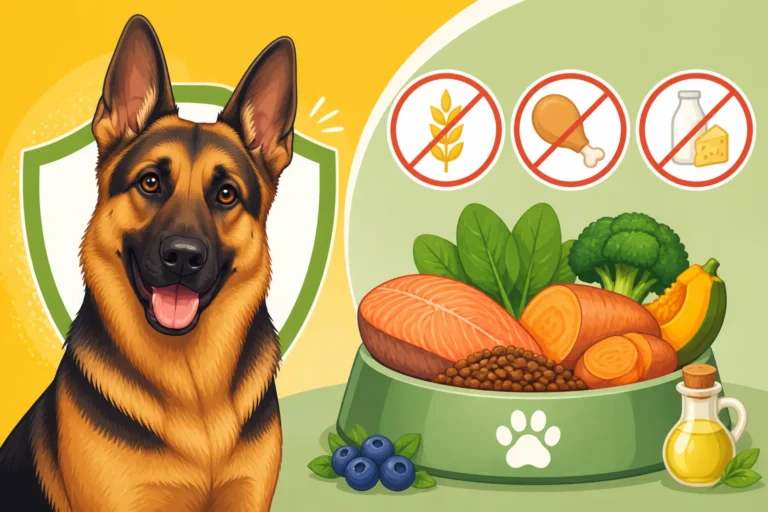
German Shepherds are unfortunately predisposed to certain health conditions that directly impact their dietary needs. For example, some GSDs suffer from allergies, which can manifest as itchy skin, ear infections, or digestive upset. For these dogs, a limited-ingredient diet or a hydrolyzed protein diet may be necessary to identify and avoid allergens. Brands like Royal Canin and Hill's Science Diet offer prescription diets specifically formulated for food sensitivities, often found through your vet or platforms like Chewy.
Another common issue is Exocrine Pancreatic Insufficiency (EPI), where the pancreas doesn't produce enough digestive enzymes. Dogs with EPI cannot properly digest their food, leading to severe weight loss and chronic diarrhea. They require pancreatic enzyme supplements mixed with every meal, and their diet may need to be highly digestible, often low in fiber and fat. Our article on German Shepherd EPI Diet and Management provides detailed insights into managing this challenging condition. Understanding these specific needs means you’re not just feeding a dog; you’re feeding your German Shepherd with their unique biological makeup.
Practical Tips for German Shepherd Feeding
Beyond the science of nutrition and calorie counting, there are everyday practices that can significantly impact your German Shepherd's health and your peace of mind. Consistency, accurate measurement, and attentive observation are your best tools in ensuring your dog is well-fed and thriving.
Measuring Accurately and Consistency
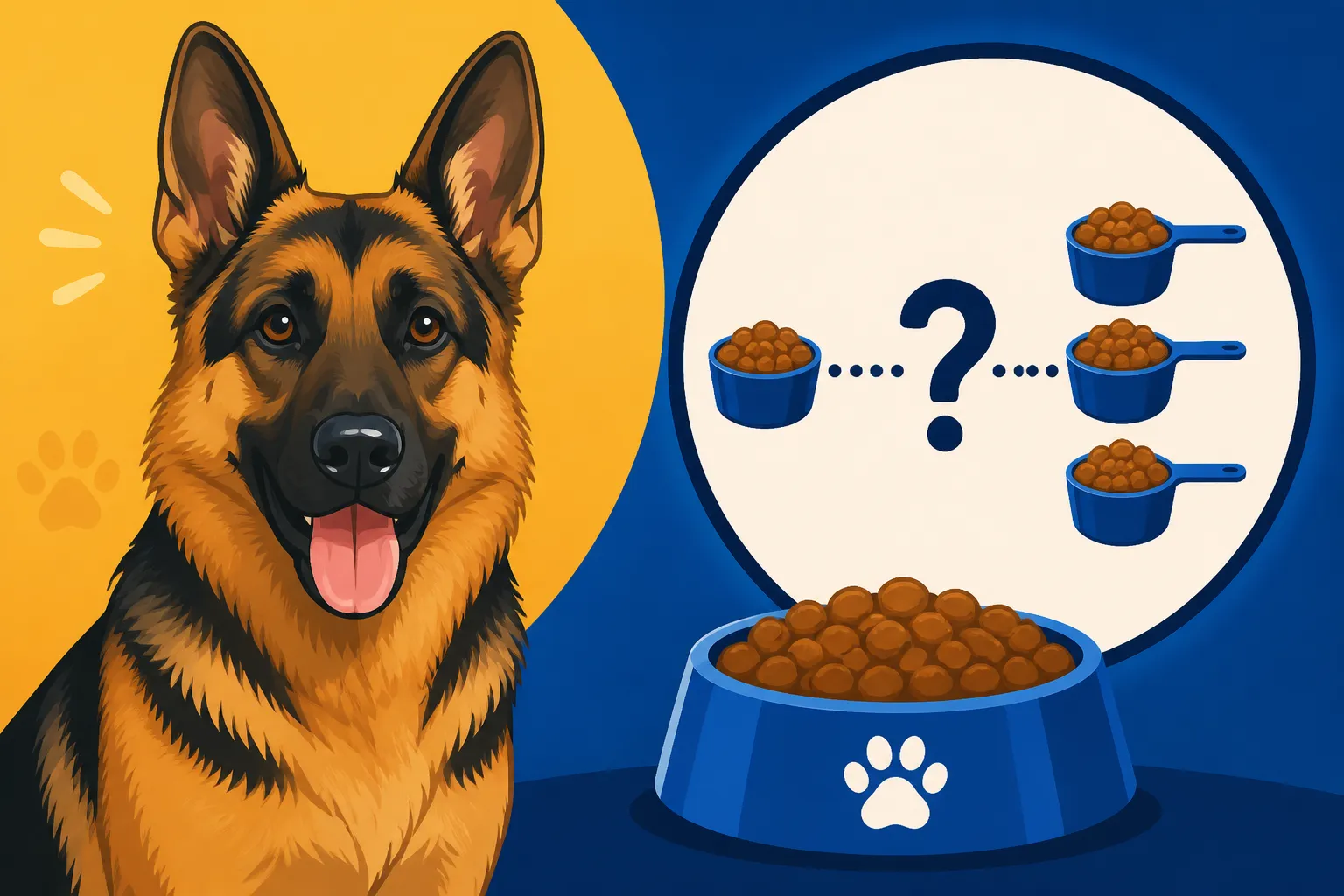
One of the most common pitfalls in dog feeding is inaccurate measurement. Grabbing a random coffee mug or eyeball-estimating portions can lead to significant over or underfeeding over time, especially with larger breeds like German Shepherds. Invest in a proper measuring cup specifically designed for pet food, or even better, a kitchen scale. Weighing food ensures absolute accuracy, as "cups" of kibble can vary based on kibble size, shape, and how densely it's packed. For instance, a "cup" of small, dense kibble might weigh more than a "cup" of large, airy kibble, leading to different calorie counts even if the volume appears the same.
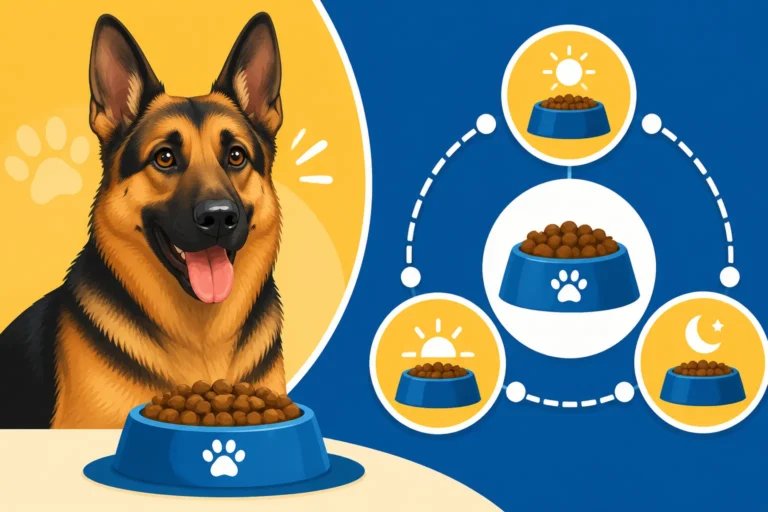
Consistency in feeding times is also incredibly beneficial. German Shepherds thrive on routine. Feeding them at roughly the same times each day helps regulate their digestive system, can reduce anxiety around meal times, and makes it easier to track their appetite and notice any changes. If you're considering a more customized, pre-portioned approach, services like Ollie offer tailored meal plans that remove the guesswork from measuring, delivering precisely what your dog needs.
Monitoring Your Dog's Body Condition
The ultimate indicator of whether you're feeding your German Shepherd the right amount isn't the bag's recommendation or even a strict calorie count; it's your dog's actual body condition. You should be able to easily feel their ribs when you run your hands along their side, without them being visibly prominent. They should have a noticeable waist when viewed from above and a slight tuck-up in their abdomen when viewed from the side.
If you can barely feel their ribs, or if they appear barrel-shaped with no discernible waist, they are likely overweight. If their ribs, hip bones, and spine are clearly visible, they are likely underweight. Regularly checking their body condition, ideally once a month, allows you to make subtle adjustments to their food intake before a small issue becomes a big problem. This constant assessment is a cornerstone of How to Keep a German Shepherd Healthy. Don't be afraid to take photos every few weeks to objectively track changes.
Transitioning Foods and Routines
Whether you're switching from puppy to adult food, changing brands due to allergies, or trying a different formula for weight management, any dietary change should be gradual. Abrupt changes can upset your German Shepherd's digestive system, leading to vomiting, diarrhea, or a refusal to eat. The general rule of thumb is to transition over 7 to 10 days.
Start by mixing about 25% new food with 75% old food for a few days. If your dog handles it well, move to a 50/50 mix for another few days, then 75% new food and 25% old. Finally, you can feed 100% new food. Pay close attention to their stool quality and overall demeanor during this period. If you notice any digestive upset, slow down the transition and maintain the current ratio for a few more days until their system adjusts. This patient approach minimizes stress on their gut and makes the transition smoother for everyone.
Disclaimer
This article is intended for informational purposes only and does not constitute veterinary advice. Always consult with a qualified veterinarian for any health concerns or before making significant changes to your German Shepherd's diet or care routine.