How to Keep a German Shepherd Cool in Summer
Summer with a German Shepherd can feel like a constant battle against the heat. You want your athletic, loyal companion to enjoy the sunshine and be active, but their thick double coat and boundless energy make them incredibly susceptible to overheating. It’s a real worry for any GSD owner, seeing them pant heavily and struggle, especially when you know how quickly things can go from uncomfortable to dangerous. This comprehensive guide is here to walk you through practical, empathetic strategies to ensure your beloved German Shepherd stays cool, safe, and happy when the temperatures climb.
Understanding Why German Shepherds Struggle in the Heat
It’s easy to look at our German Shepherds and marvel at their majestic coats, but in the sweltering heat of summer, that beautiful fur becomes their biggest challenge. Understanding why they struggle helps us better protect them. It's not just about them feeling a bit warm; it's about their physiological limitations in dissipating heat.
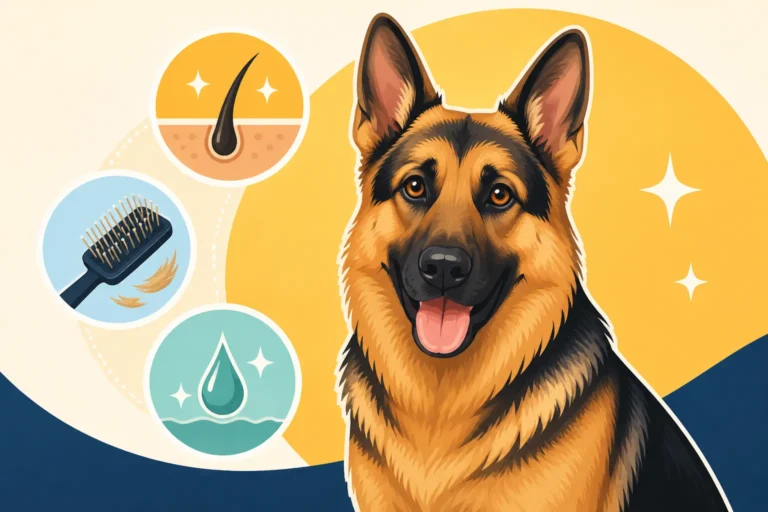
Their magnificent double coat, while perfect for insulating against cold in the winter months, can trap heat when the mercury rises. This coat consists of a dense, soft undercoat and a coarser, water-resistant outer coat. The undercoat's primary job is to provide insulation. While some air circulation can occur between the layers, a heavy undercoat from shedding season can significantly reduce this. Unlike some breeds, a German Shepherd's coat is not designed to be shaved in summer; doing so actually exposes their delicate skin to harmful UV rays and can interfere with their natural temperature regulation, making them even more susceptible to sunburn and heat. In fact, maintaining a healthy coat through regular grooming is essential for allowing air to circulate and their skin to breathe, which helps them regulate their body temperature naturally. If you're wondering more about how to keep their coat healthy, you might find our guide on How to Groom a German Shepherd incredibly useful.
Beyond their fur, German Shepherds are naturally high-energy dogs, bred for herding, protection, and police work. This inherent drive means they generate a lot of body heat even with moderate activity. Imagine trying to run a marathon in a fur coat – that’s a bit how it feels for them. Their metabolism is constantly working, and when coupled with high ambient temperatures, their internal thermostat can quickly go awry. This is particularly true for younger, more active dogs, but older German Shepherds can also be at significant risk, especially if they have underlying health conditions. Our article on German Shepherd Health Problems Guide discusses various factors that can affect their overall well-being, including how age and existing conditions can impact their heat tolerance.
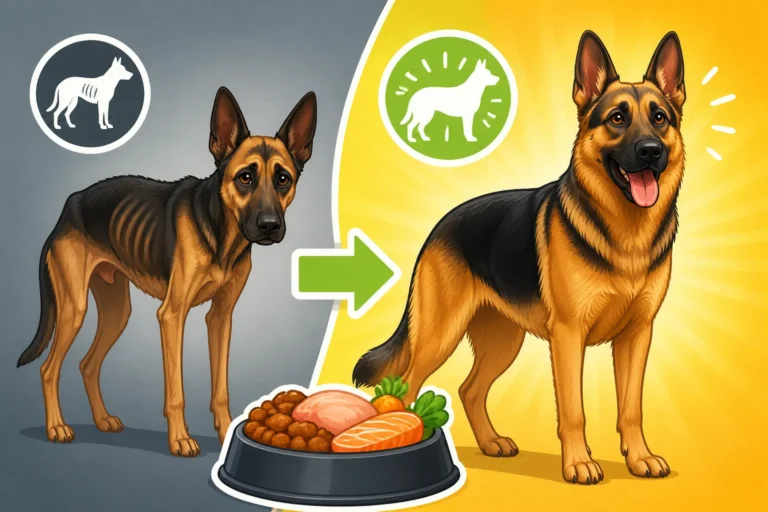
Unlike humans who have millions of sweat glands all over their bodies, dogs primarily cool themselves through panting and through the sweat glands in their paw pads. Panting involves rapid, shallow breathing that helps evaporate moisture from their respiratory tract, thereby cooling the blood. However, this system becomes much less effective in high humidity because the air is already saturated with moisture, making evaporation difficult. This is why a humid 80-degree day can feel far more dangerous for a German Shepherd than a dry 90-degree day. Factors like obesity can further hinder a dog's ability to cool down efficiently, as excess fat acts as another layer of insulation and makes physical exertion harder. Understanding German Shepherd Weight and Obesity Risks can provide more insight into how weight impacts their health, including heat tolerance.
Essential Strategies for Keeping Your German Shepherd Cool and Hydrated
Knowing the challenges your German Shepherd faces in the heat is the first step; the next is implementing practical strategies to keep them comfortable and safe. These aren't just minor adjustments; they are critical for preventing serious health complications.
Timing Exercise Wisely and Finding Cool Spaces
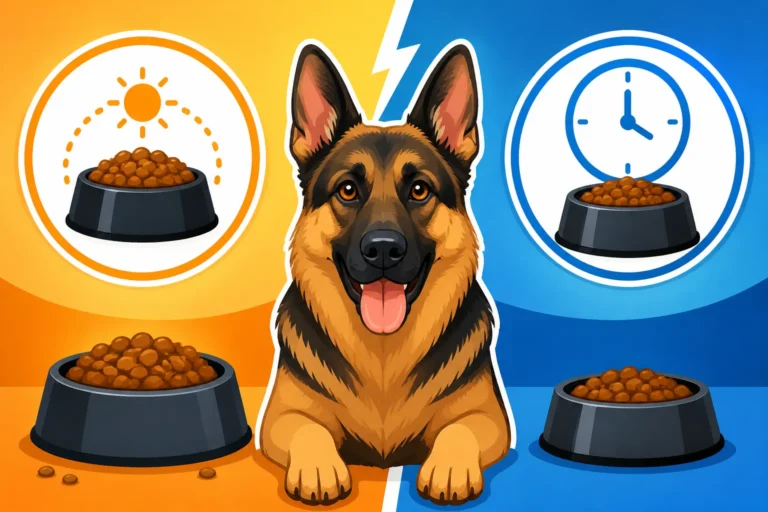
One of the most impactful changes you can make is adjusting your daily routine. Forget those midday walks or fetch sessions when the sun is beaming down and the asphalt is radiating heat. Instead, embrace the early morning and late evening hours. These times offer cooler temperatures and often less direct sunlight, making them ideal for exercise. A brisk walk at 6 AM or a playful romp after 8 PM can satisfy your GSD's energy needs without putting them at undue risk. Always test the ground temperature with the back of your hand; if it's too hot for your hand, it's too hot for their paws. Hot pavements can cause painful burns, and the heat absorbed through their paw pads contributes to overall body temperature. Our detailed guide on German Shepherd Exercise Requirements offers more ideas for safe activity levels tailored to different ages and energy needs.
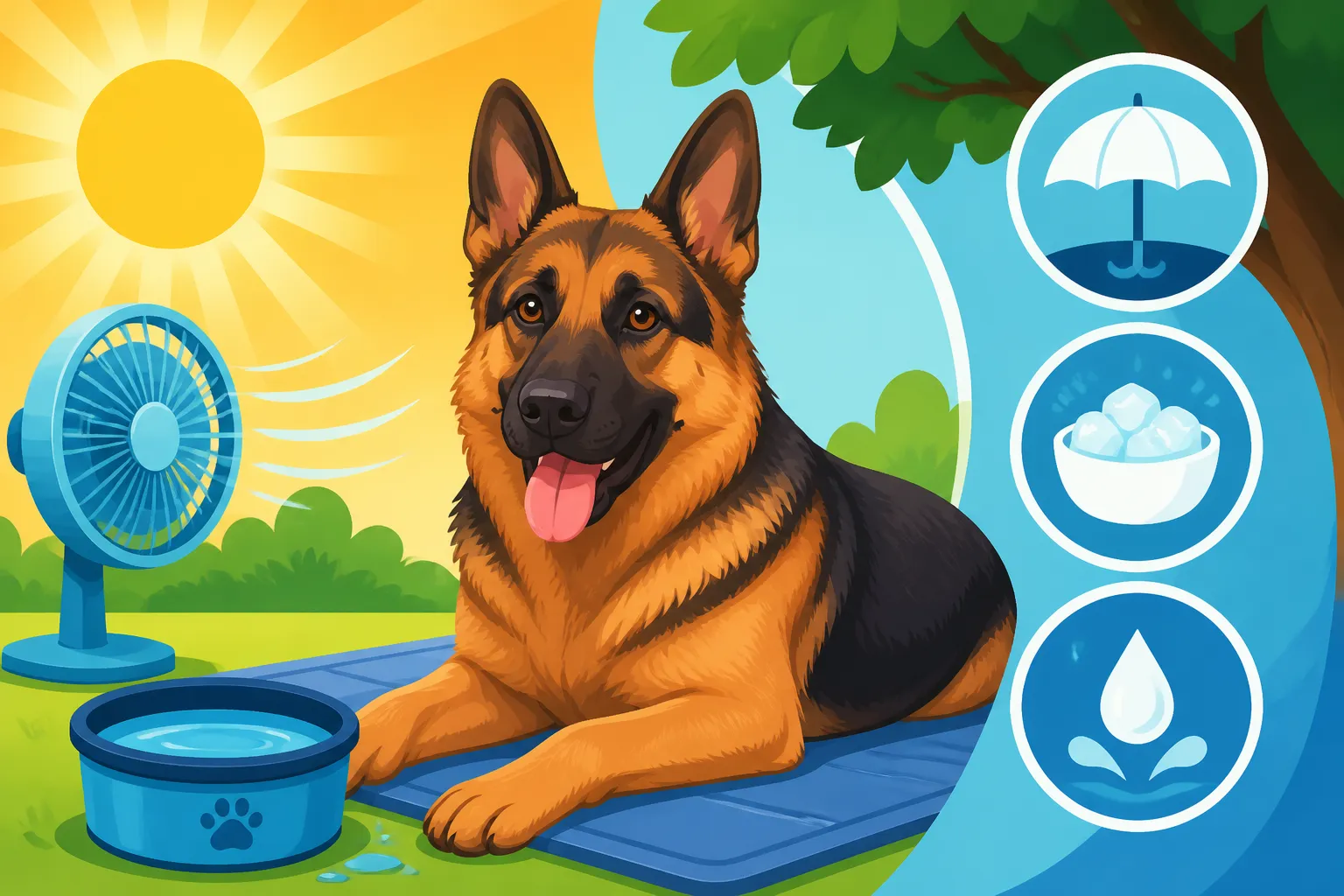
Beyond timing, seek out cooler environments. If you live near a dog-friendly beach or a lake, a supervised swim can be an excellent way for your GSD to cool down and get exercise. Many German Shepherds love water, and it's a fantastic full-body workout without the impact of running on hard surfaces. If water access isn't an option, consider visiting air-conditioned pet stores or even just a quick drive with the AC blasting for a change of scenery. Indoors, ensure they have access to the coolest parts of your home, whether that's a tiled floor in the bathroom or a basement. A simple box fan can make a surprising difference in air circulation and their comfort level.
Maximizing Hydration and Strategic Grooming
Hydration is paramount. Always provide multiple sources of fresh, cool water both inside and outside your home. Dogs can't tell you they're thirsty until they're already dehydrated, so constant access is crucial. Consider adding ice cubes to their water bowls, or even freezing large blocks of ice in a bucket for them to lick and chip away at – a fun, refreshing activity. For outdoor bowls, place them in the shade to keep the water from heating up. If you're on the go, a portable water bottle with an attached bowl is a must-have. You can find excellent portable options on Amazon or Chewy that are perfect for car rides or walks. To learn more about how much water your dog truly needs, check out our article on How Much Water a German Shepherd Needs Daily.
When it comes to grooming, it's a common misconception that shaving your German Shepherd will keep them cooler. In reality, their double coat actually provides a natural layer of insulation against heat and harmful UV rays, preventing sunburn. Shaving can disrupt their natural cooling system and lead to skin issues. Instead of shaving, focus on regular, thorough brushing. This helps remove the loose undercoat, especially during their "blowing coat" seasons, which allows for better air circulation against their skin. A high-velocity dog dryer, if you have one, can also help blow out loose fur after a bath, which further aids in air circulation. Our guide on German Shepherd Shedding: How to Manage It offers more specific techniques and tools for keeping their coat healthy and manageable year-round.
Beyond just water bowls, you can boost hydration with creative treats. Frozen broth pupsicles, lick mats smeared with frozen unsweetened plain yogurt or peanut butter, or even a few ice cubes in their dinner can increase their fluid intake. Some fresh dog food brands, like Ollie, contain a higher moisture content than traditional kibble, which can be a great way to sneak in extra hydration as part of their regular diet. Remember, proper nutrition and hydration are critical components of How to Keep a German Shepherd Healthy overall.
Utilizing Smart Cooling Products and Tools
In addition to adjusting routines, a range of innovative products can significantly enhance your German Shepherd's comfort and safety during hot weather. Investing in a few key items can make a world of difference.
Cooling Vests, Bandanas, and Mats
One of the most effective wearable solutions for German Shepherds in the heat are cooling vests and bandanas. These products typically work on the principle of evaporative cooling. You wet them, wring them out, and the evaporation of the water helps draw heat away from your dog's body. They cover key areas where blood vessels are close to the surface, like the chest and neck, helping to cool the blood circulating throughout their system. Brands like Ruffwear and Kurgo offer excellent cooling vests that are readily available on pet supply sites like Chewy. A simple cooling bandana can also provide a lot of relief for shorter outings or just lounging in the yard. Just make sure to re-wet them regularly as they dry out.
Another game-changer for indoor or shaded outdoor spaces is a cooling mat. These mats often contain a non-toxic gel that absorbs your dog's body heat and dissipates it into the air, providing a consistently cool surface without needing refrigeration or electricity. They’re fantastic for restless dogs who can’t seem to get comfortable on a hot day. Similarly, elevated dog beds, made from breathable mesh fabric, are excellent because they lift your dog off the hot ground, allowing air to circulate all around them, preventing heat from radiating up from the floor or patio. You can find a wide variety of these mats and beds on Amazon, fitting different sizes and budgets. For senior German Shepherds who might struggle more with mobility and heat, these cooling aids can be particularly beneficial, offering comfort and helping manage their overall well-being as highlighted in our German Shepherd Senior Care Guide.
Portable Hydration and Environmental Controls
When you’re out and about, whether it’s a short trip to the park or a longer journey, portable hydration solutions are non-negotiable. Investing in a good quality portable dog water bottle with an attached dispenser bowl means you can offer fresh water anytime, anywhere. This is especially important during car rides, which can become incredibly hot, even with windows down. Always keep a gallon jug of water in your car during summer for emergency rehydration. You can also look for collapsible bowls that easily attach to a leash or backpack, ensuring you’re never without a way to provide water.
At home, don't underestimate the power of basic environmental controls. Fans, whether ceiling fans or portable oscillating fans, can create a pleasant breeze that helps your German Shepherd's evaporative cooling (panting) work more efficiently. If you have air conditioning, keep your GSD in the cooled rooms, especially during the hottest parts of the day. For those who don't have AC, consider drawing curtains or blinds during the day to block direct sunlight and keep the house cooler. A child's splash pool filled with a few inches of water in a shaded part of the yard can be an absolute godsend for a GSD who loves to play in water. Many find immense relief just standing or lying in cool water, and it doubles as a fun activity.
Recognizing and Responding to Heatstroke
Even with the best preventative measures, sometimes the heat can get the better of our furry friends. Knowing the signs of heat stress and, more critically, heatstroke, and how to react, can be life-saving. Heatstroke is a severe medical emergency that requires immediate action.
Identifying the Warning Signs
It's vital to differentiate between a dog that's just a bit warm and one that's entering dangerous territory. Early signs of heat stress in German Shepherds include:
- Excessive panting: Panting is normal, but if it becomes rapid, labored, and unrelenting, pay attention.
- Increased thirst: They might seem desperate for water.
- Lethargy or weakness: Less energy than usual, reluctance to move.
- Excessive drooling: Thick, ropey saliva.
- Dark red gums: Instead of a healthy pink.
These signs indicate your dog is struggling and needs to cool down immediately. If these symptoms progress, or if you notice any of the following, your German Shepherd may be experiencing heatstroke:
- Vomiting or diarrhea (sometimes bloody): Gastrointestinal distress is a serious sign.
- Wobbling, stumbling, or collapse: Loss of coordination.
- Glazed eyes: A sign of disorientation.
- Rapid heart rate: You might feel their pulse racing.
- Bright red or bluish gums: Bluish gums indicate a lack of oxygen.
- Seizures or unconsciousness: This is a critical emergency.
- Body temperature above 104°F (40°C): This is the threshold for heatstroke. If you have a rectal thermometer, check it carefully.
Recognizing these signs quickly is crucial, as heatstroke can rapidly lead to organ damage, brain damage, or death. This is as much an emergency as something like German Shepherd Bloat: Signs and Prevention, which also requires immediate veterinary attention.
Here's a quick overview of what to look for:
| Symptom Category | Mild Heat Stress (Warning Signs) | Severe Heatstroke (Emergency Signs) |
|---|---|---|
| Breathing | Heavy, rapid panting; loud breathing | Extreme, uncontrollable panting; gasping |
| Energy | Lethargy, reluctance to move, seeking shade | Stumbling, weakness, collapse, seizures, coma |
| Saliva | Increased drooling, foamy saliva | Thick, ropy saliva; often excessive |
| Gums | Dark pink, slightly tacky | Bright red or bluish/purple (cyanosis) |
| Body Temp | Elevated (but below 104°F/40°C) | Above 104°F (40°C) |
| Other | Restlessness, seeking cool surfaces | Vomiting, diarrhea (sometimes bloody), glazed eyes |
Immediate First Aid and Veterinary Care
If you suspect your German Shepherd is suffering from heatstroke, every second counts. Your immediate actions can save their life.
- Move to a Cooler Area: Get your dog out of the sun and into an air-conditioned space or at least deep shade immediately.
- Apply Cool Water: Wet your dog with cool (NOT ice-cold) water. Focus on areas like the armpits, groin, belly, and paw pads where blood vessels are close to the surface. You can use a hose, wet towels, or even a spray bottle. Avoid using ice-cold water or ice packs directly, as this can cause blood vessels to constrict, trapping heat and potentially inducing shock.
- Use a Fan: If available, use a fan to blow air over their wet body. The combination of water and airflow dramatically increases evaporative cooling.
- Offer Water (Small Amounts): If they are conscious and able to swallow, offer small sips of cool (not cold) water. Do not force water on an unresponsive or vomiting dog.
- Seek Veterinary Care IMMEDIATELY: Even if your dog seems to be cooling down and recovering, it is absolutely essential to get them to a veterinarian as quickly as possible. Heatstroke can cause internal damage to organs that isn't immediately visible, and complications like kidney failure, liver damage, or disseminated intravascular coagulation (DIC) can develop hours or even days later. Call ahead to your vet or emergency animal hospital on the way so they can prepare for your arrival. Your vet will need to monitor their internal temperature, check for organ damage, and provide intravenous fluids and other supportive care. This is a situation where you might need to enact your emergency plan, similar to a German Shepherd Bloat Emergency: What to Do.
Prevention remains the best strategy. By being diligent about exercise timing, providing constant hydration, using smart cooling products, and recognizing the early warning signs, you can greatly reduce the risk of your German Shepherd falling victim to the summer heat. A healthy German Shepherd is a happy German Shepherd, and their well-being in warmer months is entirely in your hands.
Disclaimer
Please remember that this guide provides general information and should not replace professional veterinary advice. Always consult with your veterinarian for any specific concerns regarding your German Shepherd's health and well-being, especially during extreme weather conditions or if you suspect they are unwell.