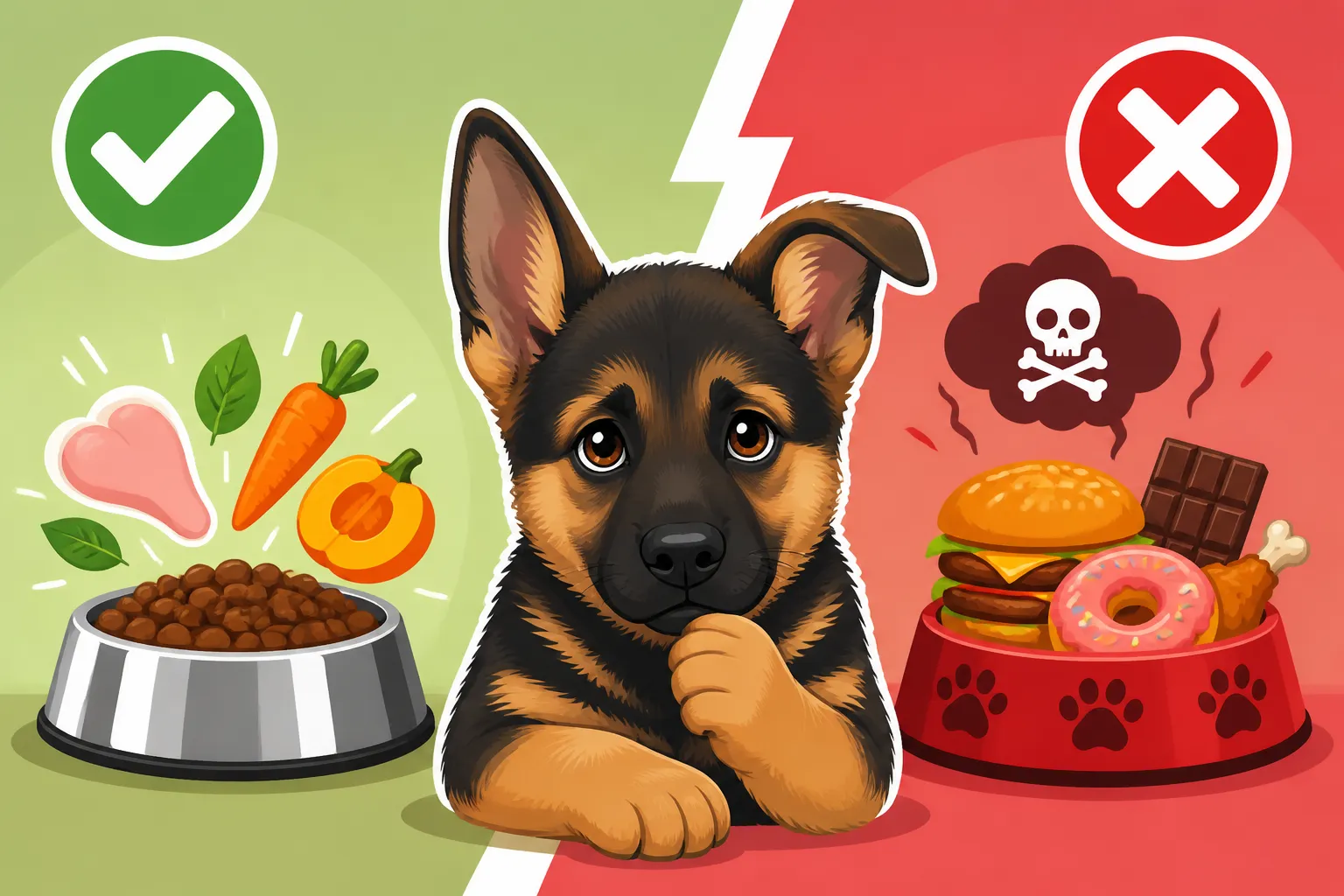
German Shepherd Puppy Feeding Mistakes to Avoid
Bringing home a German Shepherd puppy is incredibly exciting, but let's be honest, it can also feel like a pressure cooker, especially when it comes to feeding. You're constantly wondering if you're giving them enough, too much, the right kind of food, or if you're inadvertently setting them up for health problems down the line. It's a common worry, and many well-meaning puppy parents make mistakes that can impact their GSD's growth and well-being. This guide is here to walk you through the most common German Shepherd puppy feeding mistakes and how to avoid them, ensuring your furry friend gets the best start possible.
The Peril of Overfeeding and Underfeeding
One of the biggest tightropes we walk with German Shepherd puppies is finding that perfect balance between providing enough nutrition for their rapid growth and not giving them too much or too little. It's not just about a full belly; it's about supporting healthy bone and muscle development.
The Dangers of Overfeeding Your Growing GSD
It's easy to fall into the trap of thinking a bigger puppy is a healthier puppy, especially with a breed as majestic as the German Shepherd. We see those big paws and imagine them growing into a magnificent adult, and our instinct is to fill their bowls to the brim. However, overfeeding a German Shepherd puppy is perhaps one of the most critical mistakes you can make, and it often has far-reaching consequences that many owners don't realize until it's too late.
When a German Shepherd puppy consumes too many calories, especially too much calcium, their growth plates can close prematurely or grow too quickly. This accelerated growth puts immense stress on their developing bones and joints. Instead of growing strong and dense, their skeletal structure becomes prone to issues like German Shepherd Hip Dysplasia Explained and elbow dysplasia, which are unfortunately common in the breed. Imagine building a house too fast – the foundation might not settle correctly, leading to cracks and instability later on. Your puppy's skeleton is no different.
Furthermore, excess weight itself is a burden. An overweight puppy carries more load on their still-forming joints, exacerbating any underlying genetic predispositions to orthopedic problems. They might develop an awkward gait, experience pain, and be less active, creating a vicious cycle. This isn't just about cosmetic issues; it's about laying the groundwork for a lifetime of pain, costly veterinary treatments, and a diminished quality of life. Always aim for a lean physique where you can easily feel but not see their ribs, and their waist tucks up slightly.
The Risks of Underfeeding and Nutritional Deficiencies
While overfeeding grabs a lot of attention due to its link to orthopedic issues, underfeeding a growing German Shepherd puppy can be just as detrimental, albeit with different consequences. A German Shepherd puppy grows incredibly quickly, and this rapid development demands a consistent and adequate supply of high-quality nutrients. Without it, their entire system can suffer.
Underfeeding means your puppy isn't getting enough calories, protein, fats, vitamins, and minerals to fuel their growth. This can lead to stunted growth, where they don't reach their full genetic potential in terms of size. More seriously, it can weaken their immune system, making them more susceptible to illnesses and infections. They might appear lethargic, have dull coats, and struggle to maintain a healthy weight, often feeling bony to the touch. Their ability to learn and engage might also be hampered due to a lack of energy and proper brain development.
Nutritional deficiencies can manifest in various ways. A lack of essential fatty acids might lead to poor skin and coat health, constant itching, or even impaired cognitive function. Insufficient protein can hinder muscle development and overall body repair. It’s a delicate balance, and neglecting your puppy's dietary needs can impact everything from their physical stature to their long-term health and vitality. Consulting a veterinarian or a reputable breeder for a German Shepherd Puppy Feeding Schedule is crucial to ensure your puppy is receiving the right amount of food for their age, weight, and activity level.
Choosing the Wrong Food & Feeding Schedule
Selecting the right food and sticking to a proper feeding routine is just as vital as the quantity of food itself. Many new German Shepherd owners find themselves overwhelmed by the sheer number of dog food options, leading to choices that might not be ideal for their growing large-breed companion.
Not Selecting a Large-Breed Puppy Formula
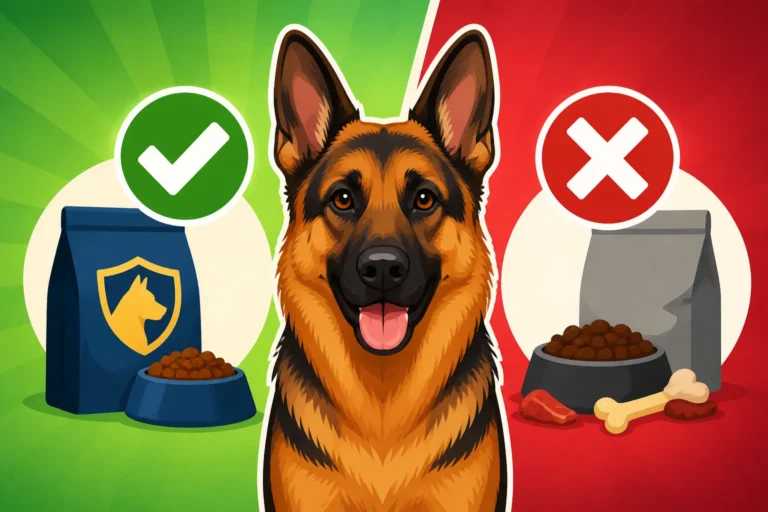
This is a mistake that many new German Shepherd owners, despite their best intentions, often make. It seems logical: a puppy is a puppy, right? So any puppy food should do. However, for a German Shepherd, which is a giant breed with specific growth needs, feeding a generic "all breed" or "small breed" puppy formula can be a significant misstep.
Large-breed puppy formulas are specially formulated to support controlled growth. This means they typically have a carefully balanced calcium-to-phosphorus ratio and a slightly lower calorie density than regular puppy foods. Why is this important? Because, as we discussed with overfeeding, too much calcium or an imbalance can lead to skeletal deformities and orthopedic issues like osteochondritis dissecans (OCD) and German Shepherd Hip Dysplasia: Symptoms and Treatment. These specialized foods are designed to help your German Shepherd puppy grow at a healthy, steady pace, allowing their bones and joints to develop properly without undue stress.
Look for bags clearly labeled "Large Breed Puppy" or "Giant Breed Puppy" food. Brands like Royal Canin German Shepherd Puppy Formula or Purina Pro Plan Focus Large Breed Puppy are popular choices that are specifically designed with these needs in mind. Don't be swayed by marketing for high-protein, calorie-dense foods meant for smaller, faster-metabolizing breeds. Your GSD needs moderate protein and controlled calories to thrive.
Inconsistent Feeding Schedules and Free-Feeding Fallacies
The romance of an always-full food bowl, where your beloved puppy can graze whenever they please, is a temptation many of us face. It feels generous, almost like giving them unlimited access to a buffet. However, for German Shepherd puppies, free-feeding can be detrimental to both their physical health and their behavioral development.
German Shepherds thrive on routine, and a consistent feeding schedule is fundamental. Free-feeding makes it impossible to monitor how much your puppy is truly eating, which means you might miss early signs of a decreased appetite (a potential indicator of illness) or overconsumption. It also doesn't allow for proper digestion. When food is always available, puppies might eat small amounts throughout the day, never giving their digestive system a proper rest or allowing their stomach to fully empty. This sporadic eating can contribute to digestive upset and can be a risk factor for serious conditions like German Shepherd Bloat Signs and Prevention, especially in deep-chested breeds like GSDs.
Beyond health, a structured feeding schedule is a powerful tool for training and bonding. Feeding at specific times allows you to integrate mealtime into a broader routine, reinforcing good habits. It teaches patience, helps with potty training (as you can predict elimination times), and reinforces your role as the provider, strengthening your bond. Most experts recommend feeding German Shepherd puppies 2-3 times a day, depending on their age. For instance, a young puppy (8-12 weeks) might need 3-4 meals, while an older puppy (4-6 months) usually does well with 2-3 meals. Check the specific recommendations on your chosen food, like those available on Chewy, as they often have age-specific guidelines.
Here’s a general guideline for feeding frequency:
| Age of German Shepherd Puppy | Recommended Feeding Frequency | Notes |
|---|---|---|
| 8-12 Weeks | 3-4 times per day | Smaller, more frequent meals to support rapid growth and small stomach capacity. |
| 3-6 Months | 2-3 times per day | As they grow, stomach capacity increases, and growth rate may slightly normalize. |
| 6-12 Months | 2 times per day | Transitioning to adult feeding frequency, but still using large breed puppy formula. |
| 12+ Months | 2 times per day | Generally ready for adult food, two meals a day is typical. |
Overlooking Hydration and Treat Management
Beyond the kibble itself, how you manage your puppy's water intake and treat consumption plays a huge role in their overall health. These are often overlooked details that can have significant impacts.
Neglecting Proper Water Intake
It's easy to focus solely on what goes into the food bowl, but adequate hydration is just as vital for your German Shepherd puppy's health, if not more so. Dehydration can lead to a host of problems, impacting everything from digestion to organ function and overall energy levels. A lack of readily available, fresh water is a common, yet easily preventable, mistake.
Puppies, especially active German Shepherds, need constant access to clean, fresh water. Water aids in digestion, helps transport nutrients throughout the body, regulates body temperature, and flushes toxins from the system. If your puppy isn't drinking enough, they can become constipated, their urine may become too concentrated (leading to urinary tract issues), and they can quickly become lethargic. Active play sessions, warm weather, or even just regular puppy antics can quickly deplete their water reserves.
Always ensure there are multiple water bowls available, both inside and outside, especially if you have a large yard or multiple levels in your home. These bowls should be cleaned daily to prevent bacterial growth and refilled with fresh water. Consider stainless steel bowls, which are easy to clean and sanitize. If your puppy is reluctant to drink, try adding a splash of bone broth (ensure it's unsalted and free of onions/garlic) to their water, or invest in a pet fountain, which can entice some dogs to drink more due to the moving water. Proper hydration is a cornerstone of How to Keep a German Shepherd Healthy and should never be underestimated.
Mismanaging Treats and Table Scraps
Who can resist those adorable puppy dog eyes when you're enjoying a snack? It's incredibly difficult! However, mismanaging treats and table scraps is a very common feeding mistake that can lead to several problems for your German Shepherd puppy. While treats are excellent tools for training and positive reinforcement, their overuse or the wrong kind can quickly derail a healthy diet.
Firstly, treats are often calorie-dense, and those calories add up quickly. A handful of small training treats can easily equate to a significant portion of your puppy's daily caloric intake, leading to unintended weight gain. When considering German Shepherd Weight and Obesity Risks, excess treats are a huge culprit. Obesity in puppies, as mentioned, puts undue strain on developing joints and sets the stage for a lifetime of weight management issues. Always factor treats into their daily food allowance and choose low-calorie options when possible.
Secondly, feeding table scraps introduces foreign ingredients, many of which can upset a puppy's sensitive stomach or even be toxic. Foods high in fat, sugar, or spices can cause German Shepherd Pancreatitis Symptoms and Treatment or lead to diarrhea and vomiting. Onions, garlic, grapes, chocolate, and artificial sweeteners like xylitol are absolute no-gos and can be life-threatening. Stick to dog-specific treats, and if you use human foods, make sure they are plain, unseasoned, and approved for dogs, like small pieces of cooked chicken breast or carrots. Even then, moderation is key. You can find a vast selection of appropriate, healthy treats on platforms like Amazon or Chewy.
Ignoring Individual Needs and Early Warning Signs
Every German Shepherd puppy is an individual, and what works for one might not work perfectly for another. Being attentive to their unique needs and recognizing subtle health cues is paramount to their nutritional well-being.
One-Size-Fits-All Mentality
It's easy to get caught up in the general feeding guidelines found on dog food bags or online. They provide an excellent starting point, but adopting a strict "one-size-fits-all" mentality can be a significant mistake for German Shepherd puppies. Your puppy is unique, and their nutritional requirements can vary based on several factors.
Consider their activity level: a German Shepherd puppy engaged in regular, vigorous play or early training sessions will naturally burn more calories than a less active sibling. Their metabolism also plays a role; some puppies are just naturally more efficient at utilizing nutrients. Environmental factors, like living in a colder climate, might also slightly increase caloric needs. Age is another crucial variable – an 8-week-old puppy has different demands than a 6-month-old, even within the puppy phase.
It's essential to regularly assess your puppy's body condition. Are they looking too thin? Are their ribs easily visible? Or are they starting to look a bit round, with no discernible waist? Adjust their food intake incrementally based on what you observe and in consultation with your veterinarian. What the bag recommends is an average, and your puppy might be above or below that average. Pay attention to how their body is developing, not just the numbers on the scale. For more specific guidance on their developmental stages, you might find our article on When Do German Shepherds Stop Growing helpful.
Missing Subtle Digestive Upset Signals
German Shepherd puppies, especially during their growth phase, can have sensitive digestive systems. Missing the subtle, or even obvious, signals of digestive upset is a common mistake that can prolong discomfort for your puppy and potentially lead to more serious issues. As their caregiver, you are their first line of defense.
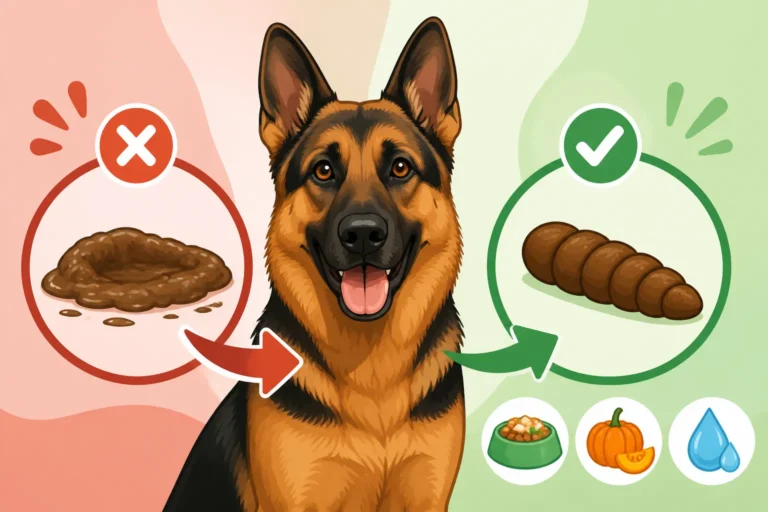
Changes in stool consistency are often the clearest indicator of digestive problems. Anything from loose stool and diarrhea to hard, dry stools can signify an issue. German Shepherd Loose Stool Common Causes can range from dietary indiscretion (eating something they shouldn't have) to stress, parasites, or even food sensitivities. Persistent diarrhea, especially if accompanied by vomiting or lethargy, warrants an immediate call to your vet. Similarly, if your puppy is straining to defecate, it could indicate dehydration or a diet lacking fiber.
Beyond stool, watch for other signs like reduced appetite, excessive gas, stomach gurgling, or changes in energy levels. A puppy who suddenly refuses a meal or picks at their food when they normally gobble it down could be feeling unwell. If you suspect food sensitivities or allergies, working with your vet to explore different protein sources or limited ingredient diets, such as those offered by services like Ollie, might be necessary. Being proactive and addressing these signals early can prevent minor issues from escalating and keep your German Shepherd puppy comfortable and healthy.
Disclaimer
This article is intended for informational purposes only and does not constitute veterinary advice. Always consult with a qualified veterinarian or a certified canine nutritionist for personalized advice regarding your German Shepherd puppy's diet and health concerns. Nutritional needs can vary significantly based on individual factors, and professional guidance is essential.