Is Victor Good for a German Shepherd
Choosing the right food for your majestic German Shepherd can feel like navigating a nutritional minefield. You want to ensure they’re getting everything they need to thrive, grow strong, and stay healthy, but with countless brands and formulas out there, it’s easy to feel overwhelmed and question every choice. This comprehensive guide is here to cut through the confusion and help you determine if Victor dog food aligns with the specific dietary needs of your beloved German Shepherd.
Understanding the Unique Nutritional Requirements of German Shepherds
German Shepherds are magnificent athletes, renowned for their intelligence, strength, and boundless energy. But with great breed comes great responsibility, especially when it comes to their diet. Their specific physiological makeup and common breed predispositions mean their food isn't just fuel; it's a foundational element of their long-term health and well-being.
Energy Levels and Protein Demands
Think about a German Shepherd at work or play – whether they’re herding, running agility courses, or simply enjoying a vigorous game of fetch in the park, they are expending a significant amount of energy. This isn't a couch potato breed; they are built for activity. To sustain this high energy output and maintain their powerful musculature, German Shepherds require a diet rich in high-quality protein. Protein isn't just for muscle growth; it’s essential for cell repair, enzyme production, and a healthy immune system.
Many standard dog foods might have adequate protein for less active breeds, but for a German Shepherd, you're looking for formulations where animal-based protein sources are listed as the first few ingredients. This ensures they're getting digestible and bioavailable protein to support their lean muscle mass and recovery after exercise. Without sufficient protein, you might notice a dip in their energy, slower recovery times, or even a duller coat.
Crucial Focus on Joint Health
One of the most heart-wrenching realities for many German Shepherd owners is the breed's predisposition to joint issues, particularly hip and elbow dysplasia. These conditions can significantly impact their quality of life, leading to pain and limited mobility. Therefore, nutrition plays a crucial role in preventative care and managing symptoms.
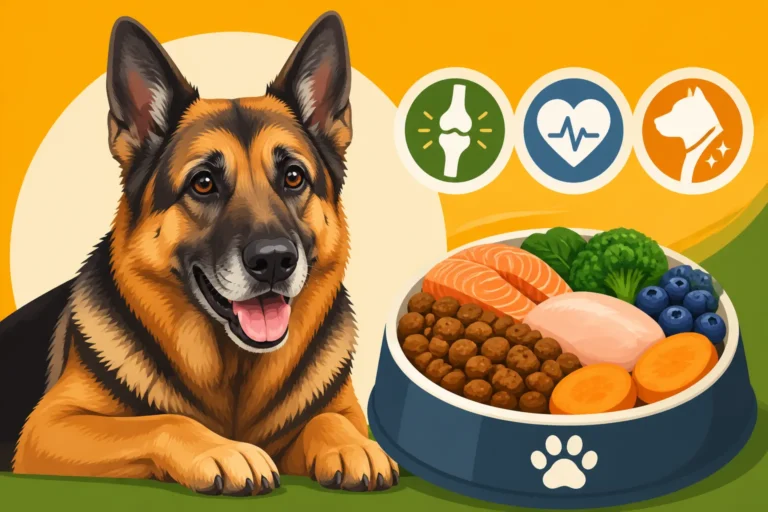
A diet that supports joint health isn't just about adding supplements later; it starts with the kibble itself. Look for foods that include ingredients like glucosamine and chondroitin, which are key building blocks for cartilage and joint fluid. Omega-3 fatty acids, especially EPA and DHA found in fish oil, are also incredibly beneficial for their anti-inflammatory properties, helping to reduce joint pain and improve mobility. Investing in proper joint support through diet from a young age can make a world of difference as your German Shepherd ages. If you're concerned about these issues, it's worth exploring guides like our German Shepherd Hip Dysplasia Explained or German Shepherd Elbow Dysplasia: Symptoms and Treatment to get a better understanding.
Digestive Sensitivities and Gut Support
It's an unfortunate truth that many German Shepherds have sensitive digestive systems. From loose stools to full-blown Exocrine Pancreatic Insufficiency (EPI) or Inflammatory Bowel Disease (IBD), gut health can be a recurring concern. A healthy gut is vital not only for nutrient absorption but also for a robust immune system.
When selecting food, ingredients that promote good digestion are paramount. This includes easily digestible carbohydrates, a balanced fiber content, and, crucially, prebiotics and probiotics. Prebiotics feed the beneficial bacteria in the gut, while probiotics introduce these good bacteria directly. Together, they help maintain a healthy gut microbiome, which can lead to better stool consistency, reduced gas, and overall improved gut function. Avoiding common allergens or irritants like corn, wheat, and soy can also be beneficial for German Shepherds prone to digestive upset or German Shepherd Allergies: Symptoms and Treatment.
What Makes Victor Dog Food Stand Out? A Closer Look
Victor Pet Food has carved out a strong niche in the premium dog food market, particularly among active dog owners and those with working breeds. They emphasize what they call "nutritional excellence," focusing on high-quality ingredients and specific formulations. But what does that really mean for a German Shepherd owner?
Core Ingredient Philosophy
At the heart of Victor's approach is a commitment to nutrient-dense, super-premium ingredients. Many of their formulas are meat-first, meaning a named animal protein source like beef, chicken, or lamb meal is the primary ingredient. This aligns perfectly with the high protein demands of German Shepherds. They also pride themselves on using a proprietary blend they call VPRO Blend, which is present in most of their formulas. This blend includes ingredients designed to support immune health, digestion, and coat condition.
Victor sources most of its ingredients from within the continental United States, often from local and regional suppliers around their manufacturing facility in Muenster, Texas. This commitment to domestic sourcing can be reassuring for owners who prioritize knowing where their dog's food comes from. They focus on complex carbohydrates like sweet potatoes and peas, and avoid many common fillers found in lower-quality kibbles.
Protein Sources and Fat Content
For a breed as muscular and active as the German Shepherd, protein and fat content are non-negotiables. Victor generally excels here. Their protein levels are often higher than average, with many formulas hovering around 28-33% crude protein. This robust protein content is sourced from a variety of animal meals – not just fresh meat, but also concentrated meat meals (like beef meal, chicken meal, lamb meal), which provide a more potent protein punch after moisture is removed. This makes it an excellent choice for supporting the powerful physique and energy levels of an active GSD.
Fat content is also well-calibrated in Victor's performance-oriented lines, typically ranging from 18-22%. Healthy fats, such as those from chicken fat, provide concentrated energy and essential fatty acids for skin and coat health. A shiny, healthy coat is often a visual indicator of good overall nutrition, and German Shepherds benefit greatly from these fats to maintain their dense double coat. For more details on maintaining a healthy coat, you might want to check out our guide on German Shepherd Coat and Skin Care.
Added Supplements and Probiotics
One of the standout features of Victor dog food, particularly relevant for German Shepherds, is its inclusion of a comprehensive package of supplements aimed at holistic health. Beyond just vitamins and minerals, many Victor formulas contain:
- Prebiotics and Probiotics: As we discussed, German Shepherds can have sensitive stomachs. Victor often includes prebiotics like Dried Chicory Root and various fermented products (part of the VPRO blend) that act as probiotics. These ingredients are vital for fostering a healthy gut microbiome, which can significantly improve digestion, nutrient absorption, and stool quality. Owners often report better digestive health and fewer issues when their dogs are on a food with good gut support.
- Glucosamine and Chondroitin: Given the breed's susceptibility to joint problems, the inclusion of these joint-supporting compounds in many of Victor's larger breed and performance formulas is a huge plus. These ingredients work to maintain cartilage integrity and lubricate joints, offering proactive support against conditions like arthritis in German Shepherds. This makes Victor a strong contender for owners looking to support their dog's long-term mobility.
- Omega Fatty Acids: These essential fats, often derived from flaxseed or fish meal, are crucial for skin and coat health, reducing inflammation, and supporting cognitive function. They contribute to that lustrous German Shepherd coat and can help manage certain skin conditions.
Is Victor a Good Fit for Your German Shepherd? Weighing the Pros and Cons
Deciding on a dog food is a big commitment, and it's essential to look at both the benefits and potential drawbacks for your specific dog. While Victor offers many compelling advantages for German Shepherds, there are always factors to consider based on your dog's individual needs.
Advantages for German Shepherd Health and Performance
For many German Shepherds, Victor dog food offers a robust nutritional profile that supports their unique needs:
- High Protein for Muscle Maintenance: The consistently high protein levels across many Victor formulas are excellent for supporting the strong musculature and high energy demands of German Shepherds, whether they're working dogs or active family companions. This helps maintain lean mass and aids in recovery.
- Joint Support: The inclusion of glucosamine and chondroitin in many large-breed and performance formulas is a significant advantage, providing proactive support for their vulnerable joints. This can be especially important for growing puppies and active adults.
- Digestive Health: The VPRO Blend, with its prebiotics and probiotics, directly addresses the common digestive sensitivities seen in German Shepherds, helping to promote a healthy gut and better nutrient absorption. Many owners find their GSDs thrive on these gut-friendly ingredients, leading to fewer upset stomachs and more consistent stools.
- Quality Ingredients: Victor's commitment to using meat as the primary ingredient and avoiding common fillers like corn, wheat, and soy in many of its lines is a big draw. This focus on wholesome ingredients means better digestibility and fewer potential irritants for sensitive dogs.
- Energy Density: For highly active German Shepherds, the calorie-dense formulas provide ample energy without needing to feed excessive volumes, which can be helpful in reducing the risk of bloat (GDV) if managed properly. Remember, learning How to Prevent Bloat (GDV) in German Shepherds is a critical aspect of their care.
Important Considerations for Owners
While Victor is a fantastic choice for many, there are a few things German Shepherd owners should keep in mind:
- Calorie Content for Less Active Dogs: While high energy density is a pro for active dogs, it can be a con for German Shepherds with lower activity levels or those prone to weight gain. Owners must be diligent with portion control to prevent obesity, which can exacerbate joint issues. Always refer to a German Shepherd Feeding Guide and adjust based on your dog's actual needs.
- Availability: While widely available, Victor might not be as ubiquitous as some larger, more heavily advertised brands. You might find it at specialty pet stores, farm supply stores, or online retailers like Chewy or Amazon. This isn't a deal-breaker, but something to plan for if you prefer convenience.
- Cost: Victor generally falls into the premium dog food category, meaning it can be more expensive than budget-friendly brands. However, for many owners, the quality of ingredients and targeted nutrition justifies the investment, especially given the potential long-term health benefits for a German Shepherd.
- Grain-Free Options: While Victor does offer grain-free formulas, it's crucial to consult with your vet before committing to a grain-free diet, especially with ongoing research regarding potential links between certain grain-free diets and dilated cardiomyopathy (DCM) in some breeds. Many German Shepherds do perfectly fine on grain-inclusive diets, which Victor also offers.
Comparing Victor to Other Brands
When you're looking at dog food, Victor stands out from some of the more mass-market brands by prioritizing nutrient-dense, meat-first recipes. Compared to brands that use a lot of fillers or lower-quality protein sources, Victor's focus on concentrated meat meals and comprehensive supplemental blends typically offers a higher nutritional value.
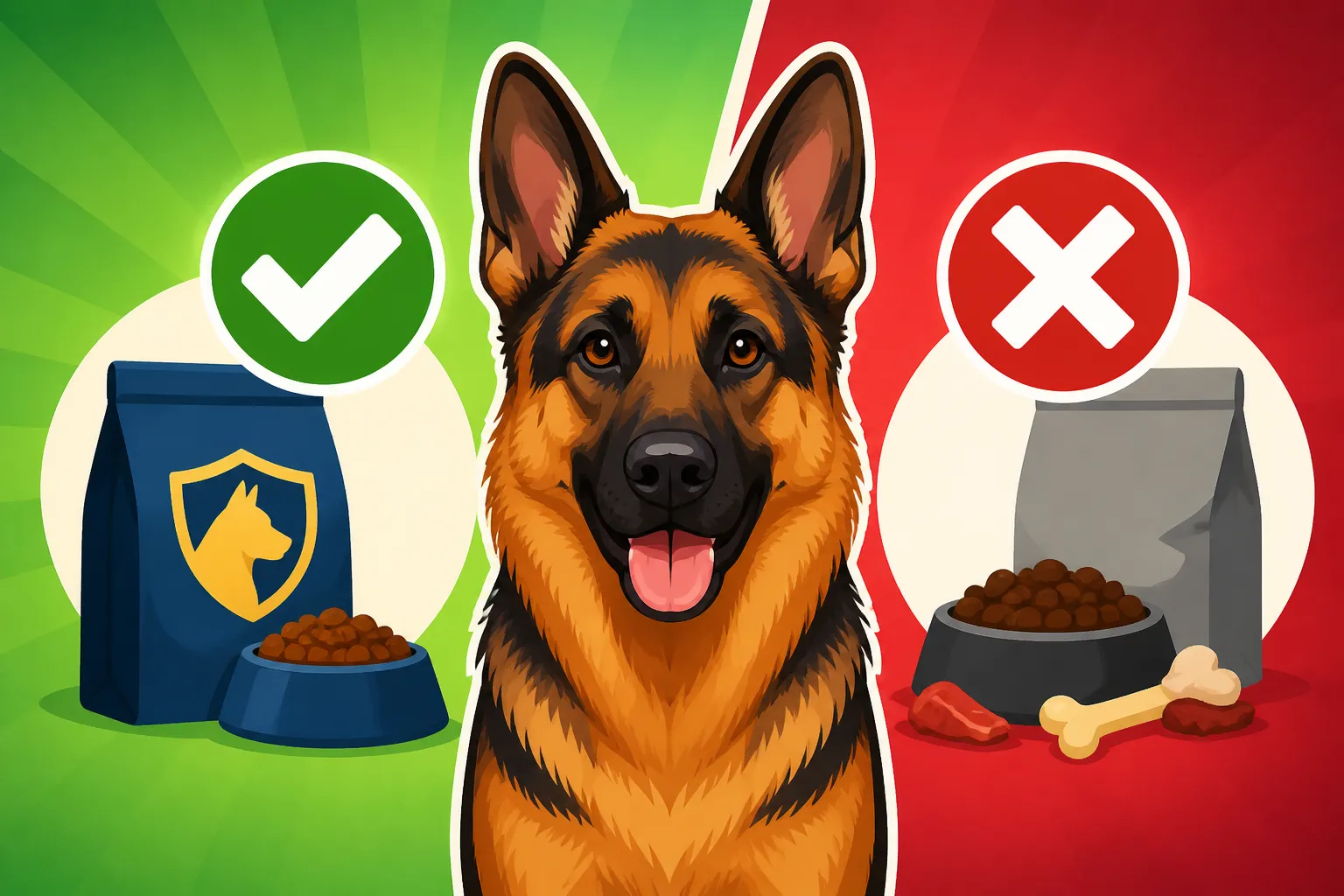
However, it's also important to consider Victor alongside other premium brands. For instance, some holistic or fresh-food brands like Ollie might offer different approaches to nutrition with less processing, but at a significantly higher cost and with different storage requirements. Brands like Purina Pro Plan for German Shepherds or Royal Canin German Shepherd often have breed-specific formulas, which can be appealing, but it's always worth comparing their ingredient lists and nutritional guarantees directly with Victor's offerings to see which aligns best with your individual dog's needs and your budget. The best food is always the one that makes your specific German Shepherd thrive.
Navigating Victor's Formulas: Finding the Right Match for Your GSD
Victor offers a diverse range of formulas, each designed to cater to different needs and life stages. Knowing which one is best for your German Shepherd means understanding these distinctions.
Tailoring to Life Stages: Puppy, Adult, and Senior
Just like people, German Shepherds have different nutritional requirements as they age.
- Puppy Formulas: For your growing German Shepherd puppy, look for Victor's "Puppy" or "Active Dog & Puppy" formulas. These are specifically designed with appropriate calcium-to-phosphorus ratios to support healthy bone and joint development, which is incredibly critical for large breeds. They also have higher calorie and protein content to fuel their rapid growth. Overfeeding a German Shepherd puppy, especially with high-calorie food, can contribute to too-rapid growth, potentially increasing the risk of joint issues later on. You can find more information on proper feeding in our German Shepherd Puppy Feeding Schedule guide.
- Adult and Performance Formulas: Most adult German Shepherds, especially those with an active lifestyle, will do well on Victor's "Active Dog & Puppy" (yes, many adults thrive on it too!), "Hi-Pro Plus," or "Nutra Pro" formulas. These provide sustained energy and excellent muscle support. The "Performance" lines are particularly suited for working dogs, competitive athletes, or extremely active companions.
- Senior and Weight Management Options: As your German Shepherd enters their senior years, their metabolism slows, and their activity levels may decrease. Victor has options like "Healthy Weight" or formulas with slightly reduced calorie and fat content to help manage their weight and support aging joints without over-burdening their system. For more on caring for an older dog, check out our German Shepherd Senior Care Guide.
Performance-Oriented and Specialized Options
Victor truly shines in its performance-oriented lines, which are often the top choice for German Shepherd owners.
- Victor Hi-Pro Plus: This is one of Victor's most popular formulas and a fantastic choice for many GSDs. It boasts a high protein and fat content, making it ideal for extremely active or working German Shepherds, pregnant or lactating females, and puppies. It's packed with nutrient-dense ingredients and the VPRO Blend for comprehensive support.
- Victor Select Joint Health with Glucosamine & Chondroitin: This formula is explicitly designed with enhanced levels of joint-supporting ingredients, making it an excellent preventative choice for German Shepherds prone to hip and elbow issues.
- Victor Purpose Nutra Pro: A high-protein, moderate-fat formula that's great for active adult German Shepherds who might not need the extreme calorie density of Hi-Pro Plus but still benefit from robust protein and digestive support.
Grain-Inclusive vs. Grain-Free Discussions
Victor offers both grain-inclusive and grain-free options. The choice often comes down to individual dog needs and veterinary advice.
- Grain-Inclusive: Many German Shepherds thrive on grain-inclusive diets, which provide easily digestible carbohydrates for energy and a good source of fiber. Victor's grain-inclusive formulas often use healthy grains like sorghum, millet, or oats. Unless your veterinarian specifically recommends a grain-free diet due to a diagnosed grain allergy, a grain-inclusive formula can be a perfectly healthy and balanced choice.
- Grain-Free: For German Shepherds with documented grain sensitivities or allergies, Victor's grain-free options (often using peas, sweet potatoes, or chickpeas as carbohydrate sources) can be beneficial. However, it's important to remember that grain-free does not automatically mean "better" and should be a carefully considered dietary choice, ideally with veterinary guidance.
Here's a quick overview of some popular Victor formulas that might be suitable for your German Shepherd:
| Victor Formula | Key Benefits for GSDs | Protein % | Fat % | Best Suited For |
|---|---|---|---|---|
| Hi-Pro Plus | High protein/fat, comprehensive nutrition, VPRO Blend | 30% | 20% | Very active adults, puppies, working dogs, pregnant/nursing females |
| Active Dog & Puppy | Balanced nutrition for all life stages, joint support | 30% | 20% | Active adults, puppies, growing large breeds |
| Nutra Pro | High protein, moderate fat, digestive support | 38% | 18% | Active adults needing higher protein, less extreme fat |
| Select Joint Health | Enhanced glucosamine/chondroitin, omega fatty acids | 28% | 16% | Adults prone to joint issues, senior dogs |
| Healthy Weight | Lower calorie, L-carnitine, fiber for satiety | 27% | 11.5% | Overweight adults, less active senior dogs |
Best Practices for Feeding Victor to Your German Shepherd
Once you've decided on a Victor formula, how you introduce and manage their new diet is just as important as the food itself. A smooth transition and vigilant monitoring will help ensure your German Shepherd thrives.
Gradual Dietary Transition
Never switch your German Shepherd's food cold turkey. A sudden change can easily upset their sensitive digestive system, leading to diarrhea, vomiting, or a complete refusal to eat. A gradual transition period, typically lasting 7-10 days, is key.
Start by mixing a small amount of the new Victor food with their old food. Over several days, slowly increase the proportion of Victor food while decreasing the old food.
- Day 1-2: 75% old food, 25% Victor
- Day 3-4: 50% old food, 50% Victor
- Day 5-6: 25% old food, 75% Victor
- Day 7+: 100% Victor
Watch your dog closely during this time. If you notice any signs of digestive upset (like loose stools), slow down the transition and give their system more time to adjust before increasing the new food. Patience here pays off.
Monitoring Health and Adjusting Portions
Once your German Shepherd is fully on Victor, the work isn't over! Continuous monitoring is essential.
- Stool Quality: This is your primary indicator of digestive health. You're looking for firm, well-formed stools. Any persistent diarrhea or constipation could signal that the food isn't agreeing with them, or that the portion size is incorrect.
- Energy Levels and Coat Condition: Observe their overall vitality. Are they still energetic and playful? Does their coat look shiny and healthy? These are good signs that the food is providing adequate nutrition. A dull coat could indicate a lack of essential fatty acids or other nutritional deficiencies. Our guide on Signs of a Healthy German Shepherd offers more clues.
- Weight Management: German Shepherds are prone to both being underweight if not fed enough for their activity, or overweight if overfed. Use the feeding guidelines on the Victor bag as a starting point, but always adjust based on your dog's individual metabolism, activity level, and body condition. You should be able to feel their ribs easily, but not see them prominently. If you’re unsure about portioning, a quick chat with your veterinarian can provide personalized guidance.
- Water Intake: Ensure your German Shepherd always has access to fresh, clean water, especially with a high-quality kibble like Victor, which is dry and requires good hydration for proper digestion.
By carefully selecting the right Victor formula and thoughtfully managing the transition and ongoing feeding, you can set your German Shepherd up for a lifetime of optimal health and peak performance.
Disclaimer
The information provided in this article is for general informational purposes only and does not constitute veterinary advice. Always consult with a qualified veterinarian for any health concerns or before making any dietary changes for your German Shepherd. Individual dogs may have unique dietary needs or sensitivities.