How to Feed a German Shepherd with a Sensitive Gut
It’s incredibly frustrating and heartbreaking when your magnificent German Shepherd, usually full of boundless energy, is dealing with a constant upset stomach, diarrhea, or vomiting. Digestive issues in German Shepherds aren't just inconvenient; they can severely impact their quality of life, leading to discomfort, nutrient deficiencies, and overall malaise. This comprehensive guide is here to walk you through exactly how to feed a German Shepherd with a sensitive gut, offering practical, empathetic advice to help your furry friend feel their best.
Understanding Your German Shepherd's Sensitive Gut
Before we dive into specific feeding strategies, it's crucial to understand why your German Shepherd might be experiencing digestive issues and what those symptoms often look like. It's a common concern among owners, and recognizing the signs and potential underlying causes is the first step toward effective management.
Common Symptoms of a Sensitive Stomach
A sensitive stomach in a German Shepherd can manifest in various ways, and it's not always just obvious vomiting or diarrhea. Sometimes, the signs can be more subtle, making it easy to miss if you're not paying close attention to their daily habits. Owners often report a mix of the following:
One of the most immediate indicators is changes in stool quality. This could range from soft, unformed stools to outright watery diarrhea, often occurring multiple times a day. You might notice mucus in the stool, or even specks of fresh blood, which can be alarming but doesn't always indicate a severe emergency – though it certainly warrants attention. Constipation can also be a symptom of a sensitive gut, especially if your dog is struggling to pass stool or producing very hard, dry feces.
Beyond stool issues, a sensitive gut can also lead to other tell-tale signs of discomfort. Excessive gas, rumbling stomach noises (borborygmi), and visible bloating after meals are common. Your German Shepherd might seem restless, pace, or even try to eat grass more frequently, which some dogs do instinctively to try and settle an upset stomach. They might also show a decreased appetite, pick at their food, or even refuse meals altogether if their stomach is bothering them.
Vomiting, while a clear sign, can also vary. Some dogs might regurgitate undigested food shortly after eating, indicating a problem with the esophagus or the initial stages of digestion. Others might vomit bile on an empty stomach, or experience delayed vomiting of partially digested food, suggesting issues further down the digestive tract. Keeping a log of when these symptoms occur and what your dog has eaten can be incredibly helpful for your veterinarian.
Why German Shepherds Are Prone to Digestive Issues
It's a common observation that German Shepherds seem more predisposed to certain digestive problems than many other breeds. This isn't just anecdotal; there are several physiological and genetic factors at play that contribute to their sensitive digestive systems. Understanding these predispositions can help you be more proactive in their care.
One of the most well-known issues is Exocrine Pancreatic Insufficiency (EPI). This is a genetic condition where the pancreas doesn't produce enough digestive enzymes, leading to maldigestion and malabsorption of nutrients. Dogs with EPI often experience chronic diarrhea, weight loss despite a ravenous appetite, and a dull, poor coat. If your German Shepherd is showing these signs, it's crucial to investigate German Shepherd EPI Symptoms to Watch and discuss testing with your vet.
Another concern is their deep chest, which makes them susceptible to gastric dilatation-volvulus (GDV), commonly known as bloat. While bloat is an emergency involving the stomach twisting, it's often preceded by episodes of gas and discomfort. While not a "sensitive gut" in the chronic sense, a dog prone to bloat might have an overall more reactive digestive system. Preventing bloat involves specific feeding practices, which you can learn more about in our guide on How to Prevent Bloat (GDV) in German Shepherds.
Beyond these specific conditions, German Shepherds, like many large breeds, can have more sensitive gastrointestinal tracts in general. They can be more prone to food sensitivities or allergies, inflammatory bowel disease (IBD), or simply an imbalance in their gut microbiome. Their high energy levels and working dog heritage also mean they need high-quality nutrition to thrive, and any deviation or poor ingredient can quickly lead to an upset.
Identifying Potential Triggers
Pinpointing exactly what's causing your German Shepherd's sensitive gut can feel like detective work, but it's a critical step. Often, it's not a single factor but a combination of things that can upset their delicate balance.
One of the most common culprits is diet. This can mean poor quality food with fillers, artificial ingredients, or common allergens like chicken, beef, dairy, wheat, or soy. Switching brands abruptly, introducing new treats, or feeding table scraps can also throw their system into disarray. Even seemingly harmless changes can be enough to trigger a flare-up. You might find some useful information in our guide on German Shepherd Food Allergy Symptoms.
Environmental factors play a role too. Stress, for example, can manifest as digestive upset in dogs just as it does in humans. A change in routine, a new pet, moving homes, or even loud noises can contribute to a nervous stomach. Additionally, access to garbage, contaminated water, or even eating too many leaves or grass outside can cause acute digestive issues.
Internal parasites like worms or giardia are another frequent cause of chronic digestive problems. Even if your dog is on preventative medication, periodic fecal tests are essential, especially if symptoms persist. Bacterial imbalances in the gut, often referred to as dysbiosis, can also lead to inflammation and poor digestion. Sometimes, it’s even an underlying illness that might not be directly digestive, but symptoms show up there, like certain kidney or liver conditions.
Keeping a detailed journal of your dog's food, treats, medication, stress levels, and symptoms can provide invaluable clues. Note down the type of food, how much they ate, the consistency and frequency of their stools, and any other behaviors. This data will be incredibly useful for your vet in diagnosing the issue.
Dietary Adjustments for a Sensitive Gut
Once you've got a handle on the symptoms and potential triggers, the next crucial step is making informed dietary adjustments. This often involves a systematic approach to finding a food that supports rather than irritates your German Shepherd's digestive system.
Choosing the Right Food Ingredients
When your German Shepherd has a sensitive gut, the type and quality of ingredients in their food become paramount. This isn't just about avoiding "bad" stuff; it's also about proactively choosing "good" stuff that supports their digestive health.
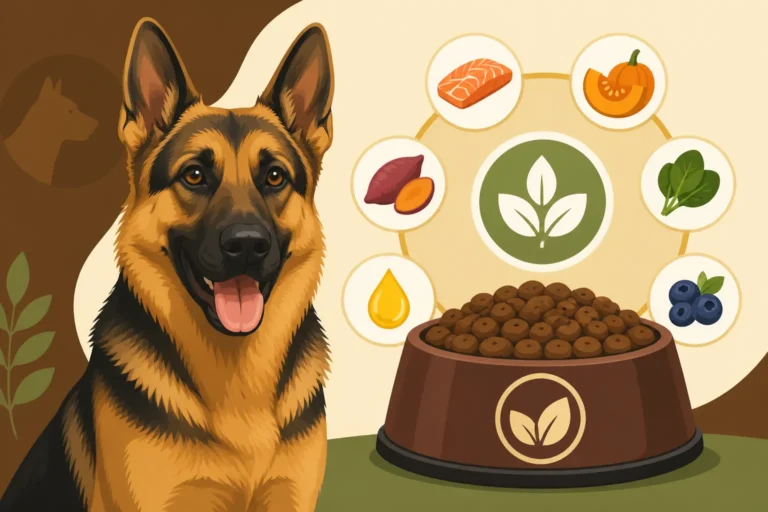
First and foremost, look for high-quality, easily digestible protein sources. Novel proteins like duck, venison, salmon, or lamb can be excellent choices, especially if your dog has shown sensitivities to more common proteins like chicken or beef. These proteins should be the primary ingredient in the food. Avoid foods that list "meat meal" or "by-products" as the first ingredient without specifying the type of meat, as these can be less digestible and contain various unknown components.
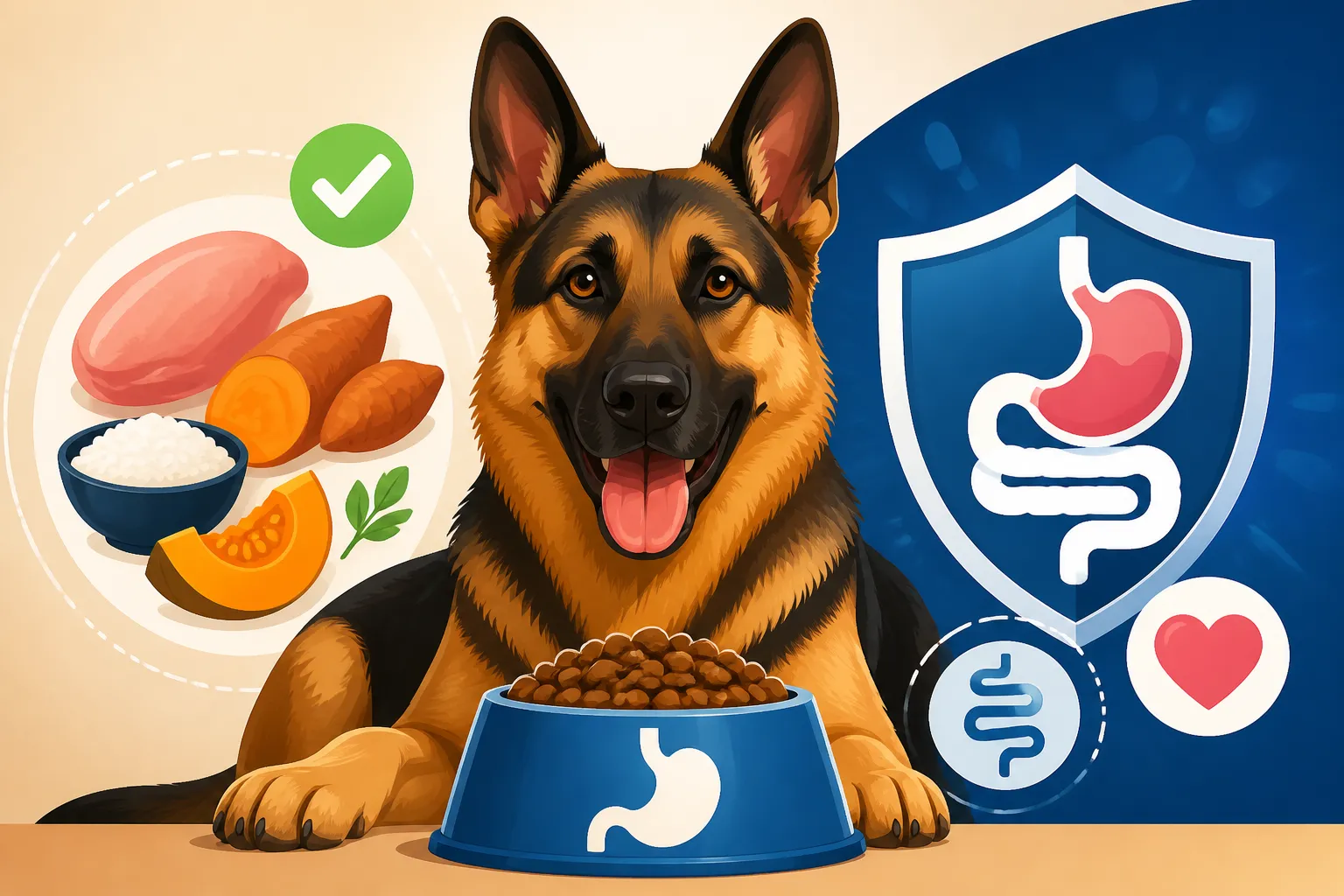
Carbohydrates should also be easily digestible. Sweet potatoes, rice, oats, and barley are generally well-tolerated and provide energy without irritating the gut. Many German Shepherds with sensitive stomachs do well on grain-inclusive diets, as grain-free options can sometimes contain high levels of legumes or potatoes that aren't ideal for every dog. However, if your vet suspects a specific grain allergy, then a grain-free alternative with appropriate carbohydrate sources would be considered. Always consult your vet before making significant dietary shifts.
Fats are essential for energy and nutrient absorption but should be present in moderate, healthy amounts. Look for sources like fish oil (rich in Omega-3 fatty acids), flaxseed, or chicken fat. Excessive fat can sometimes trigger digestive upset, especially in dogs prone to pancreatitis, so balance is key. A good quality commercial food like Purina Pro Plan for German Shepherds offers formulas specifically designed for sensitive stomachs, often incorporating these principles.
Finally, avoid artificial colors, flavors, preservatives, and unnecessary fillers. These ingredients add no nutritional value and are common irritants. The fewer ingredients, the better, as it reduces the chances of encountering a hidden allergen or irritant. Reading labels carefully and researching brands known for quality ingredients is essential. Some owners find brands like Blue Buffalo, with its focus on natural ingredients, to be a good fit.
The Importance of a Limited Ingredient Diet
When navigating the complexities of a sensitive gut, a Limited Ingredient Diet (LID) often becomes your best friend. The beauty of an LID is its simplicity, which is exactly what a troubled digestive system needs.
The core principle of an LID is to minimize the number of ingredients, typically featuring a single source of protein and a single source of carbohydrate. This approach drastically reduces the chances of your German Shepherd encountering an ingredient that triggers an allergic reaction or simply causes digestive upset. For example, instead of a food with chicken, beef, corn, and soy, an LID might contain only duck and sweet potato. This focused ingredient list makes it much easier to pinpoint what your dog can and cannot tolerate.
Implementing an LID usually starts with a "novel" protein and carbohydrate source – something your dog has rarely or never eaten before. If your German Shepherd has been primarily eating chicken and rice, switching to a duck and potato or salmon and pea formula would be considered a novel approach. The goal is to eliminate all previous potential irritants and start fresh with a clean slate. Once symptoms improve, you can slowly introduce other ingredients, one at a time, to identify specific triggers.
Finding a good quality LID can sometimes be challenging, but many reputable pet food companies now offer specialized formulas. Brands like Merrick, known for their wholesome ingredients, often have LID options. You can find a wide selection of these specialized foods on platforms like Chewy or Amazon, allowing you to compare options and read reviews from other pet parents facing similar challenges. Remember, the LID should be fed exclusively – no other treats, table scraps, or flavored chews, as even a small amount of an irritating ingredient can undo weeks of progress.
Incorporating Probiotics and Prebiotics
Beyond choosing the right core food, supplementing your German Shepherd's diet with probiotics and prebiotics can make a world of difference for a sensitive gut. These aren't just trendy additions; they play a fundamental role in maintaining a healthy and balanced digestive system.
Probiotics are beneficial live microorganisms, often bacteria, that, when administered in adequate amounts, confer a health benefit on the host. Think of them as the "good" bacteria that help colonize the gut, aiding in digestion, nutrient absorption, and even immune function. For a German Shepherd with a sensitive gut, an imbalance of gut flora (dysbiosis) is often a contributing factor to their problems. Introducing a high-quality probiotic can help restore this balance, reducing inflammation and improving stool quality.
Prebiotics, on the other hand, are non-digestible food ingredients that selectively stimulate the growth and activity of beneficial bacteria in the colon. They essentially act as "food" for the good bacteria. Common prebiotics include FOS (fructooligosaccharides) and inulin, which are often found naturally in foods like chicory root, bananas, and asparagus, and are also added to many high-quality dog foods and supplements. Together, probiotics and prebiotics create a symbiotic effect, fostering a thriving gut microbiome.
When choosing a probiotic for your German Shepherd, look for products specifically formulated for dogs, as human probiotics may not contain the strains most beneficial for canines. Consult your vet for recommendations, as they can guide you to a reputable brand with a proven track record. Some popular choices include Fortiflora, Purina Pro Plan Veterinary Diets Fortiflora, or other veterinary-grade supplements. You can often find these at your vet's office or through online retailers. Remember, consistency is key; probiotics work best when given regularly as part of your dog's daily routine.
Feeding Strategies and Practical Tips
It’s not just what you feed your German Shepherd, but how you feed them that can significantly impact their sensitive digestive system. Thoughtful feeding strategies can minimize discomfort and maximize nutrient absorption.
Portion Control and Feeding Schedule
For a German Shepherd with a sensitive gut, consistency and moderation are incredibly important. Large, infrequent meals can overload their digestive system, leading to discomfort, gas, and diarrhea. Instead, smaller, more frequent meals are often the most beneficial approach.
Breaking their daily food allowance into two or three smaller meals spaced throughout the day can significantly ease the burden on their stomach and intestines. For example, if your German Shepherd typically eats four cups of food a day, divide that into two cups in the morning and two in the evening, or even 1.5 cups three times a day. This allows for more efficient digestion and absorption of nutrients, reducing the chances of indigestion and uncomfortable bloating. This practice can also be a vital part of German Shepherd Bloat Prevention Feeding Tips.
Strict portion control is also essential. Even if your German Shepherd is a bottomless pit, overfeeding can exacerbate sensitive gut issues. Use a measuring cup to ensure you're providing the exact recommended amount for their ideal weight and activity level. If your dog is losing weight due to malabsorption, your vet might recommend a slightly higher calorie intake, but always under their guidance. Stick to a consistent feeding schedule; dogs thrive on routine, and knowing when their next meal is coming can reduce stress and improve digestion.
Avoid free-feeding, where food is left out all day. While convenient, it doesn't allow you to monitor intake, can lead to overeating, and can make it harder to identify if a food is causing issues. Scheduled meals also allow you to observe your dog's appetite more closely, which can be an early indicator of a brewing problem.
Transitioning to New Foods Slowly
Changing your German Shepherd's food too quickly is one of the quickest ways to trigger a digestive upset, even in dogs without a sensitive gut. For those with a sensitive system, a rapid switch can be catastrophic, leading to severe diarrhea, vomiting, and discomfort. Patience is truly a virtue here.
The golden rule for transitioning food is to do it gradually, over a period of 7 to 10 days, or even longer if your German Shepherd is particularly sensitive. Start by mixing a small amount of the new food with their current food. A good starting point is about 25% new food and 75% old food for the first 2-3 days.
If your dog handles this well, you can then increase the ratio to 50% new, 50% old for another 2-3 days. Progress to 75% new, 25% old, and finally, after about a week or more, transition to 100% new food. At each stage, carefully monitor your German Shepherd's stool quality, appetite, and overall demeanor. If you notice any signs of digestive upset, slow down the transition or revert to the previous step for a few more days until their system settles.
This slow introduction allows your German Shepherd's digestive enzymes and gut bacteria to gradually adapt to the new ingredients. It minimizes the shock to their system and helps prevent the unpleasant symptoms that often accompany abrupt food changes. Remember, every dog is an individual; some might tolerate a faster transition, while others, especially those with truly sensitive guts, might need two weeks or even longer. Don't rush it; your dog's comfort is worth the extra time.
Hydration and Monitoring Progress
Beyond the food itself, proper hydration and diligent monitoring are cornerstones of managing a German Shepherd with a sensitive gut. These often-overlooked aspects can significantly influence their recovery and ongoing health.
Ensuring your German Shepherd has constant access to fresh, clean water is critical. Diarrhea and vomiting can quickly lead to dehydration, which can compound their digestive issues and lead to more serious health problems. Dehydration can cause lethargy, dry gums, and sunken eyes. Encourage water intake by offering multiple bowls around the house, ensuring they are always clean. Some dogs might even benefit from a pet drinking fountain, which can entice them to drink more.
Monitoring your German Shepherd's progress is an ongoing process. Keep a close eye on their stool quality daily – its consistency, color, and frequency. Are they passing well-formed, firm stools, or are they still loose? Any changes in appetite, energy levels, or behavior should also be noted. Consistency in their routine and environment can help you discern if symptoms are dietary or stress-related.
Consider keeping a journal or using a mobile app to track symptoms, food intake, and any new supplements. This detailed record will be invaluable for your vet to assess the effectiveness of your dietary changes and make further recommendations. Don't be discouraged if you don't see immediate results; finding the perfect diet for a sensitive gut can take time and experimentation. Patience, consistency, and close observation are your best tools in this journey.
When to Consult Your Veterinarian
While many sensitive gut issues can be managed with careful dietary changes, it's vital to recognize when the problem is beyond home remedies and requires professional veterinary attention. Knowing the red flags can make all the difference.
Red Flag Symptoms Not to Ignore
Some digestive symptoms in German Shepherds, especially those with already sensitive systems, warrant immediate veterinary intervention. Ignoring these signs can lead to serious health complications or indicate an underlying condition that needs urgent treatment.
One of the most critical red flags is severe, persistent vomiting or diarrhea. If your German Shepherd is vomiting repeatedly over several hours, or experiencing explosive, watery diarrhea that lasts for more than 24 hours, it's time to call the vet. This can quickly lead to severe dehydration and electrolyte imbalances, which are dangerous for any dog, let alone a large, active German Shepherd. You might even check out German Shepherd Bloat Emergency: What to Do if you suspect GDV.
Another serious sign is the presence of large amounts of blood in the stool or vomit. While small flecks of fresh blood can sometimes occur with irritation, significant amounts of bright red blood (hematochezia) or black, tarry stools (melena – indicating digested blood from higher up the GI tract) are emergencies. Also, any signs of severe abdominal pain, such as a hunched posture, whining, restlessness, or a swollen, hard abdomen, should prompt an immediate vet visit. These can be indicators of bloat, pancreatitis, or other critical conditions.
Lethargy, extreme weakness, pale gums, collapse, or a sudden and significant loss of appetite for more than a day are also urgent signs. These indicate that your German Shepherd is not just uncomfortable but potentially very ill and needs prompt medical assessment to identify the cause and begin treatment. Never hesitate to contact your vet if you're concerned; it's always better to be safe than sorry when it comes to your dog's health.
Diagnostic Procedures Your Vet Might Recommend
When your German Shepherd's sensitive gut issues persist despite dietary changes, or if they exhibit any of the red flag symptoms, your veterinarian will likely recommend a series of diagnostic tests to pinpoint the underlying cause.
The initial steps usually involve a thorough physical examination and a detailed history of your dog's symptoms, diet, and lifestyle. Your vet will palpate your dog's abdomen, check their hydration status, and listen to their gut sounds. This will typically be followed by basic bloodwork (Complete Blood Count and Chemistry Panel) to check for infection, inflammation, organ function, and electrolyte imbalances. A fecal analysis is crucial to rule out internal parasites like worms, Giardia, or Coccidia. Specialized fecal tests can also check for bacterial imbalances (dysbiosis) or maldigestion markers.
If these initial tests don't provide a clear answer, your vet might suggest more advanced diagnostics. For suspected Exocrine Pancreatic Insufficiency (EPI), a specific blood test called a TLI (Trypsin-like Immunoreactivity) test is performed. For inflammatory bowel disease (IBD) or severe food allergies, your vet might recommend a food elimination trial, which is an even stricter, veterinary-supervised version of a limited ingredient diet. This often involves hydrolyzed protein diets, which are specifically designed to be non-allergenic because the proteins are broken down into tiny particles.
Imaging such as X-rays or abdominal ultrasound can provide valuable information about the internal organs, revealing foreign bodies, tumors, or changes in the structure of the intestines. In some complex cases, endoscopy (inserting a camera into the digestive tract) with biopsies might be necessary to get a definitive diagnosis of conditions like IBD or certain cancers. Remember, these tests are not just to satisfy curiosity; they are essential tools that allow your vet to provide the most accurate diagnosis and effective treatment plan for your beloved German Shepherd.
Disclaimer
The information provided in this article is for educational and informational purposes only and does not constitute veterinary medical advice. Always consult with a qualified veterinarian for any health concerns or before making any decisions related to your German Shepherd's diet, health, or treatment.