Best Food for a German Shepherd Gaining Muscle
It can be incredibly frustrating when you're working hard to get your German Shepherd in peak physical condition, perhaps for sport, work, or simply robust health, and you're just not seeing the muscle definition you desire. You put in the training, you commit to the exercise, but sometimes it feels like their body isn't responding as you'd hoped. This guide is here to shed light on how nutrition plays a foundational role in muscle development for your German Shepherd, helping you select the best food to support their strength and physique goals.
Understanding Muscle Gain in German Shepherds
Just like in humans, building muscle in German Shepherds isn't just about intense workouts; it's a complex process that relies heavily on proper nutrition, adequate rest, and consistent training. Many owners overlook the dietary aspect, assuming any "high-protein" food will do the trick. However, the quality and type of nutrients are paramount.
The Basics of Canine Muscle Physiology
At its core, muscle growth, or hypertrophy, occurs when muscle fibers are challenged and then repaired. When your German Shepherd runs, jumps, or performs strenuous exercises, microscopic tears occur in their muscle fibers. These tears aren't a bad thing; they're the stimulus for growth. During the recovery period, the body uses proteins from their diet to repair these damaged fibers, making them thicker and stronger than before. This process is continuous, and without a steady supply of the right building blocks, their body can't efficiently rebuild and grow.
Think of it like building a house. You can have the best architects (your training regimen) and the most skilled builders (your dog's natural recovery process), but if you don't provide high-quality bricks, wood, and cement (proteins, fats, and carbohydrates), the house won't be as sturdy or as large as it could be. For a robust breed like the German Shepherd, known for their strength and athleticism, optimizing this process is key to achieving that powerful, muscular physique.
Factors Beyond Food for Muscle Development
While nutrition is our main focus, it's crucial to acknowledge that diet isn't the only piece of the puzzle. An excellent diet will fall short if other elements are missing. First and foremost, consistent and appropriate exercise is non-negotiable. This means activities that challenge their muscles, like controlled running, swimming, uphill walks, obstacle courses, or even specific sport training like Schutzhund or IGP. Too little exercise, and there's no stimulus for growth; too much, and they risk injury or overtraining, hindering recovery.
Genetics also play a significant role. Some German Shepherds are naturally more predisposed to a leaner, more athletic build, while others might carry more mass. You can optimize what nature gave them, but you can't fundamentally change their genetic blueprint. Lastly, sufficient rest is often underestimated. Muscles grow during rest, not during exercise. Ensuring your German Shepherd has a comfortable, quiet place to recover and enough sleep each day allows their body to do the critical repair work needed for muscle hypertrophy. It's a delicate balance, and all these factors work synergistically.
Nutritional Pillars for German Shepherd Muscle Building
When it comes to building impressive muscle mass in your German Shepherd, certain nutrients stand out as absolute necessities. It's not just about getting enough calories; it's about getting the right kind of calories in the right proportions to fuel growth, recovery, and overall health.
The Critical Role of Protein
If muscle is the goal, protein is your German Shepherd's best friend. Protein provides the amino acids, which are the fundamental building blocks of muscle tissue. Without enough high-quality protein, their body simply cannot repair and rebuild muscle fibers effectively, no matter how hard they train. Active, muscular German Shepherds require a higher percentage of protein in their diet than more sedentary dogs.
Look for dog foods with at least 28-35% crude protein, and ensure the protein sources are of high biological value. This means proteins that contain all the essential amino acids your dog needs and are easily digestible. Excellent sources include real animal meats like chicken, beef, lamb, turkey, and fish (salmon, cod). Avoid foods that list generic "meat meal" or rely heavily on plant-based proteins as primary sources, as these can be less bioavailable for dogs. High-quality protein not only supports muscle growth but also helps maintain a healthy coat, skin, and immune system, contributing to overall vitality. For more detailed guidance on their overall dietary needs, check out our German Shepherd Feeding Guide.
Healthy Fats for Energy and Recovery
While protein gets the spotlight for muscle building, healthy fats are unsung heroes. Fats are a concentrated source of energy, providing more than twice the calories per gram compared to protein or carbohydrates. This sustained energy is crucial for German Shepherds engaged in demanding physical activity, as it fuels their workouts and helps prevent their body from breaking down muscle for energy. Beyond energy, fats play a vital role in nutrient absorption, especially for fat-soluble vitamins (A, D, E, K), which are essential for countless bodily functions, including immune health and bone strength.
Specifically, Omega-3 and Omega-6 fatty acids are critical. Omega-3s, found in fish oil, flaxseed, and certain algae, are powerful anti-inflammatories. After intense exercise, muscles experience inflammation, and Omega-3s can help reduce this, speeding up recovery and minimizing muscle soreness. Omega-6s, commonly found in poultry fat and certain vegetable oils, are also important for skin and coat health. A balanced ratio of these fatty acids is key for a healthy, active German Shepherd. You might even consider Best Joint Supplements for Senior German Shepherds which often contain these beneficial fats to help with mobility and recovery.
Carbohydrates: Fueling Workouts and Replenishing Glycogen
Carbohydrates often get a bad rap in some human diets, but for an active German Shepherd building muscle, they are essential. Carbs are the body's primary and most readily available source of energy, especially for high-intensity, short-burst activities. When your dog exercises vigorously, their muscles primarily burn glycogen, which is stored glucose derived from carbohydrates. Without adequate carbohydrates, their glycogen stores deplete, leading to fatigue and potentially forcing the body to break down protein (muscle) for energy, which is counterproductive to muscle gain.
Look for complex carbohydrates that provide sustained energy and fiber. Ingredients like sweet potatoes, brown rice, barley, oats, and peas are excellent choices. They release glucose slowly into the bloodstream, preventing energy crashes and supporting endurance during longer training sessions. The fiber content also aids in healthy digestion. The amount of carbohydrates should be balanced with protein and fat, generally falling in the 30-45% range for an active, muscle-building German Shepherd, depending on their specific energy needs and metabolism. For a complete look at tailoring their diet, explore our German Shepherd Diet by Age and Weight guide.
Selecting the Best Dog Food for Muscle Growth
Navigating the seemingly endless options of dog food can be overwhelming, especially when you have a specific goal like muscle growth in mind. It's not just about picking a bag with a picture of an athletic dog on it; you need to understand what's inside and how it truly supports your German Shepherd's needs.
Decoding Dog Food Labels: What to Look For
The dog food label is your most important tool, but it often reads like a foreign language. When you're aiming for muscle growth, the first thing to scan for is the Guaranteed Analysis, specifically the crude protein percentage. As mentioned earlier, ideally, you want to see at least 28-35% protein for an active German Shepherd. Don't be fooled by foods that market themselves as "high protein" but only hit 24-26% – that's often just adequate for maintenance, not optimal muscle building.
Beyond the percentage, scrutinize the ingredient list. Ingredients are listed by weight, so the first few ingredients are the most abundant. You want to see at least two, preferably three, named animal protein sources (e.g., "chicken," "beef meal," "salmon") within the first five ingredients. Avoid vague terms like "meat by-products" or "animal digest" as primary protein sources. Look for the AAFCO (Association of American Feed Control Officials) statement. It should say the food is "formulated to meet the nutritional levels established by the AAFCO Dog Food Nutrient Profiles for All Life Stages" or "for Growth and Reproduction." This ensures it's a complete and balanced diet, which is crucial as you can't simply feed isolated nutrients.
Top Ingredient Considerations for Muscle Building
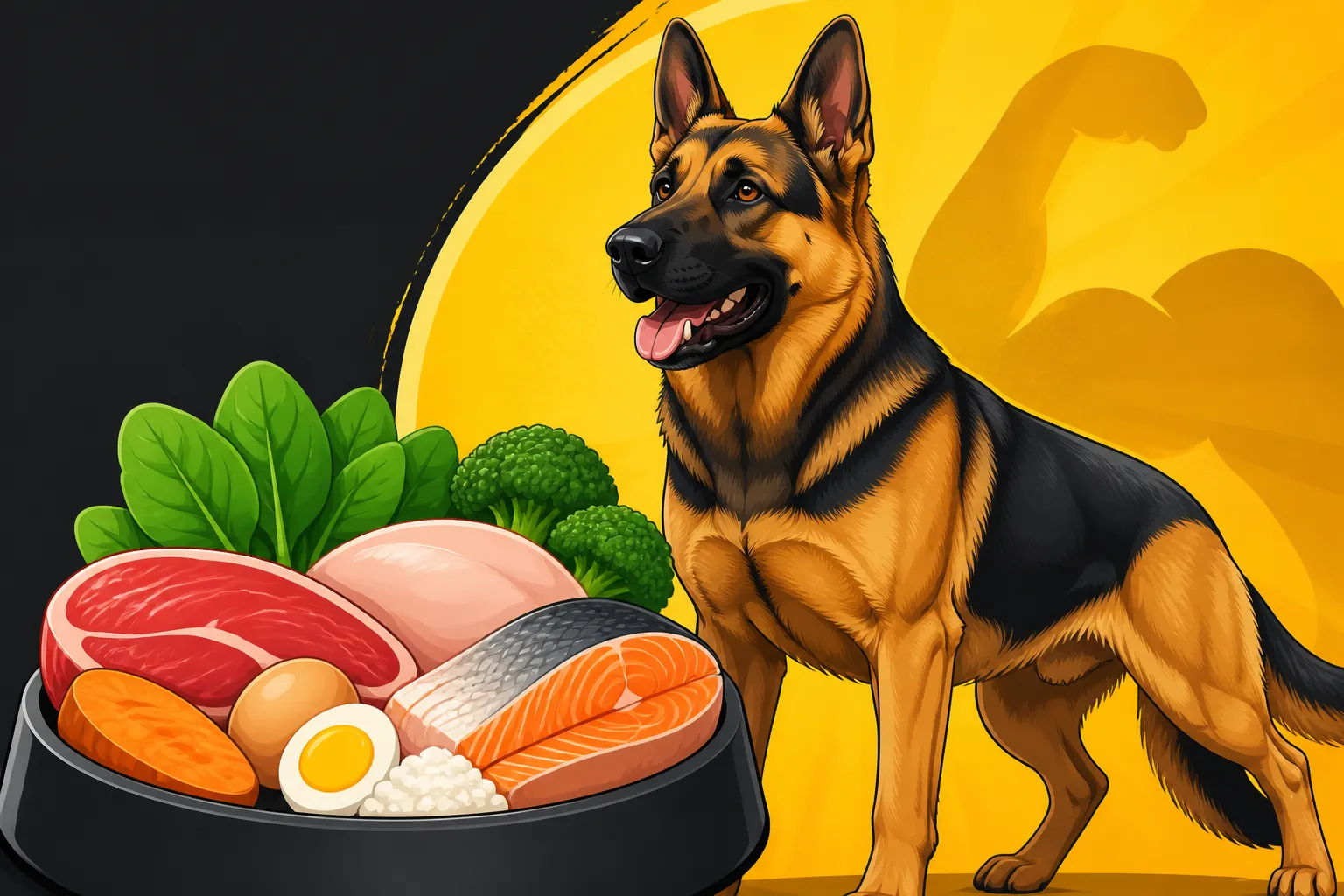
When you're trying to build serious muscle on your German Shepherd, specific ingredients can make a big difference. First and foremost, prioritize high-quality animal proteins. Chicken, beef, lamb, turkey, and fish are excellent, particularly if they are listed as whole meats or high-quality meals (like "chicken meal," which is a concentrated form of chicken with the water removed, making it a potent protein source). These provide the complete amino acid profile necessary for muscle repair and growth.
Secondly, look for sources of healthy fats like chicken fat, salmon oil, flaxseed, or sunflower oil. These contribute concentrated energy and essential fatty acids that support cell health and reduce inflammation, which is vital for post-workout recovery. Lastly, well-chosen complex carbohydrates are crucial. Sweet potatoes, brown rice, oats, and barley offer sustained energy and fiber without causing rapid blood sugar spikes. Some high-quality foods might also include beneficial additions like prebiotics and probiotics for gut health, or glucosamine and chondroitin for joint support, which is extra important for a large, active breed. For more information on premium food options, check out our guide on Best Dog Food for German Shepherds.
Wet vs. Dry vs. Raw Food Options
The choice of food format can also impact muscle development, offering different benefits and considerations for your German Shepherd.
Dry Kibble: This is the most common and often the most budget-friendly option. High-quality dry kibbles formulated for large, active breeds or "all life stages" can be excellent for muscle building. Many reputable brands found on platforms like Chewy or Amazon offer kibbles with high protein content (e.g., Purina Pro Plan Sport, Orijen, Acana) and balanced nutrients. The advantages include convenience, longer shelf life, and often a crunchy texture that can help with dental hygiene. However, some kibbles can be heavily processed, and their nutrient density might not be as high as other options. Always ensure the protein sources are clearly named meats.
Wet Food: Canned wet food is often more palatable and hydrating due to its high moisture content. It can be a great way to boost overall protein and calorie intake, especially for pickier eaters or dogs who need more moisture in their diet. Many wet foods contain fewer carbohydrates than kibble. However, feeding an exclusively wet diet can be significantly more expensive for a large breed like a German Shepherd, and it might not offer the same dental benefits as kibble. Some owners use wet food as a topper to enhance kibble meals.
Raw and Fresh Food: This category includes commercially prepared raw diets (BARF or PMR), cooked fresh food delivery services, and homemade raw/cooked diets. Brands like Ollie offer conveniently pre-portioned, human-grade fresh food that can be highly digestible and nutrient-dense. Many proponents of raw or fresh feeding believe it leads to superior muscle mass, energy, and overall health due to minimal processing and high bioavailability of nutrients. These diets typically feature very high protein from real meat, bones, and organs, along with healthy fats. However, raw diets require careful handling to prevent bacterial contamination, and homemade raw/cooked diets must be meticulously balanced by a veterinary nutritionist to avoid nutrient deficiencies or excesses, which can be detrimental to your dog's health. The cost can also be considerably higher than kibble. When considering this option, also review "Raw Diet for German Shepherds Explained".
Choosing the right format depends on your budget, lifestyle, and your dog's individual preferences and needs. You might even find a combination, like high-quality kibble supplemented with fresh meat or a raw topper, works best.
| Nutrient Category | Importance for Muscle Building | Top Food Sources |
|---|---|---|
| Protein | Essential for muscle repair and growth; provides amino acids. | Chicken, Beef, Lamb, Turkey, Salmon, Eggs, Organ Meats |
| Healthy Fats | Concentrated energy source, aids nutrient absorption, anti-inflammatory for recovery. | Chicken Fat, Salmon Oil, Flaxseed, Coconut Oil, Beef Fat |
| Carbohydrates | Primary energy for high-intensity exercise, replenishes glycogen stores. | Sweet Potatoes, Brown Rice, Oats, Barley, Peas, Quinoa |
| Vitamins & Minerals | Support metabolic processes, bone health, immune function. | Fruits, Vegetables, Fortified Dog Foods |
Supplements to Support Muscle Development
While a high-quality, balanced diet should always be the foundation for muscle gain, certain supplements can offer additional support, especially for German Shepherds with high activity levels or specific needs. These aren't magic pills for instant muscle, but rather aids for recovery, joint health, and overall physiological efficiency.
Protein Boosters and Amino Acids
For working or highly active German Shepherds, sometimes their regular diet might not provide quite enough protein to optimize muscle repair, especially during intense training cycles. In these cases, a dog-specific protein powder or amino acid supplement can be considered. These products are formulated with digestible protein sources like whey, casein, or egg protein, often with added essential amino acids. They can be mixed into wet food or moistened kibble.
It's crucial to stress: always choose supplements specifically designed for dogs and consult your vet before introducing them. Human protein powders or amino acid supplements can contain ingredients toxic to dogs or be improperly dosed. The goal here isn't to replace whole food protein but to offer a convenient, concentrated boost for recovery after strenuous activity, ensuring there are ample building blocks for muscle repair.
Joint Support for Hardworking Dogs
German Shepherds are a large breed known for their predisposition to joint issues, especially with the added stress of muscle-building workouts. Intense training puts significant strain on joints, cartilage, and ligaments. Therefore, supporting joint health isn't just a good idea; it's essential for sustained muscle development and long-term well-being. Ingredients like glucosamine, chondroitin, and MSM are widely recognized for their ability to support cartilage health, reduce inflammation, and improve joint lubrication.
Many quality dog foods include these ingredients, but a dedicated supplement can provide higher, therapeutic doses. Products containing these compounds can help keep your German Shepherd comfortable during and after exercise, allowing them to train consistently and recover more effectively, which indirectly supports muscle gain by preventing setbacks due to joint pain. This proactive approach is particularly important for breeds prone to conditions like German Shepherd Hip Dysplasia Explained or German Shepherd Elbow Dysplasia: Symptoms and Treatment.
Omega-3 Fatty Acids
We touched upon healthy fats in the diet, but concentrated Omega-3 fatty acid supplements, typically in the form of fish oil, deserve a special mention for muscle-building German Shepherds. Beyond being a good energy source, Omega-3s (specifically EPA and DHA) are potent natural anti-inflammatories. Intense exercise inevitably causes some degree of inflammation in muscle tissues. While this is part of the growth process, excessive or prolonged inflammation can hinder recovery and even lead to discomfort.
Supplementing with a high-quality fish oil can help to modulate this inflammatory response, reducing post-exercise soreness and speeding up muscle recovery. This means your German Shepherd can bounce back quicker, feel better, and be ready for their next training session. Furthermore, Omega-3s also contribute to a healthy coat, skin, and immune system, which are all vital for a dog performing at their best.
Feeding Strategies for Optimal Muscle Building
Feeding a German Shepherd for muscle gain isn't just about what you feed, but also how and when you feed them. A thoughtful feeding strategy ensures that all those valuable nutrients are utilized efficiently to support their strenuous lifestyle and muscle development goals.
Portion Control and Caloric Needs
One of the biggest mistakes owners make is simply increasing food without considering total caloric needs. While building muscle requires a caloric surplus (eating more calories than are burned), it's a controlled surplus, not just unlimited food. Overfeeding can lead to unwanted fat gain, which is counterproductive and unhealthy. Your German Shepherd's precise caloric needs will depend on their age, current weight, target weight, activity level, and metabolism.
Start by calculating their current maintenance calories based on their activity level (a highly active dog will need more than a moderately active one). Then, aim for a modest increase—typically 10-20% above maintenance—to support muscle growth without excessive fat accumulation. Monitor their body condition weekly. You should be able to easily feel their ribs but not see them prominently, and they should have a discernible waist when viewed from above. If they're gaining fat, slightly reduce portions; if they're not gaining muscle or weight, increase slightly. For a better understanding of their general feeding needs, refer to our How Much to Feed a German Shepherd guide.
Feeding Frequency and Timing
The timing and frequency of meals can also play a role in optimizing nutrient absorption and muscle recovery. Instead of one large meal, consider dividing their daily caloric intake into two or three smaller meals. This can help with digestion, reduce the risk of bloat (a serious concern for German Shepherds, which you can learn more about in German Shepherd Bloat: Signs and Prevention), and provide a more continuous supply of nutrients throughout the day.
For active dogs, timing meals around their exercise schedule can be beneficial. A meal containing complex carbohydrates and some protein 2-3 hours before an intense workout can provide sustained energy. A meal rich in high-quality protein and some carbohydrates within 1-2 hours after a workout is crucial for initiating muscle repair and replenishing glycogen stores. Think of it as refueling their body when it's most receptive to nutrient uptake. This post-workout window is prime time for recovery and growth.
Monitoring Progress and Adjusting the Diet
Building muscle is a gradual process, and consistent monitoring is essential to ensure your feeding strategy is effective. Don't expect dramatic changes overnight. Regularly assess your German Shepherd's body condition score (BCS) and note any changes in muscle definition. You can take weekly photos from the side and top to track visual progress. Pay attention to their energy levels, coat quality, and stool consistency, as these are indicators of overall health and how well they are digesting their food.
If you notice your dog is gaining too much fat, reduce the caloric intake slightly or adjust the macronutrient ratio. If they are maintaining weight but not gaining muscle, you might need to increase protein or overall calories, or reassess their exercise regimen. It's a dynamic process that requires patience and regular adjustments. Consulting with your veterinarian or a canine nutritionist can also provide valuable insights and ensure you're on the right track. Remember, the goal is healthy, functional muscle, not just bulk. Maintaining a healthy weight is paramount, so consider our advice on German Shepherd Weight and Obesity Risks.
Disclaimer
This article is intended for informational purposes only and does not constitute veterinary advice. Always consult with a qualified veterinarian or a certified canine nutritionist before making any significant changes to your German Shepherd's diet, especially if they have pre-existing health conditions or are on medication. Individual dietary needs can vary greatly, and professional guidance is crucial for your dog's well-being.