How to Firm Up a German Shepherd’s Stool
It’s a sight no German Shepherd owner wants to see: that dreaded puddle of loose, watery stool, sometimes accompanied by sounds of distress from your usually robust companion. It can be incredibly worrying, leaving you wondering if it’s a temporary upset or something more serious. Dealing with a German Shepherd's sensitive stomach is a common challenge, and finding ways to firm up their stool is often at the top of an owner's concern list. This guide aims to walk you through the various reasons your German Shepherd might be experiencing loose stools and, more importantly, equip you with practical, actionable steps to help them get back to solid, healthy poops.
Understanding Why Your German Shepherd Has Loose Stool
When your German Shepherd's stool isn't quite right, it's natural to immediately think about what they ate. While diet is often a primary culprit, it’s not the only factor. Their digestive system is a complex beast, and many things can throw it out of whack, leading to discomfort for your furry friend and a cleanup headache for you.
Common Dietary Culprits
Let’s be honest, German Shepherds can have notoriously sensitive digestive systems. What might seem like a harmless treat or a slight change in routine can send their gut into a tailspin.
One of the most frequent reasons for loose stool is a sudden change in diet. Imagine if you suddenly switched from your usual, comforting meals to something completely new and exotic overnight – your stomach would likely protest! The same goes for our dogs. Their gut flora needs time to adapt to new proteins, fats, and carbohydrates. Even switching brands of dog food too quickly, or introducing a new type of treat, can be enough to trigger an upset. This is why when transitioning to a new food, whether it’s a different kibble or a fresh food option like Ollie, it's crucial to do it gradually over several days, slowly mixing the new with the old.
Beyond sudden changes, the quality of the food itself plays a massive role. Many commercial dog foods contain fillers, artificial ingredients, and low-quality protein sources that are difficult for a German Shepherd’s digestive system to process. These can lead to chronic loose stools or intermittent bouts of diarrhea. Similarly, some dogs develop food sensitivities or allergies to common ingredients like chicken, beef, dairy, or gluten. If your German Shepherd consistently has loose stools, especially after eating certain ingredients, it might be time to investigate potential food allergies. You can learn more about German Shepherd Food Allergy Symptoms to help identify potential triggers.
And, of course, there’s the dreaded dietary indiscretion – essentially, your dog eating something they shouldn't have. This could be anything from raiding the trash can, scavenging something questionable on a walk, or even getting into human food that isn't safe for them (like fatty table scraps). Even something seemingly innocuous to us, like a large amount of an unusual fruit or vegetable, could cause digestive upset.
Stress, Anxiety, and Environmental Factors
It’s easy to forget that our dogs feel stress and anxiety just like we do, and these emotions can absolutely manifest physically, often in their digestive system. A sudden change in routine, moving to a new house, the introduction of a new pet or family member, loud noises like fireworks or thunderstorms, or even separation anxiety can all contribute to an upset stomach and loose stools.
Think about it: when you're stressed, your stomach might be the first to react. Dogs are no different. When their fight-or-flight response is activated, blood flow can be diverted away from the digestive tract, slowing down or altering normal digestive processes. This can lead to food moving through too quickly or being poorly absorbed, resulting in softer or liquid stools. Sometimes, even a trip to the vet or a grooming appointment can be enough to trigger a temporary case of stress-induced diarrhea. Recognizing these triggers can be the first step in helping your German Shepherd manage their emotional state, which in turn can lead to better gut health.
Underlying Health Issues to Consider
While diet and stress are common, it's vital not to overlook the possibility of more serious underlying health issues. German Shepherds, unfortunately, are predisposed to certain conditions that can cause chronic loose stools or diarrhea.
One significant concern for the breed is Exocrine Pancreatic Insufficiency (EPI), where the pancreas doesn't produce enough enzymes to properly digest food. This often results in chronic loose, greasy stools, weight loss despite a good appetite, and overall poor condition. If you suspect EPI, your vet will need to perform specific tests to confirm it. We have a detailed guide on German Shepherd EPI: Symptoms and Treatment that can provide more insight.
Other potential health issues include:
- Intestinal Parasites: Worms like roundworms, hookworms, whipworms, and tapeworms, or protozoa like Giardia and Coccidia, can wreak havoc on the intestinal lining, leading to diarrhea, sometimes with blood or mucus. Regular deworming is crucial, especially for puppies.
- Bacterial Imbalances or Infections: Overgrowth of "bad" bacteria or infections like Salmonella or Clostridium can severely upset the gut.
- Inflammatory Bowel Disease (IBD): This chronic condition involves inflammation of the digestive tract, leading to persistent diarrhea, vomiting, and weight loss.
- Kidney or Liver Disease: These can sometimes present with digestive upset as a secondary symptom.
- Viral Infections: Parvovirus or Coronavirus can cause severe, life-threatening diarrhea, especially in puppies.
- Pancreatitis: Inflammation of the pancreas can lead to vomiting, abdominal pain, and severe diarrhea.
- Bloat (GDV): While primarily a gastric issue, severe bloat can cause secondary digestive upset and is a medical emergency. Understanding German Shepherd Bloat: Signs and Prevention is critical for all owners.
If your German Shepherd’s loose stools persist for more than 24-48 hours, are accompanied by vomiting, lethargy, loss of appetite, abdominal pain, or contain blood or black tarry material, it’s imperative to contact your veterinarian immediately. These could be signs of a serious problem that requires prompt medical attention.
Immediate Steps to Firm Up Your German Shepherd's Stool
When your German Shepherd is suffering from loose stools, your immediate priority is to ease their discomfort and help their digestive system get back on track. There are several steps you can take at home, but always remember to keep a close eye on their overall condition and be ready to consult your vet if things don't improve or worsen.
Dietary Adjustments for Acute Cases
For a simple case of upset stomach, perhaps from eating something they shouldn't have or a mild reaction to a new treat, a temporary bland diet is often the first line of defense. The goal here is to give their digestive system a much-needed break from complex, rich foods.
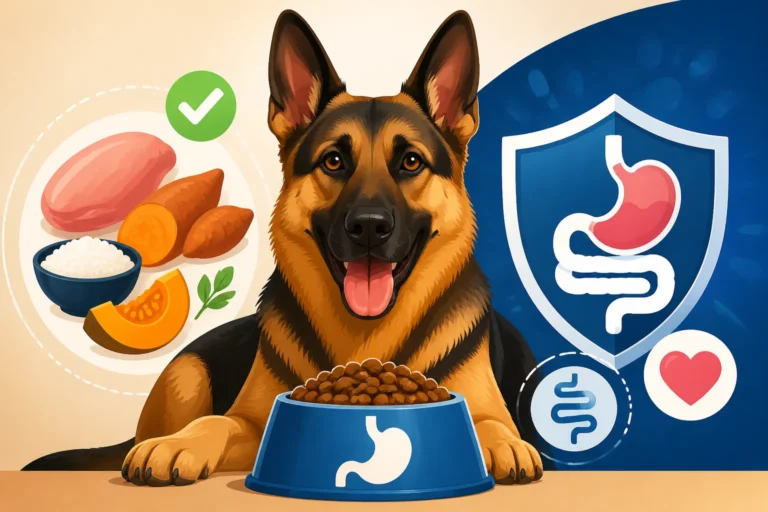
The classic bland diet consists of boiled chicken and plain white rice. The chicken should be boneless, skinless, and cooked thoroughly without any seasonings. Shred it into small, manageable pieces. The white rice should also be plain, cooked well to a soft consistency. A good ratio is typically one part cooked chicken to two parts cooked rice. For example, if your German Shepherd normally eats 3 cups of food, you might give them 1 cup of chicken and 2 cups of rice, divided into several smaller meals throughout the day. This provides easily digestible protein and carbohydrates that are gentle on their irritated gut.
Another excellent addition to a bland diet is pure canned pumpkin (not pumpkin pie filling!). This can be a miracle worker for both diarrhea and constipation due to its high soluble fiber content. Soluble fiber absorbs excess water in the digestive tract, helping to firm up loose stools. Start with a tablespoon or two mixed into their bland meal, depending on your dog's size. Many German Shepherds love the taste, which makes it easy to administer.
For adult German Shepherds who are otherwise acting normal but experiencing acute diarrhea, some vets may suggest a temporary fast for 12-24 hours. This allows the digestive system to rest and reset. Never withhold food from puppies or senior dogs without veterinary guidance, as they have different nutritional needs and are more susceptible to complications like low blood sugar. Always provide access to fresh water during any fast. After the fast, reintroduce food gradually, starting with the bland diet in small, frequent portions.
Hydration and Electrolyte Balance
Diarrhea causes significant fluid loss, which can quickly lead to dehydration, especially in large breeds like German Shepherds. Ensuring your dog stays well-hydrated is absolutely critical.
Always have fresh, clean water readily available. If your German Shepherd isn't drinking much on their own, you might need to encourage them. You can try adding a splash of low-sodium chicken or beef broth (make sure it's onion and garlic-free) to their water to make it more appealing. Ice cubes can also be a fun way to get them to ingest more water, or you can offer small amounts of electrolyte solutions specifically formulated for dogs. These are different from human electrolyte drinks, which often contain ingredients harmful to dogs. These canine-specific solutions can help replenish lost minerals and prevent dangerous electrolyte imbalances.
Monitor your dog for signs of dehydration: sticky gums, sunken eyes, loss of skin elasticity (if you gently pull up the skin on their back, it should snap back quickly; if it stays tented, they might be dehydrated), and lethargy. If you notice any of these signs, seek veterinary attention immediately.
Probiotics and Digestive Aids
Once you've started with a bland diet and ensured hydration, introducing probiotics and other digestive aids can be incredibly beneficial for restoring gut health. These work by rebalancing the delicate ecosystem of bacteria in your dog's intestines.
Probiotics are beneficial bacteria that help crowd out harmful pathogens and support overall digestive function. They can be particularly helpful after a bout of diarrhea, stress, or antibiotic use, which can disrupt the gut microbiome. Look for canine-specific probiotic supplements, as human probiotics may not contain the strains most beneficial for dogs. Popular and reputable brands often found on platforms like Chewy or Amazon include Fortiflora, Proviable, or Purina Pro Plan Veterinary Diets Fortiflora. Administering these as directed can help firm up stools by improving nutrient absorption and strengthening the gut barrier. Our guide on Best Probiotics for German Shepherds offers more detailed recommendations.
Besides probiotics, some veterinarians might recommend prebiotics, which are types of fiber that feed the beneficial bacteria in the gut. Often, these are included in good quality probiotic supplements or specific dietary fibers like FOS (fructooligosaccharides). Certain supplements also contain digestive enzymes, which can aid in breaking down food and are especially useful if EPI is suspected.
It's important to choose reputable brands and consult with your vet before introducing any new supplements, especially if your German Shepherd has underlying health conditions. Your vet can recommend the best course of action based on your dog's specific needs.
Long-Term Strategies for Consistent Stool Health
While immediate interventions are crucial for acute episodes, true digestive health for your German Shepherd comes from a consistent, proactive approach. Establishing a routine and making informed choices about their care can dramatically reduce the frequency of loose stools.
Choosing the Right Diet
The foundation of firm stools and a healthy gut is, without a doubt, a high-quality, appropriate diet. Given German Shepherds' propensity for sensitive stomachs, this isn't a "one-size-fits-all" situation.
Many owners find success with premium kibble specifically formulated for large breeds or those with sensitive stomachs. Brands like Purina Pro Plan Sensitive Skin & Stomach, Hill's Science Diet Sensitive Stomach & Skin, or Royal Canin German Shepherd formula often come highly recommended because they focus on digestible ingredients, often containing prebiotics and probiotics. When selecting a kibble, look for real meat as the first ingredient, avoid excessive fillers, artificial colors, flavors, and preservatives. You might find our article on Best Dog Food for a German Shepherd with a Sensitive Stomach helpful in navigating the options.
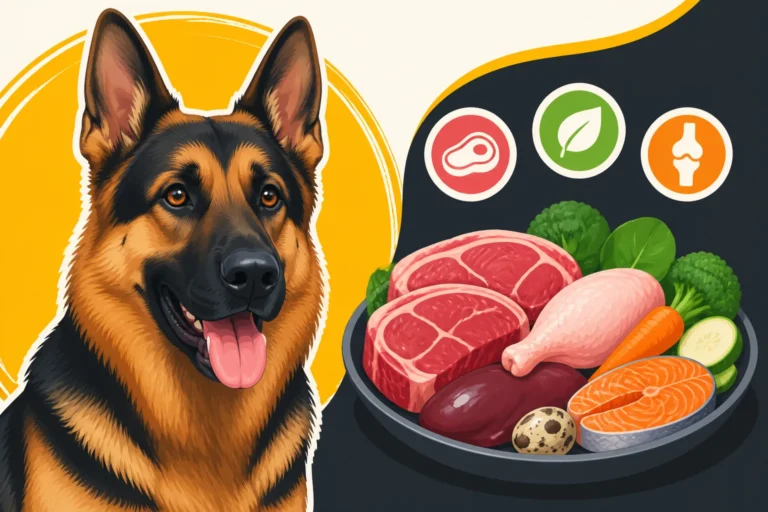
For some German Shepherds, a raw diet (BARF – Biologically Appropriate Raw Food or Prey Model Raw) can work wonders, as it’s often highly digestible and free from processed ingredients. However, a raw diet requires careful planning and balancing to ensure nutritional completeness and safety. It's not something to jump into lightly; consulting with a veterinary nutritionist is highly recommended if you consider this route.
Alternatively, fresh dog food services, such as Ollie, which provide gently cooked, human-grade meals, can be an excellent middle-ground. These diets often contain limited ingredients, making it easier to pinpoint and avoid sensitivities, and are generally highly palatable and digestible. No matter which diet you choose, gradual food transitions are paramount. When changing your German Shepherd's food, mix a small amount of the new food with their old food, slowly increasing the ratio over 7-10 days. This allows their digestive system to adjust without shock, minimizing the risk of stomach upset.
Consistency is key. Once you find a food that works well for your German Shepherd, try to stick with it. Frequent changes, even to good quality foods, can upset their system. Also, avoid feeding large amounts of table scraps, which can be too rich or contain ingredients harmful to dogs. For a comprehensive overview, our German Shepherd Feeding Guide delves into daily needs and specific recommendations.
Regular Exercise and Mental Stimulation
It might seem indirect, but a well-exercised and mentally stimulated German Shepherd is often a healthier German Shepherd, and that includes their gut health. Stress, as we discussed, can lead to loose stools. A dog that is bored, under-exercised, or constantly anxious is more prone to digestive issues.
Regular, appropriate exercise, such as daily walks, runs, or structured play, helps with digestion by promoting healthy bowel motility. A dog that is active burns off nervous energy and has a more regulated system. Just be mindful of over-exercising young puppies, as their growth plates are still developing. Our guide on German Shepherd Growth Plates and Exercise provides important considerations.
Beyond physical exercise, mental stimulation is equally important. German Shepherds are highly intelligent and thrive on having a "job." Puzzle toys, training sessions, scent work, or even just learning new tricks can provide valuable mental outlets. A dog that is mentally content is less likely to exhibit stress-related behaviors, including digestive upset. A balanced routine that addresses both physical and mental needs contributes to a happier, healthier dog with a more stable digestive system.
Proactive Health Management
A proactive approach to your German Shepherd's overall health is perhaps the most critical long-term strategy for maintaining firm stools and preventing future issues. This involves regular veterinary care, parasite prevention, and diligent monitoring of your dog's habits.
Regular veterinary check-ups are non-negotiable. Your vet can catch potential issues early, perform routine fecal exams to check for parasites, and provide guidance on diet and supplements. They can also advise on the appropriate German Shepherd Vaccination Schedule and deworming protocols necessary for your area, which are essential for preventing common causes of diarrhea.
Genetic health testing can also be a valuable proactive step. German Shepherds are prone to certain inherited conditions, such as Exocrine Pancreatic Insufficiency (EPI), which can cause chronic digestive problems. Knowing your dog's genetic predispositions can help you and your vet implement preventative measures or monitor for early signs.
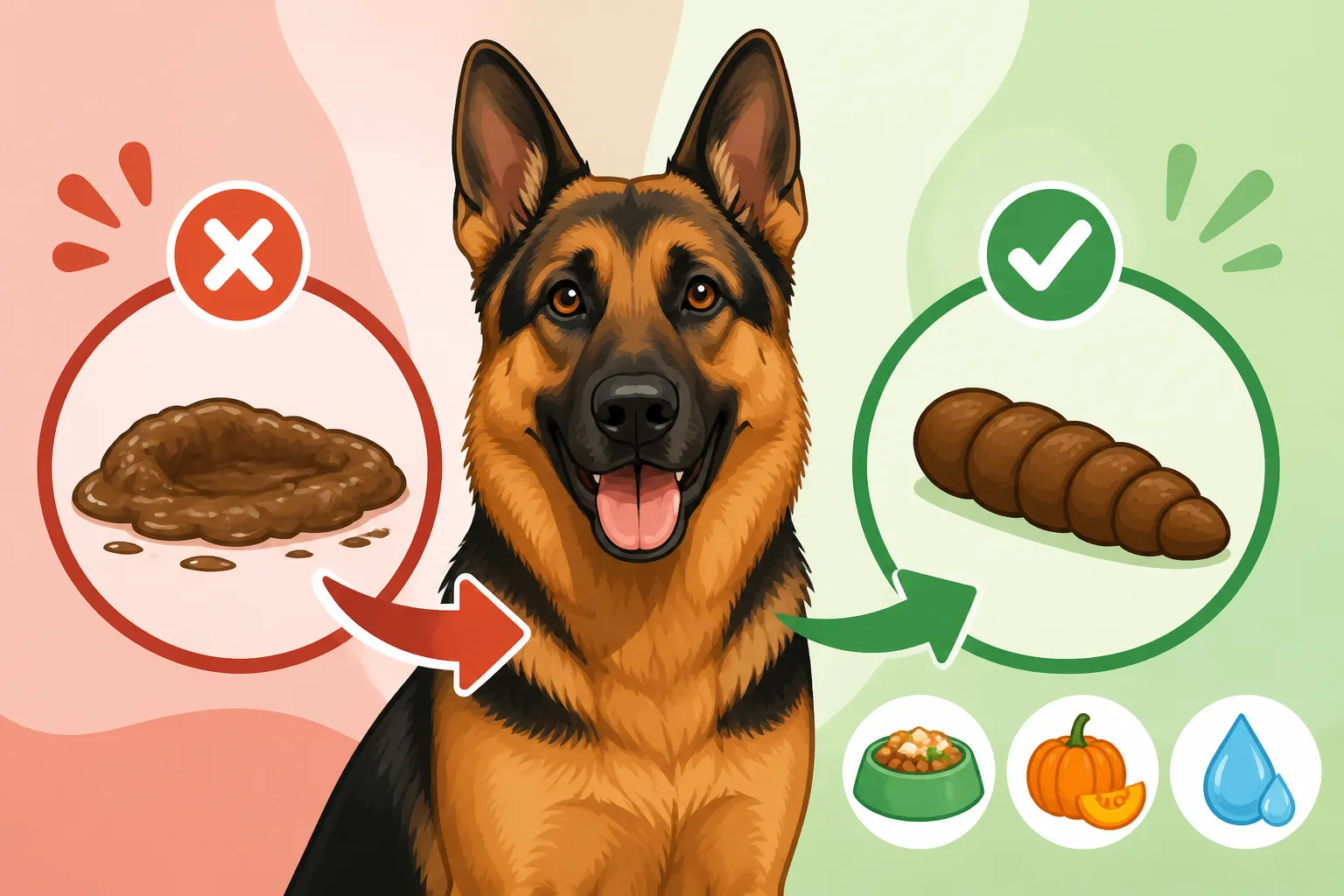
Pay close attention to your German Shepherd's habits and stool quality. Become familiar with what a healthy stool looks like for your dog (firm, log-shaped, moist but not wet). Any changes in frequency, consistency, color, or the presence of blood or mucus should be noted. Keeping a journal can be helpful, especially if you need to discuss ongoing issues with your vet. This consistent monitoring allows you to identify patterns and address problems before they become severe.
Here's a quick reference table for identifying stool characteristics:
| Stool Characteristic | Potential Meaning | Action to Take |
|---|---|---|
| Firm, Log-shaped, Moist | Healthy, well-digested | Continue current routine |
| Soft, Cow-pat shaped | Mild upset, too much fiber, minor stress | Bland diet for 1-2 days, pumpkin, probiotics. Monitor closely. |
| Pudding-like, Watery | Moderate to severe diarrhea, dehydration risk | Bland diet, electrolytes, strict hydration. Consult vet if persistent or worsens. |
| Mucus present | Colon irritation, parasites, inflammation | Bland diet, probiotics. Consult vet for fecal test. |
| Red Streaks/Spots (Blood) | Lower GI bleeding, irritation (colitis), straining | Urgent vet visit. Could be serious. |
| Black, Tarry (Melena) | Upper GI bleeding, digested blood | Emergency vet visit. Very serious. |
| Greasy, Pale, Bulky | Malabsorption, EPI, too much fat in diet | Consult vet for EPI testing. Adjust diet. |
| Worms visible | Parasitic infestation | Deworming by vet. |
By taking a holistic approach to your German Shepherd's health – from what they eat to how they live and the medical care they receive – you can significantly improve their digestive well-being and keep those stools firm and healthy.
When to Consult Your Veterinarian
While many cases of loose stool can be managed at home with simple dietary adjustments, there are definite red flags that indicate a more serious problem warranting immediate veterinary attention. As a responsible German Shepherd owner, knowing when to stop home remedies and seek professional help is crucial for your dog's well-being.
Recognizing Red Flag Symptoms
It's natural to try to fix things yourself when your dog isn't feeling well, but sometimes, a "wait and see" approach can be dangerous. You should contact your veterinarian without delay if you observe any of the following symptoms in conjunction with loose stools:
- Vomiting: Especially if it's frequent or severe, as this significantly increases the risk of dehydration and could indicate a serious underlying issue like pancreatitis, an obstruction, or a severe infection.
- Lethargy or Weakness: If your German Shepherd is unusually tired, sluggish, or unable to stand normally, it’s a strong sign that they are more than just a little upset.
- Loss of Appetite and Refusal to Drink Water: If your dog isn't eating or drinking, they can quickly become dehydrated and malnourished.
- Abdominal Pain or Bloating: Any signs of discomfort when you touch their belly, a distended abdomen, or an unsuccessful attempt to vomit are serious symptoms. This could indicate a life-threatening condition like bloat (Gastric Dilatation-Volvulus), which requires emergency surgery.
- Blood in Stool: Bright red streaks usually indicate bleeding in the lower digestive tract (like colitis or anal gland issues), while black, tarry stools (melena) suggest digested blood from the upper digestive tract, which is very concerning.
- Persistent Diarrhea: If loose stools continue for more than 24-48 hours despite bland diet and other home care, especially in puppies or senior dogs, professional intervention is necessary. Puppies and older dogs dehydrate much faster and are more vulnerable to complications.
- Fever: If your dog feels warm to the touch or has a measured rectal temperature above 102.5°F (39.2°C), it could indicate an infection.
- Known Exposure to Toxins: If you suspect your German Shepherd ingested something poisonous, regardless of stool consistency, seek emergency vet care immediately.
Trust your gut instinct. If something feels "off" with your dog, it's always better to err on the side of caution and call your vet. They are the best resource for diagnosing and treating canine health issues. Our guide on How to Tell If a German Shepherd Is in Pain can also help you identify more subtle signs of discomfort.
Diagnostic Tests and Professional Treatment
When you take your German Shepherd to the vet for persistent loose stools, they will likely start with a thorough physical examination. This involves checking hydration levels, feeling their abdomen, and assessing their overall demeanor.
Depending on their findings and your dog's history, your vet may recommend several diagnostic tests to pinpoint the cause:
- Fecal Examination: This is one of the most common tests. A fresh stool sample is analyzed under a microscope to check for intestinal parasites (worms, Giardia, Coccidia), bacterial overgrowth, and other abnormalities.
- Blood Work: A complete blood count (CBC) and biochemistry panel can assess for infection, inflammation, organ function (kidney, liver, pancreas), and electrolyte imbalances. If EPI is suspected, specific blood tests like a TLI (Trypsin-like Immunoreactivity) test will be run.
- Abdominal X-rays or Ultrasound: These imaging techniques can help visualize the internal organs, look for foreign bodies, obstructions, or signs of inflammation in the intestines.
- Dietary Trials: If food allergies or sensitivities are suspected, your vet might recommend a strict hypoallergenic diet trial for several weeks to identify triggers.
- Endoscopy or Biopsy: In chronic, severe cases, your vet might suggest an endoscopy to directly visualize the intestinal lining and take tissue biopsies to diagnose conditions like Inflammatory Bowel Disease (IBD) or certain cancers.
Once a diagnosis is made, professional treatment will vary widely. It could include prescription medications (antibiotics for bacterial infections, anti-parasitic drugs for worms, anti-inflammatory medications for IBD), fluid therapy for dehydration, special prescription diets, pancreatic enzyme supplements for EPI, or even surgery for obstructions or severe bloat.
The key takeaway is that persistent or severe loose stools in your German Shepherd should never be ignored. Early diagnosis and appropriate treatment can prevent minor issues from becoming major health crises, ensuring your beloved companion gets back to their happy, healthy self.
Disclaimer
The information provided in this article is for educational and informational purposes only and does not constitute veterinary advice. Always consult with a qualified veterinarian for any health concerns or before making any decisions related to your German Shepherd's health and treatment.