Best Diet for a German Shepherd’s Coat and Skin
There's nothing quite as frustrating as looking at your beautiful German Shepherd and seeing a dull, dry coat, or worse, flaky, itchy skin that leaves them constantly scratching. We all want our furry companions to look and feel their best, but often, despite our best efforts with brushing and occasional baths, those skin and coat issues persist. It's easy to assume it's just a seasonal thing or an allergy, but did you know that what's inside their food bowl plays an absolutely massive role in the health and luster of their coat and the integrity of their skin barrier? This guide is going to walk you through exactly how your German Shepherd's diet impacts their skin and coat, and what you should be looking for to give them that healthy glow from the inside out.
Understanding the Link Between Diet, Coat, and Skin Health
It's a common misconception that skin and coat problems are purely external, easily solved by a fancy shampoo or a new brush. While good grooming habits are definitely important, they often only address the symptoms, not the root cause. Your German Shepherd's skin is their largest organ, and its health, along with that of their coat, is a direct reflection of their internal well-being and, crucially, their nutrition. Think of it like a beautiful brick house; if the bricks (nutrients) aren't strong and well-laid, the exterior (coat and skin) will eventually show cracks and wear.
The Building Blocks: Proteins, Fats, and Micronutrients
Every single strand of your German Shepherd's beautiful double coat, and every layer of their protective skin, is made up of vital nutrients that come directly from their food. It's not magic; it's science, and understanding these building blocks is the first step to a healthier pup.
First up are proteins. Proteins are absolutely foundational. Hair and skin are primarily composed of protein (keratin, collagen), so without sufficient high-quality protein, your dog's body simply can't produce healthy new cells or repair existing ones. Imagine trying to build a wall with half the bricks missing – it's just not going to stand strong. A deficiency can lead to a dull, brittle coat that breaks easily, slow wound healing, and even patches of hair loss. German Shepherds, being a large, active breed, have significant protein requirements, not just for muscle, but for that glorious coat too.
Then we have fats, specifically essential fatty acids. These are often the unsung heroes of skin and coat health. We're talking about Omega-3 and Omega-6 fatty acids, which your dog's body cannot produce on its own and must get from their diet. These fats aren't just for energy; they're critical for maintaining the skin's natural oil barrier, which keeps moisture in and irritants out. Without enough of these, skin becomes dry, flaky, and prone to irritation, leading to that incessant scratching that drives both you and your dog crazy. They also reduce inflammation, which is a huge bonus if your dog struggles with sensitive skin.
Finally, we can't forget the tiny but mighty micronutrients – vitamins and minerals. These act as co-factors in countless bodily processes, including those that support skin and coat health. For instance, B vitamins like Biotin are crucial for healthy hair growth, while Zinc is essential for skin repair and immune function. Vitamin E is a powerful antioxidant that protects skin cells from damage. A diet lacking in these can leave your German Shepherd susceptible to a host of dermatological issues, from slow-growing hair to chronic skin infections.
Beyond the Bowl: Environmental Factors and Genetics
While diet is a monumental factor, it's also important to be realistic and acknowledge that it's not always the only piece of the puzzle. There are other elements at play that can affect your German Shepherd's skin and coat, even if their diet is top-notch.
Environmental factors are a big one. Allergies, for example, whether seasonal pollen, dust mites, or certain grasses, can trigger skin inflammation and itching, regardless of what's in their food bowl. Fleas, ticks, and other parasites are notorious for causing intense irritation and can quickly turn a healthy coat into a nightmare of scratching, biting, and hot spots. Even excessively dry indoor air, especially during winter, can strip moisture from their skin, leading to dryness and flakiness. Regular grooming, including proper bathing and brushing, also plays a role in removing dead hair and distributing natural oils. If you're consistently seeing issues, it might be time to investigate German Shepherd Allergies: Symptoms and Treatment or ensure your flea and tick prevention is up to par.
Then there's the genetic lottery. German Shepherds, unfortunately, are predisposed to certain skin conditions and sensitivities. Some might inherently have more sensitive skin or be more prone to conditions like environmental allergies or even specific autoimmune skin diseases. While a good diet can help manage these conditions and improve overall skin resilience, it can't always completely override genetic predispositions. This is why working closely with your vet is crucial if you suspect a deeper, underlying health issue. Understanding your dog's individual needs and their genetic background, perhaps through German Shepherd Genetic Health Testing, can offer valuable insights into their predispositions.
Key Nutritional Components for a Radiant German Shepherd Coat
When you're aiming for that glossy, resilient coat and healthy, supple skin for your German Shepherd, it truly comes down to focusing on specific nutrients. It's not just about filling their tummy; it's about fueling their body with the right stuff.
High-Quality Protein Sources
As we touched upon, protein is non-negotiable. But not all proteins are created equal. For your German Shepherd, you want to see high-quality, easily digestible protein sources listed as the first few ingredients in their food.
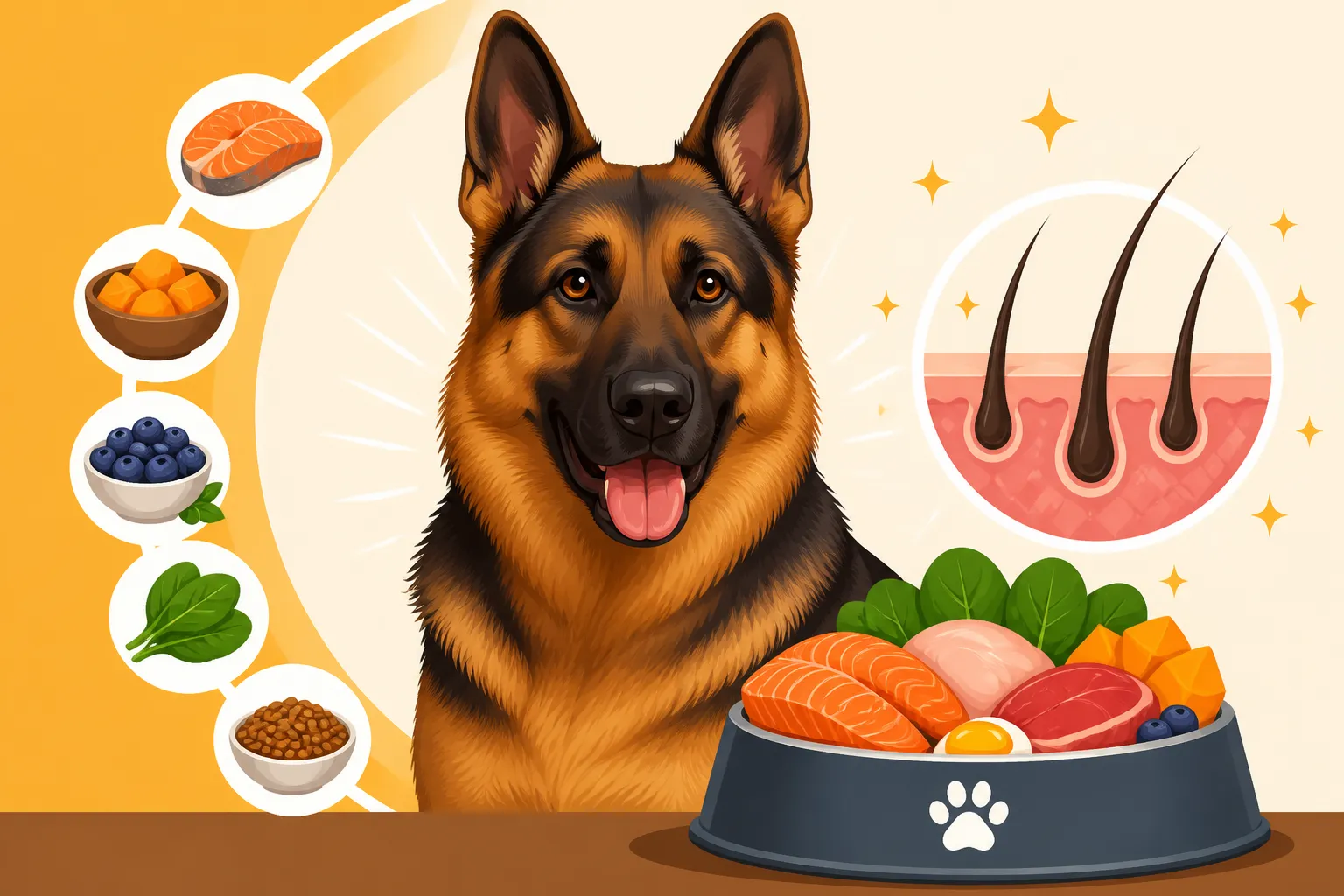
What does "high-quality" mean in this context? It means sources that are rich in essential amino acids, the building blocks your dog's body uses to create its own proteins. Excellent sources include real meat like chicken, beef, lamb, turkey, and fish. You'll often see these listed as "chicken," "deboned chicken," "beef," or "lamb meal." Don't be afraid of "meal" ingredients (like "chicken meal") if they're from a reputable brand; often, meat meals are a concentrated source of protein once the water has been removed, providing more bang for your buck nutritionally. What you want to avoid are vague terms like "meat by-products" or "animal digest" as the primary protein source, as their quality can be inconsistent and less digestible. A diet rich in species-appropriate, digestible proteins will directly contribute to strong, healthy hair follicles and robust skin regeneration, helping to keep that shedding manageable and the coat full and shiny.
If you're noticing excessive shedding or a brittle coat, it could be a sign that your German Shepherd isn't getting enough high-quality protein, or perhaps they're not absorbing it efficiently. Ensuring they receive proper nutrition is a crucial part of How to Keep a German Shepherd Healthy overall.
Essential Fatty Acids: Omega-3 and Omega-6
These are truly the rockstars for skin and coat health. Getting the right balance and amount of Omega-3 and Omega-6 fatty acids can make an incredible difference, especially if your German Shepherd struggles with dry, itchy skin or a dull coat.
Omega-3 fatty acids are powerful anti-inflammatories. They help reduce the itching and irritation associated with allergies and dry skin, promoting a calmer, healthier skin environment. The best sources of Omega-3s for dogs are marine-based, particularly fish oil (from salmon, sardines, anchovies), krill oil, and green-lipped mussel. While flaxseed oil contains Omega-3s (ALA), dogs aren't very efficient at converting it into the usable forms (EPA and DHA), so direct marine sources are usually preferred.
Omega-6 fatty acids are vital for maintaining the skin's barrier function and promoting healthy cell growth. Think of them as the natural moisturizer from within. They contribute to the glossy appearance of the coat and help keep the skin supple. Good sources include sunflower oil, safflower oil, and various animal fats found in quality dog foods. The key isn't just getting Omega-6s, but ensuring a healthy balance between Omega-3 and Omega-6. A typical healthy ratio is often cited around 5:1 to 10:1 (Omega-6 to Omega-3), though opinions vary. Many commercial dog foods are higher in Omega-6, so supplementing with Omega-3-rich fish oil is a common and often highly effective strategy for improving skin and coat. You can easily find high-quality fish oil supplements at retailers like Chewy or Amazon.
Vitamins and Minerals for Skin Barrier Function
While proteins and fats lay the groundwork, specific vitamins and minerals provide the fine-tuning for optimal skin and coat health. These micronutrients are essential for everything from cell repair to immune defense.
Zinc is a major player. It's critical for cell division, protein synthesis, and immune function, all of which are vital for healthy skin and wound healing. A zinc deficiency can manifest as flaky skin, hair loss around the eyes and mouth, and even skin lesions. Good sources include red meat, poultry, and fish.
Vitamin A is important for skin cell growth and repair, helping to maintain the skin's protective barrier. It also supports mucous membranes, which are a first line of defense. You'll find it in liver, eggs, and fortified dog foods.
Vitamin E is a potent antioxidant that helps protect skin cells from damage caused by free radicals, which can contribute to aging and inflammation. It also works in conjunction with Omega-3s to support skin health. Sources include vegetable oils, leafy greens, and nuts, and it's often added to quality dog foods.
B vitamins, particularly Biotin (B7) and Riboflavin (B2), play crucial roles in metabolic processes that support skin and hair health. Biotin is well-known for its role in promoting healthy hair growth and strengthening nails. These can be found in organ meats, eggs, and whole grains.
Ensuring your German Shepherd's diet contains adequate amounts of these vitamins and minerals, either through high-quality commercial food or carefully chosen supplements, is paramount for a robust skin barrier and a truly radiant coat.
Choosing the Right Food: What to Look For (and Avoid)
Navigating the vast world of dog food options can feel overwhelming, especially when you're trying to optimize for something specific like skin and coat health. It's not always about the most expensive bag; it's about the right ingredients for your German Shepherd.
Decoding Dog Food Labels
The dog food label is your best friend, but it often reads like a cryptic message. Learning to decode it is essential.
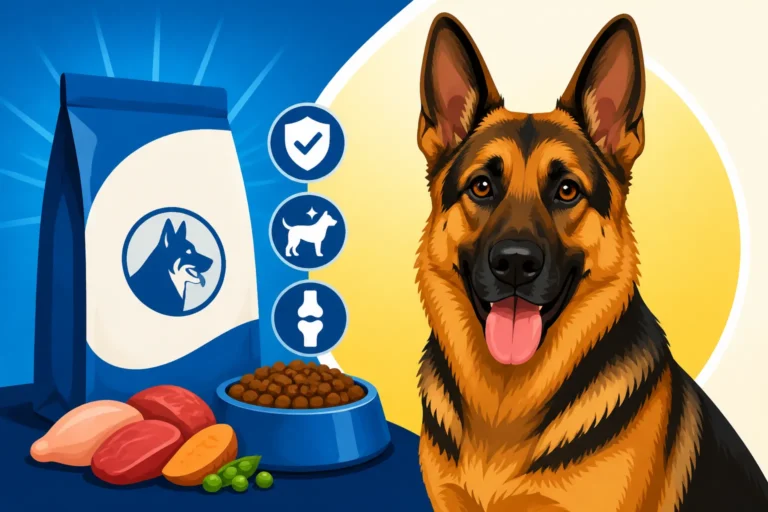
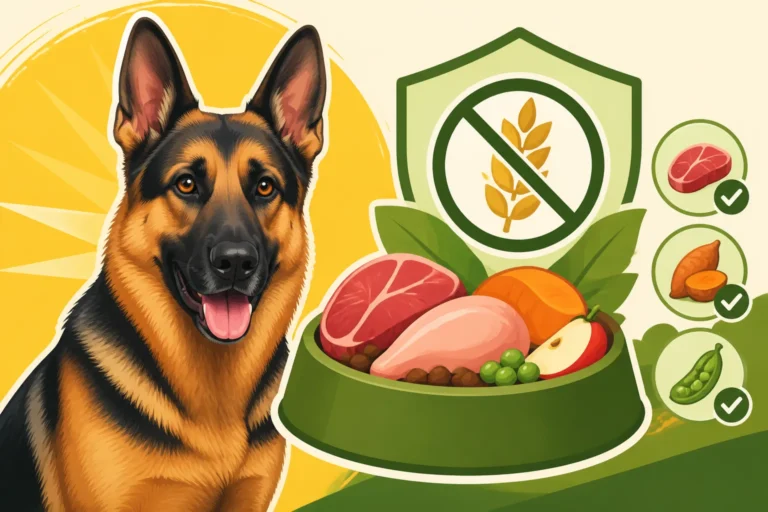
Firstly, look at the first five ingredients. These make up the bulk of the food. For excellent skin and coat health, you want to see at least two (ideally three) high-quality protein sources, like "deboned chicken," "lamb meal," or "salmon," listed within these top spots. Remember our earlier discussion about "meal" ingredients being concentrated protein sources, which can be beneficial. Avoid foods that start with corn, wheat, or soy as the primary ingredients, as these are often fillers that offer little nutritional value for dogs and can sometimes be allergenic for sensitive German Shepherds, exacerbating skin issues.
Next, pay attention to the fat sources. You want to see named animal fats like "chicken fat" or "salmon oil," which are highly digestible and beneficial. Look for added sources of Omega-3s, such as "fish oil" or "flaxseed." If the food already contains a good balance, you might not need to supplement as heavily.
Lastly, scrutinize the "guaranteed analysis". This tells you the minimum percentages of crude protein and crude fat, and the maximum percentages of crude fiber and moisture. For a German Shepherd, especially for skin and coat, you're generally looking for a protein content of at least 25% (often higher for puppies or very active dogs) and a fat content typically between 12-18%. While the guaranteed analysis doesn't tell you about ingredient quality or digestibility, it gives you a baseline nutritional profile.
When you're ready to explore options, reputable online retailers like Chewy offer detailed ingredient lists and customer reviews, making it easier to compare different brands. Amazon also provides extensive product information for a wide variety of dog foods, allowing you to carefully research and choose the best fit.
Different Diet Types: Kibble, Wet, Raw, and Fresh Options
The type of diet you choose for your German Shepherd can also significantly impact their skin and coat. Each has its pros and cons.
Dry Kibble: This is the most common and often most convenient option. High-quality kibbles are formulated to be nutritionally complete and balanced. For skin and coat, look for kibbles specifically formulated for large breeds or sensitive skin, often enriched with Omega-3s and antioxidants. The downside can be lower moisture content, which means your dog needs to drink plenty of water, and some lower-quality kibbles might use less digestible ingredients.
Wet Food: Generally more palatable and higher in moisture, which is great for hydration and overall skin health. Wet food can be a good option for German Shepherds with sensitive stomachs or those who need extra hydration. However, it can be more expensive and typically has a lower calorie density, meaning you need to feed more to meet caloric requirements.
Raw Diet (BARF or Prey Model): Proponents of raw feeding often report dramatic improvements in coat shine, reduced shedding, and healthier skin. The idea is to feed a diet closer to what a dog's ancestors would eat – raw meat, bones, and organs. This diet can offer highly bioavailable nutrients. However, it requires careful research, balancing, and preparation to ensure it's nutritionally complete and safe from pathogens. It's not a decision to take lightly and often requires guidance from a vet or canine nutritionist.
Fresh/Cooked Dog Food: Services like Ollie deliver pre-portioned, human-grade cooked meals tailored to your dog's needs. These diets are often praised for their fresh ingredients, high moisture content, and absence of artificial additives, which can be fantastic for sensitive skin and dull coats. They offer a good middle ground between raw and kibble, providing high-quality, digestible nutrients with the convenience of delivery. However, they are typically the most expensive option. For German Shepherds with chronic skin issues or allergies, a fresh food diet might be worth exploring, as some owners find it makes a significant difference.
Supplements: When and What to Consider
Even with a fantastic diet, sometimes a little extra boost in specific areas can make a world of difference for your German Shepherd's coat and skin. Supplements aren't a replacement for a poor diet, but they can optimize a good one.
The most popular and often effective supplement for skin and coat is fish oil, rich in Omega-3 fatty acids (EPA and DHA). As discussed, these are powerful anti-inflammatories and crucial for skin barrier health. Look for high-quality, mercury-tested fish oils designed for pets. Many owners find a noticeable improvement in itchiness, dryness, and coat shine within a few weeks of consistent use.
Probiotics are another excellent consideration, especially if your German Shepherd has a history of allergies or digestive upset, both of which can impact skin health. A healthy gut microbiome is intimately linked to overall immune function and can reduce systemic inflammation that might manifest as skin issues. When the gut is happy, the skin often follows suit.
Other targeted supplements might include Biotin, sometimes found in a B-complex vitamin, which specifically supports keratin production for hair and nails. Zinc supplements might be recommended by your vet if a deficiency is suspected, but caution is advised with single-mineral supplements as too much can be harmful. Always consult your veterinarian before adding any new supplements to your dog's regimen, as they can interact with medications or existing health conditions. A good starting point for exploring options would be a discussion with your vet about Best Joint Supplements for Senior German Shepherds as some joint supplements also contain ingredients beneficial for skin and coat, such as Omega-3s.
Here's a quick overview of common supplements and their benefits for skin and coat:
| Supplement Type | Primary Benefit for Skin & Coat | Key Ingredients (Examples) | When to Consider |
|---|---|---|---|
| Fish Oil | Reduces inflammation, improves skin barrier, adds shine | Omega-3 (EPA/DHA) from salmon, anchovy | Dry, itchy skin, dull coat, allergies |
| Probiotics | Supports gut health, reduces inflammation, boosts immunity | Beneficial bacteria strains (Lactobacillus, Bifidobacterium) | Allergies, sensitive stomach, recurrent skin issues |
| Biotin | Promotes healthy hair growth, strengthens nails | Vitamin B7 | Brittle coat, excessive shedding, poor nail quality |
| Skin & Coat Blends | Comprehensive support for skin and hair health | Omegas, Zinc, Vitamins A/E, Biotin | General maintenance, persistent minor issues |
Practical Feeding Tips for Optimal Skin and Coat
Getting the diet right for your German Shepherd's skin and coat isn't just about picking the perfect bag of food; it's also about how you feed them and how you monitor their progress. Consistency and observation are key!
Transitioning Foods Safely
Switching your German Shepherd's food, even if it's to a higher-quality option designed to improve their coat, needs to be done gradually. A sudden change can cause digestive upset, which manifests as diarrhea or vomiting. Not only is this unpleasant for everyone involved, but it stresses their system and can actually worsen skin and coat conditions in the short term.
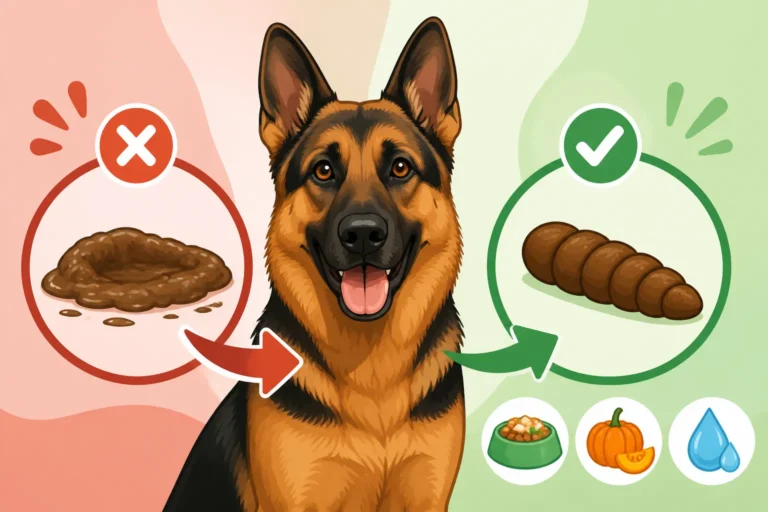
The golden rule for transitioning food is to do it slowly over 7-10 days. Start by mixing a small amount of the new food with their old food, typically about 25% new food to 75% old food. Maintain this ratio for 2-3 days, observing their stool and overall demeanor. If all looks good, increase the new food to 50% for another 2-3 days. Continue this pattern, gradually increasing the new food while decreasing the old, until your German Shepherd is eating 100% of the new diet. If at any point you notice digestive upset, slow down the transition and hold at the current ratio for a few more days until their system adjusts. This gentle approach ensures their digestive system has time to adapt to the new ingredients and nutrient profile, preventing unnecessary stress that could impact their skin and coat. This gradual approach is also critical when making any changes to a German Shepherd EPI Diet and Management plan, where digestive sensitivity is already a concern.
Hydration and Its Role
We often focus so much on the solid food that we forget the absolute cornerstone of health: water. Adequate hydration is profoundly important for your German Shepherd's skin and coat. Just like humans, when dogs are dehydrated, their skin can become dry, tight, and lose its elasticity. This makes it more prone to flaking and less effective as a barrier against environmental irritants.
Ensure your German Shepherd always has access to fresh, clean water. A good rule of thumb is that a dog should drink about 1 ounce of water per pound of body weight per day, though this can vary based on activity level, weather, and diet (dogs on dry kibble will naturally drink more). Consider multiple water bowls around the house, especially if you have a larger home or multiple pets. Some German Shepherds enjoy a pet water fountain, which encourages them to drink more due to the circulating, aerated water. If your dog is a reluctant drinker, you can add a splash of low-sodium chicken broth to their water, offer ice cubes as treats, or incorporate wet food into their diet to boost their moisture intake. Proper hydration makes a visible difference in skin suppleness and the overall health and elasticity of the hair follicles.
Monitoring and Adjusting Your German Shepherd's Diet
Once you've made dietary changes, whether it's switching foods or adding supplements, you need to become a keen observer. It takes time for the body to respond, so don't expect overnight miracles, but consistent monitoring will help you understand what's working and what isn't.
Keep a close eye on your German Shepherd's skin and coat over several weeks, even a couple of months. Look for signs of improvement: is the coat becoming shinier, softer, and less brittle? Is the excessive shedding starting to reduce? Is the skin less red, flaky, or itchy? Pay attention to their scratching habits – a decrease in scratching is a huge indicator of success. Also, observe their overall energy levels, appetite, and stool quality, as these are all excellent indicators of digestive health and how well they're absorbing nutrients. If you've been dealing with German Shepherd Itchy Skin: Causes and Fixes, a positive dietary change should show a noticeable reduction in their discomfort.
If after a couple of months you don't see the improvements you hoped for, or if new issues arise, it's time to re-evaluate. This might mean trying a different protein source if you suspect a food sensitivity, adjusting supplement dosages, or consulting your veterinarian. Your vet can rule out underlying medical conditions (like thyroid issues or severe allergies) and provide tailored advice. Remember, finding the absolute "best" diet for your German Shepherd's skin and coat can be a journey, but with patience and careful observation, you'll help them achieve that healthy, vibrant look they deserve. For deeper understanding, you might also want to read up on German Shepherd Skin Problems and Fixes to cover all your bases beyond just diet.
Disclaimer
The information provided in this article is for general informational purposes only and is not intended as a substitute for professional veterinary advice. Always consult with a qualified veterinarian or animal health professional for any medical concerns or before making any changes to your German Shepherd's diet, health regimen, or treatment plan.