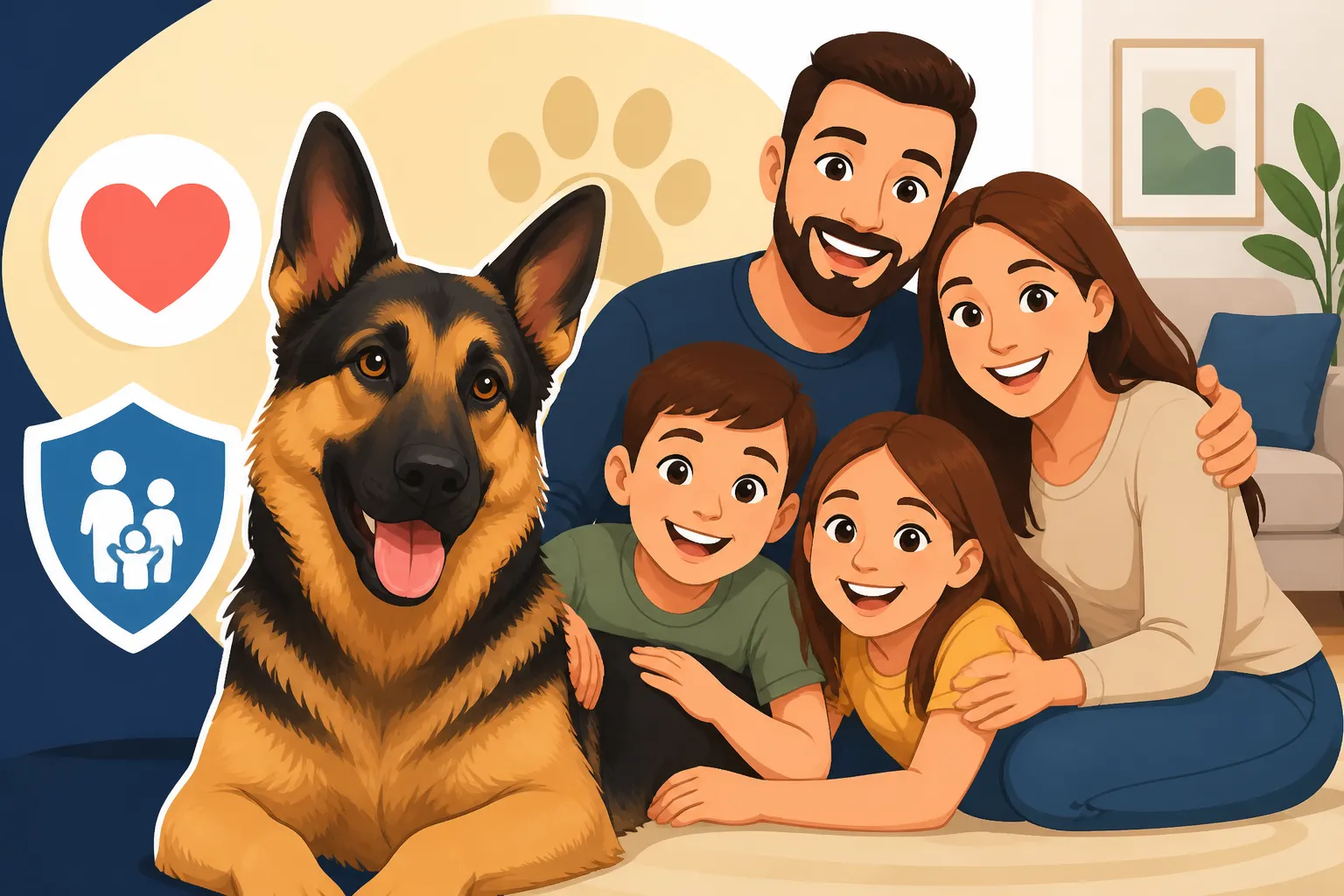
Are German Shepherds Good Family Dogs
Bringing a German Shepherd into your family is an exciting thought, but many prospective owners worry if these magnificent, powerful dogs can truly integrate into a bustling household, especially one with children or other pets. The reputation of German Shepherds as fierce protectors often overshadows their affectionate and loyal nature, leading to understandable questions about their suitability as family companions. This comprehensive guide will delve deep into the German Shepherd temperament, explore their interactions with various family members, and provide actionable insights to help you determine if this incredible breed is the perfect addition to your home.
The German Shepherd Temperament Explained for Families
German Shepherds are renowned for their intelligence, loyalty, and protective instincts. These traits, while highly desirable in many respects, also shape their role within a family unit. Understanding the core components of their personality is the first step in deciding if a German Shepherd will thrive in your specific home environment. It's not just about what they bring, but what you can offer in return to nurture their best qualities.
Natural Protective Instincts and Their Role in the Family
One of the most defining characteristics of a German Shepherd is their inherent protective nature. They were originally bred to guard flocks, and that instinct to watch over their pack – which becomes your family – is deeply ingrained. This means they are naturally vigilant and observant of their surroundings. You'll notice them often positioning themselves where they can see everyone, or lying near a doorway, keeping an eye on things. This isn't aggression; it's their way of fulfilling their guardian role.
This protective drive can be a double-edged sword for families. On one hand, it means an unwavering loyalty and a strong deterrent against intruders. Many families feel incredibly safe with a German Shepherd in the home, knowing they have a devoted sentry. On the other hand, this instinct requires careful management and extensive socialization to ensure it manifests as appropriate protection, not unwarranted suspicion or fear-based reactivity towards guests or new situations. They need to learn who is part of the "safe" circle and when to be on alert.
A well-socialized German Shepherd understands that the mail carrier, the delivery driver, or visiting relatives are not threats, even if they initially bark to alert you to their presence. Without proper guidance, however, their protective instincts can lead to issues such as resource guarding or territorial behavior, making family life more challenging. It’s crucial to recognize that while they are devoted, they are also strong-willed, and their protective tendencies need to be channeled positively through consistent training and exposure to many different people and situations from a young age. For a deeper dive, read our guide on German Shepherd Temperament and Personality.
Intelligence, Trainability, and Why It Matters for Home Life
German Shepherds consistently rank among the most intelligent dog breeds, which is both a blessing and a responsibility for families. Their sharp minds make them incredibly trainable; they pick up commands quickly, enjoy learning, and excel in various dog sports and working roles. This high intelligence means they thrive on mental stimulation and consistent training. A bored German Shepherd is often a destructive or mischievous German Shepherd, capable of figuring out how to open cabinets or doors if left to their own devices.
For family life, this trainability is invaluable. It means you can teach them impeccable manners, strong recall, and boundaries that ensure harmony in the home. They want to please and understand what's expected of them, but you must be clear and consistent in your communication. This isn't a breed that you can train once and expect to be done; they benefit from ongoing mental challenges throughout their lives. Interactive toys, puzzle feeders, and regular training sessions are not just fun; they are essential for keeping their minds engaged and preventing undesirable behaviors.
Their intelligence also means they are highly sensitive to their owner's moods and the family dynamics. They can sense tension and often adapt their behavior accordingly. This makes them incredibly intuitive companions, but it also means a chaotic or inconsistent home environment can stress them, potentially leading to anxiety or behavioral issues. A calm, structured, and predictable home is often where a German Shepherd will truly shine as a family member.
Energy Levels and the Need for Engagement
Don't let the dignified demeanor of an adult German Shepherd fool you; these are high-energy dogs. Especially as puppies and young adults, their need for physical activity is substantial. They are not content with a short walk around the block once a day; they need purposeful exercise that burns off both physical and mental energy. This might include long brisk walks, runs, fetch in a secure yard, or structured playtime.
For families, understanding and meeting these exercise requirements is non-negotiable. A German Shepherd who isn't getting enough physical outlet can become restless, destructive, and prone to nuisance barking or digging. Imagine a toddler who hasn't had their nap – now multiply that by a powerful, intelligent dog. It's not a pretty picture. Integrating their exercise needs into your family's daily routine is key. This could mean morning runs with one parent, evening walks with another, or weekend hikes involving the whole family.
Beyond physical exercise, German Shepherds also crave mental engagement. Simply letting them out in the yard isn't enough. They need jobs to do, even if that "job" is just playing hide-and-seek with their favorite toy, learning new tricks, or practicing obedience commands. Many German Shepherds excel in activities like agility, scent work, or even just long training sessions where they learn new cues. Providing this outlet prevents boredom and helps them settle down calmly within the home.
German Shepherds and Children
The interaction between German Shepherds and children is often one of the biggest concerns for families. While stories of "nanny dogs" are often associated with other breeds, German Shepherds can absolutely be wonderful companions for children when raised and managed correctly. It all comes down to responsible ownership, early training, and constant supervision.
Building a Safe and Positive Relationship
Creating a strong, positive bond between a German Shepherd and the children in your family starts from day one. It's a two-way street: the dog needs to learn how to interact gently with children, and the children need to learn how to respect the dog's space and boundaries. This means teaching children to never pull ears or tails, not to disturb the dog while eating or sleeping, and to approach them calmly.
Conversely, the German Shepherd puppy or adult dog needs to be exposed to children in a controlled, positive manner. This helps them associate children with pleasant experiences, such as gentle petting, treats, or quiet play. Never force interactions. If the dog seems overwhelmed or uncomfortable, it's essential to give them space. Positive reinforcement, rewarding calm behavior around children, will solidify these good associations. Remember, their protective instincts mean they bond deeply with their family, and this often extends to the children, whom they view as part of their inner circle.
Consistent training is paramount. Teaching a German Shepherd impulse control commands like "leave it" and "stay" is vital, especially when children are around food or engaging in boisterous play. This ensures that the dog doesn't accidentally knock a child over in their excitement or try to snatch a snack. A reliable "place" command, where the dog goes to their bed and stays there until released, is also incredibly useful for managing interactions and giving the dog a safe retreat when things get too lively.
Supervision and Teaching Respect
No matter how well-trained or gentle your German Shepherd is, direct supervision is always necessary when they are interacting with children, especially young ones. Young children, in particular, lack the understanding of a dog's body language and may inadvertently provoke a dog without realizing it. Even the most tolerant dog has a breaking point, and it’s our responsibility as adults to prevent those situations.
Teaching children how to interact with dogs respectfully is as important as teaching the dog how to interact with children. This includes showing them how to offer gentle pets, asking permission before approaching, and understanding that dogs need quiet time and their own space. Tools like baby gates or crates can be invaluable for creating safe zones for both the dog and the children, allowing for managed separation when supervision isn't possible, or when either needs a break. Chewy, for instance, offers a wide range of durable crates and pet gates that can help establish these important boundaries in your home.
It's also about recognizing subtle cues from your dog. Are they lip-licking, yawning excessively, turning their head away, or stiffening their body? These are all signs of stress or discomfort. Learning to read these signals and intervene before an incident occurs is a hallmark of responsible German Shepherd ownership. Never leave children unattended with any dog, regardless of breed or perceived temperament.
Age Appropriateness and Introduction Strategies
The ideal age for children in the household when introducing a German Shepherd can vary, but generally, older children (school-aged and above) who can understand and follow instructions are easier to manage alongside a new puppy or adult dog. They can actively participate in training and learn proper interaction techniques more readily. For families with toddlers or infants, the commitment to constant, diligent supervision and proactive training is significantly higher.
When introducing a German Shepherd to existing children, always do so calmly and slowly. Allow the dog to approach the children on their own terms, rewarding calm and curious behavior. Avoid overwhelming the dog with too many excited children at once. If you're bringing home a puppy, these interactions will be part of their crucial early socialization period. If you're adopting an adult German Shepherd, inquire about their history with children. Reputable rescues or breeders will be transparent about a dog's background and suitability for a family environment.
For new babies, the introduction should be carefully orchestrated. Start by familiarizing the dog with the baby's scent before the baby comes home. Use a doll to practice scenarios like walking with a stroller or feeding the baby, rewarding your German Shepherd for calm behavior. When the baby arrives, keep initial greetings brief and supervised, allowing the dog to sniff from a distance. The goal is for the dog to associate the baby with positive experiences and to see them as a new, valued, but fragile, member of the pack. Proper preparation can make all the difference in ensuring your German Shepherd and children can grow up together safely and happily. You can find more detailed guidance in our article on German Shepherds with Kids and Other Pets.
Integrating German Shepherds with Other Pets
Bringing a German Shepherd into a home that already has other pets requires careful planning, patience, and often, professional guidance. German Shepherds have a strong prey drive and can be dominant, which means their compatibility with existing dogs, cats, or smaller animals is not always guaranteed but can be successfully managed with the right approach.
Coexisting with Other Dogs
Many German Shepherds can happily live with other dogs, especially if they are introduced properly and socialized from a young age. However, their strong personalities and potential for dominance mean that introductions need to be controlled and positive. Always introduce new dogs on neutral territory, ideally on leashes, and allow them to meet and sniff each other without direct eye contact or forced interaction. Observe their body language carefully for signs of stress or aggression.
Once at home, continued supervision is crucial. Separate them during feeding times and when unattended, at least initially. Provide separate beds and toys to prevent resource guarding. Enrolling in group obedience classes can also be a fantastic way to continue their socialization and teach them polite interactions with other canines. The goal is to build a relationship based on respect and shared positive experiences, reinforcing calm and appropriate behavior around each other.
If you have a resident dog and are considering a German Shepherd puppy, the older dog can often help teach the puppy appropriate social manners. However, if you're introducing an adult German Shepherd to an adult resident dog, especially one of the same sex, consult with a professional trainer or behaviorist to ensure a smooth transition. Male German Shepherds, in particular, can sometimes have same-sex aggression issues if not carefully managed.
Introducing to Cats and Smaller Animals
Integrating a German Shepherd with cats or smaller pets like rabbits, guinea pigs, or even birds presents a more significant challenge due to the breed's natural prey drive. While some German Shepherds can learn to coexist peacefully with cats, particularly if raised with them from puppyhood, it's never a guarantee. Their instinct to chase and herd can be strong.
Slow, supervised introductions are absolutely essential. For cats, keep them separated initially, allowing them to smell each other under a door. Then, use baby gates or crates to allow visual contact from a safe distance, always rewarding the German Shepherd for calm behavior. Keep your German Shepherd on a leash during initial direct interactions, and never leave them unsupervised until you are 100% confident in their peaceful coexistence. Even then, continuous monitoring is advised.
For smaller animals, the risk is even higher. It's often recommended that German Shepherds and small prey animals be kept entirely separate, especially when unsupervised. The temptation of a fast-moving, squeaking guinea pig can be too much for even a well-trained German Shepherd to resist. It’s important to be realistic about this inherent instinct and prioritize the safety of all your pets. If you have small pets, ensuring their enclosure is escape-proof and robust enough to withstand a curious or determined dog is paramount.
Managing Prey Drive in a Multi-Pet Household
Managing a German Shepherd's prey drive in a multi-pet home is an ongoing task. Consistent training is your best tool. A rock-solid "leave it" command can be life-saving if your German Shepherd suddenly fixates on another pet. High-value treats and rewards for ignoring smaller animals will help reinforce desired behavior. For instance, when your German Shepherd is calmly observing the cat, reward them immediately.
Daily exercise and mental stimulation are also crucial. A dog with pent-up energy is more likely to engage in undesirable behaviors, including chasing other pets. Ensuring your German Shepherd gets ample physical activity and mental challenges can help redirect their natural instincts into appropriate outlets. Remember, a tired German Shepherd is a good German Shepherd.
Finally, managing the environment is key. Keep small pets in secure, dog-proof enclosures. Use gates to separate areas of the house. Never leave food or high-value toys accessible in common areas if there's any potential for resource guarding. Understanding that you are responsible for mitigating risks and setting your pets up for success will go a long way in ensuring a harmonious multi-pet household. It’s a commitment, but one that can lead to a surprisingly peaceful coexistence among different species under one roof.
Training and Socialization for a Well-Adjusted Family Dog
A German Shepherd's potential as a wonderful family dog is largely unlocked through consistent training and extensive socialization. Without these foundational elements, their natural protective instincts and high intelligence can manifest in ways that are challenging for any household, let alone one with children or other pets.
The Critical Role of Early Socialization
Socialization is arguably the most vital component in shaping a German Shepherd into a stable, confident, and well-adjusted family member. It means safely exposing your puppy (or adult rescue) to a wide variety of sights, sounds, people, animals, and environments during their critical developmental window. For puppies, this is typically between 3 and 16 weeks of age. Missing this window can lead to fear, anxiety, and reactivity later in life.
Think about it this way: a German Shepherd puppy needs to learn that not every stranger is a threat, not every loud noise means danger, and not every moving object is something to chase. This involves positive experiences with friendly strangers, other vaccinated dogs, different floor surfaces, car rides, busy street noises, and being handled by various people. Attending a well-run puppy class is an excellent way to provide controlled socialization experiences while also starting basic obedience.
The goal isn't just to expose them, but to make each exposure a positive experience. Pair new sights and sounds with high-value treats and praise. This builds their confidence and teaches them that the world is a generally safe and interesting place, rather than a collection of potential threats. A well-socialized German Shepherd is less likely to be fearful or reactive, making them much more enjoyable and safe to have around family, friends, and the community. For a comprehensive guide, refer to our article on How to Socialize a German Shepherd.
Essential Obedience Training for Family Harmony
Beyond socialization, robust obedience training is non-negotiable for a German Shepherd in a family setting. Commands like "sit," "stay," "come," "down," "leave it," and "heel" are not just party tricks; they are crucial for safety and managing their strong nature. A German Shepherd that responds reliably to these commands is a joy to live with, capable of being calm in various situations.
Starting with a German Shepherd Puppy Training Guide is ideal, focusing on positive reinforcement methods. German Shepherds are smart and eager to please, making them highly responsive to treat-based rewards, praise, and play. Consistency is key. Every family member should use the same commands and expectations. This prevents confusion for the dog and reinforces the training across the household. Short, frequent training sessions are often more effective than long, infrequent ones.
As they mature, continue to build upon these basic commands, adding distractions and increasing the duration of stays or recalls. Advanced obedience, potentially leading to Canine Good Citizen (CGC) certification, can further solidify their manners and prove their reliability in public. A well-trained German Shepherd is a pleasure to take on outings, visit friends, and enjoy family activities with, because you can trust them to respond appropriately. This level of control is fundamental for a large, powerful breed.
Addressing Common Behavioral Challenges
Even with the best training and socialization, German Shepherds can still present common behavioral challenges that families need to be prepared to address. These often stem from their breed characteristics or unmet needs. One frequent issue is excessive barking, which can be an expression of boredom, anxiety, or their natural guarding instinct. Identifying the cause and addressing it with more exercise, mental stimulation, or desensitization techniques is crucial.
Another challenge can be destructive chewing, especially during puppyhood or if the dog isn't getting enough mental stimulation. Providing appropriate, durable chew toys (sites like Chewy have a fantastic selection for heavy chewers) and redirecting inappropriate chewing are essential. German Shepherd Behavior Problems and Solutions provides more specific advice. Early intervention for issues like nipping or jumping is also important, teaching bite inhibition and polite greetings from a young age.
Furthermore, German Shepherds can sometimes develop separation anxiety if not properly conditioned to being alone. Gradual desensitization, providing engaging toys when you leave, and ensuring they have a comfortable, safe space (like a crate) can help prevent this. If any behavioral issue becomes overwhelming or persistent, do not hesitate to seek guidance from a certified professional dog trainer or veterinary behaviorist. Early intervention is always more effective than trying to correct deeply ingrained habits.
Exercise and Mental Stimulation: Keeping Your German Shepherd Happy at Home
A German Shepherd isn't just a pet; they're an athlete and a thinker. Neglecting their robust needs for both physical and mental engagement is a surefire way to create a bored, frustrated, and potentially destructive companion. Understanding how much exercise and mental stimulation they truly require is key to fostering a happy, well-behaved family dog.
Daily Exercise Requirements for Different Ages
The exercise needs of a German Shepherd fluctuate throughout their life, but generally, they are a high-energy breed. A young German Shepherd puppy, under 6 months, needs controlled, short bursts of play and exploration, typically around 5 minutes per month of age, a couple of times a day. Over-exercising puppies can harm their developing joints. As they grow, their needs increase.
An adult German Shepherd typically requires at least 60-90 minutes of vigorous exercise daily, which can be broken into several sessions. This isn't just a leisurely stroll. We're talking about brisk walks, jogging, off-leash running in a secure area, or active games of fetch. For working line German Shepherds or those with particularly high drives, even more exercise might be necessary to keep them balanced and content. Our German Shepherd Exercise Requirements guide offers more detailed insights.
Senior German Shepherds will naturally slow down, but they still benefit from regular, gentler exercise to maintain muscle tone and joint health. This might mean shorter, more frequent walks, swimming, or gentle play sessions. Always tailor exercise to your individual dog's health, age, and energy level. A tired German Shepherd is much more likely to be a calm and cooperative family member.
The Importance of Mental Engagement and Enrichment
Physical exercise alone is often not enough for the intelligent German Shepherd. Their minds need just as much, if not more, stimulation. If their brains aren't engaged, they will find their own "jobs" to do, which might involve redecorating your couch or excavating your backyard. Mental enrichment is about providing activities that challenge their problem-solving skills, use their natural instincts, and keep them thinking.
Puzzle toys are fantastic for this, requiring them to figure out how to get treats. Scent work, where they use their powerful noses to find hidden treats or toys, is incredibly engaging and tiring. Learning new tricks, practicing obedience commands in new environments, or even just working on a "find it" game with their kibble can provide valuable mental workouts. Rotating toys and introducing new challenges regularly keeps things fresh and interesting.
Another way to provide mental engagement is through training. Even simple daily obedience refreshers keep their minds sharp and reinforce their bond with you. Consider enrolling in dog sports like agility, obedience trials, or Schutzhund (a German Shepherd sport) if you're looking for a serious challenge. These activities tap into their innate abilities and provide an immense sense of fulfillment for the dog.
Activities the Whole Family Can Enjoy
The great news is that many German Shepherd activities can involve the entire family, strengthening bonds and ensuring everyone contributes to their well-being. Hiking is a fantastic way to explore nature together, providing both physical and mental stimulation through new sights and smells. Just remember to use a secure leash and be mindful of other hikers and wildlife.
Playing fetch or frisbee in a local park or a large backyard can be a fun family affair. You can even set up simple agility courses in your yard using household items for some playful, low-impact training. Long walks through different neighborhoods expose your German Shepherd to new environments and scents, which is mentally stimulating. Even a simple game of hide-and-seek with a favorite toy (or a family member!) can be a source of immense joy and engagement for your dog.
Involving children in age-appropriate training sessions, under adult supervision, can also be beneficial. Teaching them how to give simple commands or play structured games with the dog helps build respect and understanding between them. Remember, a German Shepherd thrives on being a part of the family, and including them in activities makes them feel valued and keeps them engaged in a positive way.
Understanding Potential Challenges and Responsibilities
While German Shepherds offer immense rewards as family companions, it's crucial to approach ownership with a clear understanding of the challenges and responsibilities involved. These are not low-maintenance dogs, and being prepared for their specific needs will ensure a smoother, more joyful experience for everyone.
Shedding and Grooming Commitments
Let's address the elephant in the room: German Shepherds shed. A lot. They have a dense double coat designed to protect them from extreme temperatures, and that coat needs regular maintenance. They typically "blow their coat" twice a year (in spring and fall), during which shedding can become truly epic, but they also shed moderately year-round. If you're a neat freak or allergic to dog dander, this is a significant factor to consider.
Regular grooming is essential not just for managing hair, but also for their skin health. Brushing your German Shepherd several times a week, and daily during shedding season, will help remove loose hair and prevent mats. A good deshedding tool can work wonders, but be prepared for hair on your furniture, clothes, and pretty much everywhere. Investing in a powerful vacuum cleaner designed for pet hair is a must. For detailed tips on managing their coat, check out our guide on German Shepherd Shedding: How to Manage It.
Beyond brushing, German Shepherds need occasional baths (but not too frequently, as it can strip their natural oils), regular nail trims, and ear cleaning. Ignoring these tasks can lead to painful matting, skin infections, overgrown nails, or ear infections. These grooming routines are not just cosmetic; they are integral to their overall health and comfort, and they require a time commitment from the family.
Health Considerations for Longevity
German Shepherds are generally a robust breed, but like all purebreds, they are predisposed to certain genetic health conditions. Being aware of these and taking proactive steps can help ensure your dog lives a long, healthy life. Common concerns include hip and elbow dysplasia, degenerative myelopathy (DM), bloat, and certain cancers. A comprehensive guide like German Shepherd Health Problems Guide can provide more detail.
When acquiring a puppy, choosing a reputable breeder who performs extensive German Shepherd Genetic Health Testing on their breeding stock for conditions like hip and elbow dysplasia is paramount. This significantly reduces the risk of these debilitating conditions in your puppy. For rescue dogs, reputable organizations will often provide available health history.
Throughout their lives, regular veterinary check-ups, a high-quality diet (consult our German Shepherd Feeding Guide), appropriate exercise, and maintaining a healthy weight are critical preventative measures. Be vigilant for any changes in their gait, appetite, or behavior, and address them promptly with your vet. Pet insurance can also be a wise investment to help offset the potentially high costs of treating serious health issues, offering peace of mind to families.
Time and Financial Investment
Bringing a German Shepherd into your family is a substantial commitment of both time and money. These are not dogs that can be left alone for long periods or ignored. They thrive on companionship and interaction. Expect to dedicate significant time each day to exercise, training, grooming, and simply spending quality time with your dog. Their need for engagement means they will seek out attention, and if they don't get it, they may develop problematic behaviors.
Financially, German Shepherds are one of the more expensive breeds to own. The initial puppy price can range from $1,500 to $5,000+ from a reputable breeder, and adoption fees can be several hundred dollars. Beyond that, expect ongoing costs for high-quality large-breed dog food, veterinary care (including vaccinations, preventative medications, and potential emergency care), training classes, grooming supplies, toys, and potentially pet insurance. Our article on How Much Does a German Shepherd Cost breaks down these expenses in detail.
The lifetime cost of a German Shepherd can easily run into tens of thousands of dollars. Be honest with yourself about whether your family has the financial resources and the available time to truly meet the needs of this magnificent breed. Underserving their needs will inevitably lead to frustration for both the dog and the family, which is unfair to everyone involved.
Making the Decision: Is a German Shepherd the Right Fit for Your Family?
The decision to welcome a German Shepherd into your family is a significant one that requires careful consideration. It’s not about whether they can be family dogs—they absolutely can—but whether they are the right family dog for your specific lifestyle and circumstances.
Assessing Your Lifestyle and Resources
Before committing to a German Shepherd, take an honest inventory of your family's lifestyle, schedule, and resources. Are you an active family who enjoys daily outdoor activities, or do you prefer a more sedentary routine? German Shepherds thrive in active homes where they can be involved in family outings. If your family is mostly busy with work and school and there's little time for daily engagement, a German Shepherd might not be the best choice.
Consider your living situation. Do you have a securely fenced yard where they can run and play, or will you be solely reliant on walks and dog parks? While German Shepherds can adapt to apartment living if their exercise needs are met, a spacious environment is generally more suitable. Also, think about your experience level with dogs. German Shepherds are intelligent but can be strong-willed, making them a better fit for experienced dog owners who understand canine behavior and training. First-time owners can certainly succeed, but they must be prepared for a steep learning curve and commit to consistent education.
Finally, evaluate your commitment to consistent training and socialization. Are you willing to invest the time, effort, and potentially the money for professional trainers to ensure your German Shepherd is a well-behaved and confident member of society? This breed is not for the faint of heart or those seeking a low-maintenance companion. They need a job, a purpose, and clear leadership from their human family. Understanding German Shepherd Behavior will help you anticipate their needs.
What to Look for in a Reputable Breeder or Rescue
If, after careful consideration, you decide a German Shepherd is the right choice, the next crucial step is finding a reputable source for your new family member. This means avoiding puppy mills and backyard breeders who often prioritize profit over health and temperament. A reputable breeder will be transparent, knowledgeable, and genuinely care about the welfare of their dogs.
Look for breeders who perform extensive health clearances on both parent dogs for genetic conditions like hip and elbow dysplasia, and who can provide proof of these clearances. They should also be able to discuss the German Shepherd Genetic Health Testing they conduct. They will be actively involved in showing or working their dogs, demonstrating their commitment to the breed standard and working ability. They will ask you many questions about your lifestyle to ensure a good match and will have a waiting list. They will also typically allow you to visit their facility, meet the parents, and observe the puppies in a clean, stimulating environment.
If you're considering adoption, a breed-specific German Shepherd rescue organization is an excellent option. They often have dogs of all ages, with known histories and temperaments, and they perform thorough evaluations to match dogs with appropriate families. They will also provide necessary vet care before adoption and often offer ongoing support. They are a wonderful resource, and many fantastic German Shepherds are looking for their forever homes. Our guide on How to Choose a German Shepherd Breeder offers detailed advice on this critical step.
Preparing Your Home for a German Shepherd
Once you've made the decision, prepare your home thoroughly. "Puppy-proofing" or "dog-proofing" is essential, especially for a curious and potentially destructive German Shepherd. This means securing cabinets, putting away toxic household cleaners, picking up small objects that could be swallowed, and safely storing electrical cords.
Stock up on necessary supplies: a sturdy crate, a comfortable dog bed, high-quality large-breed puppy or adult dog food (you can find excellent options on Chewy), stainless steel food and water bowls, a sturdy leash and collar/harness, and a variety of durable chew toys. Remember, German Shepherds grow quickly and need robust gear. Establishing a routine before your dog arrives can also ease the transition for both your family and the dog. Decide on feeding times, potty breaks, exercise schedules, and designated training slots.
Finally, prepare your family. Discuss roles and responsibilities, ensuring everyone understands their part in training, exercise, and care. Educate children on how to interact safely and respectfully with the new dog. The more prepared and consistent your family is, the smoother the integration will be, and the more likely your German Shepherd will thrive as a beloved and well-adjusted member of your household.
Real-Life Stories and Testimonials
To truly paint a picture of German Shepherds in family life, it's helpful to consider some hypothetical scenarios that illustrate common experiences. These stories underscore the dedication required but also highlight the profound rewards of opening your home to this intelligent and loyal breed.
The Smith Family's Energetic Companion
The Smith family, living in a suburban home with two active school-aged children, Jane (10) and Tom (8), decided to welcome a German Shepherd puppy named Rex. They were experienced dog owners but knew a GSD would be a different challenge. From day one, Rex was an exuberant ball of energy, needing constant attention and engagement. Mrs. Smith took on the morning training sessions, focusing on basic commands like "sit," "stay," and "come." Mr. Smith handled the evening walks, ensuring Rex got at least 45 minutes of brisk walking or playtime at the dog park.
The children were taught how to play respectfully with Rex, using tug toys and fetch, and never disturbing him while he was resting in his crate. When Rex was around a year old, they noticed he was starting to get a bit mouthy during excited play, so they enrolled him in an intermediate obedience class, which helped refine his impulse control. Rex quickly became the family's shadow, always present, often resting near the kids while they did homework, or eagerly joining them for backyard games. He was a constant source of entertainment and a loyal guardian, his deep, resonant bark serving as an effective deterrent to anyone approaching the door unannounced. The Smiths agree that the initial investment in training and daily exercise paid off tenfold, creating a truly integrated and cherished family member.
The Jones Family's Gentle Protector
The Jones family, with a toddler, Lily (2), and a cat named Whiskers, adopted an adult German Shepherd named Sadie from a local rescue. Sadie's history was unknown, but the rescue assessed her as calm and good with children, though wary of other dogs. Their primary concern was Lily and Whiskers. They introduced Sadie to Whiskers slowly, using a baby gate to keep them separated initially. They rewarded Sadie with treats whenever she calmly observed Whiskers without barking or showing intense interest. It took several weeks, but eventually, Sadie learned to coexist peacefully with the cat, often napping in the same room.
With Lily, the approach was similar. Sadie was always supervised when Lily was nearby, and Lily was taught to offer gentle pats on Sadie's back, avoiding her face or tail. Sadie quickly bonded with Lily, often positioning herself between Lily and the front door when guests arrived, a subtle but reassuring display of her protective instinct. The Jones family also invested in durable chew toys and puzzle feeders from Chewy to keep Sadie mentally stimulated, as her outdoor exercise was more limited due to not being great with other dogs. Sadie transformed from an uncertain rescue into a gentle, devoted protector, proving that with patience, structure, and understanding, even an adult German Shepherd can become an invaluable part of a diverse family unit.
Disclaimer
Please remember that every German Shepherd is an individual, and while this guide provides general insights into the breed, temperament and behavior can vary based on genetics, upbringing, training, and individual personality. The information provided here is for educational purposes and should not replace professional advice from a veterinarian or certified dog trainer. Always prioritize the safety and well-being of your family and pets.