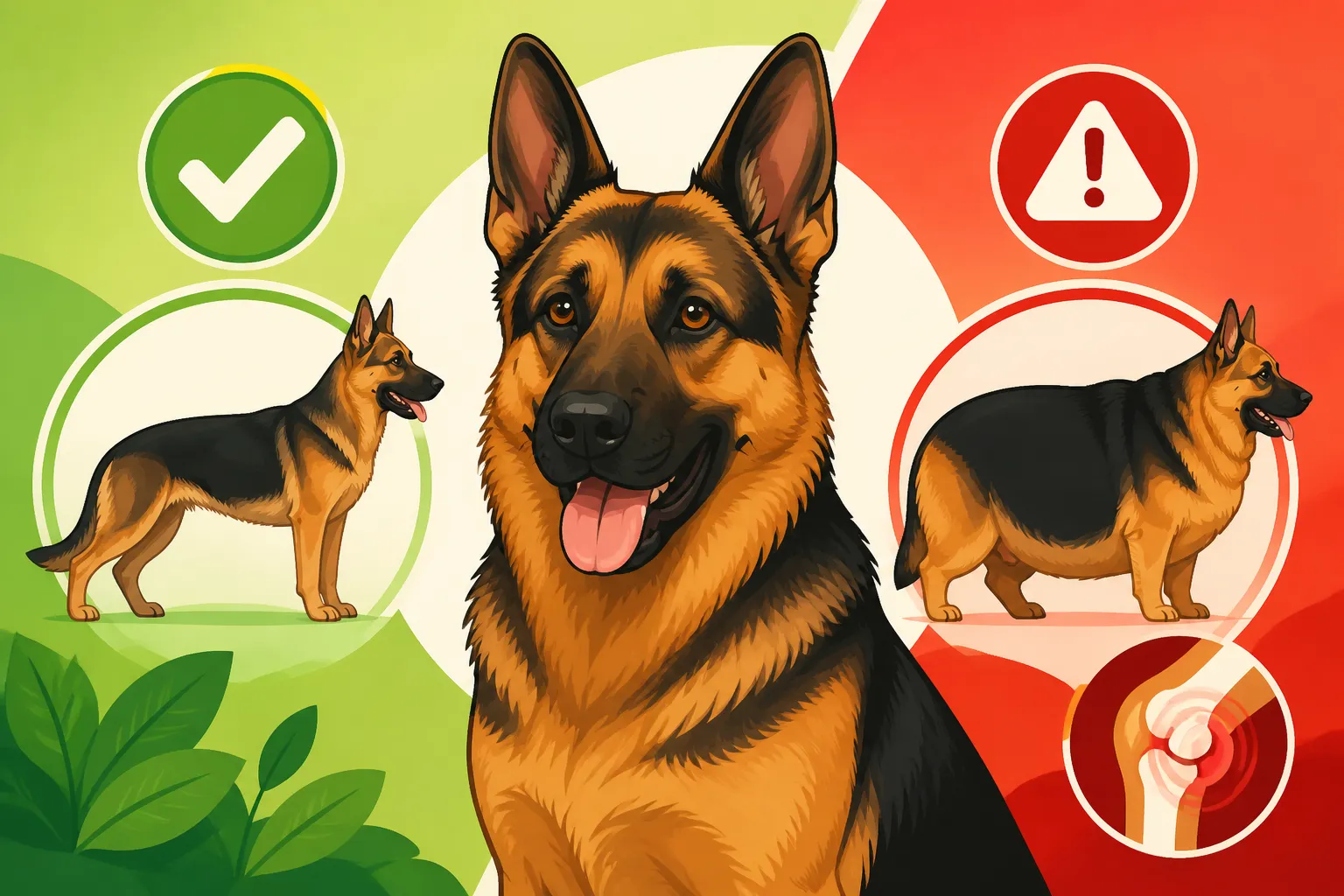
German Shepherd Weight and Obesity Risks
It’s a common heartache for many German Shepherd owners: you look at your beloved companion, and you can’t quite tell if they’re at their ideal weight. The truth is, it’s easy for these strong, active dogs to slowly creep past a healthy size, often without us even realizing it until the scale confirms our fears. This comprehensive guide is here to help you understand what a healthy weight looks like for your German Shepherd, identify the subtle signs of obesity, and, most importantly, provide actionable strategies to manage their weight and safeguard their long-term health and vitality.
Understanding Ideal German Shepherd Weight
Determining the perfect weight for your German Shepherd isn't as simple as picking a number off a chart. While breed standards offer a general guideline, several individual factors play a significant role in what constitutes a healthy weight for your specific dog. It's a nuanced balance that requires keen observation and understanding of their unique build and lifestyle.
Breed Standards and Averages
For German Shepherds, there are generally accepted weight ranges, but it's crucial to remember these are averages, not strict rules. A typical adult male German Shepherd will often weigh between 65 to 90 pounds (approximately 29 to 40 kg), while an adult female usually falls within 50 to 70 pounds (approximately 22 to 32 kg). These ranges apply to German Shepherds who have finished growing, which usually happens around 18 months to 2 years of age. Factors such as whether your German Shepherd is a working line or a show line can also influence their build and, consequently, their ideal weight. Working lines, for instance, might be leaner and more athletic, potentially weighing slightly less while still being perfectly healthy.
However, just looking at a number on the scale doesn't tell the whole story. Two dogs can weigh the same but have drastically different body compositions. One might be muscular and lean, while the other carries a significant amount of excess fat. This is why veterinarians and experienced breeders emphasize looking beyond just the numerical weight to a dog's overall body condition. It’s about assessing their frame, muscle mass, and fat covering, which gives a much clearer picture of their health status. Understanding the nuances of their physical characteristics is paramount to truly assessing their well-being.
Factors Influencing Individual Weight
Beyond generic breed standards, several factors influence your individual German Shepherd's optimal weight. Genetics, for one, play a huge part. Just like people, some dogs are predisposed to be larger or smaller, even within the same litter. Your German Shepherd's parents' size and build can offer clues to their potential adult size and weight. Furthermore, a dog's activity level is a massive determinant. A German Shepherd who is actively training for Schutzhund or IGP, or regularly accompanies you on long hikes, will naturally have a more muscular build and a different ideal weight than one who enjoys a more sedate, backyard-only lifestyle.
Age is another critical factor. Puppies are constantly growing and their weight will fluctuate significantly. As they mature, their growth plates close, and their weight stabilizes. Senior German Shepherds, on the other hand, often experience a slowdown in metabolism and a decrease in activity, making them more prone to weight gain. Conversely, some older dogs might lose muscle mass, which could lead to a lower weight that isn't necessarily healthy if it's due to illness or poor nutrition. Illnesses, too, can impact weight. Conditions like hypothyroidism can lead to weight gain, while others, like Exocrine Pancreatic Insufficiency (EPI) or certain cancers, can cause significant weight loss. It's truly a complex interplay, and a holistic approach considering all these elements is essential for setting a realistic and healthy weight target for your specific German Shepherd. You might find our article on German Shepherd Senior Care Guide helpful for older dogs.
Here’s a general reference table for typical German Shepherd weight ranges and a simplified body condition score:
| Characteristic | Male German Shepherd | Female German Shepherd | Body Condition Score (BCS) | Description |
|---|---|---|---|---|
| Weight Range | 65-90 lbs (29-40 kg) | 50-70 lbs (22-32 kg) | 1-3 (Underweight) | Ribs, spine, pelvic bones easily visible, no fat. |
| Height | 24-26 inches | 22-24 inches | 4-5 (Ideal) | Ribs easily felt, slight waist, tucked abdomen. |
| Build | Muscular, strong | Muscular, athletic | 6-7 (Overweight) | Ribs hard to feel, no waist, some fat over tail base. |
| Activity Level | High | High | 8-9 (Obese) | Ribs very difficult to feel, heavy fat deposits, no waist. |
Recognizing the Signs of Overweight and Obesity
Many owners struggle to objectively assess their own dog's weight. It’s easy to get accustomed to how our furry friends look day-to-day, and the gradual accumulation of a few extra pounds can go unnoticed until it becomes a significant problem. Learning to identify the subtle, and not-so-subtle, indicators of excess weight is the first crucial step in addressing the issue before it leads to more serious health complications.
Visual and Manual Body Condition Scoring
The most effective way to determine if your German Shepherd is overweight is through a combination of visual assessment and hands-on examination, often referred to as Body Condition Scoring (BCS). Instead of just looking at the number on the scale, you need to literally get your hands on your dog. Start by looking at them from above: do they have a clearly defined waist that tucks in behind their ribcage? If they look more like a "sausage" or a straight line from their shoulders to their hips, that's usually a red flag. Next, observe them from the side: their abdomen should ideally tuck up slightly, rather than hanging low or appearing distended.
Now for the hands-on part: gently feel along their ribcage. You should be able to easily feel their individual ribs with just a light touch, similar to feeling the knuckles on your hand. If you have to press firmly to detect the ribs, or if you can't feel them at all because of a layer of fat, your dog is likely carrying too much weight. Similarly, feel around the base of their tail and along their spine. In an ideal weight German Shepherd, you should be able to feel these bony structures without them being overly prominent, and certainly without a thick padding of fat obscuring them. A healthy dog might have a small amount of fat covering, but it should not be substantial. This tactile assessment is often more accurate than simply weighing your dog, especially for breeds with dense coats like German Shepherds, where visual cues can sometimes be misleading. For more detailed guidance, consider consulting our guide on How to Tell If a German Shepherd Is Overweight.
Subtle Behavioral Cues
Beyond the physical examination, your German Shepherd's behavior can offer early clues that they might be struggling with extra weight. One of the first things you might notice is a decrease in their overall energy levels. A German Shepherd who was once eager for long walks or intense play sessions might become more reluctant, lagging behind on walks, or opting for naps instead of engaging in their usual activities. This isn't just a sign of aging; it could be that carrying excess weight makes movement uncomfortable or exhausting. They might also appear more winded after minimal exertion, panting heavily even after a short burst of activity that they once handled with ease.
You might also observe changes in their movement. A dog with excess weight often moves with less agility, struggles to jump into the car, or has difficulty getting up from a lying position. They might start avoiding stairs or show a reluctance to engage in activities that involve climbing or jumping. Increased stiffness, especially in the mornings or after resting, can also be a subtle indicator of joint strain exacerbated by extra pounds. Furthermore, some German Shepherds might exhibit excessive licking or chewing at their joints, particularly their hips and elbows, as the discomfort from carrying extra weight manifests. If you notice any of these behavioral shifts, it's worth a closer look at their diet and exercise routine, and a chat with your vet.
The Serious Health Risks Associated with German Shepherd Obesity
Obesity in German Shepherds isn't just about aesthetics; it's a serious medical condition that significantly compromises their health, reduces their quality of life, and can even shorten their lifespan. Ignoring those extra pounds is akin to ignoring a ticking time bomb for their well-being, paving the way for a host of debilitating and costly health issues.
Joint and Orthopedic Strain
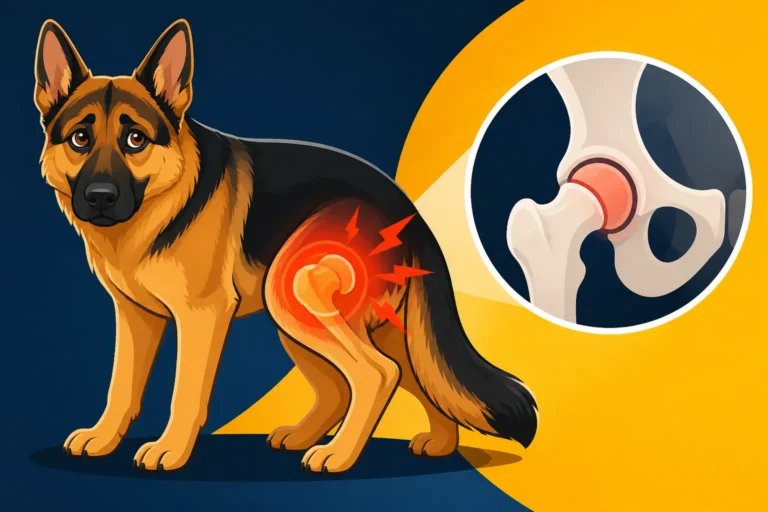
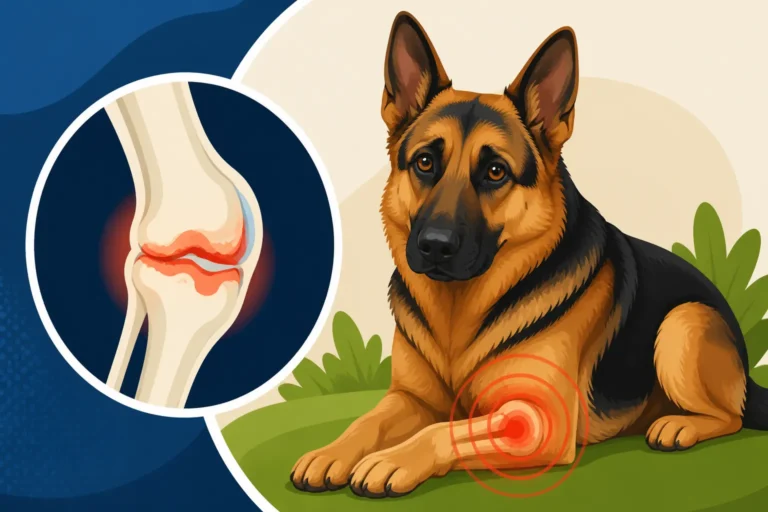
One of the most immediate and devastating consequences of obesity in German Shepherds is the immense strain it places on their musculoskeletal system. German Shepherds are already predisposed to a number of orthopedic problems, most notably hip and elbow dysplasia. Carrying even a few extra pounds dramatically exacerbates these conditions. The added weight puts undue pressure on already compromised joints, accelerating the degeneration of cartilage, intensifying pain, and leading to more rapid progression of conditions like osteoarthritis. Imagine wearing a heavy backpack all day, every day – that's what it's like for your dog's joints.
This increased strain doesn't just worsen existing conditions; it can also precipitate new ones. Ligament injuries, particularly cranial cruciate ligament (CCL) tears in the knee, become far more common in overweight dogs because their joints are constantly under stress and their movements are less coordinated. The combination of weakened ligaments and increased force during everyday activities makes them highly susceptible to these painful injuries. The impact on their mobility can be profound, leading to chronic lameness, reduced ability to exercise, and a significant drop in their overall quality of life. Treatment for these conditions, which often involves surgery and extensive rehabilitation, can be incredibly expensive and emotionally taxing. For more information on preventing joint issues, you might want to read How to Prevent Hip Dysplasia in German Shepherds and German Shepherd Arthritis: Symptoms and Treatment.
Increased Risk of Chronic Diseases
Beyond joint issues, obesity significantly elevates your German Shepherd's risk of developing a range of other chronic and life-threatening diseases. Just like in humans, excess fat tissue is not inert; it's metabolically active, releasing inflammatory compounds that contribute to systemic inflammation throughout the body. This chronic inflammation can disrupt normal bodily functions and pave the way for serious health problems. For instance, overweight German Shepherds are at a much higher risk of developing diabetes mellitus, as their bodies become less responsive to insulin. Managing canine diabetes requires a lifelong commitment to dietary changes, insulin injections, and frequent veterinary monitoring, which can be a huge undertaking.
Furthermore, obesity has been linked to an increased incidence of certain types of cancer, particularly transitional cell carcinoma of the bladder and mammary gland tumors. The constant inflammatory state and hormonal imbalances associated with excess fat are thought to play a role in tumor development. Overweight dogs are also more prone to cardiovascular disease, experiencing increased blood pressure and a greater workload on their heart, which can lead to congestive heart failure. Respiratory problems, especially in warmer climates or during exercise, are also common, as the fat deposits around the chest and diaphragm restrict lung expansion. Even conditions like kidney disease and liver dysfunction can be aggravated by the metabolic stress of obesity. This truly underscores that managing your German Shepherd's weight is not just about comfort, but about preventing a cascade of debilitating internal conditions.
Impact on Lifespan and Quality of Life
The cumulative effect of these health risks is a profound reduction in both the quantity and quality of your German Shepherd’s life. Numerous studies have consistently shown that lean dogs live, on average, two years longer than their overweight counterparts. For a breed with a typical lifespan of 9-13 years, an extra two years of healthy, active life is an incredible gift. Obesity robs your dog of these precious years, but more tragically, it also diminishes the joy and vitality they experience in the years they do have.
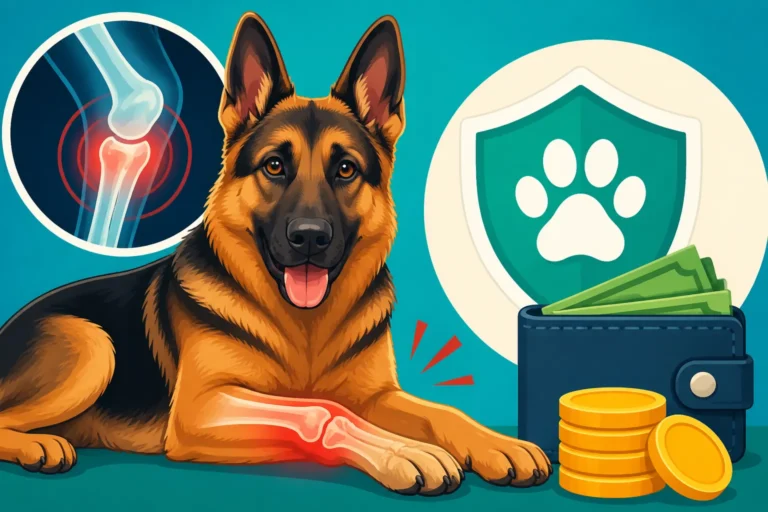
An obese German Shepherd often struggles with basic activities that once brought them immense pleasure. Playtime becomes difficult, walks are arduous, and even simple movements like lying down or getting up can be painful. This reduced mobility impacts their mental well-being too, as they miss out on essential physical and mental stimulation. They may become more lethargic, withdrawn, and less engaged with their family. The chronic pain from arthritis, the discomfort of heavy breathing, and the overall feeling of being unwell significantly detract from their quality of life. As owners, we want our German Shepherds to thrive, to run and play with boundless energy, and to enjoy every moment with us. Allowing them to become obese directly contradicts this desire, condemning them to a life of discomfort and diminished joy. The financial burden of treating these obesity-related conditions can also be substantial. While prevention is key, the reality is that sometimes medical intervention is necessary for obesity-related issues. Having a robust pet insurance plan, such as one from Healthy Paws, can certainly ease the financial burden if your beloved GSD develops conditions like advanced arthritis or diabetes due to excess weight. Pet insurance is often worth considering for a breed with so many potential health issues.
Causes of Weight Gain in German Shepherds
Understanding why German Shepherds gain weight is just as important as knowing they are gaining weight. It's rarely a single factor but often a combination of lifestyle choices and, occasionally, underlying health issues. Pinpointing the root causes allows you to implement targeted and effective strategies to bring your dog back to a healthy weight.
Dietary Factors and Overfeeding
The most common culprit behind German Shepherd weight gain is undeniably their diet. It’s an easy trap to fall into: our dogs love food, and we love to make them happy. This often translates into overfeeding, either through excessively large portions at mealtime or an abundance of treats and table scraps throughout the day. Many owners unwittingly feed portions suitable for a much more active dog, or one significantly larger than their own. Kibble bags provide guidelines, but these are generalized starting points, and often recommend more calories than a typical house pet actually needs. The quality of food also matters; some lower-quality foods are packed with fillers and less digestible ingredients, leading dogs to eat more to feel full, but without providing adequate nutrition.
Beyond regular meals, treats are a huge contributor to calorie overload. A single large dental chew or a handful of training treats can contain hundreds of calories, equivalent to a significant portion of a dog's daily caloric needs. Human food, even seemingly small bits, can add up quickly. A slice of cheese or a piece of leftover chicken skin might seem insignificant to us, but for a dog, it’s a substantial caloric intake, often high in fat and sodium. Furthermore, many owners don't adjust their dog's food intake as they age and their metabolism slows down, or as their activity levels naturally decrease. This consistent caloric surplus, day after day, week after week, inevitably leads to weight gain. Our article on German Shepherd Feeding Guide can help you determine appropriate portion sizes.
Insufficient Exercise and Activity Levels
German Shepherds are a highly active and intelligent breed, originally developed for herding and protection work. They thrive on physical and mental stimulation, and without it, they are not only prone to behavioral issues but also significant weight gain. A common reason for obesity in GSDs is simply not meeting their substantial exercise requirements. Daily leash walks around the block, while better than nothing, are often insufficient to burn the calories they consume, especially if they are also overfed. These dogs need vigorous exercise that truly gets their heart rate up and engages their muscles.
Lack of consistent, high-intensity activity leads to fewer calories burned and a build-up of excess energy that often manifests as destructive behaviors or, conversely, lethargy. Without regular opportunities to run, fetch, swim, or engage in active training, their metabolism slows down, and muscle mass can start to diminish, replaced by fat. This is particularly true for dogs living in smaller homes or apartments where opportunities for free-range running are limited. Even in homes with large yards, a German Shepherd won't typically self-exercise; they need active engagement from their owners. Their mental stimulation is also tied to exercise; a bored dog is more likely to be a sedentary dog, further contributing to the problem. Understanding German Shepherd Exercise Requirements is key to preventing weight issues.
Metabolic and Genetic Predispositions
While diet and exercise are the primary drivers of weight, it's also true that some German Shepherds can have underlying metabolic or genetic factors that make them more prone to weight gain. Just like humans, some dogs have a slower metabolism, meaning they burn calories less efficiently than others. This isn't an excuse for overfeeding but rather a critical factor to consider when determining their caloric needs. A dog with a naturally slower metabolism will require fewer calories to maintain an ideal weight than a dog with a faster one, even if their activity levels are similar.
Certain genetic predispositions can also play a role. While not as commonly discussed for German Shepherds as for some other breeds, individual genetic variations can influence appetite, satiety, and fat storage. If your German Shepherd comes from a lineage where other family members have struggled with weight, it's wise to be extra vigilant. Furthermore, specific medical conditions can directly lead to weight gain. Hypothyroidism, where the thyroid gland doesn't produce enough hormones, is a well-known culprit. This condition slows down metabolism, leading to lethargy, coat changes, and unexplained weight gain despite a normal diet. Other hormonal imbalances or medications, such as certain steroids, can also contribute. Therefore, if your German Shepherd is gaining weight despite appropriate diet and exercise, a veterinary check-up, including bloodwork, is crucial to rule out any underlying health issues. Genetic health testing for German Shepherds can sometimes reveal predispositions, helping owners be proactive.
Strategies for Weight Management and Prevention
Preventing obesity is always easier than treating it, but whether you're working to keep your German Shepherd at a healthy weight or help them shed some pounds, a multi-faceted approach is essential. This isn't about quick fixes; it's about establishing sustainable habits that promote lifelong health.
Tailoring a Balanced Diet
The cornerstone of effective weight management is a carefully tailored and balanced diet. This means moving beyond generic feeding recommendations and considering your individual German Shepherd's age, activity level, and current body condition. Start by consulting with your veterinarian to determine an appropriate daily caloric intake for either weight maintenance or gradual weight loss. Remember, drastic calorie restriction can be detrimental, leading to nutrient deficiencies and muscle loss. The goal is a steady, healthy reduction.
Choosing the right food is paramount. Opt for high-quality dog food specifically formulated for large breeds, with good protein sources and controlled fat content. Brands like Purina Pro Plan or Royal Canin German Shepherd formulas are often recommended by vets, as they are designed with the breed's specific needs in mind. Avoid foods with excessive fillers or by-products that offer little nutritional value. If your dog needs to lose weight, look for "light" or "weight management" formulas that are lower in calories but still provide essential nutrients and fiber to help them feel full. Divide their daily food allowance into two or three smaller meals to help regulate metabolism and prevent excessive hunger. Furthermore, be incredibly mindful of treats. Switch to low-calorie options like small pieces of carrot, green beans, or specialized low-calorie dog treats. If you use training treats, factor their caloric contribution into the daily total. Eliminating table scraps entirely is a non-negotiable step for weight loss. For deep dives into specific dietary needs, check out our content on Best Dog Food for German Shepherds and German Shepherd Puppy Feeding Schedule for younger dogs.
Implementing an Effective Exercise Routine
For a German Shepherd, exercise isn't just a leisure activity; it's a fundamental requirement for their physical and mental health, and a vital component of weight management. Simply letting them out into the yard is usually not enough; they need structured, engaging physical activity that challenges both their body and mind. Aim for at least 60-90 minutes of vigorous exercise daily, ideally broken into a couple of sessions. This could include fast-paced walks, jogging, hiking, or swimming – an excellent low-impact option that builds muscle without stressing joints. Fetch is a classic for a reason, allowing them to sprint and burn significant energy.
Varying their routine keeps them engaged and works different muscle groups. Consider dog sports like agility, obedience, or even basic nose work classes, which provide both physical exertion and crucial mental stimulation. A bored German Shepherd is less likely to be an active German Shepherd. If you're starting an exercise program with an overweight dog, remember to begin slowly and gradually increase the intensity and duration to avoid injury. Just like people, they need to build stamina. Pay attention to signs of fatigue or discomfort, especially in older or significantly overweight dogs. Regular exercise not only burns calories but also builds lean muscle mass, which in turn boosts metabolism, making it easier for your German Shepherd to maintain a healthy weight in the long run. If your German Shepherd is suffering from joint pain, consulting with a vet about appropriate exercise and supplements, perhaps even from a brand like Healthy Paws for potential future medical costs, is a prudent step.
Regular Veterinary Check-ups and Monitoring
Regular veterinary check-ups are an indispensable part of both weight management and overall health prevention for your German Shepherd. Your vet is your best partner in this journey, offering objective advice and medical expertise. During annual or bi-annual visits, your veterinarian will weigh your dog, assess their body condition score, and discuss their diet and exercise routine. This objective assessment is crucial because it's easy for owners to underestimate their dog's weight gain over time.
Beyond routine checks, your vet can rule out any underlying medical conditions that might be contributing to weight gain, such as hypothyroidism or other hormonal imbalances, through blood tests. If weight loss is necessary, they can help you calculate a precise caloric target and recommend appropriate commercial dog foods or dietary adjustments. They can also advise on safe and effective exercise plans, especially if your German Shepherd has existing joint issues or other health concerns. For older German Shepherds, a vet can offer tailored advice for German Shepherd Senior Diet Adjustments. These regular check-ups also provide an opportunity to discuss supplements for joint health, which can become even more vital when managing an overweight dog. Don't hesitate to openly discuss your German Shepherd's habits and your concerns with your vet; they are there to support you in ensuring your dog lives the healthiest, happiest life possible. Pet insurance options like Healthy Paws can be invaluable for covering the costs of these essential check-ups and any necessary treatments if your dog develops obesity-related complications.
Practical Steps for Helping Your German Shepherd Lose Weight
Realizing your German Shepherd is overweight can be daunting, but it's a completely manageable situation with the right approach and commitment. The key is consistency, patience, and making gradual, sustainable changes rather than drastic ones that are hard to maintain.
Setting Realistic Weight Loss Goals
The first step in any successful weight loss journey is setting clear, realistic goals. Just like with humans, rapid weight loss is generally unhealthy and unsustainable for dogs. Aim for a gradual weight loss of about 1-2% of their body weight per week. For a 90-pound German Shepherd, this means losing roughly 1 to 1.8 pounds per week, which might not sound like much, but it adds up safely and consistently. Consult your veterinarian to determine your dog's ideal target weight and a realistic timeline to achieve it. This target weight should be based on their breed standard, individual build, and body condition score, not just a number on the scale.
Having a clear goal helps keep you motivated and provides a benchmark for progress. It also prevents frustration from expecting immediate, dramatic results. Remember, your German Shepherd likely didn't gain weight overnight, and they won't lose it overnight either. Focus on consistent effort over time. Document their weight weekly or bi-weekly at the same time of day to track progress. If your dog isn't losing weight, or if the loss plateaus, it's a sign to revisit the plan with your vet and make adjustments. This might involve further reducing calories, increasing exercise, or exploring other factors. The journey is a marathon, not a sprint, and celebrating small victories along the way can make a huge difference in your motivation and your dog's health.
Adjusting Food Portions and Choices
Once you have a caloric target from your vet, the most impactful change you can make is meticulously adjusting your German Shepherd's food portions. This often means measuring every single meal with a proper measuring cup or even a kitchen scale, rather than just eyeballing it. It’s surprising how much an "extra scoop" or two can add up over a week. Reduce their daily food allowance incrementally, perhaps by 10-20% initially, and monitor their weight. If they are on a standard adult dog food, your vet might recommend switching to a prescription weight-loss diet or a high-fiber, lower-calorie commercial "light" formula. These foods are designed to provide essential nutrients while keeping calorie counts down and promoting satiety, so your dog feels fuller for longer.
Beyond regular meals, the biggest "hidden" calorie sources are often treats and table scraps. Eliminate table scraps entirely – they contribute nothing positive to a weight loss plan and often contain unhealthy fats, sugars, and salts. For treats, switch to extremely low-calorie options like plain green beans, baby carrots, apple slices (without seeds), or small pieces of cooked lean chicken breast. If you're using treats for training, break them into tiny, pea-sized pieces to minimize caloric intake. Consider using a portion of their daily kibble allowance as training rewards instead of separate treats. Puzzle feeders and slow-feeder bowls can also be incredibly helpful. They make your dog "work" for their food, slowing down ingestion, increasing mental stimulation, and making their meal last longer, which can help them feel more satisfied. Check our detailed guide on How to Help a German Shepherd Lose Weight for more practical tips.
Gradual Increase in Physical Activity
Increasing your German Shepherd's physical activity is the other half of the weight loss equation. However, it's crucial to approach this gradually, especially if your dog is significantly overweight or has existing joint issues. Starting too intensely can lead to injury, pain, and discouragement. Begin with longer, more frequent walks at a moderate pace. If you currently do one 30-minute walk, try two 30-minute walks, or extend your current walk to 45 minutes. As your German Shepherd's stamina improves and they shed some initial weight, you can gradually increase the intensity.
Incorporate activities that are more dynamic but still low-impact if needed. Swimming is an excellent full-body workout that is gentle on joints. Short bursts of fetching or playing with a flirt pole in the yard can be great additions, but always ensure proper warm-up and cool-down. If your dog has a high prey drive, supervised off-leash play in a secure area can be immensely beneficial. For those with joint concerns, speak to your vet about physical therapy exercises or hydrotherapy, which can build muscle and improve mobility without excessive strain. Consistency is key: daily exercise, even if it's just a brisk walk, is far more effective than sporadic intense sessions. Your German Shepherd will not only lose weight but also become happier, more confident, and less prone to behavioral issues when their physical and mental needs are met. Remember, a more active German Shepherd is a healthier German Shepherd, helping them live longer and enjoy a higher quality of life.
Disclaimer
The information provided in this article is for general informational purposes only and does not constitute veterinary advice. Always consult with a qualified veterinarian for any health concerns or before making any decisions about your German Shepherd's diet, exercise, or medical care. Individual needs may vary, and only a professional can provide tailored advice for your specific pet.