Sable German Shepherd: Traits, Facts, and Care
It's easy to get lost in the sheer variety of German Shepherd coats out there, and if you've recently fallen in love with a striking, multi-toned German Shepherd, you might be wondering what makes them so unique. Often described as "wolf-like," the sable German Shepherd is a truly magnificent animal, but there's a lot of misinformation swirling around about their traits, genetics, and care. This comprehensive guide is here to clear up those myths and give you all the facts you need to understand and care for your beautiful sable companion.
What Makes a Sable German Shepherd So Distinct?
When you first see a sable German Shepherd, it’s hard not to be captivated. Their coats are a tapestry of color, often with individual hairs having multiple bands of light and dark, creating a dynamic, ever-shifting appearance. This isn't just a simple black and tan; it's a whole spectrum within each hair strand. Many people are instantly drawn to their rustic, wild aesthetic, which harks back to their ancestral roots.
The Appearance and Coat Pattern
Unlike a solid black or a classic black and tan, a sable German Shepherd's coat isn't a single, uniform color or a clear demarcation of two colors. Instead, each individual hair follicle can have several bands of color, typically a lighter base with darker tips. Imagine a tiny paintbrush stroke on each hair, ranging from cream or grey at the root to shades of tan, red, or gold in the middle, culminating in a black tip. This banding effect is what gives the sable its incredible depth and texture, making the coat appear to change hue depending on the light and how the fur lays. You'll notice patterns that range from very light, almost silver sables, to rich, deep red sables, and even darker bi-color sables where black predominates. This multi-tonal quality often gives them a strong resemblance to their wild wolf cousins, making them incredibly striking. It's a coat that truly demands attention and is a testament to the breed's diverse genetic makeup.
Temperament and Working Ability
It’s a common misconception that coat color dictates a German Shepherd’s personality or abilities. Let’s be absolutely clear: a sable coat color does not inherently make a German Shepherd smarter, more aggressive, or more suited for specific work. However, there’s an interesting correlation worth discussing. Sable is a predominant color found in working line German Shepherds. These are the dogs bred for their drive, intelligence, courage, and athleticism – traits highly valued in police work, search and rescue, and protection sports like IGP or Schutzhund. Because many reputable breeders of working lines prioritize these functional traits over strict show ring aesthetics, the sable coat, being a very old and naturally occurring color in the breed, often appears in these lines.
So, while the color itself isn't the cause, a sable German Shepherd might come from a lineage that emphasizes high drive, intense focus, and robust physical capabilities simply because those are the traits working-line breeders are selecting for. This often means they need significant mental stimulation and physical exercise to thrive. If you're looking for a dog with a strong work ethic, a sable German Shepherd from a well-vetted working line might be an excellent fit, but remember to always research the specific breeder and the parents' temperaments, rather than relying solely on coat color. Understanding their German Shepherd Temperament and Personality is crucial, regardless of their coat.
Understanding the Genetics Behind the Sable Coat
The genetics behind the sable coat are fascinating and relatively well-understood. It all comes down to a specific gene locus that controls the distribution of pigments.
Agouti Gene and Alleles
The sable coat color is primarily controlled by the Agouti gene, often referred to as the "A" locus. German Shepherds have several alleles (variations) at this locus, and the one responsible for sable is denoted as "ay" (for fawn/sable). This "ay" allele is dominant over other alleles like "at" (black and tan) and "a" (recessive black). This means that if a dog inherits even one "ay" allele, it will express some form of sable, regardless of other alleles at that locus.
What makes the "ay" allele so special is its role in producing banded hairs. Instead of solid color along the hair shaft, the "ay" allele directs the pigment cells to switch between producing eumelanin (black/brown pigment) and phaeomelanin (red/yellow pigment) as the hair grows. This results in the characteristic multi-banded appearance. So, when you see a sable German Shepherd, you're essentially looking at a dog that carries at least one dominant "ay" allele.
Variations in Sable Intensity
Even within sable German Shepherds, there's a huge range of appearance, which can sometimes lead to confusion. You'll hear terms like "light sable," "dark sable," "red sable," or even "bi-sable." These variations are influenced by other modifier genes present in the dog's genetic makeup.
- Light Sable: These dogs might have more dominant red or tan banding with lighter black tipping, giving them an overall lighter, almost wolf-grey appearance. Their black overlay might be minimal, often just on the tips of the longest guard hairs.
- Dark Sable: At the other end of the spectrum, dark sables have a much heavier black overlay, making them appear significantly darker. The black banding on their individual hairs is more extensive, sometimes leading them to be mistaken for bi-colors, though the banded hairs are still present when you look closely.
- Red Sable: These sables have a strong red or mahogany undertone, with rich, warm tones visible beneath the black tipping. The phaeomelanin (red/yellow pigment) is particularly vibrant in these dogs.
- Bi-Sable: This term is sometimes used to describe sables with a very heavy black overlay that mimics the saddle pattern of a black and tan, but upon closer inspection, the underlying hairs are still banded. It's not a truly distinct genetic category but rather a descriptive term for a particularly dark sable expression.
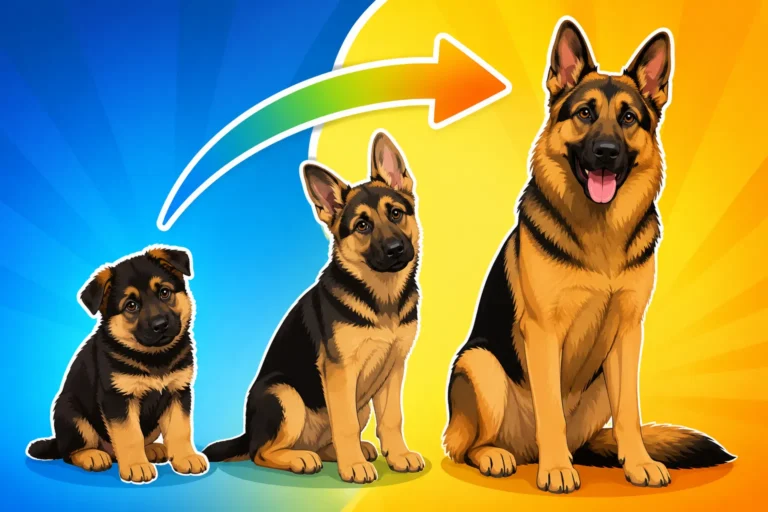
Factors like the length of the black tips, the intensity of the underlying red/tan pigment, and even the dog's age can all contribute to the overall appearance of a sable coat. A puppy's sable coat often changes dramatically as they mature, typically getting darker and more defined as they grow their adult coat. This complex interplay of genetics is what makes each sable German Shepherd truly unique, even among other sables. For more on the visual distinctions, you might explore German Shepherd Colors and Coat Types.
| Sable Variation | Description | Key Visual Trait |
|---|---|---|
| Light Sable | Pale base colors (cream/grey) with minimal black tips. | Overall lighter, often wolf-grey appearance. |
| Dark Sable | Heavy black overlay, extensive black banding. | Appears much darker, sometimes mistaken for bi-color. |
| Red Sable | Strong red/mahogany undertones with black tipping. | Rich, warm red hues prominent beneath the black. |
| Bi-Sable | Very heavy black overlay mimicking a saddle pattern. | Appears almost black and tan, but hairs are still banded. |
Caring for Your Sable German Shepherd
Caring for a sable German Shepherd isn't fundamentally different from caring for any other German Shepherd, but understanding their breed-specific needs is paramount. The coat color itself doesn't impose unique care requirements, but their lineage often does.
Grooming Specifics for a Sable Coat
One thing that unites all German Shepherds, regardless of coat color, is their magnificent double coat and the shedding that comes with it! Sable coats are no exception. You’ll be dealing with shedding year-round, with heavier "blow coat" seasons twice a year. Regular grooming is not just about keeping your dog looking sharp; it’s essential for their skin health, coat condition, and even keeping your house a little tidier.
I recommend a good deshedding brush, like a Furminator-style tool, used regularly – think 2-3 times a week, and even daily during heavy shedding. A slicker brush and a wide-toothed comb are also invaluable for getting through the dense undercoat and preventing mats, especially in the feathery areas behind their ears, on their legs, and around their tail. While their sable coat doesn't require special shampoos or conditioners, using high-quality products designed for double-coated breeds will help maintain the health and luster of their fur. When it comes to finding all these necessary tools, I often check out Chewy for a wide selection of German Shepherd Grooming Tools You Need to keep that beautiful sable coat in top condition. Don't forget nail trims and ear cleaning, as these are crucial components of overall grooming for any German Shepherd.
Health Considerations (Color-Linked or General GSD)
Here’s a vital fact: the sable coat color is not linked to any specific health conditions. Unlike some other coat colors or patterns in different breeds that can be associated with deafness or vision problems, sable is a natural, healthy genetic expression in German Shepherds. Therefore, your sable German Shepherd is susceptible to the same health issues that affect the breed as a whole. This means you need to be vigilant about common concerns like hip and elbow dysplasia, degenerative myelopathy (DM), bloat, and certain cancers.
Responsible breeding practices are far more important than coat color when it comes to health. Always choose a breeder who performs thorough German Shepherd Genetic Health Testing on their breeding stock and can provide OFA or PennHIP clearances for hips and elbows, as well as DM test results. Regular veterinary check-ups, a balanced diet (look for quality options like those found on Chewy's selection of Best Dog Food for German Shepherds), and appropriate exercise are your best defenses against potential health problems. Being aware of German Shepherd Health Problems Guide and knowing How to Keep a German Shepherd Healthy are essential parts of responsible ownership.
Training and Socialization Needs
Just like any other German Shepherd, a sable GSD needs consistent, positive reinforcement training and early, thorough socialization. Their intelligence and strong drive, especially if they come from working lines, mean they thrive on having a "job" to do and clear boundaries. Without proper guidance, their natural protective instincts and high energy can lead to behavioral challenges.
Start socialization early in puppyhood, exposing them to a variety of sights, sounds, people, and other dogs in a controlled, positive manner. This helps them develop into well-adjusted, confident adults. How to Train a German Shepherd effectively involves patience, consistency, and understanding their need for mental engagement. Obedience classes are highly recommended, not just for the training aspect but also for continued socialization and bonding with your dog. Remember, a well-trained and socialized German Shepherd is a joy to live with, regardless of their coat color. For help with common issues, check out guides on German Shepherd Behavior Problems and Solutions.
Common Misconceptions and Why They Matter
Navigating the world of German Shepherd ownership can sometimes feel like walking through a minefield of myths and half-truths. Sable German Shepherds, with their unique look, often find themselves at the center of several misconceptions.
"Rare" vs. "Common"
One of the most persistent myths is that sable German Shepherds are "rare." While they might not be as common in the American show ring compared to the classic black and tan, sable is actually one of the oldest and most dominant coat patterns in the breed. In many European working lines, particularly in Germany, sable is incredibly prevalent. The "rarity" perception often stems from the prevalence of black and tan in popular media and show circuits in certain regions.
The reality is that sable is a genetically dominant trait. If a German Shepherd carries the "ay" allele, it will express sable. This means it's far from rare in the grand scheme of the breed's global population, especially when considering Working Line vs Show Line German Shepherd distinctions. Understanding this is important because some unscrupulous breeders might try to market "rare" sable puppies at inflated prices, preying on uninformed buyers. Always remember, the value of a German Shepherd should be based on its health, temperament, and lineage, not on a perceived "rarity" of its coat color.
Color and Health/Temperament
As we touched on earlier, another significant misconception is that a sable coat implies certain health advantages or temperamental traits. Some people mistakenly believe that sable dogs are inherently healthier, more intelligent, or possess a stronger working drive simply because of their color. This is simply not true.
The color itself is merely a visual expression of genes. While it's true that sable is more common in working lines, and working lines are often selected for specific drives and health, it is the breeding program and the specific lineage that determine these qualities, not the coat color. A poorly bred sable German Shepherd can have just as many health issues or temperamental flaws as a poorly bred black and tan. Conversely, a well-bred black and tan can be just as healthy and driven as a well-bred sable. The emphasis should always be on the breeder's ethics, health testing, and the temperament of the parent dogs, rather than the aesthetic of the coat. Choosing a German Shepherd means committing to understanding their needs, like German Shepherd Lifespan: How Long They Live, and not letting superficial traits guide your decision.
Disclaimer
This article is for general informational purposes only and does not constitute professional advice. Laws, prices and regulations vary by location and change over time. Consult a qualified professional for guidance on your specific situation.