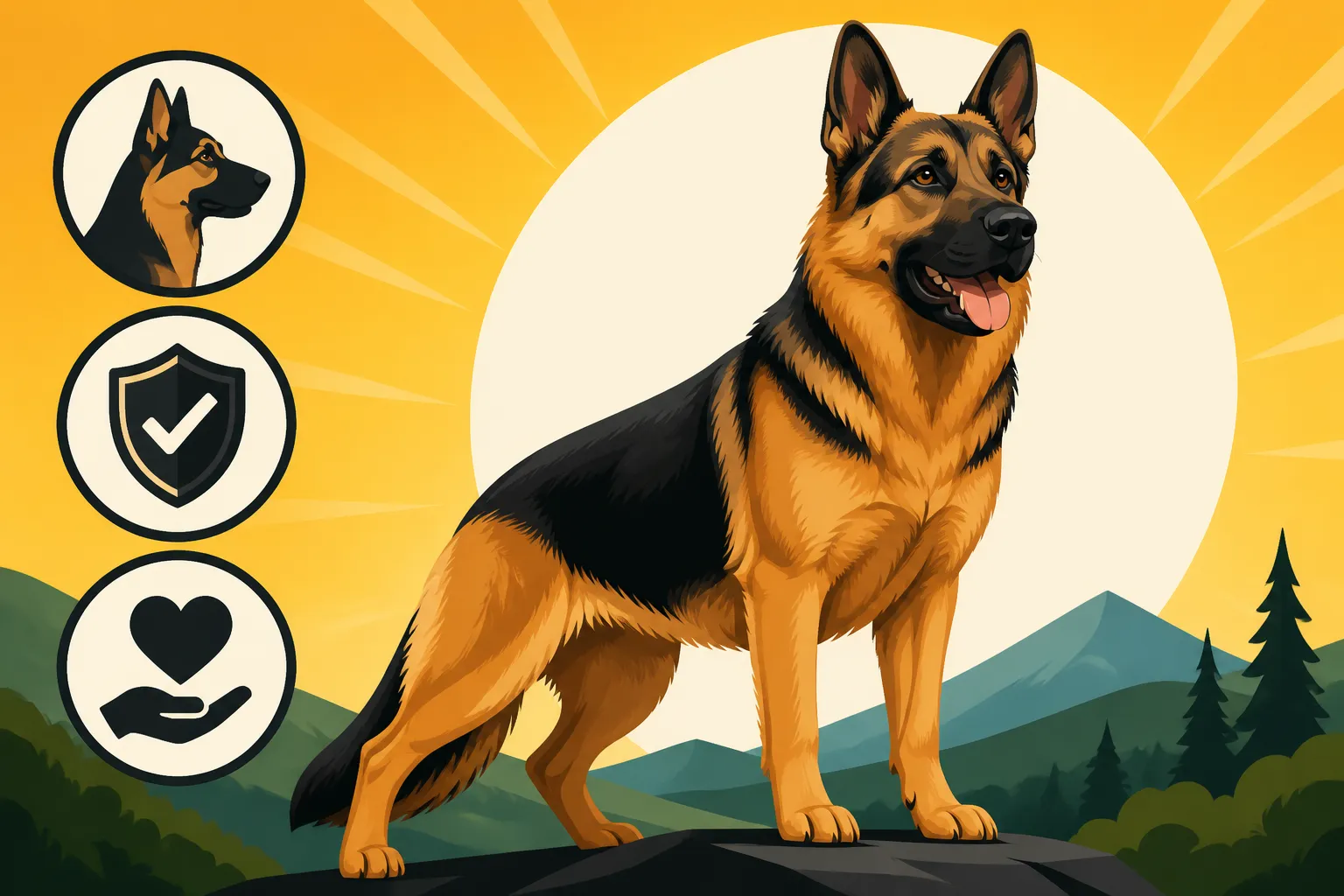
Giant German Shepherd: Traits, Facts, and Care
It's quite common for German Shepherd enthusiasts to stumble upon the term "Giant German Shepherd," often wondering if it's a special, larger variant of the breed or perhaps even a distinct breed altogether. This guide will delve into what people typically mean by a "Giant German Shepherd," exploring their traits, potential challenges, and how to best care for these impressively large canines, helping you navigate the fascinating world of oversized GSDs.
What Exactly Is a "Giant German Shepherd"? Decoding the Terminology
Let's clear the air right from the start: there isn't an officially recognized breed called the "Giant German Shepherd." When people use this term, they're generally referring to a German Shepherd who is significantly larger than the breed standard, either in height, weight, or both. It's not a separate lineage or a special "type" in the way that working line or show line German Shepherds are distinct. It's more of a descriptive term for an individual dog that simply grew to an exceptionally large size.
The Myth vs. The Reality of Their Origins
The idea of a "Giant German Shepherd" often sparks images of some ancient, majestic variant, but the reality is usually much more grounded. Sometimes, a German Shepherd might naturally grow larger due to genetics – perhaps one or both parents were at the upper end of the breed standard, or there's a strong genetic predisposition for size in their lineage. Other times, it can be a result of less-than-ideal breeding practices where size is prioritized over health or temperament, or even accidental cross-breeding. For instance, if a German Shepherd is unknowingly bred with a Mastiff or Great Dane, the resulting puppies could certainly be larger, though they wouldn't be purebred German Shepherds.
It's also worth considering environmental factors. While genetics play the primary role, things like an unrestricted diet during puppyhood, particularly a diet too rich in calories and protein for rapid growth, can contribute to an oversized frame. This rapid growth can sometimes put undue stress on developing joints, leading to problems later in life, which is why understanding German Shepherd Puppy Feeding Schedule is so crucial. Ultimately, a true German Shepherd adheres to a certain breed standard, and those exceeding it are simply outside that accepted range, often presenting unique care considerations.
How "Giant" German Shepherds Differ from Standard GSDs
The most obvious difference, of course, is sheer size. A standard male German Shepherd typically stands between 24-26 inches at the shoulder and weighs 65-90 pounds. A "giant" individual might easily exceed 100-120 pounds, and sometimes even more, with a corresponding increase in height. This isn't just about looking imposing; it changes everything from their movement to their physical needs. A significantly larger dog might have a less agile gait, requiring more effort to navigate small spaces, jump, or even turn quickly. Their larger bone structure can make them appear more robust, sometimes almost lumbering compared to the lithe, athletic build of a standard GSD. This added mass puts extra strain on their joints, even when they're young, which is a key factor when looking at German Shepherd Health Problems Guide.
Traits and Temperament: Are They Just Bigger Shepherds?
When you encounter a "Giant German Shepherd," it's natural to wonder if their larger size comes with a different set of personality traits or behaviors. While their imposing stature might make them seem more formidable, their core temperament should ideally remain true to the German Shepherd breed's characteristics.
Physical Characteristics and What to Expect
Beyond the obvious increase in height and weight, "Giant" German Shepherds will generally share the same physical attributes as their standard-sized counterparts. They'll have that strong, muscular body, intelligent and alert expression, and erect ears that are so characteristic of the breed. Their coats can come in the same variety of colors and lengths – black and tan, sable, all black, and sometimes even white, and they can be short-coated or long-coated. The double coat, designed for protection, will still be present, meaning you'll still contend with the infamous "German Shedder" phenomenon. You can learn more about German Shepherd Coat and Skin Care to help manage shedding and keep their fur healthy.
However, the sheer mass of a giant GSD can sometimes lead to a slightly different physical presentation. Their stride might be less fluid, and their overall agility could be reduced compared to a typically sized, highly athletic GSD. Imagine trying to maneuver a small car versus a large truck – both are vehicles, but their handling characteristics differ. This means that activities requiring quick turns, high jumps, or sustained bursts of speed might be more challenging for a truly giant GSD, and owners need to be mindful of this to prevent injury.
Personality and Behavioral Nuances
In terms of personality, a "Giant" German Shepherd should still embody the loyalty, intelligence, and protective nature for which the breed is renowned. They should be just as trainable and eager to please, forming strong bonds with their families. However, their size can sometimes inadvertently influence how people perceive and interact with them, which in turn can affect their behavior.
For example, a large, boisterous puppy that jumps might be seen as cute at 8 weeks but becomes a significant problem when it's a 120-pound adolescent. Owners need to be extra vigilant with training and socialization from a young age to ensure that their large size doesn't lead to unintended consequences, like accidental knocking over of children or visitors. A well-socialized "Giant" German Shepherd should be confident and calm, not aggressive or overly timid. Their size simply amplifies any behavioral issues, making early and consistent training even more critical. Getting started early with German Shepherd Puppy Training Guide is absolutely essential, regardless of eventual size.
Health Considerations for an Oversized Canine
Owning a "Giant" German Shepherd means being extra vigilant about health, as their increased size can exacerbate many of the breed's predispositions and introduce new challenges. The very traits that make them impressive can also make them more vulnerable.
Exacerbated Joint and Bone Issues
German Shepherds are, unfortunately, already prone to specific joint and bone conditions, with hip and elbow dysplasia being chief among them. In a "Giant" German Shepherd, the risk and severity of these conditions can be significantly higher. More weight equals more stress on the joints, which can accelerate the onset of degenerative changes or worsen existing conditions. It's not just dysplasia; other orthopedic issues like arthritis can also manifest earlier and be more debilitating. Regular veterinary check-ups are paramount, and proactive measures like proper nutrition, controlled exercise, and even joint supplements are often recommended. If you're concerned about these conditions, reading up on German Shepherd Hip Dysplasia Explained and German Shepherd Elbow Dysplasia: Symptoms and Treatment can provide valuable insights.
- Hip Dysplasia: A condition where the hip joint doesn't form correctly, leading to looseness and eventual painful degeneration. Increased weight directly impacts the severity.
- Elbow Dysplasia: Similar to hip dysplasia, but affecting the elbow joints. Again, a heavier dog puts more strain on these complex joints.
- Arthritis: The general inflammation of joints, often a secondary condition to dysplasia or simply due to wear and tear. A larger body mass contributes to this wear and tear.
Other Health Risks Associated with Size
Beyond orthopedic issues, "Giant" German Shepherds, like many large and deep-chested breeds, face an elevated risk of certain conditions:
- Bloat (Gastric Dilatation-Volvulus or GDV): This life-threatening condition occurs when the stomach fills with gas and twists, cutting off blood supply. Larger dogs, especially those with deep chests, are statistically more prone to bloat. Owners of giant GSDs need to be acutely aware of the symptoms and preventative measures. Understanding German Shepherd Bloat: Signs and Prevention is non-negotiable for large breed owners.
- Heart Conditions: While not always directly linked to size, the increased strain on the cardiovascular system in a larger animal can sometimes be a factor in conditions like dilated cardiomyopathy. Regular veterinary cardiac screenings may be advisable for these larger individuals.
- Shorter Lifespan: Generally, larger dog breeds tend to have shorter lifespans than smaller breeds. While a standard German Shepherd's lifespan is respectable, a "giant" individual might unfortunately fall into the trend of larger dogs having a somewhat reduced overall lifespan due to the increased metabolic and physical strain on their bodies. This is a tough truth many large breed owners face, and understanding German Shepherd Lifespan: How Long They Live can help you focus on maximizing their quality of life.
The Importance of a Balanced Diet and Controlled Exercise
For a "Giant" German Shepherd, nutrition and exercise aren't just about general well-being; they are critical components of preventative health care.
- Nutrition: During puppyhood, feeding a diet specifically formulated for large breed puppies is vital. These diets are designed to promote slower, more controlled growth, which helps prevent orthopedic issues caused by rapid bone development. Overfeeding a "giant" puppy can be detrimental. As adults, their caloric needs will be higher than a standard GSD, but portion control is still important to prevent obesity, which adds even more stress to their already burdened joints. Finding good quality large breed formulas is easy on sites like Chewy.
- Exercise: While these dogs need plenty of activity to maintain muscle mass and mental stimulation, the type of exercise is key. High-impact activities, excessive jumping, or long-distance running on hard surfaces should be limited, especially in younger dogs whose growth plates are still developing. Instead, focus on moderate walks, swimming, and mental enrichment games. You can find sturdy toys for large dogs on Chewy to help with mental stimulation. Proper exercise helps maintain a healthy weight and strengthens the muscles supporting the joints without overstressing them.
Caring for a "Giant" German Shepherd: Practical Considerations
Bringing any German Shepherd into your home is a commitment, but a "Giant" German Shepherd amplifies many of those responsibilities. Their sheer size dictates different approaches to everything from feeding to finding comfortable living spaces.
Nutritional Needs and Feeding Strategies
It probably goes without saying, but a "Giant" German Shepherd eats a lot more than a standard one. Their larger body mass requires significantly more calories and nutrients to maintain energy levels and health. However, it's not just about quantity; quality and appropriate feeding strategies are equally important.
For puppies, choosing a large breed puppy food is crucial. These formulas are balanced to support slower, steady growth, which is vital for preventing skeletal problems later on. Rapid growth spurts, often fueled by high-calorie, generic puppy foods, can put immense strain on developing bones and joints. As adults, they will require a high-quality adult large breed formula. Always consult your veterinarian to determine the right caloric intake for your specific dog, taking into account their activity level, age, and any health conditions. Many excellent brands are available on Chewy, offering various large-breed specific formulas.
Feeding several smaller meals throughout the day, rather than one or two large ones, can also help mitigate the risk of bloat, a serious concern for deep-chested breeds like German Shepherds. Using a slow-feeder bowl can also encourage more mindful eating, further reducing the risk of gulping air with food. Remember, consistency in feeding times and avoiding strenuous exercise immediately before or after meals are also key preventative measures against bloat. If you're looking for guidance on what to feed, our German Shepherd Feeding Guide offers comprehensive advice applicable to all sizes.
Exercise and Training Adaptations for Large Dogs
While "Giant" German Shepherds need ample exercise to stay fit and mentally stimulated, their larger frame necessitates some modifications to their routine. High-impact activities like agility or intense fetch with sudden stops and starts should be approached with caution, especially during their growth phases. Instead, focus on activities that are gentler on their joints:
- Long, Leash Walks: These provide excellent cardiovascular exercise and mental stimulation without excessive impact. Mastering How to Do Leash Training with a German Shepherd is non-negotiable; a giant dog pulling on the leash can be incredibly difficult to manage.
- Swimming: An ideal low-impact exercise that builds muscle and stamina. Many dogs absolutely love a good swim, and it's fantastic for joint health.
- Puzzle Toys and Scent Work: Mental exercise is just as important as physical. Puzzle toys, available on sites like Chewy, and engaging in scent games keep their intelligent minds active, which is vital for a breed like the German Shepherd.
Training a "Giant" German Shepherd also requires consistency and often, physical strength. Basic obedience commands like "sit," "stay," and "down" are essential, but "leave it" and a rock-solid "recall" are paramount for a dog of this size. Their sheer presence can be intimidating to others, so ensuring they are well-behaved and under control is a major responsibility. Early and ongoing German Shepherd Obedience Training Basics will lay the foundation for a well-mannered giant companion.
Space and Lifestyle Requirements
Living with a "Giant" German Shepherd means rethinking your living space and daily routines. They simply take up more room!
- Indoor Space: A large dog needs space to stretch out, turn around, and navigate without constantly bumping into furniture or people. If you're considering an apartment, understand that an oversized GSD will likely struggle with the limited space, regardless of how much outdoor exercise they get.
- Crating: If you plan to crate train, you'll need an extra-large, heavy-duty crate. A standard large dog crate simply won't suffice. Finding a sturdy crate that can accommodate their full size is important for comfort and safety.
- Transportation: Think about your vehicle. Will your "Giant" German Shepherd fit comfortably and safely in your car or truck? Getting them in and out might require ramps or significant lifting, which can be challenging.
- Financial Commitment: More food, larger beds, bigger toys, and potentially higher costs for medications (which are often dosed by weight) all add up. Being financially prepared for the increased expenses associated with a very large dog is critical for their well-being. Consider pet insurance or a dedicated savings fund to cover unexpected veterinary costs, especially given their predisposition to joint issues and bloat.
Ultimately, owning a "Giant" German Shepherd is a rewarding experience for the right person. It demands a dedicated owner who understands the unique needs and potential challenges that come with a dog of such impressive stature. With proper care, training, and a loving environment, these gentle giants can be incredible, loyal companions.
Disclaimer
This article is for general informational purposes only and does not constitute professional advice. Laws, prices and regulations vary by location and change over time. Consult a qualified professional for guidance on your specific situation.