Panda German Shepherd: What to Know
You've likely seen pictures of them floating around online – those striking German Shepherds with their bold, distinctive white patches – and maybe you've wondered, "Is that even a real German Shepherd?" or "Are they healthy?" It's easy to be captivated by their unique appearance, but there's often a lot of misinformation swirling around. This guide is here to cut through the confusion and give you the real scoop on what a Panda German Shepherd is, where they come from, and what you need to know if you're lucky enough to share your life with one.
What Exactly is a Panda German Shepherd?
The term "Panda German Shepherd" isn't an official breed designation, nor does it refer to a hybrid. Instead, it describes a German Shepherd with a specific, and quite rare, coat pattern that gives them their distinctive look. It’s a bit like calling a particular color variation a different type of dog, when in reality, it’s still fundamentally the same wonderful German Shepherd we all know and love. The key difference lies in their genetics and the visual impact these genes have on their fur.
The Genetic Anomaly Behind the Look
At the heart of the Panda German Shepherd's unique appearance is a genetic mutation, specifically the piebald gene. This isn't the same gene that causes merle patterns or creates a solid white German Shepherd. The piebald gene causes patches of unpigmented skin and hair, resulting in distinct white areas on the dog's coat. For many years, breeders and enthusiasts thought that any white on a German Shepherd, beyond a very small chest blaze, was undesirable or a sign of mixed breeding. However, the first recognized Panda German Shepherd was a female named Lewcinka, born in 2000, to two purebred, standard-colored German Shepherds. This single instance confirmed that the piebald gene could naturally occur within the German Shepherd lineage without outcrossing to other breeds.
It's crucial to understand that the piebald gene is a dominant gene. This means that if a dog inherits just one copy of the gene, they will express the white spotting. This is different from the recessive gene responsible for solid white German Shepherds, where a dog needs two copies of the gene to express the trait. The scientific explanation has helped legitimize the Panda German Shepherd as a true variant within the breed, not a crossbreed or a mistake, making them a fascinating study in canine genetics.
Distinctive Markings and Appearance
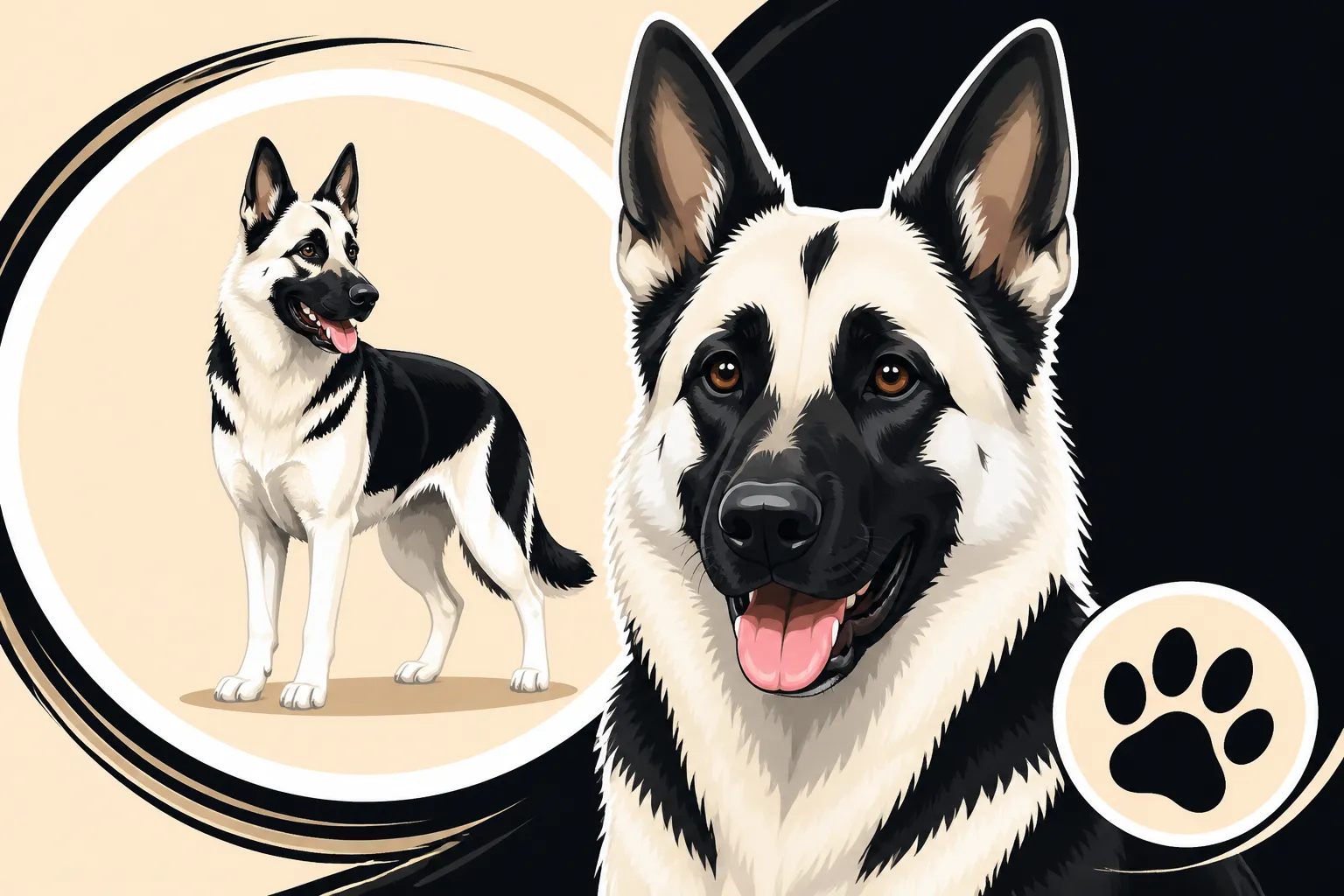
The most defining characteristic of a Panda German Shepherd is, of course, their striking white markings. These aren't just random splotches; they typically follow a specific pattern. You'll often see distinct white patches on the chest, leading down to the front legs and paws. Many will have white "socks" on their hind legs and a white tip on their tail. A white blaze on the face, often extending up between the eyes, and sometimes a partial or full white collar around the neck, are also common features.
What truly differentiates a Panda German Shepherd from a solid white German Shepherd is the presence of other traditional German Shepherd colors – usually black and tan, black and red, or sable – alongside the white patches. They are not entirely white; rather, they are a traditional-colored German Shepherd with significant, clearly defined white areas. Their eyes are typically dark brown, and their noses are almost always black, which further distinguishes them from albinos. These dark features, set against the white and colored fur, give them that captivating, almost cartoon-like "panda" look that has endeared them to so many.
Health and Temperament of Panda German Shepherds
One of the biggest questions and concerns people have when they first encounter a Panda German Shepherd is whether their unique coloring comes with any associated health issues. It's a valid concern, as some color genes in other breeds are linked to specific health problems. Thankfully, for the Panda German Shepherd, the story is largely reassuring.
Are They Healthier or Prone to Specific Issues?
Let's clear up a common misconception right away: the piebald gene responsible for the Panda German Shepherd's white markings is not associated with the same health issues that sometimes accompany white coats in other breeds, such as deafness or blindness. Those problems are often linked to genes like the merle gene or extreme dilution genes found in breeds like Dalmatians or certain collies, which affect pigment in the eyes and ears in a different way. The piebald gene in German Shepherds, as far as current understanding goes, does not typically carry these same risks.
However, it's absolutely crucial to remember that a Panda German Shepherd is, at its core, still a German Shepherd. This means they are susceptible to the same breed-specific health problems that can affect any German Shepherd. We're talking about conditions like hip and elbow dysplasia, which can be devastating for these large, active dogs. You can learn more about these concerns in our comprehensive guides on German Shepherd Hip Dysplasia Explained and German Shepherd Elbow Dysplasia: Symptoms and Treatment. Other common health issues include bloat, degenerative myelopathy, and certain cancers. This is why thorough German Shepherd Genetic Health Testing of the parents is paramount when considering a puppy, regardless of their unique coat pattern. A responsible breeder will always prioritize health over appearance.
Personality and Behavioral Traits
When it comes to personality and temperament, a Panda German Shepherd is indistinguishable from any other German Shepherd. Their distinctive coat pattern has no bearing on their disposition, intelligence, or innate drives. You can expect them to exhibit all the classic German Shepherd traits: they are highly intelligent, incredibly loyal, often protective of their family, and possess a strong work ethic. These dogs thrive on having a "job" to do, whether that's advanced obedience, agility, herding, or simply being a vigilant family companion.
Just like their standard-colored counterparts, Panda German Shepherds require significant commitment to training and socialization from a young age. A comprehensive German Shepherd Puppy Training Guide is essential, focusing on consistency, positive reinforcement, and early exposure to various sights, sounds, people, and other animals. Without proper How to Socialize a German Shepherd, any German Shepherd, regardless of color, can develop behavioral issues. Their natural protective instincts need to be channeled appropriately, and their high energy levels demand regular exercise and mental stimulation. You can read more about what makes these dogs tick in our article on German Shepherd Temperament and Personality. Individual personalities will, of course, vary from dog to dog, but the fundamental breed characteristics remain the same.
Finding and Caring for a Panda German Shepherd
Because of their unique appearance and relatively recent recognition of their specific genetic origins, finding a Panda German Shepherd can be a bit different from seeking out a standard-colored puppy. It requires extra diligence to ensure you're working with an ethical breeder who prioritizes health and temperament above all else. Once you bring one home, their care needs are largely identical to any other German Shepherd, but some aspects are worth reinforcing.
The Challenges of Finding a Reputable Breeder
The rarity of Panda German Shepherds means that there aren't as many breeders specializing in them compared to traditional colors. This can be a double-edged sword: on one hand, it might feel exciting to find something unique; on the other, it can attract unscrupulous individuals looking to capitalize on perceived rarity and higher prices without adhering to ethical breeding standards. It's vital to remember that true reputable breeders focus on the health, temperament, and adherence to the German Shepherd Breed Guide standards first, and color second.
When you're searching, focus on breeders who are transparent about their dogs' health clearances (hips, elbows, DM testing), can provide detailed pedigrees, and are eager to answer all your questions. They should also be questioning you thoroughly to ensure their puppies go to good homes. Be wary of anyone advertising "rare" or "exclusive" colors as their primary selling point without demonstrating extensive health testing and a deep understanding of the breed. Our guide on How to Find a Reputable German Shepherd Breeder offers excellent advice that applies doubly when seeking a less common variation like the Panda. Don't be afraid to ask for references from previous puppy buyers.
General Care and Grooming Considerations
Caring for a Panda German Shepherd is, in essence, caring for a German Shepherd. Their dietary needs, exercise requirements, and grooming routine will be largely the same.
- Feeding: These are large, active dogs, and they need a high-quality diet to fuel their energy and support their joint health. Look for dog foods specifically formulated for large breeds, with appropriate protein and fat levels. The amount you feed will depend on their age, activity level, and metabolism. Our German Shepherd Feeding Guide can give you a detailed breakdown. Many excellent brands are available on popular pet supply sites like Chewy, making it convenient to find the right nutrition for your pup.
- Grooming: German Shepherds are notorious for their shedding, and Panda German Shepherds are no exception. Their double coat requires regular brushing, often several times a week, to remove loose undercoat and prevent mats. This becomes even more critical during their "blow coat" seasons in spring and fall. A good deshedding tool and a sturdy slicker brush are your best friends! For more in-depth tips, check out German Shepherd Shedding: How to Manage It. Occasional baths are necessary, but over-bathing can strip their natural oils, so aim for every 2-3 months or when visibly dirty.
- Exercise: These dogs are bundles of energy and need a significant amount of physical and mental stimulation daily. Long walks, runs, hikes, fetch sessions, and dog sports are all excellent ways to keep them happy and healthy. A bored German Shepherd can quickly become a destructive one. Our article on German Shepherd Exercise Requirements details how much activity your dog truly needs to thrive.
Common Myths and Misconceptions
Because of their unique look, Panda German Shepherds are often subjected to a fair share of myths and misunderstandings. It's easy for rumors to spread, especially with visually distinct animals. Let's bust some of those myths and set the record straight so you can appreciate these dogs for what they truly are.
Dispelling Rumors About Albinism and Breed Status
One of the most persistent myths is that Panda German Shepherds are albinos. This is completely false. Albinism is a genetic condition characterized by a complete lack of pigment, resulting in pink skin, pink noses, and often light blue or reddish eyes. As we discussed, Panda German Shepherds have dark eyes, black noses, and patches of traditionally colored fur. Their white areas are due to the piebald gene, which simply prevents pigment from developing in specific areas, not a total absence of it.
Another common misconception is that they are not "real" German Shepherds or that they are some kind of designer hybrid. This is also untrue. They are 100% purebred German Shepherds, tracing their lineage back through established German Shepherd lines. The piebald gene occurred spontaneously within the breed, confirming their purebred status. While their white markings might disqualify them from conformation shows under some breed standards (like the AKC standard, which generally considers excessive white a fault), they are still genetically, structurally, and temperamentally German Shepherds. You might even find specialized clubs or events that appreciate and showcase these unique variations.
Are They More Fragile or Less Capable?
There's no scientific evidence or widespread anecdotal proof to suggest that Panda German Shepherds are any more fragile or less capable than their standard-colored counterparts. This myth likely stems from the general apprehension many people have about unusual coat colors, often associating them with genetic weaknesses. However, for Panda German Shepherds, their physical prowess, endurance, and intelligence are entirely on par with any other German Shepherd.
These dogs are just as robust, energetic, and intelligent as any other GSD. They can excel in obedience, agility, search and rescue, protection work, or any other activity where German Shepherds typically shine. Their coat color is purely cosmetic and does not impact their bone structure, muscle development, or mental capacity. If you're looking for a working partner or a highly active companion, a Panda German Shepherd, provided they come from healthy, well-bred lines, will meet those expectations just as capably as any other GSD. Don't let their striking appearance lead you to believe they are somehow diminished in their abilities; they are formidable and intelligent canines through and through.
| Feature | Panda German Shepherd | Standard German Shepherd | White German Shepherd |
|---|---|---|---|
| White Markings | Distinctive, clearly defined white patches (piebald gene) | Minimal or no white markings (small chest blaze acceptable) | Solid white coat (recessive gene) |
| Genetics | Dominant piebald gene | Standard GSD coloration genes | Recessive gene for white coat |
| Breed Status | 100% German Shepherd | 100% German Shepherd | 100% German Shepherd |
| Health Risks | Same as standard GSDs (e.g., hip/elbow dysplasia, bloat) | Typical GSD health concerns | Same as standard GSDs (not more prone to deafness/blindness from color) |
| Temperament | Standard GSD temperament | Standard GSD temperament | Standard GSD temperament |
Disclaimer
This article is for general informational purposes only and does not constitute professional advice. Laws, prices and regulations vary by location and change over time. Consult a qualified professional for guidance on your specific situation.