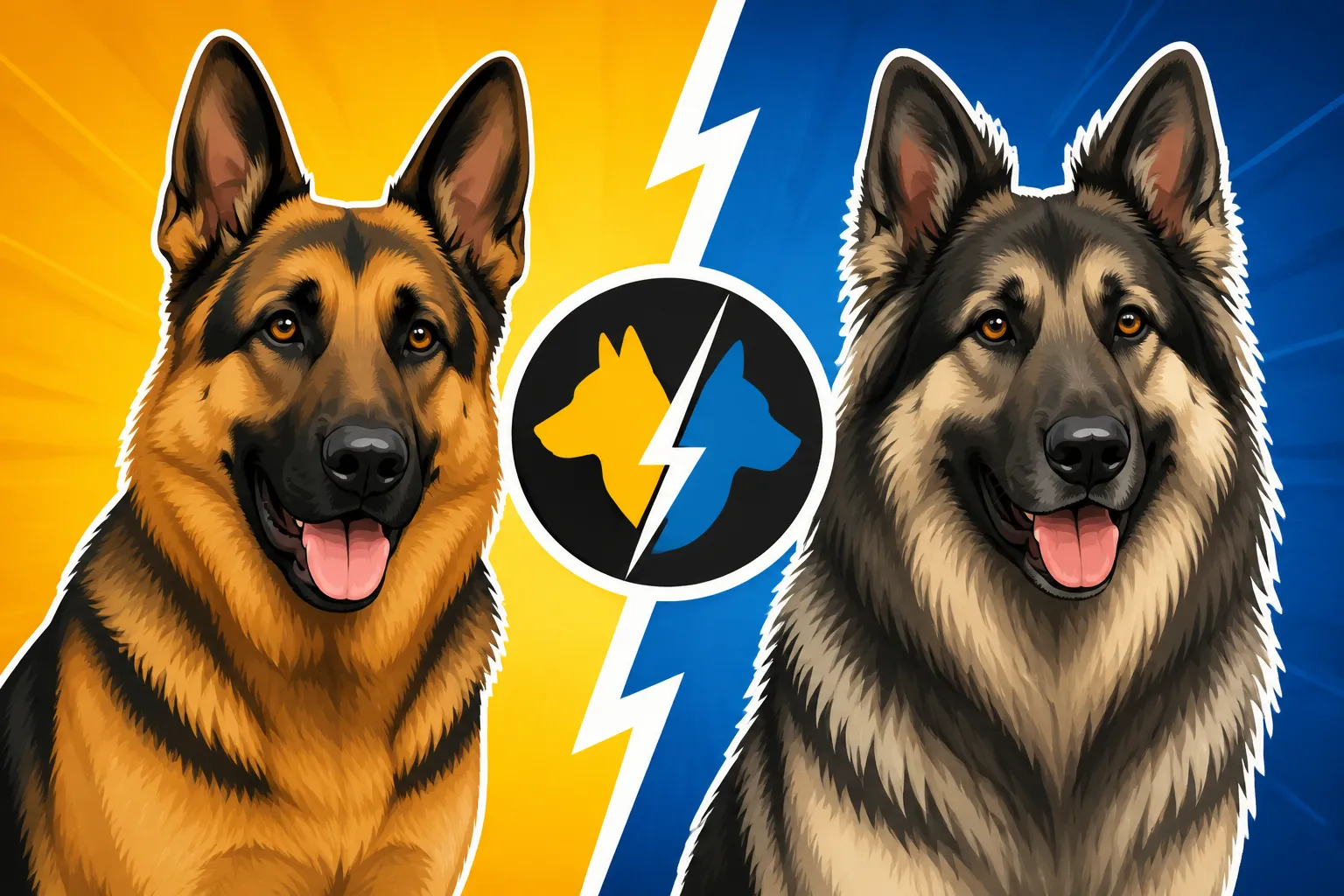
German Shepherd vs Shiloh Shepherd
It’s easy to get confused when you start looking into German Shepherds and then stumble upon the magnificent Shiloh Shepherd. Many folks assume they're just different names for the same dog, or perhaps a regional variant, but these are actually two distinct breeds with their own unique histories, traits, and needs. This guide aims to clear up that confusion, offering a deep dive into what makes each breed special, so you can understand their differences and decide which might be the better fit for your family and lifestyle.
The Ancestral Roots and Divergent Paths
Understanding where each breed comes from is crucial to appreciating their unique qualities. While intrinsically linked, their development paths diverged significantly, shaping the dogs we know today.
The German Shepherd's Storied Lineage
The German Shepherd Dog, or GSD as it's often affectionately called, is one of the most recognizable breeds in the world, renowned for its intelligence, loyalty, and versatility. This breed's history dates back to the late 19th century in Germany, largely thanks to Captain Max von Stephanitz, who aimed to create the ultimate German herding dog. His vision was a dog that possessed both strength and intelligence, capable of working tirelessly, hence the strong emphasis on utility and working ability in the breed standard.
Over decades, the German Shepherd was meticulously bred for specific traits, becoming a go-to for police work, military service, search and rescue, and as a formidable family guardian. Their sharp minds and incredible drive mean they excel in demanding roles, but this also translates to significant needs for mental and physical stimulation in a home environment. Without proper engagement, a German Shepherd can become bored, leading to destructive behaviors or excessive barking, a common frustration for new owners. Their lineage emphasizes a strong working ethic and a defined purpose, which is still very much present in the breed today. German Shepherd History and Origin provides even more context to their fascinating past.
The Shiloh Shepherd's Purposeful Development
The Shiloh Shepherd, on the other hand, is a much newer breed, intentionally developed in the United States starting in the 1970s. Its founder, Tina M. Barber, aimed to create a larger, calmer, and healthier companion dog, specifically addressing some of the health and temperament concerns that had become prevalent in some German Shepherd lines. She sought to retain the intelligence and loyalty of the German Shepherd but with a gentler nature and a more robust physical structure, moving away from some of the extreme angulation seen in certain show lines.
The development of the Shiloh Shepherd involved careful selection from specific German Shepherd lines, often outcrossing to breeds like the Alaskan Malamute and eventually establishing their own distinct gene pool. The goal was always a calmer, more stable temperament suitable for families, therapy work, and service dog roles, rather than the high-drive working roles often associated with GSDs. This deliberate breeding program means that Shiloh Shepherds are generally bred with a strong focus on predictable temperament and sound health, making them a wonderful choice for those seeking a large, gentle giant.
Physical Characteristics: Size, Structure, and Coat
When you see a German Shepherd and a Shiloh Shepherd side-by-side, the differences become quite apparent, even if they share a striking family resemblance. These distinctions go beyond mere aesthetics and can influence everything from their exercise needs to how much space they'll occupy on your couch.
German Shepherd Physical Traits
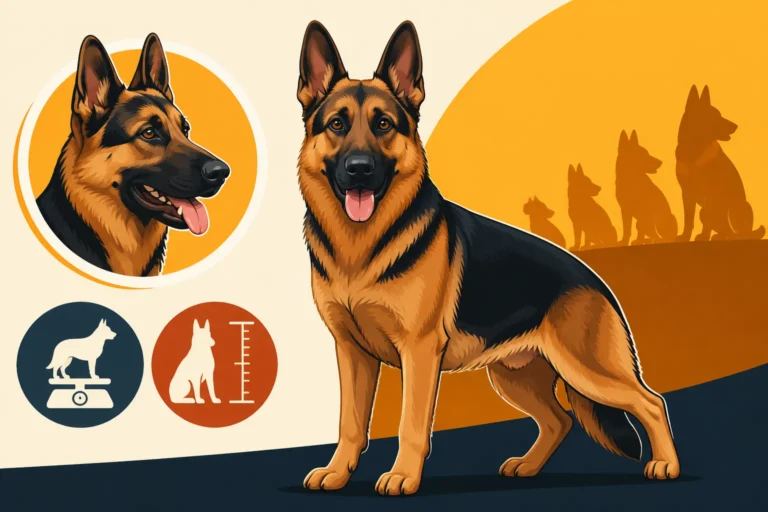
German Shepherds are undeniably impressive dogs, known for their athletic and powerful build. Males typically stand between 24 to 26 inches at the shoulder and weigh anywhere from 65 to 90 pounds. Females are slightly smaller, usually 22 to 24 inches tall and weighing 50 to 70 pounds. Their gait is distinctive, often described as fluid and ground-covering, indicative of their agility and endurance.
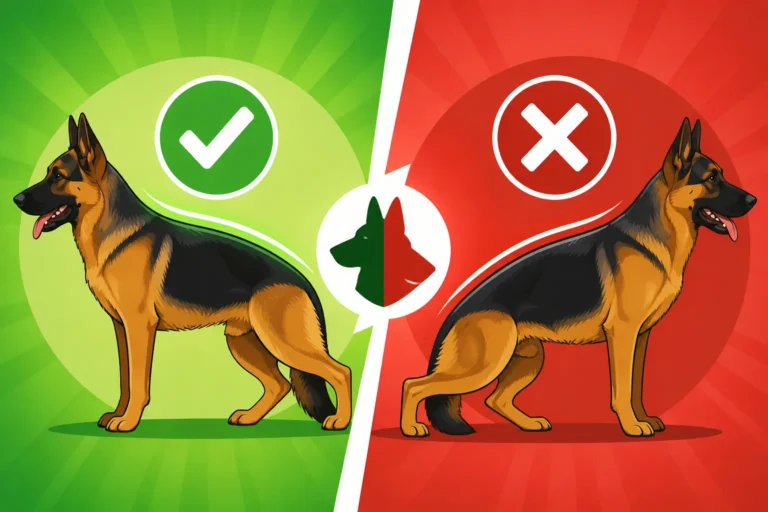
One noticeable difference lies in their physical structure, particularly their backs. Many German Shepherd lines, especially those bred for show, exhibit a distinct sloped back, with a lower rear end. While this is part of the breed standard for some, it has also sparked debate regarding its potential impact on joint health. Straight Back vs Sloped Back German Shepherd delves deeper into this discussion. Their coats can be either short or long, dense, and double-layered, providing protection from various weather conditions. Common colors include black and tan, sable, black, and bi-color.
Shiloh Shepherd Physical Traits
Shiloh Shepherds were specifically bred to be larger and more substantial than the average German Shepherd, and this is immediately evident. Males can easily reach 28 to 30 inches in height and weigh 100 to 140 pounds, while females range from 26 to 28 inches and weigh 80 to 120 pounds. They truly are gentle giants, boasting a more rectangular body shape and a broader, heavier bone structure.
Their backline tends to be straighter and less sloped than many modern German Shepherd lines, which was a deliberate choice in their breeding program to promote better structural integrity and potentially reduce orthopedic issues. Shilohs typically have a soft, plush coat, often longer and denser than a standard German Shepherd's, giving them a majestic, almost leonine appearance, especially around the neck and chest. This lush coat requires regular grooming, but it's part of their endearing charm. They come in a variety of colors, including various shades of sable, black and tan, and solid black, often with distinct markings.
A Comparative Look at Key Physical Differences
To help visualize these distinctions, here's a quick comparison of their typical physical attributes:
| Feature | German Shepherd (GSD) | Shiloh Shepherd |
|---|---|---|
| Size (Male) | 24-26 inches, 65-90 lbs | 28-30 inches, 100-140 lbs |
| Size (Female) | 22-24 inches, 50-70 lbs | 26-28 inches, 80-120 lbs |
| Build | Athletic, powerful, agile, often more angular | Larger, more substantial, heavier boned, more rectangular |
| Backline | Can be sloped in many lines, particularly show lines | Generally straighter, less extreme angulation |
| Coat Type | Double coat, short or long, dense | Double plush coat, typically longer and softer |
| Head | Wedge-shaped, strong, noble | Broader, more substantial head, gentle expression |
When considering a dog from either breed, remember that individual variations can occur. However, these general distinctions serve as a useful guide. For instance, if you're looking for a genuinely massive dog, a Shiloh Shepherd will typically fit that bill more consistently.
Temperament and Trainability: The Heart of the Matter
Beyond their looks, the temperament and innate drive are often the most critical factors for prospective owners. This is where the intentional breeding choices for the Shiloh Shepherd truly shine through, offering a distinctly different experience from the traditional German Shepherd.
German Shepherd Temperament and Training
German Shepherds are celebrated for their unwavering loyalty, intelligence, and protective instincts. They are incredibly smart dogs, eager to please their handlers, which makes them highly trainable. This intelligence, however, is a double-edged sword; a GSD needs a job, whether it's formal obedience, agility, herding, or complex puzzle toys from retailers like Chewy. If their minds aren't challenged, they can become bored, leading to undesirable behaviors like excessive barking, digging, or even destructive chewing. German Shepherd Behavior Problems and Solutions are common topics of discussion among GSD owners.
They often bond deeply with one or two primary family members, though they are usually affectionate with their entire household. Towards strangers, a German Shepherd can be reserved, even aloof, and their natural protective instincts mean they make excellent guard dogs. Proper German Shepherd Socialization Checklist from a young age is absolutely vital to ensure they grow into well-adjusted adults, preventing undue suspicion or aggression towards new people and experiences. Their energy levels are high, requiring significant daily exercise beyond just a walk around the block. Without this, their pent-up energy can manifest as hyperactivity or anxiety.
Shiloh Shepherd Temperament and Training
Shiloh Shepherds were specifically bred for a calmer, gentler demeanor, and this is their hallmark. While they possess the intelligence and loyalty of their GSD ancestors, they are generally much more laid-back and less prone to the high-strung intensity that some German Shepherds can exhibit. This makes them fantastic family companions, often excelling with children and other pets, provided they are properly socialized. They are known for their "softer" nature, eager to please, and less likely to display the sharp protective instincts of a traditional GSD.
Their trainability is still very high due to their intelligence, but they often respond better to positive reinforcement and gentle guidance rather than harsh corrections. They thrive on companionship and are happiest when involved in family activities, even if that activity is just lounging on the floor while you watch a movie. While they still require regular exercise to stay healthy, their energy demands are typically lower than a German Shepherd's, making them more adaptable to less active households. They are excellent candidates for therapy dogs or emotional support animals due to their calm and empathetic nature. Their inherent calmness also makes them less prone to separation anxiety, although no dog is immune to it. How to Train a German Shepherd can provide useful tips that apply to Shilohs as well, especially regarding positive reinforcement.
Socialization and Family Dynamics
For both breeds, early and consistent socialization is paramount. A German Shepherd benefits from exposure to a wide variety of sights, sounds, people, and other dogs to channel their protective instincts appropriately. A lack of socialization can lead to fear-based aggression or over-protectiveness.
A Shiloh Shepherd, while naturally calmer, still needs those foundational experiences to develop into a well-rounded adult. Their gentle nature means they often integrate smoothly into family life, but they are still large, powerful dogs, and teaching polite manners is essential, especially around young children. Introducing them to new people and places in a positive way helps reinforce their inherent good nature. When considering toys and treats for socialization or training, platforms like Chewy offer a vast array of options suitable for large breeds.
Health and Lifespan: Breed-Specific Concerns
Both German Shepherds and Shiloh Shepherds are large breeds, which unfortunately means they can be predisposed to certain health conditions that often affect larger dogs. However, the intentional breeding of the Shiloh Shepherd sought to mitigate some of these common issues.
German Shepherd Health Considerations
German Shepherds are known for a few prominent health challenges that potential owners should be aware of. Hip and elbow dysplasia are unfortunately common orthopedic issues, where the joints don't form correctly, leading to arthritis and pain. This is why responsible breeders emphasize genetic health testing for German Shepherd Genetic Health Testing. Another serious condition is Degenerative Myelopathy in German Shepherds, a progressive neurological disease affecting the spinal cord, for which DNA testing is available.
Other concerns include bloat (gastric dilatation-volvulus), a life-threatening condition where the stomach twists, and certain cancers like hemangiosarcoma. Eye conditions, allergies, and exocrine pancreatic insufficiency (EPI) are also seen within the breed. The German Shepherd Health Problems Guide is a critical resource for any owner, detailing a wider range of potential issues. Their lifespan typically ranges from 10 to 13 years, but proactive care and a healthy lifestyle, as outlined in How to Keep a German Shepherd Healthy, can play a significant role.
Shiloh Shepherd Health Considerations
One of the primary goals in developing the Shiloh Shepherd was to create a healthier breed with fewer incidences of genetic diseases. Breeders focused on larger, more robust dogs with better joint conformation. While they are still large dogs and can theoretically be affected by hip and elbow dysplasia, the incidence is generally reported to be lower in well-bred Shilohs compared to some German Shepherd lines. Many Shiloh breeders prioritize screening using methods like OFA and PennHIP evaluations. OFA vs PennHIP Hip Scoring Explained provides insight into these testing protocols.
Shiloh Shepherds are also susceptible to certain other conditions, though perhaps with less frequency than their GSD counterparts. These can include cardiac issues, certain allergies, and thyroid problems. Degenerative Myelopathy can still occur in Shiloh Shepherds, as they share genetic ancestry with GSDs, making genetic screening for this condition important. Their average lifespan is similar to that of a German Shepherd, typically between 10 to 13 years, with many living longer with excellent care. Their breeding emphasis on health has largely been successful, offering a generally more robust physical constitution.
Proactive Care and Veterinary Diligence
For both breeds, regular veterinary check-ups, a high-quality diet (which you can often find a great selection of on Chewy), appropriate exercise, and maintaining a healthy weight are essential for longevity and quality of life. Understanding the breed-specific health concerns allows owners to be proactive in screening and preventative care. For instance, large breed joint supplements, often containing glucosamine and chondroitin, can be beneficial for supporting joint health in both German Shepherds and Shiloh Shepherds, especially as they age.
It's always recommended to choose a reputable breeder who performs thorough health testing on their breeding stock and is transparent about the health history of their lines. This due diligence can significantly reduce the risk of inheriting serious genetic conditions, giving your future companion the best possible start in life.
Making Your Choice: German Shepherd or Shiloh Shepherd?
Deciding between a German Shepherd and a Shiloh Shepherd comes down to understanding your lifestyle, experience level, and what you truly seek in a canine companion. Both breeds are incredibly loyal, intelligent, and capable, but their differences cater to varying owner profiles.
When a German Shepherd Might Be Your Perfect Match
A German Shepherd is an ideal choice for experienced dog owners who are active, committed to consistent training, and can provide ample mental and physical stimulation. If you're looking for a dog to engage in advanced obedience, protection work, agility, or other canine sports, the GSD's drive and athleticism make them excel. They thrive with a clear leader and a structured routine.
If you desire a loyal guardian who will be intrinsically protective of your home and family, the German Shepherd's natural instincts are a strong suit. However, this comes with the responsibility of early and ongoing socialization to ensure their protective nature doesn't become overbearing or fearful. They need a purpose and thrive when they have a "job" to do, even if that job is simply being your devoted companion on long hikes or challenging puzzle games from Chewy. They are not typically a "set it and forget it" dog; they demand engagement and will reflect the effort you put into them.
When a Shiloh Shepherd Might Be Your Ideal Companion
The Shiloh Shepherd is a wonderful choice for families or individuals seeking a large, gentle, and intelligent companion without the intense drive or potential for sharpness that some German Shepherd lines possess. If you prefer a calmer household dog who is still active but doesn't require constant high-intensity work, a Shiloh might be perfect. They often adapt well to various living situations, provided they receive regular exercise and plenty of human interaction.
They are known for being excellent with children and often get along well with other pets, making them a great fit for multi-pet households or those with young kids. Their empathetic nature also makes them prime candidates for therapy or service work. While they still require training and socialization, their inherent "softer" temperament can make the process less challenging for first-time large breed owners. They offer the majestic presence of a large dog with a more mellow and easygoing disposition, a true gentle giant.
Considerations for Both Breeds
Regardless of which magnificent breed you choose, prepare for a significant commitment. Both German Shepherds and Shiloh Shepherds are large dogs, meaning bigger food bills, more extensive grooming needs, and potentially higher veterinary costs. They both require secure fencing, regular exercise, and consistent training throughout their lives.
Both breeds thrive on being part of the family and should not be left isolated for extended periods. Their intelligence means they appreciate being involved in family activities and can quickly become bored or destructive if neglected. Whether you lean towards the driven German Shepherd or the gentle Shiloh, you'll be welcoming a devoted, intelligent, and loving companion into your life.
Disclaimer
This article is for general informational purposes only and does not constitute professional advice. Laws, prices and regulations vary by location and change over time. Consult a qualified professional for guidance on your specific situation.