German Shepherd Male vs Female: Which Is Better
Choosing between a male and female German Shepherd can feel like a huge decision, one that weighs heavily on the hearts of prospective dog parents. Many people wonder if there are significant differences in temperament, trainability, or even health that might make one a better fit for their home and lifestyle than the other. This guide will walk you through the nuances of what you can generally expect from both male and female German Shepherds, helping you understand their common traits so you can make an informed choice that brings joy and harmony to your family.
Understanding the Physical Differences
When you first start looking at German Shepherds, one of the most immediate distinctions you'll notice often comes down to their physical presence. While both genders are impressive, there are some pretty consistent differences in size, build, and overall appearance that can influence your decision. It's not just about aesthetics; a larger, more powerful dog will have different needs and considerations than a slightly smaller one.
Size and Build Variations
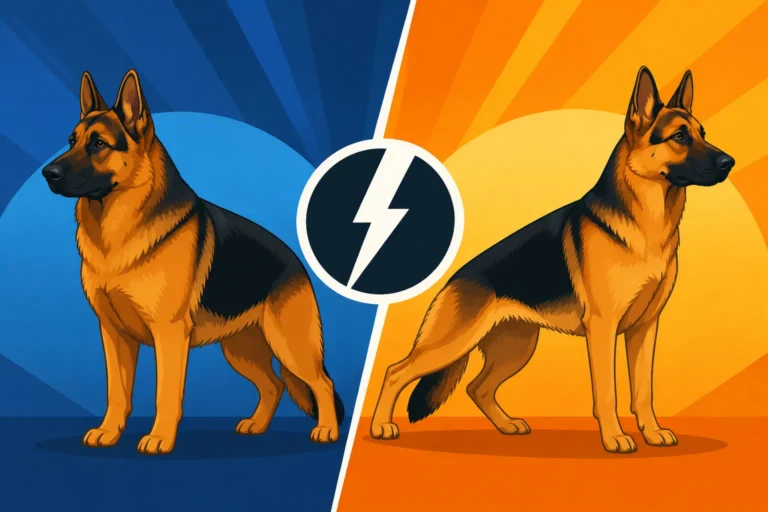
Generally speaking, male German Shepherds are larger and more heavily built than their female counterparts. They tend to have broader chests, more substantial bone structure, and can often appear more imposing. Think about it like this: if you line up a group of well-bred adult German Shepherds, the males will typically stand taller at the shoulder and carry more weight. This isn't always a hard and fast rule, as genetics and nutrition play a massive role, but it's a very common trend. A fully grown male might weigh significantly more and stand an inch or two taller. This extra bulk can mean more strength to manage on a leash, a bigger appetite, and requiring larger equipment, from crates to dog beds. You might want to check out our German Shepherd Size and Weight Guide for more specific measurements.
Female German Shepherds, on the other hand, are typically a bit daintier, though still robust and powerful. They're built for agility and endurance. While they are clearly still large dogs, they often have a more refined look, with a slightly narrower head and a less massive frame. This difference in size can be a significant factor for some owners. If you live in a smaller home, or if you're not confident managing a very large, strong dog, a female's slightly smaller stature might be more appealing. It's also worth noting that their peak growth period can differ, with males often taking a little longer to fill out completely.
Aesthetic and Sexual Dimorphism
Beyond just size, there are other subtle aesthetic differences. Male German Shepherds often exhibit what's called 'sexual dimorphism' more strongly. This means they possess more pronounced masculine features, such as a more blocky head and a thicker neck, giving them a very regal and powerful look that many people associate with the breed. Their coats can sometimes appear slightly denser as well, though coat type itself (short-haired, long-haired) is determined by genetics, not sex.
Females tend to have a more elegant and sometimes softer appearance, even with their strong German Shepherd features. Their heads might be a bit more finely chiseled, and their overall silhouette can be perceived as more graceful. These aesthetic distinctions are often more about personal preference than any practical advantage, but they are certainly part of the overall package when you're considering which gender to welcome into your home. It’s an interesting part of what makes each dog unique, and you’ll see it across many breeds, not just German Shepherds.
Exploring Temperamental and Behavioral Traits
While individual personality always shines through, German Shepherd males and females often display some general behavioral and temperamental differences. These aren't absolutes, and excellent training and socialization are crucial for both, but understanding these tendencies can help you anticipate certain dynamics in your household.
Energy Levels and Play Style
Male German Shepherds are often described as having a consistently higher energy drive, particularly during their younger years. They can be incredibly playful, boisterous, and sometimes a bit more demanding when it comes to exercise and mental stimulation. If you're an avid hiker, runner, or involved in dog sports, a male German Shepherd might be a fantastic companion, ready for long, vigorous outings. Their drive to work and play can be boundless, making them excellent partners for active individuals or families who can commit to significant daily exercise. Think long games of fetch, intricate puzzle toys, and consistent training sessions to keep them happily engaged. German Shepherd Exercise Requirements are high for both genders, but males can sometimes push those boundaries further.
Female German Shepherds also have impressive energy levels – don't let anyone tell you they're couch potatoes! However, their energy might manifest a little differently. They can be incredibly enthusiastic and playful but sometimes possess a slightly more 'off-switch' or be content with periods of calm. They might enjoy a good romp in the yard just as much as a male, but then settle down more readily for a cuddle session indoors. This isn't to say males can't be calm, but it's a tendency often observed in females. Their play can sometimes be a bit more focused or strategic, rather than purely high-octane.
Protectiveness and Bonding Dynamics
Both male and female German Shepherds are renowned for their protective instincts and deep loyalty to their families. This is a hallmark of the breed's German Shepherd Temperament and Personality. However, how this protectiveness is expressed can sometimes vary by gender.
Males can sometimes exhibit a more overt and territorial form of protectiveness. They might be quicker to perceive potential threats and respond with more assertive displays, such as barking or body blocking. This isn't necessarily aggression, but a strong sense of duty to their 'pack.' They can be incredibly vigilant and will often position themselves between their family and perceived dangers. While they form deep bonds with their entire family, some owners report that intact males might lean towards a primary bond with one individual, often the person they see as the pack leader or provider.
Females are equally protective but sometimes in a more nuanced or motherly way. Their protectiveness can often be directed more keenly towards children or other vulnerable family members. They might be more prone to 'herd' children or physically interpose themselves more subtly. Their loyalty is absolute, and they often bond fiercely with all members of the household, distributing their affection quite evenly. Many owners find female German Shepherds to be incredibly nurturing and attentive, especially in a family setting. If you're wondering Are German Shepherds Good Family Dogs, both genders excel, but their protective styles can differ.
Trainability and Focus
When it comes to training, German Shepherds are renowned for their intelligence and eagerness to please. Both genders are highly trainable, but some anecdotal differences in their approach to learning are often noted. For a comprehensive guide, check out How to Train a German Shepherd.
Male German Shepherds, especially if intact, can sometimes be more easily distracted by external stimuli, particularly scent markers from other dogs or the allure of a female in heat. This can make focused training a bit more challenging, especially during adolescence. However, once a male is locked into a task, their drive and stamina are exceptional, making them superb for advanced obedience, protection work, or search and rescue. Their desire to please their handler, once a strong bond is established, can be immense.
Female German Shepherds are often perceived as being slightly easier to train in their younger years, possibly due to a generally earlier maturation and perhaps less hormonal distraction. They can be very keen to learn and excel in obedience and agility. Many trainers suggest that females can sometimes be more focused and less prone to testing boundaries, making them ideal candidates for new owners learning the ropes of German Shepherd training. Their problem-solving abilities are equally impressive, and they thrive on mental challenges, which can easily be provided with interactive toys from Chewy.
Health Considerations and Reproductive Factors
While many health issues in German Shepherds are breed-wide concerns, there are some aspects related to health and reproductive cycles that are specific to each gender. Being aware of these can help you better prepare for your dog's long-term care.
Gender-Specific Health Tendencies
Unfortunately, German Shepherds are prone to certain genetic health conditions, and while many affect both sexes, there can be subtle differences in prevalence or presentation. German Shepherd Health Problems Guide is a great resource. For instance, orthopedic issues like hip and elbow dysplasia are common in the breed regardless of sex, but some studies have indicated slight variations in incidence between males and females. These differences are often less significant than the impact of responsible breeding practices and genetic testing.
Reproductive health is, of course, entirely gender-specific. Females can experience mammary tumors, uterine infections (pyometra), and ovarian cysts if not spayed. Males can suffer from prostatic issues, testicular cancers (especially in undescended testicles), and perianal tumors if not neutered. These are important considerations that your vet will discuss with you.
Impact of Spaying and Neutering
The decision to spay or neuter your German Shepherd can have significant implications for their health and behavior, regardless of sex.
For females, spaying eliminates the heat cycles, which means no more messy periods, no unwanted pregnancies, and a reduced risk of certain cancers and pyometra. Many owners find spayed females to be more consistent in temperament as the hormonal fluctuations associated with heat cycles are removed. However, spaying too early can sometimes be linked to an increased risk of orthopedic problems or urinary incontinence in some larger breeds, so discussing German Shepherd Spay and Neuter Timing with your vet is vital.
For males, neutering can help reduce certain hormonally driven behaviors, such as roaming, marking territory, and some forms of aggression towards other intact males. It also eliminates the risk of testicular cancer and can reduce the incidence of prostate problems later in life. Similar to females, neutering too early in males might have implications for skeletal development, as testosterone plays a role in bone growth plate closure. Again, a thorough discussion with your veterinarian about the optimal timing for your specific dog is highly recommended.
Here's a quick comparison of general tendencies between male and female German Shepherds:
| Trait | Male German Shepherd (General Tendency) | Female German Shepherd (General Tendency) |
|---|---|---|
| Size/Weight | Larger, heavier, more muscular build | Slightly smaller, lighter, more agile build |
| Head Shape | Often broader, more blocky | Often more refined, narrower |
| Energy Level | Consistently high, can be more boisterous | High but sometimes with a better "off-switch," can be calmer |
| Protectiveness | Can be more overt, territorial, assertive | Can be more nurturing, watchful, subtle |
| Bonding | Deep bond, sometimes primary bond with one person | Deep bond, often bonds strongly with all family members |
| Trainability | Highly intelligent, strong drive, but can be more distracted | Highly intelligent, often focused, matures quicker |
| Independence | Can be a bit more independent or "macho" | Often more eager to please and handler-focused |
| Hormonal Behavior | Marking, roaming (if intact), male-on-male aggression | Heat cycles, pseudo-pregnancies (if intact) |
| Affection | Can be very affectionate, but sometimes on their own terms | Often highly affectionate, enjoys closeness |
Practical Considerations for Choosing
Beyond the inherent differences, there are practical aspects of living with a male or female German Shepherd that should factor into your decision. Your lifestyle, living situation, and experience with dogs can all play a role in which gender might be a better fit.
Living with a Male German Shepherd
Bringing a male German Shepherd into your home means preparing for a potentially larger, more physically demanding dog. Their sheer strength requires a confident and consistent handler, especially during leash walks. You might find yourself needing stronger leashes, harnesses, and a larger crate or dog bed. When you're shopping on sites like Chewy for supplies, always double-check the weight and size recommendations to ensure everything is appropriate for a big, strong boy.
Males, particularly intact ones, can be more prone to marking their territory both indoors and out, which requires diligent training and management. Their strong scent drive means they might be more interested in exploring every sniff on a walk, potentially pulling more. While incredibly loving, some males can be a bit more "in your face" with their affection or demand attention more forcefully. They thrive on clear structure and leadership, and a consistent German Shepherd Puppy Training Guide is crucial from day one to channel their energy and intelligence productively. Their robust nature means they can often handle rough-and-tumble play with other large dogs, which can be a joy to watch.
Living with a Female German Shepherd
Living with a female German Shepherd can offer a slightly different dynamic. While still powerful, their generally smaller size can make them more manageable for some individuals, particularly those who are newer to large, strong breeds. They often fit more comfortably in slightly smaller living spaces, though still require ample exercise.
If you choose not to spay, you'll need to be prepared for heat cycles, which typically occur twice a year. This involves managing bleeding, preventing unwanted pregnancies, and dealing with potential attention from intact male dogs. This can be a significant commitment and requires careful planning and secure containment. Many owners opt for spaying to avoid these challenges.
Female German Shepherds are often praised for their attentive and devoted nature. They can be incredibly empathetic and intuitive, often sensing their owner's moods. They might be more inclined to snuggle up on the couch or offer a comforting presence. While they enjoy active play, they can often transition to calm indoor behavior more readily than some males. Their focus during training can make them a delight to work with, allowing for quicker progress in obedience and manners. Both genders, of course, benefit from engaging activities and a good diet. For specific nutritional advice, our German Shepherd Feeding Guide can offer insights for both male and female dogs.
Ultimately, whether a male or female German Shepherd is "better" for you depends entirely on your personal preferences, lifestyle, and what you're looking for in a canine companion. Both genders offer incredible loyalty, intelligence, and companionship. By considering these general tendencies, coupled with the understanding that every dog is an individual, you'll be well-equipped to choose the German Shepherd that will thrive best as a part of your family.
Disclaimer
This article is for general informational purposes only and does not constitute professional advice. Laws, prices and regulations vary by location and change over time. Consult a qualified professional for guidance on your specific situation.