How to Prevent Cherry Eye in German Shepherds
Seeing that alarming, bright red mass suddenly pop out from your beloved German Shepherd's eye can send any dog parent into a full-blown panic. It looks painful, it's unsightly, and your immediate thought is, "What on earth just happened?" This common ailment, known as cherry eye, is a prolapse of the third eyelid gland, and while it might seem to appear out of nowhere, there are often underlying predispositions. This comprehensive guide will walk you through what cherry eye is, why German Shepherds are particularly prone, and most importantly, proactive steps you can take to prevent this distressing condition from affecting your furry companion.
Understanding Cherry Eye in German Shepherds: What it is and Why it Happens
Cherry eye, medically known as nictitans gland prolapse, is one of those conditions that sounds worse than it often is, but it definitely warrants attention. It’s not just a cosmetic issue; that little red "cherry" you see protruding from the corner of your dog's eye is actually the gland of the third eyelid, or nictitating membrane, that has popped out of its normal position.
The Role of the Third Eyelid Gland
Dogs, unlike humans, have a "third eyelid" tucked away in the inner corner of their eye. This isn't just a leftover evolutionary quirk; it serves a vital purpose. The nictitating membrane is responsible for producing a significant portion—about 30-50%—of the watery component of your dog's tears. This tear production is absolutely essential for keeping the eye lubricated, washing away debris, and protecting the delicate surface of the cornea. Without adequate lubrication, the eye can become dry, irritated, and much more susceptible to infections and damage.
When the gland of this third eyelid prolapses, it means the connective tissue that normally holds it securely in place has weakened or stretched, allowing the gland to flip out and become visible. Once exposed to air, the delicate glandular tissue can become inflamed, swollen, and appear as that characteristic red, cherry-like mass. It can happen in one eye or both, sometimes at the same time, or one after the other.
The Mechanism of Prolapse
The exact reason the connective tissue weakens isn't always clear, but it's often attributed to a genetic predisposition in certain breeds, including our beloved German Shepherds. Imagine a small anchor system holding something in place; if the ropes or anchors become weak, the object they're holding can shift. That's essentially what happens with the third eyelid gland. When it pops out, it can no longer function optimally. Not only is it irritating and potentially painful for your dog, but its crucial role in tear production is compromised, which can lead to other, more serious eye issues down the line if left untreated. Chronic exposure and inflammation can even damage the gland permanently, leading to a condition called "dry eye" (keratoconjunctivitis sicca or KCS), which requires lifelong management.
Why German Shepherds Are Susceptible to Cherry Eye
It’s disheartening to learn that some breeds seem to be singled out by certain health issues, and unfortunately, German Shepherds fall into the category of breeds known for their predisposition to cherry eye. It’s not a guarantee that every German Shepherd will develop it, but the breed's genetic makeup plays a significant role in their increased risk.
Genetic Predisposition and Breed Characteristics
While research is ongoing, it's widely accepted in the veterinary community that cherry eye has a hereditary component. Certain breeds, including the German Shepherd, Beagles, English Bulldogs, Cocker Spaniels, and Boston Terriers, are more commonly affected. For German Shepherds, this predisposition is thought to be linked to a weakness in the connective tissue that anchors the third eyelid gland. It's not necessarily a fault in breeding, but rather a characteristic that has emerged over generations.
Think of it this way: some breeds are prone to German Shepherd Hip Dysplasia Explained, and others might be prone to certain skin conditions. For German Shepherds, a combination of their overall structure and genetic factors seems to make this particular eye condition more likely. This doesn't mean you've done anything wrong if your dog develops cherry eye; it simply highlights an inherent vulnerability within the breed. Understanding this genetic component is the first step in appreciating the importance of preventive measures and early detection. If you're looking into getting a puppy, asking breeders about their lines and any history of cherry eye can be a good idea, similar to how you'd inquire about hip and elbow scores.
Age and Contributing Factors
Cherry eye most commonly appears in puppies or young adult dogs, typically under two years of age. This period coincides with rapid growth and development, where tissues are still forming and strengthening. While the primary cause is often genetic, certain environmental or lifestyle factors might exacerbate the condition or trigger a prolapse in an already predisposed dog.
For instance, any excessive rubbing or irritation of the eye could potentially contribute. Think about a dog with allergies that rubs its face frequently, or a German Shepherd puppy that's a bit clumsy and bumps its head. While these aren't direct causes, they could put stress on an already weak ligament. However, for the most part, it's the internal weakness of the anchoring tissue that is the primary culprit. It’s also important to differentiate cherry eye from other German Shepherd Health Problems Guide that might present with eye symptoms, such as conjunctivitis or corneal ulcers, which have different causes and treatments. Regular veterinary check-ups, as outlined in our guide on How to Keep a German Shepherd Healthy, are crucial for catching any of these issues early.
Proactive Steps to Minimize Cherry Eye Risk
While you can't completely eliminate the genetic predisposition your German Shepherd might have, there are several practical steps you can take to help minimize the risk of cherry eye occurring or recurring. These strategies focus on reducing eye irritation, maintaining overall health, and supporting connective tissue integrity.
Maintain Excellent Eye Hygiene
One of the simplest yet most effective ways to support your German Shepherd's eye health is through diligent hygiene. This means keeping the area around their eyes clean and free of irritants.
- Regular Wiping: Use a soft, damp cloth or a veterinarian-approved eye wipe (like those from Healthy Paws to support overall pet care) to gently clean away any discharge, dust, or debris that might accumulate in the corners of their eyes. Do this daily, or whenever you notice build-up. Be extra gentle, as rubbing too vigorously can cause irritation.
- Trim Facial Hair: For German Shepherds, while their coats aren't excessively long around the eyes, sometimes stray hairs can rub against the eye, causing irritation. Keep the hair around their eyes trimmed short to prevent this. If you're unsure how to do this safely, consult a professional groomer or your vet.
- Avoid Irritants: Keep your dog away from environments with excessive dust, smoke, or strong chemicals (e.g., cleaning products). Even car rides with the window down, while fun, can expose their eyes to wind and debris, leading to dryness and irritation. If your GSD loves sticking their head out the car window, consider dog goggles to protect their eyes.
Dietary Support and Supplements
A well-balanced diet is the cornerstone of overall health, and it can certainly play a supporting role in maintaining strong connective tissues. While there's no magic food that directly prevents cherry eye, ensuring your German Shepherd receives optimal nutrition is vital.
- High-Quality Diet: Feed a premium dog food that provides all the necessary vitamins, minerals, and amino acids. Look for formulas specifically designed for large breeds, as these often contain joint-supporting nutrients that can also benefit connective tissues throughout the body. Our German Shepherd Feeding Guide offers comprehensive advice on choosing the best diet.
- Omega-3 Fatty Acids: Omega-3s, found in fish oil, flaxseed oil, and certain algae, are known for their anti-inflammatory properties and can support overall skin and coat health, including the health of mucous membranes. Reducing systemic inflammation can indirectly benefit eye health. Always consult your vet before adding any new supplements to your dog's diet to ensure appropriate dosage and suitability.
- Antioxidants and Vitamins: Vitamins C and E, and other antioxidants, help protect cells from damage. While direct links to cherry eye prevention are not fully established, a diet rich in these nutrients supports overall cellular health, including the integrity of collagen and elastin, which are vital components of connective tissues.
Regular Veterinary Check-ups
Consistent veterinary care is paramount. Your vet can spot subtle signs of potential issues before they become full-blown problems and offer personalized advice.
- Routine Eye Exams: During your German Shepherd's annual check-up, your veterinarian will perform a thorough eye examination. This includes checking the third eyelid for any abnormalities. Early detection of subtle inflammation or swelling can sometimes allow for interventions before a full prolapse occurs.
- Discuss Concerns: If you notice any redness, discharge, excessive blinking, or your dog frequently rubs their eyes, bring it up with your vet immediately. Don't wait for the "cherry" to appear. Sometimes, underlying allergies can cause eye irritation, and treating these allergies can reduce the strain on the eye area. Learn more about German Shepherd Allergies: Causes and Relief in our dedicated guide.
- Pet Insurance: Having pet insurance, like a plan from Healthy Paws, can provide immense peace of mind. While it won't prevent cherry eye, it can significantly reduce the financial stress if your German Shepherd ever requires surgery or ongoing treatment for this condition or other unexpected health issues. Considering the potential costs associated with veterinary care, exploring options like Is Pet Insurance Worth It for a German Shepherd is a sensible approach for any pet parent.
Environmental Management
Creating a safe and healthy environment for your German Shepherd can also contribute to their overall well-being and reduce the risk of eye irritation.
- Dust Control: If your German Shepherd spends a lot of time outdoors or in dusty areas (like a barn or certain types of dog parks), minimize their exposure where possible. Regularly clean their bedding and living spaces to reduce airborne particles.
- Humidity Control: In very dry climates or during winter when indoor heating can dry out the air, using a humidifier in the areas your dog spends the most time might help prevent dry eyes, which can lead to irritation and rubbing.
Here's a quick overview of preventive measures:
| Category | Preventive Action | Specific Tips |
|---|---|---|
| Eye Hygiene | Gentle, routine cleaning of eye area | Daily wiping with damp cloth/vet-approved wipes, careful trimming of facial hair, protection from wind/debris (e.g., dog goggles). |
| Diet & Supplements | Balanced, high-quality nutrition | Premium large-breed dog food, veterinary-approved Omega-3 supplements, antioxidant-rich diet. |
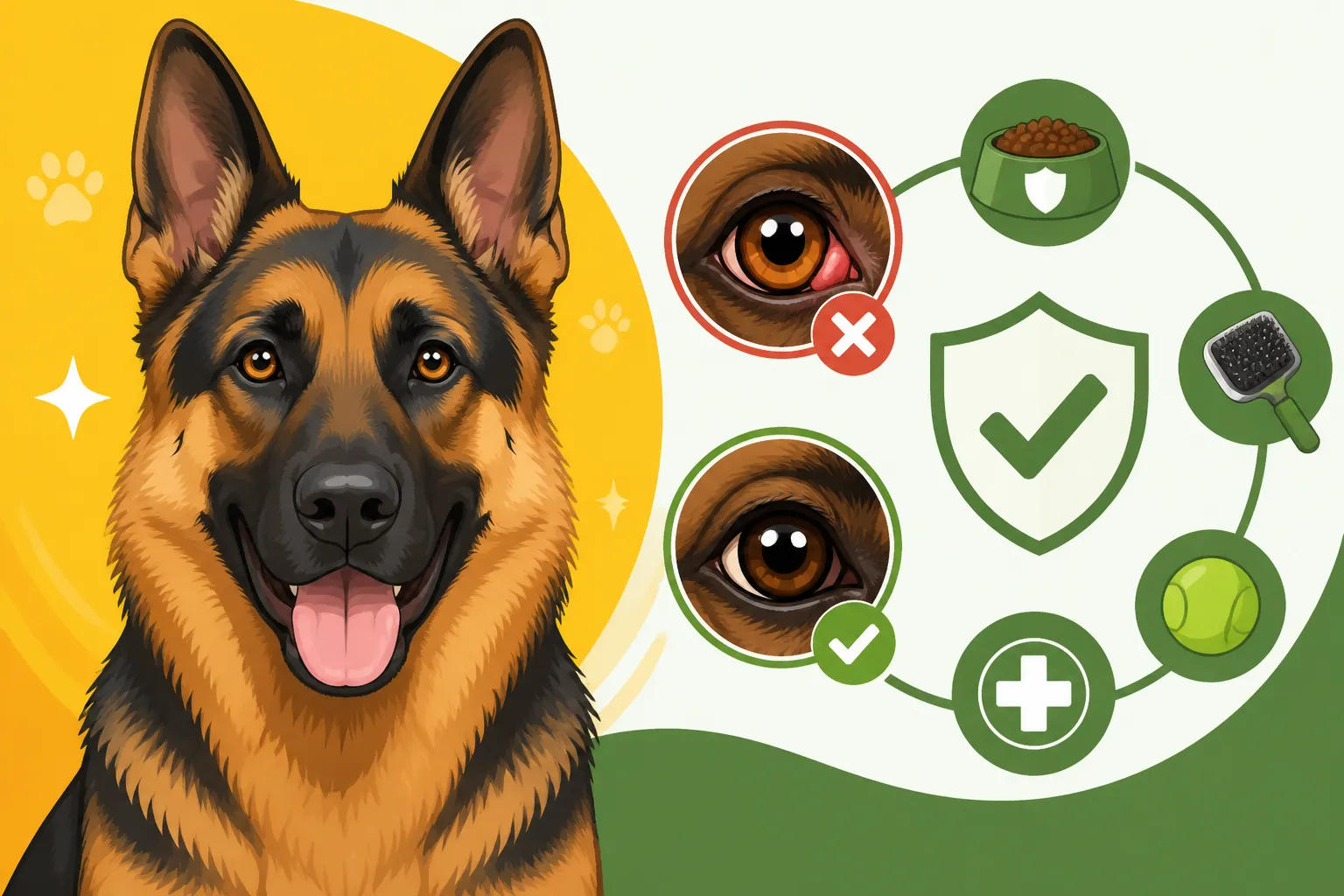
| Veterinary Care | Regular check-ups and prompt attention to issues | Annual comprehensive eye exams, immediate vet visit for any signs of eye irritation, consideration of pet insurance like Healthy Paws for financial preparedness. |
| Environmental Control | Reduce irritant exposure and maintain comfort | Minimize dust and smoke, consider humidifiers in dry environments, clean living areas regularly. |
Recognizing Early Signs and What to Do Next
Even with the best preventive efforts, cherry eye can still occur in genetically predisposed German Shepherds. Knowing the early signs is critical for prompt treatment and to prevent secondary complications like dry eye.
Spotting the First Symptoms
The most obvious sign of cherry eye is the sudden appearance of a small, reddish-pink mass in the inner corner of your German Shepherd's eye. It truly does resemble a tiny cherry, hence the name. However, sometimes there are more subtle signs that precede the full prolapse or indicate irritation.
- Redness or Swelling: You might notice general redness or swelling in the inner corner of the eye, even before the gland fully prolapses. This could indicate inflammation.
- Excessive Tearing or Discharge: The eye might water more than usual, or you could see a clear to reddish-brown discharge. This is the body's attempt to soothe the irritation.
- Paw Rubbing: Your German Shepherd might frequently rub their face with their paws, or against furniture, indicating discomfort or itchiness in the eye area.
- Squinting or Blinking: Increased squinting or blinking can also be a sign of irritation or pain.
- Changes in the Third Eyelid: Even if not fully prolapsed, the third eyelid might appear more prominent or slightly redder than usual, sitting lower or more obviously in the eye.
It’s crucial not to ignore these early warnings. The sooner cherry eye is addressed, the better the prognosis for successful treatment and prevention of long-term damage to the tear gland.
What to Do If Cherry Eye Appears
If you notice any of these signs, particularly the tell-tale "cherry," don't panic, but act quickly.
- Contact Your Veterinarian Immediately: This isn't a wait-and-see situation. Cherry eye is best treated promptly. Call your vet as soon as you can and describe what you're seeing. They will likely want to see your German Shepherd within 24-48 hours.
- Avoid Self-Treatment: Do not attempt to push the gland back in yourself, or apply any over-the-counter human eye drops without veterinary instruction. You could cause more harm, introduce infection, or damage the delicate tissues.
- Prevent Further Irritation: Try to prevent your dog from rubbing or pawing at their eye. An Elizabethan collar (e-collar) might be necessary to protect the eye until you can get to the vet.
Treatment Options and Long-Term Management
Once diagnosed, your vet will discuss treatment options. The primary goal is to return the gland to its normal position and preserve its function.
- Manual Repositioning (Temporary): In some very mild, early cases, a vet might attempt to manually massage the gland back into place. However, this is often a temporary fix, as the underlying weakness remains, and the gland frequently prolapses again.
- Surgical Correction (Most Common): The most effective and permanent treatment for cherry eye is surgical repositioning. This procedure, often performed by a general practitioner or a veterinary ophthalmologist, involves tucking the gland back into its proper pocket and suturing it securely in place. There are several surgical techniques, but the goal is always to preserve the gland, as it's vital for tear production. The success rate for surgical correction is generally high, especially when performed early.
- Post-Operative Care: After surgery, your German Shepherd will likely need to wear an e-collar, receive pain medication, and possibly antibiotic eye drops. Following your vet's post-operative instructions meticulously is key to a successful recovery.
- Managing Recurrence: While surgery is effective, there's always a slight chance of recurrence, especially if the underlying connective tissue weakness is severe. In these cases, another surgery might be necessary. Keeping up with routine eye checks, as you would for any Common German Shepherd Health Issues by Age, is important for monitoring long-term eye health.
- Addressing Dry Eye: If the gland has been prolapsed for too long, or if the surgery isn't entirely successful in preserving its function, your German Shepherd could develop dry eye (KCS). This condition requires lifelong management with daily eye drops to stimulate tear production or provide artificial tears, which is why early intervention is so crucial. Our guide on German Shepherd Senior Care Guide also touches on managing chronic conditions that can affect older dogs.
Caring for your German Shepherd's eyes is a vital part of responsible pet ownership. By understanding the risks, implementing preventive strategies, and knowing what to do if cherry eye develops, you can help ensure your loyal companion enjoys clear, comfortable vision for years to come.
Disclaimer
The information provided in this article is for educational purposes only and is not intended as a substitute for professional veterinary advice. Always consult with a qualified veterinarian for any health concerns or before making any decisions about your pet's health or treatment.