What Is a Panda German Shepherd
Many German Shepherd enthusiasts stumble upon striking images of "Panda German Shepherds" online and wonder if these distinctively marked dogs are a new rare breed, a cleverly Photoshopped image, or simply a mislabeled mixed breed. It's completely understandable to be curious, as their unique black, white, and tan coats certainly stand out from the typical German Shepherd appearance. This guide will delve deep into what a Panda German Shepherd truly is, exploring their genetic origins, typical characteristics, and the important considerations for anyone captivated by these beautiful dogs.
Understanding the Panda German Shepherd Phenomenon
When you first see a Panda German Shepherd, the tri-color pattern with prominent white markings might lead you to believe they are a completely different breed or a mix. However, the truth is fascinating and purely genetic. These dogs are, in fact, purebred German Shepherds, but they carry a specific genetic mutation responsible for their unique coat.
The Piebald Gene: A Genetic Explanation
The distinctive white markings on a Panda German Shepherd are due to the piebald gene (also known as the spotting gene). This is not a color gene in the traditional sense, but rather a gene that suppresses pigment production in certain areas of the body. Think of it like a stencil: the dog has its regular black and tan German Shepherd coloration, but the piebald gene "erases" the pigment in specific spots, leaving white fur. This results in the characteristic white blaze on the face, a white collar around the neck, white chest, belly, and legs, often with a white-tipped tail. The rest of their coat will typically display the classic German Shepherd black and tan, or sable, patterns.
This piebald gene is an autosomal recessive trait, meaning a puppy must inherit a copy of the gene from both parents to display the Panda coloration. If a dog only inherits one copy, it's a carrier but won't show the white markings itself. It's a spontaneous mutation that occurred within the German Shepherd breed, not a result of crossbreeding with another spotted breed. This genetic anomaly sets them apart visually but doesn't change their fundamental German Shepherd heritage.
Visual Characteristics and Appearance
The most defining feature of a Panda German Shepherd is, of course, their unique tri-color pattern. Unlike merle or brindle patterns that are integrated into the base coat, the white areas on a Panda German Shepherd are stark and distinct. Imagine a standard black and tan German Shepherd, then picture large sections of that tan and black replaced with pure white. The white typically covers at least 30-40% of their body, often more. Many will have striking blue eyes, or sometimes one blue and one brown eye, though brown eyes are also common. Their nose and paw pads are usually black, or a dark liver color if they have a liver base coat, matching the pigmented areas.
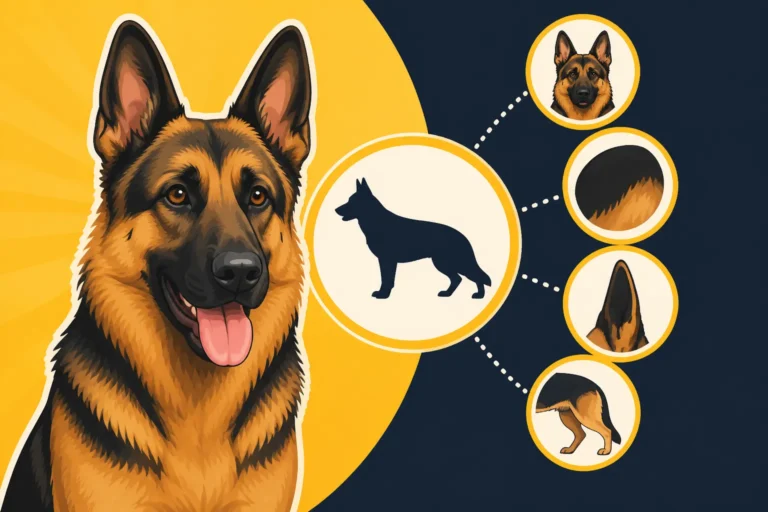
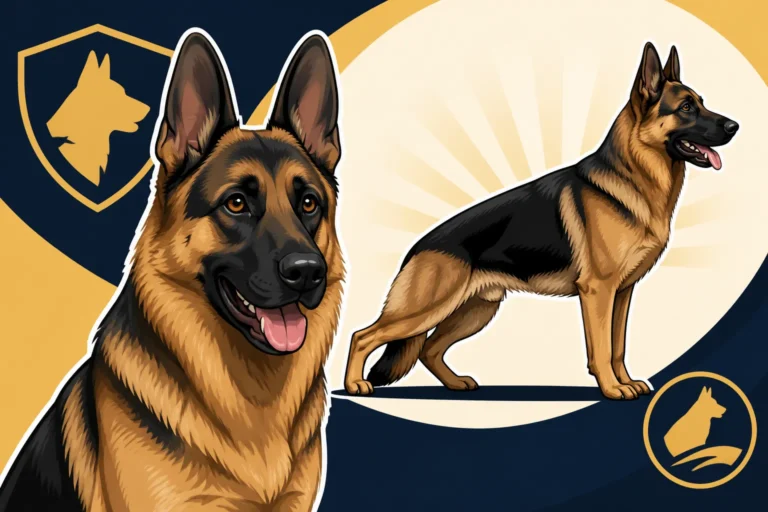
Their body structure, ear set, and overall build remain true to the German Shepherd breed standard. They are still powerful, athletic dogs with the characteristic erect ears and noble expression. It's just their unusual color distribution that catches the eye. The contrast between the rich black and tan and the clean white patches creates a truly mesmerizing effect that has captivated many dog lovers.
Are Panda German Shepherds Purebred? A Closer Look at Genetics
This is often the million-dollar question for anyone encountering a Panda German Shepherd: "Are they really purebred?" The answer is yes, they are, but with a significant caveat regarding official breed recognition and registration. Understanding the genetic origins helps clarify this often-misunderstood aspect.
The "White Spotting" Mutation
The "Panda" pattern is the result of a specific genetic mutation on the KIT gene, responsible for white spotting. This mutation is believed to have originated from a single German Shepherd, named Lewcinkas Franka von Phenom, born in 2000. All Panda German Shepherds can trace their lineage back to this dog. This means it’s not a mix with another breed like a Border Collie or a Great Dane, which also carry spotting genes. It's a genuine, albeit rare and spontaneous, mutation within the German Shepherd gene pool. This genetic fact is crucial for understanding why they are considered purebred despite their unusual appearance. You can often see the evidence of this in genetic testing. For those interested in their dog's genetic makeup, companies offer German Shepherd Genetic Health Testing that can delve into specific markers.
While genetically purebred, the unusual coloration often means they don't conform to traditional breed standards upheld by major kennel clubs. For example, the American Kennel Club (AKC) breed standard for German Shepherds specifies acceptable colors, and while white is a recognized solid color, a piebald pattern with distinct white patches is typically considered a disqualifying fault in the show ring. This doesn't mean the dog isn't a German Shepherd; it simply means it doesn't meet the aesthetic criteria for conformation events.
Breed Standard and Registration Implications
Due to the official breed standards, Panda German Shepherds are generally not eligible for full registration with major kennel clubs like the AKC. This is a common point of confusion and frustration for owners. While they can often be registered under a "limited" status or with alternative registries that focus on genetic purity rather than strict conformation, they won't be competing for Best in Show at Westminster. This can affect how they are perceived by some traditional breeders and enthusiasts, but it doesn't diminish their status as a German Shepherd. It's an important distinction that potential owners should be aware of, especially if they have aspirations for competitive showing.
This lack of mainstream show ring acceptance doesn't mean they are less healthy or have a different temperament. It’s purely an aesthetic and administrative hurdle. Many passionate breeders who specialize in Panda German Shepherds focus on health, temperament, and working abilities, ensuring these dogs are just as capable and well-adjusted as any other German Shepherd. When looking for a puppy, it's always important to ask about the parents' registration status and any genetic health clearances, regardless of coat color. German Shepherd Breed Standard Explained gives a broader overview of what is typically sought after in the breed.
Temperament, Health, and Care Considerations
When you bring a Panda German Shepherd into your home, you're essentially getting a German Shepherd with a unique coat. Their core characteristics, from their intelligence to their exercise needs, remain largely the same as their more traditionally colored counterparts. However, there are a few specific points to keep in mind.
Temperament: A True German Shepherd at Heart
Panda German Shepherds exhibit the same loyal, intelligent, and protective temperament characteristic of the breed. They are known for their strong bond with their families, their eagerness to please, and their inherent protective instincts. This means they thrive on purpose and require consistent training and socialization from a young age. Without proper guidance, their protective nature can sometimes lead to excessive barking or suspicion towards strangers.
Early socialization is absolutely critical for a Panda German Shepherd, just as it is for any German Shepherd puppy. Exposing them to various sights, sounds, people, and other well-behaved dogs during their critical development stages helps them grow into confident and well-adjusted adults. Without it, they can become anxious or reactive. Their keen intelligence also means they bore easily, and a bored German Shepherd can quickly become a destructive one. Providing plenty of mental stimulation, puzzle toys from Chewy, and consistent training sessions will keep their minds engaged and prevent behavioral issues. For more insights, check out German Shepherd Temperament and Personality.
Health Considerations: Genetic Mutation vs. Breed Predisposition
It's natural to wonder if the genetic mutation causing the Panda coloration might also lead to other health problems. Fortunately, the piebald gene itself is not directly linked to any specific health issues unique to Panda German Shepherds. They are generally as healthy as any other well-bred German Shepherd.
However, because they are German Shepherds, they are still predisposed to the common health concerns that affect the breed as a whole. These include:
- Hip and Elbow Dysplasia: These joint conditions are prevalent in German Shepherds. Responsible breeders will perform health clearances on breeding stock to minimize the risk. German Shepherd Health Problems Guide provides an extensive list of potential issues.
- Degenerative Myelopathy (DM): A progressive neurological disease that affects the spinal cord. Genetic testing for DM is crucial for all German Shepherds, including Pandas.
- Bloat (Gastric Dilatation-Volvulus): A life-threatening condition where the stomach twists.
- Exocrine Pancreatic Insufficiency (EPI): An inability to produce enough enzymes for digestion.
When considering a Panda German Shepherd, it's paramount to choose a reputable breeder who performs all recommended health screenings on their breeding animals. Don't be swayed by the rare color alone; health and temperament should always be the top priorities. A good breeder will be transparent about the health history of their dogs and provide documentation of genetic testing and orthopedic clearances.
| Characteristic | Standard German Shepherd | Panda German Shepherd |
|---|---|---|
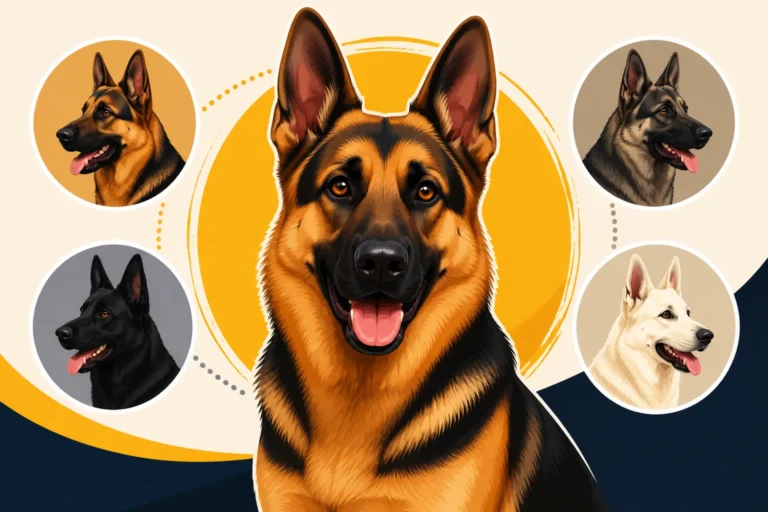
| Coat Color | Black and tan, black and red, sable, solid black, solid white | Tri-color (black, white, tan/red) with distinct white spotting |
| Genetic Origin | Traditional German Shepherd coat genetics | KIT gene mutation (piebald gene) |
| Breed Status | Fully recognized by major kennel clubs (e.g., AKC) for all acceptable colors | Genetically purebred, but often not recognized by major kennel clubs for show/full registration due to coat pattern |
| Temperament | Loyal, intelligent, protective, active | Identical to standard German Shepherd |
| Common Health Issues | Hip/Elbow Dysplasia, DM, Bloat, EPI | Identical to standard German Shepherd |
| Exercise Needs | High; requires significant physical and mental stimulation | High; requires significant physical and mental stimulation |
Grooming and Exercise Needs
Panda German Shepherds have the same dense double coat as other German Shepherds, which means they are significant shedders, especially during "blow coat" season. Regular brushing, at least 2-3 times a week, is essential to manage shedding and keep their coat healthy and free of mats. During heavy shedding periods, daily brushing with a good deshedding tool will be a lifesaver for your vacuum cleaner. Finding quality grooming tools on Chewy, from slicker brushes to undercoat rakes, can make this task much easier.
As for exercise, these are high-energy dogs that need a lot of physical and mental stimulation. A simple walk around the block isn't enough. They thrive on activities like long hikes, running, agility, advanced obedience, or even dog sports. Daily structured exercise combined with mental challenges like training sessions or puzzle toys is crucial to prevent boredom and destructive behaviors. They are not content to be couch potatoes; they need a job, even if that job is just being your active companion. Overlooking German Shepherd Exercise Requirements can lead to significant behavioral issues down the line.
Finding a Panda German Shepherd: Ethical Considerations and Responsible Ownership
The striking appearance of a Panda German Shepherd can be incredibly alluring, but it's important to approach the search for one with the same diligence and ethical considerations you would for any German Shepherd. Because of their unique look, some less reputable breeders might try to capitalize on their rarity, so buyer beware.
Identifying a Reputable Breeder
Finding a reputable breeder is the single most important step when acquiring any German Shepherd, and especially so for a less common variant like the Panda. A responsible Panda German Shepherd breeder will:
- Prioritize Health: They will conduct extensive health testing on both parent dogs, including hip and elbow evaluations (OFA or PennHIP certifications), genetic screening for conditions like Degenerative Myelopathy (DM), and possibly other breed-specific tests. They should be eager to share these results with you. This aligns with How to Verify German Shepherd Health Testing.
- Focus on Temperament: They will ensure their breeding dogs have sound temperaments, as this is inherited. Puppies should be raised in a stimulating home environment and socialized from birth.
- Be Transparent: They will be open about their breeding practices, allow you to visit their facility (or offer virtual tours if distance is an issue), and let you meet the parent dogs. They should answer all your questions thoroughly.
- Educate Buyers: A good breeder will educate you on the specific needs of German Shepherds, including their exercise, training, and grooming requirements. They will also provide ongoing support after you take your puppy home.
- Have a Contract: A comprehensive contract outlining health guarantees, spay/neuter agreements, and return policies is a sign of a responsible breeder.
- Avoid Marketing Gimmicks: Be wary of breeders who focus solely on the "rare" or "designer" aspect of the Panda coloration, or who charge exorbitant prices without providing evidence of health testing and responsible breeding practices. The color is unique, but it shouldn't overshadow the fundamentals of responsible breeding. If you're wondering about costs, articles like German Shepherd Puppy Price Explained can give you a general idea, but always remember prices vary and should reflect responsible breeding.
Avoid any breeder who seems unwilling to share information, won't let you see the puppies' living conditions, or seems more interested in getting your money than finding a good home for their dogs. How to Find a Reputable German Shepherd Breeder offers excellent general advice.
Adopting a Panda German Shepherd
While rarer, it is sometimes possible to find a Panda German Shepherd through rescue organizations. German Shepherd rescues often take in dogs of all ages and colors, sometimes due to owners being unprepared for the breed's needs, or changes in life circumstances. While you might not find a young puppy this way, adopting an adult dog can be incredibly rewarding. Rescue organizations typically have a thorough vetting process to match dogs with appropriate homes and will be upfront about any known health or behavioral issues. Adopting a dog from a rescue often means giving a deserving animal a second chance at a loving home. It also tends to be a more cost-effective option than purchasing from a breeder, as rescue fees are usually lower than purchase prices.
Preparing for Your Panda German Shepherd
Bringing any German Shepherd into your home is a significant commitment, and a Panda German Shepherd is no exception. Beyond the initial purchase or adoption fee, you'll need to budget for ongoing expenses. This includes high-quality large-breed dog food (you might find brands like Purina Pro Plan or Royal Canin specifically formulated for German Shepherds on Chewy), regular veterinary check-ups and vaccinations, flea and tick prevention, and potential emergency vet care. Cost of Owning a German Shepherd Per Year details many of these considerations.
You'll also need to invest in training tools, durable chew toys (German Shepherds are notorious chewers!), a sturdy crate, and comfortable bedding. Consider signing up for puppy classes or working with a professional trainer to ensure your German Shepherd receives the best start in life. Their intelligence and drive make them highly trainable, but consistency is key. Providing a stimulating environment with plenty of appropriate toys and enrichment activities, perhaps even a subscription box for toys and treats from Chewy, will go a long way in keeping your dog happy and healthy.
Disclaimer
This article is for general informational purposes only and does not constitute professional advice. Laws, prices and regulations vary by location and change over time. Consult a qualified professional for guidance on your specific situation.