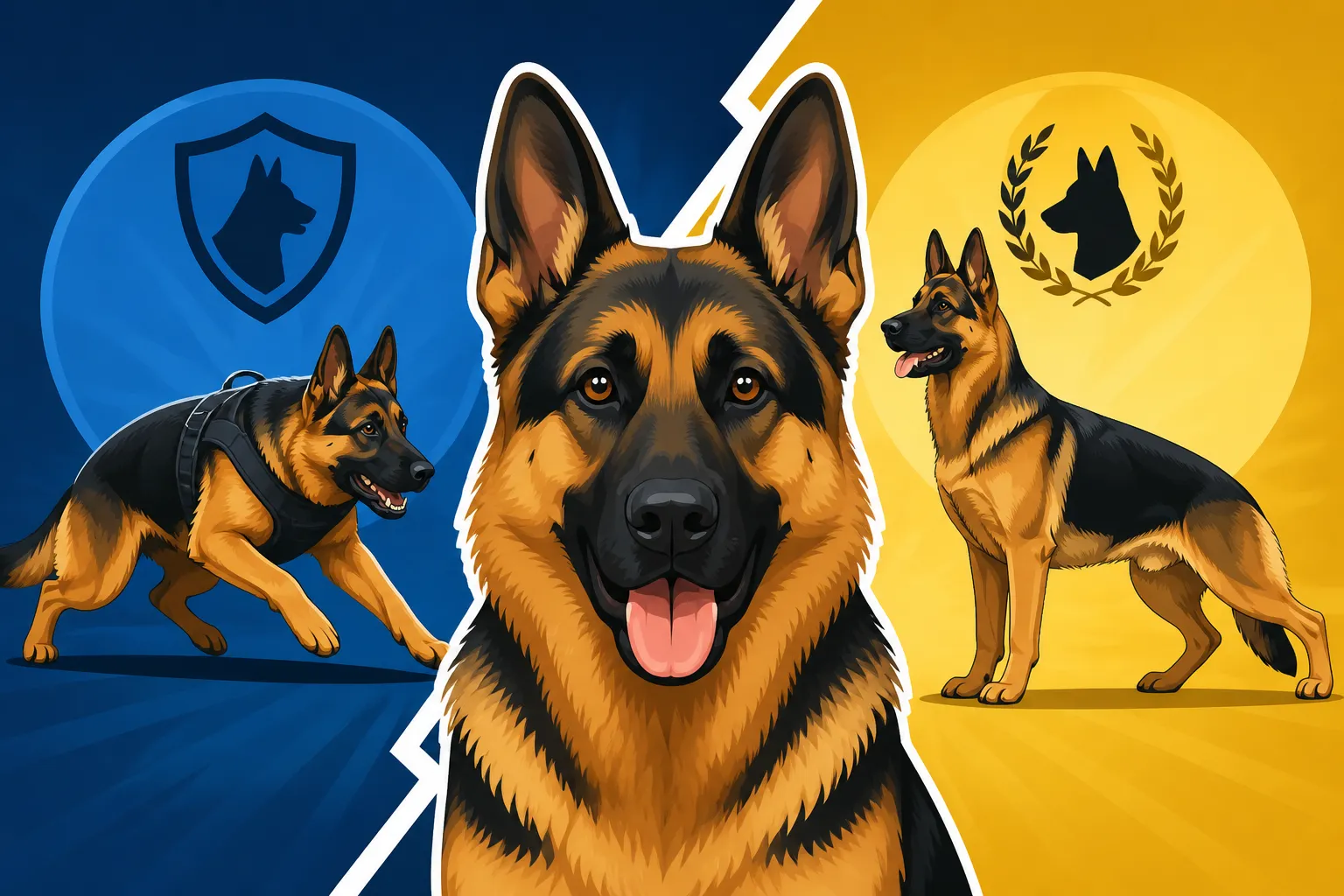
Show Line German Shepherd Explained
When you hear "German Shepherd," what often comes to mind is that iconic, majestic dog with a flowing gait and an undeniable presence, perhaps like one you’ve seen at a dog show or in a movie. However, many people don't realize that there are distinct types of German Shepherds, and the "show line" is a fascinating category with its own unique traits, strengths, and considerations. It's easy to get confused by the different lines, especially when you're looking for a new family member, so this guide is here to shed light on exactly what a Show Line German Shepherd is all about, helping you understand their specific characteristics and whether one might be the perfect fit for your life.
What Exactly is a Show Line German Shepherd?
The term "Show Line German Shepherd" refers to dogs selectively bred primarily for conformation events, like those recognized by the American Kennel Club (AKC) in the United States or the SV (Verein für Deutsche Schäferhunde) in Germany. These breeders focus on producing dogs that closely adhere to the specific breed standard, emphasizing physical appearance, movement, and a certain level of temperament suitable for the show ring. The goal is a dog that embodies the ideal aesthetic and structural qualities deemed most desirable by the breed's founders and governing clubs.
This dedication to a specific look and movement has led to certain physical traits becoming more pronounced in show lines. When you see a German Shepherd gracefully gliding around a show ring, displaying a powerful yet elegant trot, you're witnessing the culmination of generations of selective breeding aimed at achieving that precise visual and structural perfection. It's a world where every angle, every bone, and every strand of coat is carefully considered against a detailed blueprint of what a German Shepherd "should" look like.
Defining Characteristics and Purpose
The primary purpose behind breeding Show Line German Shepherds is to excel in conformation shows. This means breeders are striving for dogs that meet rigorous standards for their physical structure, coat color, size, and overall presentation. The focus is on a harmonious appearance, proper angulation of the limbs for fluid movement, a strong topline, and a confident, poised demeanor. For example, American Show Lines are often bred to have a more exaggerated angulation in their rear legs, contributing to a distinctive, lower-slung back that is favored in AKC rings. This differs from the often straighter back and more moderate angulation seen in many working lines.
These dogs are judged on how well they represent the breed standard, which is a detailed description of the ideal German Shepherd. This standard covers everything from ear set and eye color to tail carriage and gait. Breeders invest significant time and resources into understanding genetics, pedigree analysis, and canine anatomy to produce puppies with the highest potential to become champions. While a good temperament is always desired, the emphasis often leans towards a dog that is calm and cooperative in a show environment, able to stand confidently for examination and move gracefully on command, rather than one with an intense drive for protection or tracking.
The "Sloped Back" Debate
One of the most visually striking and often debated characteristics of many modern Show Line German Shepherds, particularly American and some West German Show Lines, is their distinctive "sloped back" or "roached back" appearance. This visual is created by a combination of pronounced rear angulation and a slight curve over the loin area, culminating in a hind end that appears lower than the front. This physical trait is a result of selective breeding to achieve a specific, powerful, ground-covering gait that judges often favor in the conformation ring.
However, this characteristic has generated considerable discussion among enthusiasts, breeders, and veterinarians alike. Critics sometimes argue that this exaggerated angulation and topline can contribute to orthopedic issues later in life, placing undue stress on joints. Conversely, proponents argue that when bred correctly, the angulation is functional, providing the necessary leverage for the powerful, effortless trot that is a hallmark of the breed. It’s a complex topic, and while many reputable show line breeders prioritize health testing to mitigate concerns like hip and elbow dysplasia, the visual appearance remains a defining feature that sets them apart. For those interested in the intricacies of bone structure, learning about topics like German Shepherd Hip Dysplasia Explained can offer deeper insights into how conformation impacts health.
Key Differences from Working Line German Shepherds
It's common to mistake all German Shepherds for having the same inherent traits, but the distinction between show lines and working lines is crucial. While both are undeniably German Shepherds, their breeding priorities have led to significant divergences in their physical characteristics, temperament, and inherent drives. Understanding these differences is paramount when deciding which type of German Shepherd is best suited for your lifestyle and expectations. It's not about one being "better" than the other, but rather about matching the right dog to the right home.
Many prospective owners initially gravitate towards the classic beauty of a show line without fully grasping the nuances, or they might seek a working line's intensity without realizing the immense commitment required. Delving into the specific variations helps clarify these distinctions and sets realistic expectations for ownership. For a broader overview, you might find our guide on Working Line vs Show Line German Shepherd helpful in laying out all the contrasts.
Temperament and Drive
The temperament and drive are perhaps the most significant differentiators between show lines and working lines. Show Line German Shepherds are generally bred for a more mellow, stable, and confident temperament, suitable for being handled by strangers in a show ring and living as a family companion. Their energy levels, while still substantial, are typically less intense than their working line counterparts. They are often described as being more "laid-back" indoors, enjoying family time and cuddles, though they still require plenty of outdoor exercise and mental engagement.
Working line German Shepherds, on the other hand, are bred for specific jobs like protection, police work, search and rescue, or sport (like IGP or Schutzhund). This means they possess incredibly high prey drive, intense focus, powerful nerve, and an insatiable need for a "job." They are not content to be couch potatoes and can become destructive or anxious if their immense mental and physical energy isn't channeled appropriately. A Show Line GSD might be happy with a long walk and a game of fetch, but a working line GSD will need advanced training, constant mental stimulation, and a rigorous exercise regimen. Their intrinsic German Shepherd Temperament and Personality varies significantly between the lines, influencing how they interact with their environment and their families.
Physical Appearance
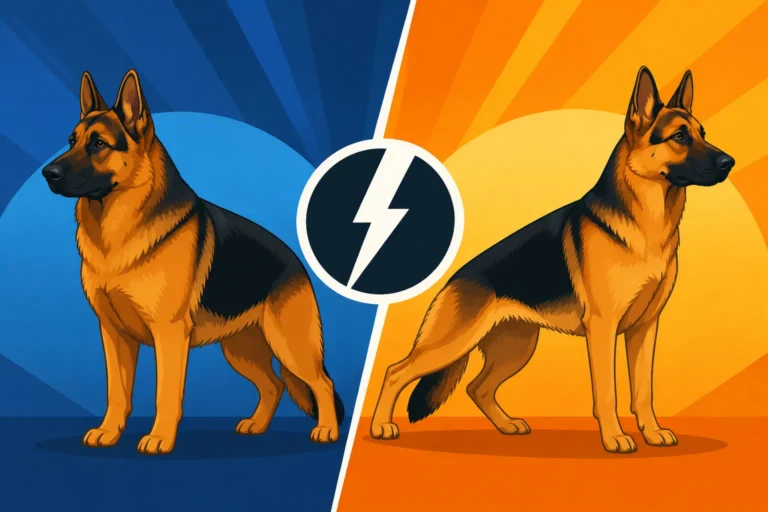
The most visually apparent differences between show and working lines lie in their physical appearance. Show Line German Shepherds, especially those bred for American Kennel Club (AKC) standards, typically exhibit more extreme angulation in their hindquarters, which gives them that distinctive "sloped back" appearance and allows for a smooth, ground-covering trot favored in the show ring. They often have a longer, more luxurious coat and a refined, aristocratic head. Their coloring tends to be rich, vibrant black and red, or black and tan, often with very clearly defined saddle markings.
Working Line German Shepherds, by contrast, generally possess a more robust, athletic, and less exaggerated build. Their backs tend to be straighter or have more moderate angulation, reflecting a structure built for endurance, agility, and power in active work rather than a specific show gait. Their coats are often shorter and denser, less prone to matting in tough working conditions. Common colors include sable, bi-color, and solid black, which are often less common or even disqualified in show lines. Their overall look is one of raw power and functional strength, designed for rugged activity rather than elegant display. Observing a dog's physical characteristics is often the first step in understanding its lineage, and a good breeder can explain these nuances.
Health Considerations
When it comes to health, both Show Line and Working Line German Shepherds are predisposed to certain genetic conditions, largely due to their purebred status. However, the emphasis on specific physical traits within show lines can sometimes influence the prevalence or severity of particular issues. Hip and elbow dysplasia are unfortunately common across the breed, but the exaggerated rear angulation seen in many show lines has led to discussions about its potential impact on joint health. While responsible show breeders rigorously health test their breeding stock for these conditions (OFA and PennHIP certifications are crucial), the structural choices can still be a factor.
Another point of consideration is the potential for other breed-specific ailments such as certain cancers, cardiac issues, or digestive problems like bloat. Again, comprehensive health testing and ethical breeding practices are the best defenses. A responsible breeder for a Show Line German Shepherd will be transparent about their dogs' health histories, the health testing they conduct, and the common issues found in their specific lines. They will also typically offer health guarantees for their puppies. Before committing to any German Shepherd, it's wise to learn about German Shepherd Health Problems Guide and specifically delve into German Shepherd Genetic Health Testing to understand what questions to ask a breeder and what certifications to look for.
Understanding the Types of Show Lines
Just as there are various working lines (like Czech, DDR, or West German Working Lines), the "show line" isn't a monolithic entity. There are distinct categories within show lines, primarily influenced by different breeding philosophies and breed standards upheld by different kennel clubs and national organizations. The two most prominent are the American Show Line and the West German Show Line, each with its own specific ideals for what constitutes the "perfect" German Shepherd. Understanding these distinctions is key to appreciating the full spectrum of the breed and making an informed choice.
These variations arise from differing interpretations of the original German Shepherd Dog standard set by Max von Stephanitz. Over time, kennel clubs in various countries have subtly adapted these standards to their own preferences, leading to the development of unique characteristics in their respective show lines. This is why a German Shepherd champion in the U.S. might look quite different from a German Sieger (champion).
American Show Lines
American Show Line German Shepherds are primarily bred under the auspices of the American Kennel Club (AKC) standard. This standard emphasizes a dog that is elegant, refined, and possesses a flowing, almost dance-like gait. To achieve this, American lines have been selectively bred for a pronounced, sometimes extreme, rear angulation. This often results in the "sloped back" appearance that is so characteristic of these dogs, where the topline drops significantly from the withers to the tail.
In terms of temperament, American Show Lines are typically known for being calm, confident, and amiable, making them excellent family companions. They are often less intense in drive compared to their German counterparts, making them more adaptable to various home environments, especially for first-time German Shepherd owners who might not be equipped for the demands of a high-drive working dog. Their coats tend to be longer and thicker, often displaying rich black and red or black and tan colors, which adds to their striking appearance in the show ring. However, this thicker coat does mean more regular grooming, which is an important consideration. When considering a puppy, asking about the parents' show records and health clearances is vital.
West German Show Lines
West German Show Line German Shepherds adhere to the rigorous standards set by the SV (Verein für Deutsche Schäferhunde), the original German breed club. These dogs are often referred to as "West German Sieger Show Lines" because they compete in the prestigious German Sieger show, which is globally recognized. The SV standard places a strong emphasis on both correct physical conformation and sound temperament, nerve, and working ability. While they also have good angulation, it is generally more moderate than American lines, leading to a less dramatically sloped back and a more powerful, athletic build that is still capable of a strong, efficient trot.
Unlike American show lines, West German show lines must pass working titles (like an IGP title) before they can be bred or receive a championship title. This means breeders prioritize dogs that not only look good but also possess the intelligence, courage, and stable temperament necessary for demanding work. Their drives are typically higher than American show lines but often more manageable for experienced owners than pure working lines. Colors tend to be varied, including rich sables, bi-colors, and black and red/tan, often with a more rustic appearance. These dogs are truly the "total package," embodying both beauty and brains, and are highly sought after by those who appreciate the breed's origins as a versatile working and herding dog.
Living with a Show Line German Shepherd
Bringing a Show Line German Shepherd into your home is a significant commitment, but a truly rewarding one. These dogs are intelligent, loyal, and capable of forming incredibly strong bonds with their families. While they might have been bred for the show ring, they are still German Shepherds through and through, meaning they thrive on interaction, routine, and a clear understanding of their place within the "pack." It's essential to approach ownership with realism, understanding that even a more "mellow" show line GSD requires dedication to their needs.
Many owners find that their Show Line German Shepherd fits beautifully into family life, often being gentle with children and amenable to other pets if properly socialized. However, their size and strength mean that responsible ownership is non-negotiable. Whether you're considering a puppy or an adult, preparing your home and lifestyle for a large, intelligent, and active breed is crucial.
Exercise and Mental Stimulation Needs
Even though Show Line German Shepherds typically have lower energy and drive than their working line counterparts, don't let that fool you into thinking they are low-maintenance. They are still a large, active breed that requires a significant amount of daily exercise to stay physically and mentally healthy. A minimum of 60-90 minutes of dedicated activity each day is generally recommended, which could include brisk walks, controlled off-leash play in a secure area, or active games of fetch.
Beyond physical exercise, mental stimulation is equally vital for these intelligent dogs. German Shepherds are thinkers, and a bored GSD can quickly become a destructive one. Puzzle toys, training sessions, scent work games, and even simply learning new tricks can provide the mental workout they crave. Rotating toys and introducing new challenges, perhaps from popular pet retailers like Chewy, can keep them engaged. Neglecting their mental needs can lead to behavioral issues, regardless of their lineage. Remember, a tired German Shepherd is a good German Shepherd, and a mentally stimulated one is even better. You can dive deeper into their physical requirements with a guide like German Shepherd Exercise Requirements.
Training and Socialization Approach
Training a Show Line German Shepherd is an ongoing journey that begins the moment they come home. These dogs are highly intelligent and eager to please, making them generally responsive to positive reinforcement methods. Early and consistent puppy training is essential to build a strong foundation. This includes basic obedience commands like sit, stay, come, and leash manners. Establishing clear boundaries and consistent expectations from a young age will prevent many common behavioral issues.
Socialization is another non-negotiable aspect of raising a well-adjusted Show Line German Shepherd. Exposing your puppy to a wide variety of sights, sounds, people, and other well-behaved dogs in a positive and controlled manner is crucial for developing confidence and preventing fear-based aggression or reactivity. Puppy classes are an excellent way to combine early training with structured socialization. Even if your Show Line GSD is not destined for the protection sports of a working line, continued training, whether it's advanced obedience, agility, or even trick training, will keep their minds sharp and their bond with you strong. For foundational advice, consider exploring resources on German Shepherd Puppy Training Guide.
Grooming and Care
Show Line German Shepherds, particularly those with the longer, denser coats often seen in American lines, require consistent grooming to keep their fur healthy and prevent matting, especially during shedding seasons. German Shepherds have a double coat: a soft undercoat and a coarser topcoat. This double coat serves to regulate their body temperature and protect their skin, but it also means they shed a lot, especially during their "blow coat" phases twice a year.
Regular brushing, ideally several times a week, is essential to remove loose hair, distribute natural oils, and prevent tangles. A good quality slicker brush, an undercoat rake, and a de-shedding tool will be your best friends. During heavy shedding, daily brushing might be necessary. While German Shepherds don't need frequent baths, bathing every few months or when they're visibly dirty helps maintain coat health. It's also important to routinely check and clean their ears, trim their nails, and maintain good dental hygiene. Investing in quality grooming tools from retailers like Chewy can make this process much easier. You can find comprehensive tips in our How to Groom a German Shepherd article.
Is a Show Line German Shepherd Right for You?
Deciding whether a Show Line German Shepherd is the right companion for your family is a deeply personal choice that requires honest self-assessment. While their regal appearance and often more tractable temperaments can be very appealing, they are still a demanding breed that requires significant commitment in terms of time, training, exercise, and financial resources. They are not a dog for the faint of heart or those looking for a purely decorative pet.
However, for the right owner, a Show Line German Shepherd can be an incredibly devoted, intelligent, and protective family member. They thrive in environments where they are integrated into daily life, receiving consistent attention and clear guidance. If you're willing to put in the work, the rewards of sharing your life with one of these magnificent dogs are immeasurable.
Pros and Cons of Ownership
Let's weigh the advantages and disadvantages of bringing a Show Line German Shepherd into your home. This can help you make a more informed decision.
| Feature | Pros (Show Line GSD) | Cons (Show Line GSD) |
|---|---|---|
| Temperament | Generally stable, confident, calmer indoors, good family companions. | Can still be reserved with strangers, requires extensive socialization. |
| Trainability | Highly intelligent, eager to please, responsive to positive reinforcement. | Can be stubborn if not motivated, requires consistent, engaging training. |
| Energy Level | Moderate to high; lower drive than working lines, adaptable to home life. | Still requires significant daily exercise; can become destructive if bored. |
| Physical Appearance | Striking, majestic, often longer coats and distinct angulation. | Exaggerated angulation sometimes associated with health concerns (though bred responsibly). |
| Health | Responsible breeders health test extensively. | Predisposed to hip/elbow dysplasia, other breed-specific ailments like any GSD. |
| Grooming | Beautiful, often flowing double coat. | Sheds heavily, especially during coat blow; requires frequent brushing. |
| Versatility | Excel in obedience, agility, therapy work; great family protectors. | Not typically suited for high-level protection or intense working sports. |
For many families, the more moderate drives and stable temperament of a Show Line German Shepherd make them a fantastic choice. They offer the intelligence and loyalty of the breed without the extreme demands of a dedicated working dog. However, their need for engagement and proper care should never be underestimated. They will still challenge you and require you to be a strong, consistent leader.
Finding a Reputable Breeder
If you've decided a Show Line German Shepherd is the right dog for you, the next crucial step is finding a reputable breeder. This is perhaps the most important decision you'll make, as a good breeder will prioritize health, temperament, and adherence to the breed standard, setting your puppy up for a healthy and happy life. Avoid anyone who cuts corners, promises rare colors, or can't provide extensive health documentation.
Here's what to look for:
- Health Clearances: Demand proof of OFA (Orthopedic Foundation for Animals) or PennHIP certifications for hips and elbows, and ideally for other genetic conditions common in German Shepherds, for both parents. A responsible breeder will be transparent about their dogs' health.
- Temperament: Observe the parents' temperament. They should be confident, friendly, and well-socialized. Puppies inherit much from their parents.
- Working Titles (for West German Lines): For West German Show Lines, breeders should be able to show proof of working titles (e.g., IGP, BH) in their breeding stock, demonstrating both mental stability and trainability.
- Transparency and Support: A good breeder will welcome questions, allow you to visit their facility, provide references, and offer lifetime support for their puppies. They'll also ask you many questions to ensure their puppies go to suitable homes.
- Contracts and Guarantees: Expect a comprehensive contract that outlines health guarantees, spay/neuter clauses, and what happens if you can no longer care for the dog.
Remember, a reputable breeder is an invaluable resource throughout your dog's life. They are passionate about the breed and will be there to guide you. Be prepared for a waiting list, as ethical breeding takes time and careful planning. You can gain further insights into this process by reading How to Find a Reputable German Shepherd Breeder.
Disclaimer
The information provided in this guide is for general educational purposes only and should not be considered a substitute for professional veterinary advice. Always consult with a qualified veterinarian or certified dog trainer for any health or behavior concerns regarding your German Shepherd. Breed-specific information may vary by individual dog and lineage.