German Shepherd Elbow Dysplasia: Cost to Treat
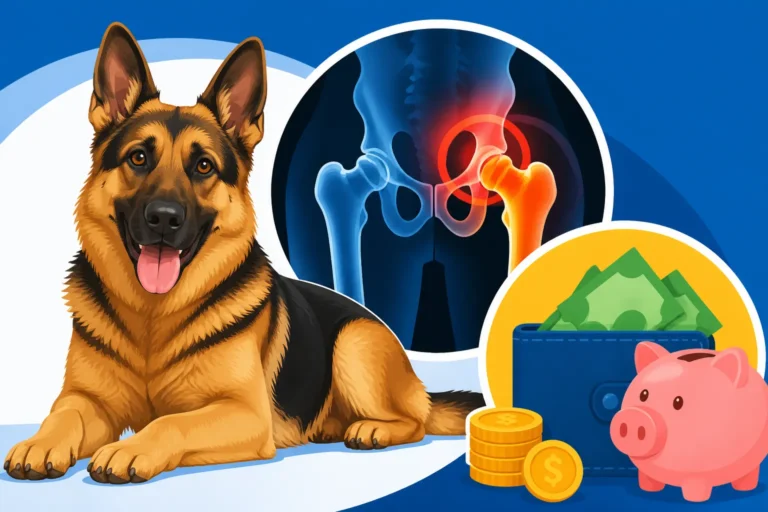
Finding out your beloved German Shepherd is suffering from elbow dysplasia can be absolutely heartbreaking, not to mention a huge source of anxiety about their future comfort and, let's be honest, your wallet. The sudden limp, the reluctance to play, the undeniable pain in their eyes – it's a gut punch for any dog owner. Navigating the world of veterinary care for a condition like this often feels like deciphering a complex financial puzzle, with estimates flying around that can make your head spin. This guide is here to break down the real costs associated with diagnosing and treating German Shepherd elbow dysplasia, giving you a clearer picture of what to expect so you can focus on getting your loyal companion the best care possible.
Understanding German Shepherd Elbow Dysplasia
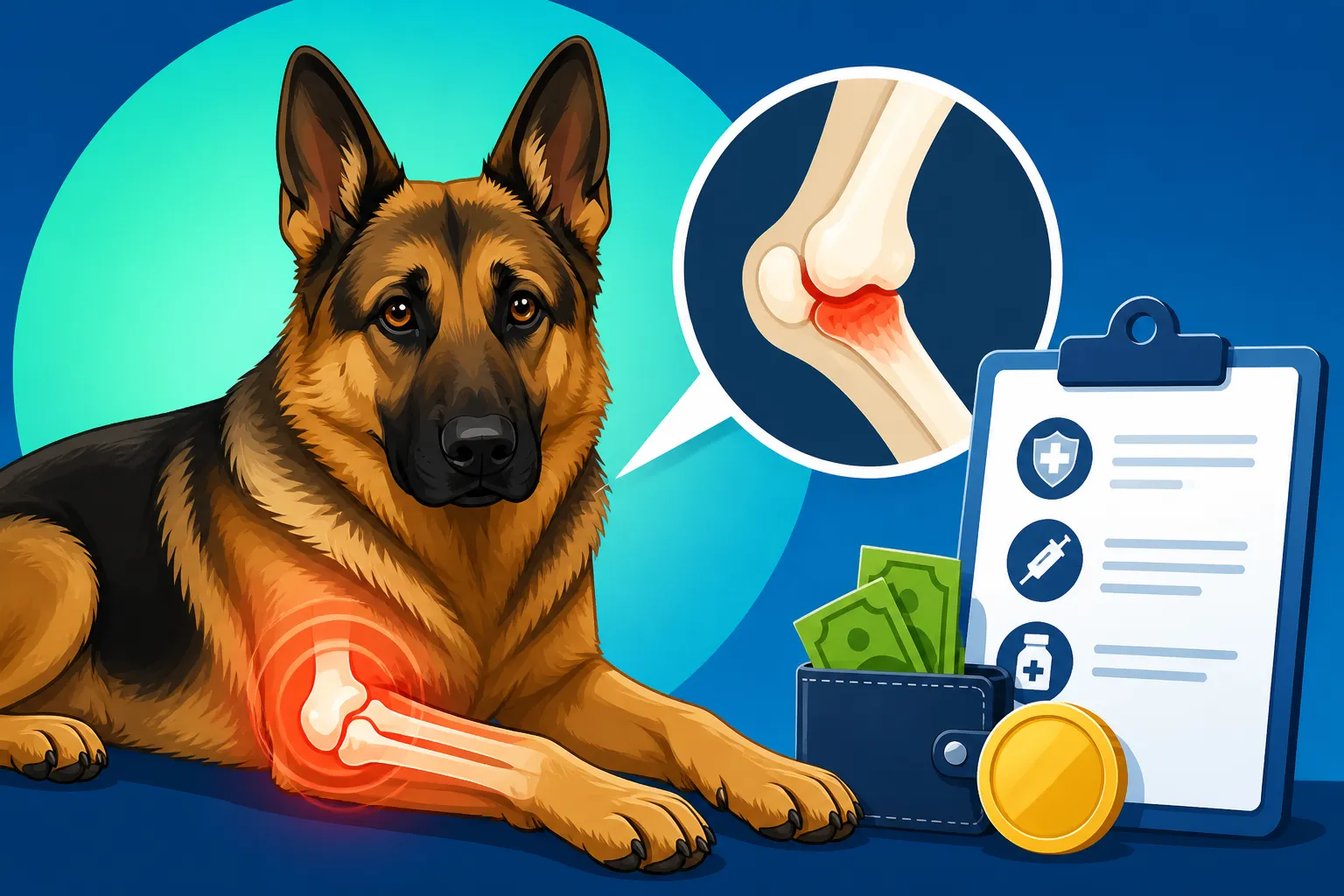
Elbow dysplasia in German Shepherds isn't just one single condition; it's a complex developmental disorder that encompasses several specific abnormalities of the elbow joint. It's largely genetic, meaning certain lines are more predisposed, but environmental factors like rapid growth, excessive exercise in puppyhood, and nutrition can also play a role. When you see your German Shepherd struggling, remember that this isn't usually something that just appeared overnight. It’s been developing, often silently, since they were a puppy.
The Nuances of Elbow Dysplasia
There are four primary components that can contribute to elbow dysplasia, and often, a dog can suffer from one or more of these simultaneously:
- Fragmented Coronoid Process (FCP): This is one of the most common forms, where a small piece of bone breaks off the ulna's coronoid process and floats within the joint, causing significant pain and inflammation. Imagine having a tiny, sharp pebble constantly rubbing inside your knee joint – that's what your dog experiences.
- Ununited Anconeal Process (UAP): In this condition, a bony projection on the ulna fails to fuse properly during growth, leading to instability and discomfort. This can be particularly debilitating, as the unfused piece of bone can cause constant irritation and wear within the joint.
- Osteochondrosis Dissecans (OCD): This involves a disturbance in the normal development of cartilage, where a flap of cartilage (and sometimes underlying bone) detaches within the joint. This flap acts like a foreign body, leading to pain and chronic arthritis.
- Elbow Incongruity: This occurs when the bones forming the elbow joint (radius, ulna, and humerus) don't fit together perfectly. Even a millimeter of misalignment can create abnormal pressure points, causing cartilage damage and leading to arthritis over time. This subtle mismatch often goes undetected until significant damage has occurred.
Each of these conditions can lead to varying degrees of lameness and pain, and without intervention, they almost inevitably progress to debilitating osteoarthritis. This is why early diagnosis and understanding the specific type of elbow dysplasia your German Shepherd has are so critical for effective treatment and long-term management. For a broader perspective on their health, you might find our guide on German Shepherd Health Problems Guide insightful, as it covers many conditions that can affect these wonderful dogs.
Why German Shepherds Are Prone
German Shepherds, like many large and rapidly growing breeds, are unfortunately genetically predisposed to elbow dysplasia. Reputable breeders work tirelessly to screen their breeding stock using methods like OFA (Orthopedic Foundation for Animals) evaluations to minimize the risk, but even with the best intentions, it can still appear. The rapid growth rate of German Shepherd puppies means their bones and joints are developing quickly, making them vulnerable to these developmental abnormalities. Environmental factors, such as improper diet, excessive strenuous exercise too early in life, or even trauma, can exacerbate a genetic predisposition. Understanding that this isn't your fault, but rather a breed-specific challenge, can help alleviate some of the initial guilt or frustration you might feel. It’s a reality many German Shepherd owners face, and it highlights the importance of choosing a reputable breeder who prioritizes genetic health testing, or simply being prepared for potential health challenges if you're adopting from a rescue. You can learn more about how to proactively prevent these issues in our article, How to Prevent Elbow Dysplasia in German Shepherds.
Initial Diagnostic Costs for Elbow Dysplasia
Before any treatment plan can even be considered, you'll need a definitive diagnosis. This initial phase involves several veterinary visits and diagnostic tests, and these costs can accumulate quickly, often before you even know the full extent of the problem. It’s a frustrating reality to spend hundreds, if not thousands, of dollars just to understand what’s going on, but it's a non-negotiable step toward effective care.
The First Vet Visit and Radiographs
Your journey typically starts with a visit to your primary veterinarian. They will perform a thorough physical examination, observing your dog's gait, manipulating the elbow joint, and checking for pain or swelling. This initial consultation might range from $60 to $150, depending on your location and clinic.
If elbow dysplasia is suspected, X-rays (radiographs) will be the next step. These are crucial for visualizing the bones and identifying signs of incongruity, UAP, or severe FCP. Standard X-rays for elbows usually require sedation to ensure proper positioning, as even a slightly off-angle shot can obscure important details.
- Sedation: Expect to pay $100 to $300 for the sedation itself, depending on your dog's size and the type of sedative used.
- X-rays: The cost for bilateral (both elbows) X-rays can range from $200 to $500. Some clinics might charge per view, and your vet will likely need multiple angles to get a comprehensive picture.
These initial diagnostics can quickly add up, easily placing you in the $300 to $950+ range just to confirm the suspicion. Many pet owners, myself included, have felt a pang of surprise at these upfront costs, but they are essential for guiding the next steps. This is often where having a pet insurance plan, such as those offered by Healthy Paws, can start to demonstrate its value, helping to cover a significant portion of these diagnostic expenses.
Advanced Imaging: CT Scans and MRI
While X-rays are a great starting point, they don't always reveal the full picture, especially when dealing with conditions like FCP or subtle cartilage damage. For a definitive diagnosis and to plan the most effective surgical approach, your primary vet might recommend a referral to a veterinary orthopedic specialist for advanced imaging, such as a CT (Computed Tomography) scan or, less commonly for elbows, an MRI (Magnetic Resonance Imaging).
- CT Scan: A CT scan provides highly detailed, cross-sectional images of the bone and soft tissues, making it excellent for identifying fragmented coronoid processes or subtle elbow incongruity that X-rays might miss. It's often considered the gold standard for diagnosing elbow dysplasia. A CT scan typically requires general anesthesia and can cost anywhere from $1,500 to $3,000, sometimes even more in metropolitan areas or specialized referral centers.
- MRI: While an MRI excels at soft tissue detail, it's less frequently used for elbow dysplasia unless there's concern about ligament damage or other specific soft tissue pathologies. MRI costs are generally comparable to or slightly higher than CT scans, ranging from $2,000 to $4,000+.
These advanced imaging techniques are a significant financial commitment, but they provide the precision needed for a specialist to formulate the most accurate treatment plan, which ultimately saves your dog from unnecessary pain and you from potentially ineffective treatments. The total diagnostic phase, including these advanced scans, could easily push the overall initial cost into the $2,000 to $5,000+ bracket. This is a considerable sum, and it’s completely normal to feel overwhelmed when faced with such figures. For those without immediate savings for such emergencies, the value of robust pet insurance like Healthy Paws becomes undeniably clear, especially for a breed prone to orthopedic issues.
Surgical Treatment Options and Their Costs
Once elbow dysplasia is diagnosed, the orthopedic specialist will discuss the various surgical interventions available. The choice of surgery depends entirely on the specific type and severity of your German Shepherd's condition. It's important to remember that surgery aims to alleviate pain and slow the progression of arthritis, but it cannot "cure" the underlying genetic predisposition or entirely reverse existing damage.
Arthroscopic Procedures
Arthroscopy is a minimally invasive surgical technique that uses a small camera (arthroscope) inserted into the joint. This allows the surgeon to visualize the joint structures, remove fragmented pieces of bone or cartilage, and smooth rough surfaces with minimal disruption to the surrounding tissues. It's often the preferred method for FCP and OCD.
- Cost Breakdown:
- Surgeon's Fees: These are the largest component and vary based on the surgeon's expertise, the complexity of the case, and geographic location. Expect to pay anywhere from $2,500 to $5,000 for unilateral (one elbow) arthroscopy. If both elbows need addressing, the cost could be significantly higher, often in the $4,000 to $8,000+ range.
- Anesthesia: General anesthesia is required for arthroscopy, adding $500 to $1,000 to the bill, encompassing monitoring and medications.
- Hospitalization/Facility Fees: This covers the use of the surgical suite, post-operative recovery, and any overnight stays. Budget $300 to $800.
- Medications: Post-operative pain relief and anti-inflammatory medications will be prescribed, usually costing $50 to $200.
Arthroscopy typically has a faster recovery time compared to open surgery due to the smaller incisions. However, the costs are substantial. It's an investment in your dog's future mobility and comfort. You can learn more about symptoms and specific treatments in our dedicated article, German Shepherd Elbow Dysplasia: Symptoms and Treatment.
Osteotomy Procedures
For cases of elbow incongruity, particularly those causing significant pressure, an osteotomy might be recommended. This involves surgically cutting and repositioning bones to improve joint alignment. The most common of these is the Proximal Abducting Ulnar Osteotomy (PAUL) procedure.
- PAUL Procedure: This surgery involves cutting the ulna bone and rotating it slightly to relieve pressure on the medial coronoid process, often preventing or slowing the progression of FCP and osteoarthritis. It's a more involved surgery than arthroscopy.
- Cost Breakdown:
- Surgeon's Fees: Given its complexity, the surgeon's fees for a PAUL procedure are generally higher than arthroscopy, ranging from $3,500 to $7,000 per elbow. Bilateral surgery would essentially double this cost.
- Anesthesia & Hospitalization: Similar to arthroscopy, expect $800 to $1,500 for anesthesia, monitoring, and at least one night of hospitalization.
- Implants: The procedure involves the use of specialized bone plates and screws to stabilize the ulna, which adds $500 to $1,000 to the cost.
- Medications: Post-operative pain management and antibiotics will be necessary, usually another $100 to $300.
- Cost Breakdown:
Osteotomy procedures are considered for specific circumstances and carry a longer recovery period, but they can dramatically improve a dog's long-term comfort and joint function.
Ununited Anconeal Process (UAP) Fixation/Removal
When a UAP is present, the surgeon might attempt to reattach the anconeal process using a screw (fixation) or, more commonly, remove the ununited fragment altogether. The decision depends on the size of the fragment and the potential for successful re-fusion.
- Cost Breakdown:
- Surgeon's Fees: For UAP surgery, whether fixation or removal, the surgeon's fees typically fall between $3,000 and $6,000 per elbow. This will again depend on the complexity and location.
- Anesthesia & Hospitalization: Budget $700 to $1,200 for anesthesia, monitoring, and post-operative care.
- Implants: If fixation is chosen, the cost of screws or other implants will be added, typically $300 to $700.
- Medications: Pain management and anti-inflammatory drugs are standard post-op care, costing $50 to $200.
Choosing the right surgical approach is a critical discussion to have with your orthopedic specialist. They will weigh the pros and cons of each option, considering your dog's specific condition, age, and your financial situation. It’s important to remember that these are significant expenses, and being prepared for them can reduce stress during an already challenging time. Many German Shepherd owners find peace of mind with pet insurance plans, and providers like Healthy Paws often cover a substantial portion of these major surgical costs once your deductible is met.
Here’s a simplified table illustrating the typical cost ranges for various elbow dysplasia treatments, noting that these are estimates and can fluctuate widely:
| Treatment Type | Average Cost Range (Per Elbow) | Description |
|---|---|---|
| Initial Vet Consultation | $60 – $150 | First visit to your primary vet for examination and initial assessment. |
| Sedation for X-rays | $100 – $300 | Required to get accurate X-ray images, varying by dog size and sedative type. |
| Elbow X-rays (Bilateral) | $200 – $500 | Radiographs of both elbows to identify visible bone abnormalities. |
| CT Scan (Advanced Imaging) | $1,500 – $3,000+ | Detailed 3D imaging to pinpoint subtle issues like FCP or incongruity, often requiring anesthesia. |
| Arthroscopy (FCP/OCD) | $2,500 – $5,000 | Minimally invasive surgery to remove bone/cartilage fragments and smooth surfaces. Includes surgeon, anesthesia, facility fees, and initial meds. |
| PAUL Osteotomy (Incongruity) | $3,500 – $7,000 | Bone cutting and repositioning to correct joint alignment. More complex, includes implants. |
| UAP Fixation/Removal | $3,000 – $6,000 | Surgical reattachment or removal of an ununited anconeal process. Includes surgeon, anesthesia, facility fees, and potential implants. |
| Post-Op Medications | $50 – $200 | Pain relievers, anti-inflammatories, and antibiotics for immediate post-surgical recovery. |
| Physical Therapy (per session) | $50 – $150 | Crucial for rehabilitation; multiple sessions needed. |
| Joint Supplements (monthly) | $30 – $100+ | Long-term management for joint health. |
| Follow-up Vet Visits/X-rays | $100 – $300 | Essential checks during recovery and to monitor long-term joint health. |
Post-Operative Care and Rehabilitation Expenses
Surgery is a significant step, but it’s just the beginning of the recovery journey for your German Shepherd. The success of the surgery heavily relies on diligent post-operative care and rehabilitation, which unfortunately, also comes with its own set of costs. Many owners, caught up in the relief of a successful surgery, often underestimate these crucial follow-up expenses.
Medications and Follow-up Appointments
Immediately after surgery, your German Shepherd will need a strict regimen of medications to manage pain, reduce inflammation, and prevent infection. This typically includes:
- Pain Medications: Non-steroidal anti-inflammatory drugs (NSAIDs) like Rimadyl, Galliprant, or Metacam, along with other pain relievers, are common. A course of these can cost $50 to $200, depending on the duration and your dog’s weight.
- Antibiotics: To prevent post-surgical infections, a course of antibiotics is often prescribed, adding another $30 to $80.
- Sedatives/Anxiety Medications: Some dogs become restless or anxious during crate rest, requiring mild sedatives, which can be $20 to $50.
Beyond medications, multiple follow-up veterinary appointments will be necessary. These usually include staple removal (if applicable), wound checks, and reassessment of mobility. Your vet will want to monitor healing and progression.
- Follow-up Vet Visits: Expect at least 2-3 follow-up visits, each costing $60 to $150.
- Follow-up X-rays: Around 6-8 weeks post-surgery, new X-rays are often taken to confirm proper healing and assess joint alignment, typically costing $150 to $300 with sedation.
These essential follow-ups are non-negotiable for ensuring a smooth recovery and detecting any potential complications early.
Physical Rehabilitation and Therapy
This is arguably one of the most critical, yet often overlooked, aspects of post-surgical recovery for elbow dysplasia. Just like humans recovering from joint surgery, German Shepherds benefit immensely from physical therapy to regain strength, flexibility, and proper movement patterns. Skipping this step can compromise the surgical outcome and increase the risk of compensatory injuries or prolonged lameness.
Rehabilitation can involve a variety of therapies, tailored to your dog's specific needs:
- Hydrotherapy (Underwater Treadmill): This is excellent for building muscle and improving range of motion without putting excessive weight on the healing joint. Sessions typically cost $50 to $100 each, and your dog might need 1-2 sessions per week for several months.
- Therapeutic Exercises: A certified canine rehabilitation therapist will guide you through exercises to perform at home and in-clinic, focusing on strengthening, balance, and coordination. Individual sessions usually run $75 to $150.
- Laser Therapy (Cold Laser): This non-invasive treatment can help reduce pain and inflammation and promote tissue healing. A series of sessions might cost $30 to $80 per session.
- Acupuncture: Some owners find acupuncture beneficial for pain management, with sessions ranging from $50 to $100.
A comprehensive rehabilitation program can span several months and can easily add another $1,000 to $3,000+ to the overall treatment cost. While this seems like a large sum, the investment in rehab can significantly improve your German Shepherd's quality of life and prevent further complications down the line. When considering these extensive post-operative costs, having a reliable pet insurance provider like Healthy Paws can be a lifesaver, as many plans cover a substantial portion of prescribed rehabilitation therapies. Remember, the goal is not just to fix the problem surgically, but to restore your German Shepherd's ability to live a happy, active life.
Non-Surgical Management and Long-Term Care Costs
Sometimes, surgery isn't an option due to the severity of the condition, a dog's age, other health issues, or simply financial constraints. In other cases, even after surgery, long-term non-surgical management is necessary to control the inevitable progression of arthritis. This isn't a "one-and-done" fix; it's a lifelong commitment to managing pain and maintaining comfort.
Pain Management and Anti-Inflammatories
For dogs with less severe elbow dysplasia or those for whom surgery is not appropriate, the focus shifts to managing pain and inflammation. This often involves a combination of prescription medications and lifestyle adjustments.
- NSAIDs (Non-Steroidal Anti-Inflammatory Drugs): These are the cornerstone of medical management. Drugs like carprofen (Rimadyl), firocoxib (Previcox), or grapiprant (Galliprant) are prescribed to reduce pain and inflammation. Monthly costs can range from $30 to $100, depending on the specific drug, dosage, and your dog's size.
- Other Pain Relievers: For more severe pain or when NSAIDs alone aren't enough, your vet might add medications like tramadol, gabapentin, or amantadine. These can add another $20 to $80 per month.
- Steroids: In some cases, veterinarians might use corticosteroids for short periods to manage acute flare-ups of inflammation, but their long-term use is typically avoided due to potential side effects.
These medications are usually a long-term commitment, meaning these monthly costs will continue for the remainder of your dog's life. It's a reality that can significantly impact your ongoing budget.
Joint Supplements and Complementary Therapies
Many owners turn to joint supplements and complementary therapies to support joint health and further reduce discomfort, often alongside prescription medications. While not a cure, these can be beneficial for managing symptoms.
- Glucosamine and Chondroitin: These are widely used supplements believed to support cartilage health. High-quality supplements specifically formulated for large breeds can cost $30 to $80 per month. Brands like Dasuquin or Cosequin are popular choices.
- Omega-3 Fatty Acids: Fish oil supplements (rich in EPA and DHA) have anti-inflammatory properties and can benefit joint health. Monthly costs typically range from $20 to $50.
- Injectable Joint Support: Products like Adequan Canine (polysulfated glycosaminoglycan) are given as a series of injections and can help lubricate joints and reduce inflammation. An initial course might cost $200 to $400, with booster shots every few months adding $50 to $100 per injection.
- Acupuncture/Laser Therapy: As mentioned in post-operative care, these therapies can also be used for long-term pain management in non-surgical cases. A regular schedule might involve sessions every few weeks, costing $50 to $150 per session.
- Physical Therapy/Controlled Exercise: Even without surgery, maintaining muscle mass and controlled, low-impact exercise (like swimming or leash walks) is crucial. This might involve periodic sessions with a canine physical therapist to ensure proper technique and tailor exercises.
For a deeper dive into supportive care, our article on German Shepherd Joint Health Supplements provides detailed information on various options. The cumulative cost of these long-term management strategies, combining medications and supplements, can easily be $100 to $300+ per month, potentially for many years. This is where the true long-term financial commitment of managing elbow dysplasia becomes apparent. Planning ahead, and considering the benefits of a comprehensive pet insurance policy before these issues arise, is truly invaluable.
Lifestyle Adjustments and Environmental Modifications
Managing elbow dysplasia also involves significant lifestyle adjustments and potentially some modifications to your home environment. These may not have direct dollar costs like vet visits, but they represent a commitment of time, effort, and sometimes, indirect expenses.
- Weight Management: Keeping your German Shepherd at an ideal weight is paramount. Every extra pound puts more strain on compromised joints. This might mean investing in a specific diet plan for German Shepherd Weight and Obesity Risks or portion control, which while not an extra cost, requires careful attention to food choices and amounts.
- Exercise Modification: High-impact activities, long runs, jumping, and rough play should be minimized or eliminated. Focus on consistent, moderate, low-impact exercise. This could mean fewer dog park visits and more structured walks or hydrotherapy.
- Supportive Bedding: Investing in high-quality orthopedic dog beds can provide much-needed comfort and support for aching joints. These can range from $100 to $400.
- Ramps or Stairs: To avoid jumping onto furniture or into cars, which can aggravate the elbows, ramps or pet stairs can be very helpful. These can cost $50 to $200.
- Flooring: If you have slippery floors (hardwood, tile), consider adding rugs or runners to provide better traction and prevent slips and falls. This is a household expense, but directly impacts your dog's joint health.
The reality of managing German Shepherd elbow dysplasia is a blend of medical intervention, diligent at-home care, and a long-term financial commitment. It's a journey that requires patience, dedication, and a deep love for your loyal companion. Being prepared for these costs, both immediate and ongoing, is the best way to ensure your German Shepherd receives the care they need to live as comfortably as possible.
The Role of Pet Insurance
When you look at the potential costs associated with diagnosing and treating German Shepherd elbow dysplasia, it's easy to feel overwhelmed. We're talking about thousands, potentially tens of thousands, of dollars over your dog's lifetime. This is where pet insurance can truly be a game-changer, turning potentially catastrophic vet bills into manageable monthly premiums and deductibles.
Mitigating Financial Shock
Imagine your German Shepherd suddenly starts limping. You go through the initial vet visit, X-rays, and then are told a CT scan is needed, followed by potential surgery and months of physical therapy. Without insurance, you could be looking at a bill ranging from $5,000 to $10,000+ for just one elbow, not to mention lifelong management. This kind of financial shock can force impossible decisions for many families.
Pet insurance acts as a financial safety net, helping to cover a significant percentage (often 70-90%) of these unexpected, high-cost veterinary treatments. While you'll still be responsible for your deductible and your chosen reimbursement percentage, the vast majority of the bill won't come directly out of your pocket. For a breed like the German Shepherd, known for its predisposition to orthopedic issues like elbow and German Shepherd Hip Dysplasia Explained, investing in pet insurance from a young age is often highly recommended.
Choosing the Right Plan
Not all pet insurance plans are created equal, especially when it comes to chronic and hereditary conditions. When looking for a plan for a German Shepherd, it's crucial to consider the following:
- Coverage for Hereditary Conditions: Ensure the plan explicitly covers hereditary or congenital conditions. Elbow dysplasia falls into this category. Some older or cheaper plans might exclude them.
- Waiting Periods: All plans have waiting periods before certain conditions are covered. For orthopedic issues like elbow dysplasia, these can sometimes be longer (e.g., 6 months to a year). It’s vital to get coverage before any symptoms appear, as conditions diagnosed before the waiting period or policy effective date are typically considered pre-existing and won't be covered.
- Reimbursement Level and Deductible: Understand what percentage of the bill the insurance company will reimburse (e.g., 70%, 80%, 90%) and what your annual deductible is. Higher reimbursement often means higher premiums, but less out-of-pocket when a claim occurs.
- Annual Limits: Some plans have annual limits on how much they will pay out. For chronic conditions, an unlimited annual payout can be very beneficial.
Providers like Healthy Paws are well-regarded for their comprehensive coverage, often including hereditary conditions, accidents, and illnesses, with a simple reimbursement process. Many German Shepherd owners find their plans to be an invaluable resource when facing the high costs of orthopedic issues. By carefully researching and selecting a plan, you can gain peace of mind knowing that if your German Shepherd develops elbow dysplasia, you'll be better prepared to afford the best treatment options available. Our detailed article on Is Pet Insurance Worth It for a German Shepherd provides a deeper analysis of this important financial decision.
Disclaimer
The information provided in this guide is for general informational purposes only and does not constitute veterinary medical advice. Always consult with a qualified veterinarian or veterinary specialist for diagnosis and treatment of your German Shepherd's specific condition. Costs mentioned are estimates and can vary significantly based on location, veterinary clinic, individual case severity, and specific treatment protocols.