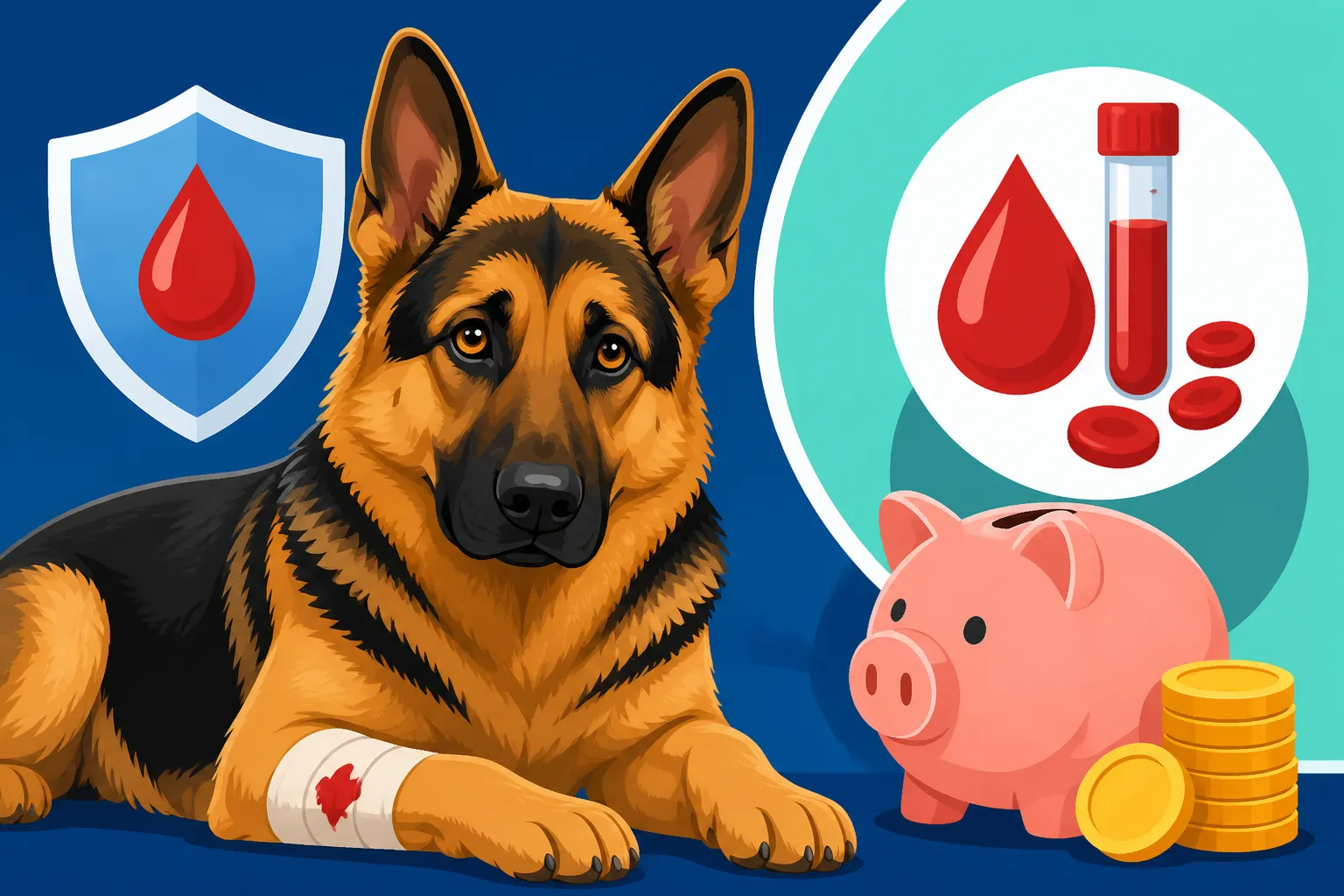
German Shepherd Von Willebrand Disease: Cost to Treat
Discovering your beloved German Shepherd has Von Willebrand Disease (vWD) can be incredibly distressing. It's a genetic bleeding disorder, and the thought of your strong, active companion facing unpredictable bleeding episodes or complications from even minor injuries is enough to keep any dog parent up at night. Beyond the emotional toll, the financial aspect of managing a chronic condition like vWD can feel overwhelming, leaving you wondering how you’ll afford the necessary care. This comprehensive guide is here to break down the potential costs associated with diagnosing and treating Von Willebrand Disease in German Shepherds, helping you prepare for the road ahead.
Understanding Von Willebrand Disease in German Shepherds
Before we dive into the numbers, it's really important to understand what Von Willebrand Disease is and why it's such a concern for German Shepherd owners. This isn't just a simple cut that won't stop bleeding; it's a fundamental issue with how your dog's blood clots. Knowing the basics helps you appreciate the various diagnostic and treatment pathways and, by extension, the costs involved.
What is Von Willebrand Disease?
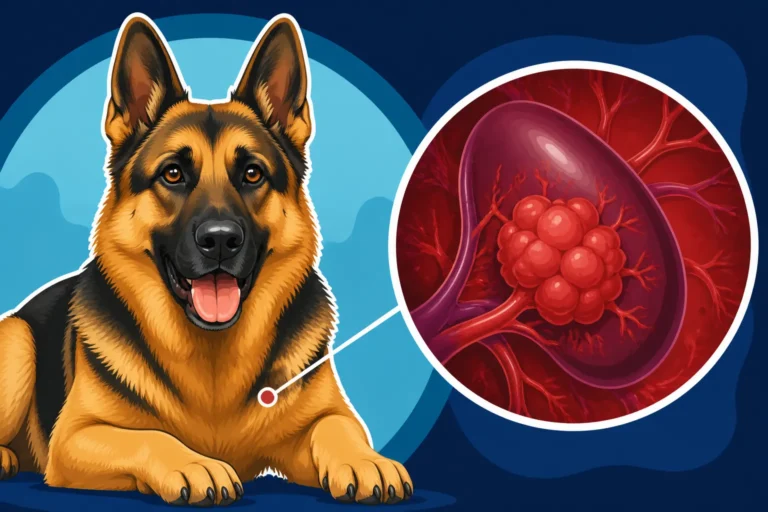
Von Willebrand Disease is the most common inherited bleeding disorder in dogs, and it affects numerous breeds, including our majestic German Shepherds. At its core, vWD means that your dog's blood is lacking or has a defective Von Willebrand factor (vWF), a protein crucial for proper blood clotting. Think of vWF as the "glue" that helps platelets stick together and form a plug when a blood vessel is injured, initiating the clotting process. Without enough functional vWF, this initial plug formation is impaired, leading to prolonged bleeding.
There are actually three types of vWD, but Type 1 is the most prevalent and the one primarily seen in German Shepherds. In Type 1, the dog produces vWF, but not enough of it, and the levels can vary. This means some dogs might have very mild symptoms or even be asymptomatic, while others can experience significant bleeding. The unpredictability is what makes it particularly challenging to manage both medically and financially, as you never know when a serious bleeding episode might strike.
Why German Shepherds are Susceptible
German Shepherds are unfortunately one of the breeds genetically predisposed to Von Willebrand Disease, particularly Type 1. This genetic link means that if a dog carries the gene for vWD, they can pass it on to their offspring. This is why responsible breeders place such a high emphasis on German Shepherd Genetic Health Testing for breeding pairs. Even seemingly healthy parents can carry the gene and produce affected puppies.
The breed's high energy levels and active nature can also inadvertently contribute to the clinical presentation of vWD. A German Shepherd loves to run, jump, play, and explore. These activities, while essential for their well-being, increase the risk of minor cuts, scrapes, or internal injuries that could turn into major bleeding events if vWF levels are insufficient. Owners of affected German Shepherds often describe living with a constant undercurrent of worry, knowing that a playful bump or an adventurous run could lead to an emergency.
Diagnostic Costs for Von Willebrand Disease
The first step in managing vWD, and incurring costs, is getting a definitive diagnosis. This often starts with recognizing symptoms, moves through general veterinary exams, and culminates in specific tests to confirm the presence and type of the disease. These initial diagnostic steps can range from a few hundred to over a thousand dollars, depending on the tests performed and the veterinary clinic's pricing.
Initial Veterinary Consultations and Symptom Investigation
If you suspect your German Shepherd might have a bleeding disorder, perhaps after noticing prolonged bleeding from a small wound, nosebleeds, blood in their urine or stool, or excessive bruising, your first stop will be the vet. An initial consultation will involve a thorough physical examination, where your veterinarian will check for signs like pale gums, bruising, or joint swelling (which can indicate internal bleeding). They'll also take a detailed history, asking about any previous bleeding episodes, medications, and your dog's lineage if known.
During this initial visit, your vet might recommend a complete blood count (CBC) and a biochemical profile, which are standard screenings for overall health. A CBC can show if your dog is anemic due to blood loss, and platelet counts can be checked, though vWD isn't typically a platelet disorder. These basic blood tests can cost anywhere from $150 to $300, depending on your location and the specific lab panels run. While these tests won't diagnose vWD directly, they help rule out other conditions and provide a baseline for your dog's general health, informing the next steps.
Specific vWD Testing and Genetic Screening
To confirm Von Willebrand Disease, more specific tests are required. The primary diagnostic test for vWD measures the amount of Von Willebrand factor antigen (vWF:Ag) in your dog's blood plasma. This test is often performed at specialized veterinary laboratories. A low level of vWF:Ag is indicative of the disease. The cost for a vWF:Ag test typically ranges from $100 to $300, and sometimes requires shipping the sample to a reference lab, which can add courier fees.
Another critical diagnostic tool, especially for German Shepherds, is genetic testing. Since vWD Type 1 is an inherited condition, a DNA test can identify if your dog carries the specific mutation associated with the disease. This test is typically done via a cheek swab or blood sample and can definitively tell you if your dog is clear, a carrier, or affected. Genetic testing is particularly valuable for breeders to make informed decisions and prevent passing the gene on. The cost for a German Shepherd DM DNA testing explained can range from $70 to $200, often offered by labs like Embark or Wisdom Panel. While the upfront cost might seem like another expense, it provides invaluable information for both current care and future breeding considerations, potentially preventing much larger costs down the line from affected offspring.
| Test Type | Typical Cost Range (USD) | Purpose |
|---|---|---|
| Initial Vet Consultation | $60 – $150 | Physical exam, symptom history, initial assessment |
| Complete Blood Count (CBC) | $100 – $200 | Checks for anemia, platelet count, overall blood health |
| Biochemical Profile | $100 – $200 | Evaluates organ function, helps rule out other issues |
| vWF:Ag Test | $100 – $300 | Measures Von Willebrand factor levels in blood plasma |
| Genetic DNA Test | $70 – $200 | Identifies presence of vWD gene mutation (clear, carrier, affected) |
Treatment Options and Associated Costs
Once a diagnosis of Von Willebrand Disease is confirmed, the focus shifts to managing the condition and addressing any bleeding episodes. Unlike some conditions, there isn't a "cure" for vWD, but rather a strategy of prevention and reactive treatment when bleeding occurs. The costs here are highly variable, largely dependent on the severity and frequency of these episodes.
Emergency Bleeding Episodes
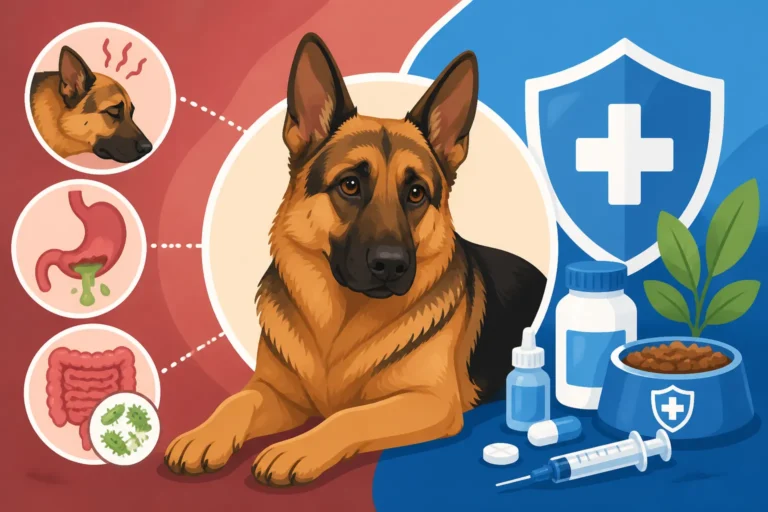
This is where the costs can really skyrocket. If your German Shepherd experiences a severe bleeding episode – perhaps from an injury, a surgery, or even spontaneously – immediate veterinary intervention is crucial. A significant nosebleed, blood in their urine or stool, or signs of internal bleeding (like lethargy, weakness, or distended abdomen) warrant an emergency vet visit. Emergency veterinary hospitals often have higher fees than regular clinics, especially for after-hours care.
Treatment for an acute bleeding crisis often involves administering a transfusion of fresh frozen plasma (FFP) or cryoprecipitate, which are blood products rich in Von Willebrand factor. These transfusions can help stabilize the dog by providing the missing clotting factor. The cost for a single unit of fresh frozen plasma can range from $150 to $400, and a dog might need multiple units, especially for a large breed like a German Shepherd. Add to that the cost of IV fluids, hospitalization, monitoring, medications to control bleeding, and potential diagnostics like ultrasound, and an emergency visit can easily run into the thousands of dollars ($1,000 – $5,000+) for even one severe event. Having pet insurance, like a plan from Healthy Paws, can be an absolute lifesaver in these unexpected, high-cost scenarios.
Prophylactic Measures and Minor Procedures
For German Shepherds diagnosed with vWD, particular care must be taken during routine procedures that carry a risk of bleeding, such as dental cleanings, nail trims, or minor surgeries like spaying or neutering. Your vet might recommend prophylactic measures to reduce bleeding risk. This often involves administering desmopressin (DDAVP) prior to the procedure. DDAVP helps to temporarily release stored vWF from the body's cells, effectively increasing clotting factor levels.
A dose of desmopressin typically costs $50 to $150, but it needs to be administered by a vet. For any planned surgery, even a routine one, extra precautions will be taken. This could include pre-surgical blood work to assess clotting times, having blood products on standby, and extended post-operative monitoring. These added layers of care contribute to the overall cost. For example, a routine spay or neuter for a vWD-affected German Shepherd might be several hundred dollars more than for a healthy dog, simply due to the increased monitoring and prophylactic treatments.
Surgical Interventions and Blood Transfusions
If a vWD-affected German Shepherd needs a more complex surgery, such as one for a cruciate ligament tear (a common German Shepherd Health Problems Guide concern) or an internal injury, the costs become even more substantial. The risk of life-threatening hemorrhage is significantly higher, requiring meticulous planning and resources. This usually means a veterinary surgeon with extensive experience, an anesthesiologist, and a dedicated team prepared for complications.
During and after surgery, multiple blood transfusions are often necessary. Each transfusion not only incurs the cost of the blood product itself but also the associated administrative, monitoring, and fluid line costs. A prolonged hospital stay in an intensive care unit (ICU) for post-operative recovery and monitoring can add hundreds to over a thousand dollars per day. In severe cases, the total cost for a major surgery with complications and transfusions could easily reach $5,000 to $10,000 or more. It's these unpredictable, high-cost events that truly highlight the importance of careful financial planning when you own a German Shepherd with vWD.
Long-Term Management and Ongoing Expenses
Living with a German Shepherd who has Von Willebrand Disease isn't just about managing crises; it's about a consistent, long-term commitment to preventive care and monitoring. These ongoing expenses might not be as dramatic as an emergency surgery, but they accumulate over time and are a significant part of the total cost of care.
Lifestyle Adjustments and Preventive Care
Preventive care for a vWD-affected German Shepherd centers on minimizing the risk of injury and bleeding. This often means making some lifestyle adjustments. While German Shepherds need plenty of exercise, high-impact activities or rough play that could lead to cuts, bruises, or internal trauma might need to be modified. Leash walks, controlled play in secure areas, and mental stimulation become even more crucial. Investing in quality harnesses that don't chafe, well-maintained toys that won't break and cause injury, and ensuring a safe home environment can be small costs that add up.
You might also find yourself more frequently changing out broken toys or avoiding certain types of play that involve jumping or high-speed collisions. Even something as simple as nail trimming needs to be approached with extra caution to avoid quicking the nail and causing excessive bleeding. Many owners opt for professional grooming or veterinary assistance for nail trims if they're uncomfortable doing it themselves, adding to routine costs. These seemingly minor adjustments are part of creating a safe world for your vWD-affected German Shepherd.
Medication and Supplement Costs
While there's no daily medication to "cure" vWD, certain supplements might be recommended by your vet to support overall health and potentially enhance clotting function, though scientific evidence for most is limited regarding vWD specifically. For instance, omega-3 fatty acids are often recommended for their general anti-inflammatory benefits and skin health, but they can also potentially interfere with platelet function, so consultation with your vet is vital. Some vets might recommend specific vitamins or herbal supplements, with varying costs.
However, if your German Shepherd experiences frequent minor bleeding episodes, your vet might prescribe medications to manage secondary issues, such as antibiotics for infections resulting from blood loss or pain relievers for discomfort. These recurring prescriptions contribute to ongoing costs, ranging from $30 to $100 per month depending on the specific drugs and dosages needed for a large breed dog. It's vital to discuss any potential supplements or medications with your veterinarian to ensure they are safe and appropriate for your German Shepherd's specific condition.
Regular Monitoring and Check-ups
Regular veterinary check-ups are paramount for German Shepherds with vWD. Even if they appear healthy, routine blood work can help monitor their vWF levels (if retesting is recommended by your vet) and check for any signs of anemia or other complications. These check-ups might be recommended every six months or annually, costing between $100 to $300 per visit, not including any additional tests.
Your vet will also assess your dog's overall health, discuss any new symptoms, and advise on any necessary adjustments to their care plan. These appointments are also crucial for maintaining a strong relationship with your veterinary team, ensuring they are well-acquainted with your German Shepherd's specific needs and can act quickly if an emergency arises. Proactive monitoring, although an expense, is a key part of How to Keep a German Shepherd Healthy, especially with a condition like vWD.
Financial Planning and Support for vWD Care
The potential costs associated with Von Willebrand Disease in German Shepherds, especially during emergencies, can be staggering. It's not uncommon for owners to feel overwhelmed. However, with proper financial planning and awareness of available resources, you can better prepare yourself for the financial journey of caring for your beloved companion.
The Role of Pet Insurance
Pet insurance can be an absolute game-changer for German Shepherd owners facing a vWD diagnosis. While most pet insurance plans won't cover pre-existing conditions, if your German Shepherd was enrolled before being diagnosed with vWD, many comprehensive plans would cover a significant portion of the diagnostic and treatment costs. This includes emergency visits, blood transfusions, medications, and specialist consultations related to the condition.
When looking at pet insurance, it's crucial to understand what's covered, what the deductible is, and what the reimbursement rate will be. Providers like Healthy Paws are known for their comprehensive coverage and quick claims processing, which is exactly what you need when dealing with urgent medical situations. Imagine an emergency bill of $4,000 – with an 80% reimbursement rate after your deductible, that suddenly becomes a much more manageable expense. For many, the peace of mind alone that pet insurance offers is well worth the monthly premium. It’s definitely something to consider if you're wondering, "Is Pet Insurance Worth It for a German Shepherd".
Building an Emergency Fund
Even with pet insurance, or if your dog's condition is considered pre-existing, having a dedicated emergency fund is paramount. Unexpected medical crises don't wait for your next paycheck. Many financial experts recommend having at least $2,000 to $5,000 specifically set aside for pet emergencies. This fund can cover your deductible, co-pays, or even the entire cost of a less severe incident.
Building this fund systematically, perhaps by setting aside a small amount each month, can prevent you from having to make difficult financial decisions during a stressful time. Think of it as a safety net that allows you to focus on your German Shepherd's health rather than worrying about the bill. This proactive approach is a cornerstone of responsible pet ownership, particularly for breeds prone to specific health issues.
Exploring Financial Assistance Programs
If you find yourself in a situation where the costs of vWD treatment are beyond your means, don't despair. There are various organizations and programs dedicated to helping pet owners afford veterinary care. Many state veterinary medical associations and local humane societies offer lists of financial aid resources. Some breed-specific rescues might also have funds available to assist owners of German Shepherds with costly medical conditions.
Additionally, organizations like The Pet Fund, RedRover, and the American Veterinary Medical Foundation (AVMF) often provide grants or resources for owners facing significant veterinary bills. Some veterinary practices also offer payment plans through third-party services like CareCredit. While navigating these options can take time, they can provide a much-needed lifeline when you're caught off guard by the substantial German Shepherd Annual Vet Bill Breakdown that a chronic condition like vWD can entail. Don't be afraid to ask your veterinarian's office for guidance on these resources.
Conclusion
Caring for a German Shepherd with Von Willebrand Disease is a significant commitment, both emotionally and financially. From the initial diagnostic tests, which can be a few hundred dollars, to emergency treatments that can easily run into the thousands, the costs are substantial and unpredictable. Long-term management involves ongoing vigilance, preventive care, and regular veterinary check-ups, all of which contribute to the overall expense.
However, by understanding the disease, proactively planning for potential costs through savings and pet insurance (like a reliable plan from Healthy Paws), and knowing where to turn for financial assistance, you can provide your beloved German Shepherd with the best possible care. While the journey might have its challenges, the unconditional love and companionship your German Shepherd offers are, without a doubt, priceless.
Disclaimer
This article is intended for informational purposes only and does not constitute veterinary advice. The costs mentioned are estimates and can vary significantly based on your geographic location, the specific veterinary clinic, the severity of your dog's condition, and the treatments required. Always consult with a qualified veterinarian for any health concerns or before making any decisions regarding your pet's medical care.