German Shepherd Pancreatitis: Cost to Treat
It's incredibly stressful when your beloved German Shepherd isn't feeling well, and hearing a diagnosis like pancreatitis can send your mind reeling with worry, not just for their health but for the financial implications too. Dealing with a sick dog can feel overwhelming, especially with the unknown costs involved in treatment. This guide aims to shed light on the potential expenses associated with treating pancreatitis in German Shepherds, helping you prepare for what might lie ahead.
Understanding German Shepherd Pancreatitis and Its Financial Impact
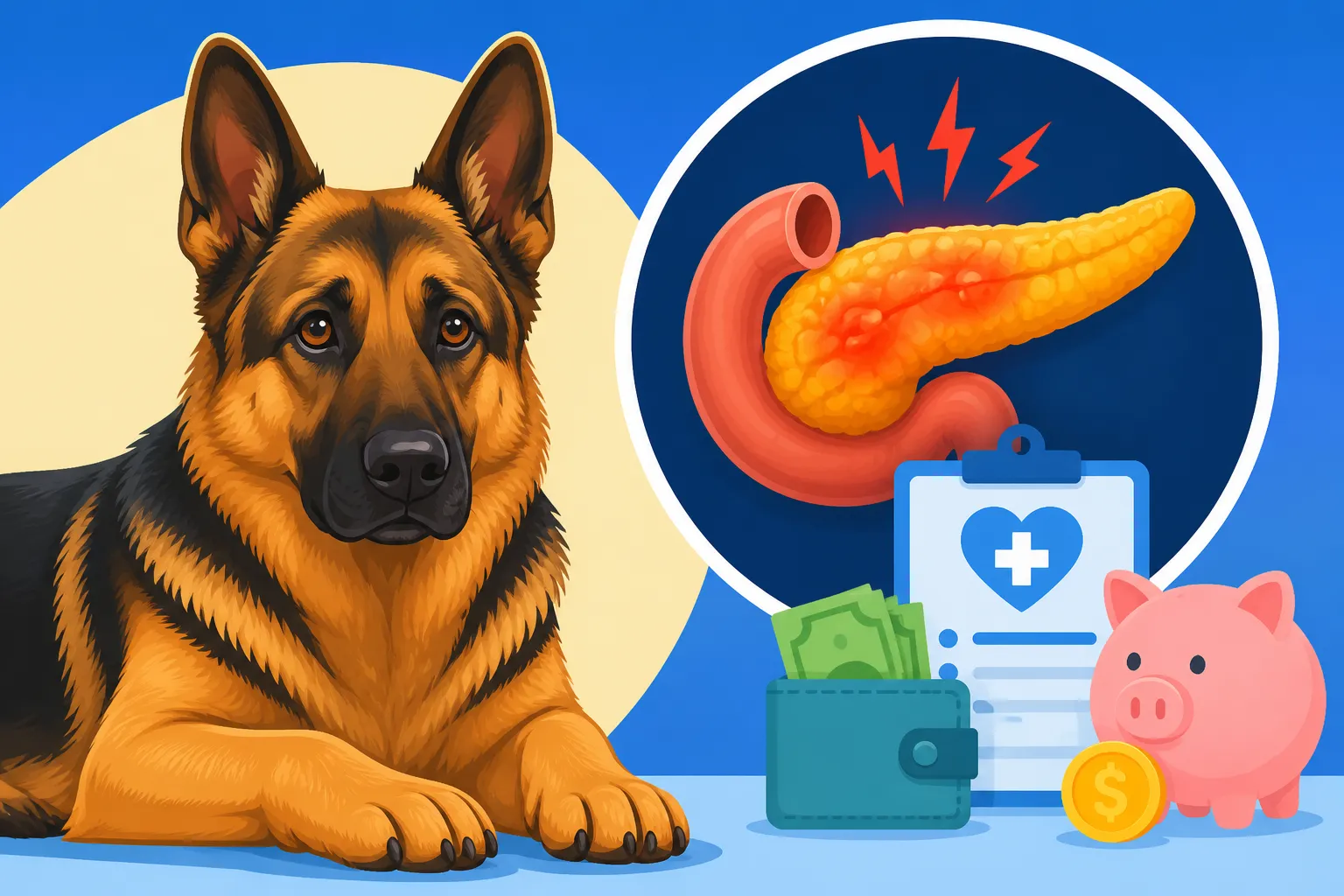
Pancreatitis in German Shepherds, a serious inflammation of the pancreas, can range from a mild, transient issue to a severe, life-threatening condition. This variation in severity is the primary driver behind the wide range of treatment costs you might encounter. The pancreas, a vital organ tucked near the stomach, is responsible for producing digestive enzymes and hormones like insulin. When it becomes inflamed, these enzymes can start digesting the pancreas itself, leading to immense pain, nausea, vomiting, and a cascade of other serious health problems.
The financial burden can feel like another punch to the gut when you're already worried about your furry friend. Many owners find themselves caught off guard by the sheer expense, especially if their dog requires emergency care or extended hospitalization. It’s not just the initial vet visit; it's the diagnostics, the medications, the specialized diet, and potentially even follow-up specialist consultations that add up quickly. Having a clear picture of what these costs entail can help you make informed decisions and reduce some of that financial anxiety during an already difficult time.
German Shepherds, like many large breeds, can be predisposed to certain health conditions, and while not as common as hip or elbow dysplasia, pancreatitis is a concern that every owner should be aware of. Knowing the typical signs, like abdominal pain, hunched posture, vomiting, diarrhea, and lethargy, is crucial for early detection, which can often lead to less severe and, consequently, less expensive treatment. Delaying care can escalate the condition rapidly, turning a manageable situation into an emergency requiring intensive and costly intervention. This is why being vigilant about your German Shepherd's health is always the best first step.
Initial Diagnosis and Acute Treatment Costs
When your German Shepherd first shows symptoms that might indicate pancreatitis, your veterinarian will need to perform a series of diagnostic tests to confirm the condition and assess its severity. These initial steps are vital but can already start to accrue significant costs. You're looking at blood work, which typically includes a complete blood count (CBC), a biochemistry panel, and a specific canine pancreatic lipase immunoreactivity (cPLI) test – the gold standard for diagnosing pancreatitis. These tests alone can range from $150 to $400, depending on your location and veterinary clinic.
Beyond blood work, imaging studies are often necessary. An abdominal ultrasound is incredibly valuable for visualizing the pancreas, assessing the degree of inflammation, and ruling out other conditions that might present similarly, such as a foreign body obstruction or certain types of gastrointestinal upset. An ultrasound can cost anywhere from $300 to $600, especially if performed by a specialist or in an emergency setting. X-rays might also be taken to check for other abdominal issues or fluid accumulation. The goal here isn't just to confirm pancreatitis, but to understand its extent, as this dictates the treatment plan.
If your German Shepherd is diagnosed with acute pancreatitis, particularly a moderate to severe case, hospitalization is often required. This is where costs can truly skyrocket. Treatment for acute pancreatitis typically involves aggressive supportive care, including intravenous (IV) fluid therapy to combat dehydration and maintain electrolyte balance, anti-nausea medications, pain management (which might involve strong opioids), and sometimes antibiotics if a secondary infection is suspected. A single day of hospitalization can cost $500 to $1,500, and many dogs need several days of inpatient care. For a severe case requiring two to five days in the hospital, potentially with around-the-clock monitoring and additional interventions, you could easily be looking at a bill ranging from $2,000 to $7,000 or even more in a specialized emergency veterinary hospital.
| Treatment Component | Estimated Cost Range (USD) | Notes |
|---|---|---|
| Initial Vet Exam | $50 – $150 | Standard office visit, may be higher for emergency/after-hours. |
| Blood Work (CBC, Chem, cPLI) | $150 – $400 | Essential for diagnosis and ruling out other conditions. |
| Abdominal Ultrasound | $300 – $600 | Crucial for visualizing pancreas and severity. |
| X-rays | $100 – $250 | May be used to rule out other issues. |
| Hospitalization (per day) | $500 – $1,500 | Includes IV fluids, basic meds, monitoring. |
| Medications (Pain, Anti-nausea) | $50 – $200 (initial) | Take-home meds for less severe cases or post-discharge. |
| Surgery (rare, for complications) | $3,000 – $10,000+ | Only if pancreatitis leads to complications like abscesses. |
| Total for Mild Acute Case | $700 – $2,000 | Typically involves outpatient care, less intensive diagnostics. |
| Total for Severe Acute Case | $2,500 – $7,000+ | Requires multi-day hospitalization, intensive care. |
Managing Chronic Pancreatitis Expenses
While acute pancreatitis is a sudden, severe episode, some German Shepherds can develop chronic pancreatitis, which is a persistent, low-grade inflammation that flares up periodically. The costs here shift from a single, large emergency bill to ongoing management expenses that can add up over months and years. This often requires a long-term strategy, and the financial commitment is just as significant, albeit distributed differently. It's a Marathon, not a sprint, and preparing for ongoing care is key.
A cornerstone of managing chronic pancreatitis is a specialized diet. Your vet will likely recommend a prescription low-fat dog food, which is crucial for reducing the workload on the pancreas and preventing future flare-ups. Brands like Purina Pro Plan Veterinary Diets EN Gastroenteric Low Fat or Royal Canin Veterinary Diet Gastrointestinal Low Fat are common choices. These specialized foods typically cost more than standard kibble, often ranging from $80 to $120 for a large bag, and this is a recurring monthly expense for the lifespan of your German Shepherd. Switching to such a diet, even if it feels costly upfront, is a proactive step that can save you much more in emergency vet bills down the line. Many pet parents find it's a small price to pay for consistent health and fewer painful episodes for their dog.
Beyond diet, some German Shepherds with chronic pancreatitis may require additional medications or supplements. This could include pancreatic enzyme supplements if the pancreas's ability to produce its own enzymes is severely compromised, a condition known as Exocrine Pancreatic Insufficiency (EPI). EPI and pancreatitis are often linked, and while not the same, they share symptoms and can coexist. Supplementation for EPI, for example, can be an ongoing cost of $50-$200 per month. Pain medication might be needed during flare-ups, and anti-nausea drugs can become a staple in your medicine cabinet. Regular check-ups, potentially every few months, will also be necessary to monitor your German Shepherd's condition, adjust diet or medication as needed, and perform follow-up blood tests. Each vet visit, plus the accompanying diagnostics, could be $100 to $300 a pop.
The Role of Pet Insurance and Prevention
Given the potentially high costs associated with treating pancreatitis, many German Shepherd owners seriously consider pet insurance. This can be a lifesaver, transforming a potentially devastating financial hit into a manageable monthly premium and a co-pay. Policies from providers like Healthy Paws, for instance, typically offer comprehensive coverage for accidents and illnesses, which would include pancreatitis. Imagine the relief of knowing that after your deductible, you could be reimbursed for 70% to 90% of those thousands of dollars in vet bills. This peace of mind is invaluable, especially when facing an emergency where immediate, top-tier care is paramount.
When choosing a pet insurance plan, it's crucial to understand what's covered, what the deductible is, and what percentage of the vet bill they reimburse. It's also important to note that pet insurance generally doesn't cover pre-existing conditions, so enrolling your German Shepherd when they are young and healthy is ideal. For a German Shepherd, monthly premiums can range from $40 to $80, but this varies based on age, location, and the specific plan details. While it's an added expense, the potential for significant savings in the event of a major illness like severe pancreatitis can make it an incredibly worthwhile investment for many families. Think of it as a financial safety net for your furry family member.
Beyond insurance, focusing on prevention is the best long-term strategy to mitigate both health issues and costs. This includes providing a high-quality, balanced diet that is appropriate for your German Shepherd's age and activity level, and avoiding excessive fatty treats or table scraps. Obesity is a known risk factor for pancreatitis, so maintaining a healthy weight through proper nutrition and regular exercise is paramount. You can read more about German Shepherd Weight and Obesity Risks for detailed guidance. Regular veterinary check-ups are also crucial for early detection of any health issues, allowing for intervention before conditions escalate. These routine visits, while an expense, are a much smaller investment than treating an advanced disease. Implementing preventative measures can significantly reduce the likelihood of costly pancreatitis episodes and help your German Shepherd live a long, healthy life. You can also explore articles like How to Keep a German Shepherd Healthy for a broader approach to overall wellness.
Long-Term Outlook and Financial Planning
Dealing with pancreatitis in a German Shepherd isn't just about the immediate treatment; it's also about understanding the long-term prognosis and how that might impact your financial planning. While many dogs recover fully from an acute episode, some may be prone to recurrent bouts or develop chronic pancreatitis, requiring ongoing management. This means the initial costs might just be the beginning of a longer financial journey. It’s important to have an open and honest conversation with your veterinarian about the expected long-term care needs and potential complications, such as Exocrine Pancreatic Insufficiency (EPI) or diabetes, both of which can significantly increase lifelong expenses.
For German Shepherds with chronic pancreatitis, the continuous cost of specialized low-fat diets, digestive enzyme supplements, and periodic veterinary check-ups, including blood tests, can become a fixed part of your monthly budget. These expenses, while not as dramatic as an emergency hospital stay, accumulate steadily over time. It’s wise to factor these into your overall Cost of Owning a German Shepherd Per Year. Setting aside an emergency fund specifically for your pet's health can provide a crucial buffer. Even a modest savings account dedicated to unexpected vet bills can prevent difficult choices down the road. Some owners also opt for a veterinary savings account or specific credit lines designed for pet care, such as CareCredit, to help manage these costs.
Ultimately, the best approach to managing the costs of German Shepherd pancreatitis involves a combination of proactive health management, diligent observation for early symptoms, and robust financial planning. Consider what you learned in German Shepherd Pancreatitis: Symptoms and Treatment and apply that knowledge diligently. Regular check-ups, a high-quality diet, and a watchful eye on any changes in behavior or appetite are your first line of defense. And for that unexpected moment when things do go wrong, having a pet insurance policy like those offered by Healthy Paws in place can truly make all the difference, allowing you to focus entirely on your German Shepherd’s recovery without the added stress of overwhelming bills. Planning ahead ensures that you can provide the best possible care for your beloved companion, no matter what health challenges they may face.
Disclaimer
This article is for general informational purposes only and does not constitute professional advice. Laws, prices and regulations vary by location and change over time. Consult a qualified professional for guidance on your specific situation.