German Shepherd Hip Dysplasia Surgery Cost
It’s heartbreaking to watch your beloved German Shepherd struggle with the pain of hip dysplasia, knowing that every step causes discomfort. The diagnosis alone can be a punch to the gut, but then the reality sets in: the vet mentions surgery, and suddenly, your mind races to the potential costs, wondering if you can even afford to give your loyal companion the relief they deserve. This guide is here to walk you through the various surgical options for German Shepherd hip dysplasia, delve deep into the costs associated with each procedure, and explore ways to manage this significant financial burden, so you can make an informed decision for your furry family member.
Understanding German Shepherd Hip Dysplasia and Its Impact
When your German Shepherd isn't moving with the typical energy and grace you expect, hip dysplasia is often one of the first concerns that pops into any responsible owner's mind. It's a common, painful, and often debilitating condition that can drastically reduce your dog's quality of life, transforming a once athletic companion into a hesitant, aching pet.
What Exactly is Hip Dysplasia?
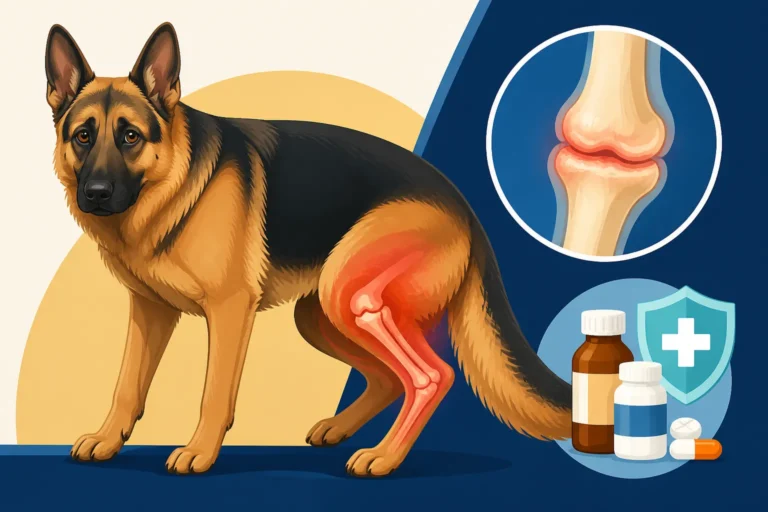
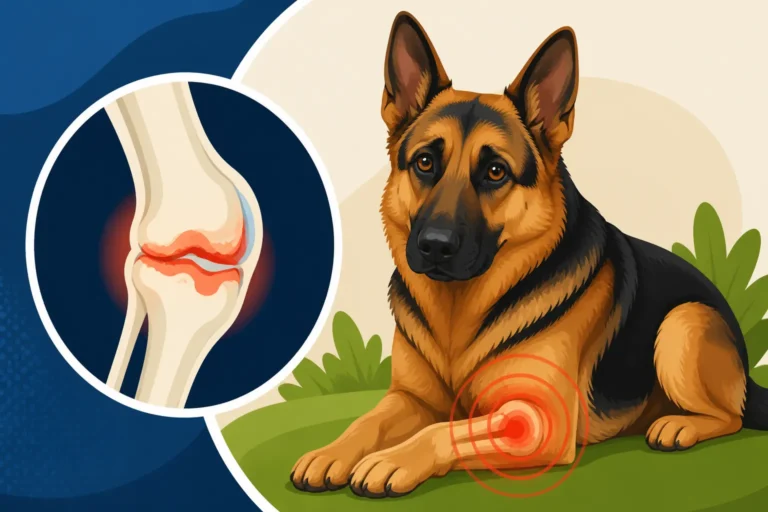
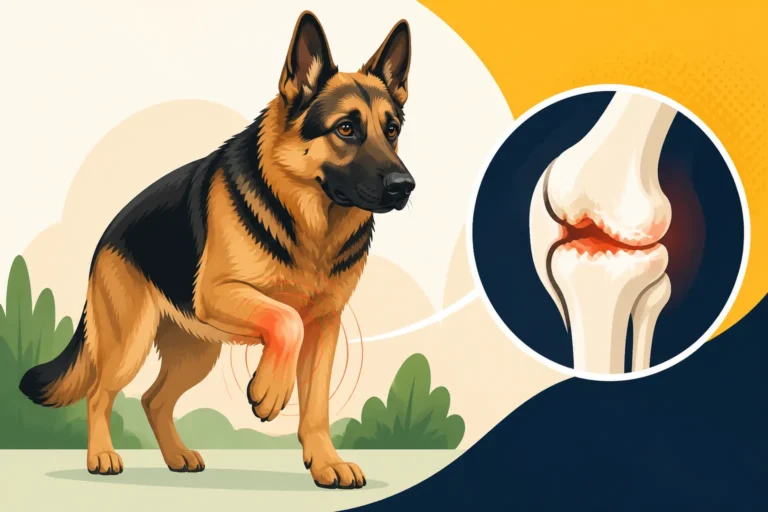
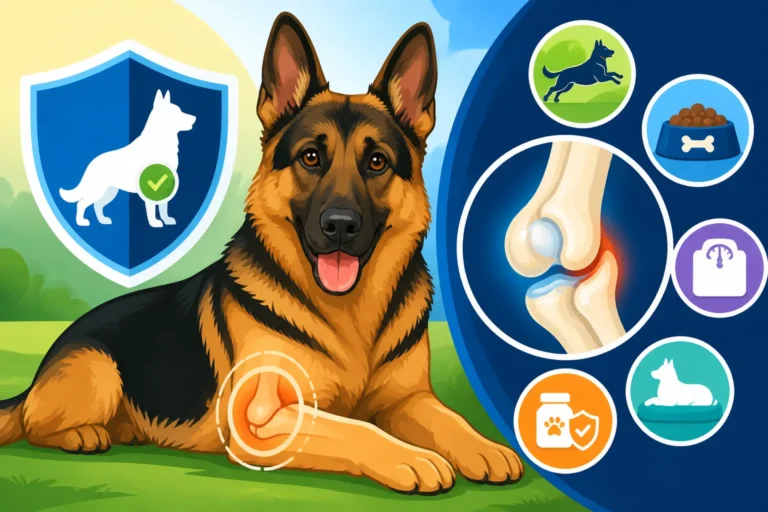
At its core, hip dysplasia is a malformation of the hip joint. Think of your dog's hip as a ball and socket joint, much like our own. The "ball" is the head of the femur (thigh bone), and the "socket" is part of the pelvis, called the acetabulum. In a healthy hip, these two parts fit snugly together, allowing for smooth, pain-free movement. With hip dysplasia, this fit isn't quite right. The socket might be too shallow, or the femoral head might be misshapen, leading to a loose, unstable joint.
Over time, this instability causes the bones to rub and grind against each other instead of gliding smoothly. This friction leads to wear and tear, inflammation, and eventually, the development of painful degenerative joint disease, or osteoarthritis. The body tries to compensate by forming new bone, but this often makes the problem worse, leading to even more stiffness and pain. It's a progressive condition, meaning it tends to get worse over time if not managed. For a more detailed look, you can explore our comprehensive article on German Shepherd Hip Dysplasia Explained.
Why German Shepherds Are Prone to This Condition
It sometimes feels incredibly unfair that German Shepherds, majestic and strong as they are, are so susceptible to conditions like hip dysplasia. This breed, along with many other large and giant breeds, carries a genetic predisposition. While genetics play a massive role – it's often passed down from parent to puppy – environmental factors can also influence the severity of the condition. Rapid growth, excessive exercise at a young age when growth plates are still open, poor nutrition, and even obesity can exacerbate the problem.
Imagine a young German Shepherd puppy, full of boundless energy, being allowed to jump off high places or engage in intense, repetitive activities before their joints are fully formed. This kind of stress can put undue pressure on already genetically compromised joints. This is precisely why responsible breeders conduct thorough German Shepherd Genetic Health Testing before breeding, aiming to reduce the incidence of this inherited condition. Even with the best genetics, proper care, nutrition, and controlled exercise, especially during the puppy phase, are critical.
Exploring Surgical Treatment Options for Hip Dysplasia
When medical management, like pain medication, anti-inflammatories, and physical therapy, no longer provides sufficient relief, surgery often becomes the most viable option to restore comfort and mobility. The choice of surgical procedure depends heavily on several factors: your dog's age, size, the severity of their dysplasia, and the presence of osteoarthritis. Each surgery has its own set of objectives, recovery processes, and, of course, costs.
Femoral Head Ostectomy (FHO)
An FHO is often considered for smaller German Shepherds (though it can be performed on larger dogs if other options aren't feasible or affordable) or those with less severe forms of the disease. In this procedure, the "ball" portion of the femoral head and neck is surgically removed. The goal isn't to recreate a perfect joint, but rather to eliminate the painful bone-on-bone rubbing.
Once the femoral head is removed, the body forms a "false joint" or fibrous tissue where the bone once was. The muscles around the hip then become the primary support. The success of an FHO heavily relies on post-operative physical therapy and activity to build muscle mass, which then acts as a cushion. While it might sound drastic, many dogs regain a good level of function and live pain-free lives, albeit often with a slightly altered gait. This surgery aims for pain relief rather than restoring a perfectly articulating joint.
Triple Pelvic Osteotomy (TPO) / Double Pelvic Osteotomy (DPO)
These procedures are typically performed on younger German Shepherds, generally under 10-12 months of age, who have hip dysplasia but have not yet developed significant osteoarthritis. The key here is that the joint must still be "reducible," meaning the femoral head can still be seated properly within the acetabulum. The goal of TPO and DPO is to surgically cut the pelvic bone in three (TPO) or two (DPO) places and then rotate the segments to improve the coverage of the femoral head by the acetabulum, effectively deepening the socket.
Special plates and screws are used to hold the repositioned bone segments in place while they heal. The idea is to create a more stable, functional joint and prevent the progression of osteoarthritis. This is a highly specialized surgery, often performed by board-certified veterinary orthopedic surgeons. The recovery is quite involved, requiring strict activity restriction for several weeks as the bones heal. The long-term prognosis for dogs who are good candidates and undergo successful TPO/DPO is often excellent, offering a chance at a normal, active life.
Total Hip Replacement (THR)
For many German Shepherds suffering from severe hip dysplasia and debilitating osteoarthritis, a Total Hip Replacement (THR) is considered the gold standard treatment. This procedure is remarkably similar to human hip replacements. It involves removing the diseased femoral head and replacing it with a prosthetic "ball" made of metal, and replacing the damaged acetabulum with a plastic or metal "socket."
The goal of THR is to completely restore normal, pain-free hip function. It's a complex, highly specialized surgery that requires significant surgical expertise and dedicated post-operative care. Most dogs undergoing THR experience dramatic improvements in mobility and quality of life, often returning to near-normal activity levels. Due to its complexity and the specialized implants required, it is generally the most expensive surgical option, but also offers the most complete resolution for severe cases.
Breaking Down the Costs of German Shepherd Hip Dysplasia Surgery
Talking about money when your dog is in pain feels secondary, but it's a very real concern for every owner. The cost of hip dysplasia surgery for a German Shepherd can be substantial, and it's essential to understand what contributes to these figures so you can be prepared. These aren't simple, one-time fees; they encompass a range of services and can vary significantly.
Factors Influencing Surgical Costs
You might wonder why a quote from one vet sounds different from another. The truth is, many variables influence the final bill for hip dysplasia surgery:
- Geographic Location: Veterinary costs, much like human healthcare costs, vary by region. A procedure in a major metropolitan area like Los Angeles or New York City will almost certainly be more expensive than in a rural clinic in a less populated state.
- Veterinary Specialist vs. General Practitioner: Total Hip Replacement and TPO/DPO are typically performed by board-certified veterinary orthopedic surgeons, who have extensive specialized training and command higher fees than general practitioners. Even FHO might be performed by a specialist in complex cases.
- Severity of the Condition: More advanced cases of hip dysplasia, especially those with significant osteoarthritis, might require more intricate surgical techniques, extended anesthesia, or longer hospital stays, all of which add to the cost.
- Pre-Operative Diagnostics: Before surgery, your German Shepherd will need a thorough examination, blood work (to ensure they're healthy enough for anesthesia), and extensive X-rays or even CT scans to assess the hip joint's condition accurately. These diagnostics are crucial and contribute to the overall cost.
- Anesthesia and Monitoring: Anesthesia is a critical component of any surgery, and the cost includes the anesthetic drugs, the time your dog is under anesthesia, and the continuous monitoring by a veterinary technician to ensure their safety.
- Surgical Implants and Equipment: For procedures like THR and TPO/DPO, specialized implants (prosthetic joints, plates, screws) are extremely expensive. These cutting-edge materials and instruments are factored into the cost.
- Hospitalization and Post-Operative Care: Depending on the procedure, your German Shepherd may need to stay in the hospital for a few days for pain management, wound care, and initial monitoring. This includes medication, bandages, and nursing care.
- Post-Surgical Medications and Rehabilitation: After surgery, your dog will require a regimen of pain medications, anti-inflammatories, and possibly antibiotics. Crucially, physical therapy and rehabilitation are often essential for optimal recovery, especially for FHO and THR. These sessions can be ongoing for weeks or months and significantly add to the overall expense.
Typical Cost Ranges for Each Procedure
Understanding the general cost ranges for each surgical option can help you prepare financially. Keep in mind these are broad estimates and can fluctuate greatly based on the factors mentioned above. It's always best to get a detailed estimate from your veterinarian or the specialist performing the surgery.
Let's look at some average ranges you might encounter in the United States:
| Procedure | Average Cost per Hip (USD) | Notes |
|---|---|---|
| Femoral Head Ostectomy (FHO) | $1,200 – $4,000 | Less expensive, often requires significant post-op physical therapy costs. Best for smaller/less active dogs. |
| Triple/Double Pelvic Osteotomy (TPO/DPO) | $3,500 – $7,000 | Requires a young dog with no significant osteoarthritis. Specialized surgery. |
| Total Hip Replacement (THR) | $6,000 – $12,000+ | Gold standard, most expensive, complex procedure. Can be done on one or both hips. |
It's important to note that these figures are per hip. If your German Shepherd has bilateral hip dysplasia, meaning both hips are affected, and requires surgery on both, the costs will likely double, or in some cases, a discount may be applied for a second surgery done at the same time or a later date. This is why addressing German Shepherd Hip Dysplasia: Symptoms and Treatment early is so crucial.
Managing the Financial Burden: Insurance and Alternatives
Facing potential vet bills running into the thousands of dollars can be incredibly daunting. Many German Shepherd owners feel overwhelmed, but there are proactive steps you can take to alleviate the financial stress and ensure your dog gets the care they need.
The Role of Pet Insurance
This is where pet insurance truly shines, especially for breeds predisposed to genetic conditions like hip dysplasia. A good pet insurance policy can be a lifesaver, covering a significant portion of unexpected surgical costs. Imagine receiving a bill for $8,000 for a total hip replacement; with a comprehensive plan, you might only be responsible for your deductible and a co-payment, potentially saving you thousands.
However, there's a critical caveat: pet insurance typically does not cover pre-existing conditions. This means if your German Shepherd is diagnosed with hip dysplasia before you enroll them, or within the waiting period of your policy, the condition will likely be excluded from coverage. This is why enrolling your German Shepherd in pet insurance as a puppy, before any signs of health issues appear, is highly recommended. Providers like Healthy Paws offer comprehensive plans that, once any waiting periods are met, can cover accidents, illnesses, surgeries, and even emergency care. Researching "Is Pet Insurance Worth It for a German Shepherd?" can provide more insights into this topic.
When choosing a policy, look for one that covers hereditary and congenital conditions, has a high reimbursement percentage (e.g., 80-90%), and offers a range of deductible options. While the monthly premiums are an ongoing expense, they can offer immense peace of mind when a major medical event like hip surgery arises. Remember, while a pet insurance plan from a provider such as Healthy Paws might not cover an already diagnosed case of hip dysplasia, it could be invaluable for preventing future financial strain from other health issues or if you get a new puppy.
Non-Surgical Management Costs
For some German Shepherds, or for owners who cannot pursue surgery due to financial or medical reasons, non-surgical management remains an option. While it won't correct the anatomical defect, it focuses on pain control and improving comfort. However, it's important to understand that non-surgical management is typically an ongoing expense rather than a one-time cost.
Here's what you might expect:
- Medications: Non-steroidal anti-inflammatory drugs (NSAIDs) like Carprofen or Meloxicam are commonly prescribed to reduce pain and inflammation. Other medications, like Gabapentin for nerve pain, might also be used. These are typically daily medications, leading to recurring monthly costs.
- Joint Supplements: Glucosamine, chondroitin, MSM, and Omega-3 fatty acids are popular supplements aimed at supporting joint health and reducing inflammation. Brands like Cosequin, Dasuquin, and GlycoFlex are often recommended. While not a cure, they can help manage symptoms. Check out our article on German Shepherd Joint Health Supplements for more information.
- Physical Therapy/Rehabilitation: Underwater treadmill therapy, therapeutic exercises, massage, and acupuncture can all significantly improve mobility and reduce pain. These sessions can be weekly or bi-weekly and accrue costs quickly.
- Weight Management: Keeping your German Shepherd at a healthy weight is paramount to reducing stress on their joints. This means careful dietary management, which can impact your food budget, but is often less expensive than medical intervention.
- Lifestyle Adjustments: Providing soft bedding, ramps for cars or furniture, and limiting high-impact activities are important but generally don't incur significant direct costs, though they require a shift in routine.
While these individual costs might seem smaller than a single surgical bill, they are ongoing for the lifetime of the dog and can add up to thousands of dollars over several years. It's a different financial commitment, but a commitment nonetheless.
Making the Best Decision for Your German Shepherd
Navigating a hip dysplasia diagnosis and the overwhelming array of treatment options, especially with the costs involved, can feel incredibly heavy. As a German Shepherd owner, you only want what's best for your loyal companion, and making an informed decision involves carefully weighing all aspects – your dog's specific condition, your veterinarian's recommendations, your dog's age and overall health, and, of course, your financial capabilities.
First and foremost, have an open and honest conversation with your veterinary team. They are your best resource for understanding the severity of your dog's hip dysplasia and which surgical or non-surgical options offer the best prognosis for a comfortable, active life. Don't be afraid to ask for detailed breakdowns of all anticipated costs, including pre-operative diagnostics, the surgery itself, post-operative medications, and recommended rehabilitation. Sometimes, clinics can offer payment plans or work with third-party financing options like CareCredit.
Consider getting a second opinion from a board-certified veterinary orthopedic surgeon, especially for complex cases or if you're unsure about the recommended path. This can provide valuable perspective and peace of mind. Remember, early intervention can sometimes lead to better outcomes and potentially less costly, less invasive procedures. Learning about the First Signs of Hip Dysplasia in German Shepherds can empower you to act quickly.
Ultimately, the best decision is the one that prioritizes your German Shepherd's quality of life and is sustainable for you as an owner. Whether you opt for an FHO, a TPO, a THR, or a dedicated non-surgical management plan, your commitment to their comfort and well-being is what truly matters. Your German Shepherd relies on you to advocate for them, and by being well-informed about all the options and their associated costs, you can make the most compassionate and practical choice possible.
Disclaimer
This article is for general informational purposes only and does not constitute professional advice. Laws, prices and regulations vary by location and change over time. Consult a qualified professional for guidance on your specific situation.