How to Manage EPI in a German Shepherd
It's incredibly distressing to watch your beloved German Shepherd lose weight, seem constantly hungry, and struggle with digestive upset, all while you're trying your best to feed them well. This often leads to countless vet visits and worried nights, trying to pinpoint why your otherwise healthy-looking dog can't seem to thrive. If you've found yourself in this frustrating situation, you might be dealing with Exocrine Pancreatic Insufficiency (EPI), a condition that's unfortunately common in our amazing German Shepherds. This comprehensive guide will walk you through understanding, diagnosing, and effectively managing EPI, helping you get your furry family member back to a healthy, happy life.
Understanding Exocrine Pancreatic Insufficiency EPI in German Shepherds
Exocrine Pancreatic Insufficiency (EPI) sounds like a mouthful, but at its heart, it's a condition where your dog's pancreas doesn't produce enough of the crucial enzymes needed to digest food properly. Imagine trying to eat a delicious meal, but your body just can't break it down to absorb the nutrients – that's essentially what happens to a German Shepherd with EPI. It's a frustrating and often heartbreaking journey for owners, but with the right knowledge, it's a manageable condition.
What is EPI and Why Does It Affect German Shepherds?
Your dog's pancreas is a powerhouse organ with two main jobs. Its endocrine function produces hormones like insulin, which regulates blood sugar. But for EPI, we're focused on its exocrine function: producing digestive enzymes. These enzymes – amylase (for carbohydrates), lipase (for fats), and trypsin (for proteins) – are secreted into the small intestine to break down food into absorbable nutrients. When a dog has EPI, their pancreas isn't making enough of these enzymes. This means food passes through their system largely undigested, leading to malabsorption and malnutrition, no matter how much they eat.
German Shepherds are, sadly, genetically predisposed to EPI more than any other breed. While it can occur in other dogs, a significant majority of EPI cases are diagnosed in German Shepherds. This strong genetic link means that if you have a GSD, especially one from a lineage with a history of EPI, it's something you should be aware of. It typically manifests in younger to middle-aged dogs, often between one and six years old, but symptoms can emerge at any age. It's not usually something they're born with, but rather something that develops over time due to atrophy of the pancreatic acinar cells. For more general information on breed-specific health challenges, check out our guide on German Shepherd Health Problems Guide.
Recognizing the Subtle and Obvious Signs of EPI
Identifying EPI can be tricky because some of its early signs can mimic other digestive issues. However, there's a classic constellation of symptoms that, once observed together, should immediately raise a red flag for EPI in a German Shepherd. The most hallmark sign is chronic weight loss despite a ravenous appetite. Your dog might be eating you out of house and home, often scavenging for food, yet continues to lose muscle mass and look bony.
Other key symptoms include:
- Large volume, pale, greasy, yellow-ish stools: Because fats are undigested, the stools often appear fatty, bulky, and have a distinct, foul odor. They might also have a mucous-like consistency.
- Chronic diarrhea or frequent loose stools: The undigested food irritates the intestines, leading to persistent digestive upset. This can be mistakenly attributed to a sensitive stomach initially. If your German Shepherd is experiencing German Shepherd Loose Stool: Common Causes, EPI should be on the list for diagnosis.
- Coprophagia (eating feces): This might be a desperate attempt by the dog to re-ingest nutrients they didn't absorb the first time around.
- Poor coat quality: Due to nutrient deficiencies, their usually lustrous coat might become dull, dry, and brittle.
- Flatulence and abdominal rumbling: The fermentation of undigested food in the gut can cause excessive gas and loud stomach noises.
- Muscle wasting: Particularly noticeable over the back and hindquarters, even if the belly appears distended due to gas.
It’s important to note that these symptoms can progress slowly, so you might notice a gradual decline rather than a sudden onset. This insidious progression can make early diagnosis challenging, leading to frustration for owners who know something isn't right but can't get a definitive answer.
The Diagnostic Journey and Initial Steps After an EPI Diagnosis
Getting an EPI diagnosis can feel like a relief after weeks or months of uncertainty, but it's also the start of a new learning curve. Understanding the diagnostic process and knowing the immediate steps to take will empower you to manage this condition effectively. It's crucial to work closely with your veterinarian throughout this journey.
The Diagnostic Process: Getting a Clear Answer
The definitive diagnostic test for EPI in German Shepherds, and indeed all dogs, is the Canine Trypsin-like Immunoreactivity (cTLI) test. This is a simple blood test that measures the amount of trypsinogen and trypsin in the bloodstream. If the pancreas isn't producing enough digestive enzymes, the TLI levels will be significantly low. It's critical that your dog is fasted for at least 12 hours before this blood test for accurate results, as eating can temporarily increase TLI levels and skew the reading.
While other tests like fecal elastase might be mentioned, the cTLI test remains the gold standard for its accuracy and specificity in diagnosing EPI. Your vet might also run a complete blood count (CBC) and biochemistry panel to check for other issues, organ function, or signs of malnutrition, but these are generally supportive rather than diagnostic for EPI itself. Given the genetic component in German Shepherds, responsible breeders often perform German Shepherd Genetic Health Testing, which sometimes includes screening for conditions like EPI or allows for tracing of family history to identify risks.
Immediate Actions and Setting Up Your Management Plan
Once your German Shepherd receives an EPI diagnosis, the immediate priority is to start enzyme replacement therapy. This isn't a cure, but rather a lifelong management strategy that replaces the enzymes your dog's pancreas isn't producing. Your veterinarian will prescribe pancreatic enzyme supplements, which are typically powdered and mixed directly into your dog's food.
Alongside enzyme therapy, dietary adjustments are paramount. While a special prescription diet isn't always strictly necessary, choosing a highly digestible, low-fat, and moderate-fiber diet is often recommended. The goal is to make digestion as easy as possible for their compromised system. You'll likely also discuss potential supplementation with Vitamin B12 (cobalamin), as many EPI dogs struggle to absorb this essential vitamin, leading to further complications. Establishing a consistent feeding schedule and monitoring your dog's response to the initial treatment will be key. This initial phase can be a bit of trial and error as you find the right dosage and diet that works best for your individual dog.
Long-Term Management Strategies for a Thriving EPI Dog
Managing EPI is a marathon, not a sprint. It requires commitment, patience, and a deep understanding of your dog's needs. The good news is that with consistent and proper management, most German Shepherds with EPI can lead full, active, and healthy lives. The cornerstone of this management revolves around enzyme replacement, careful dietary choices, and vigilant monitoring.
Enzyme Replacement Therapy: The Cornerstone of Treatment
Enzyme replacement therapy is the absolute most critical component of EPI management. Without these enzymes, food simply passes through undigested. These enzymes come in various forms, most commonly as a powdered supplement that you sprinkle over your dog’s food. Brands like PancreVed, Panakare, or VetOne are common options. Some owners use raw pancreatic glands, but powdered supplements are generally more consistent and easier to manage.
The method of administration is crucial. The enzymes work best when they have a little time to "pre-digest" the food before your dog eats it. Many veterinarians recommend mixing the powdered enzymes into each meal thoroughly and letting it sit for 20-30 minutes before feeding. This "pre-incubation" allows the enzymes to start breaking down the food outside the body, making it easier for your dog's system to process. The exact dosage will be determined by your vet, often starting with a standard amount per meal and then adjusting based on your dog's response – looking for improved stool quality and weight gain. It's a continuous balancing act to find that "sweet spot" dosage for your dog.
Dietary Adjustments and Nutritional Support
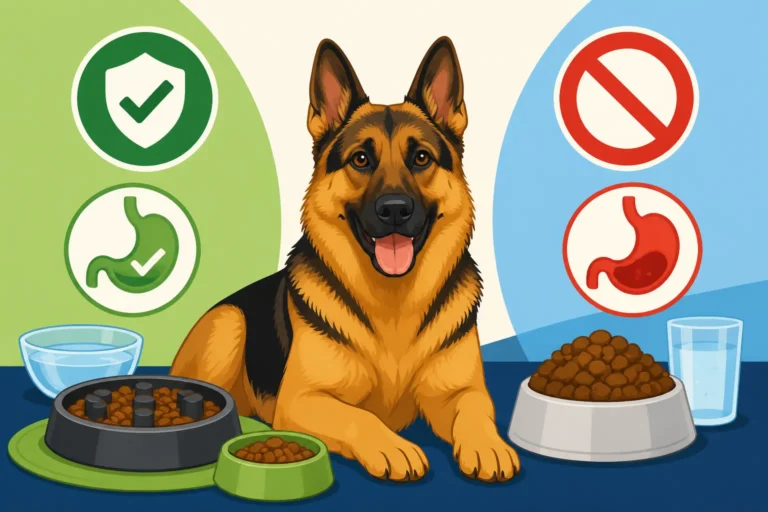
Beyond enzymes, diet plays a huge role in supporting a German Shepherd with EPI. The general consensus points towards highly digestible, low-fiber, and moderate-fat diets. High fiber can actually bind to the enzymes, making them less effective. While some dogs do well on their regular kibble once enzymes are added, others might require a specialized diet. Many vets recommend a diet that is grain-free or has easily digestible carbohydrates, and a protein source that is well-tolerated. Some dog food brands offer specific formulas for sensitive stomachs or digestive support that might be beneficial. When considering options, you might look into brands often recommended for sensitive guts or specific health issues. For insights into general German Shepherd nutrition, you can review our German Shepherd Feeding Guide and explore Best Dog Food for a German Shepherd with a Sensitive Stomach.
In addition to enzymes, Vitamin B12 (cobalamin) supplementation is almost always necessary for EPI dogs. The intrinsic factor required for B12 absorption is also produced by the pancreas, so EPI dogs often become B12 deficient. This deficiency can lead to further gastrointestinal problems, lethargy, and a failure to thrive even with enzyme therapy. B12 is typically given via injections, initially weekly, then gradually tapering to monthly injections as directed by your vet. Oral B12 supplements are generally not effective due to the absorption issues. Your vet might also suggest probiotics to help support gut health, which is often compromised in EPI dogs.
| Component | Purpose | Administration | Notes |
|---|---|---|---|
| Pancreatic Enzymes | Digest fats, proteins, carbohydrates | Mixed thoroughly with food, pre-incubated 20-30 min | Powdered form most common. Dosage adjusted based on stool quality & weight. |
| Diet (Low Fiber, Mod. Fat) | Easier digestion, prevents enzyme binding | Consistent high-quality dog food (sometimes prescription) | Avoid high-fiber diets. Look for highly digestible ingredients. |
| Vitamin B12 (Cobalamin) | Correct deficiency due to malabsorption | Usually subcutaneous injections (initially weekly, then monthly) | Crucial for energy, red blood cell production, and overall health. Oral forms ineffective. |
| Probiotics | Support gut microbiome | Oral supplements | May help with secondary bacterial overgrowth. Consult vet. |
Monitoring Progress and Adjusting the Plan Over Time
Managing EPI isn't a "set it and forget it" situation. Regular monitoring and willingness to adjust your plan are vital. You'll need to closely observe your German Shepherd's stool quality – aiming for small, firm, well-formed stools. Track their weight, body condition, and energy levels. Initial improvement should be seen within a few weeks of starting enzyme therapy and dietary changes.
If your dog isn't responding as expected, or if symptoms return, it's time to consult your vet. This might mean adjusting the enzyme dosage, trying a different enzyme product, or further tweaking the diet. Sometimes, EPI dogs can develop secondary conditions like Small Intestinal Bacterial Overgrowth (SIBO) due to the undigested food in their gut. This might require a course of antibiotics. Regular veterinary check-ups are essential to monitor your dog's overall health, assess B12 levels, and make any necessary adjustments to the treatment plan. Keeping your dog healthy through their senior years might require even more specific adjustments, as detailed in our German Shepherd Senior Care Guide. Remember, patience is key, and consistency in treatment will yield the best results for your furry friend.
Living with an EPI German Shepherd: Quality of Life and Support
Living with a German Shepherd diagnosed with EPI is a commitment, but it's one that most dedicated owners gladly make. With proper management, these dogs can regain their health, vitality, and that playful GSD spirit we all adore. Beyond the medical protocol, establishing a stable home environment and understanding the financial implications are crucial for long-term success.
Creating a Stable and Stress-Free Environment
Consistency is your best friend when managing an EPI German Shepherd. Sticking to a strict feeding schedule, with enzymes pre-mixed into every meal, helps their digestive system find a rhythm. Just like humans, dogs can experience digestive upset when stressed, and for an EPI dog, this can exacerbate their symptoms. A predictable routine, plenty of opportunities for exercise appropriate to their age and energy level, and a calm home environment can all contribute to their overall well-being. For ideas on how to keep your GSD in peak condition, explore our article on How to Keep a German Shepherd Healthy.
Consider feeding smaller, more frequent meals if your dog struggles with digesting larger portions. For example, instead of two large meals, you might split their daily intake into three or even four smaller meals. This can be less taxing on their system and improve nutrient absorption. Ensure they always have access to fresh water, and continue to provide positive reinforcement and affection, which are vital for any dog's mental health.
Financial Considerations and Pet Insurance
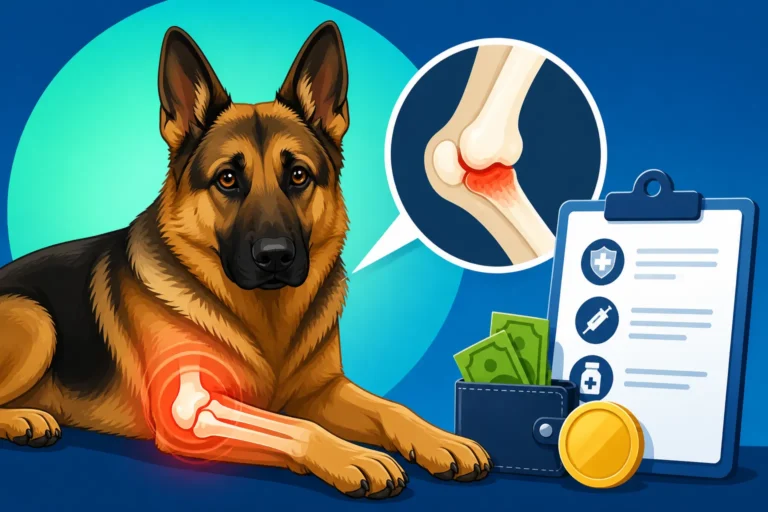
It's important to be realistic about the financial commitment involved in managing EPI. Enzyme replacement therapy is a lifelong treatment, and the cost of enzymes can add up significantly over the years. Depending on the brand, dosage, and your dog's weight, enzyme costs can range from $50 to several hundred dollars per month. Regular vet visits, B12 injections, and potential medications for secondary issues like SIBO will also contribute to the ongoing expenses. It's not uncommon for the annual vet costs for a German Shepherd with chronic conditions to be substantial, something you can learn more about in our guide to German Shepherd Vet Costs Per Year.
This is where pet insurance can truly make a difference. Companies like Healthy Paws offer comprehensive coverage that can help offset the costs of chronic conditions like EPI, covering everything from diagnostic tests to medications and ongoing treatments. While policies might have waiting periods or specific clauses, having a good plan from Healthy Paws in place can provide invaluable peace of mind, ensuring you can always afford the best care for your GSD without financial strain. It's definitely worth looking into if you're asking yourself, "Is Pet Insurance Worth It for a German Shepherd?". Being prepared for the long haul, both emotionally and financially, is the best way to ensure your EPI German Shepherd enjoys a long, happy, and comfortable life.
Disclaimer
This article is intended for informational purposes only and does not constitute veterinary advice. Always consult with a qualified veterinarian for any health concerns or before making any decisions about your German Shepherd's care, diet, or treatment. Individual results and responses to treatment may vary.