Signs Your German Shepherd Is Aging
Watching our beloved German Shepherds, once bursting with boundless energy and youthful enthusiasm, begin to slow down can be incredibly tough. It's a bittersweet journey, seeing their muzzles gray and their powerful strides become a little less fluid. Recognizing the subtle and not-so-subtle signs that your German Shepherd is entering their golden years is crucial for providing them with the best possible care, comfort, and quality of life as they age gracefully.
Understanding the Aging Process in German Shepherds
Just like people, dogs don't suddenly become "old" overnight. It's a gradual process, and for a large, active breed like the German Shepherd, the signs of aging can sometimes creep up on us. Generally, a German Shepherd is considered a senior between 7 and 10 years of age, though this can vary based on their genetics, lifestyle, and overall health throughout their younger years. It's not just about a numerical age; it's about the physiological and behavioral changes that accumulate.
It's common for owners to mistake early signs of aging for just a "bad day" or a temporary slump. We often want to believe they're still the same energetic pups, and it can be hard to admit that time is catching up. However, being attuned to these changes allows us to proactively adjust their routines, diet, and veterinary care to support their well-being. Ignoring these signals can lead to unnecessary discomfort or the progression of underlying health issues that could have been managed more effectively.
When Do German Shepherds Become Seniors?
The definition of "senior" can feel a bit fluid, especially when your dog still acts like a puppy sometimes. For German Shepherds, a large breed, the senior phase typically begins earlier than it would for smaller dogs. While some might start showing minor signs around 6 or 7, many vets generally consider them seniors by 7 or 8 years old. This is when their bodies start needing a little more TLC, and certain health conditions become more prevalent. Think of it as a spectrum rather than a switch, with each dog aging at its own pace.
For instance, a German Shepherd from a working line that has been intensely active throughout its life might show joint wear and tear earlier than a more sedentary show-line dog. However, the sedentary dog might have different metabolic challenges. It's less about a hard cutoff date and more about observing your individual dog and their unique journey. Regular check-ups with your veterinarian become even more important during this transition period to establish a baseline and monitor for any significant changes.
Factors Influencing Your German Shepherd's Aging
Several key factors play a significant role in how and when your German Shepherd starts to show signs of aging. Genetics are, of course, a huge component; some lines are predisposed to certain conditions that can accelerate the aging process, such as German Shepherd Hip Dysplasia Explained or Degenerative Myelopathy in German Shepherds. You might know dogs from the same lineage who seem to age at different rates, highlighting the complexity.
Beyond genetics, lifestyle choices make a monumental difference. A dog that has maintained a healthy weight, received consistent exercise without overexertion during their growth phases, and been fed a high-quality diet generally ages more gracefully. Environmental factors, like exposure to toxins or chronic stress, can also impact cellular aging. And, crucially, consistent preventative veterinary care, including vaccinations and regular screenings, can catch issues early, potentially extending their healthy, active years. Consider discussing options like pet insurance from providers such as Healthy Paws early in your dog's life to help manage potential costs of senior care.
Physical Indicators Your German Shepherd Is Getting Older
One of the most apparent ways we notice our German Shepherds aging is through physical changes. These can range from subtle alterations in their appearance to more noticeable shifts in their mobility and how they interact with their environment. It’s important to remember that some of these changes, while normal, can also be indicators of underlying health concerns that warrant a vet visit.
It's heartbreaking to see the once powerful, agile German Shepherd struggle with simple movements, or to notice their once vibrant coat dulling. These observations, though difficult, are our cues to step up our care and provide them with the support they need. We want to ensure their comfort as much as possible, easing any discomfort associated with these inevitable changes.
Changes in Mobility and Energy Levels
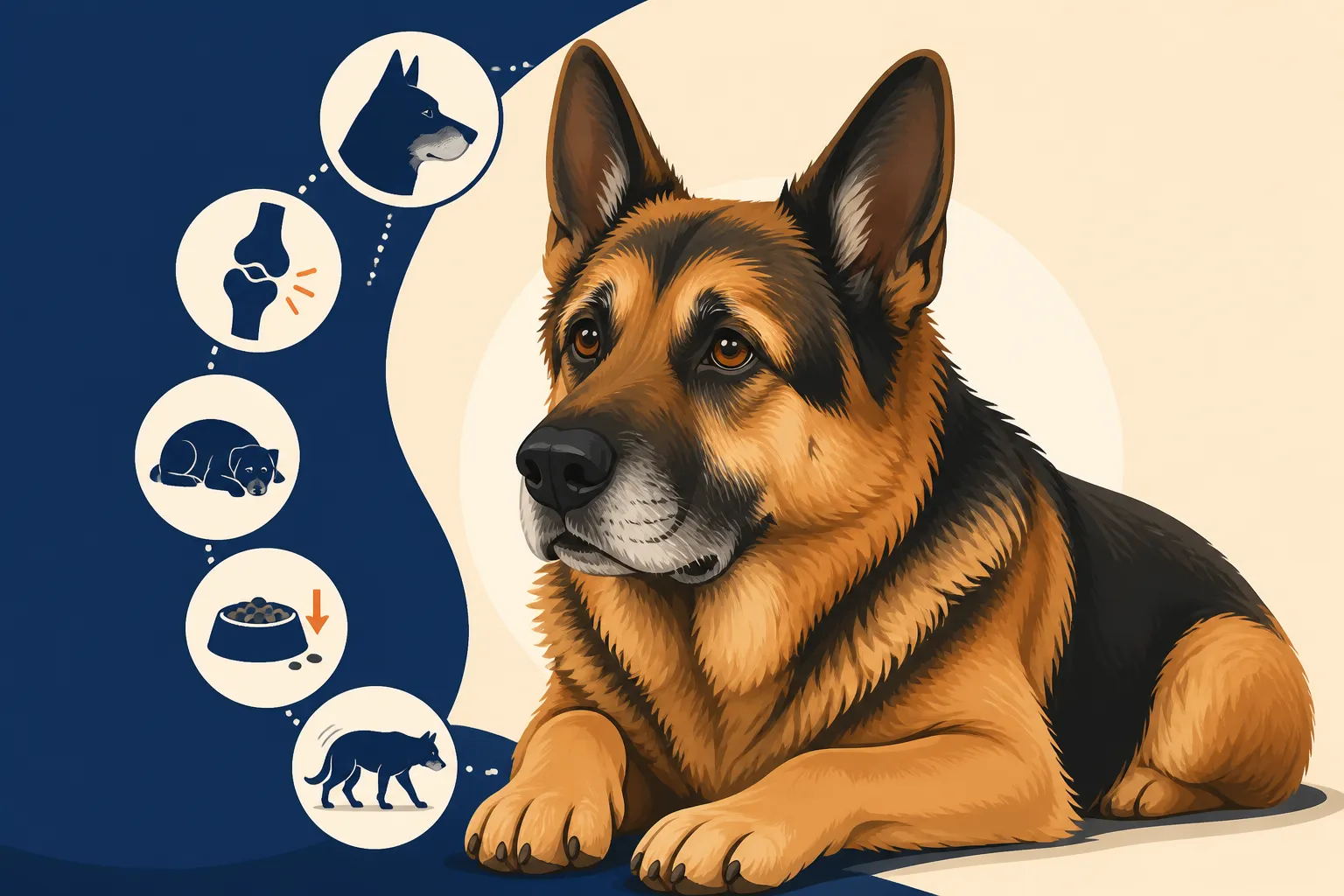
This is often the first and most obvious sign for many German Shepherd owners. That boundless energy they once had, the one that kept you on your toes during walks and playtime, starts to wane. You might notice they're slower to get up after resting, or they hesitate before jumping onto the couch or into the car. They might not greet you with the same enthusiastic leaps they once did. This isn't just about being "lazy"; it often points to joint pain or stiffness, which is incredibly common in older German Shepherds.
Conditions like arthritis, especially in the hips and elbows, are prevalent as they age. They might develop a stiff gait, particularly after a long nap, or even a slight limp that comes and goes. Their endurance on walks will likely decrease, and they might prefer shorter, more frequent outings rather than one long, strenuous one. Pay close attention to how they move; are they favoring a leg? Do they seem reluctant to climb stairs? These are all important clues. Learning German Shepherd Arthritis Management at Home can make a significant difference in their daily comfort.
Alterations in Coat, Skin, and Senses
Beyond mobility, you'll start to see changes in their outward appearance. Gray hairs, particularly around the muzzle and eyes, are a classic sign of aging. Their once thick, lustrous double coat might become a bit thinner, duller, or even feel coarser to the touch. This can sometimes be accompanied by dry, flaky skin, which can also be exacerbated by hormonal changes or nutritional deficiencies. Their skin might also lose some elasticity, becoming more prone to lumps and bumps, though these should always be checked by a vet.
Their senses can also diminish. Hearing loss is common, and you might notice they don't respond to your calls as readily, or they startle more easily if you approach them from behind. Their eyesight might also begin to fade, leading to cloudiness in their eyes (lenticular sclerosis) or difficulty navigating in low light. This can make them more hesitant in unfamiliar environments. If your dog is showing signs of vision or hearing loss, it's vital to ensure their environment is safe and predictable to minimize anxiety. Regular German Shepherd Skin Problems and Fixes can also help maintain their comfort.
Weight Fluctuations and Dental Health
It's a double-edged sword when it comes to weight in older German Shepherds. Some may start to gain weight as their activity levels decrease, making them more prone to obesity, which in turn exacerbates joint problems and other health issues. Others might actually lose weight, especially if they have underlying medical conditions that affect their appetite or nutrient absorption. Monitoring their weight closely and adjusting their diet accordingly is critical. This might mean switching to a senior-specific food or simply reducing portion sizes.
Dental health is another often-overlooked area that significantly impacts an aging dog's overall well-being. Years of wear and tear, coupled with potential neglect, can lead to tartar buildup, gum disease, and tooth decay. This can cause pain, make eating difficult, and even lead to more serious systemic infections as bacteria from the mouth enter the bloodstream. Regular German Shepherd Dental Care Explained is not just about fresh breath; it's about preventing a host of health problems. If your senior German Shepherd has significant dental issues, discussing options with your vet is paramount.
Behavioral Shifts Indicating Seniority
Physical changes are one thing, but behavioral shifts can often be more subtle and, at times, more perplexing for owners. It's not uncommon to wonder if your dog is just being "stubborn" or if there's something deeper going on. Understanding these behavioral cues as signs of aging, rather than just quirks, is key to helping your German Shepherd navigate their golden years with dignity and comfort.
These shifts can be emotionally taxing for us too. We might miss their playful antics or worry about their newfound anxieties. But approaching these changes with patience and empathy will strengthen your bond and allow you to provide the specialized care they now require.
Changes in Sleep Patterns and Energy
One of the most common behavioral changes you'll notice in an aging German Shepherd is an alteration in their sleep patterns. They might sleep more during the day, seeking out comfortable, quiet spots for longer naps. Conversely, some senior dogs experience restlessness at night, pacing or seeming disoriented, which can be a sign of canine cognitive dysfunction (CCD), often referred to as "doggy dementia." They might also wake up more frequently to go to the bathroom.
The sheer duration of their wakeful, energetic periods will likely shorten. A senior German Shepherd might still enjoy a burst of playtime, but it will be much shorter than in their prime, and they'll recover more slowly. This reduced energy isn't just physical; it's often a mental one too, meaning they might tire of training sessions or complex puzzle toys more quickly. Adjusting expectations and offering shorter, more frequent bouts of gentle activity can help keep them engaged without overdoing it.
Cognitive Decline and Disorientation
This is perhaps one of the most heartbreaking aspects of canine aging. Just like humans, dogs can experience a decline in cognitive function. You might notice your German Shepherd seems confused or disoriented in familiar surroundings, sometimes staring blankly at walls or struggling to navigate around furniture they've known their whole life. They might forget commands they've known for years or fail to recognize people they see regularly.
Other signs of cognitive dysfunction include changes in their interaction with family members (either becoming more clingy or more withdrawn), increased anxiety or irritability, and a general lack of interest in their usual activities. House-training accidents might start to occur indoors, not because they've forgotten training, but because they simply don't remember where the door is or can't hold it as long. If you suspect cognitive decline, a vet visit is essential, as some medical conditions can mimic these symptoms, and there are sometimes medications or supplements that can help manage CCD.
Altered Social Interactions and Anxiety
An aging German Shepherd might also show changes in how they interact with others, both humans and other animals. They might become less tolerant of boisterous young puppies or exuberant children, preferring their peace and quiet. Some may become more withdrawn, seeking solitude, while others might become clingier, needing constant reassurance. They might even develop new anxieties, such as fear of loud noises, being left alone (even if they never had German Shepherd Separation Anxiety Solutions before), or car rides.
This shift in social behavior often stems from a combination of factors: physical discomfort, decreased sensory input (making them more easily startled), and cognitive changes that make them less able to cope with novelty or stress. It's vital to respect their boundaries, create a calm and predictable environment, and ensure they feel safe and loved. Sometimes, a safe, quiet den or crate can provide them with the security they need.
Health Concerns More Common in Senior German Shepherds
While many physical and behavioral changes are part of the normal aging process, some can also be symptoms of significant health issues. German Shepherds are prone to certain conditions, and the risk of these increases with age. Regular veterinary check-ups become paramount in detecting these problems early, allowing for timely intervention and better management.
It's a scary thought, but knowing what to look out for can empower you. Early detection of serious diseases can add precious months or even years to your German Shepherd's life and significantly improve their quality of life. This is where pet insurance, like plans from Healthy Paws, can be invaluable, helping to cover the often significant costs associated with diagnosing and treating chronic conditions in senior dogs.
Musculoskeletal Issues
As mentioned, joint problems are incredibly common. German Shepherd Hip Dysplasia: Symptoms and Treatment and elbow dysplasia, often developed in youth, tend to worsen with age, leading to chronic arthritis. This can cause pain, stiffness, and reduced mobility. Other conditions like spondylosis (a degenerative disease of the spine) can also develop, further impacting their movement and comfort.
Regular monitoring for lameness, difficulty rising, or reluctance to engage in physical activity is crucial. Your vet can recommend various treatments, from anti-inflammatory medications and pain relievers to joint supplements, physical therapy, and even acupuncture, to manage discomfort and improve mobility. Maintaining a healthy weight is also incredibly important to reduce stress on their aging joints.
Organ System Decline
Many internal organs can begin to decline in efficiency as a German Shepherd ages. Kidney disease, heart conditions, and liver problems become more prevalent. Signs of kidney issues might include increased thirst and urination, while heart disease can manifest as coughing, reduced stamina, or fainting spells. Early detection through routine blood work and urine analysis during annual senior wellness exams is vital, as symptoms often don't appear until the disease is quite advanced.
Monitoring your dog's appetite, thirst, urination, and stool quality can provide early clues. Any significant changes warrant an immediate vet visit. For example, a sudden increase in drinking or urinating could signal diabetes or kidney issues. Recognizing German Shepherd EPI Symptoms to Watch can also be important, though it can occur at any age.
Increased Cancer Risk
Unfortunately, cancer is a leading cause of death in older German Shepherds. Certain types, like hemangiosarcoma, osteosarcoma, and various lymphomas, are more common in the breed and tend to appear in their later years. It's a terrifying reality for many owners, but early detection offers the best chance for successful treatment.
Regularly check your German Shepherd for new lumps or bumps, especially those that grow quickly or change texture. Be alert to unexplained weight loss, changes in appetite, persistent lameness, swelling, or any unusual bleeding. Your vet might recommend more frequent physical exams and potentially advanced screenings for senior dogs, particularly if they are predisposed to certain cancers. A commitment to routine check-ups and a willingness to investigate any subtle changes are your best defenses.
Supporting Your Aging German Shepherd
Recognizing the signs of aging is just the first step; the real work, and the true act of love, comes in adapting their care to meet their changing needs. Your German Shepherd has given you years of loyal companionship, and now it's your turn to ensure their golden years are as comfortable, happy, and dignified as possible.
This period in their life calls for extra patience, empathy, and a proactive approach to their health and comfort. It's about cherishing every moment and making adjustments that truly make a difference to their daily well-being.
Adjusting Diet and Nutrition
An aging German Shepherd's nutritional needs change significantly. Their metabolism slows down, and their activity levels decrease, meaning they generally require fewer calories to maintain a healthy weight. However, they may benefit from diets higher in easily digestible proteins and specific nutrients that support joint health, cognitive function, and organ health. Many senior-specific dog foods are formulated with these factors in mind.
Consider supplements like glucosamine and chondroitin for joint support, and omega-3 fatty acids for their anti-inflammatory properties and to support coat and skin health. Antioxidants can help combat cellular aging and support cognitive function. If your dog is losing weight or has a decreased appetite, your vet might suggest feeding smaller, more frequent meals or adding palatable toppers. Always consult your veterinarian before making significant dietary changes or adding supplements, as they can recommend the best options for your individual dog's health profile. You might find specific recommendations in guides like Best Food for Senior German Shepherds.
Modifying Exercise and Environmental Setup
While their energy may wane, exercise is still crucial for senior German Shepherds to maintain muscle mass, flexibility, and mental well-being. The key is modification. Instead of long, strenuous hikes, opt for shorter, more frequent, and gentle walks. Swimming can be an excellent low-impact exercise for dogs with joint pain. Mental stimulation, like puzzle toys or gentle training sessions using familiar commands, is just as important as physical exercise.
Your home environment might also need some adjustments. Consider adding non-slip mats or carpets on slippery floors to prevent falls and reduce anxiety. Ramps can be invaluable for accessing beds, couches, or cars, reducing the strain on their joints. A comfortable, orthopedic bed can provide much-needed support for aching joints. Keep their food, water, and potty areas easily accessible. If their vision or hearing is declining, maintain a consistent furniture arrangement and use clear vocal cues when approaching them.
Prioritizing Regular Veterinary Care
This cannot be stressed enough: regular, comprehensive veterinary check-ups are the cornerstone of senior German Shepherd care. While yearly visits were sufficient in their younger years, senior dogs often benefit from twice-yearly exams. These visits allow your vet to thoroughly assess their physical condition, listen to their heart and lungs, palpate their abdomen, and check their joints and teeth.
Beyond physical exams, your vet will likely recommend routine blood work, urinalysis, and potentially other diagnostic tests like X-rays or ultrasounds. These tests can catch subtle changes in organ function, detect early signs of diseases like kidney disease, diabetes, or cancer, and help your vet tailor a proactive health plan. Early detection is often the key to effective management and a better prognosis. Investing in pet insurance, such as through Healthy Paws, can certainly ease the financial burden of these increased veterinary needs, allowing you to focus on getting your beloved German Shepherd the best care without undue stress. For more comprehensive information, you can also look into German Shepherd Health Problems Guide.
Providing Emotional Support and Patience
Perhaps the most important thing you can offer your aging German Shepherd is unwavering emotional support and boundless patience. They might be slower, perhaps a bit confused, or even a little grumpy at times. Remember, they are experiencing changes they don't understand, and this can be frightening or frustrating for them.
Maintain routines as much as possible, as predictability provides comfort. Continue to engage with them through gentle petting, quiet companionship, and praise. Offer them their favorite treats (in moderation!). When they have an accident, remember it's not intentional and respond with patience, not anger. Cherish the quiet moments, the gentle nudges, and the unconditional love they still offer. Your presence and understanding are the greatest gifts you can give them as they navigate their senior years. You can learn more about How to Care for a Senior German Shepherd to further enhance their quality of life.
| Sign of Aging | Common Observation | Potential Underlying Issue | What to Do |
|---|---|---|---|
| Mobility Decline | Stiffness, reluctance to jump/climb, limping | Arthritis, hip/elbow dysplasia, DM | Vet check for pain management, joint supplements, physical therapy, ramps, orthopedic bed. |
| Increased Sleep/Lethargy | Longer naps, less active during day | Normal aging, pain, organ disease, CCD | Vet check, adjusted exercise, mental stimulation, comfortable resting spots. |
| Changes in Coat/Skin | Graying muzzle, dull/thin coat, dry skin | Normal aging, nutritional deficiency, hormonal imbalance | Grooming, omega-3s, vet check for skin issues. |
| Weight Changes | Unexplained gain or loss | Decreased metabolism, disease | Vet consultation for diet adjustment, senior-specific food, portion control, rule out illness. |
| Cognitive Changes | Disorientation, confusion, house-soiling, anxiety | Canine Cognitive Dysfunction (CCD), pain | Vet assessment, brain-supportive diet/supplements, consistent routine, patience, safe environment. |
| Vision/Hearing Loss | Bumping into things, not responding to calls, startling | Cataracts, lenticular sclerosis, nerve damage | Vet check, clear pathways, consistent vocal cues, avoid startling, maintain routine. |
| Dental Problems | Bad breath, difficulty eating, pawing at mouth | Gum disease, tooth decay, infection | Regular dental care, professional cleaning, pain management. |
| Increased Thirst/Urination | Frequent drinking, accidents indoors | Kidney disease, diabetes, bladder infection | Immediate vet visit for diagnosis and treatment. |
Disclaimer
The information provided in this guide is intended for general knowledge and informational purposes only, and does not constitute veterinary advice. Always consult with a qualified veterinarian for any health concerns or before making any decisions about your German Shepherd's medical care, diet, or exercise routine. Individual needs may vary, and a professional veterinary assessment is crucial for accurate diagnosis and treatment.