How to Prevent Allergies in German Shepherds
It's incredibly frustrating when your beloved German Shepherd starts scratching incessantly, develops red, inflamed skin, or suffers from chronic ear infections. These persistent issues aren't just annoying; they can cause real discomfort for your dog and lead to significant worry (and vet bills!) for you. This comprehensive guide will walk you through practical, proactive steps you can take to understand, mitigate, and potentially prevent allergies in your German Shepherd, helping them live a more comfortable and healthy life.
Understanding German Shepherd Allergies
Before we can dive into prevention, it's crucial to grasp what allergies are and how they typically manifest in German Shepherds. These intelligent and often sensitive dogs are unfortunately prone to a range of allergic reactions, which can impact their quality of life if not properly managed. Knowing the types of allergies and their tell-tale signs is the first step toward proactive care.
Common Types of Allergies Affecting German Shepherds
German Shepherds can experience allergies similar to humans, but their symptoms often show up differently, primarily through their skin, ears, and digestive system. There are generally three main categories that we see most often, each with its own set of triggers and challenges.
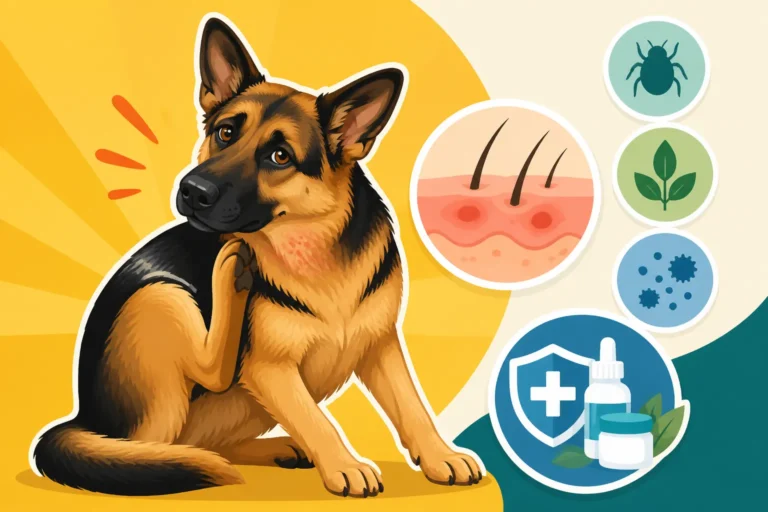
Environmental allergies, medically known as atopy, are perhaps the most common. These are reactions to allergens found in their surroundings, such as pollen from trees, grasses, and weeds, dust mites, and mold spores. Just like people get hay fever, German Shepherds can become incredibly itchy during certain seasons or year-round if the allergen is ever-present, like dust mites in the home. Imagine your dog constantly gnawing at their paws or rubbing their face against the carpet – it’s a clear sign their body is reacting to something in their environment.
Food allergies, or sensitivities, are another significant concern. Unlike a sudden food intolerance that might cause an upset stomach, a true food allergy involves an immune response to a specific protein in their diet. Common culprits include beef, chicken, dairy, wheat, and soy. The challenge here is that symptoms can be vague and overlap with environmental allergies, like itchy skin, but they often also include gastrointestinal issues such as vomiting, diarrhea, or chronic loose stools. Identifying the offending ingredient usually requires a strict elimination diet, which can be a long and challenging process for both you and your furry friend.
Finally, flea allergies are a potent trigger for many dogs, and German Shepherds are no exception. It’s not just the presence of fleas that causes problems; it’s the allergic reaction to flea saliva. A single flea bite can send an allergic German Shepherd into an intense itching frenzy, leading to severe skin irritation, redness, and secondary infections, especially around the base of the tail, inner thighs, and abdomen. This type of allergy highlights the absolute necessity of consistent and effective flea control, even if you rarely see a live flea on your dog.
Recognizing the Signs of Allergies
Spotting the early signs of allergies in your German Shepherd can make a huge difference in how quickly and effectively you can intervene. German Shepherds are stoic by nature, so sometimes the subtler signs might be missed until they become more severe. It's not just about a little scratch; persistent itching is a major red flag, often targeting specific areas. You might notice your dog frequently licking or chewing at their paws, which can lead to red, swollen, and sometimes infected paw pads. The skin between their toes can become inflamed, and they might even develop yeast infections there, characterized by a distinct "corn chip" smell.
Beyond the paws, watch out for excessive scratching around the ears, face, armpits, and groin. Their ears are particularly vulnerable to secondary infections when allergies flare up; you might see redness inside the ear flap, notice a foul odor, or observe your dog shaking their head constantly. If you notice your dog’s ears are frequently getting inflamed or infected, it could be a sign of underlying allergies. You can learn more about how to proactively prevent these issues in our guide on German Shepherd Ear Infections: Prevention. The skin itself can become red, bumpy, or even develop crusts and scabs from constant scratching and biting. Hair loss, particularly in patches, is also a common symptom, often a result of self-trauma from their relentless itching.
Digestive upset is another key indicator, especially with food allergies. This can manifest as chronic soft stools, diarrhea, vomiting, or excessive gas. Sometimes, the only sign might be recurrent loose stools, leaving you wondering why your dog's tummy is always a bit off. If you're dealing with issues like these, it's worth exploring German Shepherd Sensitive Stomach Solutions. It's important to remember that these symptoms aren't always definitive of allergies; many other conditions can cause similar signs. This is why a thorough veterinary examination is always necessary to get an accurate diagnosis and rule out other potential health problems, ensuring your German Shepherd gets the right care.
Proactive Strategies for Allergy Prevention
When it comes to allergies, an ounce of prevention is truly worth a pound of cure, especially with a breed as magnificent as the German Shepherd. By being proactive and implementing specific strategies, you can significantly reduce their exposure to allergens and strengthen their natural defenses. It’s about creating an environment and lifestyle that supports their immune system, rather than constantly battling symptoms.
Nutritional Approaches and Diet Management
A cornerstone of allergy prevention, particularly for food-related sensitivities, lies in your German Shepherd's diet. What goes into their bowl can either exacerbate or alleviate allergic reactions. The goal is to feed a high-quality, easily digestible diet that minimizes exposure to common allergens and supports a healthy gut microbiome. Many commercial dog foods contain common proteins and fillers that can trigger sensitivities.
Consider a limited ingredient diet (LID) or a novel protein diet if you suspect food allergies. LIDs typically contain a single source of animal protein and a single carbohydrate source, making it easier to identify potential triggers. Novel proteins are those your dog hasn't been exposed to before, such as duck, venison, rabbit, or even kangaroo. Brands like Royal Canin and Purina Pro Plan offer specialized veterinary diets designed for dogs with food sensitivities, often using hydrolyzed proteins that are broken down into such small pieces that the immune system doesn't recognize them as allergens. For an in-depth look at options, check out our guide on the Best Food for German Shepherds with Allergies. Remember, consistency is key; sticking to a chosen diet is crucial, avoiding table scraps or treats that might contain hidden allergens.
Beyond just the protein source, the overall quality of ingredients matters immensely. Look for foods with whole, identifiable ingredients and avoid artificial colors, flavors, and excessive preservatives, which can sometimes act as irritants. Including prebiotics and probiotics in their diet can also be incredibly beneficial. These promote a healthy balance of gut bacteria, which plays a vital role in immune function and can help prevent the development of allergies. A strong gut barrier can prevent undigested food particles from entering the bloodstream and triggering an immune response. Supplementing with beneficial bacteria can be a game-changer for many GSDs, and our guide on Best Probiotics for German Shepherds offers more insight.
Environmental Control and Allergen Reduction
For German Shepherds suffering from environmental allergies, managing their surroundings is paramount. You can't eliminate all pollen, but you can certainly reduce your dog's exposure to common indoor allergens like dust mites and mold, and minimize contact with outdoor triggers. Think about your home as a sanctuary where your dog can find relief from their environmental burdens.
Regular and thorough cleaning of your home is a must. Vacuuming frequently with a HEPA-filtered vacuum cleaner can dramatically reduce dust mites, pet dander, and pollen that inevitably make their way indoors. Washing your dog's bedding in hot water at least once a week is also crucial for eliminating dust mites. Investing in air purifiers with HEPA filters for the rooms your German Shepherd spends the most time in can help trap airborne allergens, providing a cleaner breathing environment. During peak pollen seasons, keeping windows closed and relying on air conditioning can further limit indoor pollen levels.
When your German Shepherd comes in from outside, especially after walks through grassy or wooded areas, a quick wipe-down can make a huge difference. Use a damp cloth or hypoallergenic pet wipes to clean their paws, belly, and any other areas that might have picked up pollen or other outdoor allergens. Regular bathing, perhaps once or twice a month with a gentle, hypoallergenic shampoo, can wash away accumulated allergens from their coat before they have a chance to irritate the skin. Over-bathing can strip natural oils, so always opt for mild, moisturizing shampoos. For more tips on keeping their skin healthy, consult our German Shepherd Coat and Skin Care guide. If you have a backyard, try to keep grass mowed short, as tall grasses can harbor more pollen and trigger reactions.
Flea and Parasite Prevention
Flea allergies are one of the most intense and easily preventable causes of discomfort for German Shepherds. The key here is absolute, year-round vigilance. Even if you've never seen a flea on your dog, a single bite is all it takes to send an allergic German Shepherd into a scratching frenzy that can lead to severe skin infections. Many owners mistakenly think fleas are only a summer problem, but with climate-controlled homes, fleas can thrive year-round.
Implementing a consistent, veterinarian-recommended flea and tick prevention program is non-negotiable. There are many effective options available, including oral medications, topical treatments, and collars. Discuss with your vet which product is best suited for your German Shepherd, considering their lifestyle and any other health concerns. Brands like Frontline, NexGard, Bravecto, and K9 Advantix are popular and highly effective. Consistency is vital; missing even one dose can open the door for an infestation and subsequent allergic reaction. If you want to dive deeper into prevention strategies, our article on German Shepherd Flea and Tick Prevention has more details.
Furthermore, remember to treat your home environment as well, especially if you've had a flea problem in the past. Flea eggs, larvae, and pupae can lurk in carpets, bedding, and furniture, ready to hatch and re-infest your pet. Regular vacuuming and washing pet bedding, as mentioned for dust mites, will also help control flea populations. In severe cases, your vet might recommend professional pest control for your home. By taking these comprehensive steps, you can create a flea-free zone for your German Shepherd, eliminating a major source of allergic misery.
Supporting Your German Shepherd's Immune System
A strong and balanced immune system is your German Shepherd's best defense against allergies. While genetics certainly play a role, there's a lot you can do through nutrition, supplementation, and regular veterinary oversight to ensure their immune system is functioning optimally. When their body is better equipped to handle environmental stressors, it's less likely to overreact to harmless substances.
Supplements and Probiotics
Just like us, German Shepherds can benefit from certain supplements that boost their immune system and support skin health. Omega-3 fatty acids, particularly EPA and DHA found in fish oil, are renowned for their anti-inflammatory properties. These can significantly reduce the severity of allergic skin reactions and improve overall coat and skin health, making the skin barrier more resilient against allergens. You might notice less itching, flakiness, and a shinier coat within weeks of consistent supplementation. Always choose high-quality, human-grade fish oil products to ensure purity and effectiveness.
Probiotics are another powerful ally in the fight against allergies. A healthy gut microbiome is intimately linked to a robust immune system. Probiotics introduce beneficial bacteria into the digestive tract, which can help regulate immune responses and reduce inflammatory reactions throughout the body, including the skin. Look for dog-specific probiotic supplements that contain multiple strains of beneficial bacteria. Consistency is key, as is ensuring you're giving the correct dosage for your German Shepherd's weight. Incorporating these into your dog's daily routine can contribute to long-term immune resilience. Our guide on Best Probiotics for German Shepherds offers specific recommendations and advice.
Beyond Omega-3s and probiotics, some German Shepherds might benefit from other supplements like quercetin, a natural antihistamine, or specific vitamins and minerals that support skin integrity. Always consult with your veterinarian before introducing any new supplements to your dog's diet, especially if they have pre-existing health conditions or are on other medications. A vet can help you choose the right supplements and dosages to complement their overall health regimen effectively.
Regular Veterinary Care and Early Detection
Consistent communication with your veterinarian is invaluable for allergy prevention and management. Regular check-ups allow your vet to monitor your German Shepherd's overall health, catch subtle signs of allergies before they become severe, and offer proactive advice. They can provide guidance tailored to your dog's specific needs, breed predispositions, and local environmental factors. This ongoing partnership ensures you're not just reacting to problems but actively working to prevent them.
During routine visits, your vet can perform thorough skin and ear examinations, discuss any changes in diet or environment, and suggest appropriate diagnostic tests if allergies are suspected. Early detection of potential allergens means you can implement prevention strategies sooner, potentially avoiding months or even years of discomfort for your dog. Your vet can help differentiate between various types of allergies and rule out other conditions that might mimic allergy symptoms, ensuring you pursue the most effective course of action. They might recommend specific allergy testing, such as intradermal skin testing or blood tests, to pinpoint environmental allergens. This knowledge is crucial for creating a targeted prevention plan.
It’s also important to discuss your German Shepherd's vaccination schedule and German Shepherd Deworming Schedule with your vet. A healthy dog with a strong immune system, free from parasitic burdens, is better equipped to fend off other health challenges, including allergic reactions. Dealing with chronic allergies can be a significant financial strain due to vet visits, specialized foods, and medications. This is why many German Shepherd owners find peace of mind with pet insurance providers like Healthy Paws. Knowing you have a safety net can encourage proactive care and early intervention without the constant worry of high costs, allowing you to focus on what’s best for your furry friend. If you're wondering about the cost-benefit, our article on Is Pet Insurance Worth It for a German Shepherd can provide more context.
Lifestyle and Breeding Considerations
Preventing allergies in German Shepherds isn't just about what you feed them or what medication they take; it's also deeply rooted in their overall lifestyle and, crucially, in responsible breeding practices. A holistic approach that considers genetics, daily activity, and stress levels can significantly contribute to a more resilient and allergy-free life for your loyal companion.
Responsible Breeding Practices
One of the most impactful ways to prevent genetic predispositions to allergies is through responsible breeding. Reputable German Shepherd breeders are diligent about health testing their breeding stock for a range of inherited conditions, including those that might contribute to a weakened immune system or chronic skin issues. While allergies aren't always straightforward genetic traits, a strong genetic background free from other immune-compromised conditions can make a dog more robust.
When looking for a German Shepherd puppy, ask breeders about the health history of the parents and previous litters. A good breeder will be transparent about any known issues, including allergies, in their lines. They should also be able to provide documentation of health clearances, often including screening for common breed-specific issues like hip and elbow dysplasia. While these aren't directly related to allergies, a commitment to overall health demonstrates a breeder's dedication to producing sound, healthy dogs. Our guide on German Shepherd Genetic Health Testing offers more insights into what to look for. Avoid breeders who make grand claims about "hypoallergenic" German Shepherds or those who don't prioritize health screening, as they may inadvertently perpetuate allergic tendencies. Choosing a well-bred puppy from healthy lines gives your German Shepherd the best possible start in life, potentially reducing their susceptibility to various health problems, including allergies.
Exercise and Stress Management
A well-exercised and mentally stimulated German Shepherd is generally a happier and healthier dog. Regular, appropriate exercise not only helps maintain a healthy weight and strong muscles but also supports a robust immune system. Physical activity can reduce stress, improve circulation, and contribute to overall well-being, all factors that can indirectly help prevent allergy flare-ups. A sedentary lifestyle, conversely, can lead to obesity and a weaker immune response, making a dog more vulnerable to various health issues.
German Shepherds are an active breed that thrives on purpose and activity. Daily walks, runs, fetch, or engaging in dog sports like agility or obedience can provide the physical and mental stimulation they need. Remember to tailor the exercise intensity and duration to your dog's age and physical condition. A growing puppy's exercise needs will differ significantly from a senior dog's. For more information on maintaining overall wellness, you can refer to our detailed guide on How to Keep a German Shepherd Healthy.
Stress can also play a role in exacerbating allergy symptoms. Just like in humans, chronic stress can suppress the immune system, making your dog more susceptible to illness and potentially worsening allergic reactions. Providing a stable, predictable environment, consistent training, and plenty of positive social interactions can help reduce stress levels. If your German Shepherd experiences separation anxiety or other behavioral issues, addressing these with training or professional help is important for their overall health. A calm, well-adjusted dog is better equipped to handle environmental challenges, including potential allergens.
Allergy Prevention Strategies Summary
Understanding and preventing allergies in your German Shepherd involves a multi-faceted approach. By being proactive with diet, environmental control, parasite prevention, immune support, and choosing a reputable breeder, you can significantly improve your dog's quality of life.
| Allergy Type | Common Triggers | Key Prevention Strategies |
|---|---|---|
| Environmental | Pollen, dust mites, mold spores | – Regular home cleaning (HEPA vacuum) – Air purifiers – Wipe down after outdoor exposure – Regular bathing (hypoallergenic shampoo) – Keep windows closed during high pollen seasons |
| Food | Common proteins (beef, chicken, dairy), grains (wheat, soy) | – High-quality, limited ingredient or novel protein diet – Avoid common allergens – Introduce prebiotics/probiotics – Strict adherence to diet (no table scraps) |
| Flea | Flea saliva | – Year-round, veterinarian-approved flea prevention – Treat all pets in the household – Regular vacuuming and cleaning of pet bedding – Environmental flea control if necessary |
| General Immune Support | Stress, poor nutrition, lack of care | – Omega-3 fatty acid supplementation – Probiotic supplements – Regular veterinary check-ups – Responsible breeding choices – Adequate exercise and mental stimulation |
Disclaimer
The information provided in this article is for educational purposes only and is not intended as a substitute for professional veterinary advice. Always consult with a qualified veterinarian for any health concerns or before making any decisions about your German Shepherd's diet, medication, or care plan.