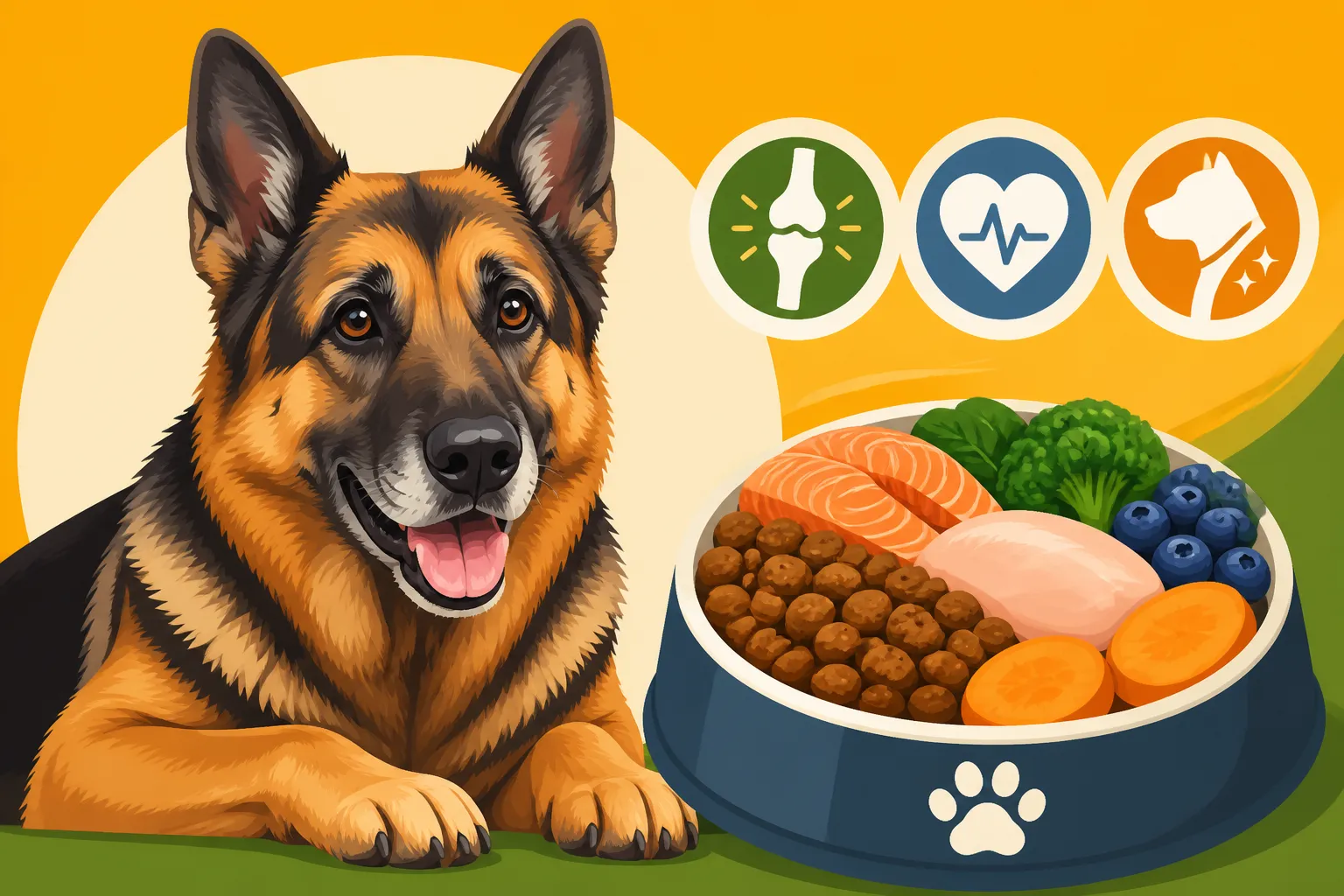
Best Food for Senior German Shepherds
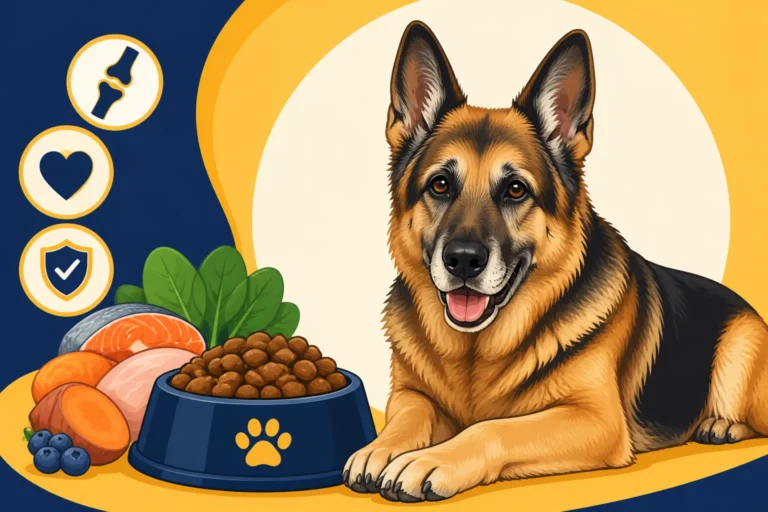
It's heartbreaking to watch our once-energetic German Shepherds begin to slow down, their muzzle greying, their leaps becoming a bit more hesitant. As our loyal companions age, their bodies undergo significant changes, and what they ate as a spry puppy or a robust adult simply won't cut it anymore. Their nutritional needs shift dramatically, and if we don't adapt their diet, we risk exacerbating age-related issues and diminishing their quality of life. This comprehensive guide is dedicated to helping you navigate the world of senior German Shepherd nutrition, ensuring your aging best friend gets the precise fuel they need to thrive in their golden years.
Understanding the Unique Nutritional Needs of Senior German Shepherds
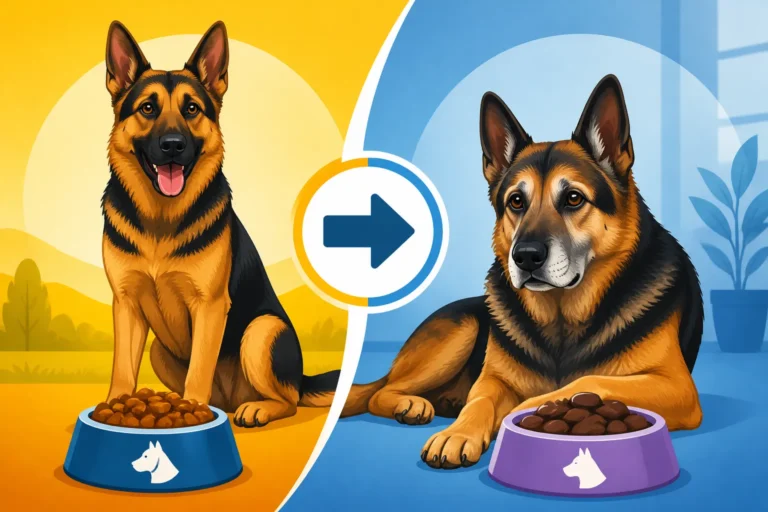
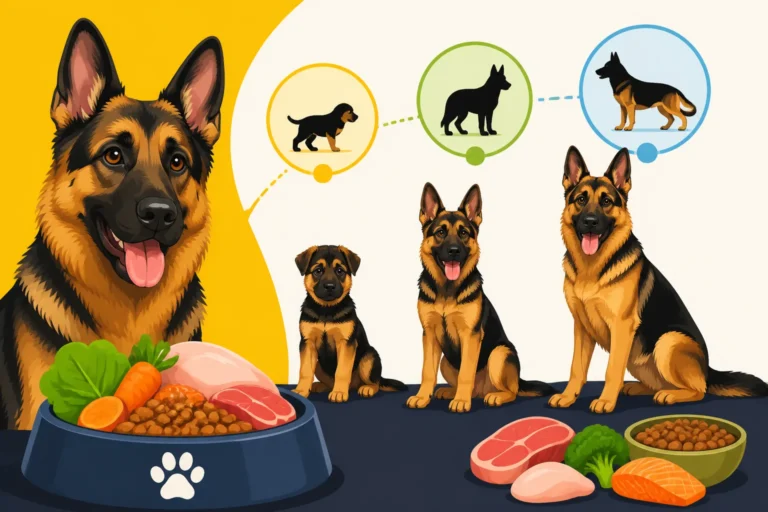
Just like us, German Shepherds experience a range of physiological changes as they transition into their senior years, typically starting around 7-8 years old, though this can vary. These changes directly impact their dietary requirements, making a specialized senior dog food not just a convenience, but a necessity for their continued well-being. Ignoring these shifts can lead to weight gain, joint pain, digestive upset, and a weakened immune system, which is the last thing we want for our cherished companions.
Metabolism and Energy Changes
One of the most noticeable changes in a senior German Shepherd is a decrease in their activity level and, consequently, a slowing metabolism. While they might still enjoy a good sniff around the yard or a short, gentle walk, those marathon play sessions are likely a thing of the past. This reduction in energy expenditure means they require fewer calories to maintain a healthy weight. Continuing to feed them the same high-calorie food they ate as an active adult can quickly lead to excess weight gain, placing undue stress on their aging joints and internal organs.
However, it’s not just about cutting calories. The type of calories matters too. Senior German Shepherds still need high-quality protein to maintain muscle mass, which naturally diminishes with age, a process known as sarcopenia. Without adequate protein, they can become frail and lose strength, making it harder to get up and move around. The goal isn't just weight management, but ensuring they maintain lean muscle while avoiding obesity. If you're concerned about your dog's current weight, our guide on German Shepherd Weight and Obesity Risks provides more detailed information.
Joint Health and Mobility Support
Joint problems are incredibly common in senior German Shepherds, a breed already predisposed to conditions like hip and elbow dysplasia. Years of activity, combined with natural wear and tear, can lead to arthritis and general discomfort. Their diet plays a crucial role in mitigating these issues. Foods formulated for senior dogs often contain specific supplements aimed at supporting joint health.
These include ingredients like glucosamine and chondroitin, which are essential building blocks for cartilage and joint fluid. Omega-3 fatty acids, particularly EPA and DHA found in fish oil, are also incredibly beneficial for their anti-inflammatory properties, helping to reduce pain and stiffness. A diet rich in these nutrients can significantly improve your senior German Shepherd's comfort and mobility, allowing them to enjoy their daily activities with less pain. For more on this, you might find our article on German Shepherd Arthritis in Senior Dogs particularly helpful, and for specific supplements, check out Best Joint Supplements for Senior German Shepherds.
Digestive Sensitivity and Immune System Boost
As German Shepherds age, their digestive system can become more sensitive, and their immune system may not be as robust as it once was. They might experience more frequent episodes of upset stomach, gas, or changes in stool consistency. Senior dog foods often address this by including easily digestible ingredients and higher fiber content, which promotes healthy bowel function and regularity. Prebiotics and probiotics are also frequently added to support a balanced gut microbiome, crucial for digestion and nutrient absorption.
A strong immune system is vital for senior dogs, helping them ward off infections and manage chronic conditions more effectively. Antioxidants, such as vitamins E and C, selenium, and beta-carotene, are powerful allies in boosting immunity by fighting off free radicals that contribute to cellular aging and disease. By feeding a diet rich in these immune-supporting nutrients, you can help your senior German Shepherd stay healthier and more resilient against age-related ailments, making sure they continue to show Signs of a Healthy German Shepherd.
Key Ingredients to Look for in Senior German Shepherd Food
Choosing the right food for your senior German Shepherd isn't just about picking a bag labeled "senior formula." You need to scrutinize the ingredient list to ensure it contains the specific nutrients that will benefit their changing body. Not all senior foods are created equal, and understanding what to look for will empower you to make the best decision for your beloved companion.
Protein Sources and Levels
High-quality protein is paramount for senior German Shepherds. Despite reduced activity, they need adequate protein to combat muscle wasting (sarcopenia) and maintain strength. Look for named animal protein sources as the first few ingredients, such as "deboned chicken," "chicken meal," "lamb," "salmon," or "beef." These provide essential amino acids that are vital for muscle repair and maintenance. The protein content in senior dog food should ideally be around 25-30% on a dry matter basis.
While higher protein is generally good, it's also important that the protein is highly digestible. Lean protein sources are preferable to overly fatty ones, as seniors can sometimes struggle with digesting excessive fats. A well-balanced senior diet provides enough protein to maintain lean muscle mass without overloading the kidneys, which some older dogs may have issues with. Always consult your vet about specific protein levels if your German Shepherd has a pre-existing kidney condition.
Essential Fatty Acids and Antioxidants
Essential fatty acids, particularly Omega-3s (EPA and DHA), are non-negotiable for senior German Shepherds. These powerful nutrients are crucial for reducing inflammation, which can alleviate joint pain from arthritis, improve coat health, and support cognitive function. Sources like fish oil (salmon, sardine, mackerel), flaxseed, and green-lipped mussels are excellent. Look for these ingredients listed clearly on the food label.
Antioxidants are another critical component. As dogs age, their cells are exposed to more oxidative stress, which can contribute to various age-related diseases. Antioxidants like vitamins E and C, selenium, beta-carotene, and taurine help neutralize free radicals, protecting cells from damage and supporting a robust immune system. Ingredients like blueberries, cranberries, spinach, carrots, and sweet potatoes are good natural sources of antioxidants. These vital nutrients work together to help your senior German Shepherd maintain their overall vitality and a strong defense against illness.
Fiber Content and Pre/Probiotics
Digestive health often becomes a more prominent concern in senior dogs. Constipation, diarrhea, and general stomach upset can become more common. A moderate to high fiber content in their food is beneficial for promoting healthy digestion and regular bowel movements. Sources of dietary fiber include beet pulp, chicory root, pumpkin, and various fruits and vegetables. Be cautious, however, as too much fiber can sometimes reduce nutrient absorption, so balance is key.
Prebiotics and probiotics are fantastic additions for supporting a healthy gut microbiome, which is essential for efficient digestion and a strong immune system. Prebiotics, like FOS (fructooligosaccharides) and MOS (mannan-oligosaccharides), nourish the beneficial bacteria already present in the gut. Probiotics, on the other hand, introduce beneficial live bacteria. Together, they can significantly improve gut health, reduce digestive issues, and enhance nutrient absorption for your senior German Shepherd, which is crucial if they have a German Shepherd Sensitive Stomach Solutions or issues like German Shepherd EPI Diet and Management.
Foods to Avoid for Senior German Shepherds
Just as important as knowing what to include in your senior German Shepherd's diet is understanding what to keep out. Certain ingredients can be detrimental to their health, especially as their bodies become more sensitive and their systems less efficient at processing difficult substances. Avoiding these can prevent unnecessary discomfort, health complications, and even exacerbate existing conditions.
High-Calorie, Low-Nutrient Fillers
Many commercial dog foods, particularly those on the cheaper end, rely heavily on high-calorie, low-nutrient fillers to bulk up their product. These often include excessive amounts of corn, wheat, or soy. While some dogs tolerate these grains well, they offer little nutritional value beyond calories and can be difficult for an aging digestive system to process. For a senior German Shepherd, who already has a slower metabolism and needs fewer calories, these fillers contribute to unnecessary weight gain without providing the vital nutrients for muscle, joint, and organ health.
Furthermore, these ingredients are sometimes linked to allergic reactions or sensitivities in dogs, which can manifest as skin issues, itching, or digestive upset. As senior dogs' immune systems can be more compromised, it's best to avoid ingredients that might trigger an adverse response. Prioritize foods with whole, identifiable ingredients and steer clear of those where corn, wheat, or soy derivatives dominate the top of the ingredient list.
Common Allergens and Sensitivities
Even if your German Shepherd hasn't shown significant allergies in their younger years, sensitivities can develop or worsen with age. Common allergens include chicken, beef, dairy, wheat, and soy. For a senior dog, persistent exposure to an allergen can lead to chronic inflammation, digestive problems, and skin issues, making them miserable. If you notice persistent itching, ear infections, paw licking, or digestive upset, it might be time to consider a limited ingredient diet or novel protein source.
It's also worth noting that some artificial colors, flavors, and preservatives can act as irritants or allergens for sensitive dogs. These are often found in lower-quality foods and offer no nutritional benefit. Always opt for foods that use natural preservatives like mixed tocopherols (Vitamin E) and avoid artificial additives altogether. If you suspect your German Shepherd has allergies, our guide on German Shepherd Allergies: Symptoms and Treatment can provide further insight.
Excessive Sodium and Artificial Additives
High levels of sodium are a concern for senior dogs, particularly those with existing heart or kidney conditions. While dogs need some sodium in their diet, excessive amounts can contribute to high blood pressure and fluid retention, putting undue strain on their aging cardiovascular system. Always check the sodium content, especially if your vet has advised a low-sodium diet for your German Shepherd.
Artificial colors, flavors, and chemical preservatives (like BHA, BHT, and ethoxyquin) are best avoided for dogs of any age, but especially for seniors. These synthetic ingredients offer no nutritional benefit and can sometimes be linked to health problems over long-term exposure. Natural flavors and colors are always the safer choice. Look for foods preserved with natural antioxidants like tocopherols (Vitamin E), citric acid, or rosemary extract. Feeding a clean diet free from these unnecessary chemicals is a simple yet powerful way to support your senior German Shepherd's overall health and longevity.
Top Recommended Dog Food Brands for Senior German Shepherds
Navigating the vast array of dog food options can be overwhelming, especially when trying to find the perfect fit for your senior German Shepherd. Fortunately, many reputable brands have developed specialized formulas designed to meet the unique needs of aging large breeds. Here's a look at some of the best categories and specific brands to consider.
Commercial Kibble Options
For many German Shepherd owners, kibble remains a convenient and cost-effective feeding method. Several brands offer excellent senior-specific kibble formulas that address the common concerns of older dogs, such as joint support, weight management, and digestive health.
- Royal Canin German Shepherd Adult 5+: This brand is specifically formulated for German Shepherds over 5 years old, recognizing their breed-specific needs. It contains tailored protein and fat levels, as well as an exclusive complex of nutrients to support bone and joint health. They also focus on highly digestible proteins and fiber to promote healthy digestion. While premium, many owners find the targeted nutrition worth the investment. You can often find this product readily available through retailers like Chewy.
- Purina Pro Plan Adult 7+ Shredded Blend Chicken & Rice Formula: Purina Pro Plan is a widely respected brand, and their senior formula is a solid choice. It's designed for dogs aged 7 and older, providing optimized protein-to-fat ratios to help maintain lean muscle mass, as well as glucosamine and EPA (from fish oil) for joint health and mobility. The shredded blend also makes it more palatable and easier for some older dogs to chew.
- Hill's Science Diet Senior 7+ Large Breed: Hill's Science Diet is another veterinary-backed brand. Their senior large breed formula contains L-carnitine to promote ideal body weight, high-quality protein for lean muscle, and a balanced set of minerals for heart and kidney health. It also includes glucosamine and chondroitin for healthy joints.
When choosing a kibble, always read the ingredient list carefully, looking for those quality protein sources, essential fatty acids, and added joint supplements we discussed earlier.
Wet Food and Fresh Food Alternatives
While kibble is popular, some senior German Shepherds may benefit from wet food or fresh food options. These often have higher moisture content, which is great for hydration, and can be more palatable for dogs with dental issues or decreased appetite.
- Wet Food: Many of the popular kibble brands also offer senior-specific wet food formulas. These can be fed exclusively or mixed with kibble to entice picky eaters and add moisture. Brands like Wellness Core and Merrick offer high-quality wet food options that often contain excellent protein sources and beneficial ingredients. The softer texture can be a godsend for senior German Shepherds who have lost teeth or suffer from gum sensitivity.
- Fresh Food (e.g., Ollie): The fresh food movement has gained traction, and for good reason. Companies like Ollie deliver pre-portioned, human-grade meals directly to your door. These diets are typically gently cooked, highly digestible, and made with whole ingredients. For a senior German Shepherd, this can mean a significant boost in palatability and nutrient absorption. While more expensive, the quality and freshness can translate to visible improvements in coat, energy, and overall health. Many owners find the ease of ordering and the obvious quality of fresh food incredibly appealing.
When exploring these options, consider your dog's preferences, any specific health issues, and your budget. Sometimes a combination of wet and dry food works best.
Considerations for Budget and Availability
Cost is a real factor for many pet parents, and senior German Shepherds can be expensive to care for, especially with potential vet bills. While it's tempting to opt for the cheapest food, remember that quality ingredients often prevent more costly health issues down the line. That said, there are good options across various price points.
- Value Brands: Brands like Diamond Naturals or Victor often offer senior formulas that provide good nutrition at a more accessible price point than some of the ultra-premium options. They still focus on quality ingredients and include beneficial supplements.
- Online Retailers: Platforms like Amazon and Chewy offer a vast selection of senior dog foods, often with competitive pricing and the convenience of home delivery. This can be particularly helpful for ordering large bags of food. Subscribing to auto-ship programs can often provide discounts and ensure you never run out.
- Local Pet Stores: Don't underestimate your local independent pet store. They often carry unique brands and their staff can provide personalized recommendations based on your dog's specific needs, and sometimes offer samples to see what your German Shepherd prefers.
Ultimately, the "best" food is one that your senior German Shepherd thrives on, enjoys eating, and fits within your budget. It's often a process of trial and error to find the perfect match, but prioritizing quality ingredients and age-appropriate nutrition is always the right starting point.
| Food Component | Importance for Senior German Shepherds | Look For | Avoid |
|---|---|---|---|
| Protein | Muscle maintenance, strength, cell repair | Named animal protein (chicken, lamb, salmon) as first ingredients; 25-30% dry matter | Excessive plant-based proteins, vague "meat meal" or "by-products" as primary |
| Fat | Energy, skin/coat health, palatability | Healthy fats (chicken fat, fish oil, flaxseed); moderate levels (12-15% dry matter) | Excessive saturated fats, rendered fats without specified source |
| Carbohydrates | Energy, fiber | Complex carbs (brown rice, sweet potato, oats, barley); moderate amounts (30-45%) | Excessive corn, wheat, soy, white potato as primary ingredients |
| Fiber | Digestive health, bowel regularity, satiety | Moderate to high levels (3-7%); beet pulp, chicory root, pumpkin, psyllium | Very low fiber (can lead to constipation), excessively high fiber (malabsorption) |
| Omega-3s | Anti-inflammatory, joint health, cognitive function, skin/coat | Fish oil (salmon, sardine, anchovy), flaxseed, green-lipped mussel | Lack of specified Omega-3 sources |
| Joint Supplements | Cartilage repair, joint lubrication, reduced pain | Glucosamine, Chondroitin, MSM | Absence of joint support ingredients in senior formulas |
| Antioxidants | Immune support, cellular protection, anti-aging | Vitamins E & C, selenium, beta-carotene, blueberries, spinach, cranberries | Artificial colors/flavors, chemical preservatives (BHA, BHT) |
| Digestibility | Nutrient absorption, reduced GI upset | Highly digestible ingredients, prebiotics (FOS, MOS), probiotics | Indigestible fillers, unknown protein sources |
| Sodium | Fluid balance (needs moderation for seniors) | Moderate levels, specifically if heart or kidney issues are present | High sodium content |
Homemade and Raw Diet Considerations for Senior German Shepherds
For some German Shepherd owners, the thought of preparing their senior dog's meals from scratch or opting for a raw diet can be appealing. The perceived control over ingredients and the potential for a fresh, unprocessed diet are certainly attractive. However, this approach comes with its own set of responsibilities, benefits, and significant risks that need careful consideration, especially for an aging dog.
Benefits and Risks of DIY Diets
The primary benefit of a homemade or raw diet is the absolute control you have over every single ingredient. This can be particularly valuable for senior German Shepherds with multiple allergies, extreme sensitivities, or very specific dietary needs due to health conditions. You can choose human-grade, fresh ingredients, tailor protein and fat levels precisely, and add specific supplements without any unwanted fillers or artificial additives. Many owners report improved coat health, better digestion, and increased energy in their dogs on well-formulated DIY diets.
However, the risks are substantial. The biggest concern is nutritional imbalance. Crafting a complete and balanced diet for a dog, especially a senior dog with complex needs, is incredibly difficult. Without the correct ratios of vitamins, minerals, protein, fats, and carbohydrates, your German Shepherd could suffer from nutrient deficiencies or excesses that lead to serious health problems over time. For example, too much calcium can be as detrimental as too little. Raw diets also carry risks of bacterial contamination (Salmonella, E. coli) that can affect both your dog and your household, and can be particularly dangerous for senior dogs with weakened immune systems.
Consulting with a Veterinary Nutritionist
If you are seriously considering a homemade or raw diet for your senior German Shepherd, consulting a board-certified veterinary nutritionist is not optional – it's essential. These specialists have the expertise to formulate a diet that is perfectly balanced for your dog's age, weight, activity level, and any underlying health conditions. They can provide specific recipes, guide you on proper supplementation, and help you understand the safe handling of raw ingredients if you choose that path.
Relying on generic recipes found online or anecdotal advice from other dog owners is a recipe for disaster. A nutritionist will take into account crucial factors like your German Shepherd's German Shepherd Health Problems Guide and their specific needs for managing conditions like German Shepherd Pancreatitis: Symptoms and Treatment. Investing in a consultation upfront can prevent far more expensive and painful health issues down the line.
Example Ingredients and Preparation Tips
For those working with a veterinary nutritionist on a homemade cooked diet, common ingredients often include:
- Lean protein sources: Cooked chicken (breast or thigh, skinless), lean ground beef, turkey, or fish like salmon or cod.
- Complex carbohydrates: Cooked brown rice, sweet potatoes, pumpkin, oats.
- Vegetables: Steamed green beans, carrots, peas, spinach, broccoli (in moderation).
- Healthy fats: Small amounts of flaxseed oil or fish oil (added after cooking).
- Supplements: A balanced vitamin and mineral supplement formulated for homemade dog food, as recommended by your nutritionist, along with specific joint supplements like glucosamine and chondroitin.
Preparation Tips:
- Cook thoroughly: All meats should be cooked to safe temperatures to eliminate bacteria.
- Chop and mix: Ensure ingredients are cut into appropriate sizes for easy chewing and digestion for your senior dog.
- Portion control: Accurately measure ingredients and portions based on your nutritionist's recipe to maintain nutritional balance and prevent weight gain.
- Food safety: Practice strict hygiene, especially if handling raw meat for a portion of the diet, to avoid cross-contamination. Always wash hands and surfaces thoroughly.
Remember, a homemade diet is a significant time commitment, and consistency is key. Any deviation from a balanced recipe can have long-term health consequences for your senior German Shepherd.
Transitioning Your German Shepherd to a Senior Diet
Switching your German Shepherd to a new senior food, even one that's carefully selected for their needs, should never be done abruptly. Their digestive systems, especially as they age, are sensitive and need time to adjust. A sudden change can lead to digestive upset, including vomiting, diarrhea, or a complete refusal to eat, which is the last thing you want for your beloved older dog.
Gradual Introduction Method
The key to a successful transition is a slow, gradual introduction over 7-10 days. This allows your senior German Shepherd's digestive enzymes and gut bacteria to adapt to the new ingredients and nutrient profiles. Here's a typical schedule:
- Days 1-2: Mix 75% old food with 25% new food. Your dog will primarily be eating their familiar meal, with just a hint of the new one.
- Days 3-4: Adjust the ratio to 50% old food and 50% new food. This is often where you might start to see minor changes in stool or appetite, but it's generally manageable.
- Days 5-6: Shift to 25% old food and 75% new food. At this point, the new food makes up the majority of their meal.
- Days 7-10: By now, your German Shepherd should be ready for 100% new food.
During this period, pay close attention to their appetite, energy levels, and stool consistency. If you notice significant digestive upset at any stage, slow down the process and maintain the current ratio for an extra day or two until their system settles before proceeding. Some dogs with extremely sensitive stomachs might even need a two-week transition period.
Monitoring for Digestive Upset
Throughout the transition, vigilant monitoring is crucial. Keep an eye out for any signs of digestive distress, such as:
- Vomiting: Any vomiting, especially more than once, is a red flag.
- Diarrhea: Loose stools are common during transitions, but watery diarrhea or diarrhea lasting more than a day requires slowing down or consulting your vet.
- Constipation: Some dogs may become constipated as their system adjusts to new fiber levels.
- Lack of Appetite: While some picky eaters might turn up their nose, a complete refusal to eat for more than a day is concerning.
- Excessive Gas or Bloating: While some gas is normal, a significant increase could indicate digestive upset. This is especially important for German Shepherds, who are prone to bloat, a life-threatening condition. Our article on German Shepherd Bloat: Signs and Prevention has crucial information on this.
If any severe symptoms arise, revert to the previous food ratio where your dog was comfortable and contact your veterinarian. They can offer advice, or in some cases, prescribe medication to help soothe their stomach.
Patience and Persistence
Transitioning a senior German Shepherd to a new diet requires patience. Your dog has been eating the same type of food for years, and change can be unsettling for them. Don't get discouraged if it takes a little longer than expected, or if you encounter a minor setback. Consistency is key, and sticking to the gradual introduction plan will yield the best results.
Remember that a new diet is a significant change aimed at improving their health and comfort in their golden years. With a little care and attention, you can successfully transition your beloved companion to a food that will support them as they continue to age gracefully. This proactive approach to their diet is a huge part of How to Keep a German Shepherd Healthy throughout their senior life.
Disclaimer
The information provided in this article is for general informational purposes only and is not a substitute for professional veterinary advice. Always consult with your veterinarian or a board-certified veterinary nutritionist regarding any health concerns, dietary changes, or before starting any new treatment for your German Shepherd.