German Shepherd Bloodwork: What to Test
As German Shepherd parents, we all dread that call from the vet, especially when our beloved companion isn't feeling quite right. The worry of not knowing what's going on inside their strong, loyal bodies can be truly overwhelming. This comprehensive guide is here to shed light on German Shepherd bloodwork, breaking down what tests are typically performed, why they're so important for our specific breed, and what those results might mean for your furry family member's health.
Why Bloodwork is Essential for German Shepherds
Bringing a German Shepherd into your life means embracing a powerful, intelligent, and often very stoic breed. Their incredible drive and dedication can sometimes mask subtle signs of illness, making regular vet check-ups and diagnostic tools like bloodwork absolutely invaluable. It's not just about reacting when something's wrong; it's about being proactive, understanding their baseline, and catching potential issues long before they become emergencies.
Establishing a Baseline for Your Dog's Health
Think of your German Shepherd's bloodwork as their unique health fingerprint. Every dog has a "normal" range for various markers, but even within those ranges, there's a specific pattern that is normal for your dog. Establishing this baseline when they are young and healthy allows your vet to have something to compare against if your dog ever does fall ill later in life. Without this baseline, changes in blood values might be harder to interpret, making diagnosis more complex and potentially delaying appropriate treatment. It's a foundational step in understanding your dog's individual physiology, from their puppy days right through their senior years.
This baseline also helps your vet understand how your dog reacts to medications or environmental changes over time. If your German Shepherd is generally a healthy, active dog, a yearly blood panel gives you peace of mind and an early warning system. It's about empowering your veterinary team with the most accurate information possible, allowing them to provide the best possible care tailored specifically to your loyal companion. This proactive approach is a cornerstone of how to keep a German Shepherd healthy throughout their life.
Identifying Breed-Specific Health Concerns Early
German Shepherds, as magnificent as they are, are predisposed to certain health conditions that often show up in blood tests or genetic screenings. Knowing these predispositions means we can be particularly vigilant. For instance, thyroid issues, certain bleeding disorders, and even pancreatic problems can be detected or monitored through bloodwork, sometimes before outward symptoms become severe.
Conditions like Exocrine Pancreatic Insufficiency (EPI) are unfortunately common in German Shepherds, and while often managed with diet and supplements, early detection through specific blood tests can significantly improve outcomes. Similarly, regular checks can help monitor for early signs of kidney or liver disease, which can be critical for a large, active breed. Addressing these concerns proactively not only improves your dog's quality of life but can also save significant stress and cost down the line. German Shepherd Pancreatitis: Symptoms and Treatment is a perfect example of a condition where early bloodwork can make a world of difference.
Routine Blood Tests for Your German Shepherd
When your German Shepherd goes in for their annual check-up, especially as they get older, your vet will likely recommend a few standard blood tests. These aren't just arbitrary checks; they provide a comprehensive snapshot of your dog's internal workings, from their immune system to organ function. These routine tests are the frontline defense in catching many common health issues.
Complete Blood Count CBC
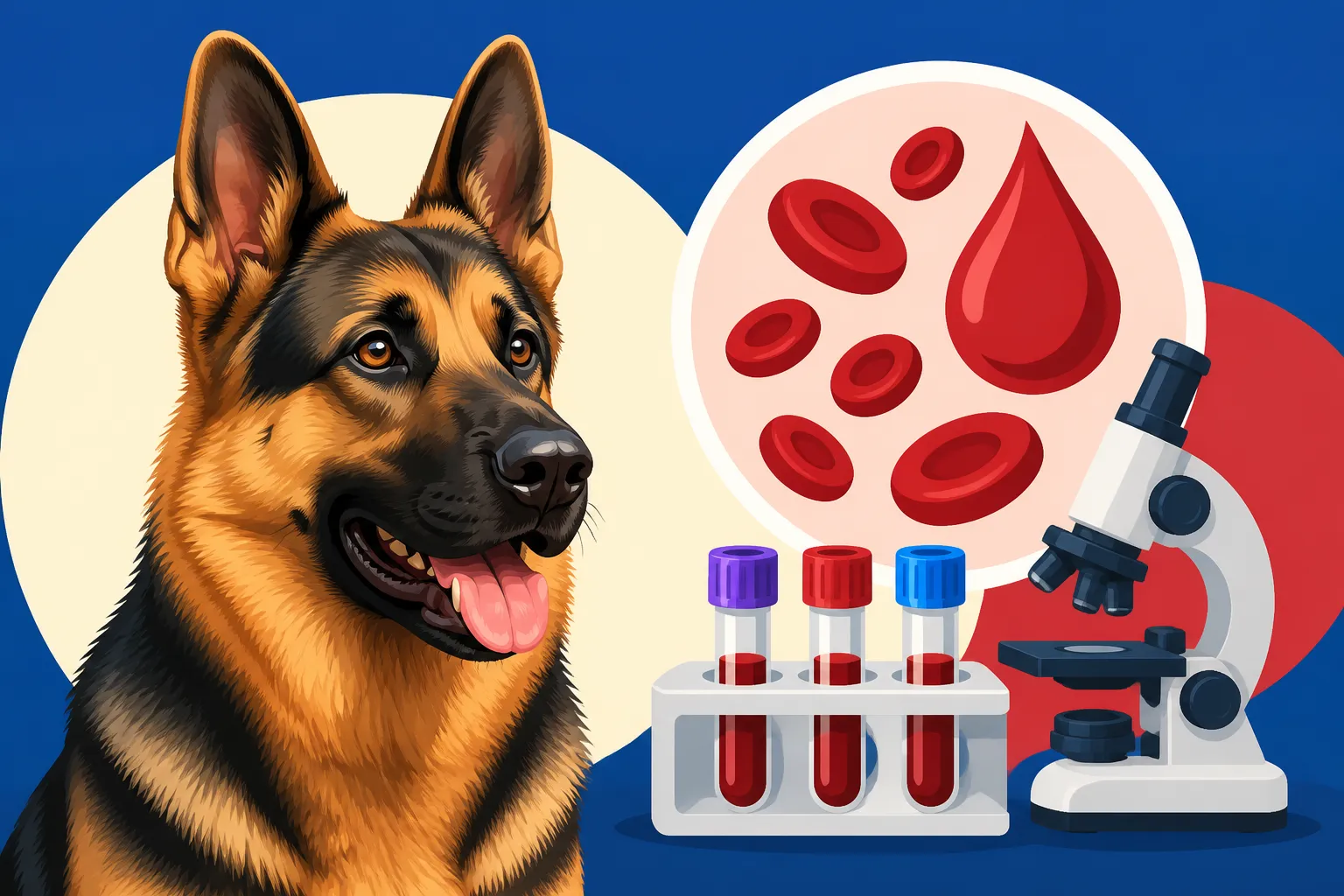
The Complete Blood Count, or CBC, is a foundational test that provides a detailed look at the cells circulating in your German Shepherd's blood. It's incredibly insightful and can tell your vet a lot about your dog's overall health and immune system response. This panel typically measures red blood cells, white blood cells, and platelets.
Red blood cells are crucial for carrying oxygen throughout the body. Anemia, a low red blood cell count, could indicate a variety of issues, from chronic disease to internal bleeding, or even certain autoimmune conditions. Conversely, a high red blood cell count could signal dehydration or other less common problems. Your vet will look at factors like hematocrit (the percentage of red blood cells in the blood) and hemoglobin levels.
White blood cells are the body's defenders against infection and inflammation. Different types of white blood cells (neutrophils, lymphocytes, monocytes, eosinophils, and basophils) each play a specific role. An elevated white blood cell count might point to an infection, while a decrease could indicate a compromised immune system. Platelets, on the other hand, are essential for blood clotting. A low platelet count could mean your German Shepherd is at risk for excessive bleeding, which is particularly important to know before any surgical procedures.
Chemistry Panel Blood Chemistry Profile
The blood chemistry panel, often called a serum chemistry or biochemical profile, is like getting a detailed report on your German Shepherd's internal organs. This test measures various substances in the blood plasma, giving your vet clues about kidney function, liver function, pancreatic health, blood sugar levels, and electrolyte balance. It’s a crucial tool for diagnosing and monitoring many metabolic and organ-specific diseases.
For instance, enzymes like ALT (alanine aminotransferase) and ALP (alkaline phosphatase) are indicators of liver health. Elevated levels can suggest liver damage, inflammation, or other issues. Blood Urea Nitrogen (BUN) and creatinine are key markers for kidney function; abnormal levels could indicate kidney disease, which is a serious concern, especially as dogs age. Glucose levels are measured to check for diabetes, a condition where the body can't regulate blood sugar effectively. Calcium and phosphorus levels are important for bone health and overall metabolic balance.
Electrolytes like sodium, potassium, and chloride maintain proper hydration and nerve and muscle function. Imbalances can be indicative of dehydration, kidney problems, or other serious conditions. Proteins like albumin and globulin are also assessed; they play roles in fluid balance, immune function, and nutrition. A low albumin level, for example, could signal liver disease or problems with protein absorption.
Thyroid Hormone Testing
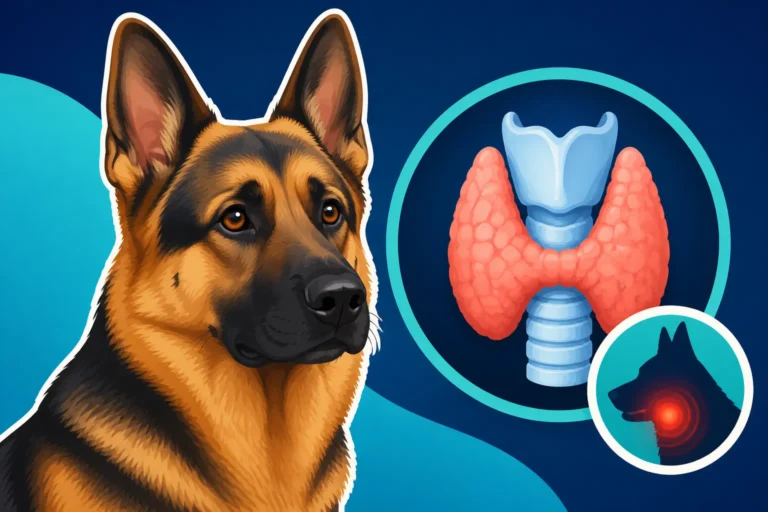
Hypothyroidism, an underactive thyroid gland, is a surprisingly common endocrine disorder in German Shepherds. If you've ever felt sluggish, gained weight unexpectedly, or had skin issues, you know how much thyroid hormones impact overall well-being. It's no different for our dogs. A thyroid test, specifically measuring T4 (thyroxine) and TSH (thyroid-stimulating hormone), can diagnose this condition.
Symptoms of hypothyroidism in German Shepherds can be subtle at first, including lethargy, weight gain (even on a consistent diet), a dull or thinning coat, dry skin, and sometimes even cold intolerance. Because these symptoms can mimic other conditions or simply be attributed to aging, routine thyroid testing is incredibly important for this breed. Early diagnosis means your dog can start on thyroid hormone replacement medication, which is often very effective in managing the condition and restoring their vitality. German Shepherd Thyroid Problems provides more detailed information on this topic.
Specialized Blood Tests for German Shepherds
While routine bloodwork covers the basics, German Shepherds often benefit from or require more specialized blood tests due to their genetic predispositions. These tests delve deeper into specific health concerns that are more prevalent in the breed, offering critical insights for prevention, diagnosis, and management.
Degenerative Myelopathy DNA Test
Degenerative Myelopathy (DM) is a cruel, progressive neurological disease that affects the spinal cord, leading to weakness and paralysis in the hind limbs. It's heartbreaking to witness, and unfortunately, German Shepherds are significantly overrepresented among affected breeds. While there's no cure, understanding your dog's genetic status is paramount for breeders and owners alike.
The DM test is a DNA test, often done via a cheek swab or a blood sample, that identifies whether a dog carries the mutated gene (SOD1) associated with DM. Dogs can be clear (N/N), carriers (A/N), or at-risk (A/A). Being 'at-risk' doesn't guarantee your dog will develop DM, but it means they have a higher probability. This test is a cornerstone of German Shepherd Genetic Health Testing, allowing responsible breeders to make informed decisions to reduce the incidence of DM in future generations. For owners, knowing their dog's status can help in early symptom recognition and planning for care options like German Shepherd DM: Wheelchair and Care Options if the disease progresses.
Von Willebrand Disease Testing
Von Willebrand Disease (vWD) is an inherited bleeding disorder that can affect German Shepherds, though it's more common in other breeds like Doberman Pinschers. It's caused by a deficiency in von Willebrand factor, a protein necessary for normal blood clotting. For a German Shepherd, particularly if they need surgery or experience an injury, knowing their vWD status is vital.
Symptoms can range from mild nosebleeds and prolonged bleeding after injury or surgery to more severe spontaneous bleeding. The diagnostic test for vWD measures the level of von Willebrand factor in the blood. There are different types of vWD, with Type I being the most common and generally less severe. Breeders should screen their breeding stock to avoid passing on this trait. For pet owners, if your German Shepherd is diagnosed with vWD, your vet can take precautions before any procedures, such as administering clotting agents, to minimize bleeding risks. This knowledge can literally be life-saving.
Pancreatic Enzyme Tests
As mentioned earlier, Exocrine Pancreatic Insufficiency (EPI) is a significant concern for German Shepherds. The pancreas has two main functions: producing insulin (endocrine function) and producing digestive enzymes (exocrine function). With EPI, the exocrine function is impaired, meaning the dog cannot properly digest food, leading to malnutrition despite a healthy appetite.
A specific blood test called the Canine Trypsin-Like Immunoreactivity (cTLI) test is the gold standard for diagnosing EPI. A low cTLI level indicates EPI. Other pancreatic issues, like pancreatitis (inflammation of the pancreas), can also be detected through blood tests measuring enzymes like canine pancreatic lipase immunoreactivity (cPLI) or amylase and lipase. Symptoms of EPI include chronic diarrhea, weight loss despite a ravenous appetite, and sometimes a dull coat. Early diagnosis through these specific blood tests, often recommended if your GSD shows these signs, allows for prompt management, typically with enzyme replacement therapy added to their food. German Shepherd EPI: Symptoms and Treatment details how critical this early intervention can be.
Tick-Borne Disease Panel
Depending on where you live, your German Shepherd might be at risk for various tick-borne diseases like Lyme disease, Anaplasmosis, Ehrlichiosis, and Rocky Mountain Spotted Fever. These diseases can cause a range of symptoms, from lameness and lethargy to fever and internal organ damage. Regular German Shepherd Flea and Tick Prevention is crucial, but these diseases can still occur.
A tick-borne disease panel, often called a 4Dx or similar test, screens for exposure to these pathogens. It’s typically a quick blood test that can detect antibodies to the bacteria that cause these diseases. Early detection is key, as most are treatable with antibiotics. Many vets recommend this screening annually, especially in endemic areas, even if your dog doesn't show obvious symptoms, as some infections can be subclinical (no visible signs) for a while before causing serious illness.
Understanding Your German Shepherd's Bloodwork Results
Receiving a stack of papers from the vet with scientific-sounding terms and numbers can be daunting. It's natural to feel a bit lost or anxious. But remember, these results are tools, not verdicts, and your veterinarian is there to interpret them holistically, considering your German Shepherd's age, breed, lifestyle, and overall physical exam findings.
Interpreting Normal and Abnormal Ranges
Each value on your German Shepherd's bloodwork report will have a reference range, often listed as "normal range." If your dog's result falls within this range, it's generally considered healthy for that specific marker. However, even within a normal range, your vet might see trends or slight shifts from your dog's individual baseline that warrant attention.
If a result is outside the normal range, it’s flagged as abnormal. This is where the detective work begins. An abnormal result doesn't automatically mean your German Shepherd is gravely ill. For example, a slightly elevated liver enzyme could be due to medication, stress, or even recent strenuous exercise, not necessarily liver failure. Conversely, a significantly high or low value might indicate a more serious underlying problem. Your vet will look for patterns—are multiple values abnormal in a way that points to a specific organ system? Do these results align with your dog's symptoms or physical exam findings? It's all about putting the pieces together.
What to Do After Receiving Results
First and foremost, don't panic. Your vet will walk you through the results. If everything is within normal limits, celebrate! It means your German Shepherd is likely in good health, and you can continue with routine preventative care. This is the best news any dog parent can receive, and it underlines the importance of routine check-ups.
If there are abnormal results, your vet will discuss the implications and potential next steps. This might involve:
- Further diagnostics: This could include repeat blood tests in a few weeks, urinalysis, X-rays, ultrasound, or specialized tests to pinpoint the issue. For example, if kidney values are off, a urinalysis helps assess kidney function more thoroughly.
- Medication or dietary changes: Many conditions can be managed with specific medications, supplements, or a change in diet. For instance, dogs with German Shepherd EPI Diet and Management require specific enzyme supplements.
- Monitoring: Sometimes, mild abnormalities simply need to be monitored over time to see if they resolve or worsen.
- Specialist referral: In complex cases, your vet might recommend seeing a veterinary specialist, such as an internal medicine expert or a neurologist.
It’s important to ask questions and ensure you understand the findings and recommendations. Don’t hesitate to ask for clarification if medical jargon is confusing. Understanding your German Shepherd Health Problems Guide is a journey, and bloodwork is a crucial map.
The Role of Pet Insurance
Let's be realistic, vet bills can be a significant concern, especially when specialized tests or ongoing treatments are needed. This is where pet insurance can truly be a lifesaver. Many German Shepherd owners find peace of mind knowing that routine bloodwork, unexpected diagnostics, and ongoing treatment for conditions diagnosed through blood tests are often covered, at least partially. Companies like Healthy Paws offer comprehensive plans that can help alleviate the financial burden of managing your German Shepherd's health.
Investing in pet insurance, particularly for a breed prone to certain genetic and health issues, can make the difference between being able to afford necessary diagnostics and treatments and having to make difficult choices. It ensures you can prioritize your dog's health without constantly worrying about the cost. While Is Pet Insurance Worth It for a German Shepherd is a question many owners ponder, for those facing significant health challenges, the answer often becomes a resounding "yes."
Sample Bloodwork Report Explained
To give you a clearer picture, here's a simplified example of what you might see on a German Shepherd's bloodwork report and what some key values indicate. Remember, this is for illustrative purposes only, and your vet's interpretation is always essential.
| Test Category | Specific Test | Normal Range (Example) | What it Measures | Common Implications for German Shepherds (Abnormal) |
|---|---|---|---|---|
| Complete Blood Count (CBC) | Red Blood Cell Count | 5.5 – 8.5 x 10^6/uL | Oxygen-carrying capacity, presence of anemia. | Low: Anemia (bleeding, chronic disease, nutritional), German Shepherd Hemangiosarcoma Explained. High: Dehydration. |
| White Blood Cell Count | 6.0 – 17.0 x 10^3/uL | Immune system activity, presence of infection or inflammation. | High: Bacterial infection, inflammation, stress. Low: Viral infection, bone marrow issues, some medications. | |
| Platelets | 175 – 500 x 10^3/uL | Blood clotting ability. | Low: Bleeding disorders (e.g., vWD), autoimmune disease, tick-borne illness. High: Inflammation, infection. | |
| Chemistry Panel | ALT (Liver Enzyme) | 10 – 100 U/L | Liver health, damage, or inflammation. | High: Liver disease, injury, certain medications. |
| BUN (Kidney) | 8 – 28 mg/dL | Kidney function, protein metabolism, hydration status. | High: Kidney disease, dehydration, high protein diet. Low: Liver disease, low protein diet. | |
| Creatinine (Kidney) | 0.5 – 1.6 mg/dL | More specific indicator of kidney function. | High: Kidney disease, severe dehydration. | |
| Glucose | 70 – 125 mg/dL | Blood sugar levels, indicative of diabetes or stress. | High: Diabetes, stress. Low: Liver disease, overdose of insulin (if diabetic), certain tumors. | |
| Amylase/Lipase (Pancreas) | 200 – 1000 U/L / 20 – 200 U/L | Pancreatic function, inflammation. | High: Pancreatitis. | |
| Thyroid Panel | Total T4 | 1.0 – 4.0 ug/dL | General measure of thyroid hormone. | Low: Hypothyroidism (common in GSDs). |
| cTLI (EPI Specific) | 5.0 – 35.0 ug/L | Exocrine Pancreatic Insufficiency (EPI). | Low: EPI. | |
| Genetic Test | DM (SOD1) | N/N (Clear) | Genetic predisposition for Degenerative Myelopathy. | A/N (Carrier) or A/A (At-Risk): Higher chance of developing DM or passing on the gene. Degenerative Myelopathy in German Shepherds |
| vWD (Type 1) | N/N (Clear) | Genetic predisposition for Von Willebrand Disease (bleeding disorder). | Affected: Increased risk of bleeding. |
Remember, this table is a general guide. Your vet is the best resource for interpreting your German Shepherd's specific results and explaining what each value means in the context of their overall health.
Disclaimer
The information provided in this article is for general informational purposes only and is not intended as a substitute for professional veterinary advice. Always consult with a qualified veterinarian regarding any medical condition or health concerns your German Shepherd may have.