Is Hip Dysplasia Common in German Shepherds
That nagging feeling in the back of your mind, the one that whispers about hip problems every time your German Shepherd takes an awkward step or struggles to stand up after a nap, is a worry many of us share. You've probably heard the rumors, seen the statistics, and perhaps even witnessed another German Shepherd grappling with mobility issues. It's a valid concern, and you're right to seek clarity. This comprehensive guide is dedicated to tackling that precise question head-on: is hip dysplasia truly common in German Shepherds, and what does that reality mean for you and your beloved companion?
The Uncomfortable Truth: Hip Dysplasia in German Shepherds
Let's not beat around the bush: yes, hip dysplasia is unfortunately quite common in German Shepherds. It's one of the most prevalent orthopedic conditions affecting the breed, a reality that can be disheartening for any dedicated owner. This isn't just anecdotal evidence from dog parks or online forums; scientific studies and extensive health registries confirm it. Organizations like the Orthopedic Foundation for Animals (OFA) consistently show that German Shepherds have a higher incidence rate of hip dysplasia compared to many other breeds. While the exact percentage can vary depending on the study and the specific lineage, it's widely accepted that a significant portion of the breed population carries the genetic predisposition or develops the condition.
Understanding this prevalence isn't about fostering fear, but rather about empowering you with knowledge. It means that as a German Shepherd owner, you should be acutely aware of the risk factors, the symptoms, and the proactive steps you can take to mitigate its impact. It's not a guarantee that your dog will develop it, but the odds are certainly higher than with some other breeds. For a deeper dive into prevention, consider reading our guide on How to Prevent Hip Dysplasia in German Shepherds.
Breaking Down the Statistics
When we talk about prevalence, it's important to look at the data collected by reputable organizations. The OFA, for instance, provides public statistics based on the hip evaluations they perform. While specific numbers fluctuate, German Shepherds historically rank among the breeds with a notable percentage of dysplastic findings. It's not uncommon to see breeds with numbers where 15-20% or even higher are rated as dysplastic (fair, borderline, mild, moderate, or severe). This contrasts sharply with breeds where the incidence is in the low single digits.
These statistics are a stark reminder of the genetic legacy within the breed. They also highlight the crucial role of responsible breeding practices in trying to reduce this prevalence over generations. For a breed so often admired for its strength, agility, and loyalty, it's a sobering thought that many will face mobility challenges due to this inherited condition.
Why the High Incidence Rate?
The high incidence rate isn't a random misfortune; it's deeply rooted in the breed's genetics, historical breeding practices, and even environmental factors. German Shepherds were originally bred for their working ability, demanding a powerful, agile physique. Unfortunately, without sufficient understanding of genetics early on, certain traits that predisposed them to hip dysplasia became more widespread.
Selective breeding for certain aesthetic traits or specific working abilities, without equal emphasis on hip health, contributed to the problem. In some lines, the focus on things like an exaggerated sloped back, while perhaps visually appealing to some, can put additional stress on the hip joints, exacerbating any underlying laxity. This is why it's so critical to understand the nuances when you are looking for a German Shepherd, especially from a breeder who emphasizes health clearances.
Understanding the Genetic Blueprint: Why German Shepherds are Predisposed
The primary culprit behind the high prevalence of hip dysplasia in German Shepherds is genetics. It's a polygenic trait, meaning multiple genes contribute to its expression, making it a complex challenge for breeders to eradicate entirely. However, the genetic predisposition doesn't tell the whole story; environmental factors play a significant role in how severely the condition manifests.
The Role of Inheritance and Responsible Breeding
Hip dysplasia is an inherited condition. If a German Shepherd's parents or grandparents had hip dysplasia, the puppy has a significantly higher chance of developing it. This is why thorough German Shepherd Genetic Health Testing is non-negotiable for reputable breeders. They utilize tools like OFA or PennHIP evaluations to assess the hip quality of their breeding stock. You can learn more about these methods in our article, OFA vs PennHIP Hip Scoring Explained.
A truly responsible breeder will not only test their breeding dogs but will also openly share those results with prospective puppy buyers. They understand that breeding dogs with excellent or good hip scores is paramount to slowly, but surely, reducing the incidence of hip dysplasia in future generations. Unfortunately, not all breeders adhere to these high standards, which perpetuates the cycle of the condition within the breed. Puppy mills, for example, rarely perform such health screenings, leading to a much higher risk for puppies from these sources.
Environmental Contributors and Lifestyle Factors
Even with excellent genetics, environmental factors can either mitigate or worsen the expression of hip dysplasia. Rapid growth, excessive weight gain, and inappropriate exercise during puppyhood and adolescence are significant contributors. For a German Shepherd puppy, whose bones and joints are still developing, high-impact activities like jumping off furniture, strenuous running on hard surfaces, or long, forced runs can put undue stress on delicate growth plates and developing hip joints.
Think of a young German Shepherd puppy like a growing child; their bones aren't fully fused, and their joints are vulnerable. Over-exercising a young German Shepherd puppy, especially before their growth plates close, can dramatically increase the risk of hip problems, even if they have good genetics. A balanced diet that supports slow, steady growth is also critical. Overfeeding a puppy, leading to rapid weight gain, places extra strain on developing joints. This is a common frustration for owners who just want to see their pups thrive, but sometimes, slower is truly better.
Decoding the Condition: What Exactly is Canine Hip Dysplasia?
At its core, canine hip dysplasia is an abnormal formation of the hip socket that, in its more severe form, can eventually cause crippling lameness and painful arthritis of the joints. It's not just a "hip problem"; it's a complex developmental issue that impacts the most crucial joint for a dog's mobility.
The Anatomy of the Dysplastic Hip
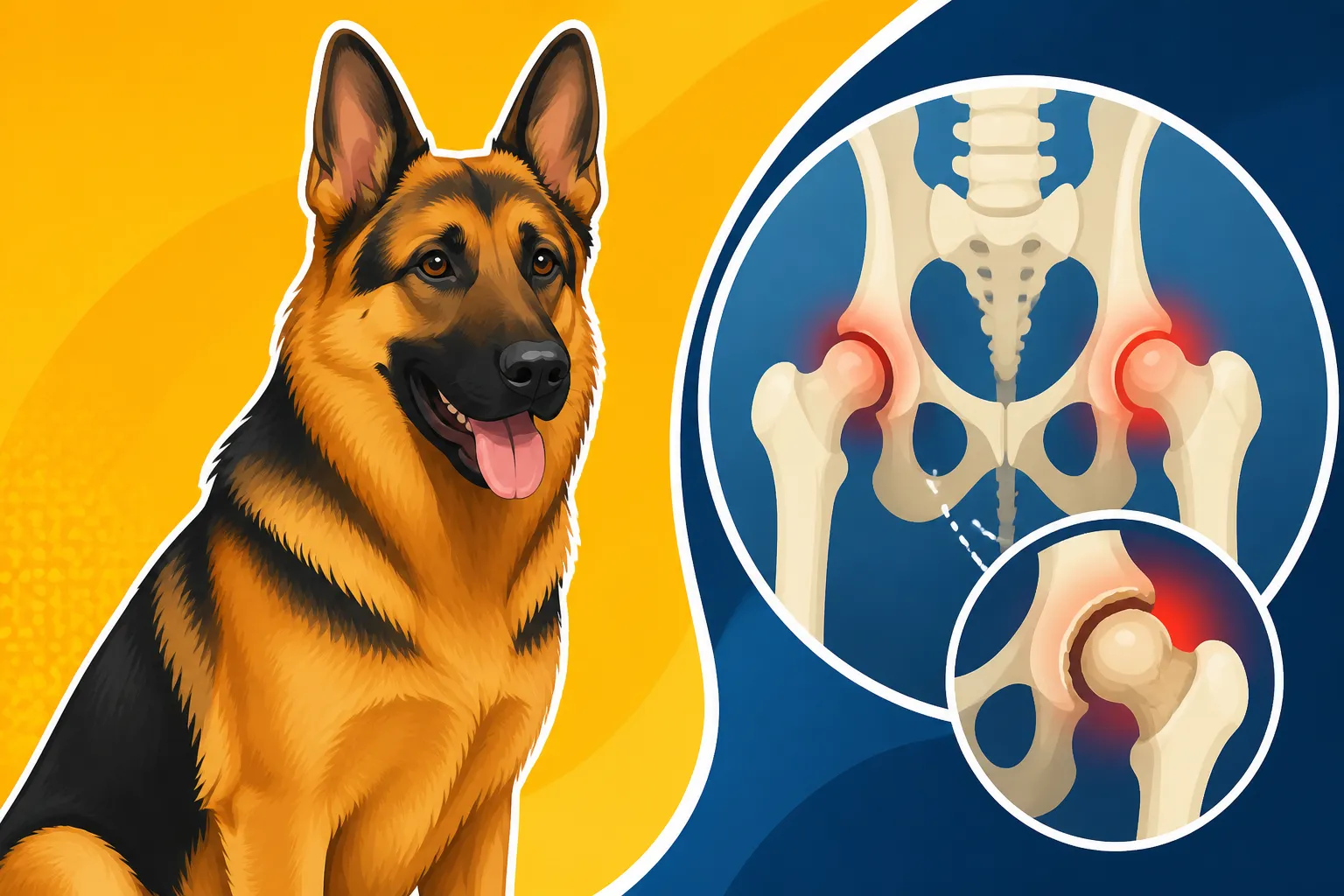
Imagine a ball-and-socket joint. In a healthy hip, the "ball" (the head of the femur, or thigh bone) fits snugly and smoothly into the "socket" (the acetabulum in the pelvis). They move together harmoniously, lubricated by synovial fluid, allowing for a wide range of pain-free motion.
In a dog with hip dysplasia, this perfect fit is compromised. The socket might be too shallow, the femoral head might be misshapen, or both. This poor fit leads to laxity, meaning the ball moves too loosely within the socket instead of gliding smoothly. This looseness causes friction, grinding, and instability. Over time, this constant abnormal movement wears down the cartilage, causes bone spurs (osteophytes), and leads to inflammation and pain. Eventually, the body attempts to stabilize the joint by laying down more bone, resulting in degenerative joint disease, or osteoarthritis, which is often the source of chronic pain and stiffness in adult German Shepherds.
Progressive Nature of the Disease
Hip dysplasia rarely appears overnight. It's a progressive disease, often starting subtly in puppyhood and worsening over time. Some dogs may show signs very early, even at 5-6 months old, while others might not exhibit noticeable symptoms until they are seniors, especially if their lifestyle factors were managed well. This variability makes it challenging for owners, as a seemingly healthy young dog can develop significant issues later in life. It's important to be vigilant throughout your German Shepherd's life, understanding that the problem can evolve. For more information on its progression, refer to Common German Shepherd Health Issues by Age.
Spotting the Subtle Shifts: Recognizing the Signs of Hip Dysplasia
Recognizing the signs of hip dysplasia in your German Shepherd can be tricky because the symptoms can range from subtle to severe, and they don't always correlate directly with the degree of dysplasia shown on X-rays. Some dogs with severe dysplasia might show minimal discomfort, while others with mild dysplasia might be quite painful. It depends on their pain threshold, muscle development, and how much arthritis has developed. Early detection is key to managing the condition and preserving your dog's quality of life.
Early Warning Signs in Puppies and Young Adults
In German Shepherd puppies and young adults (typically 5 months to 2 years old), the signs might be intermittent and easy to dismiss as "growing pains" or clumsiness.
Look out for:
- Reluctance to run, jump, or climb stairs: They might hesitate before tackling a flight of stairs or avoid jumping into the car, which they used to do with ease.
- "Bunny hopping": When running, both hind legs might move together like a rabbit's, rather than independently. This is a common compensatory mechanism to avoid painful extension of the hip joints.
- Abnormal gait: A stiff, wobbly, or swaying gait in the hindquarters. They might walk with their hind legs closer together.
- Difficulty rising: Struggling to get up after lying down, especially after rest.
- Limping or lameness: This might be intermittent, perhaps worse after exercise, or after a long period of rest. It might switch between legs. You can find more details in First Signs of Hip Dysplasia in German Shepherds.
- Pain response: Yelping or pulling away when the hip area is touched or manipulated.
- Decreased activity: A general reduction in energy levels or interest in playing.
Advanced Symptoms in Mature Dogs
As German Shepherds mature and the condition progresses, particularly if arthritis sets in, the symptoms tend to become more pronounced and chronic.
These can include:
- Significant lameness: Persistent limping or favoring a hind leg.
- Muscle atrophy: Noticeable loss of muscle mass in the hindquarters as the dog avoids using those muscles due to pain. Their thighs might look thinner.
- Increased pain: More frequent and severe signs of pain, especially in colder weather or after exercise.
- Stiffness and reduced range of motion: Difficulty extending their hind legs or an inability to comfortably sit or lie in certain positions.
- Cracking or popping sounds: Audible clicks or pops from the hip joints during movement, indicating bone-on-bone friction.
- Changes in temperament: Pain can make a normally friendly dog irritable or withdrawn. They might snap if approached or touched in a sensitive area.
Here's a quick reference table for recognizing symptoms:
| Symptom Category | Early/Subtle Signs (Puppies/Young Adults) | Advanced/Chronic Signs (Mature Dogs) |
|---|---|---|
| Mobility | Reluctance to jump, climb, "bunny hopping" | Significant lameness, stiff gait, difficulty lying down/standing |
| Activity Level | Decreased desire to play or run, intermittent limping | Marked reduction in activity, avoiding favorite pastimes |
| Physical Appearance | No obvious changes, possibly slight hindquarter weakness | Muscle atrophy in hindquarters, wider stance, shift of weight forward |
| Pain | Occasional yelp, sensitive to touch, worse after strenuous play | Persistent pain, vocalization, irritability when handled |
| Sound/Feel | May have slight clicking or instability | Audible grinding, popping, palpable instability and stiffness |
If you notice any of these signs, don't hesitate to consult your veterinarian. They can perform a physical examination and often recommend X-rays to get a definitive diagnosis.
Proactive Steps: Prevention and Management Strategies
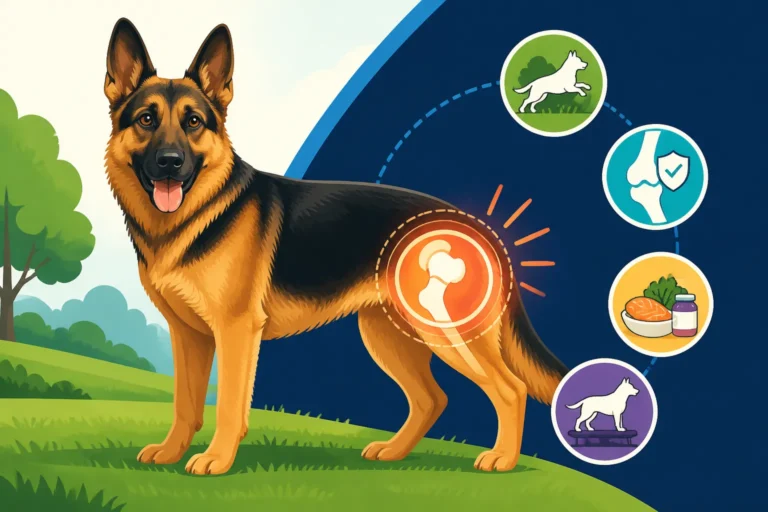
While genetics are a major factor, proactive management and careful lifestyle choices can significantly influence the severity and onset of hip dysplasia in German Shepherds. Even if your dog has a genetic predisposition, you can often mitigate the impact.
Early Screening and Responsible Breeding Practices
For anyone considering bringing a German Shepherd into their home, the absolute first step in prevention is choosing a reputable breeder. This means finding a breeder who not only understands the breed but prioritizes health. They should perform comprehensive health screenings, specifically OFA or PennHIP certifications, on all breeding stock. They should be able to provide documentation for both parents, demonstrating good or excellent hip scores, and often elbow scores as well, as elbow dysplasia can also be an issue. Asking to see these certifications and verifying them is a critical part of the process when you're looking for a new puppy. Don't be shy about it – a good breeder will welcome your questions.
If you're adopting from a rescue, they often have some health history, but it might be less comprehensive. Still, a rescue will generally be transparent about any known issues and support you in managing them.
Nutritional Support for Healthy Joint Development
Nutrition plays a pivotal role, especially during the rapid growth phase of a German Shepherd puppy. Overfeeding, particularly with high-calorie diets, can lead to accelerated growth and excess weight, both of which place undue stress on developing joints. Look for large-breed puppy formulas that are specifically designed to support slow, controlled growth. These diets often have a balanced calcium-to-phosphorus ratio and moderate protein levels. Brands like Royal Canin German Shepherd or Purina Pro Plan Focus Large Breed Puppy are often recommended for their carefully formulated nutrient profiles.
Once your German Shepherd is an adult, maintaining an ideal body weight is paramount. Even a few extra pounds can significantly increase the load on their hips, exacerbating any existing dysplasia or accelerating the onset of arthritis. Regular monitoring of their weight and adjusting their food intake as needed is essential. For detailed guidance, check out our German Shepherd Feeding Guide.
Controlled Exercise and Activity Modification
This is where many well-meaning owners can inadvertently cause harm. German Shepherds are energetic dogs, but too much strenuous exercise too soon can be detrimental. For puppies, the general rule of thumb is 5 minutes of structured exercise (like a leash walk) per month of age, twice a day. This means a 4-month-old puppy gets two 20-minute walks, not an hour-long hike or intense fetch session.
Avoid high-impact activities like jumping, long-distance running, or repetitive stair climbing until their growth plates have closed, usually around 12-18 months of age, depending on the individual dog. Instead, focus on controlled walks, gentle play, and swimming, which is excellent for building muscle without joint impact. As they mature, continue to encourage moderate, consistent exercise to keep muscles strong and support joint stability without over-stressing them.
The Role of Supplements and Medications
For dogs with a predisposition or an early diagnosis of hip dysplasia, certain supplements can be beneficial in supporting joint health and reducing inflammation. Common joint supplements often contain ingredients like glucosamine, chondroitin, MSM, and omega-3 fatty acids. These can help support cartilage health, improve joint lubrication, and reduce inflammation. Brands like Dasuquin or Cosequin are popular choices, but always discuss any supplements with your veterinarian before starting them. You can find more recommendations in Best Supplements for German Shepherd Hips.
In cases where pain and inflammation are already present, your vet might prescribe anti-inflammatory medications (NSAIDs), pain relievers, or other injectables like Adequan to help manage the symptoms.
Navigating Life with Hip Dysplasia: Support and Care
Receiving a diagnosis of hip dysplasia can feel devastating. Your heart aches for your loyal companion, and the thought of them living with chronic pain is hard to bear. But it's important to remember that a diagnosis is not a death sentence, and with proper care, many German Shepherds with hip dysplasia can still lead fulfilling, comfortable lives. The key is a multi-faceted approach to management, focused on pain relief, mobility support, and maintaining their overall well-being.
Treatment Options: From Conservative to Surgical
The treatment plan for hip dysplasia is highly individualized, depending on the severity of the condition, the dog's age, and their overall health.
Conservative Management: This is often the first line of defense, especially for mild to moderate cases, or for dogs who are not candidates for surgery. It focuses on pain control and maintaining mobility:
- Weight Management: Absolutely critical. Keeping your German Shepherd at a lean, healthy weight significantly reduces stress on their joints.
- Physical Therapy: Targeted exercises, hydrotherapy (swimming or underwater treadmill), and massage can strengthen supporting muscles, improve range of motion, and reduce pain. A certified canine rehabilitation therapist can develop a tailored program.
- Medication: Non-steroidal anti-inflammatory drugs (NSAIDs) like carprofen or meloxicam are often prescribed to manage pain and inflammation. Other pain medications might be used in conjunction.
- Joint Supplements: As mentioned earlier, glucosamine, chondroitin, and omega-3 fatty acids can support joint health.
- Environmental Modifications: Providing orthopedic dog beds, using ramps instead of stairs, and ensuring non-slip flooring can make a huge difference in your dog's daily comfort.
Surgical Options: For more severe cases, or when conservative management is no longer effective, several surgical procedures can be considered:
- Femoral Head Ostectomy (FHO): This involves removing the head of the femur, allowing a "false joint" to form. It's often used for smaller dogs or when other options aren't feasible, aiming to eliminate the painful bone-on-bone grinding.
- Triple Pelvic Osteotomy (TPO) / Double Pelvic Osteotomy (DPO): These procedures involve cutting and rotating the pelvic bone to improve the fit of the femoral head into the acetabulum. They are typically performed on younger dogs (before significant arthritis develops) with sufficient bone quality.
- Total Hip Replacement (THR): This is considered the most effective long-term solution for severe hip dysplasia, replacing the diseased hip joint with artificial components. It offers excellent results in terms of pain relief and restored function but is a major surgery with a significant cost.
Discussing these options thoroughly with your veterinarian and potentially a veterinary orthopedic specialist is crucial to determine the best path for your dog. For specific cost information, you might be interested in German Shepherd Hip Dysplasia Surgery Cost.
Financial Preparedness and Pet Insurance
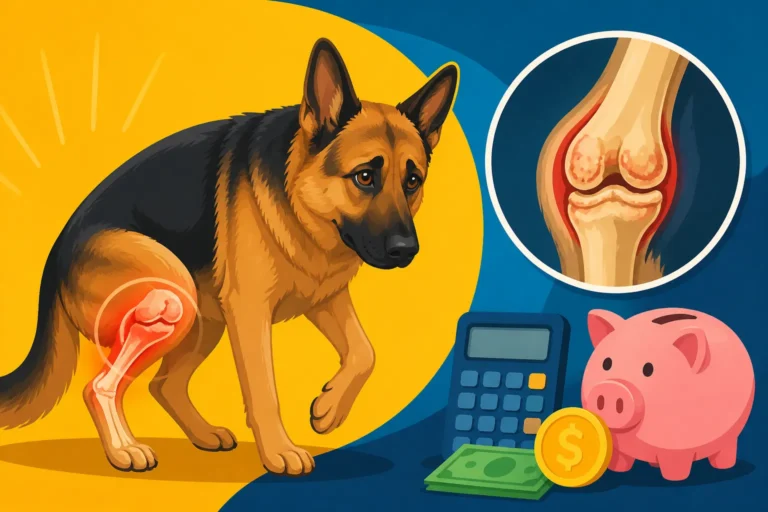
It's an unfortunate truth that managing hip dysplasia, especially if surgery is required, can be incredibly expensive. Diagnostic imaging, medications, physical therapy, and potentially surgery can quickly add up to thousands of dollars. This financial burden can be a major stressor for owners, and it's something many people don't fully anticipate when they bring home a puppy.
This is where planning ahead with pet insurance becomes a real game-changer. Comprehensive pet insurance plans, like those offered by Healthy Paws, can provide invaluable peace of mind by covering a significant portion of these costs. Imagine not having to choose between your dog's comfort and your savings account; insurance allows you to focus solely on getting your German Shepherd the best care possible. Many owners find that having comprehensive pet insurance, such as a plan from Healthy Paws, makes a world of difference. It can help cover everything from diagnostics to surgery and ongoing medication, allowing you to focus on your dog's well-being rather than the rising vet bills. Ongoing physical therapy, joint supplements, and pain management medications can add up over years, which is another area where a robust pet insurance policy, like those offered by Healthy Paws, can provide invaluable peace of mind.
While a pre-existing condition might not be covered, getting pet insurance early in your German Shepherd's life, before any signs of hip dysplasia appear, can ensure that if the condition does manifest later, you'll have financial support. It’s a worthwhile investment in your dog’s future health and your own financial well-being.
Living Comfortably with a Dysplastic German Shepherd
Even with a diagnosis, life doesn't stop. Many German Shepherds with hip dysplasia live happy, active lives with appropriate management. Your role as an owner shifts slightly to become an even more diligent advocate for their comfort and mobility.
Creating a Supportive Home Environment
Making small adjustments around your home can dramatically improve your dog's quality of life. Think about where they spend their time:
- Orthopedic Beds: Soft, supportive beds that contour to their body can alleviate pressure on sore joints.
- Ramps and Steps: Provide ramps for getting into cars or onto furniture (if allowed) to prevent painful jumping. Small steps can help them get onto lower beds.
- Non-Slip Surfaces: If you have hardwood floors or tiles, consider rugs or runners to give them better traction and prevent slips, which can cause painful splits or falls.
- Accessibility: Keep food and water bowls at an easily accessible height, perhaps slightly raised, to avoid bending too much.
- Controlled Access: Limit access to stairs if they struggle, especially unsupervised.
These seemingly minor changes can cumulatively reduce daily pain and make your dog feel more secure and comfortable in their own home.
Adapting Exercise Routines and Mental Stimulation
While vigorous exercise might be out, regular, moderate activity is still essential. It helps maintain muscle mass, prevents stiffness, and keeps them mentally stimulated.
- Short, Frequent Walks: Instead of one long, strenuous walk, try several shorter, gentle walks throughout the day.
- Swimming: This is an excellent, low-impact exercise that builds muscle strength without stressing joints. Many canine rehabilitation centers offer hydrotherapy pools.
- Gentle Play: Focus on activities like puzzle toys, sniff games, or soft fetch on a level, grassy surface, rather than high-speed, sharp turns, or jumping games.
- Mental Engagement: German Shepherds are highly intelligent. When physical activity is limited, mental stimulation becomes even more crucial. Incorporate training sessions (focused on things they can do, like scent work), interactive toys, and new experiences to keep their minds sharp and prevent boredom and frustration.
Remember, a tired German Shepherd is a happy German Shepherd, and mental fatigue is just as important as physical fatigue.
Regular Veterinary Check-ups and Monitoring
Consistent communication with your veterinarian is vital. Regular check-ups allow your vet to monitor the progression of the dysplasia, adjust pain management protocols as needed, and detect any secondary issues that might arise. Don't wait until your dog is in severe pain; proactive pain management is far more effective and humane. Be honest with your vet about your dog's activity levels, any signs of discomfort you observe, and how well their current treatment plan is working. Your observations are invaluable in tailoring the best long-term care strategy for your beloved German Shepherd. For general health guidance, our German Shepherd Health Problems Guide covers a wide array of topics.
Disclaimer
The information provided in this article is for educational purposes only and is not intended as a substitute for professional veterinary advice. Always consult with a qualified veterinarian for any health concerns or before making any decisions related to your German Shepherd's health and treatment.