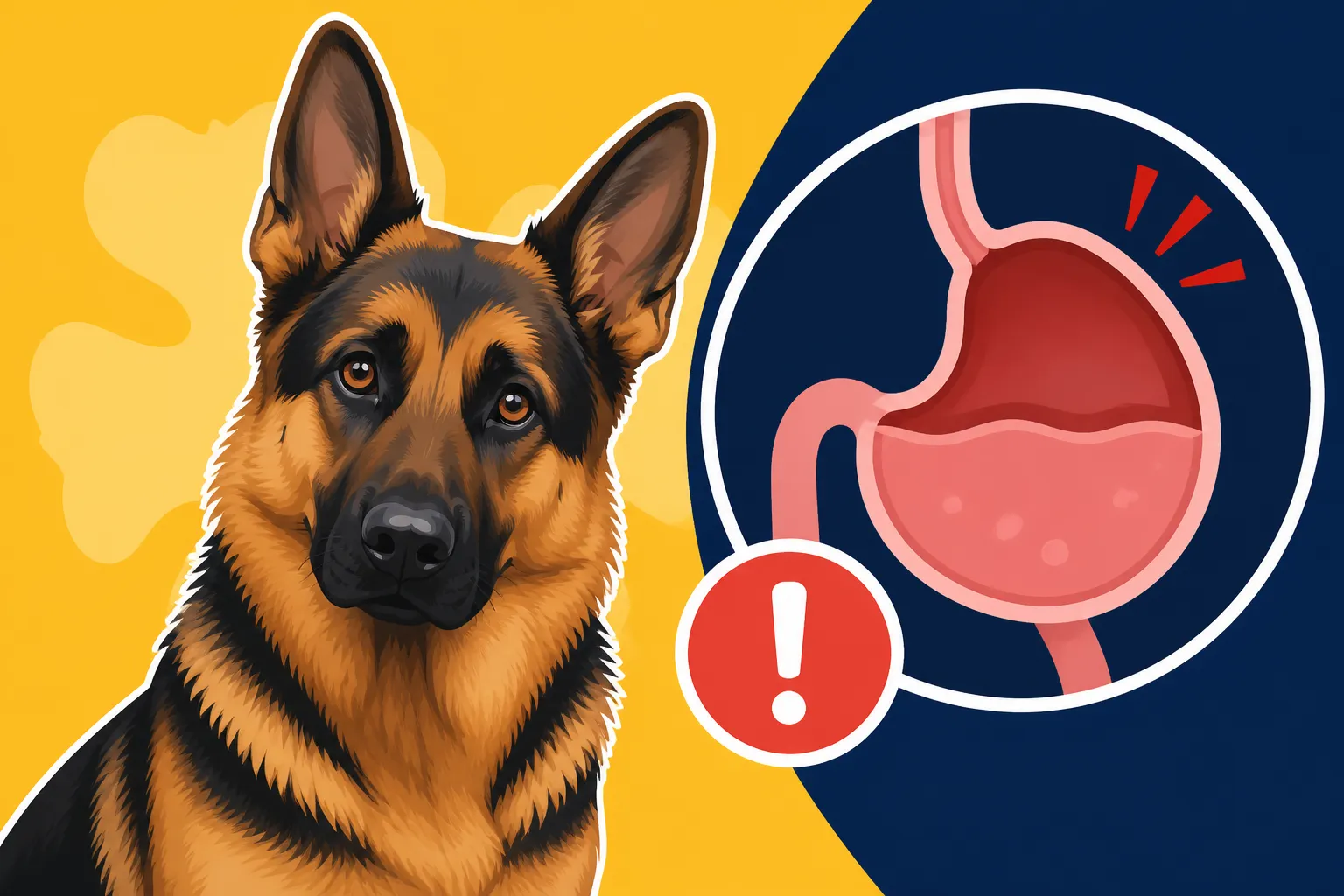
Is Bloat (GDV) Common in German Shepherds
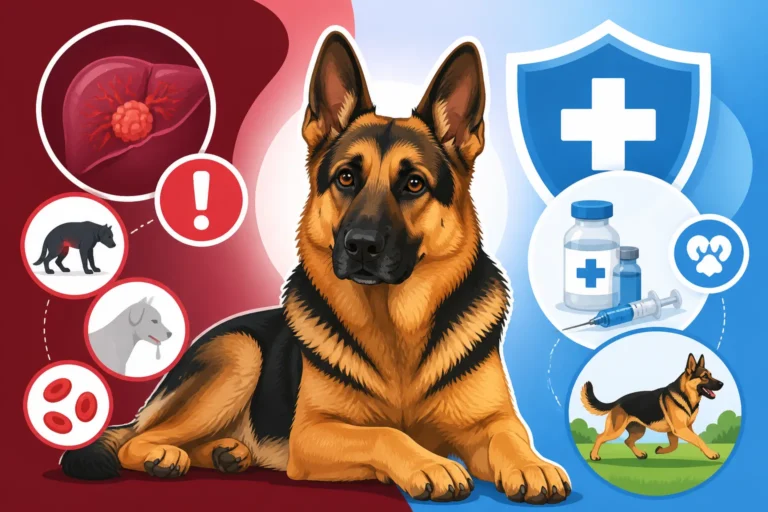
It's a chilling thought for any German Shepherd owner: that sudden, life-threatening emergency known as bloat. We all dread the possibility, that gut-wrenching fear that our beloved companion could be suffering from something so swift and devastating. The truth is, while bloat can affect any deep-chested dog, German Shepherds are, regrettably, among the breeds at significantly higher risk. This guide isn't here to scare you, but to equip you with the essential knowledge you need to understand why your German Shepherd is predisposed, what to look for, and most importantly, how to act if the unthinkable happens.
Is Bloat a Real Threat for German Shepherds?
When you own a German Shepherd, you quickly learn about their remarkable intelligence, loyalty, and powerful physique. You also, almost inevitably, hear whispers or direct warnings about Gastric Dilatation-Volvulus (GDV), more commonly known as bloat. It’s not just an old wives' tale or an exaggerated fear; it's a very real and prevalent danger for this specific breed. The question isn't if it's a concern, but how seriously German Shepherd owners need to take it.
The Startling Statistics for Our Beloved GSDs
Let's not sugarcoat it: German Shepherds are statistically one of the breeds most commonly affected by GDV. While the exact lifetime risk can vary based on several factors, some studies suggest that the risk for large and giant breeds like German Shepherds can be as high as 20-25% over their lifetime. This means that a significant portion of GSDs will experience bloat if no preventative measures are taken. It's a sobering statistic that highlights why every German Shepherd owner needs to be intimately familiar with this condition. This isn't just another item on a list of potential health issues; it's often cited as one of the leading causes of death in adult German Shepherds, even more so than some cancers. The sheer speed at which it can progress from a mild discomfort to a life-threatening crisis is what makes it so terrifying.
Breed Predisposition: More Than Just a Theory
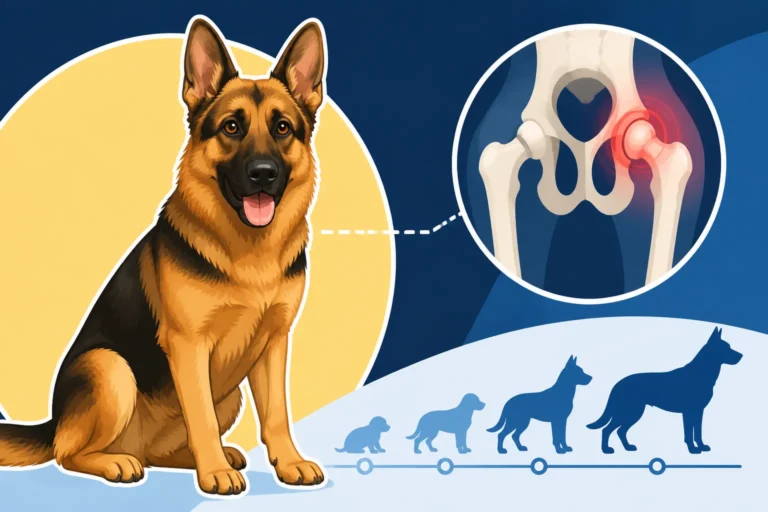
So, why are German Shepherds, along with other large, deep-chested breeds like Great Danes, Weimaraners, and Setters, so susceptible? It largely comes down to their unique anatomy. The deep chest and narrow waist of a German Shepherd create an abdominal cavity where the stomach has more room to swing or twist, rather than being snugly held in place. This isn't a flaw in their design, but rather a characteristic that, unfortunately, lends itself to the mechanics of bloat.
Beyond their physical build, other factors contribute to this predisposition. Genetics play a role; if a German Shepherd's parents or close relatives had bloat, their offspring might also be at a higher risk. Certain personality traits, often seen in high-strung or anxious German Shepherds, have also been correlated with an increased risk. While you can't change your dog's genetics or fundamental body shape, understanding these inherent risks is the first step in mitigating them through careful management and preventative care. This is a critical piece of information that informs every recommendation we'll discuss.
What Exactly is Gastric Dilatation-Volvulus (GDV)?
To truly grasp the danger, it helps to understand what's actually happening inside your German Shepherd's body when bloat strikes. It's not just a bellyache; it's a complex and rapidly progressing condition that requires immediate veterinary intervention. Knowing the mechanics helps you appreciate the urgency of treatment.
The Dangerous Mechanics of Bloat
Bloat, or GDV, occurs in two stages, often simultaneously or in rapid succession. The first stage is gastric dilatation, where the stomach fills with gas, food, or fluid, causing it to distend and swell dramatically. This alone is incredibly painful and puts pressure on surrounding organs and the diaphragm, making it hard for your dog to breathe. But the real crisis comes with the second stage: volvulus. In this stage, the distended stomach twists upon its axis, effectively pinching off both the entry (esophagus) and exit (duodenum) points.
When the stomach twists, several terrifying things happen. Gas, food, and fluid become trapped, intensifying the distension. Blood flow to and from the stomach is severely compromised, leading to tissue death (necrosis). The twisting can also impact major blood vessels, including the vena cava, reducing blood flow back to the heart. This quickly leads to shock, and without immediate intervention, the entire body begins to shut down. The complexity of this event means it's far more than just discomfort; it's a systemic failure brewing within minutes or hours.
Why Every Second Counts
The rapid progression of GDV is what makes it so deadly. From the first subtle signs to a full-blown life-threatening emergency, the timeline can be alarmingly short – often just a few hours, sometimes even less. Once the stomach twists, every minute that passes without surgical correction increases the risk of irreversible damage to the stomach tissue, other organs, and the development of severe shock. The longer the stomach remains twisted, the higher the chances of complications during surgery, and a less favorable prognosis for survival.
This is why "wait and see" is never an option if you suspect bloat in your German Shepherd. Owners often express regret about hesitating or thinking it might just be an upset stomach. It's crucial to understand that even if it turns out not to be bloat, a quick vet visit is always the safer choice. The cost of an unnecessary emergency visit pales in comparison to the cost of losing your beloved dog because you waited too long. Remember, when it comes to bloat, swift action is the ultimate life-saver.
Recognizing the Red Flags: Signs and Symptoms of Bloat
One of the biggest challenges with bloat is that the early symptoms can be vague, mimicking other less serious gastrointestinal upsets. However, because time is of the essence, learning to differentiate these signs and knowing when to escalate your concern to an emergency is paramount. Trust your gut feeling; you know your German Shepherd best. For more detailed information, you can always refer to resources like German Shepherd Bloat (GDV): Symptoms and Treatment.
Early Warning Signs You Can't Ignore
It's tempting to think that bloat always involves a huge, obviously distended belly, but that's often a later sign. The early indicators can be much more subtle. One of the most common early signs is restlessness or anxiety. Your normally calm German Shepherd might pace, seem unable to get comfortable, or repeatedly try to lie down and get back up. They might seem to be stretching their neck, looking at their flank, or panting excessively even without exertion.
Another tell-tale sign is unproductive retching or dry heaving. Your dog will act like they're trying to vomit, often gagging violently, but nothing or very little comes up, perhaps just foamy saliva. This is a critical symptom because it indicates that something is blocking the normal passage of contents from the stomach. Excessive drooling can also accompany this. Pay close attention to any changes in your dog's demeanor, especially if it's coupled with any abdominal discomfort or attempts to vomit.
When to Drop Everything and Go to the Vet
As bloat progresses, the symptoms become more pronounced and alarming. The abdomen may visibly swell and feel hard or taut to the touch, especially on the left side. Your dog might groan or yelp if you gently press on their belly. Their gums might appear pale or bluish, indicating poor circulation. They may collapse, become weak, have a rapid heart rate, and show signs of extreme pain.
At this stage, your German Shepherd is in severe shock. If you observe any combination of these signs, particularly unproductive retching, a distended abdomen, and obvious distress, do not delay. This is an immediate, life-threatening emergency. Call your vet or the nearest emergency veterinary clinic while you are on your way. Do not wait for them to call you back. Simply state that you suspect GDV and are en route. Every minute matters, and knowing what to do in a crisis can literally save your dog's life. For immediate steps, consult German Shepherd Bloat Emergency: What to Do.
| Symptom Category | Early Signs (Urgent Vet Visit) | Advanced Signs (Emergency Vet NOW) |
|---|---|---|
| Behavior | Restlessness, pacing, anxiety, inability to settle, looking at flanks | Collapse, weakness, stupor, unwillingness to move, severe pain |
| Gastrointestinal | Unproductive retching/dry heaving, excessive drooling, gulping air, mild abdominal discomfort | Obvious abdominal distension (hard, drum-like belly), unproductive retching, labored breathing |
| Physical | Panting without exertion, subtle change in gum color (less pink) | Pale or bluish gums, rapid shallow breathing, rapid heart rate, cold extremities, weak pulse |
Proactive Measures: How to Help Prevent Bloat in Your German Shepherd
While we can't completely eliminate the risk of bloat in German Shepherds due to their genetic predisposition, we can certainly take significant steps to reduce it. Prevention is always better than cure, especially when the cure involves emergency surgery and a hefty bill. Understanding how to integrate preventative habits into your daily routine is key to a long, healthy life for your GSD. More comprehensive strategies can be found in How to Prevent Bloat (GDV) in German Shepherds.
Smart Feeding Practices
How and what you feed your German Shepherd can have a major impact on their bloat risk. One of the most common pieces of advice is to feed smaller, more frequent meals rather than one or two large ones. This reduces the amount of food and gas in the stomach at any given time, lessening the chance of excessive distension. For example, instead of two big meals, try three or four smaller portions throughout the day. It's also wise to feed a high-quality diet that is specifically formulated for large breeds and doesn't contain a lot of fermentable ingredients that can produce excess gas. Some dog foods, like Purina Pro Plan, offer large-breed formulas designed with canine digestive health in mind.
Consider slow-feeder bowls, especially if your German Shepherd tends to "hoover" their food down quickly. Rapid eating causes dogs to swallow a lot of air, which contributes to stomach distension. Investing in a bowl with ridges or obstacles can significantly slow down mealtime. Despite some popular belief, studies on raised feeding bowls have yielded mixed results regarding bloat prevention, with some even suggesting a higher risk for certain breeds. It's often safer to stick to ground-level bowls, as discussed in Should German Shepherds Eat from Raised Bowls. After feeding, ensure a period of rest – no strenuous exercise, roughhousing, or excessive water consumption for at least an hour before and after meals.
Managing Exercise and Stress
Exercise is vital for a German Shepherd's physical and mental health, but its timing around meals is critical. Engaging in vigorous activity or intense play immediately before or after eating can significantly increase the risk of bloat. This is because exercise can cause the stomach to jostle and shift, and a full stomach is more prone to twisting. A good rule of thumb is to avoid high-impact activities for at least one hour before and two hours after meals. A leisurely walk is usually fine, but leave the fetch and agility training for a different time.
Stress and anxiety can also contribute to bloat risk. German Shepherds are sensitive dogs and can experience stress from changes in routine, new environments, or separation anxiety. A stressed dog might gulp air, leading to gas buildup in the stomach. Creating a calm, predictable environment, consistent training, and providing plenty of mental and physical enrichment can help manage stress levels. If your German Shepherd is particularly prone to anxiety, discuss strategies with your vet or a professional trainer. This holistic approach to well-being plays a part in mitigating bloat risk.
The Role of Gastropexy
For German Shepherds, especially those with a strong family history of bloat or an anxious temperament, a prophylactic gastropexy is a preventative surgical option worth serious consideration. This procedure involves permanently tacking the stomach to the abdominal wall, preventing it from twisting. While it doesn't prevent the stomach from dilating (filling with gas), it eliminates the more dangerous volvulus component, which is what causes tissue death and shock.
Gastropexy is often performed at the same time as spaying or neutering, reducing the need for a separate anesthetic event. It can also be done laparoscopically, which is less invasive. While it is surgery and carries inherent risks, the benefits of potentially preventing a life-threatening bloat emergency are substantial for high-risk breeds like German Shepherds. Discuss this option thoroughly with your veterinarian, weighing the risks and benefits for your individual dog. It's a proactive step that many GSD owners choose for peace of mind.
Emergency Protocol: What to Do if You Suspect Bloat
Even with the best preventative measures, the possibility of bloat still exists. Knowing exactly what to do in those critical moments could mean the difference between life and death for your German Shepherd. Panic is natural, but clear, decisive action is what's needed.
Immediate Actions to Take
If you suspect bloat, the very first thing you need to do is stay calm, or at least appear calm for your dog's sake. Then, without delay, call your veterinarian or the nearest 24-hour emergency veterinary hospital. Do not waste time trying to find an answer online or calling a friend. State clearly and directly that you suspect bloat (GDV) and are on your way. This allows the clinic to prepare for your arrival, ensuring staff and equipment are ready for immediate triage.
As you head to the clinic, avoid offering your dog food or water. Do not attempt any home remedies like trying to induce vomiting or give antacids – these can be dangerous and waste precious time. Keep your dog as comfortable and still as possible in the car. If you have another person with you, have them monitor your dog's breathing and gum color. The key takeaway here is rapid transport to professional veterinary care. Remember, the prognosis for bloat significantly improves with faster treatment.
Understanding Emergency Vet Care and Costs
Once you arrive at the emergency clinic, your German Shepherd will be immediately assessed. The veterinary team will typically perform X-rays to confirm if GDV is present and if the stomach has twisted. They'll also stabilize your dog for shock with intravenous fluids and possibly administer pain medication and antibiotics. If GDV is confirmed, surgery is almost always required to untwist the stomach, assess for any damaged tissue, and perform a gastropexy to prevent future occurrences.
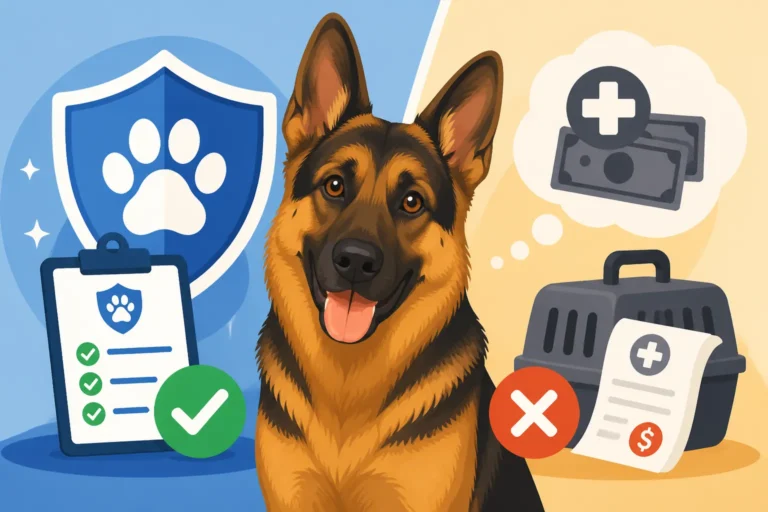
The cost of bloat treatment can be substantial, ranging from a few thousand dollars to upwards of $7,000-$10,000 or more, depending on the severity of the condition, the extent of surgery required, and any post-operative complications. This is why many German Shepherd owners consider Is Pet Insurance Worth It for a German Shepherd or maintaining a dedicated emergency fund. Services like Healthy Paws pet insurance can be a lifesaver in such situations, helping to cover a significant portion of these unexpected and high-stakes veterinary bills. Understanding these potential costs ahead of time can help you make informed decisions during a crisis without financial strain adding to the emotional burden. For a deeper dive into financial preparedness, consider reading about German Shepherd Bloat Surgery Cost and German Shepherd Vet Costs Per Year.
Living with a German Shepherd: A Commitment to Their Health
Owning a German Shepherd is a truly rewarding experience, but it comes with a profound responsibility for their unique health needs. Bloat, or GDV, is undoubtedly one of the most serious health threats they face, and unfortunately, it is relatively common in this magnificent breed. Being informed, recognizing the signs, and acting quickly are your most powerful tools in protecting your beloved companion. By implementing smart feeding practices, managing their exercise and stress, and considering preventative surgery like gastropexy, you can significantly reduce their risk.
Never underestimate the importance of your role as a vigilant advocate for your German Shepherd's health. Trust your instincts, and when in doubt, always err on the side of caution and seek veterinary care immediately. Your proactive approach to understanding and preventing bloat can make all the difference, allowing your German Shepherd to live a full, happy, and healthy life by your side. Remember, prevention and preparedness are the cornerstones of responsible German Shepherd ownership.
Disclaimer
The information provided in this article is for educational purposes only and is not intended to be a substitute for professional veterinary advice, diagnosis, or treatment. Always seek the advice of your veterinarian or other qualified animal health provider with any questions you may have regarding a medical condition. Never disregard professional veterinary advice or delay in seeking it because of something you have read in this article.