How to Train a German Shepherd
Bringing a German Shepherd into your home is an incredible experience, filled with boundless joy, loyalty, and undeniable companionship. However, it’s also a journey that can quickly become overwhelming if you’re not prepared for their immense intelligence, energy, and strong protective instincts. Many owners find themselves frustrated by common issues like excessive barking, nipping, leash pulling, or even signs of aggression, feeling like they're constantly battling their furry friend. This comprehensive guide is here to equip you with the knowledge, strategies, and patience needed to effectively train your German Shepherd, transforming those challenges into a strong, respectful, and joyful partnership.
Understanding the German Shepherd Mindset
Before you even think about teaching your German Shepherd to sit or stay, it’s absolutely crucial to understand the unique characteristics that make this breed so special, and sometimes, so challenging. They aren’t just pets; they are highly intelligent, driven animals bred for specific tasks, and their minds are constantly seeking purpose and direction. Without understanding their core nature, training can feel like trying to solve a puzzle without all the pieces.
Innate Intelligence and Drive
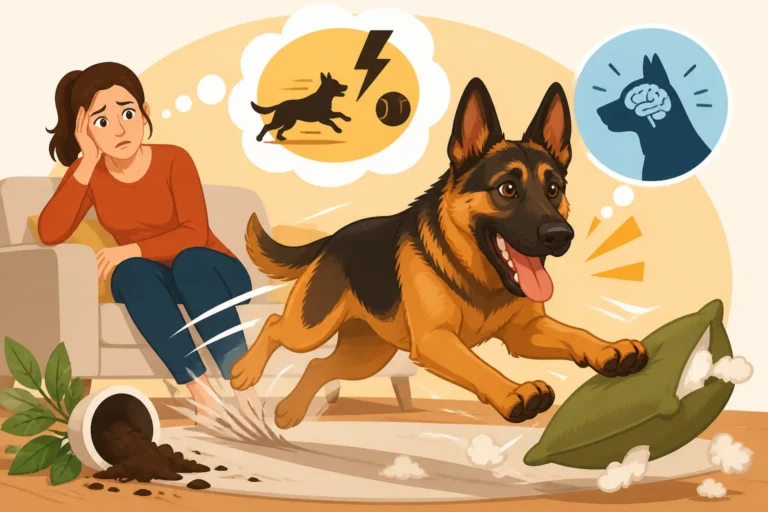
German Shepherds are renowned for their exceptional intelligence. They consistently rank among the smartest dog breeds, meaning they can learn commands and complex tasks with remarkable speed. This isn't just a fun fact; it's a fundamental aspect of their being that deeply impacts training. Because they are so smart, they thrive on mental stimulation. A bored German Shepherd is a destructive German Shepherd. They don't just need physical exercise; their brains need a workout too. This drive for mental engagement is why they excel in roles like police work, search and rescue, and service dog duties.
Imagine a highly gifted student who isn't challenged in school. They might become disruptive, find their own (often mischievous) ways to entertain themselves, or simply tune out. Your German Shepherd is much the same. If their intelligent mind isn't given constructive outlets through training, puzzles, and interactive play, they will often create their own "jobs," which can manifest as digging up your garden, incessant barking, or chewing through furniture. Recognizing and channeling this innate drive is the first step towards successful training and a harmonious home.
The Importance of a Strong Bond
Training a German Shepherd isn't just about commands; it's about building a profound connection and mutual respect. This breed forms incredibly strong bonds with their families, often singling out one person as their primary handler or "person." This isn't to say they won't love everyone, but their loyalty and willingness to work are often deeply tied to this special relationship. If your dog sees you as a benevolent leader, someone they trust and want to please, training becomes a cooperative effort rather than a battle of wills.
A strong bond is forged through consistent, positive interactions, clear communication, and providing for their needs. It's about being fair, predictable, and firm without being harsh. When your German Shepherd feels secure in their place within the "pack" and views you as the reliable source of guidance, food, and affection, they are far more receptive to learning. This bond also fosters their protective instincts in a healthy way, as they learn to trust your judgment on when to be vigilant and when to relax.
Common Behavioral Traits to Expect
German Shepherds come with a set of predispositions that prospective and current owners should be aware of. They are naturally watchful, often reserved with strangers, and possess a strong prey drive. This means you can expect them to be alert to their surroundings, potentially wary of new people or situations, and perhaps eager to chase squirrels or even small fast-moving objects. Their protective nature, while desirable, needs to be managed through proper socialization and training to ensure it doesn't escalate into unwarranted aggression.
Another common trait is their vocal nature; they can be quite barky, especially when alerting to perceived threats or expressing excitement. They also tend to be "mouthy" as puppies, using their mouths to explore and interact, which can translate into nipping if not properly redirected. Understanding these inherent traits isn't about excusing bad behavior, but rather anticipating it and proactively implementing training strategies. For instance, knowing they have a high prey drive means focusing on a solid "leave it" command and reliable recall from a young age.
Early Training for German Shepherd Puppies
The puppy stage is undeniably the most critical time for shaping your German Shepherd's future behavior and temperament. It's like laying the foundation for a skyscraper – a weak foundation means a shaky building. Investing time and effort during these formative months will pay dividends for years to come, preventing countless behavioral issues down the line. Many of the issues that adult German Shepherds face can be traced back to insufficient or inconsistent early training.
Establishing House Rules and Routine
From the moment your German Shepherd puppy steps paw into your home, you need to set clear boundaries and establish a predictable routine. Puppies thrive on consistency. Knowing when they’ll eat, when they’ll go outside, and when they’ll play helps them feel secure and understand what’s expected of them. This is where crate training often comes in as an invaluable tool. A properly introduced crate becomes a safe haven for your puppy, aids in potty training, and prevents destructive chewing when you can't supervise them directly. For detailed guidance, check out our guide on how to crate train a German Shepherd.
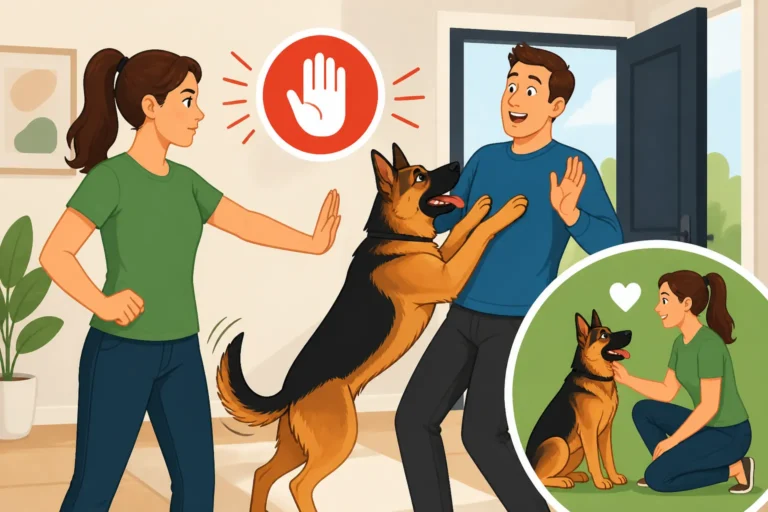
Your house rules should be simple and consistent. Decide early on if your puppy will be allowed on furniture, what areas are off-limits, and how they should greet visitors. For instance, if jumping on guests is not allowed, every family member needs to enforce this consistently from day one. It's much harder to reverse an ingrained habit than to prevent it. Remember, your puppy isn't trying to be defiant; they're simply testing boundaries and learning what actions yield which results. Your consistency provides the clear answers they need.
Essential Socialization Techniques
Socialization is arguably the most important aspect of puppy training, especially for a breed like the German Shepherd that can be reserved or even protective. Proper socialization doesn't mean just exposing your puppy to other dogs; it means carefully and positively introducing them to a wide variety of sights, sounds, people, places, and experiences before they are about 16 weeks old. This critical window shapes how they perceive the world for the rest of their lives. A well-socialized German Shepherd is confident, adaptable, and less likely to develop fear-based aggression or reactivity.
Think beyond just dog parks. Introduce your puppy to different types of people (kids, adults, people with hats, people using canes), various surfaces (grass, concrete, carpet, gravel), different noises (traffic, vacuums, thunderstorms on a speaker at low volume), and novel environments (pet-friendly stores, parks, vet waiting rooms). Always keep these experiences positive, pairing new things with treats and praise. For more comprehensive advice, our article on how to socialize a German Shepherd offers excellent strategies. Early positive exposure is key to helping them grow into a confident, well-adjusted adult dog.
Foundation Obedience Commands
Basic obedience commands are the building blocks for all future training and crucial for safety. "Sit," "Stay," "Come," "Down," and "Leave It" are non-negotiable for a German Shepherd puppy. Start teaching these as soon as your puppy comes home, using positive reinforcement methods. Keep sessions short, fun, and frequent – five minutes a few times a day is far more effective than one long, tedious session. Use high-value treats and enthusiastic praise to motivate them.
The "come" or "recall" command is particularly vital. Imagine your German Shepherd puppy heading towards a busy street or something dangerous. A reliable recall could literally save their life. Practice this in a controlled environment, gradually adding distractions. As they progress, you might find online puppy training programs, like those offered by BAXTER & Bella, helpful for structured guidance and support, especially for first-time owners. Remember, these early commands aren't just tricks; they are tools for communication, safety, and strengthening your bond. If you need a complete roadmap for these early stages, our German Shepherd Puppy Training Guide provides a detailed plan.
Core Obedience Training for All Ages
Once the puppy foundation is set, or if you're working with an older German Shepherd, solidifying core obedience commands becomes paramount. These aren't just parlor tricks; they are essential for day-to-day management, safety, and ensuring your German Shepherd is a well-behaved member of society. Without these, even the most loving German Shepherd can be difficult to live with.
Mastering Leash Manners
Walking a German Shepherd that pulls on the leash can feel like a wrestling match, and it's certainly not enjoyable for either of you. Due to their strength and enthusiasm, teaching proper leash manners is a critical step in their training. This involves teaching them to walk politely beside you without straining against the leash, known as loose-leash walking. Start in a low-distraction environment, rewarding them frequently with treats and praise every time the leash is slack. If they pull, simply stop walking until the leash loosens, then continue. This teaches them that pulling gets them nowhere.
Consider using appropriate equipment like a front-clip harness or a head halter, which can provide more control and discourage pulling without causing discomfort. Brands available on platforms like Amazon offer a wide range of options, making it easier to find the right fit for your dog. Consistency is key here. Every walk, every time you put the leash on, is an opportunity to reinforce good habits. If you're struggling, don't hesitate to seek professional help from a certified dog trainer who can demonstrate proper techniques.
Reliable Recall and Stay
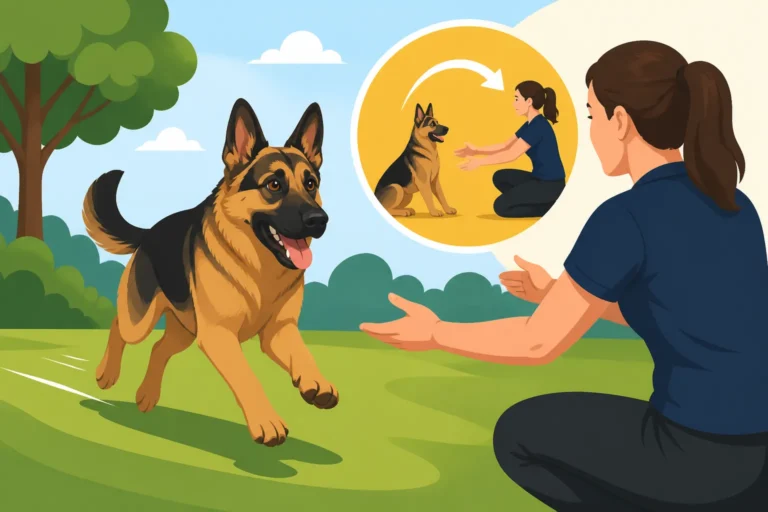
A reliable "come" (recall) command and a solid "stay" are perhaps two of the most important safety commands for any dog, especially a large, strong, and highly driven breed like the German Shepherd. A strong recall means you can trust your dog to return to you immediately, no matter the distraction, which is crucial for off-leash safety in designated areas or if they accidentally slip out the door. The "stay" command teaches impulse control and can keep your dog out of trouble, whether it's preventing them from bolting through an open gate or waiting patiently while you secure their leash.
To build a bomb-proof recall, start in a quiet area with minimal distractions. Use a long line (a lightweight long leash) for safety and practice. Reward heavily with their favorite treats and enthusiastic praise every single time they come. Gradually increase distractions and the distance. For "stay," begin with short durations and small distances, slowly extending both as your dog succeeds. Remember, never punish your dog if they don't come when called or break a stay; simply reset and try again. This helps maintain a positive association with the commands. Our article, How to Teach a German Shepherd to Come, offers even more practical tips.
Impulse Control and Boundary Training
German Shepherds, with their high energy and drive, often need explicit training in impulse control. This means teaching them to defer to your judgment rather than acting on every instinct. Commands like "leave it" and "wait" are excellent for this. "Leave it" is used to prevent them from picking up something potentially dangerous on a walk, snatching food off the counter, or chasing a squirrel. "Wait" can be used at doorways, before meals, or before getting out of the car, teaching them patience and to look to you for permission.
Boundary training involves teaching your German Shepherd specific areas they are allowed or not allowed to be in, both inside and outside the home. This could be staying behind a certain line in the kitchen, not entering a specific room, or staying within the confines of your yard. This type of training reinforces structure and respect for household rules. Consistency from all family members is vital for success. Every time you enforce a boundary or teach impulse control, you're strengthening your German Shepherd's ability to self-regulate and trust your leadership. You can find more targeted advice on "German Shepherd Obedience Training Basics" to further enhance these skills.
Addressing Common German Shepherd Behavior Problems
Even with the best intentions and early training, German Shepherds can develop common behavioral issues. It's easy to feel disheartened when these problems arise, but understanding their roots and applying consistent, compassionate training strategies can turn things around. Remember, your German Shepherd isn't misbehaving to spite you; there's usually an underlying reason for their actions.
Managing Nipping, Biting, and Chewing
German Shepherd puppies are notoriously mouthy. They use their mouths to explore the world, just like human babies use their hands. This often translates into nipping and play biting, which can be painful. If not properly addressed, this behavior can escalate. The goal isn't to stop them from ever using their mouth, but to teach them "bite inhibition" – how to control the pressure of their bite – and to redirect their mouthing onto appropriate chew toys rather than your hands or furniture.
When a puppy nips too hard, immediately let out a high-pitched "ouch!" or "yip!" and withdraw attention. This mimics how littermates communicate discomfort. If the biting persists, disengage entirely for a few seconds by standing up or even leaving the room. Offer appropriate chew toys (you can find durable options on Amazon) and praise them when they chew on those instead. For adult German Shepherds who might be biting out of fear, frustration, or resource guarding, the approach becomes more nuanced and often requires professional intervention. For a deeper dive into this, our guide on How to Stop a German Shepherd from Biting is an invaluable resource.
Curbing Excessive Barking and Reactivity
German Shepherds are natural guardians, and barking is part of their job description. However, excessive barking – whether at every passerby, the mail carrier, or seemingly nothing at all – can become a significant nuisance. Reactivity, which includes barking, lunging, or growling at triggers like other dogs, strangers, or moving vehicles, is another common concern that often stems from fear, frustration, or overstimulation.
To address excessive barking, first identify the cause. Are they bored? Anxious? Alerting? Seeking attention? Once you understand why they're barking, you can address the root issue. For alert barking, teach a "speak" and "quiet" command. For reactivity, management is key: avoid triggers, use a front-clip harness for better control, and gradually desensitize and counter-condition your dog to their triggers from a distance where they remain calm. This often involves positive reinforcement, rewarding calm behavior in the presence of a trigger. This process takes time, patience, and consistency.
Overcoming Separation Anxiety
German Shepherds form deep attachments to their families, which can sometimes manifest as separation anxiety. This isn't just a dog being "naughty"; it's a genuine panic response when left alone. Symptoms can include destructive chewing, excessive barking or howling, inappropriate urination or defecation, and frantic attempts to escape when you leave. Seeing your home torn apart or knowing your dog is in distress is heartbreaking.
Addressing separation anxiety requires a multi-faceted approach. It often involves very gradual desensitization to your departures, starting with very short absences and slowly increasing duration. Ensuring your dog has had adequate physical exercise and mental stimulation before you leave can help. Providing engaging puzzle toys (many available on Amazon) stuffed with treats can distract them. In severe cases, working with a veterinary behaviorist or certified professional dog trainer is essential, as medication might be necessary alongside behavioral modification. For more detailed solutions, consult our article on German Shepherd Separation Anxiety Solutions.
Advanced Training and Mental Stimulation
German Shepherds are not content with just basic obedience; their intelligent and active minds thrive on challenge and purpose. Advanced training and consistent mental stimulation are crucial for their overall well-being and to prevent boredom-induced behavioral issues. Providing these outlets taps into their inherent working dog instincts and strengthens your partnership.
Introduction to Advanced Commands and Tricks
Once your German Shepherd has a solid grasp of basic obedience, you can begin to introduce more advanced commands and fun tricks. These not only expand their repertoire but also provide valuable mental exercise. Commands like "fetch," "go to your place/bed," "heel" (a more precise form of loose-leash walking), or even more complex sequences like "find it" can be incredibly enriching. Teaching tricks like "shake a paw," "roll over," or "play dead" is also a fantastic way to engage their minds and reinforce your bond through positive interactions.
These advanced exercises build on the foundation of focus and responsiveness you've already established. They require more concentration and problem-solving, which is exactly what a German Shepherd's brain craves. The key is to keep it fun and rewarding, breaking down complex tasks into smaller, manageable steps. Remember, learning new things isn't just for young dogs; even adult German Shepherds can learn new tricks and commands, provided the training is positive and motivating.
Harnessing Their Working Dog Instincts
German Shepherds were bred to work, and denying them an outlet for their natural drives can lead to frustration and behavioral problems. There are many ways to harness their instincts, from formal dog sports to practical scent work in your backyard.
- Dog Sports: Consider exploring dog sports like Agility, Obedience, Rally Obedience, or even IGP (formerly Schutzhund). IGP, for example, is a three-part sport involving tracking, obedience, and protection work, which aligns perfectly with the German Shepherd's capabilities and history. These sports provide structure, physical exercise, and immense mental engagement.
- Scent Work/Nose Work: German Shepherds have incredible noses. Teaching them to find hidden treats or specific scents can be an incredibly rewarding and tiring activity. You can start with simple "find it" games at home and progress to more complex scent detection exercises.
- Herding (if available): If you have access to a facility that offers herding lessons, this can be an excellent way to tap into their innate herding drive in a safe and controlled environment.
Engaging in these activities strengthens their focus, builds confidence, and channels their energy into productive outlets. It’s not just about competing; it’s about providing a fulfilling life for your working breed.
The Role of Consistent Exercise and Mental Enrichment
Physical exercise is non-negotiable for a German Shepherd. They are high-energy dogs that require significant daily activity to remain healthy and well-behaved. Without enough exercise, they can become destructive, hyperactive, or anxious. This isn't just a walk around the block; it's vigorous play, running, hiking, or swimming. Our comprehensive guide to German Shepherd Exercise Requirements details exactly what they need.
Beyond physical activity, mental enrichment is equally vital. Puzzle toys, like those found on Amazon, where they have to figure out how to get a treat, are excellent. Training sessions themselves are mental workouts. Regular rotation of toys, introducing new places for walks, and even just practicing known commands in novel environments provide mental stimulation. A mentally stimulated German Shepherd is a happier, calmer, and more trainable dog. Ignoring this aspect is a common mistake that leads to many behavioral challenges.
| Training Level | Key Focus | Example Commands/Activities | Benefit for German Shepherd |
|---|---|---|---|
| Puppy (8-16 wks) | Foundation, Socialization | Crate training, Potty training, Sit, Come, Leave It, Puppy classes, Exposure to sights/sounds | Builds confidence, establishes house rules, prevents fear & reactivity |
| Basic Obedience (4-12 mos) | Control, Manners | Loose-leash walking, Stay, Down, Wait, Polite greetings, Introduction to distractions | Essential for daily management & safety, strengthens bond, builds impulse control |
| Intermediate (1-2 yrs) | Reliability, Problem Solving | Advanced Stay/Recall with distractions, Heel, Go to your place, Basic tricks, Scent games | Enhances responsiveness, mental engagement, prepares for more complex tasks |
| Advanced/Ongoing (2+ yrs) | Specialization, Enrichment | Dog sports (Agility, IGP), Complex trick sequences, Advanced obedience, Therapy work | Channels working drive, deepens partnership, sustained mental & physical challenge |
Choosing the Right Training Methods and Tools
Effective German Shepherd training relies heavily on how you teach them and what equipment you use. The right approach can make training enjoyable and highly successful, while outdated or harsh methods can damage your dog's trust and even exacerbate behavioral issues.
Positive Reinforcement: Why It Works Best
For German Shepherds, and indeed most dogs, positive reinforcement is hands down the most effective and humane training method. This approach focuses on rewarding desirable behaviors, making it more likely your dog will repeat them. When your German Shepherd performs a "sit" and immediately receives a tasty treat and enthusiastic praise, they quickly learn that "sit" equals good things. This creates a positive association with learning and with you as their trainer.
Contrast this with punishment-based methods, which aim to suppress unwanted behaviors through corrections or aversive tools. While these might stop a behavior in the short term, they don't teach your dog what to do instead, can instill fear, and can damage the bond you're trying to build. German Shepherds thrive on cooperation and praise. Using positive reinforcement fosters a dog who wants to work with you, not one who fears making a mistake. It builds confidence, encourages independent thinking, and strengthens your relationship, leading to a truly eager and well-adjusted companion.
Understanding Training Equipment
The right training equipment can make a significant difference in your ability to communicate effectively with your German Shepherd. However, it's crucial to understand the purpose and proper use of each tool.
- Leashes: A standard 6-foot leash is suitable for everyday walks. For recall training, a long line (15-30 feet) is invaluable for practicing in open areas safely.
- Collars: A flat buckle collar or a martingale collar (which prevents slipping off) is good for identification and holding tags. For leash manners, a front-clip harness can be excellent for reducing pulling, redirecting your dog's momentum towards you instead of forward. Head halters also provide effective control by guiding the dog's head, which in turn guides the body. Avoid using retractable leashes, as they offer little control and can be dangerous.
- Crates: As discussed earlier, a properly sized crate is a vital management and training tool for puppies and can remain a safe space for adult dogs. Ensure it's large enough for your German Shepherd to stand up, turn around, and lie down comfortably.
- Treats and Toys: High-value treats (small, soft, smelly ones like cheese or cooked chicken) are essential for positive reinforcement. Interactive toys and durable chew toys are important for mental stimulation and redirecting chewing behaviors. You can find a vast array of these products, from harnesses to tough chew toys, on platforms like Amazon.
Always ensure equipment fits properly and is used humanely. If you're unsure about a piece of equipment, consult with a professional trainer.
When to Seek Professional Help
While this guide offers a wealth of information, there will be times when professional help is not just beneficial, but necessary. Training a German Shepherd is a significant undertaking, and even experienced owners can encounter challenges.
- Persistent Behavioral Issues: If you're struggling with severe aggression (towards people or other animals), intense fear, separation anxiety that doesn't improve with home training, or destructive behaviors that put your dog or property at risk, it's time to call in a professional.
- Lack of Progress: If you've been consistently applying training methods for several weeks or months and aren't seeing the desired progress, a trainer can offer an objective perspective, identify overlooked issues, and provide tailored strategies.
- Specific Goals: If you have specific training goals, such as preparing for dog sports (like IGP training), therapy dog certification, or advanced off-leash obedience, a specialized trainer can provide expert guidance.
- First-Time Owners: If this is your first large, working breed, or even your first dog, a professional trainer can provide invaluable support, teach you how to communicate effectively with your German Shepherd, and ensure you're starting on the right foot.
- Finding a Qualified Professional: Look for certified professional dog trainers (CPDT-KA, KPA CTP) or veterinary behaviorists. These professionals use force-free, science-based methods and can accurately diagnose and help you manage complex behavioral challenges. While hiring a trainer adds to the German Shepherd Training Costs, it's often an investment that saves you money, stress, and heartache in the long run.
Maintaining Training and Long-Term Success
Training a German Shepherd is not a one-time event; it's an ongoing journey throughout their entire life. Think of it less as a finite task and more as an evolving relationship that requires continuous nurturing and commitment. Long-term success hinges on consistency, continued learning, and adapting to your dog's changing needs.
Consistency is Key
This cannot be stressed enough: consistency is the cornerstone of all successful German Shepherd training. Every interaction you have with your dog is a training opportunity, whether you realize it or not. If one family member allows jumping on the couch while another forbids it, your German Shepherd will become confused and frustrated, and the unwanted behavior will persist. Everyone in the household must be on the same page regarding rules, commands, and expectations. This includes visitors too, to some extent.
Routine helps reinforce consistency. Feeding at the same times, walking at the same times, and practicing commands daily solidify the learning. Don't expect your German Shepherd to magically remember a command they haven't practiced in weeks, especially under distracting circumstances. Regular, short training refreshers throughout the day are far more effective than sporadic, long sessions. This constant reinforcement helps your German Shepherd understand what's expected of them in every situation, building trust and reliability. Our article on German Shepherd Training Timeline by Age provides a good framework for what to expect as your dog grows, emphasizing this continuous process.
Continuing Education and Refreshers
Just like humans, dogs can forget things if they don't practice. Even a perfectly trained German Shepherd will benefit from ongoing education and refresher sessions. This doesn't mean you need to be in a formal class every week, but integrate training into your daily life. Practice "sit," "stay," and "come" during walks, before meals, or when guests arrive. This keeps their skills sharp and reinforces your role as their leader.
Consider enrolling in advanced obedience classes, trying a new dog sport, or even just teaching new tricks periodically. These activities provide mental stimulation, strengthen your bond, and keep your German Shepherd engaged in learning. Learning is a lifelong process for this intelligent breed, and providing opportunities for continued mental engagement will keep them happy, well-behaved, and fulfilled. Many online resources and local clubs offer classes for dogs of all ages and skill levels, ensuring you can always find something new to explore. You might even find yourself looking up tips on How to Train an Adult German Shepherd as their needs and capabilities evolve.
Building a Lifelong Partnership
Ultimately, training your German Shepherd is about building a lifelong partnership based on trust, respect, and clear communication. It's about understanding their unique needs, celebrating their strengths, and patiently guiding them through challenges. Your German Shepherd wants to please you and be a valued member of your family, but they need you to show them how.
This partnership involves being their advocate, ensuring their physical and mental needs are met, and continuing to learn about their behavior and health. It means celebrating their successes, forgiving their mistakes, and always approaching training with patience and positive reinforcement. A well-trained German Shepherd is not just an obedient dog; they are a confident, well-adjusted companion who enriches your life in countless ways. By committing to this ongoing journey of training and understanding, you will unlock the full potential of this magnificent breed and enjoy years of unwavering loyalty and companionship.
Disclaimer
The information provided in this guide is for general informational purposes only and does not constitute professional veterinary or dog training advice. Always consult with a qualified veterinarian for any health concerns or a certified professional dog trainer for specific behavioral issues or training plans. Individual results may vary depending on the dog's temperament, age, history, and the owner's consistency.