How to Teach a German Shepherd to Come
It’s incredibly frustrating, and let’s be honest, downright scary, when you call your German Shepherd, and they just… don’t come. Whether they’re chasing a squirrel, greeting another dog, or simply decided your voice is optional, a broken recall can lead to dangerous situations and limit your adventures together. This comprehensive guide is here to help you build a reliable "come" command, transforming those anxious moments into confident, joyful interactions with your loyal companion.
Understanding Why "Come" is So Crucial for Your German Shepherd
The "come" command, or recall, isn't just about good manners; it's a fundamental safety net and a cornerstone of your dog's freedom. Without a solid recall, many German Shepherd owners feel trapped, constantly worrying about what might happen if their powerful, intelligent dog decides to explore on their own terms.
The Life-Saving Importance of a Solid Recall
Imagine this: you're at the park, enjoying a beautiful day with your German Shepherd off-leash in a designated area. Suddenly, a car backfires, or a child runs past screaming, and your dog, startled, takes off towards a busy street. In that terrifying moment, a reliable "come" command isn't just a convenience; it's a potential life-saver. It allows you to immediately avert danger, prevent them from running into traffic, getting lost, or encountering another animal or person in a way that could lead to trouble. For a breed as strong and protective as the German Shepherd, having control in these critical situations is paramount, protecting both your dog and others around them.
Another scenario might involve an unexpected encounter with wildlife, like a deer or rabbit. A German Shepherd’s prey drive can kick in instantly, sending them bolting. If you can reliably call them back, you prevent a potentially dangerous chase into unknown territory or an unfortunate interaction with wildlife. It’s about being prepared for the unpredictable nature of the world outside your home.
Building Trust and Freedom
A consistent recall isn't just for emergencies; it's about enhancing your everyday life with your German Shepherd. When you know your dog will come when called, you can offer them more freedom to explore safely. This means more off-leash time in appropriate areas, more engaging walks, and a deeper bond built on mutual trust. Your dog learns that coming back to you doesn't mean the end of fun; it often means more rewards, praise, or a new exciting activity.
Think of the joy of watching your German Shepherd gallop across an open field, knowing that with a simple, calm "come," they will happily return to your side. This freedom is vital for their physical and mental well-being, especially for an active and intelligent breed that thrives on having a job or purpose. It transforms walks from a struggle against a pulling leash to an enjoyable shared adventure. The trust you build through reliable recall extends into all areas of your relationship, making them more confident in you as their leader and protector. For more on building this foundation, explore our guide on German Shepherd Obedience Training Basics.
Common Reasons for Recall Failures
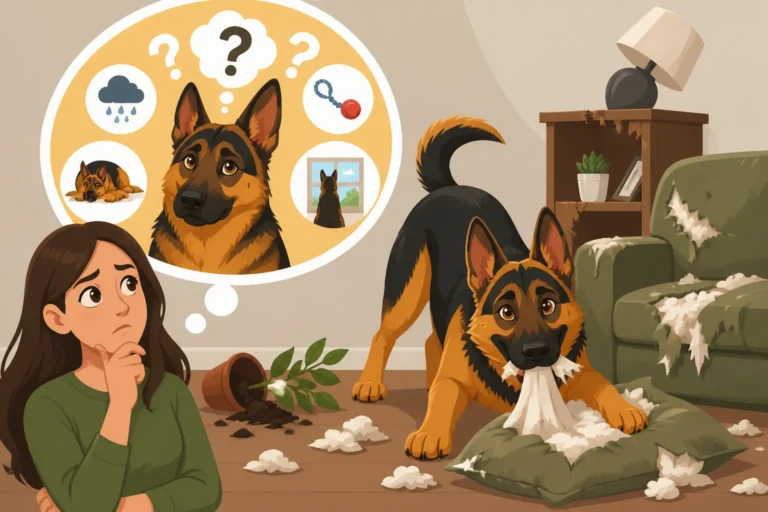
Many German Shepherd owners struggle with recall, and it’s rarely because their dog is "stubborn" or "disobedient" in a malicious way. Often, the reasons are quite understandable once you look at them from your dog's perspective. One of the most common issues is that coming back to you isn't always as rewarding as staying to investigate that exciting smell, chase that bird, or greet that person. If recall only ever means the end of playtime or being put back on the leash, your dog will quickly learn to associate it with something negative.
Another reason can be a lack of clear communication. Are you using the same word consistently? Is your tone always inviting, or does it sound frustrated and demanding? Dogs are brilliant at reading our body language and tone. If you've spent the last five minutes yelling "COME!" in an increasingly angry voice while chasing them, they're not going to see "come" as a positive instruction. Distractions play a huge role too; a German Shepherd's keen senses can make them highly attuned to their environment, and a strong scent or a moving object can easily override a weakly taught command. Lastly, inconsistent reinforcement is a killer. If they sometimes get a treat and sometimes get nothing, the value of the command diminishes rapidly. Understanding these pitfalls is the first step towards rectifying them.
Laying the Foundation: Pre-Recall Training Essentials
Before you even start practicing the "come" command, it's vital to set the stage for success. This isn't just about teaching a trick; it's about creating an environment where your German Shepherd wants to return to you, even when the world offers tempting alternatives.
Choosing the Right Environment and Equipment
When you begin recall training, the environment is critical. Start in a place with absolutely zero distractions. Your living room, a quiet hallway, or a securely fenced backyard are perfect. The goal is to make it impossible for your German Shepherd to fail. As they become more consistent, you can slowly introduce mild distractions, like another person sitting quietly nearby, before moving to a quiet park during off-peak hours. Rushing into a busy dog park too soon is a recipe for disaster and can set your training back significantly.
For equipment, a long line (a lightweight leash 15-30 feet long) is indispensable. It allows your dog to experience the illusion of freedom while giving you a safety net to gently guide them back if they get too distracted. You can find excellent quality long lines on platforms like Amazon. A comfortable, well-fitting harness is also recommended, as it distributes pressure evenly and prevents neck strain if you need to gently reel them in. Avoid retractable leashes for recall training, as they teach your dog that pulling is okay and can be dangerous if the mechanism fails or snaps.
Mastering Motivation: High-Value Rewards
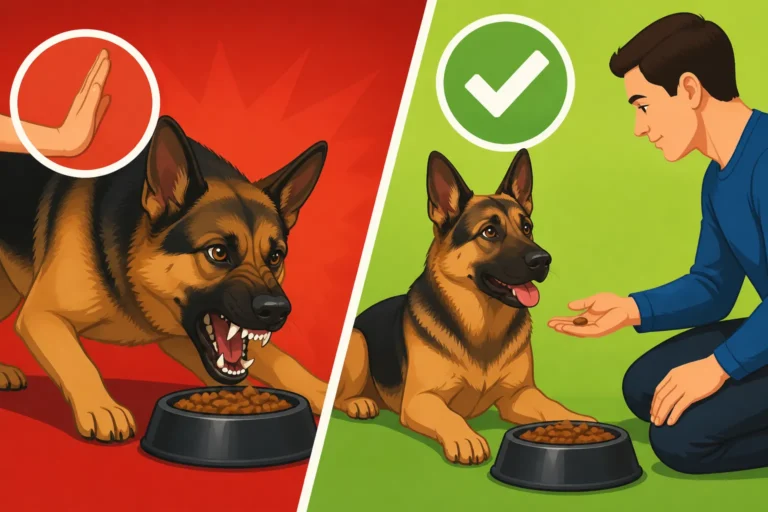
This is arguably the most crucial part of recall training. Your German Shepherd needs to understand that returning to you is the best thing that could possibly happen, better than any squirrel, any smell, or any other dog. This means using high-value rewards. Forget dry kibble for now; we're talking about small pieces of cooked chicken, cheese, hot dogs, or their absolute favorite store-bought training treats. These treats should be reserved only for recall practice, elevating their status and making them irresistible.
Vary your rewards! Sometimes it's a treat, sometimes it's a quick game of tug with their favorite toy, sometimes it's enthusiastic praise and petting. The element of surprise keeps them engaged and eager to find out what amazing thing awaits them when they come back. Think about what truly motivates your German Shepherd. Some dogs are more food-motivated, others are toy-motivated, and some simply live for your undivided attention and praise. Tailor your rewards to their preferences to make them truly powerful incentives.
Introducing the Recall Command and Mark
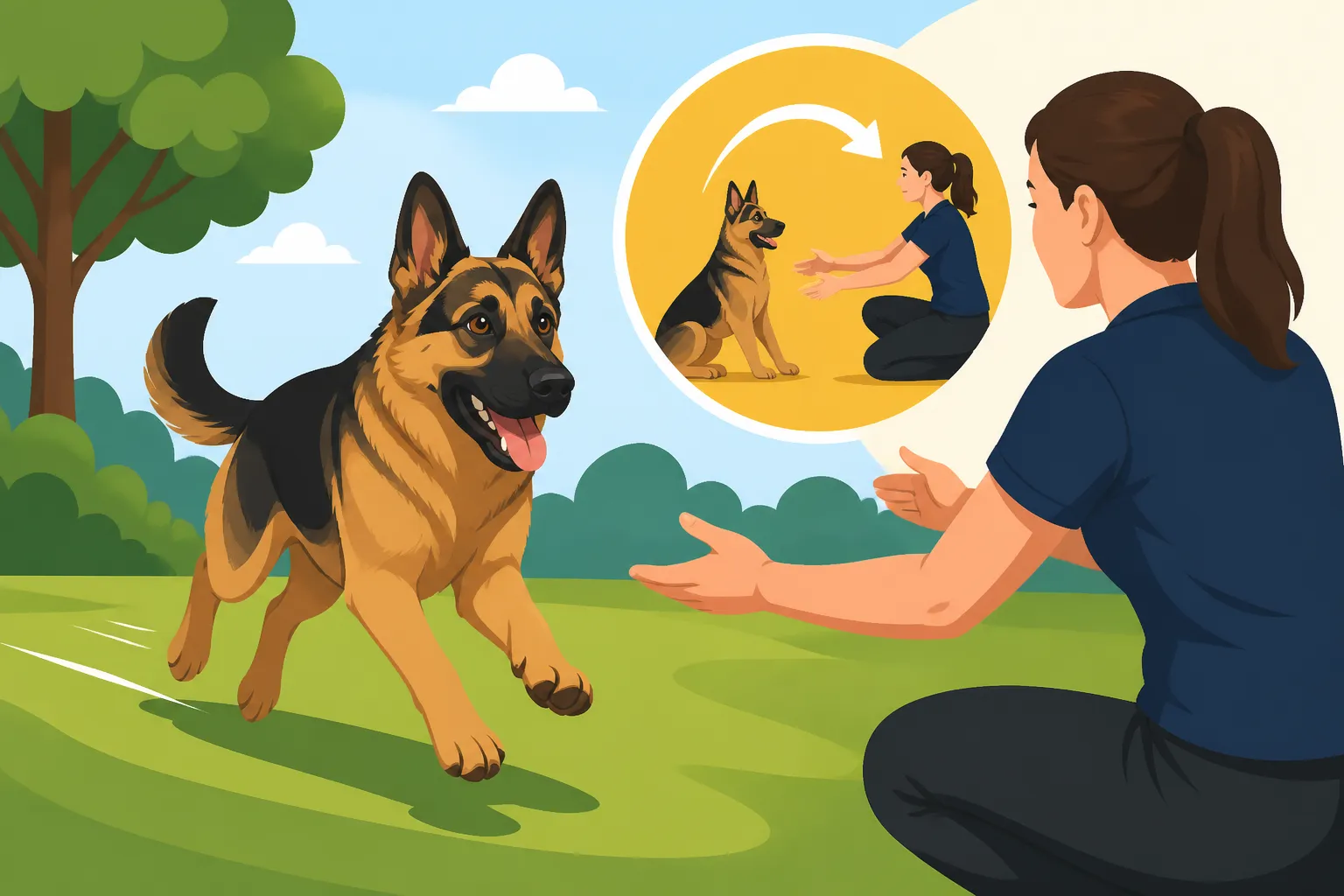
The recall command itself should be clear, consistent, and positive. "Come!" or "[Dog's Name], Come!" are common choices. Avoid using their name as the sole recall command, as you use their name for many other things. The command should be a beacon of positivity, not an indicator of something boring or scary. When you start, make it a party! Get down on their level, open your arms, use an excited, happy tone of voice, and even make kissing noises or pat your leg. This makes you, and the act of coming to you, incredibly inviting.
A "mark" is a sound or word you use to indicate the exact moment your dog performs the desired behavior. A clicker is excellent for this, or a short, sharp "Yes!" The mark tells your dog, "That's it! That's what I wanted, and a reward is coming!" Introduce your chosen mark by pairing it with a high-value treat repeatedly in a quiet setting. Click/say "Yes!" then immediately give a treat. Do this 10-20 times in a session. Soon, the click or "Yes!" itself will become a secondary reinforcer, signaling good things are on the way. The BAXTER & Bella online puppy school is a great resource that teaches these fundamental concepts systematically for effective training. Learning how to properly use a clicker can significantly accelerate your training progress and make your communication with your German Shepherd much clearer.
Step-by-Step Recall Training: From Puppy to Adult
Now that you’ve got your foundation set, it’s time to dive into the practical steps of teaching the "come" command. Remember, consistency and patience are your best friends here.
Starting in Low-Distraction Areas
Begin your recall training indoors, or in a very secure, quiet outdoor space like a fenced yard. Get down on your German Shepherd's level, holding a high-value treat. Say their name, then your recall command ("Fido, Come!"). As they take even one step towards you, mark the behavior (click or "Yes!"), and enthusiastically reward them as soon as they reach you. Make a big deal out of it! Praise them, give them the treat, and maybe a quick scratch behind the ears. Then, let them wander off again for a few seconds before repeating.
The key here is repetition and success. You want them to win every single time. Don't call them if you think they won't come. Keep sessions short and fun, perhaps 5-10 repetitions a few times a day. If you have two people, one can hold the dog a short distance away, while the other calls them. Then switch roles. This makes it a fun game and helps them learn to come from different people. Remember, this initial stage is about building an incredibly positive association with the word "come" and coming to you. For young pups, this is a crucial part of their German Shepherd Puppy Training Guide.
Gradually Increasing Distractions and Distance
Once your German Shepherd is consistently coming to you in a low-distraction environment, it's time to slowly dial up the challenge. First, increase the distance. Start calling them from across the room, then from the other end of the house. Next, introduce mild, controlled distractions. This could be someone quietly walking past, or a favorite toy lying nearby (but not engaging with it). Always be ready with your highest-value rewards! If they succeed with the distraction, the reward should be even better.
When moving outdoors, start in a very quiet park or open field, always using a long line. Let your German Shepherd explore a little on the long line, giving them some slack. When they aren't completely engrossed in something, call them back. If they hesitate, gently reel them in with the long line while continuing to use your positive, inviting tone. The moment they are with you, mark and reward heavily. Never use the long line to punish or jerk them, as this will poison the recall. The long line is a safety and guidance tool, not a correction tool. You want them to choose to come to you, even with the gentle encouragement of the line.
The "Hide-and-Seek" Game for Fun Recall
One of the best ways to make recall training exciting and self-reinforcing is through a game of "hide-and-seek." This game teaches your German Shepherd that you are the most interesting thing to find, and that seeking you out leads to great rewards. Start indoors. Hide behind a door, a couch, or in another room. Call your dog's name and the recall command ("Fido, Come!"). When they find you, throw a party! Lots of praise, a high-value treat, and maybe a quick game of tug.
As they get good at this indoors, move the game to a securely fenced outdoor area. You can hide behind trees, bushes, or even on the other side of a picnic table. The act of searching for you, and the huge payoff when they succeed, builds incredible motivation for recall. This game also teaches them to keep an eye on you, rather than just becoming engrossed in their surroundings. It builds anticipation and makes "come" a fun scavenger hunt, reinforcing that you are the source of all good things. This is a fantastic form of Best Mental Stimulation for German Shepherds.
Troubleshooting Common Recall Challenges
Even with the best intentions and training, German Shepherds can throw us curveballs. It's totally normal to hit a snag or two, especially with a breed so intelligent and sometimes independent.
When Your German Shepherd Ignores You
This is the classic frustration: you call, and your German Shepherd acts like they didn't hear a thing, or worse, gives you a quick glance and then goes right back to whatever captivated them. The first step is to honestly assess the situation. Were they too distracted? Was your reward not high-value enough? Were you consistently rewarding every single time they came? If your dog ignores you, it's usually because the environment offered a higher reward, or your "come" command has lost its value.
Never, ever call your dog if you are fairly certain they won't come. Each time they ignore you, the command becomes weaker. Instead, calmly walk over to them (if safe to do so), gently take their collar, and guide them back to your starting point. Then, give the command, and as they come, reward heavily. You've essentially "reset" the scenario to ensure success. Re-evaluate your training level – perhaps you moved to distractions too quickly. Go back to an easier environment where they will succeed 100% of the time, rebuild that strong positive association, and then gradually reintroduce challenges. Consistency here is key to rebuilding the command’s power.
Overcoming Environmental Distractions
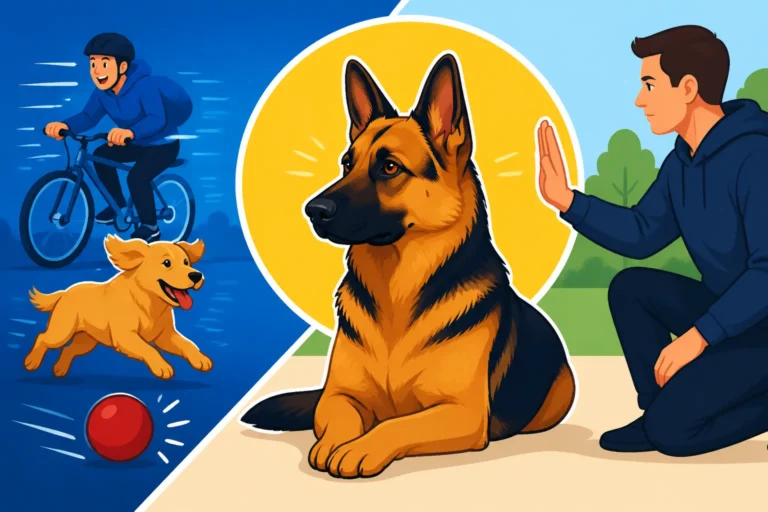
Distractions are the ultimate test of recall. For a German Shepherd, a sniffing opportunity can be as compelling as a steak dinner to us. To tackle this, you need to proof your recall in a systematic way. This means training around distractions gradually. Don't jump from your quiet backyard to a dog park. Instead, progress like this:
- Passive Distractions: Train indoors with the TV on quietly, or a person sitting in the room reading.
- Controlled, Low-Level Outdoor Distractions: A quiet park, with people walking in the distance, but not close enough to interact.
- Active, Low-Level Outdoor Distractions: A park with a few other dogs on leash, but far away.
- Increasing Intensity: Slowly get closer to the distractions, always using your long line and high-value rewards.
During this process, never assume your dog will come. If you see them getting overly focused on a distraction, before you call, try to get their attention with a treat or a sound. If you call, and they start to ignore you, quickly and calmly use your long line to guide them back, always making it a positive experience when they reach you. Make sure your rewards are always more exciting than the distraction. If a squirrel is a 10/10 distraction, your treat needs to be an 11/10 experience!
Maintaining Recall in Adolescence and Adulthood
Ah, adolescence! Often referred to as the "teenage phase," this period (roughly 6 months to 2 years) can be particularly challenging for German Shepherd owners. Your perfectly behaved puppy might suddenly seem to forget everything they learned, including recall. This isn't defiance; it's often a mix of hormones, an increased desire for independence, and a huge surge in confidence and curiosity. During this time, it's crucial not to get frustrated. Instead, go back to basics. Revisit low-distraction environments, use super high-value treats, and practice frequently. It's like refreshing their memory and reinforcing that coming to you is still the best choice.
For adult German Shepherds, complacency can be the enemy. If you only ever call them for routine things or to end fun, the command will lose its sparkle. Continue to practice recall in various safe environments, even if it's just a few times during a walk. Surprise them with a fantastic reward for a random recall. Always use a happy, inviting tone. Never use "come" to scold them or to call them for something unpleasant (like a bath they hate). If you need to give them medicine or an unpleasant grooming session, simply go to them and lead them, don't use your recall command. Keep it sacred, keep it positive, and keep it fun throughout their lives. This ongoing practice is a vital part of How to Train an Adult German Shepherd.
| Recall Training Stage | Environment | Distractions | Reward Value | Key Focus |
|---|---|---|---|---|
| Stage 1: Basics | Indoors, quiet yard | None | High-Value | Build positive association with "come" |
| Stage 2: Distance | Indoors, quiet yard | None, increasing distance | High-Value | Solidify command from afar |
| Stage 3: Low D. | Quiet park, long line | Passive (people in distance) | High-Value | Introduce mild real-world elements |
| Stage 4: Med D. | Park, fewer dogs, long | Active (other dogs on leash) | Super High-Val. | Generalize recall to more complex scenes |
| Stage 5: High D. | Busy park, safe area | High (other dogs, children, bikes) | Jackpot Rewards | Ensure reliability in challenging settings |
| Stage 6: Maintenance | Varied, daily life | Any | Varied, High-Val. | Keep it fresh, fun, and consistent |
Advanced Recall Techniques and Real-World Scenarios
Once your German Shepherd has a strong foundation, you can start layering on more advanced techniques and preparing them for truly challenging real-world scenarios. This is where your hard work really pays off.
The Emergency Recall Command
Having a separate, "emergency" recall command is an invaluable tool for any German Shepherd owner. This command is different from your everyday "come" and is reserved only for dire situations where your dog's life or safety is at stake – for instance, if they bolt towards a road or a dangerous animal. The key is that this command should never be overused and must always result in the absolute highest reward your dog can imagine, a "jackpot" of treats and praise.
Choose a unique word or phrase, something you don't use regularly, like "CODE RED!" or "NOW!" Introduce and train it exactly like your regular recall, but with even higher stakes for the reward. Practice it very rarely, and always make it a massive celebration. The scarcity of its use, combined with the extreme reward, will make it incredibly powerful when you truly need it. You want your German Shepherd to think, "Oh my goodness, this is the most amazing thing that has ever happened!" when they hear it and come. This ensures they drop whatever they're doing, no matter how engaging, and rocket back to you immediately.
Practicing Recall in Public and Off-Leash Areas
Once your German Shepherd has a solid recall in moderately distracting environments, you can start practicing in public, carefully. Always start with a long line. Even in off-leash parks, keep the long line dragging on the ground at first. This gives you a backup if needed and helps build your confidence. Gradually allow more freedom as your dog proves their reliability. The key is to be proactive. Scan the environment for potential distractions (other dogs, people, wildlife) and call your dog before they become fully engrossed. Reward them handsomely for checking in with you and coming back even when temptations are present.
Remember to vary your locations. What works at one park might not work at another. Practice in open fields, wooded trails, and even urban parks. Every new environment presents new sights, sounds, and smells, which helps generalize the command. Continue to incorporate the "hide-and-seek" game; duck behind a tree and call them when they're not looking. This encourages them to keep an eye on your whereabouts, a crucial skill for off-leash reliability. For more on safe exploration, consider our guide on German Shepherd Exercise Requirements.
Incorporating Recall into Daily Life and Play
Recall shouldn't just be a formal training exercise; it should be woven into the fabric of your daily life with your German Shepherd. Call them to you for meals, for affection, to go outside, or for a game of fetch. Every time they come, it reinforces the command positively. During playtime, integrate recall naturally. Throw a ball, let them chase it, and then call them back before they get too focused on the ball. Reward them, then send them back for the ball or throw it again. This teaches them that coming to you doesn't mean the end of fun; it means the fun continues, often with you at the center of it.
Random recalls are also highly effective. While they're relaxing on the couch or just wandering around the house, unexpectedly call them. When they come, give them a treat and praise, then let them go back to what they were doing. This keeps them on their toes and maintains the value of the command without always being associated with the end of an activity. The more consistently and positively you use "come" in various low-stakes scenarios, the stronger and more ingrained it will become for the higher-stakes moments.
Maintaining a Strong Recall for Life
Training isn't a one-and-done deal, especially for a command as critical as "come." Your German Shepherd's recall needs ongoing reinforcement and a fresh approach to stay sharp throughout their life.
Consistency is Key
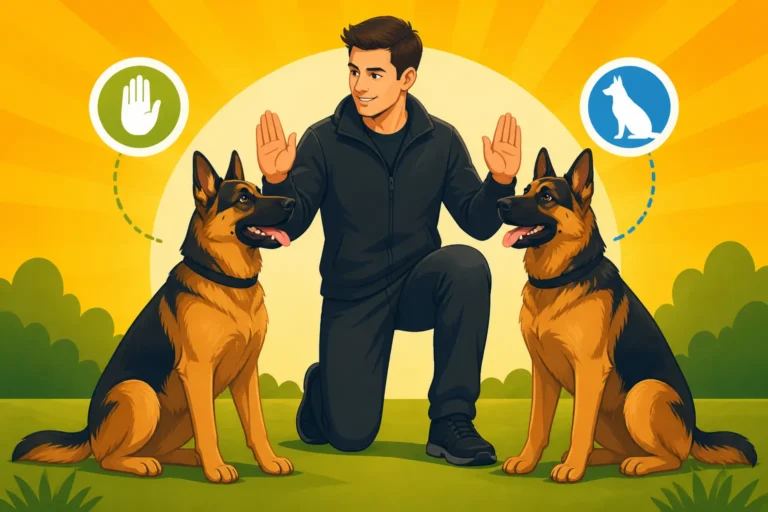
I know I’ve said it before, but it bears repeating: consistency is the absolute cornerstone of a reliable recall. Every single time you use the "come" command, you must follow through. If you call your German Shepherd and they don't come, you need a plan to ensure they eventually do, even if it means calmly walking over and retrieving them. Letting them ignore the command even once tells them it's optional, and that's a habit that's incredibly hard to break. Everyone in the household needs to be on the same page with the command word, hand signals, and reward system. If one person lets the dog get away with ignoring "come," it undermines everyone else's efforts.
Think of it like building a muscle; you need consistent workouts to keep it strong. If you stop exercising, the muscle atrophies. The same goes for recall. Continue to practice in different environments, even after you think your dog has mastered it. A few quick, successful recalls during every walk, followed by a great reward, will keep the command fresh and potent. It’s an investment that pays dividends in peace of mind and safety for years to come.
Continuing Education and Fun
To keep recall exciting and prevent your German Shepherd from getting bored, regularly introduce new variations and challenges. Instead of always just calling "come," try calling them to a specific place (e.g., "Come to heel!"). Incorporate new games that require them to return to you, like playing fetch with two toys where they retrieve one and then return for the other. You can also explore more advanced obedience classes that focus on distance recalls or recalls with heavy distractions. Many trainers offer specialized workshops that can inject new life into your training routine.
Keep your German Shepherd engaged by occasionally switching up your high-value rewards. Discover new treats they love, or introduce a novel squeaky toy. The element of surprise keeps them eager to see what wonderful thing awaits them when they return. A well-trained German Shepherd is a joy, and continuing their education, even in small ways, strengthens your bond and keeps their mind sharp. This dedication to ongoing learning is a hallmark of responsible German Shepherd ownership, especially for this intelligent and eager-to-please breed. If you're looking for more ways to keep their minds engaged, consider our article on German Shepherd Training Timeline by Age.
When to Seek Professional Help
Despite your best efforts, sometimes recall can feel like an insurmountable challenge, particularly if your German Shepherd has developed strong habits of ignoring you or has a very high prey drive. If you're feeling frustrated, stuck, or if your dog's safety is genuinely at risk due to a lack of recall, don't hesitate to seek help from a professional dog trainer or behaviorist. A good trainer can observe your interactions, identify specific issues you might be missing, and provide personalized strategies. They can also work with you in more challenging environments, offering hands-on guidance with distractions you might not be able to manage alone.
Look for trainers who use positive reinforcement methods and have experience with German Shepherds or similar working breeds. A professional can help you refine your timing, body language, and reward delivery, making your communication clearer and more effective. Sometimes, just a few sessions with an expert can make a world of difference, giving you the tools and confidence to build that rock-solid recall you and your German Shepherd deserve. For more on behavioral challenges, our guide on German Shepherd Behavior Problems and Solutions might offer further insights.
Disclaimer
This guide offers general advice for training German Shepherds. Every dog is an individual, and training methods may need to be adjusted based on their temperament, age, and previous experiences. Always prioritize your dog's safety and well-being. If you encounter significant behavioral issues or aggression, consult with a certified professional dog trainer or veterinary behaviorist.