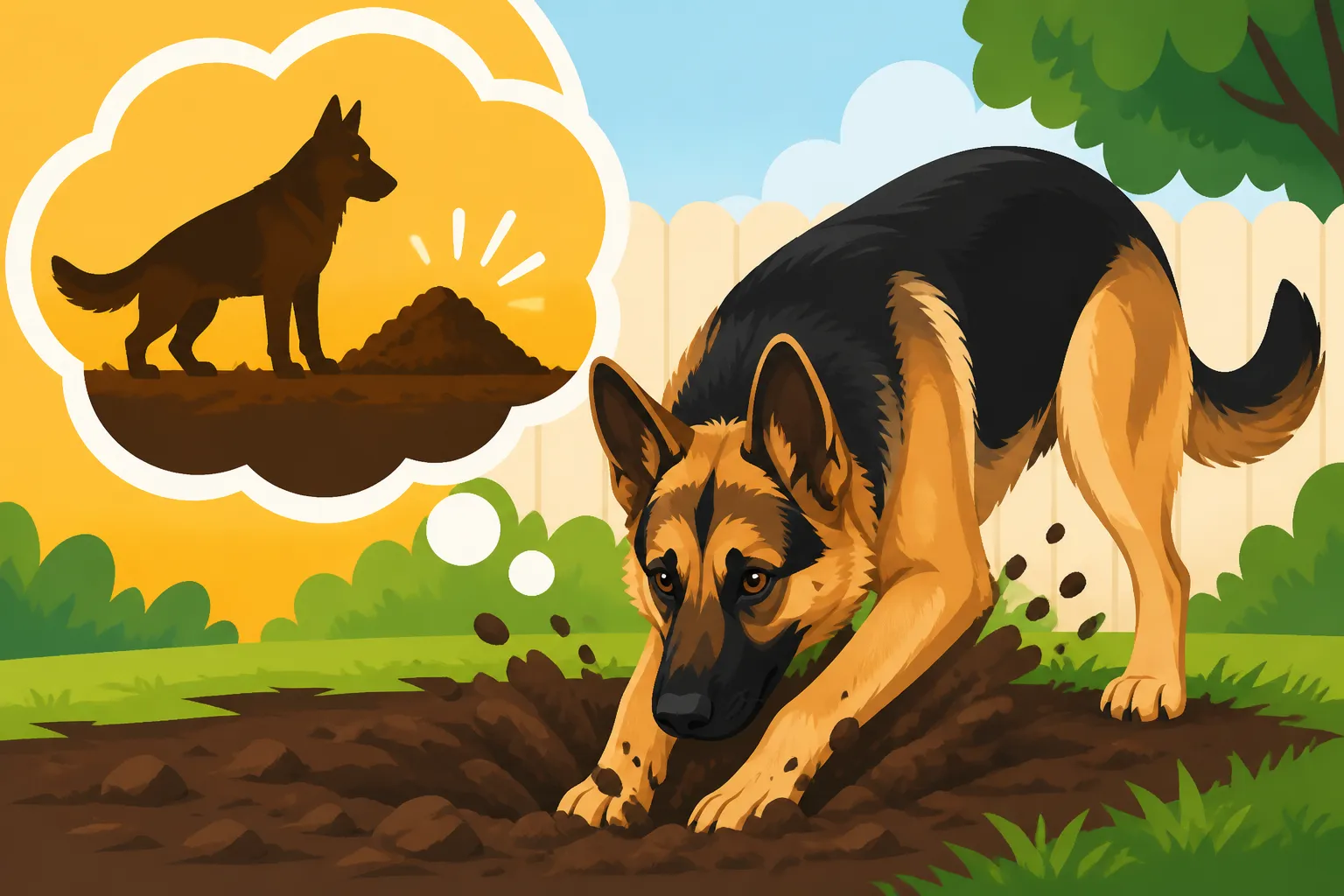
Why Does My German Shepherd Have Digging Issues
Many German Shepherd owners find themselves staring at crater-like holes in their beautifully manicured yards, wondering why their intelligent, loyal companion has suddenly become a digging machine. This frustrating behavior can ruin landscapes, create potential escape routes, and even pose safety risks for your beloved dog. This comprehensive guide will delve deep into the various reasons behind your German Shepherd's digging habits and provide actionable, empathetic solutions to help you manage and redirect this innate behavior.
Understanding the German Shepherd's Natural Instinct to Dig
It’s easy to feel a surge of frustration when you discover a new crater in your garden, especially if you’ve put a lot of effort into your landscaping. However, before you scold your furry friend, it helps to take a step back and remember the rich history and inherent drives that make German Shepherds who they are. Digging isn't usually a malicious act; it's often a deep-seated instinct.
Breed History and Instinctual Drives
German Shepherds, as their name suggests, were originally bred in Germany in the late 19th century primarily for herding sheep. They are, at their core, a working breed, renowned for their intelligence, strength, agility, and incredibly strong drive. This heritage means they come pre-programmed with a suite of natural behaviors that were essential for their original roles but can sometimes manifest as "problems" in a modern family setting. Digging is one of these deeply ingrained instincts, rooted in their need to perform tasks, explore, and even create shelter.
Understanding that this behavior isn't malicious, but rather an expression of their inherent nature, can shift your perspective entirely. Their ancestors, both wild canids and early working dogs, would dig for a variety of reasons: to cache food for later, to create secure dens for their young, to seek cooler earth in summer or warmer earth in winter, or even to track burrowing prey. Our German Shepherds carry these ancient blueprints in their DNA, and sometimes, those instincts simply bubble to the surface. It’s not about being "naughty"; it's about being a German Shepherd.
Why the Drive to Dig is Strong in German Shepherds
Compared to many other breeds, German Shepherds often exhibit a particularly strong digging drive due to their combination of high intelligence, immense energy, and keen prey drive. They aren't content to simply lie around all day; their minds and bodies crave engagement and purpose. A German Shepherd’s nose is an incredible tool, capable of detecting scents far beneath the surface. If they catch the scent of a rodent, a beetle, or even just interesting soil, their instinct to investigate by digging can be overwhelmingly powerful.
This breed thrives on having a "job." If they aren't given a constructive purpose, they'll often create one for themselves, and digging can become a highly rewarding activity. The act of digging itself releases pent-up energy, provides mental stimulation as they problem-solve how to extract whatever fascinating thing they’ve found, and can even feel good on their paws. For a German Shepherd, a patch of dirt isn't just dirt; it's a potential adventure waiting to happen, a puzzle to solve, or a cool spot to rest. Understanding this deep-seated motivation is the crucial first step toward effective management and redirection of the behavior.
Common Reasons Your German Shepherd is Digging
While the instinct to dig is strong, the specific triggers that lead your German Shepherd to start excavating can vary greatly. Pinpointing the exact reason (or reasons) behind your dog's digging is vital for finding the right solution. Let’s explore some of the most common causes.
Boredom and Lack of Mental Stimulation
One of the most frequent culprits behind a German Shepherd's digging habit is sheer boredom. These dogs are incredibly intelligent and need a significant amount of mental stimulation to keep them happy and out of trouble. If your German Shepherd is left alone for long periods without anything interesting to do, or if their daily routine lacks engaging activities, they will almost certainly find ways to entertain themselves. And often, that "entertainment" comes in the form of digging.
Think of it this way: for a German Shepherd, digging is like solving a puzzle. It’s physical, it engages their senses, and there’s always the possibility of a reward (a root, a bug, a cooler patch of earth). If they don't have enough constructive outlets for their ample brainpower, such as puzzle toys, regular training sessions, or interactive games, the lure of the earth can become irresistible. This is especially true for younger German Shepherds or those in their "teenage" phase, who have an abundance of energy and curiosity. This type of unmet need is often linked to other undesirable behaviors, so understanding German Shepherd Behavior Problems and Solutions is crucial for holistic behavioral health.
Excess Energy and Insufficient Exercise
German Shepherds are high-energy dogs, pure and simple. They were originally bred to work all day, covering vast distances and maintaining vigilance. If your German Shepherd isn't getting adequate physical exercise, that pent-up energy has to go somewhere. Digging is an excellent way for them to burn off steam, both physically and mentally. A brisk walk around the block twice a day often isn't enough for these athletic animals, especially when they are in their prime.
Imagine being wired for a marathon but only being allowed to walk to the mailbox. You'd find ways to expend that energy, right? For a German Shepherd, this might mean tearing up the garden. They need structured exercise that engages their whole body, like long runs, vigorous fetch sessions, agility training, or even hiking on varied terrains. Ignoring their profound need for physical activity almost guarantees that they'll invent their own, often destructive, ways to release that energy. Our guide on How Much Exercise Does a German Shepherd Need offers more detailed insights into their activity requirements.
Seeking Comfort or Relief (Temperature, Shelter)
Sometimes, digging isn't about fun or boredom; it's about basic comfort and self-preservation. German Shepherds have thick double coats, which are fantastic for cold weather but can make them quite uncomfortable in the heat. If your dog is left outside in warm weather without adequate shade or consistent access to a cool spot, they might instinctively dig a shallow pit to lie in. The earth just a few inches below the surface is significantly cooler than the ambient air, providing a natural air-conditioning system.
Similarly, if your German Shepherd feels exposed or insecure in the yard, they might dig to create a den-like shelter. This behavior harkens back to their wild ancestors who would create safe, enclosed spaces for resting or raising young. Observe your dog's digging habits. Do they dig primarily in sunny spots during the summer, or near fences where they might feel vulnerable? This insight can help you address their underlying need for temperature regulation or security, perhaps by ensuring more shaded areas or access to a cool indoor space.
Prey Drive and Scent Following
German Shepherds possess a strong prey drive, a prominent remnant of their hunting and herding lineage. Their noses are incredibly powerful, capable of detecting the faint scent of burrowing animals like moles, voles, gophers, or even insects and grubs. If your German Shepherd catches a whiff of something interesting underground, their instinct will kick in, and they will start digging furiously to investigate and potentially "catch" their perceived prey.
This type of digging is often focused and determined, with your dog likely pushing their nose deep into the hole as they dig. They might stop suddenly, perk their ears, and then furiously resume digging in a particular spot. It's a natural and highly rewarding behavior for them, as the chase and the act of digging are intrinsically satisfying, even if they don't always unearth a creature. If you notice this focused, driven digging, chances are it's their prey drive in action, which is a strong and often celebrated element of the overall German Shepherd Temperament and Personality.
Anxiety and Stress-Related Digging
Just like humans, dogs can experience anxiety and stress, and these feelings can manifest in various behavioral issues, including digging. If your German Shepherd is suffering from separation anxiety, for example, they might dig frantically at fences or near exits in an attempt to escape and find you. This isn't about destroying your yard; it's about trying to alleviate their profound distress and panic.
Other forms of stress, such as sudden changes in routine, the introduction of new pets, loud or unfamiliar noises, or even feeling under-socialized, can lead to displacement behaviors like digging. Observe when your dog digs. Is it consistently when you leave the house? During thunderstorms? After a stressful interaction with another dog? Identifying the specific triggers for their anxiety can be key to addressing the digging. Understanding and managing German Shepherd Separation Anxiety Solutions can be particularly helpful in these situations.
Attention-Seeking Behavior
Let's be honest, sometimes our German Shepherds are just big, furry toddlers looking for any kind of attention, good or bad. If your dog has learned through trial and error that digging, even if it results in you coming out to scold them, gets them your focus, they might use it as a deliberate strategy. For an intelligent dog like a German Shepherd, even negative attention is often better than no attention at all, especially if they are feeling neglected or under-stimulated.
This kind of digging might occur when you're present in the yard but engrossed in something else, like gardening, reading, or talking on the phone. Your dog starts digging, you react by calling their name or walking over, and voilà – they've successfully redirected your attention to them. It's a classic example of operant conditioning, where a behavior is reinforced (even unintentionally) by a response. This is often an easier fix than instinctual digging, as it's directly tied to your interaction and can be modified through different engagement strategies.
Effective Strategies to Manage German Shepherd Digging
Now that we’ve thoroughly explored why your German Shepherd might be digging, let's dive into some practical, humane, and highly effective strategies to manage this behavior. Remember, consistency and patience are absolutely key when working with such an intelligent and driven breed.
Enhancing Exercise and Mental Engagement
This is perhaps the single most crucial step for a high-energy, intelligent breed like the German Shepherd. A physically tired GSD is a good GSD, and a mentally stimulated GSD is an even better GSD.
- Physical Exercise: Aim for at least 1-2 hours of vigorous, structured exercise daily. This could include long, brisk walks or jogs (once they're fully grown and cleared by a vet), intense fetch sessions in a dog park, or even participation in canine sports like agility, flyball, or advanced obedience. Remember that German Shepherd puppies have different exercise needs, and you should be careful not to over-exercise them while their growth plates are still developing. Our German Shepherd Exercise Requirements guide has more specific details tailored to their age and development.
- Mental Stimulation: Integrate puzzle toys, snuffle mats, and regular training sessions into their daily routine. Brands like KONG offer durable puzzle toys that can be stuffed with treats or peanut butter, keeping your GSD occupied and mentally challenged for a good while. Daily short training sessions, even just 10-15 minutes, can be incredibly enriching. Teaching new tricks, practicing obedience commands, or even enrolling in an online training program can provide structured mental exercise. Platforms like BAXTER & Bella offer comprehensive online puppy and dog training programs that focus on mental engagement. For more specific ideas, explore Best Mental Stimulation for German Shepherds.
- Interactive Play: Don't just throw a ball aimlessly; engage actively with your dog. Play hide-and-seek with treats or toys, practice retrieve games with a variety of objects, or even set up a simple "obstacle course" in your yard using household items. Interaction with you, their primary companion, is often the most rewarding form of both mental and physical engagement for a German Shepherd.
Creating a Designated Digging Zone
Sometimes, it's far easier and more effective to redirect an innate instinct than to try to suppress it entirely. A designated digging zone provides an acceptable and safe outlet for your German Shepherd's natural desire to dig, satisfying their urge without destroying your entire yard.
- Choose a Spot: Select a corner of your yard that's out of the way, perhaps a raised sandbox, a sturdy plastic sandbox, or a specific patch of soft earth that you don't mind getting messy. Ensure it's in an area where digging won't cause any damage to pipes or electrical lines.
- Make it Appealing: Loosen the soil in this designated area to make digging easier and more immediately rewarding. Bury some of their favorite toys, durable chew treats, or even a few high-value, safe bones just below the surface. This creates a thrilling treasure hunt that encourages them to use this specific spot for their digging adventures.
- Positive Reinforcement: When you observe your German Shepherd digging enthusiastically in their designated zone, praise them lavishly and offer a small, high-value treat. If they start to dig elsewhere in the yard, gently interrupt them without punishment, redirect them calmly to their digging zone, and encourage them to dig there. Consistent redirection and positive reinforcement are absolutely key. Initially, you might need to supervise them closely during their outdoor time. You can find many durable, mentally stimulating toys suitable for outdoor play and burying on platforms like Amazon.
Addressing Environmental Triggers
If your German Shepherd is digging primarily due to environmental factors, direct and targeted interventions can be very effective in reducing or eliminating the behavior.
- Temperature Regulation: Ensure your dog has constant, easy access to ample shade and fresh, cool water, especially during warmer months. A child's plastic kiddie pool filled with a few inches of water or a specialized cooling mat can also be great options to help them regulate their body temperature. If you notice they are digging to escape the heat, bring them inside during the hottest parts of the day when possible.
- Pest Control: If you strongly suspect that burrowing prey animals (like moles, voles, gophers, or even large grubs) are the primary cause of your German Shepherd's digging, consider humane methods to deter these critters from your yard. This might involve setting up pet-safe sonic repellents, using natural deterrents like castor oil, or consulting with a professional pest control specialist for pet-friendly solutions.
- Secure Fencing: If your German Shepherd is digging specifically to escape the yard, reinforcing your fence lines is paramount for their safety. Bury chicken wire or a similar sturdy barrier at the very base of the fence, extending it inward (horizontally) a foot or two to create a strong deterrent. Ensure your dog isn't spending excessive time alone outside, which can exacerbate escape attempts driven by loneliness, boredom, or anxiety.
Training and Behavior Modification Techniques
Consistent and positive training can significantly influence your German Shepherd's digging habits, teaching them appropriate outlets for their instincts.
- "Leave It" Command: Teach your German Shepherd a strong and reliable "leave it" command. This can be an invaluable tool if you catch your dog starting to dig where they shouldn't. Practice this command with various distractions in different environments, gradually making it a reliable tool in your arsenal. You can learn comprehensive techniques for this in our general How to Train a German Shepherd guide.
- "Go to Your Spot" / Mat Training: Teach your German Shepherd to go to a designated mat, bed, or crate when they need to settle down. This provides an alternative, calm behavior to fall back on when they are feeling restless or starting to get antsy.
- Supervision and Management: The easiest way to prevent unwanted digging is to supervise your German Shepherd whenever they are outdoors. If you can't actively supervise them, it's best to bring them inside. This isn't always feasible for long periods, but it's highly effective for targeted prevention.
- Distraction and Redirection: When you see your dog about to dig in an inappropriate spot, immediately distract them with a preferred toy, a quick training command, or an invitation to play a game of fetch. Reward them enthusiastically for engaging with the appropriate alternative behavior. This proactive approach is a core concept in preventing How to Stop German Shepherd Destructive Behavior.
- Professional Guidance: For persistent or severe digging issues, especially if they are linked to deep-seated anxiety, compulsive behaviors, or aggression, do not hesitate to seek help from a certified professional dog trainer or a veterinary behaviorist. They can conduct a thorough assessment of your dog's specific situation and develop a tailored behavior modification plan. Online resources, like the comprehensive courses offered by BAXTER & Bella, can also provide structured guidance and support for tackling such challenges.
| Reason for Digging | Behavioral Signs | Suggested Solutions |
|---|---|---|
| Boredom/Lack of Stimulation | Random digging, pacing, destructive chewing indoors | Increase puzzle toys, daily training, interactive games |
| Excess Energy | Frantic digging, "zoomies," restless even after walks | Longer walks, running, fetch, canine sports |
| Temperature/Comfort | Digging in sunny spots in summer, near fences for shelter | Provide shade, water, cooling mats, indoor access |
| Prey Drive | Focused digging in one spot, sniffing deeply, excited barking | Humane pest control, designated digging zone, redirect with toys |
| Anxiety/Stress | Digging near exits, fence lines, whining, destructive when alone | Identify and address triggers, increase confidence training, professional help |
| Attention Seeking | Digs when you are present but occupied, looks at you | Ignore digging, reward calm behavior, structured play with engagement |
When to Seek Professional Help
While many digging issues can be successfully managed with consistent effort and the strategies outlined above, there are certainly times when professional intervention is truly warranted. If you've diligently tried various methods without success, or if the digging is accompanied by other concerning behaviors such as severe anxiety, aggression, obsessive-compulsive tendencies, or if your dog is harming themselves, it's definitely time to call in the experts.
A certified professional dog trainer or a veterinary behaviorist can provide an invaluable individualized assessment of your German Shepherd. They possess the expertise to help identify any underlying medical conditions or complex behavioral disorders that might be contributing to the digging. For instance, sometimes deep-seated separation anxiety or even certain neurological issues can manifest in repetitive, destructive behaviors. These professionals can also help you implement a tailored behavior modification plan, potentially incorporating specialized tools or techniques you hadn't considered. Don't feel like a failure if you need to reach out for specialized help; recognizing when you need expert assistance is a sign of a responsible, proactive, and truly caring German Shepherd owner. Think of it as investing wisely in your dog's long-term well-being and your own peace of mind.
Disclaimer
Please remember that the information provided in this guide is for general informational purposes only and does not constitute professional veterinary advice. Always consult with a qualified veterinarian or certified professional dog trainer for any specific health concerns or before making significant changes to your German Shepherd's diet, exercise routine, or training regimen. Individual dogs may vary greatly in their needs and responses to different approaches, and professional guidance ensures the best outcome for your unique companion.