German Shepherd Behavior Problems and Solutions
Living with a German Shepherd can be an incredibly rewarding experience, but let's be honest, it's not always sunshine and rainbows. Many German Shepherd owners find themselves utterly frustrated by common behavioral issues that range from annoying puppy antics to more serious problems like reactivity or aggression, leaving them feeling overwhelmed and unsure of where to turn. This comprehensive guide is here to walk you through the most prevalent German Shepherd behavior problems, explore their underlying causes, and provide you with actionable, empathetic solutions to help you build a harmonious relationship with your magnificent canine companion.
Understanding the German Shepherd Temperament and Breed Traits
Before we dive into specific issues, it’s crucial to understand the inherent traits that make German Shepherds who they are. These aren't just big, fluffy dogs; they're complex creatures bred for centuries to be working partners, and their behavior often reflects that deep-seated purpose. Many common "problems" are actually just natural expressions of their breed characteristics that, without proper guidance, can manifest in ways we find undesirable in a family home.
High Intelligence and Drive
German Shepherds are renowned for their incredible intelligence. They are quick learners, capable of understanding complex commands and intricate tasks. However, this sharp mind comes with a caveat: it needs to be engaged. A bored German Shepherd is a destructive German Shepherd. If their intellect isn't challenged with training, problem-solving games, or a "job" to do, they'll often invent their own entertainment, which can involve anything from redecorating your couch cushions to digging escape routes in the backyard. Their high drive means they have an innate desire to work and please their handler, but if that drive is misdirected or unchanneled, it can lead to frustration for both dog and owner.
These dogs thrive on purpose. Whether it's advanced obedience, agility, nose work, or even just fetching specific toys on command, providing them with mental stimulation is just as important as physical exercise. Without it, their smarts can actually work against you, as they figure out creative ways to get what they want or entertain themselves. Think of it this way: would you give a genius child nothing but a blank wall to stare at all day? Their brilliant minds need productive outlets, or they'll find unproductive ones.
Protective Instincts and Guarding Behaviors
Another hallmark of the German Shepherd breed is their strong protective instinct. They were originally bred to herd sheep and guard property, and those traits are deeply ingrained in their DNA. This manifests as a natural wariness of strangers and a fierce loyalty to their family and home. While these traits make them excellent guard dogs and dedicated companions, they can also lead to issues if not properly managed. An unmoderated protective instinct can quickly turn into fear-based aggression or over-guarding of resources or family members.
It’s important for owners to understand the difference between healthy protectiveness and problematic possessiveness. A German Shepherd that alerts you to a stranger at the door is exhibiting appropriate protective behavior. One that growls at guests entering your home or tries to prevent family members from approaching you is displaying problematic guarding. Proper socialization and clear boundaries are essential to help your German Shepherd understand what is truly a threat and what is simply a new person or situation. For more insight, you might find our guide on German Shepherd Temperament and Personality helpful.
Energy Levels and Need for Stimulation
German Shepherds are not couch potatoes. They possess significant energy reserves that require regular, vigorous outlets. Simply letting them out in the backyard for a few minutes isn't enough; they need structured exercise that engages both their body and mind. Without sufficient physical activity, pent-up energy can quickly translate into undesirable behaviors such as hyperactivity indoors, destructive chewing, digging, or even excessive barking.
Consider that a German Shepherd bred for working lines might need several hours of intense activity daily, while a show line might be content with less, but still more than many other breeds. Activities like long walks, jogs, hikes, fetch, swimming, or dog sports are vital. Skipping exercise isn't just about their physical health; it directly impacts their mental well-being and, consequently, their behavior. A tired dog is often a well-behaved dog, and this couldn't be truer for a German Shepherd. Without these outlets, their drive to move and do something will invariably surface in ways that are often inconvenient for their human companions.
Common Puppy Behavior Challenges
Bringing a German Shepherd puppy home is an exciting time, but it's also when many foundational behaviors are set. Puppies, no matter the breed, have their quirks, but with a German Shepherd, these behaviors can be amplified due to their size, intelligence, and powerful instincts. Addressing these challenges early and consistently is paramount.
Nipping and Biting
One of the most common complaints from new German Shepherd puppy owners is the incessant nipping and biting. Those sharp puppy teeth can feel like needles, and it's easy to get frustrated. This behavior is completely normal for puppies; it's how they explore their world and how they play with their littermates. They learn bite inhibition from their mother and siblings, understanding how much pressure is too much when another puppy yelps. However, when they come to your home, you become their primary teacher.
Teaching bite inhibition is crucial. When your puppy nips too hard, immediately yelp loudly and withdraw attention, even leaving the room for a few seconds. This mimics how another puppy would react and teaches them that hard bites end the fun. Redirecting their biting to appropriate chew toys is also vital. Always have a variety of toys on hand, and when they go for your hand or clothes, calmly offer a toy instead. Consistency is key here; everyone in the household needs to respond the same way. Our comprehensive guide on How to Stop German Shepherd Biting offers more detailed strategies.
Potty Training Mishaps
Potty training can feel like an endless battle, especially if you're experiencing frequent accidents indoors. German Shepherd puppies have small bladders and limited control, meaning they need to go often. However, consistency and a clear routine are your best allies. Many owners make the mistake of not taking their puppy out frequently enough or not supervising them closely enough indoors.
Establish a strict schedule: take your puppy out first thing in the morning, after every meal, after waking from a nap, after playtime, and right before bed. Always take them to the same designated potty spot. Reward them lavishly with praise and a high-value treat immediately after they go to the bathroom outside. If an accident happens inside, don't punish them; simply clean it up thoroughly with an enzymatic cleaner to eliminate odors that might encourage them to go there again. Punishment only teaches them to hide their potty breaks from you, not to go outside. For a step-by-step approach, consider our article on How to Potty Train a German Shepherd Puppy.
Chewing and Destructive Tendencies
Chewing is another natural puppy behavior, essential for development and alleviating teething discomfort. For a German Shepherd, with their powerful jaws and high drive, this can quickly escalate into serious destruction if not managed. Your shoes, furniture legs, or remote controls might become prime targets if appropriate outlets aren't provided.
The key to managing chewing is prevention, redirection, and plenty of appropriate chew items. Puppy-proof your home by removing anything you don't want chewed. Provide a wide array of safe, durable chew toys, rotating them to keep things interesting. Puzzle toys, especially those that dispense treats, can also provide mental stimulation and redirect chewing behaviors. When you catch your puppy chewing something inappropriate, calmly interrupt them, redirect them to an approved chew toy, and praise them when they engage with it. If you're looking for durable toys, a quick search on Amazon reveals many options designed specifically for strong chewers.
Addressing Adolescent and Adult Behavior Problems
As German Shepherds mature from cute puppies into powerful adolescents and adults, new behavioral challenges can emerge. These are often rooted in a lack of consistent training, insufficient mental or physical exercise, or unresolved puppy behaviors that have now become ingrained habits.
Excessive Barking
German Shepherds are naturally vocal dogs, using their barks to alert, communicate, and sometimes, just for fun. However, excessive barking can become a significant nuisance, bothering neighbors and stressing out owners. Common triggers include boredom, loneliness, alert barking at passersby, demand barking for attention or food, and anxiety. Identifying the root cause is the first step toward finding a solution.
If boredom is the culprit, increasing mental and physical exercise is paramount. Ensure your German Shepherd is getting enough structured walks, playtime, and training sessions. For alert barking, management strategies like blocking visual access to windows (e.g., with privacy film) can help. Never reinforce demand barking; ignore it completely and only give attention or desired items when your dog is quiet. For anxiety-related barking, professional help might be needed. Consistency in addressing the specific trigger is vital. Our detailed guide on How to Stop German Shepherd Excessive Barking delves deeper into these solutions.
Leash Reactivity and Pulling
Walking a strong German Shepherd who pulls relentlessly or reacts aggressively towards other dogs, people, or even squirrels can be incredibly stressful and physically demanding. Leash pulling is often a simple matter of a dog never being taught proper leash manners and realizing that pulling gets them where they want to go faster. Reactivity, however, is more complex, often stemming from fear, frustration, or overexcitement.
For pulling, consistent How to Leash Train a German Shepherd Puppy is key. Use a front-clip harness or a head halter, which gives you more control and redirects their pulling power. Practice walking politely in low-distraction environments first, rewarding calm leash walking. For reactivity, it's about counter-conditioning and desensitization. This means gradually exposing your dog to their triggers at a distance where they remain calm, and pairing that exposure with high-value treats. The goal is to change their emotional response from negative to positive. This process takes time, patience, and often the guidance of a professional trainer.
Separation Anxiety
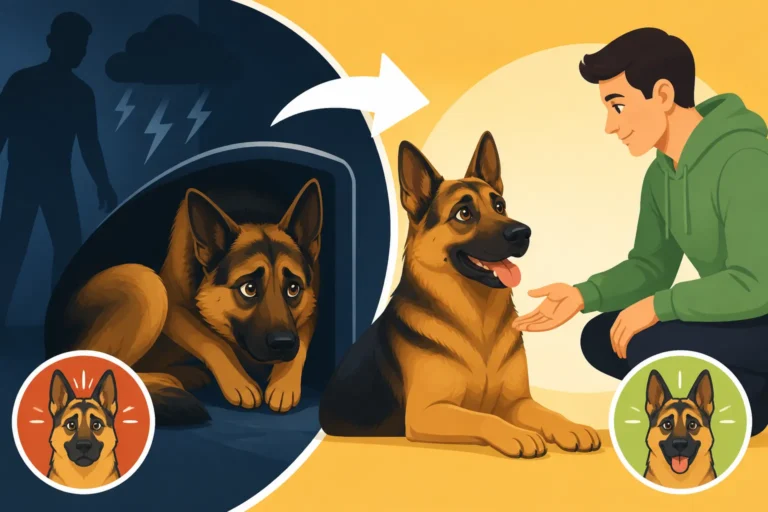
German Shepherds are deeply loyal and form strong bonds with their families. While this is one of their most endearing qualities, it can sometimes manifest as separation anxiety when they are left alone. Symptoms can range from destructive chewing, excessive barking, and inappropriate urination or defecation, to more extreme panic attacks, self-harm, and frantic escape attempts. It's a heartbreaking condition for both dog and owner.
Separation anxiety is not naughtiness; it's a genuine panic disorder. Addressing it requires a careful, methodical approach that often involves desensitization to your departure cues, gradually increasing the time your dog is left alone, and creating a calm, safe space for them. Providing engaging puzzle toys or long-lasting chews right before you leave can help create a positive association with your departure. In severe cases, working with a veterinary behaviorist and possibly medication may be necessary. For more solutions, check out our article on German Shepherd Separation Anxiety Solutions.
Resource Guarding
Resource guarding occurs when a dog exhibits protective behaviors over items they value, such as food bowls, toys, beds, or even people. This can range from a stiff posture and growling to snapping or biting if someone approaches their valued item. While a certain degree of self-preservation is natural, problematic resource guarding can be dangerous, especially in households with children or multiple pets.
Addressing resource guarding requires building trust and teaching your German Shepherd that human presence around their valued items leads to good things, not threats. Start by approaching their food bowl (from a safe distance if necessary) and tossing in a high-value treat, then retreating. Gradually reduce the distance over many sessions. Teach a "trade" command for toys: offer a high-value treat in exchange for a toy, then give the toy back or another, even better toy. Never try to forcefully take items away, as this can escalate the problem. Understanding German Shepherd Resource Guarding Explained can provide further insights and management techniques.
Strategies for Effective Training and Management
Effective training is the cornerstone of preventing and resolving German Shepherd behavior problems. It's not about dominance or harsh corrections; it's about clear communication, consistency, and building a strong, trusting relationship with your dog.
Positive Reinforcement Techniques
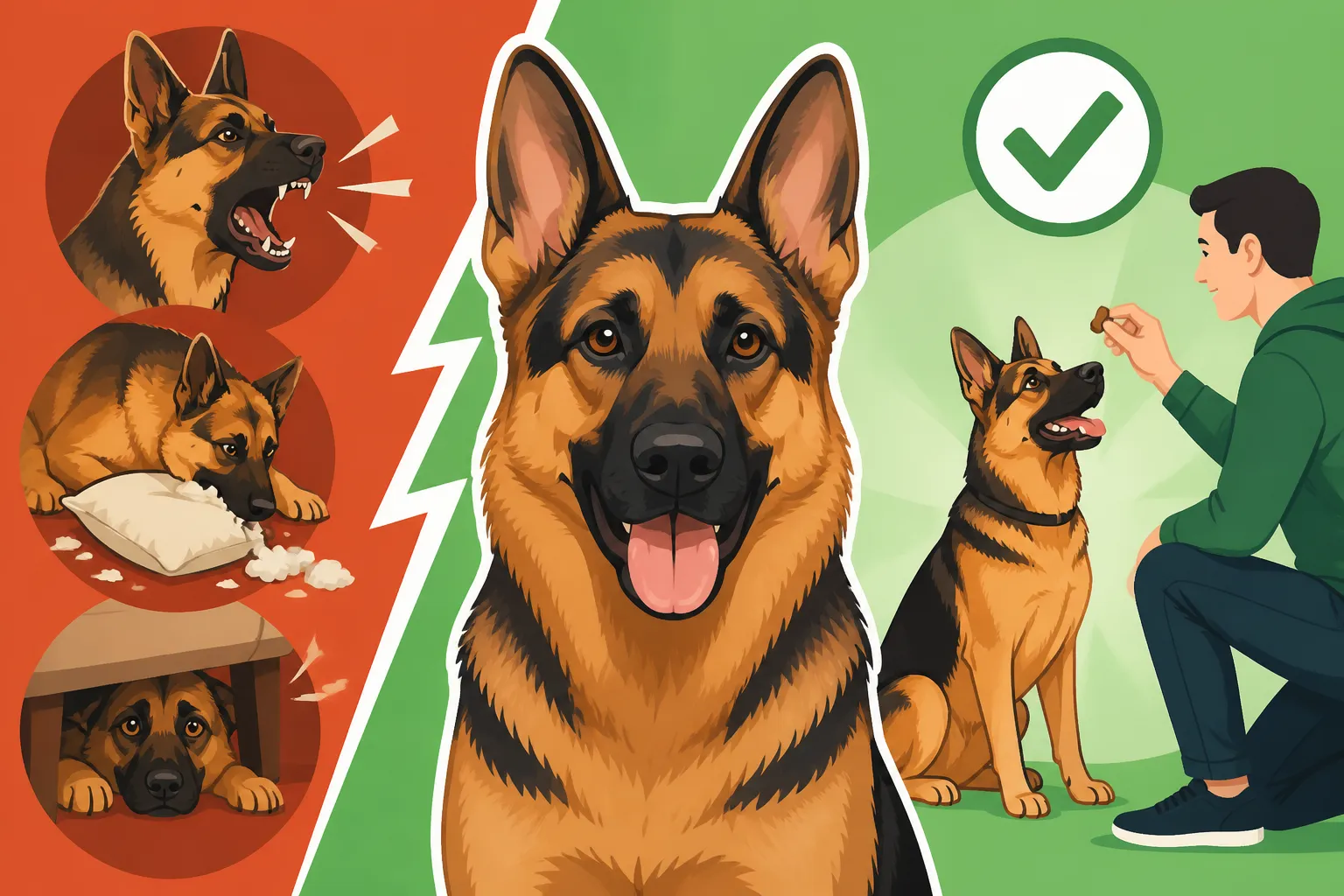
Modern dog training emphasizes positive reinforcement, and for intelligent breeds like German Shepherds, it's incredibly effective. This method focuses on rewarding desired behaviors, making your dog more likely to repeat them. When your German Shepherd performs an action you like, immediately give them a high-value treat, praise, or a favorite toy. This makes training a positive, engaging experience rather than a stressful one.
For example, when teaching your German Shepherd to "sit," as soon as their rear touches the ground, mark the behavior with a verbal cue like "yes!" or a clicker, then immediately offer a treat. They quickly learn that "sit" equals reward. This approach builds confidence, strengthens your bond, and makes your dog eager to learn. Unlike punishment-based methods, positive reinforcement doesn't suppress behavior out of fear, but rather encourages active participation and joyful learning.
Consistent Structure and Routine
Dogs thrive on predictability, and German Shepherds, with their intelligent and sometimes anxious natures, particularly benefit from a consistent structure and routine. Knowing what to expect throughout the day reduces stress and provides a sense of security. This includes consistent feeding times, potty breaks, exercise schedules, and training sessions.
Consistency also extends to household rules. Every family member must be on the same page regarding what behaviors are acceptable and what are not. If one person allows jumping on the couch and another punishes it, your German Shepherd will become confused and frustrated, leading to inconsistent behavior. Establish clear rules and ensure everyone enforces them uniformly. This creates a predictable environment where your dog feels secure and understands what is expected of them, greatly reducing misbehavior.
Professional Guidance and Online Resources
Sometimes, despite your best efforts, certain behaviors can feel overwhelming or beyond your skill level. This is where professional guidance becomes invaluable. A certified professional dog trainer or a veterinary behaviorist can provide personalized strategies, help identify underlying causes, and guide you through complex behavioral modification. Don't hesitate to seek help; it's a sign of a responsible owner committed to their dog's well-being.
In addition to in-person trainers, there's a wealth of online resources available. Platforms like BAXTER & Bella offer comprehensive online puppy and dog training programs, complete with live Q&A sessions, step-by-step videos, and a supportive community. These can be particularly helpful for new puppy owners or those living in areas with limited access to local trainers. Utilizing such resources can empower you with the knowledge and tools needed to tackle challenges effectively.
Socialization and Environmental Enrichment
A well-adjusted German Shepherd is a well-socialized and mentally stimulated German Shepherd. These two aspects are critical for preventing many behavioral problems and fostering a confident, calm companion.
Importance of Early Socialization
Socialization isn't just about letting your puppy play with other dogs; it's about exposing them to a wide variety of positive experiences during their critical developmental window (roughly 3 to 16 weeks of age). This includes meeting different types of people (men, women, children, people in hats, people with glasses), experiencing various sights, sounds (traffic, vacuums, thunder), textures, and environments (parks, stores, car rides). The goal is to create positive associations with these new stimuli so they grow up to be confident, resilient adults.
A German Shepherd puppy who isn't properly socialized may develop fear-based behaviors, including shyness, reactivity, or aggression towards novel situations or people. Even after the critical puppy window, continued socialization throughout adolescence and adulthood is vital. Controlled, positive interactions are key. Never force your dog into a situation where they are clearly uncomfortable; instead, work at their pace and always ensure safety. For a deeper dive, read our guide on How to Socialize a German Shepherd.
Mental and Physical Exercise Requirements
We've touched on this before, but it bears repeating: German Shepherds need a lot of exercise, both mental and physical. Neglecting these needs is a surefire way to invite behavioral problems. For an adult German Shepherd, this often means at least 60-90 minutes of vigorous physical activity daily, broken into multiple sessions. This could include fast-paced walks, jogging, hiking, swimming, or playing fetch.
Mental exercise is equally important. Their intelligent minds thrive on challenges. Incorporate daily training sessions, even short 10-minute bursts, to practice commands and learn new tricks. Puzzle toys, interactive feeders, and scent games like "find the treat" are excellent ways to engage their brains. Consider enrolling in dog sports like agility, obedience, or rally. These activities not only burn energy but also strengthen your bond and provide a productive outlet for their natural drives. For more ideas, explore our article on German Shepherd Exercise Requirements.
Safe Introductions to New People and Animals
Given their protective nature, introducing your German Shepherd to new people and animals requires a thoughtful, controlled approach. Rushing introductions can lead to fear, overexcitement, or even defensive aggression. The goal is always positive, low-stress interactions.
When introducing your German Shepherd to new people, especially guests in your home, ensure they are calm and under control. You might have them on a leash initially, give guests instructions to ignore them at first, and only interact once your dog is settled. Treats can be used to create positive associations. For other animals, especially other dogs, use neutral territory for initial meetings, keeping both dogs on leashes with loose supervision. Monitor body language closely and keep interactions short and positive. If either dog shows signs of stress, separate them calmly. Gradual, positive exposures are key to building comfort and acceptance.
Recognizing and Addressing Aggression
Aggression is perhaps the most serious behavioral problem a German Shepherd owner might face. It's a complex issue that can stem from various causes, and it's essential to understand its nuances to address it effectively and safely.
Types and Causes of Aggression
Aggression in German Shepherds can manifest in different ways and be triggered by a multitude of factors. It's rarely about a "mean" dog; it's usually rooted in fear, resource guarding, pain, territoriality, prey drive, or even a lack of early socialization.
- Fear Aggression: Often seen when a dog feels cornered or threatened, reacting out of self-preservation.
- Resource Guarding Aggression: As discussed, protection of valued items, food, or people.
- Territorial Aggression: Directed at intruders (people or animals) entering their perceived territory (home, yard).
- Protective Aggression: Defending family members from perceived threats.
- Pain-Induced Aggression: A dog in pain may snap or bite if touched in a sensitive area. This is a common, often overlooked cause.
- Prey Drive Aggression: Directed at small, fast-moving objects or animals.
- Intraspecific Aggression: Aggression towards other dogs, often seen between intact males or females.
Identifying the specific type of aggression and its triggers is crucial. It often requires careful observation and sometimes, a professional's eye.
| Type of Aggression | Common Triggers | Potential Underlying Causes |
|---|---|---|
| Fear Aggression | Approaching strangers, loud noises, unfamiliar objects | Lack of socialization, traumatic experiences, genetic predisposition |
| Resource Guarding | Approaching food, toys, specific people, resting spots | Insecurity, learned behavior, lack of trust in owner |
| Territorial | Strangers at the door, people/dogs near property line | Strong protective instincts, lack of clear boundaries |
| Pain-Induced | Being touched, handled, or moved | Injury, arthritis, dental issues, neurological conditions |
| Prey Drive | Small animals, children running, bikes | Genetic predisposition, lack of impulse control |
| Intraspecific (Dog-Dog) | Other dogs on leash, unfamiliar dogs, resource competition | Lack of socialization, fear, hormonal influences |
Safety Protocols and Management
When dealing with aggression, safety is paramount. The first step is to implement strict management protocols to prevent incidents. This might include:
- Leash and Muzzle Training: A well-fitted basket muzzle can prevent bites while you work on behavior modification. Muzzles are not punishment; they are safety tools.
- Avoidance of Triggers: If your dog is reactive to other dogs on walks, change your walking routes or times to avoid encounters. If they guard their food, feed them in a separate room.
- Supervision: Never leave an aggressive German Shepherd unsupervised with children or other pets.
- Clear Communication: Educate family members and guests on how to interact (or not interact) with your dog.
Management is about preventing harm while you work on addressing the underlying issues. It's a temporary measure to keep everyone safe, but it's not a solution on its own. It provides the necessary breathing room to begin a behavior modification program.
Seeking Expert Behavioral Consultation
Aggression in German Shepherds should never be handled alone. It is imperative to seek the help of a qualified professional. This could be a Certified Professional Dog Trainer (CPDT-KA), a Certified Applied Animal Behaviorist (CAAB), or a Veterinary Behaviorist (DACVB). A veterinary behaviorist is a veterinarian who specializes in behavior, capable of diagnosing medical conditions that might contribute to aggression and prescribing medication if needed.
They will conduct a thorough assessment, develop a customized behavior modification plan, and guide you through the process step-by-step. Trying to "correct" aggression with punitive methods can often make it worse, escalating the dog's fear or defensiveness. A professional will use positive, humane, and effective techniques to manage and modify aggressive behaviors, always prioritizing safety and the well-being of your German Shepherd. For further reading, our guide on German Shepherd Aggression Explained offers additional context and advice.
Preventative Measures and Long-Term Success
The best way to deal with German Shepherd behavior problems is to prevent them from developing in the first place. Even if you're dealing with existing issues, these long-term strategies are crucial for sustained success and a happy, healthy life together.
Choosing the Right Breeder or Rescue
The foundation for good behavior often begins even before you bring your German Shepherd home. Responsible breeders prioritize temperament and health in their breeding programs. They conduct extensive health testing, provide early socialization for puppies, and carefully match puppies to appropriate homes. A reputable breeder will be transparent about their dogs' temperaments, allow you to meet the puppy's parents, and be a resource for you throughout your dog's life.
If you're considering adoption, a good rescue organization will have a thorough screening process, assess the dog's temperament, and provide foster homes where behavior can be observed. They can offer valuable insights into the dog's personality and potential challenges. Avoiding backyard breeders and puppy mills, which often neglect temperament and early socialization, is critical for increasing your chances of getting a well-adjusted dog. Understanding How to Find a Reputable German Shepherd Breeder is a great start.
Ongoing Training and Continued Learning
Training is not a one-time event; it's a lifelong commitment, especially with a German Shepherd. Even after mastering basic obedience, continuing with advanced classes, dog sports, or simply daily practice keeps their minds sharp and reinforces good behavior. Learning new tricks or commands not only provides mental stimulation but also strengthens the bond between you and your dog.
Consider ongoing engagement through platforms like the BAXTER & Bella online dog training program, which offers continuous learning modules and community support. The world of dog training is constantly evolving, and staying informed about new techniques and philosophies can only benefit you and your German Shepherd. A German Shepherd that feels engaged and has a clear understanding of expectations is far less likely to develop problematic behaviors. Our comprehensive How to Train a German Shepherd guide can help you establish a strong training foundation.
Health and Nutrition's Role in Behavior
It's easy to overlook, but your German Shepherd's physical health and diet play a significant role in their behavior. Undiagnosed pain or discomfort can lead to irritability, fear-based aggression, or reluctance to engage in activities they once enjoyed. Conditions like thyroid imbalances, gastrointestinal issues, or chronic pain (such as from German Shepherd Hip Dysplasia Explained or arthritis) can manifest as behavioral changes.
Similarly, nutrition impacts mood and energy levels. A diet lacking in essential nutrients or containing ingredients that trigger sensitivities can lead to hyperactivity, anxiety, or poor digestion, which in turn affects behavior. Consult with your veterinarian regularly for health check-ups and discuss any sudden behavioral changes, as they could indicate an underlying medical issue. Ensure your dog is on a high-quality, balanced diet appropriate for their age, activity level, and any specific health needs. A healthy body often leads to a healthy mind and better behavior.
Disclaimer
The information provided in this article is for general informational purposes only and is not a substitute for professional veterinary or behavioral advice. Always consult with a qualified veterinarian or certified professional dog trainer regarding your German Shepherd's specific health and behavioral needs.