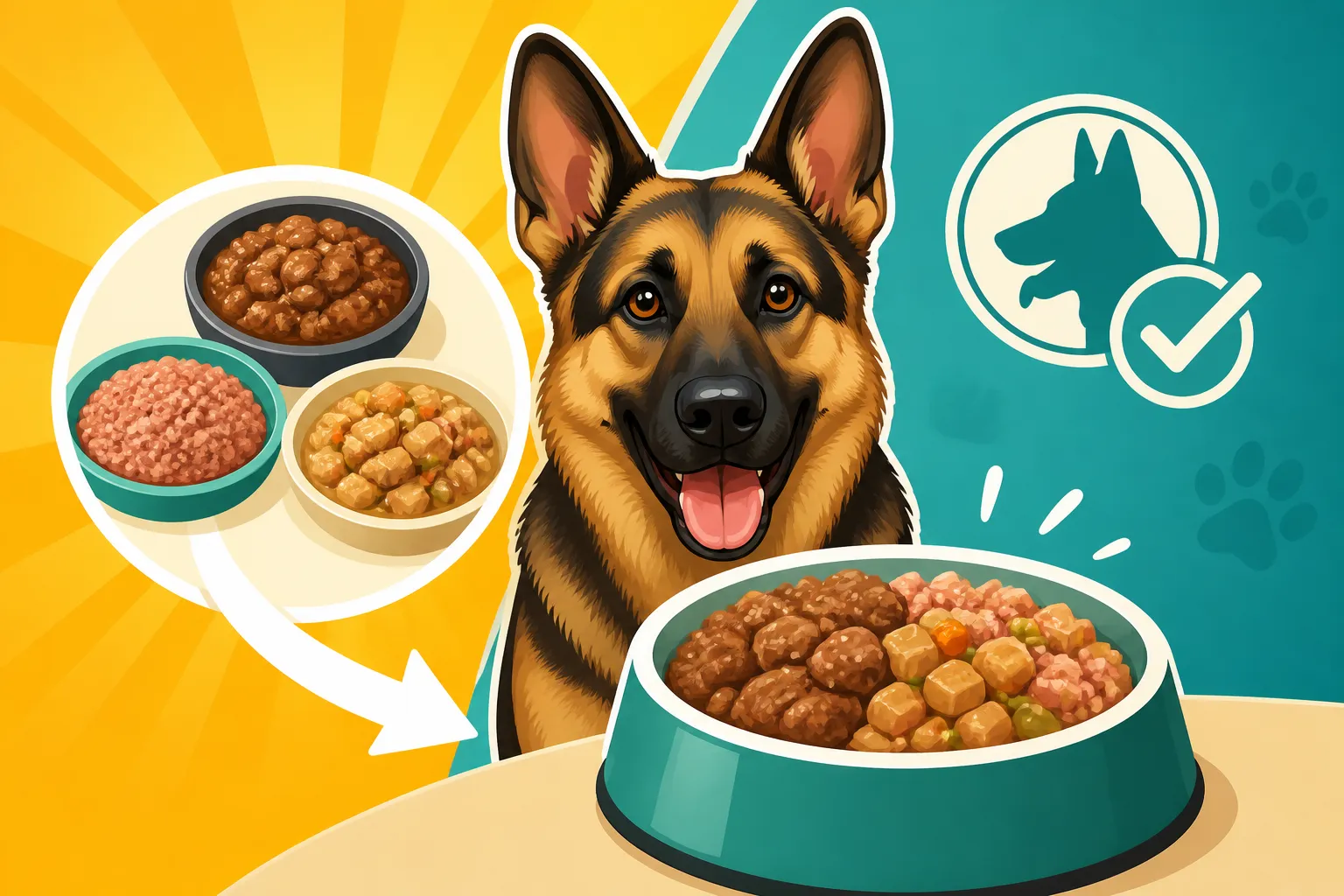
Best Wet Food to Mix for German Shepherds
It can be incredibly frustrating when your majestic German Shepherd turns up their nose at mealtime, or you notice they're not drinking enough water throughout the day. Many German Shepherd parents worry if their dog is getting adequate nutrition, especially when they're prone to certain sensitivities or just seem a bit finicky. This comprehensive guide is here to walk you through the wonderful world of wet food mixers, helping you discover the best options to add zest, hydration, and a nutritional boost to your German Shepherd's kibble, ensuring they eagerly finish every bowl.
Why Consider Mixing Wet Food with Your German Shepherd's Diet?
Adding wet food to your German Shepherd’s regular kibble isn't just about making mealtime more exciting, though it certainly helps with that! There are several compelling reasons why a wet food mixer could be a fantastic addition to your dog's diet, addressing common concerns many German Shepherd owners face.
Boosting Palatability and Hydration
Let's be honest, kibble can be a bit… dry. While convenient and often nutritionally complete, its texture and sometimes mild flavor might not always tempt a discerning German Shepherd. This is especially true for dogs who are recovering from an illness, experiencing a decrease in appetite, or simply bored with their routine. A dollop of savory wet food can transform a mundane meal into a gourmet experience, making it far more appealing. Beyond taste, one of the most significant benefits of wet food is its high moisture content, often exceeding 70%. For a breed that requires a lot of activity and can be prone to urinary issues if not properly hydrated, this extra water intake is invaluable. It helps support kidney function, aids in nutrient absorption, and keeps their system running smoothly, an important aspect of how to keep a German Shepherd healthy.
Imagine a hot summer day in Arizona; even with a water bowl always available, some dogs just don't drink enough. Mixing in a moisture-rich wet food can covertly increase their daily fluid intake without you having to constantly coax them to the water dish. This is particularly beneficial for German Shepherds with conditions like certain kidney issues or those prone to developing bladder stones, where consistent hydration is key.
Nutritional Benefits and Digestive Support
Beyond hydration, wet food often offers a different nutritional profile than dry kibble, which can complement your dog's diet beautifully. Many high-quality wet foods are packed with easily digestible proteins and beneficial fats, which can be great for building and maintaining muscle mass, especially important for an active breed like the German Shepherd. If you have a German Shepherd with a sensitive stomach, adding a simple, limited-ingredient wet food can sometimes ease digestion. The softer texture of wet food is also easier for some dogs to break down, which can be a relief for seniors or those with dental issues.
Consider a German Shepherd puppy going through a rapid growth phase; their nutritional needs are intense. Adding a puppy-specific wet food can provide an extra boost of calories and essential nutrients vital for their development, supplementing their regular puppy kibble. For older German Shepherds, particularly those struggling with German Shepherd Arthritis in Senior Dogs, the added moisture and often richer protein content can help maintain their weight and muscle tone, even if their appetite isn't what it used to be.
Addressing Picky Eaters and Special Needs
We've all been there: you put down a bowl of expensive kibble, only for your German Shepherd to sniff it disdainfully and walk away. German Shepherds can be notoriously picky at times, and a wet food mixer can be a game-changer. The strong aroma and appealing texture of wet food can entice even the most stubborn eater. For dogs requiring medication, a small amount of wet food makes an excellent disguise for pills, making the process much less stressful for both of you.
Moreover, wet food can be crucial for German Shepherds with specific health conditions. For instance, dogs with conditions like Exocrine Pancreatic Insufficiency (EPI) might benefit from wet food that is easier to digest or can be mixed with their enzyme supplements more effectively. Similarly, for those needing to gain or lose weight, specific wet food formulas can be incorporated to manage calorie intake more precisely while still providing a satisfying meal.
What to Look for in a Quality Wet Food Mixer
Choosing the right wet food to mix with your German Shepherd's kibble isn't just about picking any can off the shelf. It requires a discerning eye, focusing on ingredients, nutritional balance, and what to avoid. You want something that genuinely enhances their diet, not just fills their stomach.
Ingredient Quality and Transparency
The foundation of any good dog food, wet or dry, is its ingredients. For your German Shepherd, look for wet foods that list a high-quality animal protein as the very first ingredient. This could be chicken, beef, lamb, turkey, or fish. Avoid vague terms like "meat by-products" or "animal digest" as primary protein sources. Whole, identifiable ingredients are always best. You want to see real meat, poultry, or fish, along with identifiable vegetables and fruits like peas, carrots, sweet potatoes, or blueberries.
Brands that are transparent about their sourcing and manufacturing processes are generally a good sign. For instance, some premium brands found on Chewy or Amazon will often provide detailed information about where their ingredients come from and how their food is prepared. If you're considering a fresh dog food option, like those from Ollie, they typically pride themselves on human-grade ingredients and clear labeling, which is a huge plus. This transparency ensures you know exactly what you're feeding your beloved companion.
Appropriate Macronutrient Balance
While wet food is often richer in protein and moisture, it should still contribute to a balanced diet when mixed with kibble. Look for wet foods that offer a good balance of protein, fat, and carbohydrates. For active German Shepherds, a higher protein content in their overall diet is often beneficial for muscle maintenance and energy. Fats provide concentrated energy and help with nutrient absorption, while complex carbohydrates from vegetables offer sustained energy.
If you're already feeding a complete and balanced kibble, the wet food mixer doesn't necessarily need to be "complete and balanced" on its own, as it's an additive. However, choosing a wet food that aligns with your dog's life stage (puppy, adult, senior) and activity level is always a good idea. For a growing German Shepherd puppy, finding a wet food that supports their rapid development, perhaps one specifically formulated as a best puppy food for German Shepherds, would be ideal. Always consider the combined nutritional profile of the kibble and wet food.
Avoiding Harmful Additives and Fillers
Just as important as what is in the wet food is what isn't. Steer clear of wet foods containing artificial colors, flavors, and preservatives. These offer no nutritional value and can sometimes trigger allergies or sensitivities in dogs. Generic "meat meal" or excessive amounts of corn, wheat, and soy are often used as cheap fillers and can be common culprits for digestive upset or skin problems.
Always read the ingredient label carefully. Look for natural preservatives like mixed tocopherols (Vitamin E) and ascorbic acid (Vitamin C). Brands that prioritize natural, recognizable ingredients will usually highlight this on their packaging. A general rule of thumb: if you can't pronounce it or don't know what it is, it's worth researching further or choosing an alternative.
Top Wet Food Options for Mixing with German Shepherd Kibble
When it comes to choosing the actual wet food to mix, the options can feel overwhelming. Luckily, several categories stand out as excellent choices for German Shepherds, catering to various needs and preferences.
High-Quality Canned or Pouch Formulas
Traditional canned wet food or convenient pouches are probably the most common choice for mixing. Many reputable brands offer excellent formulas. Look for those that are specifically designed for large breeds or all life stages, and pay attention to their primary protein source. Brands like Purina Pro Plan, Royal Canin, and Wellness Core offer specific large breed formulas or limited ingredient diets that can be a great addition.
For example, a limited ingredient turkey and potato canned food could be perfect for a German Shepherd with food sensitivities, as it reduces the number of potential allergens. You can find a vast selection of these types of wet foods readily available online from retailers like Chewy, making it easy to compare ingredients and read reviews. Just a spoonful or two mixed into their kibble can make a world of difference in palatability and provide that extra hydration.
Fresh or Gently Cooked Wet Food
In recent years, fresh or gently cooked dog food has soared in popularity, and for good reason. These options are often made with human-grade ingredients, prepared with minimal processing, and delivered right to your door. Brands like Ollie, The Farmer's Dog, or Nom Nom Now are great examples. Their meals often look and smell like something you'd prepare yourself, which can be incredibly appealing to picky eaters.
While feeding these as a full meal can be more expensive, using them as a topper for kibble is an excellent way to get the benefits without the full cost. A small portion can significantly boost the nutritional value, palatability, and moisture content of your German Shepherd's meal. For German Shepherds recovering from illness or those who simply need the highest quality ingredients, this can be an outstanding choice. These often contain highly digestible proteins and fresh vegetables, contributing to better stool quality and overall vitality.
Specialized and Prescription Wet Diets
Sometimes, a German Shepherd's health condition dictates the need for a specialized wet food. If your dog has specific issues like kidney disease, liver problems, severe allergies, or advanced pancreatitis, your veterinarian might recommend a prescription wet diet. These foods are formulated with precise nutrient levels to manage or support particular health concerns and are available through your vet or with a vet's prescription from online pet pharmacies and retailers.
Even if not used as a primary diet, small amounts of these prescription wet foods can sometimes be mixed with a prescription dry kibble to enhance its appeal, especially during times when your dog's appetite is low due to their condition. Always consult your veterinarian before introducing any prescription diet or if you suspect your German Shepherd needs a specialized nutritional approach. They can guide you on the best options and monitor your dog’s response to ensure their specific health needs are met.
Here's a quick look at the types of wet food mixers and their common characteristics:
| Wet Food Type | Key Benefits | Common Ingredients | Best For | Things to Consider |
|---|---|---|---|---|
| Canned/Pouch Wet Food | High palatability, excellent hydration, convenient | Meat, poultry, fish, grains/potatoes, vegetables | Picky eaters, hydration boost, adding variety | Varies widely in quality, check ingredients for fillers |
| Fresh/Gently Cooked Food | Human-grade ingredients, highly digestible, natural | Fresh meat, organs, fruits, vegetables, oils | Sensitive stomachs, allergy sufferers, peak nutrition, picky eaters, German Shepherd Senior Care Guide | Higher cost, requires refrigeration |
| Wet Food Toppers | Targeted nutrition, easy to add, variety | Meats, bone broth, specific functional ingredients | Enhancing specific nutrients (e.g., probiotics), adding flavor, temporary appetite boost | Usually not nutritionally complete on their own |
| Freeze-Dried/Raw Mixers | Concentrated nutrients, natural, high protein | Raw or freeze-dried meat, organs, bone | Adding raw benefits, high-value treat/mixer, boosting protein for active German Shepherds | Rehydration often recommended, higher cost, proper handling essential |
| Prescription Wet Diets | Precisely formulated for specific health conditions | Specific protein sources, controlled nutrients | German Shepherds with diagnosed medical conditions (e.g., kidney disease, severe allergies, German Shepherd EPI) | Requires vet prescription, often higher cost, strict adherence to diet |
How to Introduce and Transition Wet Food Mixers Safely
Introducing new foods to your German Shepherd's diet, even something as appealing as wet food, requires a thoughtful approach. Their digestive systems can be sensitive, and rushing the process can lead to upset stomachs, which is the last thing any dog parent wants.
Gradual Introduction Methods
The golden rule for any dietary change is gradual introduction. Start with a very small amount of the new wet food – perhaps just a tablespoon – mixed thoroughly into their regular kibble. Serve this small portion for a few days, monitoring your German Shepherd for any signs of digestive upset like loose stool, gas, or vomiting. If they handle it well, you can slowly increase the amount over the next week to two weeks until you reach your desired portion.
For example, if your German Shepherd normally eats two cups of kibble, start by adding one tablespoon of wet food to one of their meals for three days. If all is well, increase it to two tablespoons for another three days, and so on. This slow approach gives their digestive system time to adjust to the new ingredients and textures. This careful transition is key to avoiding issues like loose stools or discomfort.
Monitoring for Digestive Upset
During the transition period, be extra observant of your German Shepherd's bathroom habits and overall demeanor. Any changes in stool consistency (too soft, too hard, or diarrhea), increased gas, bloating, or changes in appetite should prompt you to slow down the introduction or even revert to their original diet temporarily. Sometimes, a specific ingredient in the new wet food might not agree with your dog.
It’s helpful to keep a small journal, even mental notes, of what you’re feeding and any reactions you observe. If your German Shepherd consistently shows signs of discomfort with a particular wet food, it’s best to discontinue it and try a different type or brand. Consulting with your vet can provide further guidance if digestive issues persist.
Proper Storage and Feeding Practices
Once you've found a wet food mixer that your German Shepherd loves and tolerates well, proper storage and feeding are crucial for their health and safety. Always follow the manufacturer's instructions for storage, especially for opened cans or fresh food. Most opened wet food should be stored in an airtight container in the refrigerator and used within 3-5 days. For fresh dog food like Ollie, often pre-portioned, check their specific guidelines, but refrigeration is typically required.
Avoid leaving wet food out at room temperature for extended periods, especially in warm climates like Florida summers, as it can quickly spoil and harbor harmful bacteria. Serve wet food at room temperature to enhance its aroma and palatability; you can gently warm refrigerated portions in the microwave for a few seconds (ensure no hot spots!) or mix with a little warm water. Always use clean bowls and wash them thoroughly after each meal to prevent bacterial growth. These simple steps ensure your German Shepherd enjoys safe, delicious, and nutritious meals every time.
Disclaimer
This article is for general informational purposes only and does not constitute professional advice. Laws, prices and regulations vary by location and change over time. Consult a qualified professional for guidance on your specific situation.