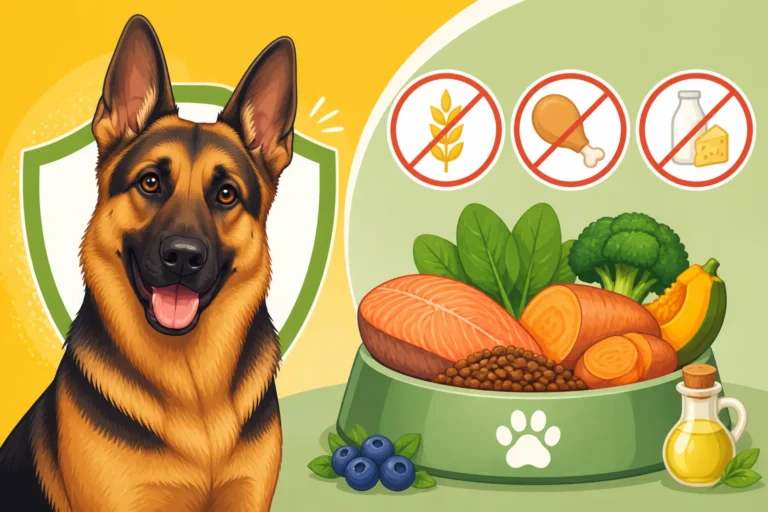
Best Dog Food for a German Shepherd Puppy
Bringing home a German Shepherd puppy is an absolute joy, but let's be honest, standing in the pet food aisle feels like trying to decipher a secret code! You want to give your little fluffball the best start, avoiding common pitfalls like upset stomachs or poor growth, and ensuring they develop into that magnificent, healthy adult you envision. This guide cuts through the noise, helping you understand precisely what your German Shepherd puppy needs in their diet and how to choose a food that sets them up for a lifetime of health and happiness.
Understanding Your German Shepherd Puppy's Unique Nutritional Needs
German Shepherd puppies aren't just smaller versions of adult German Shepherds; they have distinct nutritional requirements that demand special attention. Their bodies are undergoing rapid, intense development, from bone and muscle growth to the maturation of their immune and nervous systems. Feeding them incorrectly during this critical period can have lasting consequences, impacting everything from their joint health to their overall temperament. It's a huge responsibility, and frankly, it's easy to feel overwhelmed by the sheer volume of options and conflicting advice out there.
One of the biggest concerns for large-breed puppies like German Shepherds is their accelerated growth rate. Unlike smaller breeds, GSD pups grow incredibly fast, and managing this growth is paramount to preventing serious orthopedic issues down the line. If a puppy grows too quickly, their bones and joints can develop abnormally, increasing the risk of conditions like hip and elbow dysplasia. This means the delicate balance of calories, protein, and crucial minerals like calcium and phosphorus needs to be just right – not too much, not too little.
Beyond physical growth, your German Shepherd puppy is also a whirlwind of energy, learning, and exploration. Their brains are rapidly developing, and they need a consistent supply of high-quality nutrients to support cognitive function and healthy energy levels. This isn't just about feeding their bodies; it's about nourishing their minds so they can be attentive, trainable, and well-adjusted companions. A well-fed puppy is a happy puppy, and a happy puppy is much easier to train and socialize.
Finally, German Shepherds can sometimes have sensitive digestive systems. Many new GSD owners find themselves battling bouts of loose stool or upset stomachs, especially during food transitions or when fed an inappropriate diet. Their gut microbiome is still developing, and consistency, combined with highly digestible ingredients, is key to fostering a robust digestive system. It's a delicate dance, but getting the nutrition right early on can save you a lot of worry (and vet bills!) in the long run.
Rapid Growth and Joint Support
The rapid growth phase of a German Shepherd puppy is both exciting and a bit daunting for new owners. These pups can gain several pounds a week, transforming from a fluffy, clumsy little bear into a formidable adolescent in what feels like the blink of an eye. This intense period of skeletal development requires a carefully formulated diet. Too much energy (calories) can cause them to grow too quickly, putting undue stress on developing joints. This is a common mistake owners make, thinking more food equals a healthier, bigger dog, but for GSDs, it often leads to problems like German Shepherd Hip Dysplasia Prevention.
Specifically, the levels of calcium and phosphorus are incredibly important. While both are essential for strong bones, an excess of calcium can be just as detrimental as a deficiency. It can interfere with proper bone mineralization and cartilage development, increasing the risk of orthopedic diseases. This is why standard adult dog food, which often has higher calcium levels than appropriate for large-breed puppies, is not suitable. You need a food specifically labeled for "large-breed puppies" or "all life stages" that meets the AAFCO (Association of American Feed Control Officials) guidelines for large-breed puppy growth.
Beyond calcium and phosphorus, many high-quality large-breed puppy foods also include joint-supporting ingredients like glucosamine and chondroitin. While the evidence for their preventative power in young, healthy joints is still debated, they certainly don't hurt and can provide an extra layer of peace of mind. Ensuring controlled growth and proper mineral balance is the cornerstone of lifelong joint health for your German Shepherd, allowing their German Shepherd Growth Plates and Exercise to develop correctly.
Energy for Play and Development
Anyone who has spent time with a German Shepherd puppy knows they are bundles of boundless energy! They bounce, they pounce, they zoom, and they explore with an insatiable curiosity. This high activity level, coupled with their rapid physical growth, means they have significantly higher caloric and nutrient needs per pound of body weight compared to adult dogs. They're constantly burning fuel, not just for play, but for all the metabolic processes involved in building a strong body and a sharp mind.
However, "high energy" doesn't mean "any energy." The quality of those calories matters immensely. A diet rich in easily digestible proteins and healthy fats provides sustainable energy without causing spikes and crashes, or worse, digestive upset. Proteins are the building blocks for muscles, organs, and a healthy immune system, while fats provide concentrated energy and essential fatty acids for skin, coat, and brain development. Think of it as fueling a high-performance engine – you wouldn't put just any gasoline in a sports car.
Moreover, puppies are constantly learning and processing new information, from basic obedience commands to navigating their environment. This cognitive development relies on certain nutrients, particularly DHA (docosahexaenoic acid), an omega-3 fatty acid crucial for brain and eye development. Many premium puppy foods include DHA from sources like fish oil to support this vital process. Choosing a food that supports both their physical vigor and their cognitive agility is key to raising a well-rounded, intelligent German Shepherd.
Digestive Sensitivity
It’s a common scenario: you bring home your adorable German Shepherd puppy, excited for cuddles and playtime, only to be met with a constant battle against loose stools or an upset tummy. German Shepherds are, unfortunately, often prone to digestive sensitivities. This can stem from a variety of factors, including genetics, stress from a new environment, parasites, or simply an inappropriate diet. When their digestive system is irritated, it can lead to poor nutrient absorption, discomfort, and a generally unhappy pup.
Selecting a food with highly digestible ingredients is crucial. This means focusing on quality protein sources that are easily broken down and absorbed, rather than fillers or by-products that might pass through the system undigested. Ingredients like chicken, lamb, or fish, along with easily digestible carbohydrates such as rice or sweet potato, often fare better than complex grains or unusual protein sources for sensitive stomachs. A healthy gut is the foundation for overall health, immunity, and even mood.
Beyond ingredients, prebiotics and probiotics can play a significant role in supporting a healthy gut microbiome. These beneficial bacteria and fibers help maintain a balanced digestive system, which is especially important for puppies transitioning to a new home or experiencing stress. Look for ingredients like chicory root, beet pulp (in moderation), or supplemental probiotics in the ingredient list. Addressing potential German Shepherd Sensitive Stomach Solutions through careful food selection can make a world of difference for your puppy's comfort and well-being.
Deciphering Dog Food Labels: What to Look For and What to Avoid
Navigating the labyrinth of dog food labels can feel like you need a degree in nutrition. Every bag boasts "premium," "natural," "holistic," or "grain-free," making it incredibly difficult to tell what's genuinely good for your German Shepherd puppy and what's just clever marketing. The truth is, the ingredient list and guaranteed analysis are your best friends in this journey. Learning to read these critically will empower you to make informed decisions that go beyond flashy packaging and ensure your pup is getting the fuel they need.
The most important thing to remember is that the ingredients are listed by weight, meaning the first few ingredients make up the bulk of the food. For a growing German Shepherd, you want to see high-quality protein sources right at the top. But it's not just about protein; it's about the balance of proteins, fats, carbohydrates, and essential vitamins and minerals. Your German Shepherd puppy needs a diverse range of nutrients to thrive, not just a single "superfood."
Understanding the "guaranteed analysis" is also vital. This section tells you the minimum percentages of crude protein and crude fat, and the maximum percentages of crude fiber and moisture. For large-breed puppies, pay close attention to the calcium and phosphorus levels – these are often listed separately or can be found on the manufacturer's website. Remember, the goal is controlled growth, not hyper-growth, and the right nutrient balance is key to achieving that for your precious pup.
High-Quality Protein Sources
For a German Shepherd puppy, protein is the cornerstone of their diet. It's essential for building strong muscles, healthy organs, enzymes, hormones, and a robust immune system. Without adequate, high-quality protein, your pup's development can be stunted, and they may struggle with energy levels and overall vitality. When scanning ingredient lists, aim for named animal proteins as the first one or two ingredients, such as "deboned chicken," "chicken meal," "lamb," "beef," or "salmon."
"Chicken meal" or "lamb meal" are often excellent choices because they are concentrated sources of protein, meaning most of the water has been removed before processing. This results in a higher protein content per serving compared to "whole chicken" or "whole lamb" where a significant portion is water. It might sound less appealing to us, but for canine nutrition, meal can be a powerhouse. Avoid generic terms like "meat by-products" or "animal digest" as these are vague and can come from inconsistent sources.
Remember that How Much Protein Does a German Shepherd Need can vary slightly depending on their activity level and individual metabolism, but for puppies, a range of 25-30% crude protein is generally recommended. Look for multiple protein sources if possible, as this can provide a wider array of amino acids, the building blocks of protein. A well-rounded protein profile ensures your GSD puppy has everything they need for optimal growth and development.
Healthy Fats and Essential Fatty Acids
Fats often get a bad rap, but for your German Shepherd puppy, they are a vital source of concentrated energy and play crucial roles in overall health. They provide more than double the energy of protein or carbohydrates, which is essential for active, growing puppies. Beyond just energy, healthy fats carry fat-soluble vitamins (A, D, E, K) and are critical for the development of the nervous system, healthy skin, and a shiny coat.
Look for named fat sources like "chicken fat," "salmon oil," "flaxseed oil," or "canola oil." These provide essential omega-3 and omega-6 fatty acids. Omega-3s, particularly DHA, are paramount for brain and vision development in puppies, making them smarter and more alert. Many high-quality puppy foods will explicitly list DHA content. You might see "fish oil" or "algal oil" as sources of DHA.
The amount of fat in a large-breed puppy food typically falls between 12-18%. Too little fat can lead to energy deficits and poor coat quality, while excessive fat can contribute to unwanted rapid weight gain, which as we've discussed, is detrimental for a growing GSD puppy. A balanced approach ensures your pup gets the energy they need without promoting unhealthy growth.
Carbohydrates, Fiber, and Micronutrients
While proteins and fats often take center stage, carbohydrates play an important supporting role in a German Shepherd puppy's diet. They provide readily available energy for daily activities and exercise. Good carbohydrate sources include sweet potatoes, peas, brown rice, barley, and oats. These are not only digestible but also provide fiber, which is essential for healthy digestion and regular bowel movements.
Fiber helps move food through the digestive tract, promotes a healthy gut microbiome, and can even help your puppy feel fuller, which is useful for managing portions. Look for a moderate amount of fiber, typically 3-5%, as too much can reduce nutrient absorption and lead to digestive upset. Avoid foods with excessive amounts of corn, wheat, or soy as primary carb sources, especially if your puppy shows any signs of German Shepherd Food Allergy Symptoms. While not inherently bad, some GSDs can be sensitive to them.
Beyond the macros, don't overlook micronutrients – vitamins and minerals. A complete and balanced puppy food will have a full spectrum of these, often listed as a vitamin and mineral premix. These unsung heroes support everything from immune function to bone health and metabolic processes. A balanced diet ensures your GSD pup gets all the tiny but mighty nutrients needed for thriving health.
Ingredients to Steer Clear Of
Just as important as knowing what to look for is knowing what to avoid in your German Shepherd puppy's food. The pet food industry, unfortunately, has its share of less-than-ideal ingredients that offer little nutritional value or could even be harmful. Avoiding these can prevent digestive issues, allergies, and ensure your puppy is getting truly beneficial nutrients.
First on the list are artificial colors, flavors, and preservatives. These additives are primarily for human appeal (making the food look and smell better to us) and offer no nutritional benefit to your dog. They can sometimes trigger allergic reactions or sensitivities in susceptible dogs. Look for natural preservatives like mixed tocopherols (Vitamin E) and ascorbic acid (Vitamin C).
Secondly, be wary of ambiguous meat sources. "Meat by-products," "animal fat," or "meat meal" without specifying the animal source (e.g., "poultry by-product meal") are red flags. You want to know exactly what kind of animal protein your puppy is consuming for consistency and to identify potential allergens. Similarly, excessive amounts of fillers like corn gluten meal or wheat middlings offer poor nutritional value and can be difficult for some dogs to digest.
Finally, while "grain-free" diets have become popular, they aren't inherently superior for all dogs and may not be necessary unless your GSD puppy has a confirmed grain allergy. In fact, some studies have linked certain grain-free diets, particularly those high in peas, lentils, and potatoes, to potential heart issues (Dilated Cardiomyopathy) in some breeds, though the science is still evolving. Always consult your vet before opting for a grain-free diet, and ensure it's formulated by reputable brands with robust research and development.
Exploring Different Dog Food Formats for German Shepherd Puppies
The world of dog food is no longer limited to just dry kibble. Today, German Shepherd puppy owners have a plethora of options, each with its own set of pros and cons. From traditional crunchy biscuits to gourmet fresh meals, the choice can be overwhelming. The "best" format often comes down to a balance of your puppy's individual needs, your budget, your lifestyle, and what you feel most comfortable feeding. It's worth exploring these different categories to find the perfect fit for your growing companion.
Each type of food offers unique benefits. Kibble is convenient and cost-effective, while fresh food can be incredibly palatable and highly digestible. Raw diets aim to mimic ancestral eating patterns, and wet food can be great for hydration or picky eaters. There's no single right answer for every German Shepherd puppy, and what works wonderfully for one might not be ideal for another. The key is to understand what each option entails and how it aligns with your goals for your puppy's health and your practical considerations.
When making your decision, think about more than just the price tag. Consider the nutrient density, how easy it is to store, its shelf life, and whether your puppy readily accepts it. Also, consider any specific health concerns your German Shepherd puppy might have, such as a sensitive stomach or growth considerations. This thoughtful approach will help you narrow down the choices and confidently select a feeding format that truly benefits your beloved pup.
Traditional Kibble Options
Kibble remains the most popular and widely accessible dog food format, and for good reason. It’s convenient, shelf-stable, and generally the most economical option, making it a staple for many German Shepherd puppy owners. High-quality large-breed puppy kibble is specifically formulated to meet the nutritional demands of growing GSDs, with controlled calcium levels and appropriate protein and fat content to support steady, healthy growth. Many fantastic large-breed puppy formulas are available through retailers like Chewy, offering convenient home delivery.
The crunchy texture of kibble can also offer some dental benefits, helping to scrape away plaque and tartar as your puppy chews. While not a substitute for regular dental care, it's a small bonus. When choosing kibble, look for brands that invest in scientific research and trials, and explicitly state that their food meets AAFCO guidelines for "growth of large breed dogs." Reputable brands like Royal Canin German Shepherd Puppy or Purina Pro Plan Large Breed Puppy are often recommended by veterinarians for their consistent quality and appropriate nutrient profiles.
However, not all kibble is created equal. Some lower-quality brands may contain excessive fillers, artificial ingredients, or ambiguous protein sources. Always check the ingredient list carefully. For some German Shepherd puppies with very sensitive stomachs, even high-quality kibble might not be the ideal solution, and owners might need to explore other options or supplements to aid digestion. It's a solid choice for many, but pay attention to your individual pup's response.
Wet and Canned Foods
Wet or canned dog food can be a fantastic option, either as a primary diet or as a delicious topper mixed with kibble for your German Shepherd puppy. One of the main advantages is its high moisture content, which helps with hydration, especially for pups who might not drink enough water on their own. The palatability is often much higher than kibble, making it an excellent choice for picky eaters or puppies who might be recovering from an illness and need an enticing meal.
Many German Shepherd puppies seem to find wet food incredibly appealing due to its aroma and texture, making mealtime a more exciting event. The ingredients in high-quality wet foods are often whole, identifiable pieces of meat and vegetables, which can be reassuring for owners who prefer to see what they're feeding. For German Shepherd puppies prone to German Shepherd Bloat Prevention Feeding Tips, some vets suggest incorporating wet food or adding water to kibble to slow down eating and aid digestion, though the science is still evolving on this.
On the downside, wet food is typically more expensive per serving than kibble and has a shorter shelf life once opened, requiring refrigeration. It also doesn't offer the same dental scraping benefits as dry kibble. If feeding wet food exclusively, ensure it's a "complete and balanced" formula specifically for puppies, as some wet foods are designed as toppers or complementary feeds and lack a full nutritional profile.
Fresh and Gently Cooked Diets
The popularity of fresh and gently cooked dog food diets has soared, and for good reason. Services like Ollie deliver pre-portioned, human-grade meals directly to your door, offering a level of convenience and quality that many German Shepherd puppy owners appreciate. These diets are typically made with whole, recognizable ingredients like real meat, vegetables, and grains, cooked minimally to retain nutrient integrity. This approach often results in a highly palatable and digestible meal, which can be a game-changer for puppies with sensitive stomachs or food intolerances.
Many owners report noticeable improvements in their German Shepherd puppy's coat quality, energy levels, and stool consistency when switching to a fresh food diet. The higher moisture content is also a plus for hydration. Because the ingredients are less processed, some believe they are more bioavailable, meaning the nutrients are more easily absorbed by your puppy's body. For owners who are deeply invested in seeing exactly what their dog eats, fresh food offers transparency that processed kibble sometimes lacks.
However, fresh diets are generally the most expensive option, and they require freezer and refrigerator space. While convenient, they do demand a bit more planning and adherence to a strict schedule. It's crucial to choose a company that works with veterinary nutritionists to formulate their recipes to ensure they are complete and balanced for growing large-breed puppies, preventing any nutritional deficiencies that could harm your pup's development. This is not a "DIY" project without expert guidance.
Raw Food Diets
Raw food diets, often referred to as BARF (Biologically Appropriate Raw Food) or prey model diets, aim to mimic what a dog's wild ancestors might have eaten: raw meat, bones, and organs, sometimes with a small percentage of fruits and vegetables. Proponents of raw feeding for German Shepherd puppies claim benefits such as improved digestion, cleaner teeth, shinier coats, and increased energy. This approach resonates with many owners who seek a "natural" diet for their pets.
For those interested in exploring this path, a good starting point would be the Raw Feeding a German Shepherd: Beginner Guide. However, raw feeding for puppies, especially large breeds like German Shepherds, carries significant risks if not done correctly. Balancing the diet to meet all the complex nutritional needs of a rapidly growing puppy, particularly the critical calcium-to-phosphorus ratio, is incredibly difficult. Incorrectly formulated raw diets can lead to serious developmental orthopedic diseases, nutrient deficiencies, or bacterial contamination risks for both the puppy and the household.
If you are considering a raw diet for your German Shepherd puppy, it is absolutely essential to consult with a board-certified veterinary nutritionist. They can help you formulate a safe, complete, and balanced raw diet, or recommend commercially prepared raw foods that meet AAFCO standards and have undergone rigorous testing. Without expert guidance, the potential for harm far outweighs any perceived benefits. This is not an area to experiment with a growing puppy's health.
Establishing a Healthy Feeding Routine and Avoiding Common Pitfalls
Once you've chosen the best food for your German Shepherd puppy, establishing a consistent and healthy feeding routine is just as important as the food itself. Puppies thrive on predictability, and regular meal times help regulate their digestive system, aid in potty training, and build a sense of security. But it's not just about when you feed them; it's also about how much, how you transition between foods, and how you monitor their growth. Overfeeding or underfeeding, especially during critical growth phases, can have significant impacts on their long-term health.
Many new German Shepherd owners struggle with portion control, often swayed by their puppy's adorable begging eyes or a desire to see them grow big and strong quickly. However, for a large breed like a GSD, slow and steady growth is the goal, not rapid weight gain. Understanding the nuances of feeding charts and your individual puppy's metabolism is key to avoiding common pitfalls that can lead to obesity or orthopedic issues later in life.
Remember that feeding is more than just providing sustenance; it's an opportunity to bond with your puppy, reinforce good behavior, and observe their overall health. Any sudden changes in appetite, energy levels, or stool consistency should be noted. Being proactive and observant will allow you to catch potential issues early and ensure your German Shepherd puppy continues on a healthy trajectory.
Puppy Feeding Schedules and Portions
Establishing a consistent feeding schedule is one of the best things you can do for your German Shepherd puppy. Generally, puppies under 6 months old should be fed three to four times a day. This helps keep their energy levels stable, prevents large swings in blood sugar, and is easier on their developing digestive systems. As they approach 6 months to a year, you can usually transition them to two meals a day, much like an adult dog. For a detailed guide, refer to our article on German Shepherd Puppy Feeding Schedule.
When it comes to portions, always start by following the feeding guidelines on your chosen large-breed puppy food bag. These charts typically provide recommendations based on your puppy's age and current weight. However, these are just starting points. Every puppy is an individual, and factors like their activity level, metabolism, and even the weather can influence their caloric needs. A super active pup might need a bit more, while a lazier one might need less.
It’s crucial to monitor your puppy’s body condition regularly. You should be able to feel their ribs easily without seeing them, and they should have a discernible waist when viewed from above. If your puppy looks too thin or too round, adjust their food intake incrementally. Consult your vet to confirm appropriate portion sizes and to ensure your puppy is maintaining a healthy growth curve, avoiding the risks of German Shepherd Weight and Obesity Risks. Never free-feed a German Shepherd puppy, as this makes it impossible to monitor intake and can lead to overeating.
Gradual Food Transitions
So, you've chosen a fantastic new food for your German Shepherd puppy, perhaps moving them from the breeder's food or switching to a higher-quality option. The biggest mistake you can make at this stage is to switch their food abruptly. German Shepherds, with their often-sensitive digestive systems, can react poorly to sudden dietary changes, leading to upset stomachs, diarrhea, or even vomiting. A gradual transition is absolutely essential to allow their digestive system to adjust to the new ingredients.
The general rule of thumb is to take 7-10 days for a complete food transition. Start by mixing about 25% of the new food with 75% of the old food for a couple of days. If your puppy tolerates this well (no digestive upset), gradually increase the percentage of new food while decreasing the old. For example, move to a 50/50 mix for a few days, then 75% new/25% old, before finally feeding 100% new food.
If at any point your puppy experiences digestive issues during the transition, slow down the process. Revert to the previous ratio for a few extra days until their system settles before attempting to increase the new food again. Patience is key here. It's much better to take an extra few days to transition smoothly than to deal with a sick puppy and a messy house. If issues persist even with a slow transition, it might be a sign that the new food simply isn't a good fit for your particular German Shepherd puppy.
Monitoring Growth and Condition
Regularly monitoring your German Shepherd puppy's growth and overall body condition is a vital part of responsible ownership. This isn't just about watching them get bigger; it's about ensuring they are growing at a healthy, controlled rate, which is paramount for a large breed prone to joint issues. Schedule regular vet check-ups, where your vet can assess their weight, height, and overall development, offering guidance on portion control and diet adjustments.
Between vet visits, get hands-on with your puppy. Gently feel along their sides – you should be able to feel their ribs without them being sharply visible. If their ribs are difficult to feel, they might be overweight, and if they're overly prominent, they might be underweight. From above, your puppy should have a visible waistline. These simple checks can help you assess their body condition score and make necessary adjustments to their food intake.
Keeping a small journal of their weight, particularly during their first year, can also be incredibly helpful for tracking their growth curve. This data, combined with vet advice, allows you to proactively manage their diet and prevent issues like excessive weight gain, which can exacerbate conditions like hip and elbow dysplasia. Investing this time in monitoring pays off immensely in terms of your German Shepherd's long-term health and mobility. Remember, a healthy weight and controlled growth are among the best things you can do for your growing pup.
| Nutrient | Recommended Range for Large Breed Puppies | Why it Matters for GSD Pups |
|---|---|---|
| Protein | 25-30% (min) | Muscle development, growth, immune function |
| Fat | 12-18% (min) | Energy, healthy skin/coat, brain development |
| Calcium | 1.2-1.5% (max) | Crucial for bone growth, but controlled levels prevent orthopedic issues. Ideal Ca:P ratio 1:1 to 1.3:1 |
| Phosphorus | 0.8-1.2% (min) | Works with calcium for bone health and energy metabolism |
| DHA (Omega-3) | Min 0.05% | Essential for brain and eye development, anti-inflammatory |
| Fiber | 2-5% (max) | Digestive health, satiety, gut microbiome support |
Considerations Beyond the Bowl for Your German Shepherd Puppy
Choosing the "best" dog food is a huge step, but it's important to remember that a healthy diet is just one piece of the puzzle for your German Shepherd puppy's overall well-being. A truly thriving GSD puppy needs a holistic approach that integrates proper nutrition with suitable exercise, consistent training, preventive veterinary care, and plenty of love and socialization. Neglecting any of these areas can undermine even the most perfectly chosen diet.
For instance, even the highest quality food won't prevent joint issues if your puppy is subjected to excessive or inappropriate exercise during their crucial growth phases. Similarly, a well-fed puppy can still develop behavioral problems without consistent training and socialization. It's about creating a harmonious environment where all aspects of their needs are met, allowing them to flourish into well-adjusted and healthy adult dogs.
Think of it as building a strong foundation for a magnificent house. The diet provides the best quality materials, but you still need skilled builders (training), a solid blueprint (vet care), and a comfortable environment (home life) for that house to stand strong. Your German Shepherd puppy deserves nothing less than this comprehensive care, ensuring they live a long, happy, and healthy life by your side.
Exercise Tailored to Growing Joints
German Shepherds are naturally active and intelligent dogs, and it's tempting to think that "more exercise" equals a healthier, happier puppy. However, for a rapidly growing large breed, excessive or inappropriate exercise can be detrimental to their developing joints and exacerbate conditions like hip and elbow dysplasia. Their growth plates, the soft areas at the ends of their bones, are still open and vulnerable to injury until they fully close, usually between 12-18 months of age.
High-impact activities like long-distance running, intense jumping, or repetitive fetch on hard surfaces should be strictly limited or avoided entirely during puppyhood. Instead, focus on short, controlled walks on soft surfaces, gentle play sessions, and mental stimulation. Allowing your puppy to play freely in a safely enclosed yard for short bursts is often better than forced, structured exercise that puts undue stress on their developing skeletal system. Our guide on How Much Exercise Is Too Much for a Puppy offers more insights into this critical balance.
Remember, the goal is to build muscle tone and encourage natural movement without overtaxing their young bodies. A healthy diet supports strong bones and muscles, but careful exercise management protects those vulnerable growth plates. It's about quality, not quantity, when it comes to puppy exercise.
Proactive Veterinary Care and Supplements
Regular veterinary care is non-negotiable for a German Shepherd puppy, acting as a crucial safety net for their health. Beyond initial vaccinations and deworming, ongoing vet visits allow for monitoring of growth, early detection of potential health issues, and personalized advice on nutrition and care. German Shepherds are predisposed to certain genetic conditions, so working closely with your vet, especially one experienced with the breed, is paramount. They can provide tailored advice on diet, exercise, and any necessary health screenings.
Regarding supplements, while a high-quality, complete and balanced large-breed puppy food should provide all the necessary nutrients, some owners consider supplements for additional support. Joint supplements containing glucosamine and chondroitin are popular, given the breed's predisposition to hip and elbow dysplasia. However, always consult your veterinarian before adding any supplements to your puppy's diet. An excess of certain nutrients can be just as harmful as a deficiency.
For instance, while a puppy needs calcium, too much from supplements on top of a nutritionally complete food can be damaging to bone development. Your vet can assess your puppy's individual needs, health status, and diet to determine if any supplementation is truly beneficial or potentially harmful. Proactive vet care and informed decisions about supplements are key components of How to Keep a German Shepherd Healthy.
Training and Socialization
While not directly tied to diet, proper training and socialization are fundamental to raising a well-adjusted German Shepherd. A well-nourished body and a sharp mind are best utilized when guided by consistent training and positive experiences. German Shepherds are highly intelligent and bond deeply with their families, but they also have strong protective instincts and can be wary of strangers if not properly socialized from a young age.
Early socialization involves safely exposing your puppy to a wide variety of sights, sounds, people, and other friendly dogs in a positive and controlled manner. This helps them develop confidence and learn appropriate social behaviors. Similarly, consistent obedience training, using positive reinforcement methods, teaches them good manners, establishes a clear communication channel between you, and provides vital mental stimulation. A mentally stimulated German Shepherd is less likely to develop destructive behaviors or anxiety.
A German Shepherd puppy with a full belly and a busy mind is typically a happy, manageable puppy. Neglecting training or socialization can lead to behavioral issues that are far more challenging to address later in life, regardless of how perfectly you've managed their diet. Investing in their mental and social development is just as important as investing in their physical health through proper nutrition.
Disclaimer
This article is for general informational purposes only and does not constitute professional advice. Laws, prices and regulations vary by location and change over time. Consult a qualified professional for guidance on your specific situation.