Black and Tan German Shepherd: What to Know
When you first think of a German Shepherd, chances are the classic black and tan coat instantly springs to mind. It's the quintessential look for this magnificent breed, but sometimes new or prospective owners wonder if this specific coloration carries any unique traits, health concerns, or care requirements. This guide is here to demystify everything you need to know about the iconic black and tan German Shepherd, ensuring you're well-equipped to appreciate and care for these incredible dogs.
The Iconic Look: What Defines a Black and Tan German Shepherd?
The black and tan German Shepherd is arguably the most recognizable variety of the breed, a true classic that embodies the strength, nobility, and intelligence we've come to associate with these dogs. But what exactly defines this iconic coat pattern, and are there variations within it that you might not expect?
The Classic Coloration Pattern
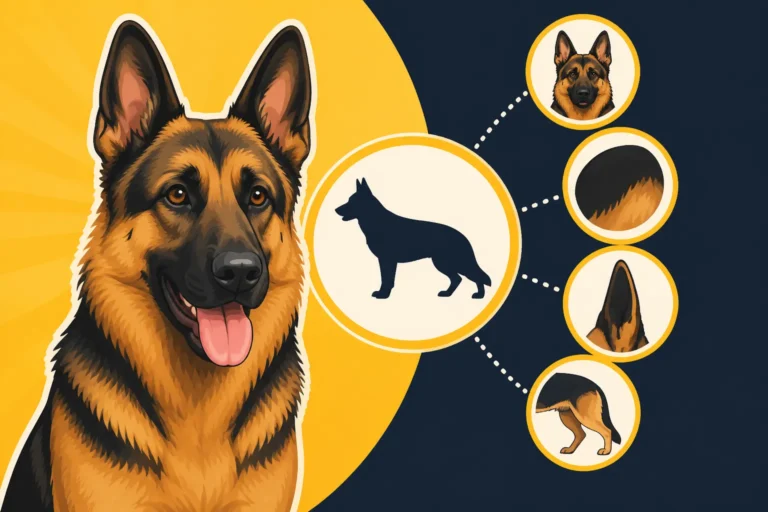
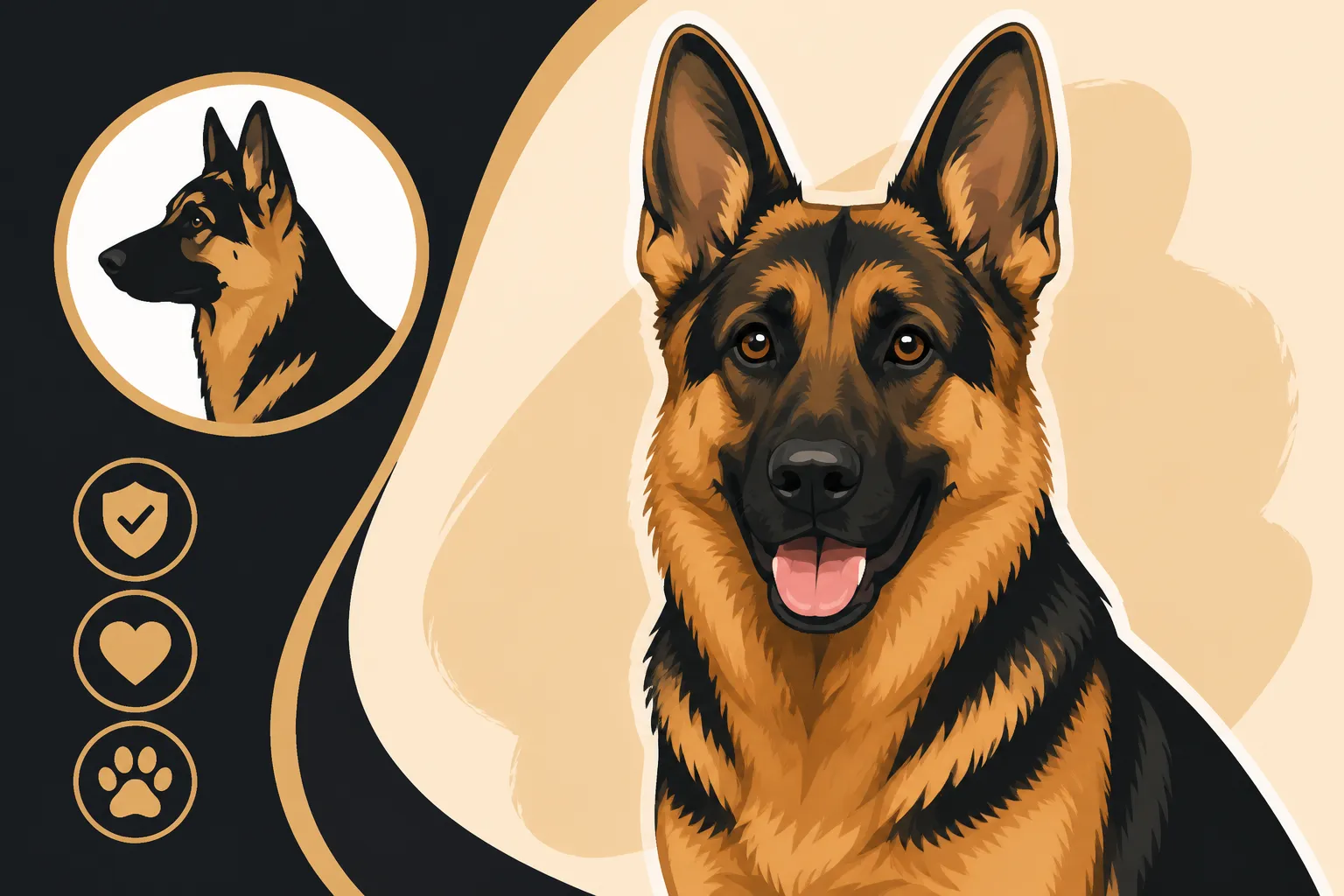
At its heart, the black and tan pattern on a German Shepherd is characterized by a distinct "saddle" of black fur across the back, often extending down the sides and tail, contrasted by areas of tan or red-tan on the legs, chest, and muzzle. Think of it like a dark blanket draped over a lighter body. The black is typically rich and deep, while the tan provides a warm, often vibrant contrast. This pattern isn't just a random splash of colors; it's a specific genetic expression that has been favored and bred for over generations, making it a hallmark of the German Shepherd breed standard.
This striking contrast isn't merely aesthetic; it's deeply ingrained in the breed's visual identity. When you see a German Shepherd working or even just playing in the park, the black and tan pattern often stands out, highlighting their powerful physique and alert posture. Many breeders and enthusiasts consider this classic pattern to be the epitome of German Shepherd beauty, a testament to their heritage and careful development. If you're considering bringing one of these dogs into your home, understanding their German Shepherd Breed Guide can help you appreciate their entire lineage and what makes them so special.
Beyond the Tan: Variations in Shades
While "black and tan" sounds straightforward, the "tan" part of the equation actually encompasses a spectrum of shades. You might encounter German Shepherds where the lighter coloration is a pale, almost creamy fawn, or others where it deepens into a rich, fiery red. These variations are all considered part of the black and tan family and are equally accepted within the breed standard. The intensity of the tan can sometimes even change slightly as the dog matures, with puppies often starting lighter and developing deeper hues over their first year or two.
Consider the "black and red" variation, for instance. Here, the tan areas are a much more intense, almost mahogany red, creating an even bolder contrast with the black saddle. Then there are dogs with a more subdued tan, often referred to as "sable-tan" or simply a lighter tan. These nuances add to the individual beauty of each dog, making no two quite alike even within the same color family. It's also worth noting that the distribution of these colors can vary; some dogs have a very pronounced black saddle, while others might have more extensive tan markings. This diversity in German Shepherd Colors and Coat Types ensures that there's a stunning variation for every preference.
Here’s a quick overview of common Black and Tan German Shepherd variations:
| Feature | Classic Black & Tan | Black & Red | Black & Cream/Fawn |
|---|---|---|---|
| Black Saddle | Distinct, solid black | Distinct, solid black | Distinct, solid black |
| Tan Areas | Medium to dark tan | Rich, deep red/mahogany | Pale cream to light fawn |
| Contrast | Strong and clear | Very striking, vibrant | Softer, more subtle |
| Commonality | Most common, highly recognizable | Very popular, often seen in show lines | Less common than classic/red, but present |
| Overall Look | Traditional, noble | Bold, intense | Elegant, delicate |
Temperament and Personality: Is There a Difference?
It’s a natural question to ask: does a German Shepherd's coat color influence its personality? We often see certain colors associated with different traits in other breeds, leading owners to wonder if their black and tan companion might be inherently different from, say, a sable or all-black German Shepherd. The short answer is no, but let's dive into why.
The German Shepherd Standard Temperament
The German Shepherd is renowned for a specific set of temperament traits that are inherent to the breed, not dependent on coat color. These dogs are known for their unwavering loyalty, incredible intelligence, and strong protective instincts. They are confident, courageous, and possess a remarkable work ethic, which is why they excel in roles like police work, search and rescue, and service dog duties. A well-bred German Shepherd, regardless of its coat color, should exhibit these core characteristics. They are highly trainable, eager to please, and form deep bonds with their families, often becoming a shadow to their chosen human.
However, it's also important to acknowledge that every dog is an individual. While the breed standard sets a baseline, factors like early socialization, training, and genetics from specific lines (working line vs. show line, for example) play a much more significant role in shaping a German Shepherd's personality than its color ever will. If you're concerned about your dog's behavior, reading up on German Shepherd Behavior Problems and Solutions can provide valuable insights into common issues and how to address them.
Dispelling Color-Related Personality Myths
It's a common misconception, often heard in casual conversations, that certain coat colors are linked to specific temperaments. For instance, some might believe that all-black German Shepherds are more intense or that lighter-colored ones are softer. With black and tan German Shepherds, there are no scientifically supported or widely accepted breed standards that link their specific coloration to any unique personality traits. A black and tan German Shepherd will exhibit the same range of temperaments as any other color variation within the breed – from calm and watchful to energetic and playful.
What truly dictates a German Shepherd's temperament is its genetic lineage from health-tested parents and, perhaps even more importantly, the environment in which it is raised. Proper socialization from a young age is crucial for any German Shepherd, teaching them to be comfortable and confident around different people, places, and other animals. Early training also helps channel their intelligence and energy into positive behaviors. When considering a puppy, focus on the temperament of the parents and the breeder's practices, rather than getting caught up in superficial beliefs about coat color. Understanding German Shepherd Temperament and Personality in general terms is far more useful than looking for color-specific quirks.
Health Considerations Specific to Black and Tan?
When you’re looking at bringing a German Shepherd into your life, especially a gorgeous black and tan one, health is naturally a top priority. Many potential owners wonder if certain coat colors are predisposed to particular ailments. It’s a valid question, as in some breeds, certain color genes can indeed be linked to specific health issues.
Genetic Health and Coat Color
The good news is that for black and tan German Shepherds, their distinctive coloring is not directly linked to any specific health problems unique to that coloration. Unlike some breeds where dilute colors can be associated with skin conditions or certain patterns with deafness, the genes responsible for the black and tan pattern do not carry an increased risk for specific illnesses. This means that a black and tan German Shepherd is, from a genetic health perspective related to color, just as healthy as an all-black, sable, or any other standard colored German Shepherd.
The critical factor for the health of your black and tan German Shepherd, as with any German Shepherd, lies in responsible breeding practices and the overall genetic health of their lineage. Breeders who prioritize German Shepherd Genetic Health Testing for conditions common in the breed, such as hip and elbow dysplasia, degenerative myelopathy (DM), and certain eye conditions, are far more important than the specific shade of tan. These tests help ensure that parents are not passing on known genetic predispositions to their offspring.
General German Shepherd Health Overview
While the black and tan coloration itself doesn't introduce unique health risks, German Shepherds as a breed do have a propensity for certain genetic and common health conditions. These are important for any German Shepherd owner to be aware of, regardless of their dog's coat color. The most well-known issues include:
- Hip and Elbow Dysplasia: These are hereditary conditions where the joints don't form properly, leading to arthritis and pain. German Shepherd Hip Dysplasia Explained is a common concern, and responsible breeders will have their breeding stock screened through organizations like OFA or PennHIP.
- Degenerative Myelopathy (DM): This is a progressive neurological disease affecting the spinal cord, leading to weakness and paralysis in the hind limbs. While there's a DNA test for DM, it's important to remember that carrying the gene doesn't guarantee the dog will develop the disease. For more on this, check out Degenerative Myelopathy in German Shepherds.
- Bloat (Gastric Dilatation-Volvulus): A life-threatening condition where the stomach fills with gas and can twist. It's not genetic in the same way as dysplasia, but large, deep-chested breeds like German Shepherds are more susceptible. Knowing the signs and prevention methods, like those discussed in German Shepherd Bloat: Signs and Prevention, is crucial.
- Exocrine Pancreatic Insufficiency (EPI): A digestive disorder where the pancreas doesn't produce enough enzymes to digest food properly.
Regular veterinary check-ups, a balanced diet, appropriate exercise, and maintaining a healthy weight are all critical components in helping to How to Keep a German Shepherd Healthy and potentially extend their German Shepherd Lifespan: How Long They Live.
Care and Grooming for the Black and Tan Coat
The stunning black and tan coat of your German Shepherd isn't just beautiful; it's also practical, designed to protect them from various elements. However, like all double-coated breeds, it requires consistent care and grooming to keep it healthy, shiny, and to manage the inevitable shedding.
Maintaining Coat Health and Luster
The German Shepherd's coat consists of a dense, harsh outer coat and a softer, thicker undercoat. This double layer provides insulation against both cold and heat, and protects their skin. To keep that beautiful black and tan looking its best, regular brushing is non-negotiable. Aim for brushing at least 2-3 times a week, and even daily during shedding seasons (which seem to be "all the time" for German Shepherds, right?). A slicker brush, an undercoat rake, and a de-shedding tool are your best friends here. These tools help remove loose fur from both layers, preventing mats and distributing natural oils that keep the coat glossy. You can often find a great selection of these grooming essentials on sites like Chewy.
Beyond brushing, occasional bathing with a high-quality dog shampoo is beneficial. Over-bathing can strip natural oils, so unless your dog has rolled in something truly offensive, a bath every 1-2 months is usually sufficient. Always ensure you thoroughly rinse out all shampoo to prevent skin irritation. A diet rich in Omega-3 and Omega-6 fatty acids, often found in quality dog foods or as supplements, can also contribute significantly to a healthy, shiny coat, regardless of whether you pick up your dog's food from a local pet store or order it conveniently online from places like Chewy.
Shedding Realities (and How to Cope!)
Let's be real: German Shepherds shed. A lot. This isn't unique to the black and tan variety; it's a characteristic of the breed's double coat. They "blow" their undercoat twice a year, typically in spring and fall, when you might feel like you're perpetually living in a snowstorm of dog hair. But even outside of these major blow-outs, there's a constant, steady stream of shedding year-round. Accepting this reality is the first step! For a deeper dive into managing this, check out German Shepherd Shedding: How to Manage It.
Coping with shedding involves consistent grooming, as mentioned above, but also a few other strategies. Investing in a good quality pet vacuum cleaner designed for pet hair is a game-changer. Regular cleaning of your home, including vacuuming and dusting, will become part of your routine. You might also find lint rollers and furniture covers to be invaluable tools. Many German Shepherd owners find that professional grooming during heavy shedding periods, where groomers use high-velocity dryers to blast out loose undercoat, can make a huge difference in managing the amount of hair in your home. Remember, a clean, well-maintained coat is not only good for your home but also for your dog's skin health and comfort. For all your grooming needs, from brushes to special shampoos, browsing a wide selection on Chewy can be incredibly helpful.
Disclaimer
This article is for general informational purposes only and does not constitute professional advice. Laws, prices and regulations vary by location and change over time. Consult a qualified professional for guidance on your specific situation.