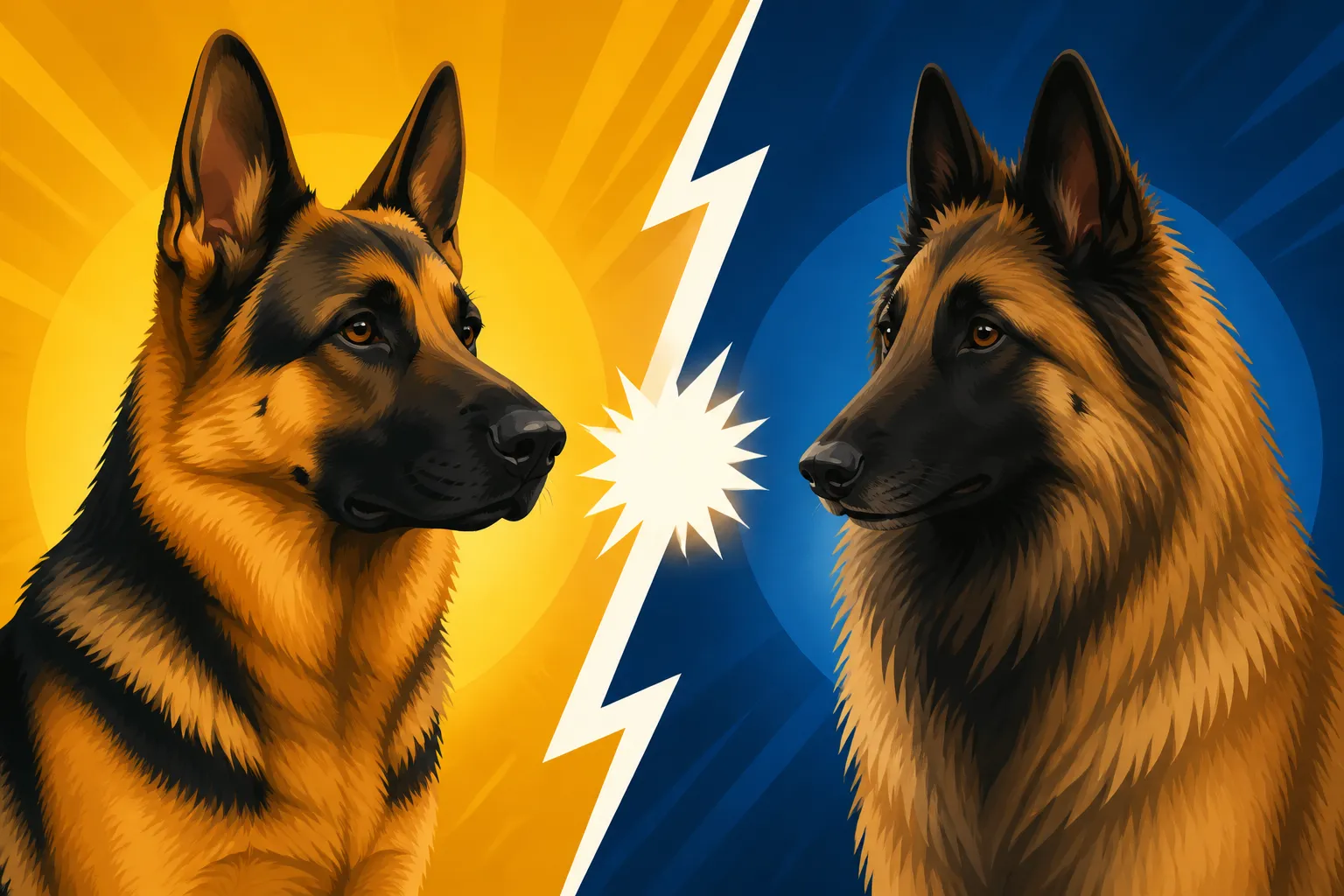
German Shepherd vs Belgian Tervuren
Deciding on the right canine companion can feel like navigating a maze, especially when you're drawn to breeds known for their intelligence and loyalty. Many aspiring dog parents find themselves weighing the pros and cons of magnificent dogs like the German Shepherd and the Belgian Tervuren, wondering which one will truly fit into their lives. This comprehensive guide will meticulously compare these two remarkable breeds, helping you understand their unique temperaments, needs, and what makes each of them truly special.
Understanding the German Shepherd
The German Shepherd is a breed that truly needs no introduction. Renowned for their intelligence, courage, and versatility, they have served in countless roles from police and military work to loyal family guardians. However, their widespread popularity often means that prospective owners might only see the surface, missing the intricate details of what makes a German Shepherd tick. They are a profound commitment, and understanding them deeply is the first step towards a harmonious life together.
Temperament and Personality
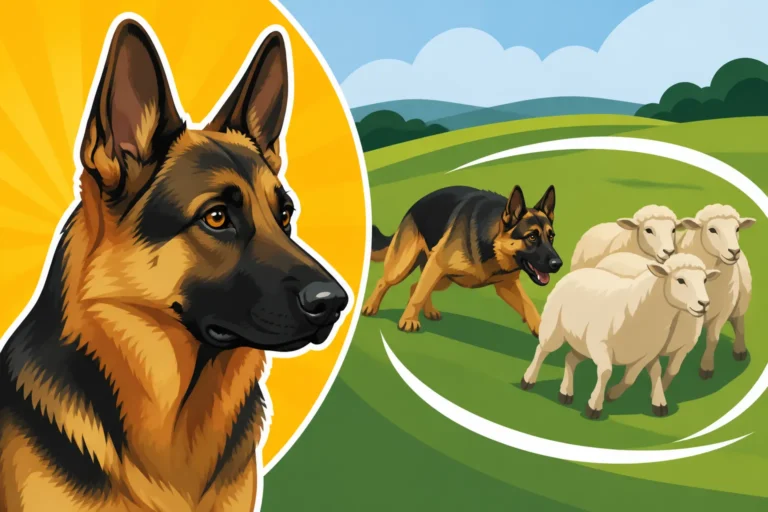
German Shepherds are, first and foremost, incredibly intelligent and capable dogs. They possess a keen desire to work and please their handlers, which is why they excel in so many disciplines. When properly socialized and trained, they are steadfastly loyal to their families, often forming a deep, protective bond. This loyalty translates into a naturally watchful nature; they are excellent guard dogs, always aware of their surroundings. You'll often find them observing everything from a quiet corner, ready to spring into action if they perceive a threat.
However, this inherent protectiveness and strong drive also mean they require clear leadership and consistent training from a young age. Without it, a German Shepherd can become overly protective, anxious, or even destructive. They thrive on having a job to do, whether it's advanced obedience, agility, or simply being your walking companion. Neglecting their mental and physical needs can lead to frustration for both the dog and the owner. Their sensitive side is also something many people overlook; while they are tough and resilient, they are also deeply connected to their human families and can suffer from separation anxiety if not managed well. German Shepherd Temperament and Personality delves deeper into these traits.
Physical Characteristics and Appearance
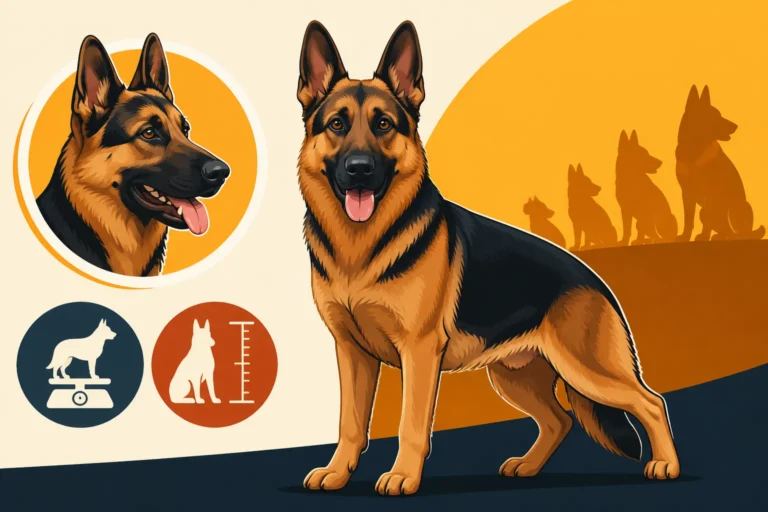
German Shepherds are powerful, agile dogs built for endurance and strength. Males typically stand between 24-26 inches at the shoulder and can weigh anywhere from 65-90 pounds, while females are slightly smaller, 22-24 inches and 50-70 pounds. They have a distinctive, noble head, erect ears, and an alert expression. Their double coat, which can be medium or long, is dense and comes in a variety of colors, most commonly black and tan, black and red, sable, and solid black. This coat is designed to protect them from various weather conditions, and as such, they are known for being significant shedders, especially during seasonal coat blows.
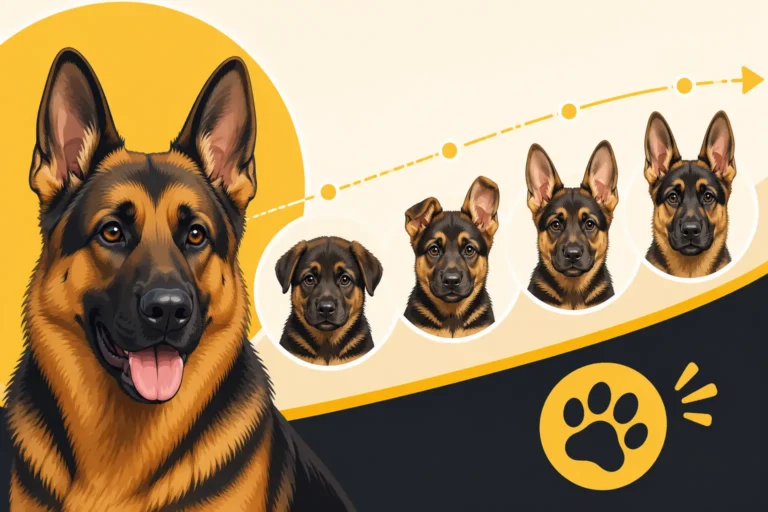
Their gait is smooth and flowing, giving them an impression of effortless power. This build is critical for their working capabilities, allowing them to cover ground efficiently. Unfortunately, some lines have been bred for exaggerated angulation in the hindquarters, which can sometimes lead to structural problems. When looking at a German Shepherd, you want to see a balanced, athletic dog, not one that looks overly dramatic in its stance. Understanding their physical needs is key to keeping them healthy. For more on their physical growth and expected size, see German Shepherd Size and Weight Guide.
Health Concerns Specific to the Breed
Like many large breeds, German Shepherds are predisposed to certain health conditions that responsible owners should be aware of. Hip and elbow dysplasia are perhaps the most well-known, involving abnormal development of the hip and elbow joints, which can lead to arthritis and pain. German Shepherd Hip Dysplasia Explained provides extensive information on this issue. Another serious concern is Degenerative Myelopathy (DM), a progressive neurological disease affecting the spinal cord, often mimicking hip dysplasia in its early stages. Bloat (Gastric Dilatation-Volvulus or GDV) is also a life-threatening condition where the stomach twists, and prompt veterinary attention is crucial.
Other conditions can include various cancers, skin allergies, and Exocrine Pancreatic Insufficiency (EPI). The good news is that many reputable breeders perform extensive health screenings on their breeding stock to minimize the risk of passing on genetic conditions. For a comprehensive overview of common ailments, you can refer to German Shepherd Health Problems Guide. Regular veterinary check-ups and a healthy lifestyle are paramount in managing and potentially preventing these issues.
Delving into the Belgian Tervuren
The Belgian Tervuren is one of the four varieties of Belgian Shepherd Dogs, often mistaken for a long-haired German Shepherd due to superficial similarities. However, the Tervuren is a distinct breed with its own unique characteristics, particularly in temperament and origin. They are equally stunning and intelligent, but their nuances make them a different proposition entirely.
Temperament and Personality
Belgian Tervurens are brilliant, sensitive, and highly energetic dogs. They possess a strong herding instinct and an intense desire to be involved in their family's lives. Unlike some German Shepherds who can be a bit aloof with strangers, Tervurens tend to be very devoted and affectionate with their chosen people, though they can be reserved or watchful around newcomers. Their intelligence is off the charts, but it's often coupled with a higher degree of sensitivity compared to German Shepherds. This means they respond best to positive reinforcement training and can easily become stressed or shut down with harsh corrections.
They need constant mental stimulation and physical exercise to be happy and well-adjusted. A bored Tervuren is a destructive Tervuren, and they will find ways to entertain themselves if you don't provide adequate outlets – often involving chewing, digging, or excessive barking. They thrive in active homes where they can participate in dog sports like agility, obedience, flyball, or even herding trials. Their high drive and sharp minds mean they learn quickly, but they also require an owner who understands how to channel that energy productively. Without a job, even a seemingly simple one, they can become high-strung.
Physical Characteristics and Appearance
The Belgian Tervuren is an elegant, medium-sized dog with a graceful yet powerful build. Males typically stand 24-26 inches tall and weigh 55-75 pounds, while females are 22-24 inches and 45-60 pounds. They are known for their striking double coat, which is long, dense, and typically fawn to mahogany in color, often with a black overlay (called "carbonizing") and a black mask. Their coat is particularly thick around the neck, forming a beautiful ruff, and they have feathering on their legs and tail. Their almond-shaped, dark eyes convey an intelligent and questioning expression, and their ears are erect and triangular.
The Tervuren's body is square-proportioned, meaning their length from shoulder to rump is roughly equal to their height. This gives them an athletic, balanced appearance, distinct from the sometimes more elongated or angular profile of some German Shepherd lines. Like German Shepherds, they are heavy seasonal shedders and require consistent grooming to keep their coats healthy and free of mats. Regular brushing, at least a few times a week, and more frequently during shedding seasons, is essential. You can find excellent grooming tools and brushes designed for double-coated breeds on platforms like Chewy.
Health Concerns Specific to the Breed
Belgian Tervurens are generally a healthy breed, but they do have some predispositions to certain conditions. Like German Shepherds, hip and elbow dysplasia can occur. Eye conditions such as progressive retinal atrophy (PRA) are also noted in the breed, making regular eye exams important. Epilepsy, a neurological disorder causing seizures, is another concern that responsible breeders screen for.
Thyroid issues, specifically hypothyroidism, can sometimes affect Tervurens, leading to symptoms like lethargy, weight gain, and coat problems. While not as prone to bloat as some deeper-chested breeds, it's still a risk that owners should be aware of and take preventative measures for. Genetic health testing is crucial for breeders to help mitigate the spread of these conditions. German Shepherd Genetic Health Testing discusses the importance of such screening, which is equally vital for Tervurens.
Key Differences and Similarities at a Glance
While both German Shepherds and Belgian Tervurens are intelligent, active, and protective breeds, their subtle differences can significantly impact which one is a better fit for a particular owner or family. Think of them as two highly capable athletes, but each specializing in a slightly different discipline.
Energy Levels and Exercise Needs
This is a critical area where both breeds share similarities but with a twist. Both are high-energy dogs, requiring substantial daily exercise to prevent boredom and destructive behaviors. However, the type of energy and how it needs to be channeled can differ.
- German Shepherd: German Shepherds need robust physical exercise – long walks, runs, hikes, and plenty of playtime. They also have a profound need for mental stimulation. Activities like obedience training, scent work, or even complex puzzle toys are essential. They can be more content with a vigorous walk and then settling down for a long chew session, especially as they mature. Consistency is key with them; a routine helps channel their powerful drive. They excel in activities like Schutzhund or IGP, which combine tracking, obedience, and protection. For more on exercise, see German Shepherd Exercise Requirements.
- Belgian Tervuren: Tervurens often have an even higher and more persistent energy level than many German Shepherds, coupled with an intense mental drive that requires constant engagement. They aren't usually satisfied with just a long walk; they need a job, a purpose, something that challenges their sharp minds and agile bodies. Dog sports like agility, flyball, competitive obedience, or herding are practically a requirement for a Tervuren to truly thrive. They are often described as "always on" and can become quite neurotic if their needs aren't met. This breed is not ideal for someone looking for a casual companion.
Training and Socialization Requirements
Both breeds are highly trainable due to their intelligence, but their approach to learning and the sensitivity of the handler can make a big difference.
- German Shepherd: German Shepherds are incredibly responsive to training, especially when it's firm, consistent, and fair. They thrive on clear rules and boundaries. While they can handle a more assertive training style, they still respond best to positive reinforcement. Early and extensive socialization is non-negotiable for a German Shepherd puppy to prevent potential reactivity or over-protectiveness towards strangers and other dogs. They need to understand their place in the world and what is expected of them. For a guide on early training, check out How to Train a German Shepherd.
- Belgian Tervuren: Tervurens are also highly intelligent and eager to please, but they are often more sensitive than German Shepherds. They excel with positive reinforcement, reward-based training methods, and a gentle but consistent hand. Harsh corrections can easily damage their confidence and lead to a shut-down dog. Their high drive means they pick up commands quickly, but their sensitive nature also means they internalize experiences deeply. Like German Shepherds, early and thorough socialization is absolutely crucial to help them develop into well-adjusted adults, especially given their watchful nature. Their alertness means they notice everything, so exposing them positively to a wide variety of sights, sounds, and people from a young age is paramount. How to Socialize a German Shepherd offers great advice on this.
Suitability for Different Lifestyles
Choosing between these two breeds really comes down to an honest assessment of your lifestyle, experience, and what you're truly looking for in a dog.
- German Shepherd: They are wonderful companions for active individuals or families who are committed to providing consistent training, socialization, and plenty of exercise. They can adapt to various living situations, including homes with yards or even apartments, provided their exercise and mental stimulation needs are met. They bond fiercely with their family and can be fantastic with children and other pets if properly introduced and raised together. Their protective instincts make them excellent guardians.
- Belgian Tervuren: Tervurens are best suited for highly active, experienced dog owners who are ready to dedicate significant time to training, dog sports, and daily mental and physical challenges. They thrive in homes where they are an integral part of the family's activities. They might be a bit too "much dog" for first-time owners or those with a more laid-back lifestyle. Their intense drive and sensitivity require an owner who understands breed-specific traits and can provide consistent, positive guidance. While great with families, their energy levels mean they might be overwhelming for very young children or fragile elderly individuals without careful management.
Here's a quick comparison table to summarize some key differences:
| Feature | German Shepherd | Belgian Tervuren |
|---|---|---|
| Origin | Germany | Belgium |
| Primary Purpose | Herding, guarding, police/military, companion | Herding, agility, obedience, companion |
| Size (Male) | 24-26 inches, 65-90 lbs | 24-26 inches, 55-75 lbs |
| Coat Type | Double coat, medium or long; various colors (black & tan common) | Double coat, long; fawn to mahogany with black overlay, black mask |
| Energy Level | High; needs significant physical & mental exercise | Very High; needs intense physical & mental engagement, often dog sports |
| Temperament | Confident, loyal, protective, intelligent, can be aloof with strangers | Intelligent, sensitive, agile, devoted, reserved with strangers, "always on" |
| Training Response | Highly trainable, responds to consistent, firm leadership | Highly trainable, excels with positive reinforcement, sensitive to harshness |
| Shedding | Heavy, especially seasonally | Heavy, especially seasonally |
| Common Health Issues | Hip/Elbow Dysplasia, DM, Bloat, EPI, various cancers | Hip/Elbow Dysplasia, PRA, Epilepsy, Hypothyroidism |
Making the Right Choice for Your Home
Choosing between a German Shepherd and a Belgian Tervuren isn't just about picking the prettier dog; it's about making a lifelong commitment to a sentient being with specific needs. Both breeds are incredible in their own right, but they require different levels of experience and different types of environments to truly flourish.
Assessing Your Lifestyle and Experience
Before you bring either of these magnificent dogs home, take a brutally honest look at your own life.
- Time Commitment: Do you have several hours each day to dedicate to exercise, training, and mental enrichment? Both breeds demand a significant time investment. A German Shepherd might be satisfied with two good walks, a training session, and some yard play, while a Tervuren might need more structured activities like a daily run, an agility class, and complex puzzle work to truly feel fulfilled.
- Experience Level: Are you a first-time dog owner? While dedicated first-timers can succeed with a German Shepherd with professional guidance, a Tervuren is generally recommended for experienced handlers due to their heightened sensitivity and intense drive. Their sharp minds and persistent energy can be overwhelming for those not accustomed to working with high-drive breeds.
- Active Lifestyle: How active are you? If your idea of exercise is a leisurely stroll around the block, neither of these breeds is for you. They need partners who enjoy hiking, running, biking, or participating in dog sports. Consider how easily you can integrate a dog into your active pursuits. Many owners find robust interactive toys and training tools on sites like Chewy to be invaluable for keeping these intelligent dogs engaged.
- Patience and Consistency: Both breeds respond best to consistent, patient training. They are intelligent and will test boundaries. Are you prepared to be the calm, consistent leader they need, even when faced with puppy antics or adolescent challenges? German Shepherds, in particular, thrive on structure.
Considerations for Families and Other Pets
How these dogs integrate into a family with children or other animals is another crucial factor.
- Children: Both German Shepherds and Belgian Tervurens can be excellent family dogs. German Shepherds often form strong bonds with children and can be very protective, viewing them as part of their flock. However, their size and natural herding instinct mean supervision is always necessary, especially with very young children, to prevent accidental knocking over or nipping during play. A well-socialized and trained German Shepherd can be a lifelong friend to a child. For insights into their family suitability, check out Are German Shepherds Good Family Dogs.
- Other Dogs: When properly socialized from a young age, both breeds can live peacefully with other dogs. German Shepherds generally do well with other dogs, especially if raised together. Tervurens, with their strong prey drive and herding instincts, might require more careful introductions to smaller animals or even other dogs, especially those of the same sex. Their energy can also be overwhelming for more sedate canine companions.
- Cats and Small Pets: This requires careful consideration. Both breeds have a strong prey drive. While it's possible for them to coexist with cats or other small pets if raised with them from puppyhood and properly managed, it's not a guarantee. The Tervuren's herding and prey drive can be particularly intense, and they might view small, fast-moving animals as something to chase. Careful management, training, and never leaving them unsupervised with small pets are essential for safety.
Ultimately, the German Shepherd offers a powerful, intelligent, and fiercely loyal companion, often with a slightly more robust and less sensitive disposition, suitable for an active, committed owner. The Belgian Tervuren, while equally intelligent and loyal, brings an even higher intensity of energy and a more sensitive nature, making them a superb choice for experienced handlers deeply involved in dog sports or working disciplines. Either way, you're choosing a truly exceptional dog. Don't forget to stock up on essentials like high-quality food, durable toys, and grooming supplies from trusted retailers like Chewy before your new companion arrives!
Disclaimer
This article is for general informational purposes only and does not constitute professional advice. Laws, prices and regulations vary by location and change over time. Consult a qualified professional for guidance on your specific situation.