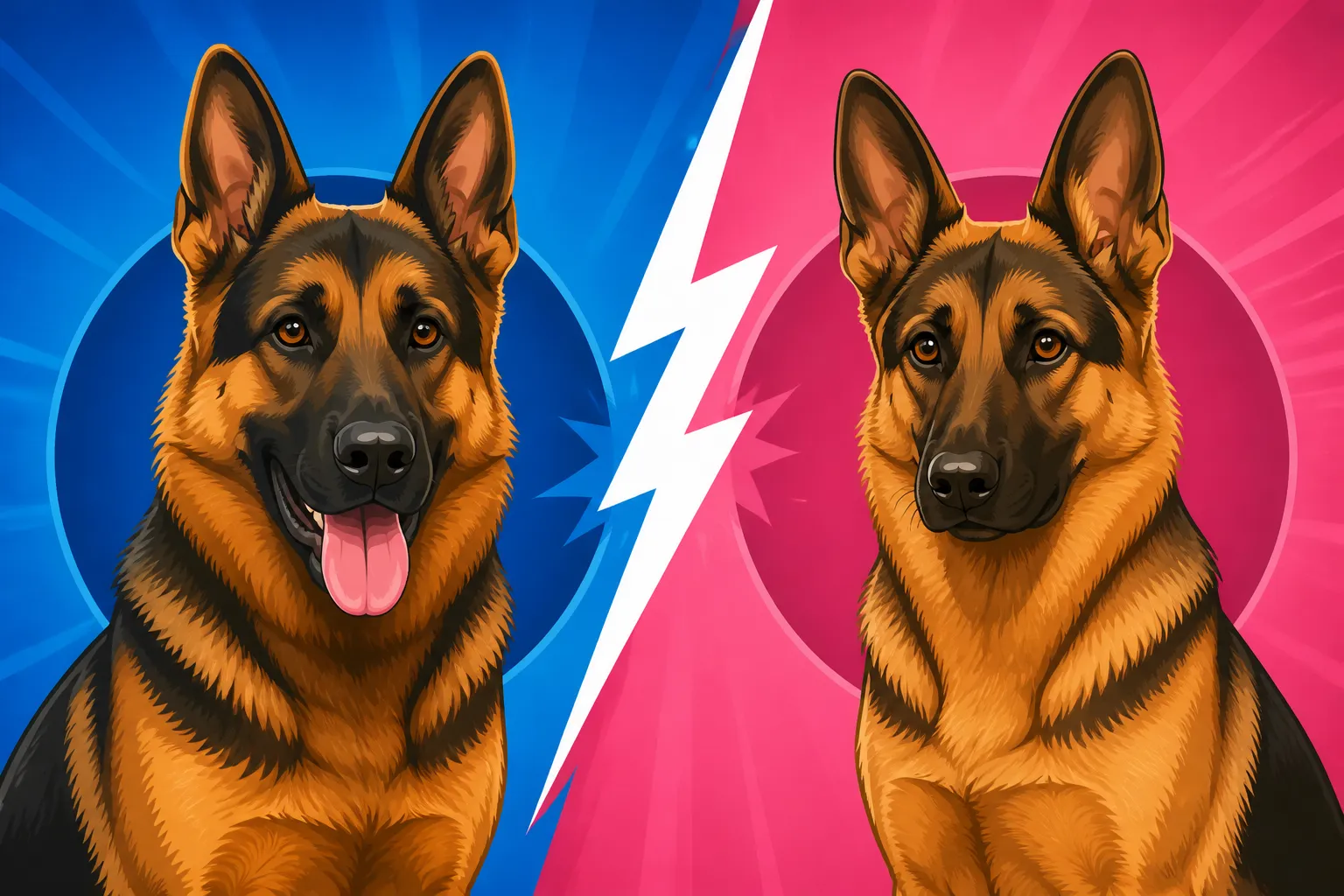
Male vs Female German Shepherd
Deciding whether to bring a male or female German Shepherd into your home is a huge decision that often leaves prospective owners feeling a bit overwhelmed. You've probably heard all sorts of anecdotes—males are more dominant, females are sweeter, or perhaps the reverse! It's tough to sift through the hearsay and figure out what's truly best for your family and lifestyle. This comprehensive guide is here to cut through the confusion, offering a realistic, in-depth look at the typical differences between male and female German Shepherds so you can make an informed choice with confidence.
The Core Differences in Physical Traits
When you first start looking at German Shepherds, one of the most immediate and noticeable distinctions you'll encounter is their physical appearance. While both sexes are undeniably majestic and powerful, there are some pretty clear differences in their size, build, and overall stature that can impact everything from their presence in your home to the type of exercise they need. It’s not just about aesthetics; these physical attributes play a role in their behavior and needs.
Size, Weight, and Stature
Generally speaking, male German Shepherds tend to be significantly larger and more heavily built than their female counterparts. Imagine seeing a full-grown male at the dog park – he often possesses a broader chest, a more substantial head, and a greater overall musculature. A typical male German Shepherd can weigh anywhere from 65 to 90 pounds and stand between 24 to 26 inches tall at the shoulder. They have a commanding presence that's hard to miss, often looking more robust and powerful.
Females, on the other hand, while still large and athletic dogs, are usually more refined and lighter in build. They typically weigh between 50 to 70 pounds and stand 22 to 24 inches tall. Their frames are often more agile and less "blocky" than males, with a slightly more graceful appearance. This difference in size can be a significant factor for families, especially if you have younger children or if you're looking for a dog that might be slightly easier to manage on a leash during walks. While both are strong, controlling a 90-pound male can be a different experience than managing a 60-pound female. If you're curious about specific measurements, our German Shepherd Size and Weight Guide goes into even more detail.
Sexual Dimorphism and Appearance Nuances
Beyond just overall size and weight, there are other subtle but distinct differences in appearance between male and female German Shepherds, a phenomenon known as sexual dimorphism. Males often have a more pronounced, masculine head shape, sometimes referred to as a "stud dog" look. Their muzzles might be broader, and their skulls more domed. Their coats might also appear slightly thicker or denser, particularly around the neck, giving them a more lion-like mane in some cases.
Female German Shepherds typically exhibit a more feminine head and facial structure, often described as more delicate or refined. Their expressions can appear softer, and their overall body lines are smoother. While both sexes can have beautiful double coats, a female's coat might seem slightly less voluminous. These subtle differences contribute to the overall impression each sex makes. When looking at puppies, these distinctions are less obvious, but they become much more apparent as the dogs mature into adulthood, usually around 12-18 months of age. Understanding these nuances can help you appreciate the specific beauty of each sex, but more importantly, it helps set expectations for how your puppy will grow and develop over time.
Unpacking Temperament and Personality
Beyond the visual, the heart of the "male vs. female" debate often lies in their temperament and personality. It's here that individual variations really shine through, but general trends can certainly be observed. People often have strong opinions, and it’s true that each sex can bring a slightly different dynamic to your home. We'll explore some of the common traits associated with males and females, keeping in mind that these are generalizations and individual dogs will always have their own unique quirks. For a deeper understanding of the breed's general disposition, you might want to read our article on German Shepherd Temperament and Personality.
Dominance, Affection, and Bonding
When it comes to dominance, male German Shepherds are often perceived as being more assertive and sometimes prone to challenging boundaries, especially if not properly trained and socialized from a young age. They can be more inclined to test their owners, and in multi-dog households, intact males might exhibit more territorial or dominant behaviors towards other males. This isn't to say they are inherently aggressive, but their natural drive to establish a pecking order can be more pronounced. However, males are also renowned for their deep, unwavering loyalty and affection towards their family. They often form intense bonds with their primary caretaker, sometimes earning them the nickname "Velcro dogs" for how closely they stick to their chosen human. Their affection can be incredibly demonstrative, seeking physical closeness and often leaning into you or resting their heads on your lap.
Female German Shepherds, while still strong-willed, are generally considered to be less inclined towards overt dominance displays, particularly with their human family. They tend to be more agreeable and focused on pleasing their owners, which can make them seem easier to train for some. Females are often described as more independent yet equally loving, forming strong bonds with the entire family rather than focusing on just one individual. Their affection might be expressed a bit more subtly than a male's, but it is just as profound. They are often seen as more nurturing and can be incredibly gentle, especially with children or other small pets, provided they are well-socialized. This balanced affection can be a real plus for busy family homes where attention is often split among many members.
Energy Levels and Play Drive
Both male and female German Shepherds are high-energy dogs, bred for work and requiring significant physical and mental stimulation. However, there can be subtle differences in how they express this energy and their play drive. Male German Shepherds often maintain a robust, almost puppy-like enthusiasm for play well into their adulthood. They can be tireless, ready for a game of fetch or a long hike at a moment's notice. Their play can be more boisterous and physically demanding, often involving wrestling, tug-of-war, and high-impact running. This consistent high energy requires an owner who is equally committed to providing ample exercise and mental challenges to prevent boredom and destructive behaviors.
Female German Shepherds, while certainly energetic, might exhibit a slightly more modulated play drive. They enjoy their playtime immensely but might be more prone to periods of calm or introspection between bursts of activity. Their play can still be vigorous but might lean more towards agility, chasing, or mentally engaging games. For example, a female might be just as happy with a challenging puzzle toy from Chewy as she is with an intense session of fetch, whereas a male might consistently push for more physical exertion. As they age, some females may settle down a bit faster than males, though this is not a universal rule. Regardless of sex, understanding German Shepherd Exercise Requirements is crucial for their well-being.
Protective Instincts and Guarding Behavior
German Shepherds are renowned for their protective nature and their inherent guarding instincts, traits that are deeply embedded in their breed history. These qualities are present in both sexes, but they can manifest differently. Male German Shepherds often display a more overt and intimidating protective stance. Their larger size and deeper bark naturally convey a sense of authority and deterrence. They are typically quick to perceive threats and may be more inclined to place themselves between their family and perceived danger. This strong protective drive makes them excellent guard dogs, but it also means that early and consistent How to Socialize a German Shepherd is absolutely critical to ensure they discern true threats from harmless situations. Without proper guidance, their protective instincts can become misdirected or excessive.
Female German Shepherds are equally protective of their families, but their approach might be more nuanced or strategic. While they are fully capable of standing their ground and alerting to intruders, their protection might stem more from a maternal instinct to care for their "pack." They might be more observant and assess situations before reacting, rather than immediately confronting. This isn't to say they are less effective guardians; a protective female German Shepherd can be just as formidable. Their protective instincts, combined with their generally more agreeable nature, can sometimes make them a more approachable family guardian for those who want the security without the constant assertion of dominance. Both sexes will form a strong bond and take their role as family protector seriously, but the expression of that protection can vary.
Training Dynamics and Socialization Needs
Training a German Shepherd is a commitment, regardless of whether you choose a male or a female. This breed is highly intelligent and eager to please, making them generally responsive to consistent, positive reinforcement methods. However, there can be some subtle differences in how males and females approach training and their socialization needs, which can be helpful to keep in mind as you embark on this journey. Our How to Train a German Shepherd guide provides a great foundation for any owner.
Trainability and Focus
Male German Shepherds, particularly if they are intact, can sometimes be more easily distracted during training, especially as adolescents. Their curiosity about their environment, other dogs, and potential mates can sometimes pull their focus away from the task at hand. This means that training sessions with males often require a bit more patience, consistency, and a higher value of reward to maintain their attention. They thrive on clear, firm, and fair leadership, and once they understand the boundaries and expectations, they can be incredibly dedicated learners. Their drive to work and please their owner is strong, but it might take a bit more effort to harness that focus initially. With dedicated effort, especially during their puppyhood, you can raise an incredibly well-behaved male. For specific guidance, look into our German Shepherd Puppy Training Guide.
Female German Shepherds are often perceived as being slightly easier to train, especially for novice owners. They tend to mature a little faster mentally and can be more focused during training sessions, perhaps less prone to the "teenage" distractions that sometimes plague male puppies. Their inherent desire to please often translates into a keen eagerness to learn and respond to commands. This isn't to say females don't require consistency or can't be stubborn, but many owners report that females are quicker to pick up new commands and more reliably follow instructions. They can be incredibly motivated by praise and affection, making them highly rewarding partners in training. Both sexes excel in various dog sports like agility, obedience, and IGP, but the journey to get there might feel slightly different depending on their individual personalities and, to some extent, their sex.
Socializing with Other Animals and People
Socialization is paramount for all German Shepherds, critical for developing a well-adjusted and confident companion. However, the approach and potential challenges can differ between males and females. Male German Shepherds, particularly intact males, can sometimes be more prone to same-sex aggression, especially with other intact males. Their natural dominance drives might lead to confrontations if not managed carefully from a young age. Early and continuous exposure to a wide variety of friendly dogs, both male and female, is essential. They need to learn appropriate dog-to-dog communication and understand that not every male is a rival. With proper socialization, most males can coexist peacefully, but owners must be vigilant and proactive.
Female German Shepherds tend to be less prone to same-sex aggression, although it can certainly occur, especially if two strong-willed females are housed together. More often, females might exhibit a more selective approach to friendships, sometimes preferring to ignore rather than engage in conflict. Their socialization needs are just as vital: exposure to various people, places, sounds, and other dogs is crucial for building their confidence and preventing fear-based or reactive behaviors. A well-socialized female German Shepherd is often more adaptable and comfortable in diverse social settings, making her a wonderful companion for outings and gatherings. Regardless of sex, remember that socialization is an ongoing process throughout your German Shepherd's life, not a one-time event.
Health Considerations and Lifespan Variations
The health and longevity of your German Shepherd are deeply influenced by genetics, diet, exercise, and veterinary care. While both sexes are susceptible to certain breed-specific ailments, there can be subtle differences in prevalence or how these conditions impact males and females. Understanding these nuances can help you provide the best possible care for your furry family member. For a general overview of breed health, our German Shepherd Health Problems Guide is a valuable resource.
Breed-Specific Health Issues
German Shepherds are unfortunately predisposed to several significant health issues, with hip and elbow dysplasia being among the most common. German Shepherd Hip Dysplasia Explained is a condition where the hip joint doesn't form properly, leading to arthritis and pain. While both sexes can suffer from this, males, due to their larger size and heavier build, can sometimes experience more severe symptoms or show signs earlier because of the increased stress on their joints. Their greater weight puts more strain on compromised joints, potentially exacerbating the condition. Similarly, conditions like Degenerative Myelopathy are neurological disorders that affect both sexes, but some studies suggest a slight increase in prevalence or earlier onset in males.
Female German Shepherds are not immune to these issues, of course. They can also suffer from dysplasia, but their lighter frame might offer a slight protective advantage in some cases, potentially leading to less severe symptoms or a slower progression of the disease. However, females have their own specific health considerations, particularly related to their reproductive system. Intact females are at a higher risk for mammary tumors and pyometra (a uterine infection), both of which can be life-threatening. Spaying generally eliminates these risks. Therefore, while both sexes have health challenges, the specific balance of risks can shift slightly depending on whether you choose a male or a female and whether they are spayed or neutered. Providing high-quality nutrition from brands like Royal Canin or Purina Pro Plan, available on Chewy, can also support overall health.
Longevity and Reproductive Health
The average German Shepherd Lifespan: How Long They Live is typically 9 to 13 years for both males and females. There isn't a significant, consistent difference in longevity directly attributable to sex alone. However, reproductive health choices can certainly impact a dog's lifespan and overall well-being. Unneutered male German Shepherds are at a higher risk of testicular cancer and prostate issues as they age. Neutering eliminates the risk of testicular cancer and significantly reduces the risk of certain prostate conditions. It can also help curb behavioral issues such as roaming, marking, and aggression towards other males.
As mentioned, intact female German Shepherds face risks such as pyometra, uterine cancer, and mammary tumors. Spaying, especially before their first heat cycle, significantly reduces the risk of these issues. However, some research suggests that early spaying or neutering in large breeds might be associated with an increased risk of certain orthopedic issues like hip and elbow dysplasia, as well as some cancers, though the research is complex and not entirely conclusive. This is why discussing the timing of spay/neuter with your veterinarian is so important, as it involves weighing these various health risks and benefits. It's a personal decision with significant implications for your German Shepherd's long-term health.
Daily Care, Exercise, and Management
Bringing a German Shepherd into your life means committing to a specific routine of daily care, exercise, and management. These are active, intelligent dogs that thrive on structure and engagement. While many aspects of their care are universal for the breed, there can be some minor differences in how intensely these needs are felt and expressed by males versus females.
Exercise Requirements
Both male and female German Shepherds have substantial exercise needs. They are not content to be couch potatoes and require daily physical activity to stay healthy, happy, and well-behaved. However, the sheer physical capacity of a larger male German Shepherd might mean they can handle, and indeed need, slightly more intense or prolonged exercise sessions. A full-grown male might comfortably accompany you on a 5-mile run, followed by a vigorous play session, and still have energy to spare. They often have the stamina for extended activities, thriving on challenges like long hikes, advanced agility, or protection work.
Female German Shepherds also require significant daily exercise, often including long walks, runs, and engaging play. They are typically just as eager for activity as males, but their slightly smaller stature might mean they reach their physical limits a little sooner or prefer bursts of intense activity interspersed with mental games. For example, a female might be perfectly satisfied with a robust 45-minute jog and then settle down with a chew toy, whereas a male might still be pacing, looking for more to do. Crucially, mental stimulation is just as important as physical exercise for both sexes. Puzzle toys, training sessions, and scent work can help burn off energy and keep their intelligent minds occupied, preventing boredom-induced destructive behaviors.
Grooming and Maintenance
German Shepherds are known for their magnificent double coats, which are designed to protect them from various weather conditions. This means both males and females require regular grooming to keep their coats healthy and manage shedding. However, due to their typically denser and sometimes longer coats, male German Shepherds might shed a bit more voluminously than females. During their "blow coat" seasons (typically twice a year), when they shed their undercoat, the amount of hair can be astonishing. Regular brushing, often daily during these periods, is essential to remove loose hair, prevent matting, and distribute natural oils. Our How to Groom a German Shepherd guide offers comprehensive advice.
Female German Shepherds also shed significantly, particularly after heat cycles (if intact) or seasonally. Their coats might be slightly less dense, potentially making the grooming process marginally quicker, but they are by no means low-shedding dogs. Both sexes will benefit from a good quality slicker brush, an undercoat rake, and a de-shedding tool. Regular bathing (but not too frequently to avoid stripping natural oils) is also part of the routine. Whether you have a male or female, investing in a powerful vacuum cleaner and committing to a consistent grooming schedule are absolute musts for any German Shepherd owner. You can find all the necessary grooming tools easily on Chewy, making it convenient to keep your pup looking their best.
Financial Implications and Long-Term Commitment
Bringing any dog into your home is a significant financial commitment, and a large breed like the German Shepherd is no exception. While the core costs apply to both sexes, there can be some subtle differences that might sway your decision. It’s crucial to consider the financial aspect, not just the initial purchase, but the ongoing expenses for a decade or more. Our comprehensive guide on the Cost of Owning a German Shepherd Per Year can provide a detailed breakdown.
Initial Purchase and Vet Costs
The initial price of a German Shepherd puppy from a reputable breeder typically ranges from $1,500 to $5,000, depending on the lineage, breeder reputation, and region. There isn't a significant price difference between male and female puppies if they come from the same litter and have similar pedigrees and health clearances. However, some breeders might occasionally price a particular sex slightly higher if there's higher demand for breeding potential, although for pet homes, this is less common. Adoption fees from rescues are generally much lower, often between $300-$600, covering initial vet care.
Beyond the purchase price, initial vet costs for puppies include vaccinations, deworming, and spay/neuter surgery. The cost of spaying a female is generally higher than neutering a male, as it's a more invasive abdominal surgery. On average, a spay can cost anywhere from $300 to $800, sometimes more depending on location and complications, while a neuter might range from $200 to $500. These are just initial costs; ongoing preventative care, such as annual check-ups, heartworm prevention, and flea/tick medication, will be necessary for both sexes throughout their lives. Looking at the German Shepherd Annual Vet Bill Breakdown can give you an idea of these recurring expenses.
Ongoing Expenses and Pet Insurance
Throughout their lives, both male and female German Shepherds will incur substantial ongoing expenses. Food is a major one; larger male German Shepherds, due to their higher body weight and often more robust energy levels, typically consume more food than females. This means a larger bag of high-quality kibble from Chewy, or more raw ingredients, will be needed more frequently. Over a decade, these slight differences in daily caloric intake can add up. Similarly, larger males might go through chew toys and bedding faster due to their size and chewing power, necessitating more frequent replacements.
Pet insurance is a critical consideration for German Shepherds, given their predisposition to certain orthopedic conditions like hip and elbow dysplasia, as well as bloat. While insurance premiums are generally based on breed, age, and location, there isn't usually a significant difference in cost between insuring a male or a female German Shepherd. However, a female who is intact and later develops pyometra would incur significant emergency surgery costs, which might be covered by insurance if the policy is in place. Many owners find that investing in pet insurance offers peace of mind against unforeseen accidents and illnesses, which can easily run into thousands of dollars for a large breed. Setting aside an emergency fund or opting for a comprehensive pet insurance plan is highly recommended for any German Shepherd owner, regardless of the dog's sex.
Comparing Male and Female German Shepherds
To help clarify the various points we've discussed, here's a handy comparison table summarizing the typical differences you might encounter between male and female German Shepherds. Remember, these are generalizations, and individual dogs will always have their unique personalities and traits.
| Feature | Male German Shepherd (Typical) | Female German Shepherd (Typical) |
|---|---|---|
| Size & Weight | Larger (65-90 lbs), Taller (24-26 inches), more muscular build | Smaller (50-70 lbs), Shorter (22-24 inches), more refined build |
| Head Shape | Broader, more masculine, sometimes "blockier" | More delicate, feminine, softer expression |
| Dominance/Assertiveness | Often more assertive, may challenge boundaries, higher drive to establish pecking order | Generally less overtly dominant, more agreeable, eager to please |
| Affection & Bonding | Can form intense, "Velcro" bonds with a primary caretaker; very demonstrative | Bonds with entire family, can be equally loving but sometimes more independent |
| Energy Levels | Consistent high energy, boisterous play, tireless | High energy but may have more modulated play, periods of calm, agile |
| Protective Instincts | Overt, intimidating presence, often quicker to confront perceived threats | Equally protective, but may be more observant/strategic, maternal instinct |
| Trainability | Highly intelligent, but can be more easily distracted (especially intact males); needs firm leadership | Highly intelligent, often more focused and quicker to pick up commands; eager to please |
| Socialization (Same-Sex) | Can be prone to same-sex aggression (intact males); requires extensive, careful socialization | Generally less prone to same-sex aggression; may be more selective in friendships |
| Health Risks (Intact) | Testicular cancer, prostate issues, roaming tendencies | Pyometra, mammary tumors, uterine cancer |
| Spay/Neuter Cost | Generally lower | Generally higher (more invasive surgery) |
| Food Consumption | Typically eats more due to larger size and energy levels | Typically eats less, more proportional to size |
Final Thoughts on Choosing Your Companion
Choosing between a male and female German Shepherd is a deeply personal decision, and there's no single "right" answer. Both sexes offer incredible companionship, loyalty, and intelligence, making them truly remarkable dogs. What truly matters most is finding a German Shepherd whose individual personality, energy level, and needs align with your family's lifestyle, regardless of their sex.
If you're drawn to a dog with a powerful presence, intense loyalty, and potentially a more assertive personality that thrives on strong, consistent leadership, a male German Shepherd might be a wonderful fit. They can be magnificent protectors and devoted companions for an experienced owner ready to channel their considerable energy and drive.
If you prefer a dog that might be slightly more manageable in size, potentially a bit more agreeable in training, and equally loving with a slightly more nuanced approach to protection, a female German Shepherd could be your ideal match. They are often incredibly affectionate, intelligent, and adaptable companions for a wide range of family dynamics.
Ultimately, spend time with individual dogs if possible, talk to reputable breeders or rescue organizations, and consider your own experience level and household environment. A well-bred, well-socialized, and properly trained German Shepherd of either sex will bring immense joy and be an invaluable member of your family for many years to come.
Disclaimer
The information provided in this article is for general informational purposes only and does not constitute professional veterinary advice. Always consult with a qualified veterinarian for any health concerns or before making any decisions about your pet's health or treatment.