Rare German Shepherd Colors
It’s a common scenario: you’re scrolling through social media, perhaps admiring a stunning German Shepherd, and then you see a picture of a GSD with an incredibly unique coat – maybe a deep blue, a soft liver, or even a striking white. Immediately, questions pop into your head: Is that a real German Shepherd? Is that color healthy? Are they rare, and if so, why? The world of German Shepherd colors can be surprisingly complex and often misunderstood, leading to a lot of confusion for even experienced owners. This guide is here to unravel the mysteries of truly rare German Shepherd colors, delving into their genetics, breed standards, and what you need to know if you're considering one of these beautiful, less common variations.
Understanding "Rare" in German Shepherd Colors
When we talk about "rare" colors in German Shepherds, it’s not just about how often you see them at the dog park. It’s also about what the official breed standards recognize and, more fundamentally, the underlying genetics that produce these unique hues. There’s a distinct difference between a color that is simply uncommon, like a solid black, and a color that is considered a "fault" by the breed standard due to specific genetic combinations.
The German Shepherd Breed Standard for Color
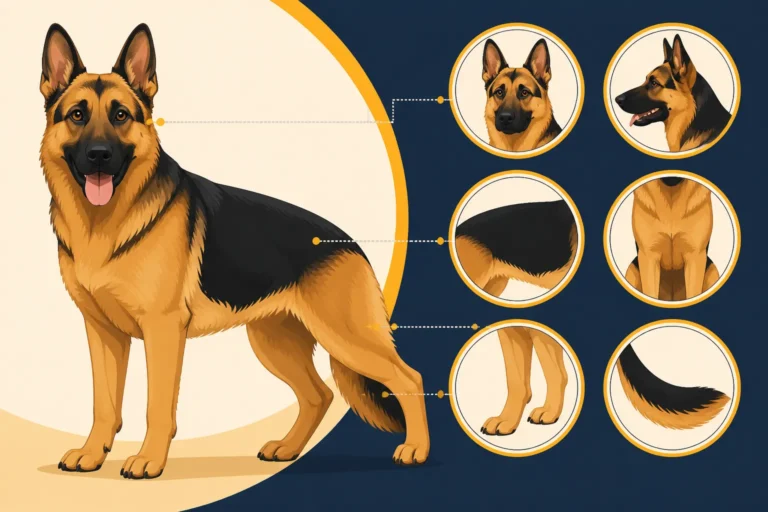
The American Kennel Club (AKC) breed standard for German Shepherds explicitly outlines acceptable colors. For most reputable breeders focused on conformation and the historical standard, this is the benchmark. The standard typically describes a range of rich colors, with strong, distinctive markings. The most common and accepted colors include black and tan, black and red, black and cream, black and silver, and solid black. Sable, which is a pattern where individual hairs have multiple bands of color, is also widely recognized and appreciated, often giving the dog a striking, wild appearance.
However, the standard also lists "faults" for color. For instance, white German Shepherds, while beautiful and purebred, are often disqualified from the show ring in the U.S. and some other countries under the traditional German Shepherd standard because their white coat is considered a fault. They even have their own separate breed club in some regions, like the White Shepherd Club of America, and are recognized as a distinct breed, the Berger Blanc Suisse, in Europe. This distinction is crucial because a "rare" color might simply be one that deviates from the ideal set by historical breed societies, rather than indicating any genetic anomaly or health issue. If you're curious about all the potential variations, our comprehensive guide on German Shepherd Colors and Coat Types delves much deeper into this.
How Genes Influence Coat Color
Dog coat colors are a fascinating tapestry woven by complex genetic interactions. For German Shepherds, several genes work together to produce their signature palette. The primary color genes, often referred to as the "A" locus (Agouti series) and "B" locus (Brown/Black series), determine the base colors and patterns. For instance, a dog with two copies of the "bb" gene will express liver (brown) pigment instead of black.
Beyond these foundational genes, other modifiers and dilution genes come into play. A dilution gene, for example, can "dilute" black pigment to blue or gray, and brown pigment to Isabella (a dilute liver). This is where some of the truly rare colors emerge. These dilution genes are recessive, meaning a dog needs two copies of the gene (one from each parent) to express the diluted color. If a dog only has one copy, it's a carrier and will look like a standard color but can pass the gene to its offspring. Understanding these genetic basics helps us appreciate that these "rare" colors aren't always a result of cross-breeding or mutations but rather specific, sometimes uncommon, combinations of existing genes within the German Shepherd gene pool. Genetic health testing, which you can read more about in German Shepherd Genetic Health Testing, sometimes includes color panels, which can be useful for breeders.
Truly Rare and Genetically Distinct Colors
Now, let's dive into the colors that are genuinely rare because they rely on specific, often recessive, genetic combinations that are not frequently seen or purposefully bred for in the mainstream German Shepherd world. These aren't just uncommon patterns; they represent a fundamental change in pigment.
Blue German Shepherds
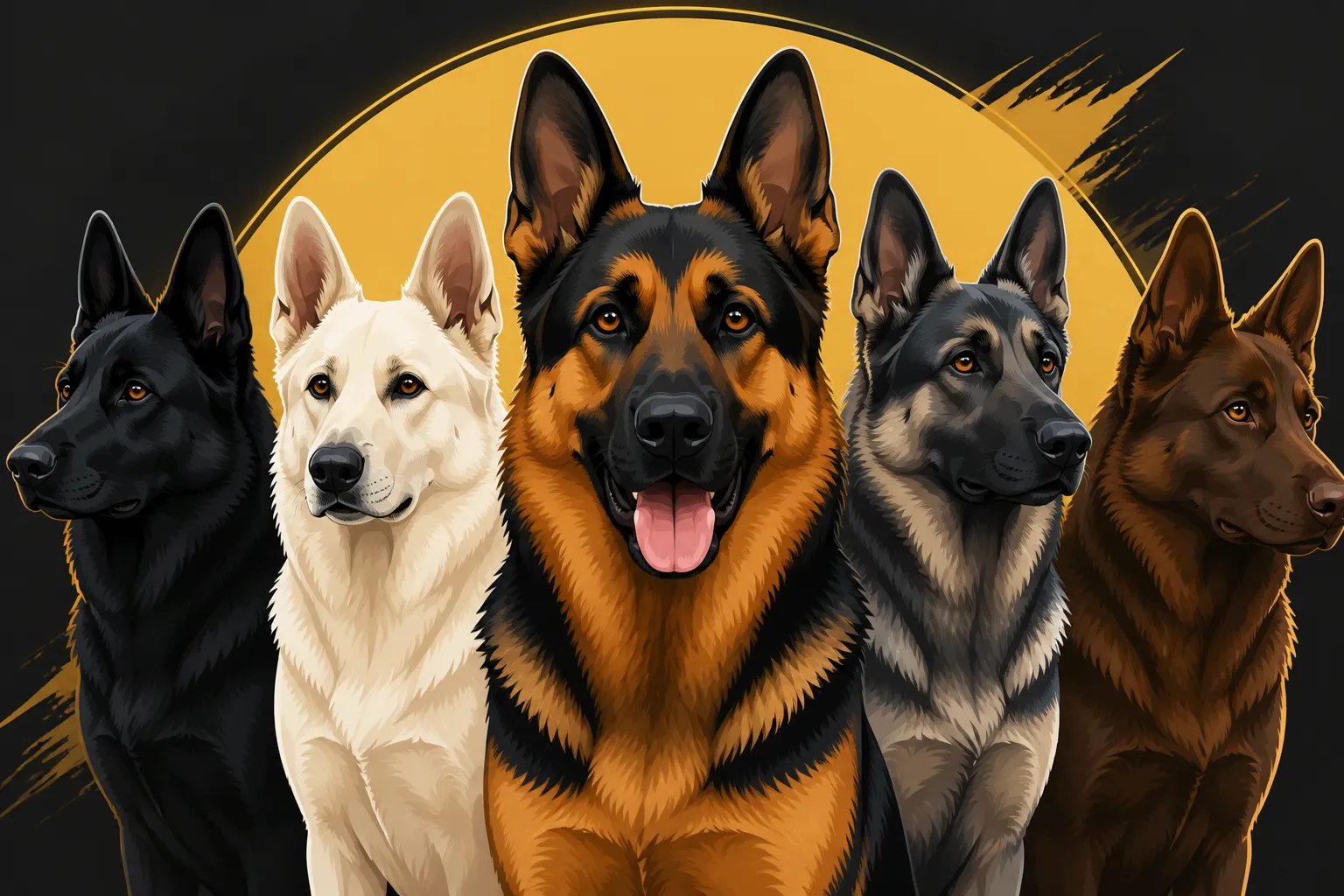
Imagine a German Shepherd with a coat that looks like a smoky charcoal, almost a deep steel gray, often with matching blue-gray noses, paw pads, and eye rims. That's a blue German Shepherd. This stunning coloration is caused by the dilute gene (dd) acting on black pigment. Essentially, the gene "dilutes" black fur to blue and black skin pigment to a slate gray. To be a blue German Shepherd, a puppy must inherit a copy of the dilute gene from both parents, even if the parents themselves appear black and tan or solid black (meaning they are carriers).
Blue German Shepherds are indeed rare, and they are considered a disqualifying fault by the AKC and other major breed standards because the color deviates from the traditional rich, strong pigmentation. This means you won't see blue GSDs winning in the show ring. However, a blue German Shepherd is still 100% a purebred German Shepherd with all the breed's characteristics and temperament. Their rarity can sometimes lead to breeders charging premium prices, but it's crucial to remember that this "rarity" doesn't necessarily equate to higher quality or better health. For those interested in this specific hue, our guide on Blue German Shepherd: What to Know offers more specific details.
Liver German Shepherds
Another striking and genuinely rare color is liver. Instead of black pigment, these dogs have brown pigment, resulting in a coat that can range from a light reddish-brown to a rich, deep chocolate. Like blue, this color is caused by a recessive gene (bb) that changes black pigment to brown. A liver German Shepherd will have a brown nose, brown paw pads, and lighter eyes, often amber or light brown, instead of the typical dark brown.
Just like blue, the liver color is considered a disqualifying fault in the show ring under most official German Shepherd breed standards. This doesn't make them any less of a German Shepherd, of course, but it's important context if you're looking at breed quality. Their uniqueness often makes them highly sought after by those who appreciate the aesthetic. When considering a liver German Shepherd, focusing on the health and temperament of the parents, rather than just the color, is paramount. You can explore more about this beautiful variation in our article Liver German Shepherd: What to Know.
Isabella German Shepherds (and Fawn)
If you thought blue and liver were rare, prepare for Isabella! This is perhaps the rarest of all German Shepherd colors. Isabella is essentially a "double dilute" color, meaning it's a dilution of liver. It occurs when a dog inherits both the recessive liver gene (bb) and the recessive dilute gene (dd). The result is a stunning, pale, almost lilac or champagne-colored coat, with a diluted brown (lilac/pinkish) nose and light-colored eyes, often amber or greenish-yellow.
Sometimes, Isabella is also referred to as "fawn," though true fawns can be caused by different genetic interactions as well. Regardless of the exact terminology, the Isabella German Shepherd is incredibly uncommon and commands attention. Due to the double recessive nature of its genetics, finding a reputable breeder who consistently produces healthy Isabella German Shepherds can be a challenge. As with any very rare color, due diligence on the breeder and health clearances is absolutely critical. It’s also important to understand that these genetic combinations, while leading to a unique aesthetic, don’t typically come with inherent health benefits. For a deeper dive into this extremely unique color, check out Isabella German Shepherd: What to Know.
Unique Patterns and Colors Often Misunderstood as "Rare"
Beyond the truly genetically distinct colors like blue, liver, and Isabella, there are other German Shepherd variations that are often considered "rare" by the general public due to their less common appearance or deviation from the typical black and tan, even if they are recognized in some standards or have their own separate breed classifications.
White German Shepherds
The white German Shepherd is probably the most commonly recognized "rare" German Shepherd. With their striking white coats, they stand out in any crowd. However, it's crucial to understand that white German Shepherds are not albinos; they have pigment in their eyes, nose, and lips, which are typically black. Their white coat is due to a recessive gene that restricts the expression of color to the points of the dog (nose, eyes, lips).
Historically, white coats were seen as undesirable in the German Shepherd breed standard, often considered a fault or even a disqualification in the show ring by organizations like the AKC. This led to a period where white puppies born to standard-colored parents were often culled or quietly placed. However, their unique beauty and generally stable temperament led to a resurgence of interest. Today, white German Shepherds are recognized as a distinct breed in many parts of the world, known as the Berger Blanc Suisse (White Swiss Shepherd Dog), and are often bred by dedicated enthusiasts who focus on health, temperament, and conformity to their specific white shepherd standards. They are full of the same intelligence and loyalty as their colored counterparts. If you're captivated by these stunning dogs, our article White German Shepherd: What to Know provides a comprehensive look.
Black German Shepherds
A solid black German Shepherd is undeniably striking and often prompts people to ask if they are a different breed or a mix. While not as rare as blue or Isabella, they are certainly less common than the classic black and tan. Many people mistakenly believe they are rare due to their dramatic appearance. However, solid black is actually an accepted color within the AKC German Shepherd breed standard, making them fully eligible for show and breeding programs within traditional lines.
The solid black coat is typically the result of a recessive gene (aa) that causes the dog to express only black pigment across its entire body, including its nose, paw pads, and eye rims. There are no tan, red, or silver markings to break up the intense black. These dogs often have a formidable presence, and their coats can range from a deep, velvety black to a slightly lighter, almost charcoal black depending on sun exposure and genetics. They possess the same temperament, intelligence, and working drive as any other German Shepherd. For more details on this powerful coloration, dive into our article on Black German Shepherd: What to Know.
Panda German Shepherds
The Panda German Shepherd is one of the most visually distinctive and debated "rare" German Shepherd variations. They feature a piebald or parti-color pattern, meaning they have large patches of white, typically around their muzzle, chest, belly, and legs, combined with patches of black and tan. This is not a common pattern in German Shepherds, and it’s important to understand why.
Unlike the other "rare" colors which are simply different expressions of existing German Shepherd coat color genes, the piebald pattern in German Shepherds is generally believed to stem from a spontaneous mutation of the KIT gene. This specific mutation, leading to the white spotting, is rare and has only been observed in a specific line of German Shepherds. For this reason, the Panda German Shepherd is not recognized by any major breed registry as a standard German Shepherd color, nor is it related to the white German Shepherd's gene which restricts color expression. The unique patterning makes them highly visually appealing, but it also raises questions about their genetic origin and potential associated health issues, particularly if bred irresponsibly. Our article Panda German Shepherd: What to Know provides a closer examination of this unique variation.
Here's a quick comparison of these unique German Shepherd colors:
| Color/Pattern | Genetic Cause | Rarity Level | AKC Breed Standard Status | Key Characteristics |
|---|---|---|---|---|
| Blue | Recessive dilute gene (dd) on black pigment | Truly Rare | Disqualifying Fault | Smoky charcoal/steel gray coat, blue-gray nose/pads, light eyes |
| Liver | Recessive brown gene (bb) on black pigment | Truly Rare | Disqualifying Fault | Reddish-brown to chocolate coat, brown nose/pads, amber/light brown eyes |
| Isabella/Fawn | Double recessive (bb dd) on black pigment | Extremely Rare | Disqualifying Fault | Pale lilac/champagne coat, diluted brown nose/pads, light amber/greenish-yellow eyes |
| White | Recessive gene restricting color expression | Uncommon | Disqualifying Fault (GSD); recognized as separate breed (Berger Blanc Suisse) | All white coat, black nose/pads/lips, dark eyes (not albino) |
| Black | Recessive (aa) causing solid black pigment | Less Common | Accepted Standard Color | Uniform deep black coat, black nose/pads/lips, dark eyes |
| Panda | Spontaneous KIT gene mutation (piebald) | Extremely Rare | Not Recognized | White patches on black and tan base, unique spotting pattern |
Health and Temperament Considerations with Rare Colors
It’s natural to wonder if a rare or unusual coat color comes with any inherent health risks or temperament differences. This is where responsible breeding practices become paramount, regardless of the dog’s color.
Are Rare Colors Healthier or Less Healthy?
Generally speaking, the color itself does not directly cause health problems in German Shepherds. The genes responsible for blue, liver, or Isabella coats are typically just cosmetic. However, problems can arise when breeders prioritize a "rare" color over health and temperament. In the pursuit of producing a blue or Isabella puppy, some unscrupulous breeders might sacrifice other critical breeding considerations, such as:
- Health Testing: They might breed dogs without proper health clearances for common German Shepherd ailments like hip and elbow dysplasia, which are thoroughly explained in our guides on German Shepherd Hip Dysplasia Explained and German Shepherd Elbow Dysplasia: Symptoms and Treatment.
- Genetic Diversity: Over-focusing on a single rare trait can lead to inbreeding or line breeding that is too tight, inadvertently concentrating other undesirable recessive genes that do cause health issues.
- Temperament: A breeder solely chasing a rare color might overlook temperament, potentially propagating shy, fearful, or overly aggressive traits that are not characteristic of a well-bred German Shepherd.
For example, while there's no direct link between the dilute gene (dd) and health issues, if a breeder is selling "rare blue German Shepherds" without proper health testing, then the risk for conditions like allergies, sensitive stomachs, or joint problems goes up because overall health isn't being prioritized. Similarly, some studies suggest that certain dilution genes can be linked to a condition called Color Dilution Alopecia (CDA), a skin condition causing patchy hair loss and dry, flaky skin, though this is more commonly observed in breeds like Dobermans and isn't a widespread issue in blue or Isabella GSDs from reputable lines. If you notice any skin issues, consulting your vet and possibly looking into specific dietary solutions or supplements available at retailers like Chewy could be beneficial.
The truth is, a standard black and tan German Shepherd from an irresponsible breeder is far more likely to have health issues than a blue German Shepherd from a truly dedicated and ethical breeder who performs all necessary health screenings. The core message here is that the quality of the breeding program, not the color, determines the health of the dog.
Temperament and Rare Color Genetics
Just like with health, a German Shepherd's temperament is overwhelmingly influenced by genetics (from well-chosen parents) and early socialization, not by their coat color. A blue, liver, or white German Shepherd should have the same stable, intelligent, confident, and loyal temperament as any other GSD. If you encounter a German Shepherd of a rare color with a poor temperament, it's a reflection of the breeding practices and socialization (or lack thereof), not the color gene itself.
Unfortunately, the allure of "rare" can sometimes attract individuals more interested in novelty than in preserving the true working dog nature and sound mind of the German Shepherd. This can lead to breeding programs that are lax on temperament assessment, resulting in dogs that are nervous, reactive, or lack the characteristic courage and composure of the breed. This is why when considering any German Shepherd, especially one with an unusual color, it's crucial to spend time understanding German Shepherd Temperament and Personality and meeting the puppy's parents. A truly good breeder will welcome these questions and provide transparent answers about their dogs' dispositions.
Finding a Reputable Breeder for Unique Colors
If you're truly captivated by one of these unique German Shepherd colors, the most important step is to find a truly reputable breeder. This is even more critical than with standard colors, as the "rare" label can sometimes be exploited by less ethical individuals.
The Importance of Health Testing
Any breeder, regardless of the color they produce, should be conducting comprehensive health testing on their breeding stock. For German Shepherds, this absolutely must include:
- Orthopedic Evaluations: OFA (Orthopedic Foundation for Animals) or PennHIP screenings for hips and elbows are non-negotiable. German Shepherds are prone to hip and elbow dysplasia, and responsible breeders will only breed dogs with excellent or good scores. You can learn more about this in OFA vs PennHIP Hip Scoring Explained.
- Degenerative Myelopathy (DM) Testing: DM is a progressive neurological disease common in German Shepherds. Breeders should test their dogs for the gene that causes DM and breed responsibly to avoid producing affected puppies. Our guide on German Shepherd DM DNA Testing Explained explains this in detail.
- Eye and Heart Certifications: While less common than orthopedic issues, eye and heart conditions can occur, and certifications from veterinary ophthalmologists and cardiologists are a good sign of thorough screening.
- Other Genetic Panels: Some breeders also test for other genetic conditions or color panels, which can provide valuable information about the genetic makeup of their dogs.
A reputable breeder for rare colors will not just produce the color you want but will ensure the health of their lines. They will be transparent about their health testing results, openly share pedigrees, and allow you to meet the puppy's parents to assess their health and temperament. They understand that a beautiful color is meaningless without a healthy, well-adjusted dog. You can always check services like Chewy for health supplements recommended by your vet to support overall well-being, especially for a growing puppy or a senior dog.
Avoiding "Designer" or Puppy Mill Breeders
The term "rare" can be a red flag if it's used as the primary selling point for an exorbitant price without any supporting evidence of responsible breeding. Be wary of breeders who:
- Focus solely on color: If their website or conversation revolves almost exclusively around the "uniqueness" or "rarity" of the color, and very little on health, temperament, working ability, or breed standard, proceed with extreme caution.
- Don't offer health clearances: A breeder who makes excuses about why they haven't done OFA, PennHIP, or DM testing is a major red flag. They might claim that "rare colors don't have those problems," which is simply untrue.
- Refuse to let you visit: Any breeder who won't allow you to visit their facility, meet the parents, or see where the puppies are raised is likely hiding something. This could indicate a puppy mill operation or substandard conditions.
- Sell puppies sight unseen or ship them without meeting you: A responsible breeder wants to screen prospective owners as much as you want to screen them. They care about finding the right home for their puppies.
- Charge excessively high prices for "rarity" alone: While rare colors can sometimes fetch higher prices due to the specialized breeding required, an ethical breeder will prioritize the dog's overall quality. Prices that seem too good to be true, or exorbitantly high without proof of superior health/lineage, are suspicious. Our article on How to Find a Reputable German Shepherd Breeder offers more red flags and green lights to watch out for.
Ultimately, whether you choose a classic black and tan, a solid black, or one of the truly rare blue or liver German Shepherds, the key to a happy and healthy partnership lies in the integrity of the breeder. Do your homework, ask tough questions, and prioritize health and temperament above all else. A German Shepherd's heart, mind, and body are far more valuable than the shade of their coat.
Disclaimer
Please note that the information provided in this article is intended for general knowledge and informational purposes only, and does not constitute veterinary advice. Always consult with a qualified veterinarian or animal health professional for any health concerns or before making any decisions about your pet's health or care.