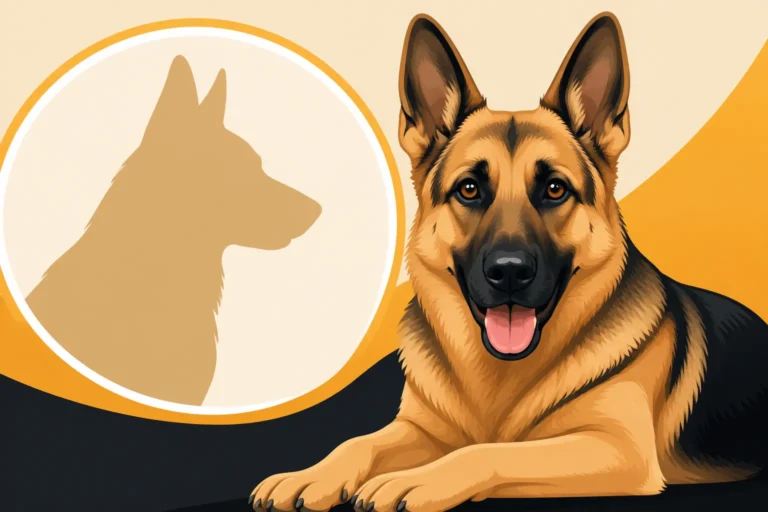
Long-Haired German Shepherd: Traits, Facts, and Care
Many prospective German Shepherd owners fall in love with the majestic appearance of a long-haired variant, often without fully understanding what sets them apart from their more commonly seen short-haired cousins. It's easy to assume it's just about a bit more fluff, but the reality involves specific genetic traits, unique care requirements, and sometimes, even different perceptions within the German Shepherd community. This guide will take you through everything you need to know about the Long-Haired German Shepherd, from their striking appearance to their distinct care needs and common misconceptions.
Unpacking the Long-Haired German Shepherd: More Than Just a Fluffy Coat
The Long-Haired German Shepherd, with its flowing mane and feathery britches, certainly cuts a striking figure. But what truly defines this variety, and how does it differ from the standard-coated German Shepherd we often picture? It's not just a matter of preference; there's a specific genetic reason for their luxurious locks, and it impacts how they're viewed and cared for.
The Genetic Secret Behind the Long Hair
At the heart of the Long-Haired German Shepherd's distinctive look is a recessive gene. This means that for a puppy to inherit the long coat, both parents must carry the gene, even if they themselves have short coats. When two carriers are bred, there's a chance some of the puppies in the litter will be long-haired, some will be short-haired carriers, and some will be short-haired non-carriers. This genetic lottery explains why you might occasionally see a long-haired pup pop up in a litter from two seemingly standard-coated parents. Understanding this genetic component is crucial for reputable breeders, as it allows them to predict and plan for specific coat types, or to ensure genetic diversity while maintaining desired traits. It’s not a mutation or a defect; it’s simply another beautiful variation within the breed's genetic makeup.
Acknowledged or Disqualified? Breed Standards and Acceptance
This is where things can get a little tricky and, frankly, a bit confusing for new owners. Historically, many major kennel clubs, including the American Kennel Club (AKC) and the German Shepherd Dog Club of America, considered the long-haired coat a disqualifying fault in the show ring. Their breed standards specifically call for a double coat of medium length, designed to offer protection and resilience. This meant that while long-haired German Shepherds could be registered, they couldn't compete in conformation events, which evaluate a dog's adherence to the breed standard.
However, attitudes have been evolving. The German Shepherd Club of Germany (SV), the breed's parent club, officially recognized the long-haired variety with an undercoat in 2011, allowing them to compete in Germany. Some long-haired varieties may lack an undercoat entirely, which is still generally considered undesirable by breed standards due to its impact on the dog's protective capabilities. Many smaller, independent clubs and even some national clubs are now more accepting, especially for pet-quality dogs. It's a testament to the breed's enduring popularity and the appreciation for its diverse appearances, but it's important to understand these distinctions if you have aspirations for show dog competition. For most pet owners, this distinction doesn't diminish the dog's value as a loving companion, but it's a key "fact" about their breed status.
Dispelling Myths: Temperament and Personality
One of the biggest myths surrounding Long-Haired German Shepherds is that their temperament or personality is inherently different from their short-haired counterparts. This simply isn't true. The long coat is a cosmetic trait, not an indicator of behavioral differences. A well-bred Long-Haired German Shepherd, from reputable lines, will exhibit the same intelligent, loyal, confident, and often protective nature that is characteristic of the breed. Their drive, trainability, and energy levels are determined by their lineage and individual upbringing, not their hair length.
Just like any German Shepherd, they thrive on mental and physical stimulation, form strong bonds with their families, and benefit immensely from early German Shepherd Puppy Training Guide and consistent socialization. Any perceived differences in temperament are almost always attributable to individual dog genetics, training, and environment rather than coat type. When considering a Long-Haired German Shepherd, focus on the breeder's reputation, the health and temperament of the parents, and the puppy's individual personality, rather than making assumptions based on coat length.
Distinctive Features and Appearance
Beyond the obvious, there's more to the Long-Haired German Shepherd's appearance than just long strands of fur. Their coat texture, the way it drapes, and even the nuances of their overall physique contribute to their unique majestic look. It’s these specific characteristics that truly set them apart visually.
The Glorious Flowing Coat: Texture and Types
The defining characteristic of a Long-Haired German Shepherd is, of course, its coat. Unlike the standard short, dense double coat, the long-haired variety boasts hair that is significantly longer, particularly around the ears, neck (forming a "mane"), legs (producing "feathering"), and tail (creating a magnificent "plume" or "brush"). The hair can sometimes even grow longer between the toes. This lengthy hair often has a softer texture compared to the coarser outer coat of a standard German Shepherd.
Within the long-haired category, there can be some variation. Some may have a slightly wavy or even curly texture, while others have straighter, silkier hair. Critically, some Long-Haired German Shepherds retain a dense undercoat, which is vital for insulation and protection from the elements. These are often the ones now recognized by some international breed standards. Others may have very little or no undercoat at all, making them less resilient to extreme temperatures and requiring different grooming and protection strategies. This distinction is important for owners to understand, as it impacts everything from winter warmth to how much they shed.
Overall Physique and Build
While their coat is the most striking difference, the underlying physique of a Long-Haired German Shepherd generally mirrors that of its standard-coated relatives. They are powerful, agile, and well-muscled dogs, built for endurance and athleticism. You'll see the same proud carriage, strong back, and well-angulated hindquarters that are hallmarks of the breed. Their impressive size and weight guide remains consistent, with males typically being larger and heavier than females. The overall impression is one of nobility and strength, enhanced by the flowing lines of their long fur.
Their gait, too, should display the fluid, effortless trot that German Shepherds are famous for, covering ground with efficiency and grace. The long hair, when in motion, can create a beautiful flowing effect that further emphasizes their athleticism. It’s important to remember that coat length doesn't change the fundamental structure or purpose of the German Shepherd's body.
Color Variations in Long-Haired Shepherds
Long-Haired German Shepherds come in the same stunning array of colors and patterns as their short-haired counterparts. You'll find the classic black and tan, black and red, sable, solid black, and sometimes even rarer colors like blue or liver. The long hair can sometimes make these colors appear richer or more diffused, adding another layer of visual appeal. For example, a sable long-haired German Shepherd might have a particularly striking interplay of light and dark hairs along its long back and tail.
Just like with standard coats, the quality of pigmentation is an important factor. Strong, vibrant colors are generally preferred. The genetic coding for coat color is independent of the gene for coat length, meaning you can find any recognized German Shepherd color in a long-haired variety. This means a wide spectrum of visual beauty is available within this long-haired variant, offering diverse aesthetic choices for potential owners.
Essential Care and Grooming for a Long-Haired Companion
Owning a Long-Haired German Shepherd comes with specific responsibilities, especially when it comes to grooming. Their glorious coats require consistent attention to prevent mats, manage shedding, and keep them healthy. It’s a commitment, but the reward is a beautiful, well-cared-for companion.
Mastering the Grooming Routine: Brushing and Bathing
This is perhaps the most significant difference in caring for a long-haired German Shepherd compared to a short-haired one. Their long coats are prone to tangles and matting, especially behind the ears, under the legs, and in their "britches" (the long fur on their hindquarters). Daily or every-other-day brushing is not just recommended, it's essential. You'll need a variety of tools: a good pin brush, a slicker brush, an undercoat rake (if your dog has an undercoat), and a wide-toothed comb to work through any knots. Regular brushing helps remove loose hair, distribute natural oils, and prevent painful matting that can lead to skin issues. You can find an excellent selection of these tools on Chewy, which makes it easy to stock up on everything you need.
Bathing should be done as needed, typically every few weeks to a couple of months, depending on how dirty your dog gets. Over-bathing can strip natural oils, leading to dry skin and a dull coat. Use a high-quality dog shampoo and conditioner specifically designed for long coats. Make sure to thoroughly rinse out all products to prevent skin irritation. Drying is also critical; ensure the coat is completely dry to prevent mildew and hot spots, especially if they have a dense undercoat. A powerful dog dryer can significantly reduce drying time and help "blow out" loose undercoat. For more detailed tips, check out our guide on How to Brush a German Shepherd Coat.
Nutrition Tailored for Coat Health
A healthy, shiny coat starts from within. Proper nutrition is paramount for a Long-Haired German Shepherd's skin and fur. They need a high-quality dog food rich in protein, essential fatty acids (like Omega-3 and Omega-6), vitamins, and minerals. Look for foods that list real meat as the first ingredient. Many premium brands offer formulas specifically designed for large breeds or those with sensitive skin, which can benefit coat health. Brands like Purina Pro Plan or Royal Canin often have options tailored to breed-specific needs or life stages. You can explore a wide range of options, including those with added salmon oil or flaxseed for omega fatty acids, on Chewy.
Consider adding supplements like fish oil to their diet, which can significantly improve coat shine and reduce dryness. Always consult your vet before adding any supplements. Hydration is also key; ensure your German Shepherd always has access to fresh, clean water. A well-hydrated dog will have healthier skin and a more vibrant coat. For a deeper dive into feeding your German Shepherd, read our German Shepherd Feeding Guide and Best Dog Food for German Shepherds.
Exercise Needs and Protecting Their Coat During Activities
Despite their flowing coats, Long-Haired German Shepherds still possess the same high energy levels and need for regular exercise as their short-haired relatives. They require at least an hour or two of vigorous activity daily, including walks, runs, playtime, and mental stimulation. This can range from hiking trails to advanced obedience training or even dog sports. Regular exercise is crucial for their physical and mental well-being, helping prevent destructive behaviors and maintaining a healthy weight.
During outdoor activities, especially in brushy or muddy areas, their long coats can become magnets for burrs, twigs, and dirt. After adventures, always check their fur thoroughly for debris to prevent mats from forming. A quick wipe-down or light brush can save you a lot of trouble later. In winter, if your dog lacks an adequate undercoat, consider a dog coat to provide extra warmth during prolonged outdoor exposure. Conversely, in hot weather, ensure they have plenty of shade and water, as their dense fur can make them more susceptible to overheating. Learn more about their activity needs in our guide on German Shepherd Exercise Requirements.
Health and Lifespan of Long-Haired German Shepherds
It's natural to wonder if the long coat impacts the health of these beautiful dogs. The good news is that, generally speaking, Long-Haired German Shepherds are susceptible to the same health issues as any other German Shepherd, but their coat type can sometimes introduce unique considerations.
Common Health Concerns: Are They Different?
The genetic predisposition for a long coat does not inherently make a German Shepherd more or less prone to the breed's common health problems. Like all German Shepherds, they are unfortunately predisposed to certain orthopedic conditions. German Shepherd Hip Dysplasia Explained and elbow dysplasia are prevalent concerns, affecting joint integrity and causing pain. Degenerative Myelopathy (DM), a progressive neurological disease, is another significant genetic concern within the breed. These conditions are linked to breed genetics, not coat length. Therefore, when choosing a puppy, it's absolutely crucial to seek out breeders who perform comprehensive German Shepherd Genetic Health Testing on their breeding stock, regardless of coat type.
Other health issues common to German Shepherds, such as bloat (gastric dilatation-volvulus), certain cancers, and allergies, can affect long-haired variants just as easily. Regular veterinary check-ups, a balanced diet, and appropriate exercise are vital for managing these risks. For a comprehensive overview of potential health challenges, you might find our article on German Shepherd Health Problems Guide helpful.
Proactive Health Management and Preventative Care
Proactive care is the best defense against many health issues in German Shepherds, long-haired or otherwise. This includes ensuring they receive a high-quality diet, consistent exercise, and mental stimulation. Regular vet visits are non-negotiable for vaccinations, parasite control, and early detection of potential problems. Pay close attention to their weight, as obesity can exacerbate joint issues. A good diet and maintaining a healthy weight are key components of How to Keep a German Shepherd Healthy.
For Long-Haired German Shepherds specifically, their coat demands extra vigilance. Beyond regular brushing, their long fur can sometimes hide skin irritations, parasites, or small wounds. Daily grooming isn't just about aesthetics; it's a vital health check. Also, if your long-haired German Shepherd lacks a dense undercoat, be particularly mindful of temperature extremes, ensuring they are adequately protected from both cold and excessive heat. A good German Shepherd Coat and Skin Care routine can help prevent issues. Lastly, don't forget their oral health; regular dental care is just as important for these dogs as any other. Our German Shepherd Dental Care Explained can provide guidance.
| Feature | Standard (Short-Haired) German Shepherd | Long-Haired German Shepherd |
|---|---|---|
| Coat Length | Short to medium | Significantly longer, especially around ears, neck, legs, tail |
| Coat Texture | Harsh, dense outer coat; thick undercoat | Softer, often silky outer coat; undercoat may be present or absent |
| Grooming Needs | Moderate; regular brushing 2-3 times/week | High; daily brushing essential to prevent mats and tangles |
| Breed Standard Acceptance | Fully accepted by most major kennel clubs for conformation | Historically a fault; increasingly recognized by some for show, or as a distinct variety |
| Insulation/Protection | Excellent against elements | Varies; excellent with dense undercoat, less so without |
| Shedding | Sheds year-round, heavy seasonal "blows" | Sheds year-round, often less noticeable due to length, but still significant seasonal blows |
| Temperament/Health | No inherent difference; depends on breeding | No inherent difference; depends on breeding |
Disclaimer
This article is for general informational purposes only and does not constitute professional advice. Laws, prices and regulations vary by location and change over time. Consult a qualified professional for guidance on your specific situation.