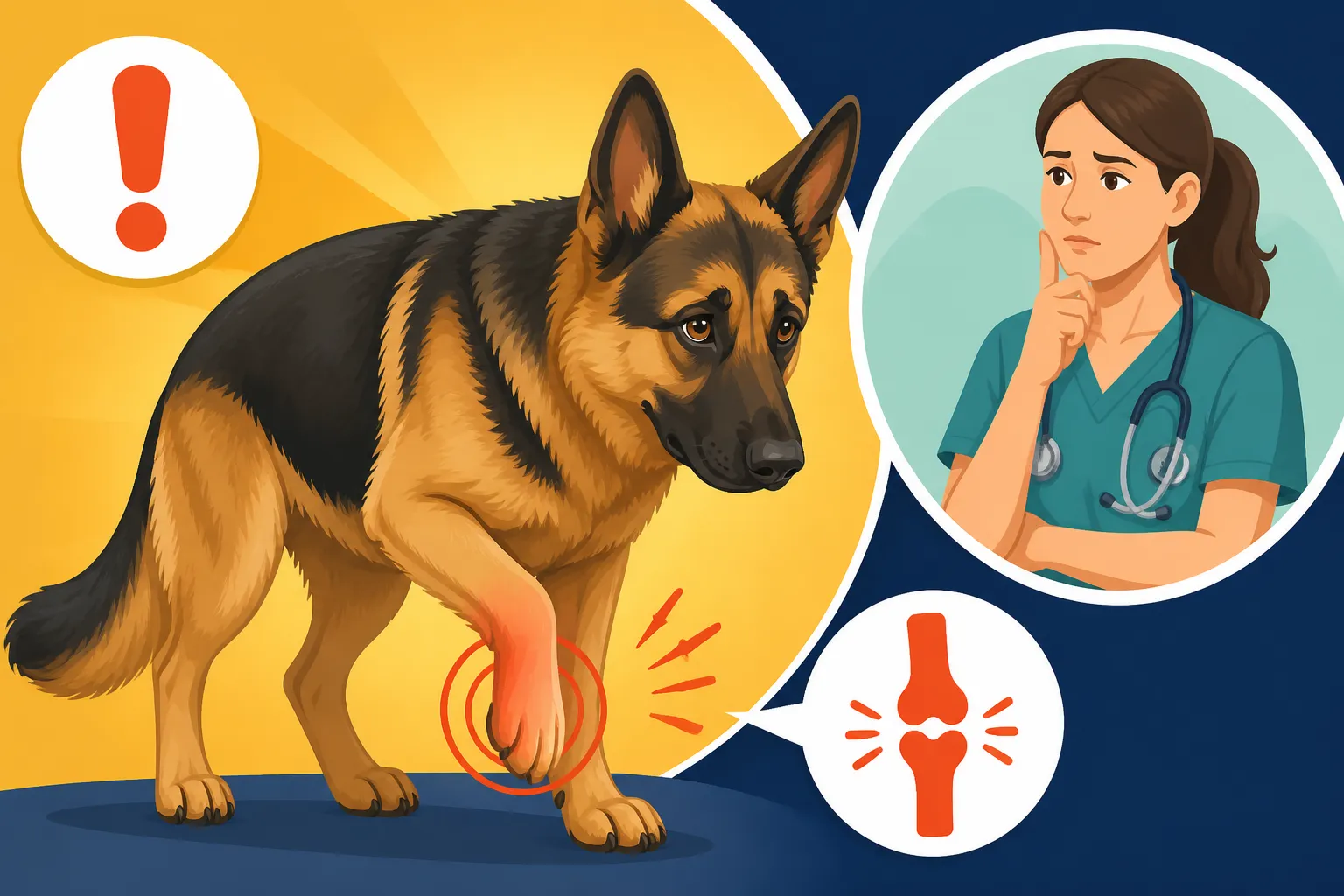
German Shepherd Limping: When to Worry
Few things send a jolt of panic through a German Shepherd owner quite like seeing their beloved companion suddenly limping. One moment they're bounding happily, chasing a ball with boundless energy, and the next they're hesitant, favoring a paw, or struggling to put weight on a leg. It's a truly concerning sight, and the immediate question that flashes through your mind is always, "How serious is this?" This comprehensive guide will walk you through the various reasons your German Shepherd might be limping, help you differentiate between a minor issue and an emergency, and explain precisely when it’s time to worry and seek professional veterinary care.
Understanding Different Types of Limping and Their Urgency
When your German Shepherd starts limping, the first step is to observe how they're limping. The nature of the lameness can give you crucial clues about the underlying problem and how urgently you need to act. It's not always about outright pain; sometimes it's about stiffness or a reluctance to move. Don't underestimate your own powers of observation – you know your dog best!
Sudden, Severe Limping: When to Act Fast
If your German Shepherd suddenly becomes non-weight bearing, meaning they refuse to put any weight on a limb, or they're crying out in obvious, intense pain, this is a clear sign that something serious has happened. This type of limping usually indicates an acute injury and warrants immediate attention. Think of it like a sudden, sharp pain you might experience yourself – you wouldn't ignore it, and neither should you ignore it in your dog.
Traumatic injuries are a common culprit here. This could be anything from a bad fall during play, a collision with another dog, or an accident involving a car. Less obvious, but equally painful, can be a sudden sprain or strain from twisting their leg the wrong way. In the worst-case scenarios, a fracture might be present, which is an undeniable emergency. You might also notice immediate swelling or heat around the affected area, or even a visible wound like a deep cut or puncture. If your dog exhibits these signs, especially if they seem distressed, lethargic, or reluctant to be touched, it's a "drop everything and go" situation. Get them to an emergency vet clinic without delay.
Intermittent or Mild Limping: Observing the Patterns
Sometimes, the limping isn't a dramatic, sudden event. Instead, it might be more subtle, coming and going, or only appearing after certain activities. Perhaps your German Shepherd is a bit stiff after a long nap, or favors a leg after a particularly vigorous game of fetch, but then seems fine after they've warmed up. This intermittent or mild limping can be tricky because it might not seem urgent, but it shouldn't be dismissed.
This type of limping often points to less acute, but still significant, issues. It could be an early sign of a developing joint problem, like the onset of arthritis, or a muscle strain that hasn't fully healed. It might also be related to a minor paw injury that isn't immediately obvious, such as a small thorn embedded in a paw pad or a slightly sprained toe. While not an emergency, consistent intermittent limping still needs to be evaluated by your veterinarian. Keeping a mental (or actual) log of when the limping occurs, how long it lasts, and what activities seem to trigger it, will be incredibly helpful for your vet.
Chronic or Progressive Limping: Long-Term Concerns
For some German Shepherds, limping isn't a new phenomenon. It's a persistent, sometimes slowly worsening issue that has been present for weeks, months, or even longer. This kind of chronic or progressive limping is often associated with age-related conditions or long-term degenerative diseases. You might notice your dog struggles more with getting up from a lying position, is slower on walks, or generally seems less enthusiastic about activities they once loved.
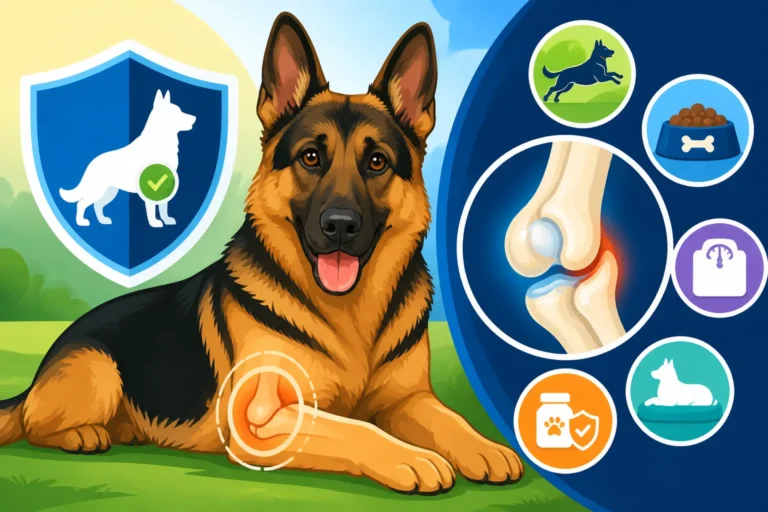
This pattern of lameness is commonly linked to conditions like hip dysplasia, elbow dysplasia, or general osteoarthritis, which unfortunately become more prevalent as German Shepherds age. They might not show acute pain every day, but their overall mobility and comfort are clearly compromised. While it rarely constitutes an emergency, chronic limping signifies a quality of life issue that needs addressing. It means your dog is likely experiencing ongoing discomfort and pain that needs management. A thorough veterinary examination and a discussion about a long-term care plan are essential to help improve their comfort and mobility. This is also where discussions about a German Shepherd Senior Care Guide become highly relevant.
Common Causes of German Shepherd Limping
German Shepherds are magnificent, robust dogs, but like all breeds, they have their vulnerabilities. When it comes to limping, the causes can range from minor annoyances to serious medical conditions. Understanding these common culprits can help you and your vet narrow down the possibilities.
Paw and Nail Issues
It’s often the simplest things that get overlooked first! Your German Shepherd's paws are their primary contact with the world, and they take a lot of abuse. A simple cut or puncture from stepping on a sharp object like glass, a thorn, or a piece of gravel can cause immediate and intense limping. Always check thoroughly between their paw pads and inspect the pads themselves for any foreign objects or lacerations.
Torn nails are another incredibly common and surprisingly painful cause of limping. German Shepherds, with their active lifestyles, can easily catch a nail on rough terrain, carpeting, or even just during vigorous play. A partially torn or fully avulsed nail can bleed profusely and expose sensitive tissue, leading to severe discomfort. Other less common but still painful paw issues include interdigital cysts (growths between the toes), burns from hot pavement, or even severe allergic reactions that cause inflamed and itchy paws, making them reluctant to put weight down. A routine part of assessing your limping German Shepherd should always start with a very careful inspection of all four paws.
Musculoskeletal Injuries
Beyond the paws, the most frequent causes of limping involve the muscles, bones, ligaments, and tendons of the limbs. Just like human athletes, active German Shepherds are prone to sprains and strains. A strained muscle might result from overexertion or an awkward movement, leading to localized tenderness and limping that might worsen with activity. Sprains, which involve ligaments, can be more serious. A common and devastating ligament injury in German Shepherds is a torn cranial cruciate ligament (CCL), often referred to as an ACL tear in humans. This injury can cause sudden, severe lameness and often requires surgical intervention.
Fractures, while less common than sprains or strains, are incredibly painful and necessitate immediate veterinary attention. These typically result from significant trauma, such as being hit by a car or falling from a height. Another unique musculoskeletal issue often seen in growing German Shepherd puppies or adolescents is German Shepherd Panosteitis: Symptoms and Treatment, commonly known as "growing pains." This condition causes shifting lameness, where the limping can move from one leg to another, and while painful, it's usually self-limiting as the dog matures.
Joint Conditions
German Shepherds are genetically predisposed to several debilitating joint conditions that can manifest as limping. The most infamous of these is German Shepherd Hip Dysplasia Explained. This condition involves the malformation of the hip joint, where the ball and socket don't fit together properly, leading to grinding, pain, and eventually arthritis. Symptoms can range from a subtle "bunny hop" gait to severe lameness, especially after exercise or periods of rest.
Similarly, elbow dysplasia is another common developmental orthopedic disease affecting German Shepherds. It encompasses several conditions that cause abnormal development of the elbow joint, leading to pain, stiffness, and limping, often in the front legs. As dogs age, regardless of whether they have a pre-existing condition, arthritis (osteoarthritis) becomes a significant concern. This degenerative joint disease causes the cartilage in the joints to wear down, leading to pain, stiffness, and reduced mobility. German Shepherd Arthritis: Symptoms and Treatment is a reality for many older dogs, and their limping can be a daily struggle. Understanding Common German Shepherd Health Issues by Age can help you prepare for and recognize these conditions early.
Other Medical Conditions
While less common, some other medical conditions can also manifest as limping, sometimes making diagnosis challenging. Infections in the bone (osteomyelitis) or joints (septic arthritis) can cause intense pain, swelling, heat, and fever, leading to severe lameness. These infections require prompt and aggressive treatment.
Tick-borne diseases, such as Lyme disease or Anaplasmosis, can also cause shifting lameness, joint pain, and fever in some dogs. These systemic illnesses require specific diagnostic tests and antibiotic treatment. In rare but serious cases, certain types of cancer, such as osteosarcoma (bone cancer), can cause bone pain and limping. This is particularly concerning in older, large-breed dogs. Neurological issues, like nerve damage or spinal problems (e.g., degenerative myelopathy in its early stages), can sometimes present as weakness or uncoordinated gait that might be mistaken for limping. Knowing How to Tell If a German Shepherd Is in Pain is crucial for all these varied conditions.
What to Do When Your German Shepherd is Limping
Finding your German Shepherd limping can be unnerving, but knowing how to react can make all the difference for their comfort and recovery. Your actions in the initial moments can prevent further injury and help your vet diagnose the problem more efficiently.
Initial Assessment at Home
Before you do anything else, prioritize safety. Even the most docile German Shepherd can bite if they are in severe pain, startled, or frightened. If you suspect your dog is in a lot of pain, consider gently muzzling them, or at the very least, approach them calmly and reassuringly. Start by restricting their activity immediately. No more running, jumping, or stairs. Confine them to a comfortable, small area where they can rest.
Next, conduct a visual check. Observe which leg seems to be affected and how your dog is holding it. Are they reluctant to put any weight on it, or just a little bit? Look for any obvious signs of injury: swelling, redness, heat, cuts, punctures, or deformities. Carefully examine their paws – check between the pads for foreign objects, inspect the nails for cracks or tears, and feel the pads for any tenderness or burns. Then, if your dog tolerates it, gently palpate the affected limb. Start at the toes and slowly work your way up the leg, feeling for any painful spots, swelling, or unusual warmth. Watch your dog's reaction closely – a flinch, whine, or attempt to pull away will tell you where the pain is concentrated. Remember, you're not trying to diagnose; you're just gathering information to share with your vet.
When to See the Vet Immediately
It's natural to want to wait and see if a minor limp resolves on its own, especially for a generally hardy breed like the German Shepherd. However, certain situations demand immediate veterinary attention. If your German Shepherd is non-weight bearing, meaning they cannot or will not put any weight on the affected leg, this is an emergency. Likewise, if you observe any visible signs of a severe injury like a deep, bleeding wound, an obvious fracture (e.g., a leg at an unnatural angle), or severe, rapidly progressing swelling, don't delay.
Any limping that is accompanied by other worrying symptoms also warrants an immediate trip to the vet, particularly an emergency clinic if it's after hours. These symptoms could include lethargy, fever, loss of appetite, persistent crying or whimpering, or an inability to get comfortable. If the limping started after a known trauma, such as a fall, a fight, or being hit by a car, it's always best to seek immediate professional evaluation, even if the limping seems mild at first. Internal injuries might not be immediately apparent, and time can be of the essence.
Preparing for Your Vet Visit and Treatment Options
When you call your veterinarian, be prepared to give them a detailed account of what happened. Note down when the limping started, what your dog was doing beforehand, whether it's constant or intermittent, and if anything seems to make it better or worse. Mention any other symptoms you've observed, like changes in appetite, energy levels, or behavior. This information is invaluable for your vet.
During the visit, your veterinarian will perform a thorough physical examination, focusing on the musculoskeletal system. They will often manipulate the joints and palpate the muscles to pinpoint the source of pain. Depending on their findings, they might recommend diagnostic tests such as X-rays to check for fractures, dislocations, or joint disease like hip or elbow dysplasia. In some cases, more advanced imaging like an MRI or CT scan might be necessary to visualize soft tissue injuries (ligaments, tendons) or neurological issues. Bloodwork might be run to check for infections or systemic diseases.
Once a diagnosis is made, treatment plans can vary widely. For minor sprains or strains, it might involve strict rest, anti-inflammatory medications, and perhaps cold or warm compresses. More serious conditions could require surgery, such as for a torn CCL or severe hip dysplasia. Physical therapy, hydrotherapy, or chiropractic care might also be recommended as part of a comprehensive rehabilitation plan. For chronic conditions like arthritis, management often involves a combination of medications, joint supplements, weight management, and controlled exercise. The costs associated with diagnosing and treating these issues can add up quickly. This is where pet insurance like Healthy Paws can be incredibly valuable. Considering the potential German Shepherd Vet Costs Per Year, having a solid insurance plan can provide peace of mind and allow you to make treatment decisions based on your dog's best interest, not just your wallet. It's definitely worth looking into Is Pet Insurance Worth It for a German Shepherd for comprehensive coverage.
Preventing Limping and Promoting Joint Health
While you can't prevent every accident, there's a lot you can do as a German Shepherd owner to minimize the risk of limping and promote lifelong joint health. Proactive care is truly the best medicine, especially for a breed prone to orthopedic issues.
Proper Nutrition and Weight Management
One of the most impactful things you can do for your German Shepherd's joints is to maintain a healthy body weight. Excess weight puts immense strain on joints, exacerbating conditions like hip and elbow dysplasia and accelerating the onset and progression of arthritis. Talk to your vet about your dog's ideal weight and how to achieve it through a balanced diet. Feeding a high-quality diet appropriate for your German Shepherd's age, activity level, and size is fundamental. Look for foods that support large breed development, especially during puppyhood.
Beyond their regular diet, certain supplements can play a crucial role in supporting joint health. German Shepherd Joint Health Supplements often contain ingredients like glucosamine, chondroitin, MSM, and Omega-3 fatty acids, which can help maintain cartilage health, reduce inflammation, and improve joint lubrication. Incorporating these into your dog's routine, particularly as they approach middle age, can be a proactive step in preventing joint pain and stiffness. Always discuss any supplements with your veterinarian before adding them to your dog's regimen.
Controlled Exercise and Development
German Shepherds are high-energy dogs, and regular exercise is non-negotiable for their physical and mental well-being. However, the type and intensity of exercise are crucial, especially for puppies and young dogs whose bones and joints are still developing. Intense, high-impact activities like aggressive fetch, jumping off high surfaces, or long runs on hard pavement should be limited, particularly when they are young. Their German Shepherd Growth Plates and Exercise are delicate and can be easily damaged, leading to lifelong orthopedic issues.
Instead, focus on controlled, moderate exercise that builds muscle without excessive joint stress. Leash walks, swimming, and gentle play in a soft, grassy area are excellent choices. As they mature, you can gradually increase the intensity and duration of exercise, always watching for signs of fatigue or discomfort. For adult German Shepherds, consistent, moderate exercise helps maintain muscle tone, flexibility, and a healthy weight, all of which support joint health. Understanding How much exercise is too much for a puppy can prevent a lot of problems down the line.
Regular Veterinary Check-ups and Early Detection
Routine veterinary check-ups are not just for vaccinations; they are a vital tool for early detection and prevention of health issues, including those that cause limping. Your vet can often identify subtle changes in gait, joint mobility, or muscle mass that you might miss, catching potential problems before they become severe. These regular visits allow your vet to keep a close eye on your German Shepherd's overall health and discuss preventative strategies.
Early screening for breed-specific conditions like hip and elbow dysplasia is also important. Responsible German Shepherd breeders often perform German Shepherd Genetic Health Testing on their breeding stock, and these tests are available for pet owners too. Knowing your dog's predisposition can help you implement preventative measures and monitor for early signs. By working closely with your veterinarian, you can establish a comprehensive wellness plan that includes appropriate diet, exercise, and preventative care. This proactive approach is the best way to ensure your German Shepherd remains active, comfortable, and enjoys a long, healthy life. It’s all part of the journey of learning How to keep a German Shepherd healthy.
Urgency Guide for German Shepherd Limping
| Symptom / Observation | Potential Urgency | Recommended Action |
|---|---|---|
| Sudden, severe, non-weight bearing | Emergency | Seek immediate veterinary care (ER if after hours). |
| Visible injury (deep cut, open fracture) | Emergency | Seek immediate veterinary care (ER if after hours). |
| Swelling, heat, fever, lethargy | Urgent | Contact your regular vet within 24 hours; consider ER if symptoms worsen rapidly or dog is in severe distress. |
| Limping after trauma (fall, collision) | Urgent | Even if mild, contact vet for assessment within 24 hours. |
| Mild limp after hard play, resolves quickly | Monitor | Restrict activity, observe for 24-48 hours. If no improvement or worsens, contact vet. |
| Intermittent limp, worse after rest/activity | Non-Emergency | Schedule a routine vet visit soon. Keep notes on frequency and triggers. |
| Chronic stiffness, subtle, progressive limp | Non-Emergency | Schedule a routine vet check-up to discuss long-term management and pain relief strategies. |
| Paw injury (minor cut, torn nail without heavy bleeding) | Urgent/Non-Emergency | Clean minor cuts, apply gentle pressure. For torn nails, contact vet for proper trimming and pain management. |
Disclaimer
The information provided in this guide is intended for general knowledge and informational purposes only, and does not constitute medical advice. Always consult with a qualified veterinarian for any health concerns or before making any decisions about your German Shepherd's health or treatment plan.