Shiloh Shepherd: Traits, Facts, and Care
It's quite common for those of us who adore German Shepherds to sometimes stumble upon another breed that looks remarkably similar and wonder if they're just a variation, or something entirely different. The Shiloh Shepherd is one such magnificent dog that often catches the eye, boasting an impressive size and gentle demeanor, leading many to ask, "What exactly is a Shiloh Shepherd?" This guide is here to unravel the mystery, diving deep into the unique world of the Shiloh Shepherd, exploring its distinctive traits, fascinating facts, and the dedicated care these wonderful companions truly thrive on.
Unpacking the Shiloh Shepherd: Origins and Defining Traits
When you first lay eyes on a Shiloh Shepherd, you might think you're looking at an exceptionally large, fluffy German Shepherd. And you wouldn't be entirely wrong in your initial assessment, as they do share a common ancestry! However, Shiloh Shepherds are a distinct breed, developed in the 1970s primarily by Tina Barber in the United States. Her goal was to create a dog with the intelligence and loyalty of a German Shepherd but with a much calmer temperament, larger size, and fewer health issues, particularly focusing on the structural problems that sometimes plague the German Shepherd breed. It was a monumental undertaking, focusing on health, intelligence, and temperament above all else.
The Gentle Giant's Appearance
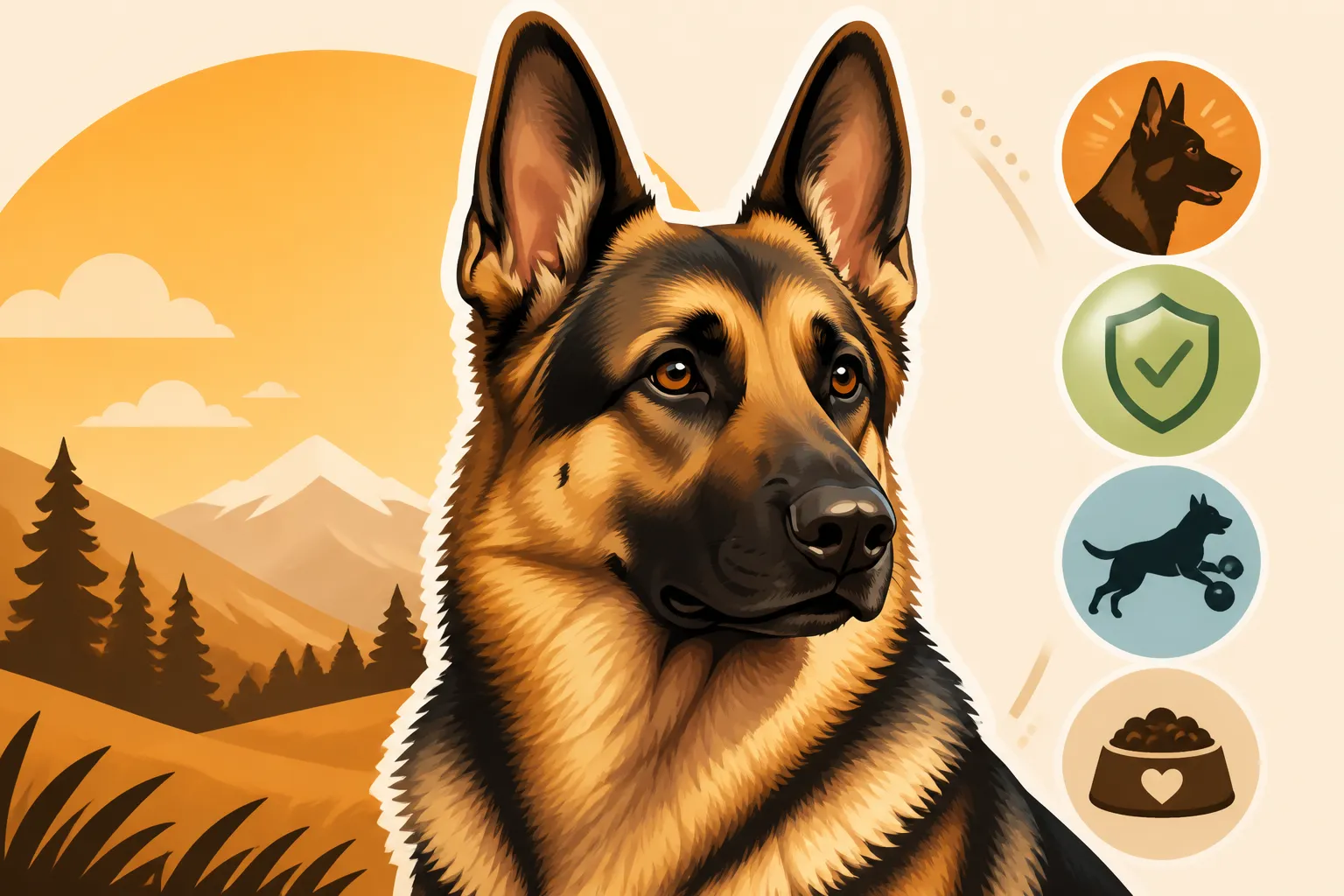
One of the most immediate distinguishing features of a Shiloh Shepherd is their sheer size. They are, quite simply, massive dogs. While a standard German Shepherd is certainly a large dog, a Shiloh Shepherd takes that to another level. We’re talking about males often weighing well over 100 pounds, sometimes pushing towards 140 pounds or more, with females not far behind. Imagine a German Shepherd that hit the growth spurt button repeatedly! Their build is typically more substantial and less angular than many modern German Shepherds, with a focus on powerful, balanced structure rather than an extreme sloped back. You'll often notice they have a softer, more plush expression than the intense gaze sometimes associated with working line German Shepherds.
Their coats are another hallmark. While German Shepherds come in both standard and long-haired varieties, the Shiloh Shepherd predominantly features a plush, luxurious coat that is typically longer and softer, often with a dense undercoat. This gives them that magnificent, almost regal appearance, particularly around their neck and tail. Colors can vary, much like their German Shepherd cousins, including sables, black and tans, solid blacks, and even silver or white, though rare. This thick coat means they do shed, especially during seasonal "blows," so be prepared for some serious grooming sessions if you bring a Shiloh into your home!
Beyond the Looks: Temperament Goals
The true heart of the Shiloh Shepherd breed development was always about temperament. The founders explicitly aimed to breed out the high drive, sharp protective instincts, and sometimes aloof nature that can be present in some German Shepherd lines, in favor of a more stable, gentle, and family-oriented companion. This doesn't mean they aren't intelligent or protective; quite the opposite. They are highly intelligent and bond deeply with their families, often showing a natural protectiveness without being overly aggressive or reactive. The goal was a dog that could be a wonderful family pet, a therapy dog, or a service dog, known for its calm demeanor and unwavering loyalty. This focus on temperament makes them an excellent choice for families looking for a large, imposing, yet wonderfully docile canine friend.
Living with a Shiloh: Temperament, Socialization, and Exercise Needs
Bringing a Shiloh Shepherd into your life is a commitment to a truly special companion. Their unique blend of strength and gentleness means they thrive in environments where they are valued members of the family, receiving consistent, positive interaction and appropriate care. It's a journey that's incredibly rewarding, but it does come with its own set of considerations.
The Shiloh's Disposition: Calm and Confident
Unlike some German Shepherds who might possess a very high prey drive or be prone to anxiety without proper stimulation, Shiloh Shepherds are typically renowned for their calm and confident disposition. They are often described as "gentle giants" or "teddy bears" due to their tolerant and easygoing nature, especially with children and other pets, provided they are properly socialized from a young age. This doesn't mean they are lazy; they are alert and intelligent, always aware of their surroundings. They are less likely to be "hyper" or excessively boisterous indoors, preferring to observe and be near their people. However, their size demands respect, and even a gentle nudge from a 100+ pound dog can be significant, so early manners training is key. If you're looking for a dog known for its stability and predictable temperament, a Shiloh Shepherd often fits the bill perfectly.
The Importance of Early Socialization
Even with their naturally good temperaments, proper socialization is absolutely critical for a Shiloh Shepherd puppy. Given their eventual large size and imposing presence, it's essential that they learn to be comfortable and confident in various situations and around all kinds of people and animals. Early exposure to different sights, sounds, smells, and experiences in a positive way will help your Shiloh develop into a well-adjusted adult. Think about puppy classes, controlled interactions with vaccinated dogs, and gentle introductions to diverse people. Without this foundation, even the most inherently calm dog can develop anxieties or undesirable behaviors. You can find excellent resources on proper early exposure by looking into guides like how to socialize a German Shepherd.
Exercise: Quality Over Quantity
While German Shepherds often require intense, structured exercise to burn off their boundless energy, Shiloh Shepherds tend to have moderate exercise needs, despite their size. They certainly aren't couch potatoes, but they don't typically need to run for miles every day to be content. Daily walks, playtime in a securely fenced yard, and mental stimulation are usually sufficient. A long, leisurely walk or a good game of fetch is often more suitable than high-impact activities that could stress their large, growing joints. They love being outdoors and exploring, but they are equally happy lounging by your feet inside. Remember, over-exercising a large breed puppy can lead to joint problems down the road, so always err on the side of caution and consult with your vet about appropriate activity levels for a growing Shiloh.
Providing Optimal Care for Your Shiloh Shepherd
Caring for a Shiloh Shepherd involves understanding their specific needs, from diet to grooming to health considerations. Because they are a large breed, some aspects of their care will naturally differ from smaller dogs or even typical German Shepherds.
Nutritional Foundations for Growth and Health
Feeding a Shiloh Shepherd correctly is paramount, especially during their critical growth phases. These big pups need a diet formulated for large breed puppies to ensure slow, steady growth and to help prevent orthopedic issues down the line. Look for high-quality dog foods that list meat as the first ingredient and have appropriate calcium and phosphorus ratios. As adults, they will continue to need a high-quality, balanced diet to maintain their impressive size and energy levels. Always follow feeding guidelines provided by your veterinarian or the dog food manufacturer, adjusting as needed based on your individual dog's activity level and metabolism. You'll find many suitable options from reputable brands on platforms like Chewy, offering a wide array of foods specifically designed for large breeds. For more detailed information on feeding, you might want to check out resources like How Much to Feed a German Shepherd.
When it comes to meals, many large breed owners opt for elevated food bowls to potentially aid digestion and reduce strain on their neck and joints, though scientific evidence on the benefits for bloat prevention is mixed. However, for a physically large dog, it can certainly make eating more comfortable.
Grooming Your Plush-Coated Companion
That beautiful, plush coat of a Shiloh Shepherd doesn't maintain itself! Regular grooming is essential. Expect to brush your Shiloh at least a few times a week, and daily during shedding seasons (which can feel like an eternal season with a double-coated breed!). This will help remove loose fur, prevent mats, and distribute natural oils, keeping their coat healthy and shiny. A good deshedding tool and a slicker brush will be your best friends.
Bathing doesn't need to be frequent unless they get particularly dirty; every few months is usually fine, or as needed. Over-bathing can strip their skin of natural oils. Don't forget to keep their nails trimmed regularly to prevent discomfort and potential paw problems, and check their ears weekly for cleanliness to prevent infections. You can find all the necessary grooming supplies, from brushes to shampoos, on Chewy.
Health Considerations: A Focus on Longevity
While Shiloh Shepherds were selectively bred to minimize some of the common health issues seen in German Shepherds, they are still a large breed and can be susceptible to certain conditions. Responsible breeders will conduct extensive health testing on their breeding stock, so always ask for proof of OFA or PennHIP certifications for hips and elbows, as well as genetic testing for conditions like Degenerative Myelopathy (DM). You can learn more about specific health issues in the article German Shepherd Health Problems Guide.
Here's a quick overview of potential health concerns:
| Condition | Description | Prevention/Management Focus |
|---|---|---|
| Hip and Elbow Dysplasia | Malformation of the hip or elbow joints, leading to arthritis and pain. Common in large breeds. | Responsible breeding (health-tested parents), proper nutrition, controlled exercise in puppyhood. |
| Degenerative Myelopathy | Progressive neurological disease affecting the spinal cord, leading to hind leg weakness and paralysis. | Genetic testing to identify carriers and affected dogs. No cure, but supportive care helps. |
| Bloat (GDV) | Life-threatening condition where the stomach fills with gas and can twist. | Smaller, more frequent meals; avoiding exercise immediately after eating; vet consultation for risk factors. |
| Exocrine Pancreatic Insufficiency (EPI) | Inability to produce enough digestive enzymes, leading to malabsorption. | Special diets and enzyme supplements. Genetic testing can help identify at-risk lines. |
| Allergies | Can manifest as skin irritation, ear infections, or digestive upset. | Identifying and avoiding allergens (food or environmental), veterinary care for symptom management. |
Regular veterinary check-ups are vital for early detection and management of any health concerns. A good vet can guide you on the appropriate German Shepherd Vaccination Schedule and offer advice tailored to your Shiloh's individual needs. Providing a good quality diet, maintaining a healthy weight, and ensuring moderate, consistent exercise are key components of how to keep a German Shepherd healthy, and these principles apply equally to Shiloh Shepherds. They typically live between 9 to 14 years, similar to their German Shepherd cousins, and excellent care can help them reach the higher end of that spectrum.
Bringing a Shiloh Shepherd into your life is a wonderful experience. They are truly magnificent dogs, offering boundless loyalty, a gentle spirit, and an impressive presence. With the right understanding of their traits, facts, and dedicated care, you'll find yourself with a devoted companion who will enrich your life for years to come.
Disclaimer
This article is for general informational purposes only and does not constitute professional advice. Laws, prices and regulations vary by location and change over time. Consult a qualified professional for guidance on your specific situation.